REVIEW · POSITANO
Ravioli & Tagliatelle Cooking Class at a Local’s Home in Positano
Book on Viator →Operated by Barba Angela · Bookable on Viator
A cooking class in a real family home matters. You start at Piazza Cappella in Positano, then head up to Montepertuso for an intimate pasta lesson with Emily and Gennaro, plus their mum in the kitchen. What makes it special is the way this feels like you’ve been invited in, not sent to a showroom.
I especially love the garden-to-plate approach: you pick fresh ingredients in their garden, then turn them into two kinds of handmade pasta. Second, I like the practical teaching—how dough should feel, how to fill ravioli, and how to handle the shapes without getting in a panic. One drawback to consider: it’s weather-dependent and takes place in the mountains, so plan for the reality of a short trip up and some time outdoors for the best experience.
In This Review
- Key takeaways before you book
- Inside the Family Home in Montepertuso
- The Real Centerpiece: Ravioli, Tagliatelle, and Tiramisu
- Ravioli: filling, shaping, and confidence
- Tagliatelle: handmade pasta with garden ingredients
- Tiramisu: an old family recipe
- Garden Picking and Montepertuso Views (Where the Class Feels Like a Day Out)
- Aperitif, Wine, and That Food-First Positano Rhythm
- What the Teaching Is Really Like (and How to Get the Most From It)
- Price and Value: Why $181.41 Works Here
- Stop 1 to Stop 2: Montepertuso and Li Galli
- Who This Cooking Class Is Best For
- Should You Book This Positano Ravioli and Tagliatelle Class?
- FAQ
- How long is the cooking class in Positano?
- How much does it cost per person?
- What will I cook during the class?
- Where do I meet, and will it end nearby?
- What group size should I expect?
- Is the class family-friendly, and does weather matter?
Key takeaways before you book
- Small group, home setting with a family-style kitchen pace (max 14)
- Two pastas + one dessert: ravioli, tagliatelle, and tiramisu
- Garden picking and farm-forward ingredients from their property
- Aperitif plus lots of wine, with family-made limoncello mentioned in the experience
- Views from Montepertuso with a stop that includes Li Galli sights
Inside the Family Home in Montepertuso

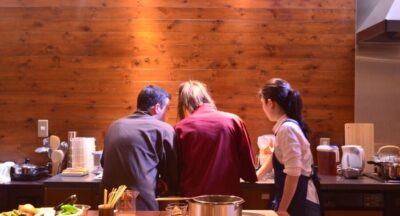
This isn’t the usual cooking class vibe. You’re not herded from station to station, and nobody talks like you’re on a factory line. The setting is a family home up in Montepertuso, and the mood stays warm and relaxed while you cook, eat, and trade stories.
You’ll spend around 3 hours total, and you’ll come away with more than full plates. You’ll learn a repeatable method for fresh pasta, and you’ll also get a feel for how Positano cooking is shaped by what’s close by—garden produce, local staples, and old recipes passed down in the family.
The group size matters here. With up to 14 people, you actually get hands-on help while you’re rolling dough and assembling ravioli. That intimacy also keeps the pace friendly. If you’ve been to bigger “demo then everyone eats” classes, you’ll notice the difference right away.
You can also read our reviews of more tours and experiences in Positano.


The Real Centerpiece: Ravioli, Tagliatelle, and Tiramisu
The class is built around three dishes, and they’re chosen for a reason: they teach you different skills, not just different flavors.
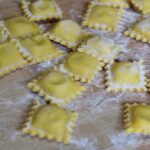
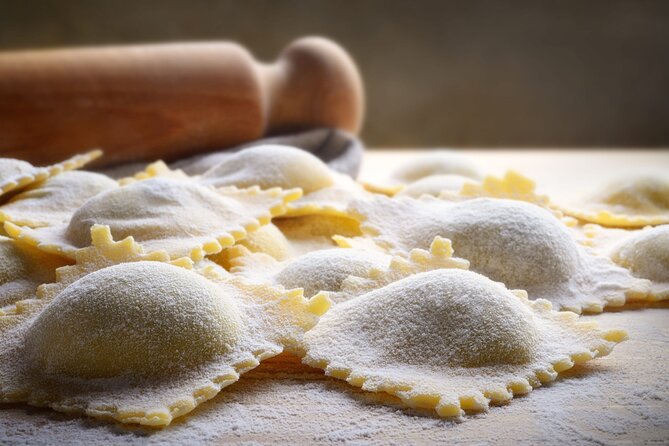
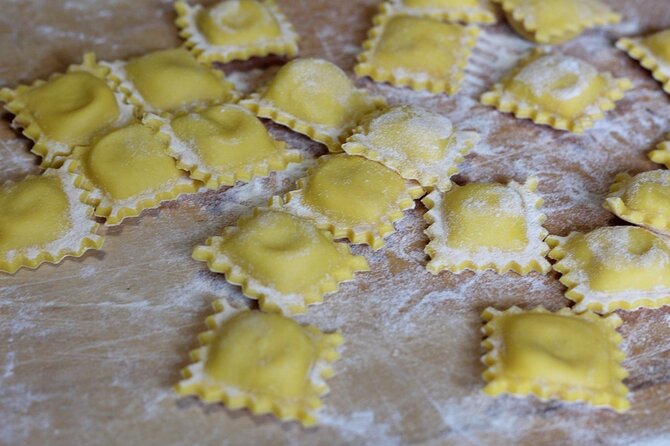
Ravioli: filling, shaping, and confidence
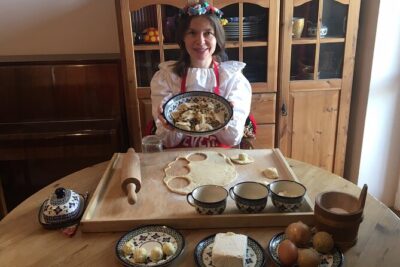
You make ravioli using fresh pasta dough. The filling is flexible, and you get to choose together—common options include ricotta, vegetables, or meat. This choice is a big deal because it keeps the lesson personal. You’re not stuck with one filling you don’t like, and it also helps you understand how the filling’s texture changes the final bite.
Expect a fun group effort. Even when you know what you’re doing, ravioli takes time because dough needs to be rolled, laid out, filled, and sealed. That’s why this class feels social: you’ll be working side-by-side with others while you get tips on preventing the dough from tearing and on sealing so they cook up clean.
Tagliatelle: handmade pasta with garden ingredients
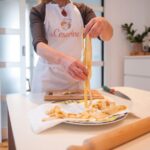
Next comes tagliatelle, made by hand with fresh ingredients that include produce from their garden. Tagliatelle is great for learning because it’s forgiving in a different way than ravioli. Instead of focusing on sealing edges, you’re learning how the dough behaves while you shape long ribbons.
If you want to understand fresh pasta beyond one recipe, tagliatelle is the perfect second skill. It gives you a new technique, and you get to taste how homemade pasta holds up with simpler, fresh-forward ingredients.
Tiramisu: an old family recipe
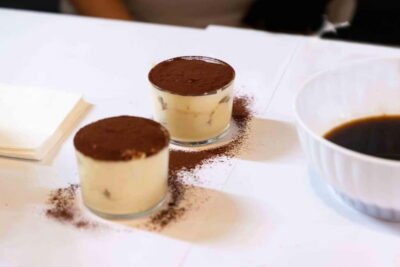
You won’t miss dessert. You’ll make tiramisu, shared as a traditional family-style version. The key here is that tiramisu is part cooking, part assembly, and part timing—so you see how families make something classic without turning it into a complicated performance.
If you usually skip tiramisu, this is still worth doing because you’re tasting a homemade version tied to their family method, not a store-bought shortcut.
Garden Picking and Montepertuso Views (Where the Class Feels Like a Day Out)
One of the best parts is the sensory build-up. You don’t just arrive to cook. You start with food context: what’s growing, what ingredients taste like when they’re fresh, and why those choices matter in coastal southern Italy.
They specifically talk about ingredients picked together in their garden, and multiple people mention the produce is farmed on the property. That means the caprese-style starter and the garden vegetables aren’t just “seasonal by theme.” They’re the real thing, used in the meal you’re about to make.
Then there’s the view. Montepertuso sits above Positano, so even from a home setting, you can feel that elevation. The experience includes a stop connected to Li Galli, and that part of the itinerary is usually where you get some of the best sightlines. Even if you’re not a scenery person, it changes the whole mood: you eat and cook with your attention up, not down at the table.
Practical note: it’s held in an area that benefits from good weather. If conditions are bad, the experience can be rescheduled or refunded, so don’t schedule something tight right after.
Aperitif, Wine, and That Food-First Positano Rhythm
This class doesn’t treat drinking as an afterthought. You begin with a welcoming aperitif featuring local products, including prosecco, and a spread that may include salami, tarallucci, local cheese, and olives.
Later, the meal builds in an easy flow:
- a starter that includes caprese with fresh mozzarella and tomatoes (linked to their garden)
- plus rocket and grilled vegetables from what they pick together
- then the pastas you make
- and finally tiramisu
Wine is a major part of the evening. People describe it as endless during the meal, and you may also be served family limoncello. That matters for two reasons. First, it matches how Italian family meals work—food and conversation are a package deal. Second, it keeps the energy light while you work with dough that can feel fiddly if you’re stressed.
If you’re used to structured tastings with strict pacing, this may feel more like a celebration. That’s the point.
What the Teaching Is Really Like (and How to Get the Most From It)
If you come expecting a lecture, you’ll be disappointed—in a good way. The teaching is built around doing. You’ll get guidance as you:
- roll dough and learn what consistency looks like
- make and fill ravioli without panic
- shape and manage tagliatelle
- assemble tiramisu with the right rhythm
A big theme is family technique. The hosts connect the food to their grandmother’s recipes and the history of their family in the area. That storytelling isn’t just cute background. It gives you a reason for the steps you’re learning—why certain fillings are used, why ingredients are treated simply, and why the family sticks to those methods instead of chasing trends.
Also, the experience tends to be interactive in a fun way. Some people mention singing and dancing moments, plus lots of laughter. It’s not a formal class atmosphere. You’ll likely take plenty of photos and end up sharing them right after, since the hosts may provide pictures and videos through messaging apps.
Price and Value: Why $181.41 Works Here
At $181.41 per person, you’re not buying a “quick pasta lesson.” You’re paying for:
- a small group in a home kitchen
- hands-on instruction for multiple dishes
- fresh ingredients that come from a garden setting
- a full meal with wine and aperitif
- take-home value like recipe PDFs mentioned in the experience
If you compare this to the cost of a good restaurant meal plus buying a pasta experience on top, the pricing can make sense fast—especially because you’re leaving with skills you can repeat. The price feels more fair when you treat it as both a class and a meal with wine, not just a cooking demonstration.
One more value point: many people come away saying this is the best meal they had in Positano. That’s not just about taste. It’s because the cooking happens at the pace of the family—so you eat what you just made, while it’s still at its best.
Stop 1 to Stop 2: Montepertuso and Li Galli
The experience includes time associated with Montepertuso and a stop tied to Li Galli. Here’s how that typically fits into the day in a realistic way:
- Montepertuso is where the home base experience happens. This is also where you get the “you’re up above Positano” feeling, which makes the whole cooking story easier to buy. The view sets you in the right mood before the first bites.
- Li Galli is the sight element. You get the chance to look toward those islets as part of the route and viewpoints. It’s not a separate attraction you must chase with a checklist. Think of it as a natural part of being in this part of the coast.
If you’re short on time in Positano, this itinerary is efficient. You’re not spending hours hopping between tourist stops. You’re moving to the local setting, cooking, then ending back at your starting point.
Who This Cooking Class Is Best For
This is a great match if you want:
- an authentic, family-run food experience rather than a large scripted tour
- hands-on learning with real technique (not just watching)
- a full meal that includes pasta you helped make, plus dessert
- the chance to cook with ingredients tied to a garden
It also mentions suitability for children, which can be a deciding factor for families looking for something interactive that doesn’t feel like an adult-only wine party.
If you have serious dietary restrictions (like avoiding dairy, meat, or alcohol), you should think ahead. The fillings and the aperitif are central to the experience, so you’ll want to confirm what can be adapted. What you can eat is probably possible to discuss, but the core menu is built on traditional local flavors.
Should You Book This Positano Ravioli and Tagliatelle Class?
Book it if you want a single, high-impact experience that gives you:
- three homemade dishes (two pastas and tiramisu)
- garden-based ingredients
- a small group home setting with a real sense of family tradition
- food plus wine plus a view, all in one smooth 3-hour block
Skip it if you want a fast, purely instructional class with no social atmosphere, or if you’re sensitive to weather disruptions. Also skip if you don’t like the idea of working with dough and assembling pasta by hand—this is hands-on, not just a tasting.
If you’re choosing between an in-restaurant class and this home-based version, the home setting is the whole draw. This is the kind of meal you remember because you made it, not because it looked good on a plate.
FAQ
How long is the cooking class in Positano?
It runs for about 3 hours.
How much does it cost per person?
The price is $181.41 per person.
What will I cook during the class?
You’ll make ravioli, tagliatelle, and tiramisu.
Where do I meet, and will it end nearby?
You meet at Piazza Cappella, 84017 Positano SA, Italy, and the activity ends back at the meeting point.
What group size should I expect?
The class has a maximum of 14 travelers.
Is the class family-friendly, and does weather matter?
It is suitable for children, and it requires good weather. If it’s canceled due to poor weather, you’ll be offered a different date or a full refund.