REVIEW · UDAIPUR
Cooking class and dinner with Rekha family with full meals
Book on GetYourGuide →Operated by India saying namaste Trips · Bookable on GetYourGuide
Cooking dinner in a real home changes everything.
In Udaipur, this 3-hour hands-on cooking session with Rekha’s family turns into more than a meal. You’ll shop your way through the basics of Indian food, cook several dishes together, and then eat what you make while talking food and culture.
I especially liked the calm, practical pace and the fact you end up with a complete veggie dinner you cooked yourself: rice, paneer, types of chapati, seasonal curry, and milk pudding. One trade-off to plan for: it’s a shared small group (up to 5), and you’ll need to follow home rules like removing your shoes, plus arranging your own transportation.
In This Review
- Key Things You’ll Notice Right Away
- Why Rekha’s Family Kitchen Feels Like Real Udaipur
- The 3-Hour Flow: Welcome Drink to Full Veg Dinner
- What You’ll Cook: Rice, Paneer, Chapati, Curry, and Milk Pudding
- Rice that tastes like a real staple
- Paneer (cottage cheese) with flavor and texture
- Chapati types you can repeat at home
- Seasonal vegetarian curry
- Milk pudding for the sweet finish
- The Insider Food Tips That Actually Help You Cook Later
- Dinner Conversation: Wedding Album Stories and Culture Without the Museum Tone
- Henna Mehendi and Dressing Up: Optional Fun That’s Still Part of the Experience
- Price and Value: Why $14 Can Feel Like a Steal
- Meeting Point and Practicalities Near Lake Palace Road
- Who This Works Best For (and Who Might Want a Different Plan)
- Should You Book Cook With Rekha’s Family?
- FAQ
- How long is the cooking class and dinner?
- How much does it cost?
- Is the meal vegetarian, and is alcohol included?
- What dishes will we cook?
- What language is the instructor?
- How many people are in the group?
- Where is the meeting point?
- What should I bring and do when I arrive?
- Is henna mehendi included?
- Can I cancel or pay later?
Key Things You’ll Notice Right Away
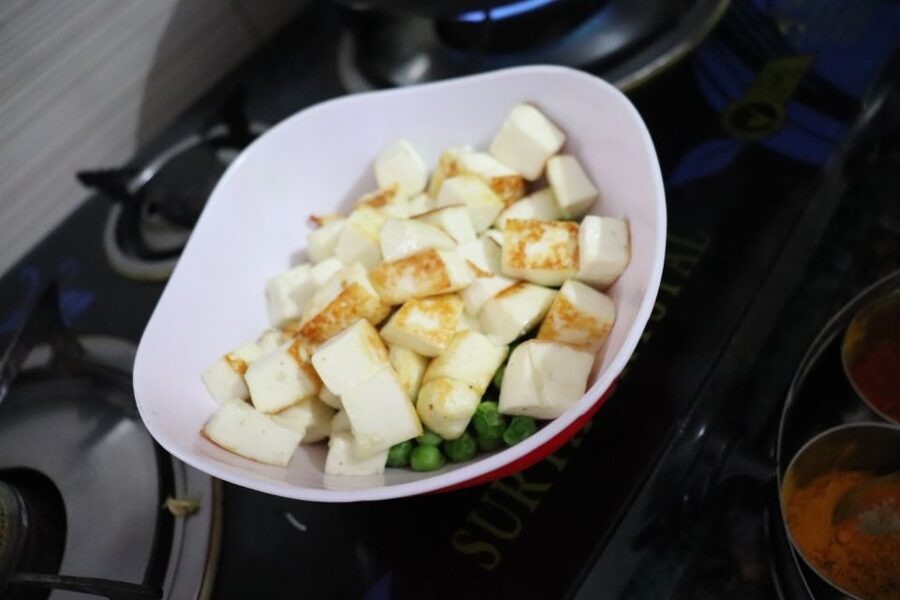
- A full vegetarian menu you cook end-to-end: rice, paneer, chapati types, seasonal curry, and milk pudding
- Small group teaching (max 5): English instruction means you can actually follow along
- Food history plus practical tricks: you learn why things taste the way they do, not just what to do
- You eat your own work: dinner comes right after cooking, while it’s still fresh and hot
- Culture added after dinner: discussion time, wedding album moments, and a chance to do henna mehendi
- Family-home etiquette: you’ll remove shoes, and the evening is built around that cozy, respectful space
Why Rekha’s Family Kitchen Feels Like Real Udaipur
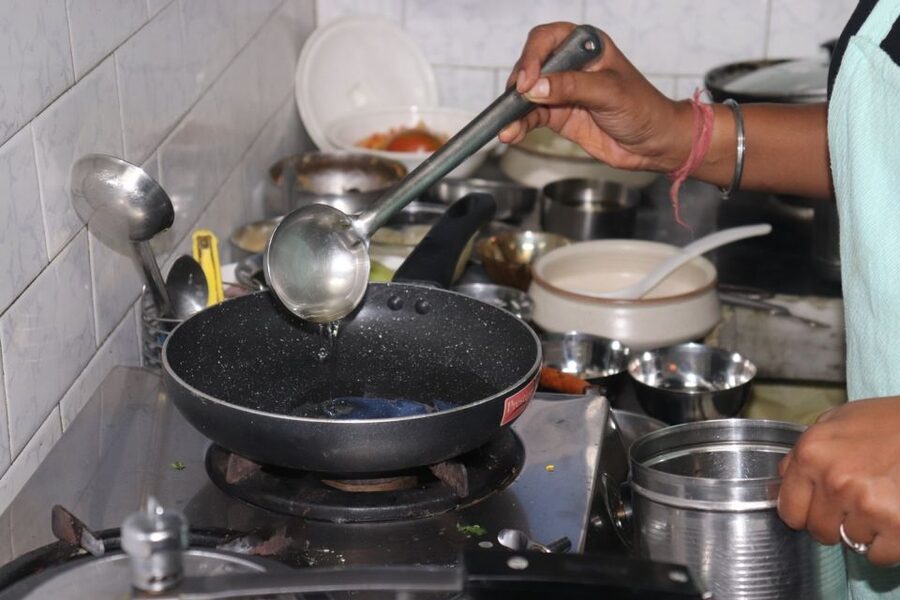
A restaurant meal can be good. This is different. This is the kind of evening where you learn by doing, then sit down and talk like you’re visiting someone’s home, not checking off a class.
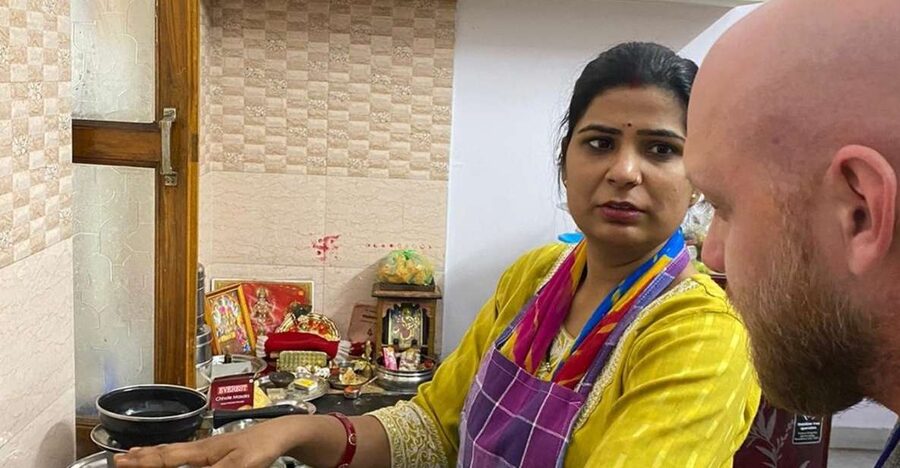
Rekha and her family run it with a friendly rhythm. Even when people have different cooking comfort levels, the pace stays manageable because the group is capped at 5. The result is that you’re not just watching from the side—you’re chopping, mixing, rolling, and tasting as you go.
You’ll also get the food-and-family combo that makes Indian home cooking so memorable: recipes are connected to daily routines, celebrations, and small habits you don’t find on a menu.
You can also read our reviews of more tours and experiences in Udaipur.
The 3-Hour Flow: Welcome Drink to Full Veg Dinner
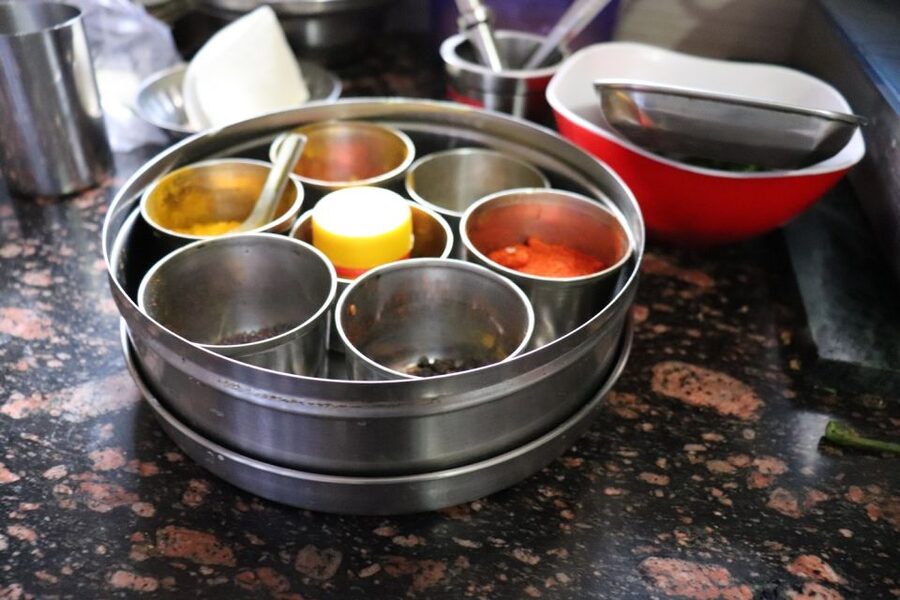
The evening starts with a meet-and-greet at the family home. You’ll get a refreshing drink right away, and then Rekha introduces what you’ll be cooking and how the session will work.
From there, you jump into the vegetarian meal. The session is structured so you’re moving through multiple dishes rather than sticking to one single item. That matters because you’ll learn patterns: how the spice base works, how paneer is handled, how chapati dough behaves, and how curry is balanced for taste.
Then comes the best part: you eat your meal. After dinner, you don’t just leave. You talk—about Indian food tips and tricks, and also about cultural topics. Some parts of the evening lean into family stories and traditions, which is exactly why this works as more than just cooking practice.
What You’ll Cook: Rice, Paneer, Chapati, Curry, and Milk Pudding
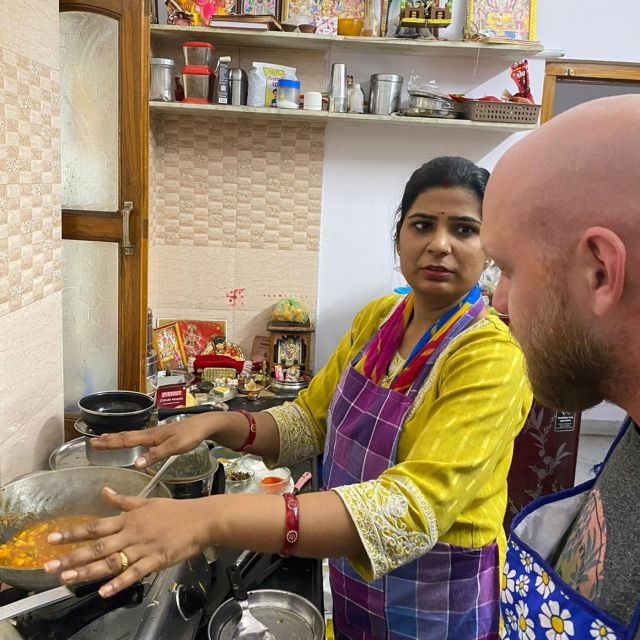
Let’s talk dishes, because this is a cooking class where the menu actually ends up on your plate.
Rice that tastes like a real staple
You’ll cook rice as part of the meal. Expect guidance on the basics that make rice come out right—how you treat it before cooking and how you judge doneness. Rice is the anchor that helps everything else taste better.
Paneer (cottage cheese) with flavor and texture
Paneer can be amazing or bland, depending on how it’s cooked. You’ll learn how to handle paneer so it stays tender and works with spices instead of just absorbing them.
Chapati types you can repeat at home
You’ll also make chapati—and the session specifically calls out types of chapati. You’ll practice rolling and cooking, and you’ll pick up the small cues that help you roll evenly and get the right surface on the final flatbread.
If you want to bring something home from this class, chapati and paneer are the two biggest wins. They’re not complicated, but they do require technique. This is where home-style instruction beats a generic cooking demo.
Seasonal vegetarian curry
You’ll cook a seasonal vegetarian curry. The “seasonal” part matters: it signals that the curry changes with what’s available and what’s in season. That’s practical food knowledge you can adapt later, even when you’re shopping in a different country.
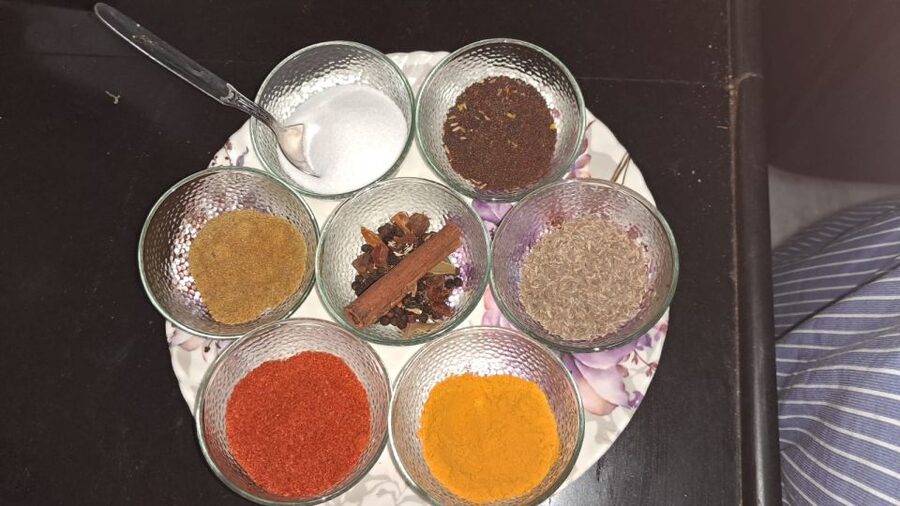
You’ll also get insider tips on how Indian cooking balances flavors. Think of it like learning the logic behind the taste: spice, heat, sourness, and richness working together instead of random spice dumps.
Milk pudding for the sweet finish
Finally, you’ll make milk pudding. Desserts in Indian home cooking aren’t just sugar—they’re texture and timing. When you’re taught how to watch it and know when it’s ready, you’ll have something genuinely different to try later.
The Insider Food Tips That Actually Help You Cook Later
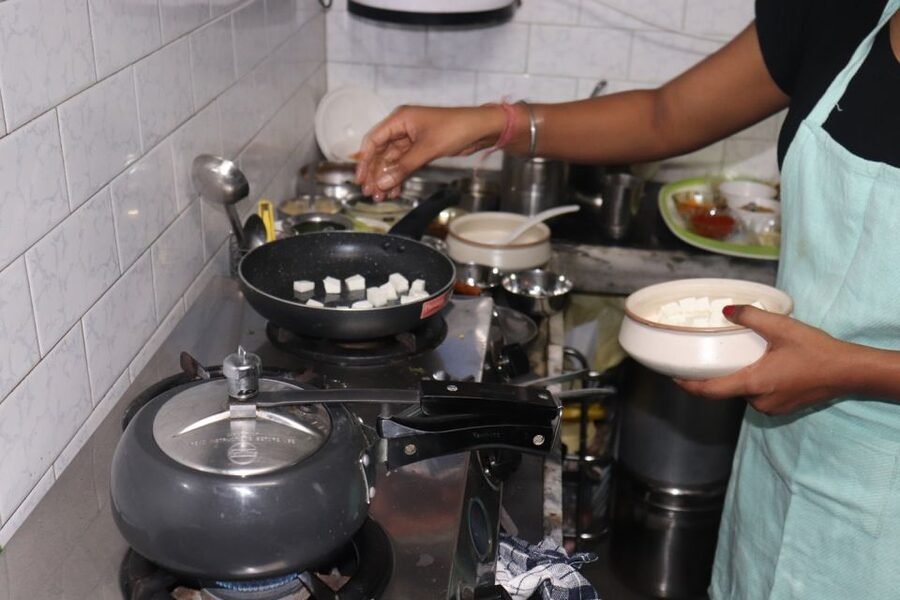
This isn’t presented as a lecture course. It’s built around why certain steps matter, and that’s where the value lives.
You’ll learn histories of different foods as part of the experience. That might sound academic, but it tends to land differently when it’s connected to what you’re doing right now. When you’re stirring a base or tasting a spice mix, the story helps you remember the technique.
You’ll also get practical food tricks tied to Indian cooking. From what’s shared during the session, people especially like the clarity of the instruction—spice handling, timing, and how to fix things when a batch doesn’t look right.
And because you cook multiple dishes, you start to see connections: the same spice logic shows up again and again, just applied differently for chapati stuffing, curry flavor, or paneer richness.
Dinner Conversation: Wedding Album Stories and Culture Without the Museum Tone
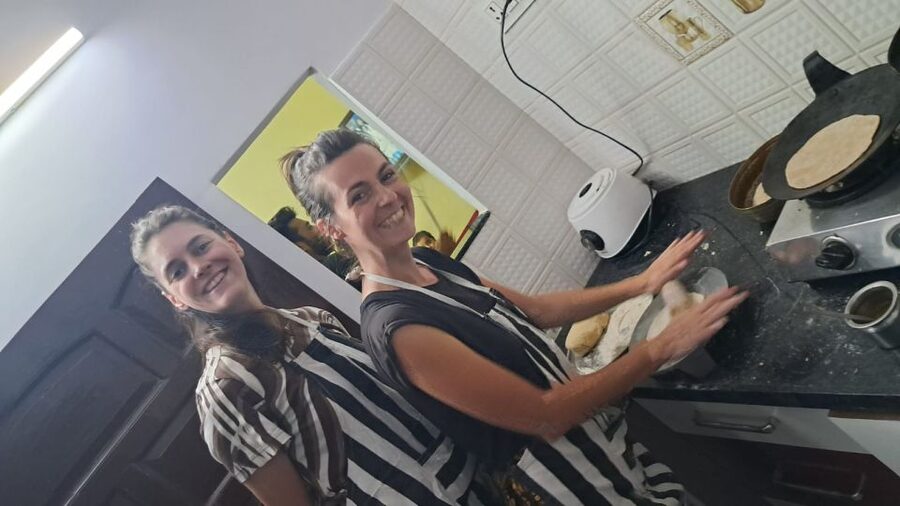
Once you finish cooking, you sit down to eat what you made. That part is important because dinner isn’t tacked on as a formality. It’s part of the learning flow.
During the meal, there’s time to discuss Indian food tips and tricks, plus cultural topics. The vibe is relaxed, and the small group size keeps the conversation from turning awkward.
A highlight for many people is getting a window into family life after dinner, including time spent looking at wedding photos and hearing family stories. It’s not staged. It’s the kind of personal detail that makes the evening feel human.
If you like cultural context that doesn’t feel like a lecture, this is the section that delivers it.
Henna Mehendi and Dressing Up: Optional Fun That’s Still Part of the Experience
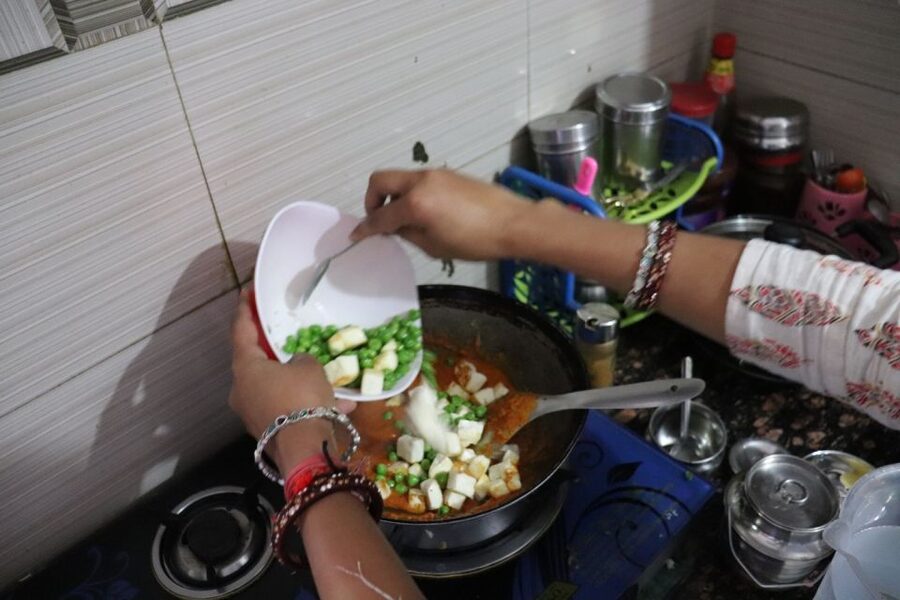
After dinner and conversation, you have a chance to enroll in a henna mehendi class. It’s described as part of the cultural experience, and it includes the chance to wear Indian jewelry and dresses.
This is the kind of activity that works well because it doesn’t replace the cooking. It adds to it. You already learned food; now you get a playful cultural add-on that feels grounded in how families celebrate.
If you’re the type who enjoys photos but also likes experiences that feel participatory rather than performative, you’ll probably have fun here.
Price and Value: Why $14 Can Feel Like a Steal
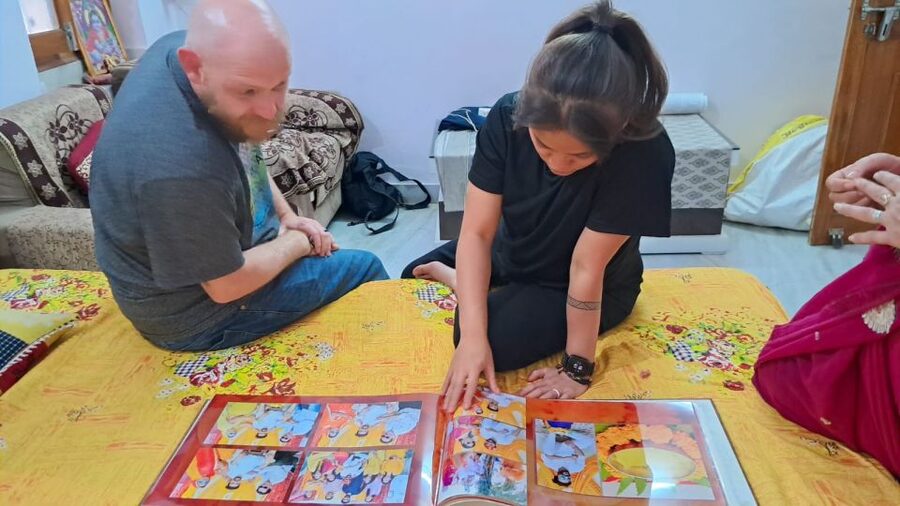
At $14 per person for a 3-hour home cooking session with a full vegetarian meal, this pricing structure is hard to beat—if you want value through teaching and food rather than a bigger tourist show.
Here’s what you’re really paying for:
- Hands-on cooking time in a real family kitchen
- Multiple dishes instead of one simple recipe
- A full dinner made from what you cooked
- English instruction and a small group cap
- Water included for everyone
What you’re not paying for is also clear. Alcoholic beverages aren’t included, and there’s no non-vegetarian food offered.
So if you come hungry and ready to learn, you get a lot for the money. If you’re only interested in a quick meal and don’t care about cooking, it may feel like more work than you expected. But if you’re aiming for authentic, practical experience, this is one of the better value plays in Udaipur.
Meeting Point and Practicalities Near Lake Palace Road
You’ll meet at Cook with Rekha’s Family, on Kalaji Goraji Road near Tera Pant Bhavan Lake Palace road. It’s a home setting, so expect a calm arrival rather than a big check-in process.
A few practical notes matter:
- This is shared, small group cooking, and other people may join if more bookings come in.
- The instructor is English.
- You should bring passport or an ID card.
- You’ll need to follow home rules like removing shoes.
- The tour says it’s not recommended if you can’t organize your own transportation, so plan how you’ll get to and from the home.
There’s also mention of skipping the ticket line. In practical terms, it means you’re not wasting time on a formal queue once you arrive—you’re getting directed into the flow.
Who This Works Best For (and Who Might Want a Different Plan)
This is ideal for you if:
- You want hands-on cooking, not just watching
- You like small group experiences where you can ask questions
- You care about vegetarian cooking depth, especially chapati and paneer
- You want a cultural evening that feels personal and relaxed
It may not be your best match if:
- You need everything to be strictly hands-off or highly private
- You don’t want to follow home etiquette like removing shoes
- You don’t have a reliable plan for transportation back to your hotel area
If you’re celebrating something special, the family vibe has the right warmth for it too, since the evening includes personal family moments. Just keep expectations realistic: it’s still a cooking and dinner experience first.
Should You Book Cook With Rekha’s Family?
I’d book it if your goal is a real Udaipur evening: learn staple Indian recipes, eat a full meal you made, and chat with a local family in a setting that feels lived-in.
The biggest reasons to say yes are simple: small group teaching, a meal that’s actually part of the lesson, and a warm cultural add-on that goes beyond food facts. The main reason to hesitate is logistics—this is a home-based experience, so plan your transport and be ready for shoe rules.
If that sounds like your kind of evening, go for it.
FAQ
How long is the cooking class and dinner?
The experience lasts 3 hours.
How much does it cost?
The price is $14 per person.
Is the meal vegetarian, and is alcohol included?
Yes, the meals are vegetarian. Alcoholic beverages are not included.
What dishes will we cook?
You will prepare a vegetarian meal that includes rice, paneer (cottage cheese), types of chapati, a seasonal vegetarian curry, and milk pudding.
What language is the instructor?
The instructor speaks English.
How many people are in the group?
This is a small group limited to 5 participants, and it’s a shared session, so other people may join if more bookings are available.
Where is the meeting point?
Meeting point is Cook with Rekha’s Family on Kalaji Goraji Road near Tera Pant Bhavan Lake Palace road.
What should I bring and do when I arrive?
Bring your passport or an ID card. You must remove your shoes in the local family’s home.
Is henna mehendi included?
You’ll have the chance to enroll in a henna mehendi class, but it is not listed under included items.
Can I cancel or pay later?
You can cancel up to 24 hours in advance for a full refund. You can also reserve now & pay later.