REVIEW · ROME
Rome: Cooking Lesson to learn the Secrets of Italian Cuisine
Book on GetYourGuide →Operated by Welcome Italy by Spare Tour S.r.l. · Bookable on GetYourGuide
Cooking Roman classics comes with a wine passport. In this 4-hour class, you shop with the chef, cook primo, secondo, and dessert, and taste Lazio wines in a real wine setting.
What I love first is the market shopping with a bilingual chef, where you learn how Italians actually decide what goes into a dish. Second, you get hands-on cooking plus a structured wine tasting, not just a glass dropped on your table.
One possible drawback: it runs rain or shine, and it is not suitable for wheelchair users. If you have mobility limits, this is the key thing to factor in early.
In This Review
- Key things that make this Rome class work
- Why a Roman cooking lesson feels like real Italy
- Getting picked up inside the Aurelian Walls
- Cantina del Duca: wine tasting first, then cooking
- Shop with the chef: how ingredient choices get taught
- Cooking your own primo, secondo, and dessert
- Example dishes you may make
- Meat, fish, or vegetarian options
- What it’s like to actually eat what you cooked
- Wine pairing from Lazio: learning flavor, not just drinking
- The value question: is $258.29 really “worth it”?
- Who this cooking class suits best
- Who should consider skipping it
- Practical tips so you get the most out of the day
- Should you book this Rome cooking lesson?
- FAQ
- How long is the cooking lesson in Rome?
- Where does pickup happen?
- Is wine tasting included?
- Can I choose meat, fish, or vegetarian?
- Are there options for private or small groups?
- What languages are available for the live guide?
- Is the experience wheelchair accessible?
Key things that make this Rome class work
- Chef-led market shopping: ingredient choices get explained in practical terms.
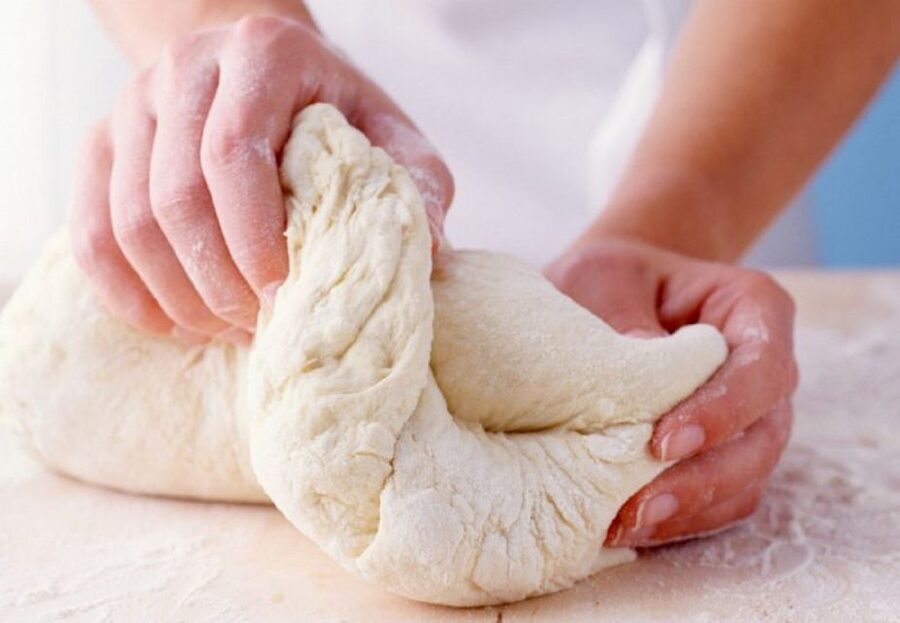
- Cook, eat, repeat: you make a full Roman-style progression (primo, secondo, dessert).
- Choose your style: you can specify meat, fish, or vegetarian.
- Lazio wine tasting with your meal: wines are paired as you eat, not randomly poured.
- Small-group feel: private or small groups keep it more interactive.
- You leave with a certificate: a fun, concrete takeaway from the day.
Why a Roman cooking lesson feels like real Italy
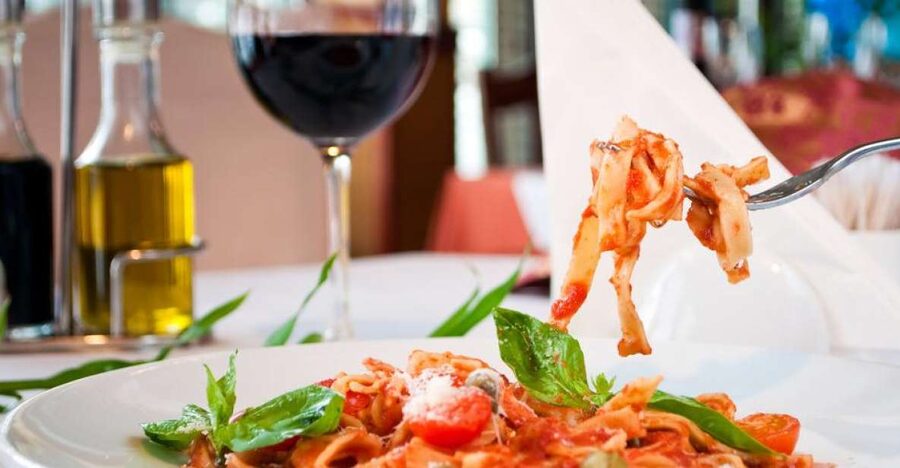
Rome is a city where food isn’t a side quest. It’s how people talk, celebrate, and slow down. This class uses that idea and turns it into a hands-on format: you learn, you cook, you eat, and you match flavors with local wine.
The best part is that the lesson isn’t stuck in theory. The chef leads you through selecting ingredients and then showing you what to do in the kitchen, with enough guidance that you can actually reproduce the steps later.
Also, Roman cuisine has a particular feel: hearty, comfortable, and built on simple ingredients treated with respect. This tour leans into that Roman kitchen approach, mixing old-school techniques with a modern, explained-by-a-chef process.
You can also read our reviews of more tours and experiences in Rome.

Getting picked up inside the Aurelian Walls
Your day starts with round-trip transportation inside the Aurelian Walls, with pickup available only from accommodations in Rome’s city center. That matters because it keeps the schedule realistic, so you don’t spend half the afternoon weaving through transit and long walks.
You’ll also travel with an English-speaking tour escort, and the live guide language coverage includes English, Spanish, and Italian. If you want to ask questions as you go, having language support makes a big difference.
Timing is simple: the full experience runs about 4 hours. That’s long enough to shop, cook, eat, and do a wine tasting, but short enough that it won’t eat a whole day of your sightseeing.
Cantina del Duca: wine tasting first, then cooking
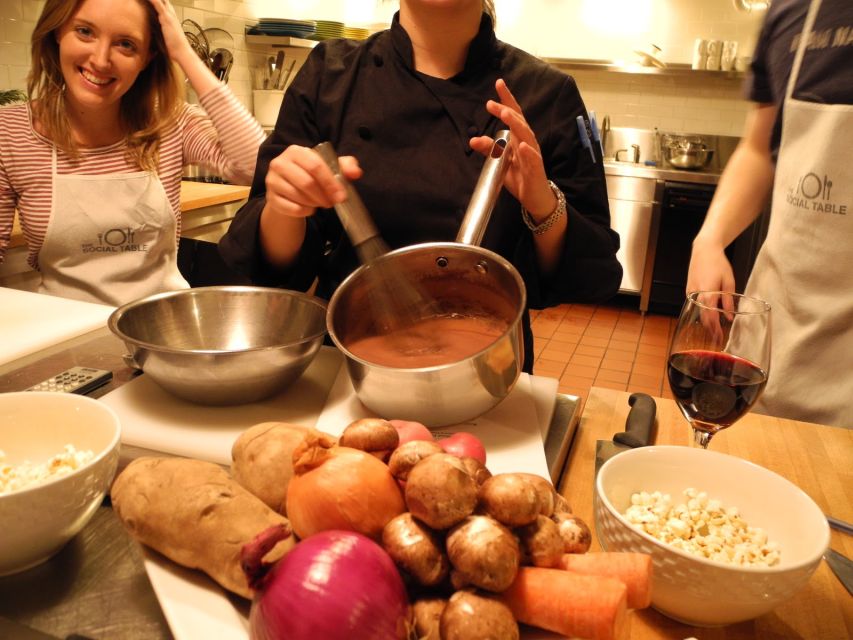
The class is anchored at Cantina del Duca, where the flow is smart: you taste and learn, then you cook with better context. You’ll do wine tasting plus cooking and food tasting during the main session.
You can think of this like a flavor “warm-up.” Before you touch a cutting board, you get exposed to Lazio wine flavors, so when your food lands, you’re already listening for the right connections—acidity, body, and how certain flavors soften or sharpen each other.
Wine is paired with the dishes as you eat. That’s a practical way to learn, because the pairing is tied directly to what’s on your plate, not just what sounds good in theory.
Shop with the chef: how ingredient choices get taught
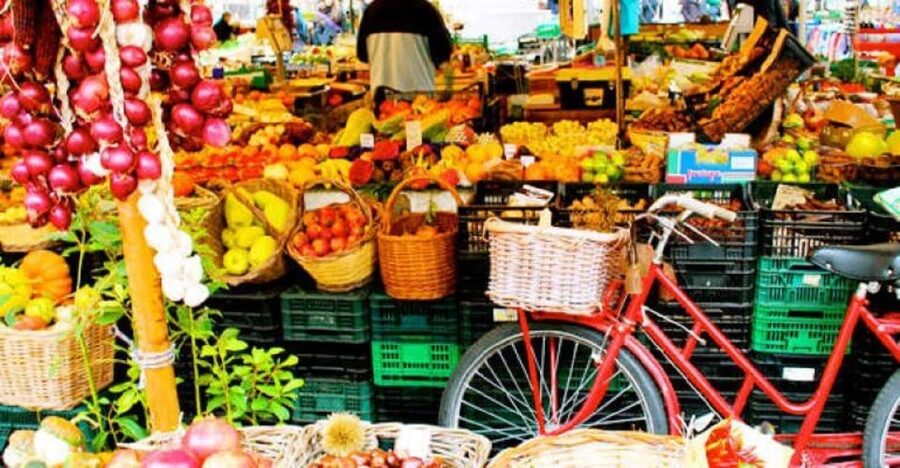
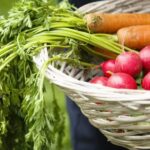
The market part is one of the biggest reasons this feels more valuable than a typical cooking demo. You’re not just watching. You’re learning how a chef thinks about ingredients before the cooking starts.
In the best moments, the lesson focuses on “why,” not only “how.” You see what gets selected, and you understand how those choices shape the final result—like texture, richness, salt level, freshness, and timing.
This is also where the experience feels most Roman. In Rome, food culture is built around ingredients that are available and well-prepared, not around complicated gadgets. Market shopping reinforces that mindset.
And it’s not abstract. One participant highlighted shopping at the markets and seeing the restaurant kitchen environment, which is exactly the point: you get a glimpse of how professionals work day to day.
Cooking your own primo, secondo, and dessert
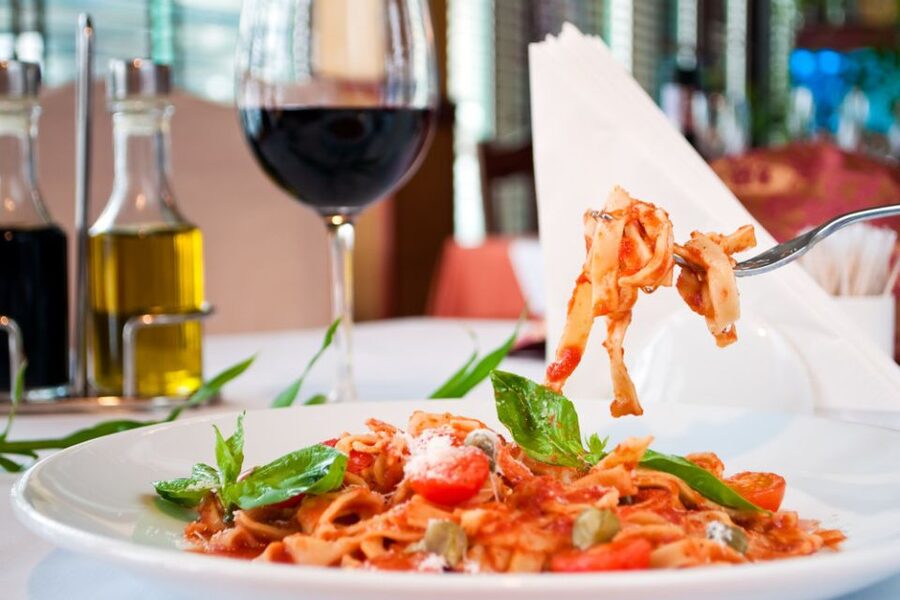
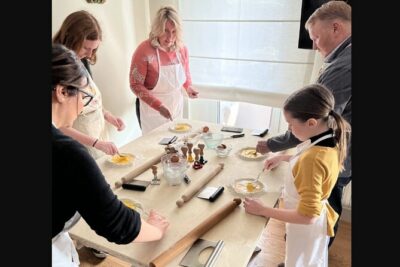
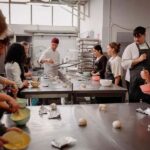
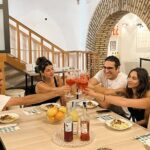
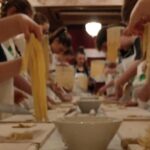
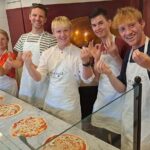
This is a proper class, not a sit-and-try activity. During the session, you cook and eat your own meal across primo, secondo, and dessert. That structure is what makes the learning stick, because you’re repeating core techniques and then applying them to different types of dishes.
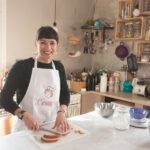
You’ll be guided by an international bilingual chef, sharing the secrets of the Roman kitchen—old and new. The wording here matters less than the outcome: you get steps you can follow, plus the reasoning behind them.

Example dishes you may make
While the exact menu can vary by the session, you should expect Roman-leaning Italian cooking. In one firsthand highlight, the class covered:
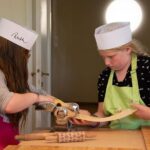
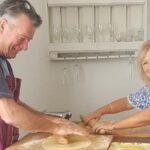
- making ravioli
- making gnocchi with a different sauce pairing for each
- cooking fried zucchini flowers filled with mozzarella
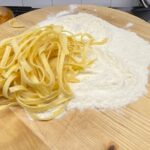
That combination hits several useful skills fast: dough work (ravioli), shaping/texture (gnocchi), and a more delicate ingredient prep (zucchini flowers). Even if your menu differs, these are the types of dishes that teach technique you can reuse.
Meat, fish, or vegetarian options
You can specify whether you want to cook meat, fish, or vegetarian. That’s a big deal for enjoyment. It means you’re not stuck with a meal that doesn’t match your preferences, and it usually keeps your kitchen energy up because you’re genuinely cooking what you came for.
You’ll also have a cooking assistant involved. In a hands-on class, that support helps with timing and saves you from getting stuck on a step you can’t fix alone.
What it’s like to actually eat what you cooked
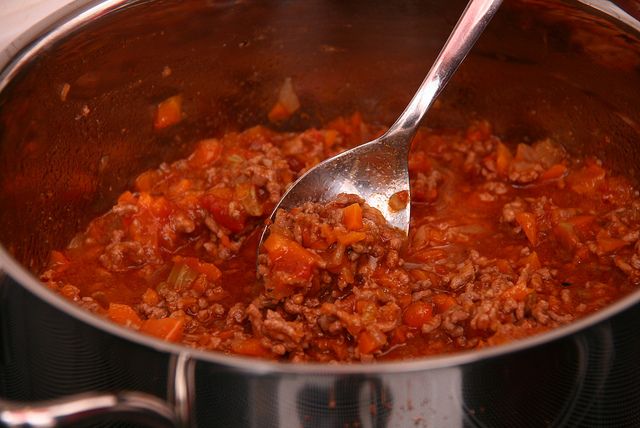
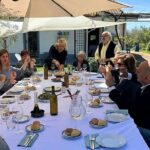
Italy works best when you eat what you made, while the experience is still fresh. Here, you cook and then eat your dishes as part of the same session, which keeps everything connected.
Food tasting is built into the program, and because the wine is paired, you’re not guessing what the flavors are meant to do. You’ll get to compare bites with sips and adjust your palate understanding in real time.
There’s also a nice psychological benefit: when you know your own dish is on the table, you pay attention differently. Texture and seasoning don’t feel theoretical anymore. They feel personal.
And it’s just more fun. The certificate at the end is a small touch, but the real takeaway is the satisfaction of eating a full meal you can point to and say, I did that.
Wine pairing from Lazio: learning flavor, not just drinking
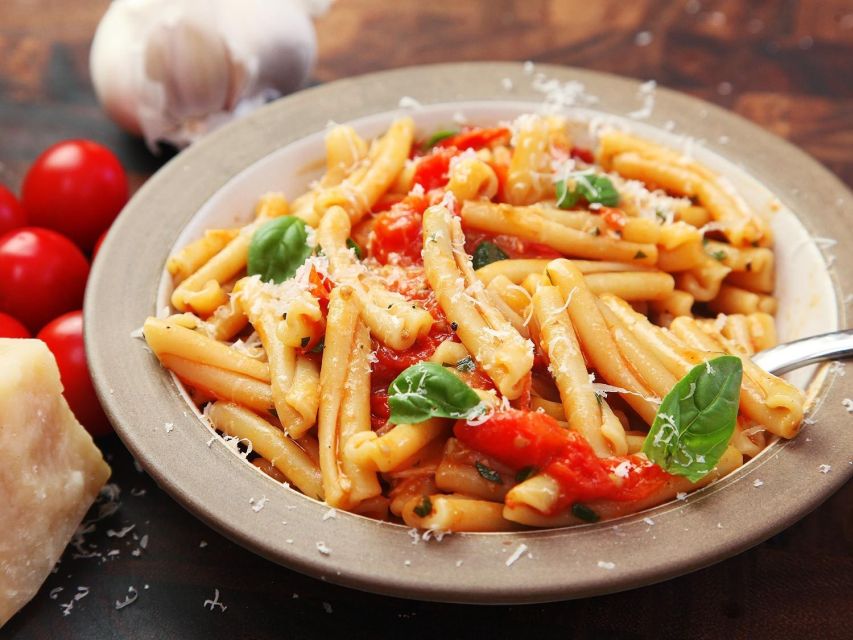
Wine is included, and it’s part of the lesson. The program uses a variety of wines from the Lazio region, paired with the courses you create.
The practical value here is learning what kinds of wines work with what kinds of dishes. You’re not expected to become a sommelier by the end, but you will start recognizing patterns: how certain wines cut through richness, how they soften acidity, and how they change the way herbs, cheese, and sauces taste.
If you like food tours, but you find wine tastings a little disconnected, this format usually works better because the pairing is tied to the cooking. The wine isn’t floating around as a separate activity. It’s built into the meal.
The value question: is $258.29 really “worth it”?
At $258.29 per person for a 4-hour experience, you’re paying for more than one thing. The price bundles a few costly components: round-trip transportation inside central Rome, a guided cooking lesson, a full meal, and drinks, including wine tasting.
The best value is when you want skills, not only a meal. If your goal is to learn how to choose ingredients, handle basic pasta and sauce-making, and understand how local wine pairing works, then the cost starts to make sense quickly.
It’s also good value if you’re traveling in a group that would otherwise spend money on separate dinners and separate activities. Here, you combine instruction + dining + wine in one block of time.
Where the price might feel steep is if you only want a light taste experience. This is still a cooking class. You’re getting actively involved, so it’s designed for people who want to participate.
Who this cooking class suits best
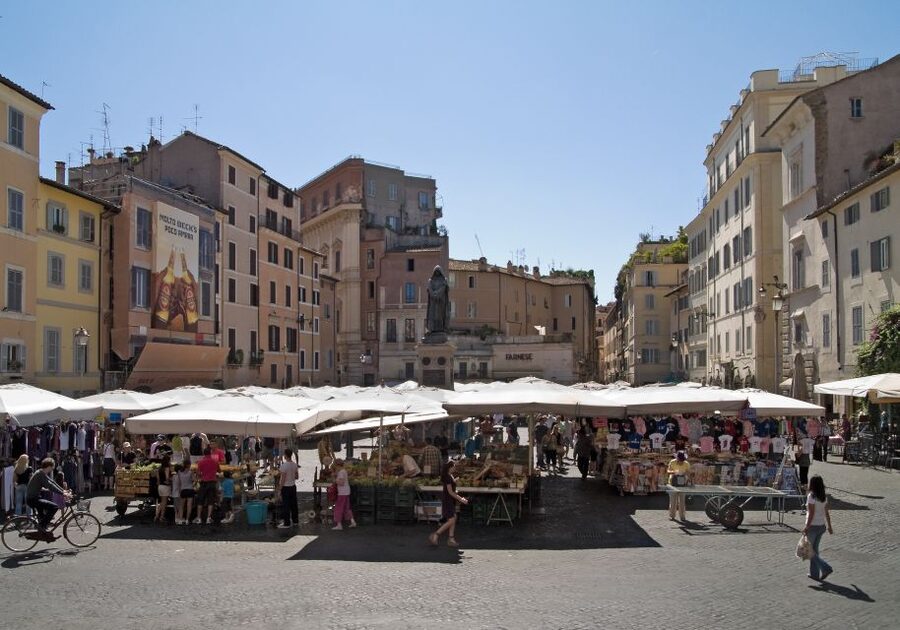
This class fits travelers who like doing instead of only watching. If you enjoy markets, care about food technique, and want a concrete skill to take home, you’ll probably feel satisfied by the end.
It’s also a solid choice if you want Roman food culture explained in a friendly way. One highlight mentioned support from guide names Antoinette and Adam alongside the chef. That kind of guided atmosphere makes it easier to ask questions without getting lost.
You might choose this even if your Italian is limited, since the chef and guides provide English-speaking support and additional languages (Spanish and Italian). Cooking lessons are more fun when you can understand what matters during the process.
Who should consider skipping it
If you struggle with mobility, note that the experience is not suitable for wheelchair users. Also, because it operates rain or shine, you’ll want to be comfortable moving around regardless of weather.
If you’re the type who hates structured schedules, the cooking flow (market, kitchen, meal, wine pairing, then certificate) might feel more organized than you want. But for most people, that structure is exactly what keeps the session on track and ensures you finish with a real meal.
Practical tips so you get the most out of the day
You don’t need to overpack for this class, but a little preparation improves the experience.
- Wear shoes you can stand in, since you’ll be in a kitchen and likely moving between areas.
- Come hungry but not stuffed; you’re doing multiple courses.
- If you have a meat/fish/vegetarian preference, make it clear in advance so the chef can plan accordingly.
- Ask questions during the market portion. That’s where you’ll learn decision-making skills you can reuse at home.
Small questions often lead to the best kitchen takeaways, especially around sauce choices, ingredient substitution, and timing.
Should you book this Rome cooking lesson?
I’d book it if you want a true, skill-building day with Roman food plus Lazio wine pairing, and you like the idea of shopping with a chef rather than arriving to a pre-made meal. The combination of market shopping, hands-on cooking (primo, secondo, dessert), and wine pairing makes it more than a typical cooking stop.
I would think twice if your main goal is a quick food taste with minimal participation, or if mobility is a concern. Since it runs rain or shine and isn’t designed for wheelchair users, choose it only if you can comfortably handle that format.
For the right traveler, this is one of those days you remember in detail: the ingredients, the steps you followed, the food you ate while it was still fresh, and the wine pairings that made the flavors click.
FAQ
How long is the cooking lesson in Rome?
The experience lasts about 4 hours.
Where does pickup happen?
Pickup is available from accommodations within Rome city center only, inside the Aurelian Walls.
Is wine tasting included?
Yes. The experience includes wine tasting with dishes paired as you eat, featuring wines from the Lazio region.
Can I choose meat, fish, or vegetarian?
Yes. You can specify whether you want to cook meat, fish, or vegetarian.
Are there options for private or small groups?
Yes. The experience is available as private or small groups.
What languages are available for the live guide?
The live tour guide offers English, Spanish, and Italian.
Is the experience wheelchair accessible?
No, it is not suitable for wheelchair users.