Cook dinner in a real Udaipur home. I love the warm family welcome and hands-on feel of learning Indian cooking where locals actually eat. I also like that you get a full, meat-free menu you can make yourself, from masala chai to chapati.
The one thing to consider: this is a cozy home kitchen, so space and setup may feel different than a restaurant cooking studio, and some moments can be more watch-and-learn than nonstop hands-on. Also, plan to show up hungry-but-not-too-hungry, since you’ll eat what you cook.
In This Review
- Key things you’ll notice right away
- Cooking With Rekha in Old City Udaipur: What the Experience Feels Like
- Price and Value: Why $15.10 Can Actually Feel Like a Bargain
- Before You Go: Timing, Portion Sense, and Simple Prep
- The Menu You’ll Cook: Chai, Pakora, Chutney, Curry, Pulao, and Flatbreads
- Flatbread Skills: Chapati vs Paratha and Why That’s Not Minor
- Snacks and Mains: Paneer Pakora, Masala Curry, and Vegetable Pulao
- Chutney Choices: Coriander or Mango and How Customization Actually Works
- Eat What You Cook: Lunch or Dinner, Meat-Free by Design
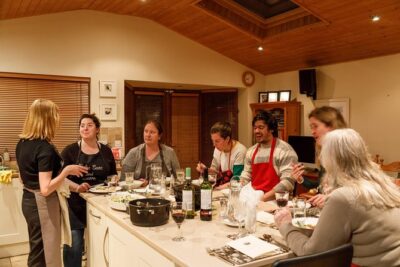
- A Reality Check on the Home Kitchen: Space, Cleanliness, and Hands-On Time
- Extra Moments: Photos, Family Interaction, and Cows Plus Tea
- Transfers and Getting There: Meeting Point, No Hotel Pickup
- Who Should Book This Udaipur Cooking Class and Family Dinner
- Should You Book Rekha’s Cooking Class and Family Dinner?
- FAQ
- What time does the cooking class start?
- Is the meal vegetarian and meat-free?
- What dishes will I learn to cook?
- Are hotel pickup and drop-off included?
- How large is the group?
- Should I eat before the class?
Key things you’ll notice right away
- Family-led learning in a real Udaipur neighborhood, not a staged showroom
- Meat-free vegetarian dishes built into one complete meal
- Recipe range that teaches basics, like chai spice and flatbread dough
- Transfer included from an Udaipur-city location, with the meeting at Old City
- Small group limit (maximum 15) for a calmer pace
- Eat what you cook, so you’re not just collecting photos and leaving
Cooking With Rekha in Old City Udaipur: What the Experience Feels Like
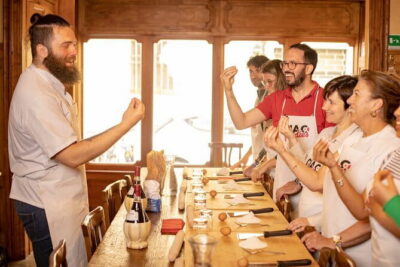
This Udaipur cooking class centers on Rekha’s family kitchen in the Old City area, with the meeting point at Kalaji Goraji D Rd, Old City (313001). You’ll meet up at the start point and then everything stays local: you cook, you eat, and the activity ends back at the meeting point.
The vibe is what makes it work. You’re not being shuffled through a “tour” of a kitchen. Instead, you’re pulled into a family rhythm—someone explains, you try, you taste, you adjust. That’s why this kind of Udaipur home-cooked dinner can feel more memorable than another restaurant meal: you leave knowing how the food is built, not just how it tastes.
Group size matters here. With a maximum of 15 people, you’re more likely to get real attention as you work through the recipes. And since it’s taught by a home cook (Rekha and her husband), the pace tends to match a household cooking flow, not a timed commercial class.
You can also read our reviews of more tours and experiences in Udaipur.
Price and Value: Why $15.10 Can Actually Feel Like a Bargain
At about $15.10 per person for a 3-hour experience that includes meals, teaching, and bottled water, the pricing is hard to beat—especially in a city where food experiences can creep upward fast.
Here’s the value logic:
- You’re paying for instruction + ingredients + the meal you cook (not just a tasting).
- The menu includes multiple dishes, so you’re not paying for one item.
- Transfers from an Udaipur-city location are included, which helps you avoid extra local transport costs.
One more practical point: this is vegetarian (meat-free), and that usually means less planning on your end. You won’t need to hunt down a special dietary option. You’ll get a full menu in the style of what the family cooks at home.
Before You Go: Timing, Portion Sense, and Simple Prep
The start time listed is 4:00 pm and the total duration is about 3 hours. Some bookings offer lunch-time vs dinner-time, but the class you’re describing is anchored to an afternoon slot.
Here’s the tip that matters: don’t eat too much right before the cooking class. You’ll be cooking several dishes and then eating them. If you show up overly full, you’ll either feel sluggish in the kitchen or you’ll miss out on the fun part—tasting your own work while it’s fresh.
What to bring?
- Wear comfortable clothes you don’t mind getting a little cooking-splatter on.
- Bring a light layer if you get cold easily, because home kitchens can vary in ventilation.
- If you have any vegetarian preferences (like avoiding certain dairy), it’s worth speaking up early so the menu stays comfortable for you.
The Menu You’ll Cook: Chai, Pakora, Chutney, Curry, Pulao, and Flatbreads
This class teaches a full set of dishes—enough for a real Indian meal, not just a single highlight. You’ll learn these recipes:
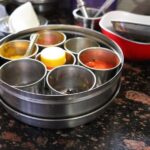
- Masala Chai (Indian tea)
- Potato and Onion and Paneer Pakora
- Coriander or Mango Chutney
- Seasonal and Tomato Masala (curry)
- Vegetable Pulao
- Chapati
- Paratha
That recipe list tells you something important. This isn’t just about one technique. You’ll touch spice blending, snack-frying/texture work, curry building, and flatbread dough and rolling. Even if you’re a beginner, you’ll get a sense of how Indian meals fit together: drink first (chai), snack next (pakora), then sides and mains (curry + pulao), finished with breads you can fold and pair.
And yes, you get to eat what you cook. That’s a big deal. Cooking classes sometimes end with a small bite that isn’t satisfying. Here, the class includes the meal portion—so you can judge the food at its best: freshly made.
Flatbread Skills: Chapati vs Paratha and Why That’s Not Minor
Chapati and paratha might sound simple, but they teach you different thinking.
- Chapati usually focuses on getting dough consistency right and rolling thin enough to cook evenly.
- Paratha tends to add a richer, layered feel—more technique in shaping and managing heat so it cooks without drying out.
I like including flatbread in a home cooking class because it’s one of the best ways to learn how Indian kitchens actually feed people. You can cook every curry in the world, but if you can’t make the bread that goes with it, you don’t fully get the meal.
In this lesson, you’ll make both, so you can understand the difference in technique and texture. You’ll also get a better sense of what you should aim for next time you try this at home.
Snacks and Mains: Paneer Pakora, Masala Curry, and Vegetable Pulao
The menu’s middle portion is where the meal feels most complete.
Paneer pakora is a great dish to learn because it mixes flavor work (spices) with texture work (getting the coating right and cooking hot enough). Even if you’re not frying at home often, you’ll learn what makes it crisp and flavorful.
Then comes the core meal structure:
- Seasonal and tomato masala (curry) gives you that deep, savory base with spice and tomato character.
- Vegetable pulao rounds out the plate with rice, which helps you understand how Indian kitchens balance sauce-heavy curries with something that absorbs flavor.
When you taste what you make, you’ll quickly see the “why” behind each dish. You start to connect chai spice notes with chutney freshness, and you’ll likely understand how chutney helps brighten a heavier curry.
Chutney Choices: Coriander or Mango and How Customization Actually Works
You’ll learn chutney made with either coriander or mango. Chutney is the small dish that changes the whole meal experience. It adds acidity or freshness and gives your palate a reset between richer bites.
One of the most practical parts of this setup is that it’s described as fully customized, and your suggestions are welcome. That matters because Indian cooking at home can vary by spice level, ingredient preferences, and what’s in season.
If you’re picky about heat, want less spice, or have questions about substitutions (like what replaces something you don’t eat), this is the kind of class where it’s realistic to ask. Just remember: you’ll still be following the family’s approach, since the goal is authentic home cooking, not a generic recipe you can find anywhere.
Eat What You Cook: Lunch or Dinner, Meat-Free by Design
Your lesson ends with you eating what you cook, and the meal type depends on the time slot you choose. The dishes are vegetarian and meat-free, which is a major win if you’re traveling without wanting to guess what’s in sauces.
Alcohol and non-veg food aren’t included, so the focus stays on the cooking and the flavors. That’s ideal if you want the meal to feel like a food experience rather than a nightlife-style outing.
This part is also where good portions matter. Since you cook multiple dishes—chai, pakora, chutney, curry, pulao, chapati, and paratha—you’re looking at a real sit-down meal. Plan your appetite around it.
A Reality Check on the Home Kitchen: Space, Cleanliness, and Hands-On Time
One review-style concern that’s worth taking seriously: this class happens in a home setting. That means:
- The kitchen may not be “studio perfect” like a professional cooking school.
- Some parts can be more watch-and-learn depending on how the host is managing multiple items at once.
- Space can be tight, and cleanliness standards can vary from what you expect in a commercial venue.
The good news is that the food itself has strong praise, and the hosts are described as kind and attentive. Still, if you’re the type who wants a wide, spotless cooking station with full control of every pan the whole time, adjust your expectations.
My advice: treat this as learning in a household. You’ll still get tasting and instruction, but the pacing follows real cooking, not a filmed demo.
Extra Moments: Photos, Family Interaction, and Cows Plus Tea
Some of the best travel memories come from the small extras that feel off-menu and personal.
One helpful detail: there’s mention of a helper taking photos and video during the class, so you don’t have to stop what you’re doing to document every step. You also get a chance to interact beyond just recipes—there are mentions of tea and even a visit connected to the family cows.
Not every home-cooking class includes those added glimpses into daily life. Here, it’s part of what makes the evening feel like more than food.
Transfers and Getting There: Meeting Point, No Hotel Pickup
Transfers from an Udaipur-city location are included, but the experience is explicit that there’s no pickup or drop from hotels. Practically, that means you should plan to get yourself to the meeting area near Old City.
The start point is listed as Cook with Rekha’s Family, Kalaji Goraji D Rd, Old City. The activity ends back at the meeting point.
So if your hotel is outside the Old City lanes, give yourself extra buffer for getting to the meeting spot. It’ll be worth it once you’re in the kitchen, but it’s better to handle the logistics before class starts.
Who Should Book This Udaipur Cooking Class and Family Dinner
This is a great fit if you:
- Want vegetarian Indian cooking with a full meal, not a snack-size experience
- Like hands-on food learning where you taste what you make
- Prefer a local-family setting over a touristy restaurant setup
- Travel with kids, since the family-style attention can work well for group dynamics
It’s also ideal if you’re a foodie who wants to take a few techniques home: chai spice basics, curry building, and flatbread dough skills.
If you’re traveling with strict expectations about kitchen space or cleanliness, you should go in with that home-kitchen reality in mind. This is the type of experience where the authenticity comes with a bit of imperfect comfort.
Should You Book Rekha’s Cooking Class and Family Dinner?
I’d book it if your goal is simple: leave Udaipur with real cooking skills and a meal that actually feels personal. The value is strong because you’re paying for multiple recipes, instruction, and a sit-down vegetarian feast.
Don’t book it if you want a glossy cooking school setup with lots of room and a perfectly timed, instructor-only demo flow. This class is shaped by a home kitchen. That’s either your favorite part—or your biggest mismatch.
If you’re on the fence, use this quick test:
- If you can enjoy cooking in a real household environment, book it.
- If you need a very controlled studio setting, consider a different style of cooking class.
FAQ
What time does the cooking class start?
The listed start time is 4:00 pm, and the experience runs for about 3 hours.
Is the meal vegetarian and meat-free?
Yes. The experience is described as vegetarian with all dishes meat-free.
What dishes will I learn to cook?
The recipes listed are masala chai, potato and onion and paneer pakora, coriander or mango chutney, seasonal and tomato masala (curry), vegetable pulao, chapati, and paratha.
Are hotel pickup and drop-off included?
No. Pickup and drop from hotels are not included. Transfers are included from an Udaipur-city location, and the meeting point is in Old City.
How large is the group?
The experience has a maximum of 15 travelers.
Should I eat before the class?
Go easy before you arrive. You’ll cook several dishes and then eat what you make, so don’t eat too much right beforehand.