REVIEW · SEOUL
2-Hour Private K Cooking Class
Book on Viator →Operated by K.dreams.Seoul · Bookable on Viator
Shopping, cooking, and social games in one class. I like that this is a private experience starting at Mangwon Station, so you get real attention instead of rushing past other people. I also love the way Jay (your guide) connects what you buy and cook to the history of Korean food, while keeping it practical and easy to ask questions.
You’ll learn a morning market routine and an afternoon alcohol culture angle, plus basics of Korean language and dining etiquette. One possible drawback: the session is time-tight, and the included beverage comes with the territory of the drinking-focused portion—so plan around it if you avoid alcohol or prefer coffee/tea.
In This Review
- Key Highlights That Make This Class Worth Your Time
- Mangwon Station Start: Private Class Flow That Feels Unrushed
- Morning Market Tour: Choosing Korean Ingredients Like a Local Shopper
- Cooking Together: Step-by-Step Korean Dishes You Can Actually Recreate
- Korean Language Basics and Dining Etiquette That Make Meals Less Awkward
- Afternoon Drinking Culture and Drinking Games: Fun Social Learning
- What You’re Paying For: Value in Ingredients, Utensils, and Takeaway Skills
- Who Should Book This Private K Cooking Class in Seoul?
- Should You Book It? My Straight Answer
- FAQ
- What is the meeting point for this experience?
- Where does the experience end?
- How long is the class?
- Is this a private tour or a group tour?
- What does the $80 price include?
- Are coffee or tea included?
- Are additional beverages included?
- What are the morning and afternoon options?
- What is the cancellation policy?
Key Highlights That Make This Class Worth Your Time
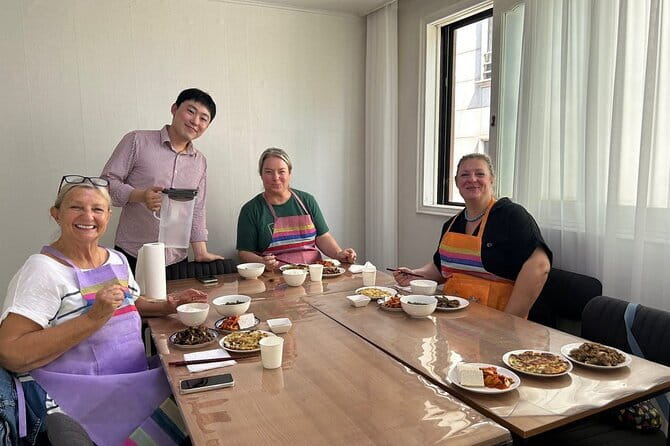
- Jay’s history + how-to mix: explanations that help ingredients make sense, not just taste good.
- Market skill for real Korean stores: you learn how to choose staples and what to look for.
- Home-proof recipes: step-by-step guidance you can repeat after you go back.
- Illustrated recipes in hand: easy-to-follow pages you can save and use again.
- Korean dining etiquette and simple phrases: less awkward meals, more confidence.
- Drinking games for social comfort: a fun way to learn culture through interaction.
Mangwon Station Start: Private Class Flow That Feels Unrushed
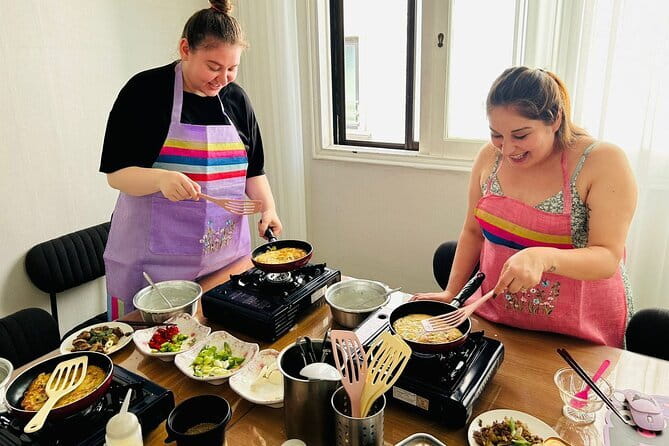
This class begins and ends near Mangwon Station in Seoul, and that’s a big deal for day-planning. You don’t waste time figuring out remote meeting spots, and you can build the rest of your day around a clean start-and-finish point.
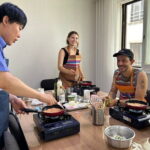
Because it’s private, you’re not competing for attention. You can ask the basic questions that usually feel too slow in group settings, like how to swap ingredients, what to buy for a pantry, or what a Korean label typically implies. That one-on-one feel is exactly what makes the recipes stick, not just entertain.
Timing is also important. The experience runs about 2.5 hours (approx.), so the structure has to be focused: short lessons, then hands-on work. If you want a slow, multi-course cooking adventure where you linger for hours, this won’t be that. But if you want skills you can use at home, it’s a solid length.
You can also read our reviews of more tours and experiences in Seoul.
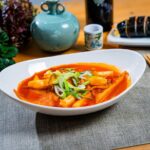
Morning Market Tour: Choosing Korean Ingredients Like a Local Shopper
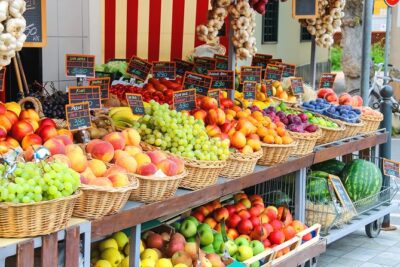
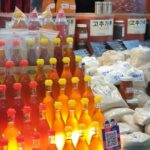
The morning version centers on a traditional Korean market, guided by a professional who helps you select fresh ingredients with confidence. This part matters more than it sounds. A lot of cooking classes show you what a finished dish looks like, but the market lesson teaches you how to shop so your homemade version doesn’t fall flat.
You’ll learn what ingredients are essential in Korean cuisine and why they matter in local culture. That means you’re not just buying random items—you’re building an understanding of how flavor is built in Korean cooking. In particular, I like the emphasis on learning how to navigate buying staples in everyday Korean stores. That’s the difference between cooking once and cooking again.
Here’s the practical payoff: you’ll leave with a mental checklist for ingredients, not just a single recipe. You’ll know how to recognize what’s worth grabbing, how to compare options, and what to prioritize for flavor. For expats and first-timers alike, that guidance turns Seoul markets from confusing to usable.
One thing to consider: market time can involve a bit of walking and quick decision-making. If you prefer a very slow pace, go in knowing that the market is part of the learning style, not a background stroll.
Cooking Together: Step-by-Step Korean Dishes You Can Actually Recreate
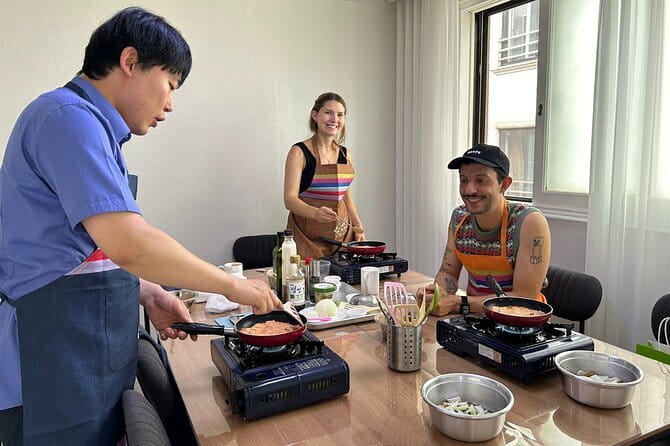
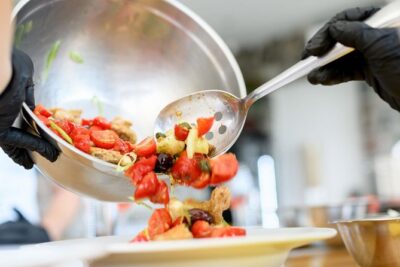
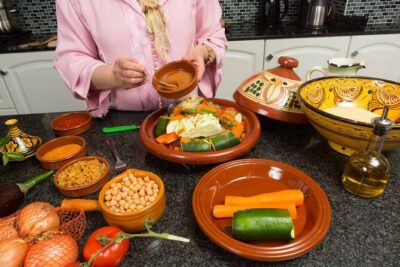
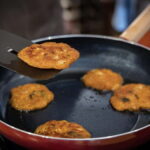
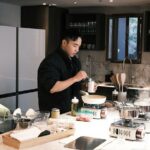
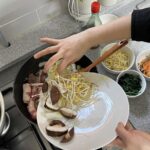
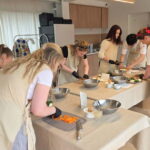
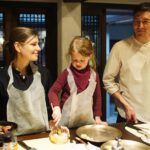
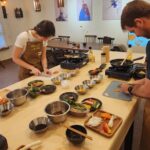
The cooking portion focuses on simple, home-friendly Korean recipes. The goal is not perfection. It’s followable instructions you can repeat later without a staff standing over you.
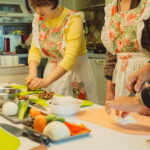
In one review highlight, the class cooked four dishes together, and the recipes were provided at the end. That combination—hands-on cooking plus takeaway instructions—is where most value comes from. You learn by doing, then you can recreate at home without guessing every step.
I also like that the recipes are described as easy to follow with step-by-step guidance. That fits real life. Most people don’t want a 12-step technique lesson that requires obscure tools and a weekend commitment. Instead, you want dishes you can make when you’re tired and still get something that tastes unmistakably Korean.
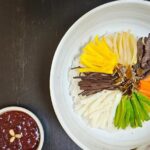
And yes, the recipe format matters. One strong point from the reviews: the recipes were beautifully illustrated, which helps you confirm what the final texture or look should be. That’s especially helpful if you’re newer to Korean cooking or you’re translating instructions in a kitchen where everything feels unfamiliar.
Korean Language Basics and Dining Etiquette That Make Meals Less Awkward
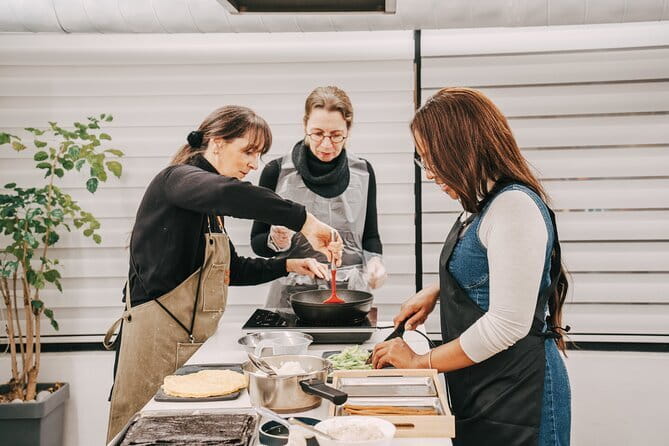
This experience includes basic Korean language and dining etiquette. That’s not a random add-on. It changes how you move through meals in Korea, whether you’re ordering street food or sitting down for a restaurant dinner.
The language part is meant to help you communicate smoothly, not to test you. Think of it as small phrases and cultural cues you can use right away. When you know even a little, you waste less time pointing, apologizing, or feeling stuck.
Dining etiquette is where people quietly benefit. Korean meals often come with specific norms around ordering, sharing, and how people handle chopsticks and drinking. If you’re not aware of the cues, you can feel self-conscious. If you learn them here, you walk into restaurants more relaxed.
I also like that the class connects etiquette to the broader drinking culture. That makes the lessons feel consistent, not like separate facts. You’re learning how Koreans socialize at the table, and how food fits into that rhythm.
Afternoon Drinking Culture and Drinking Games: Fun Social Learning
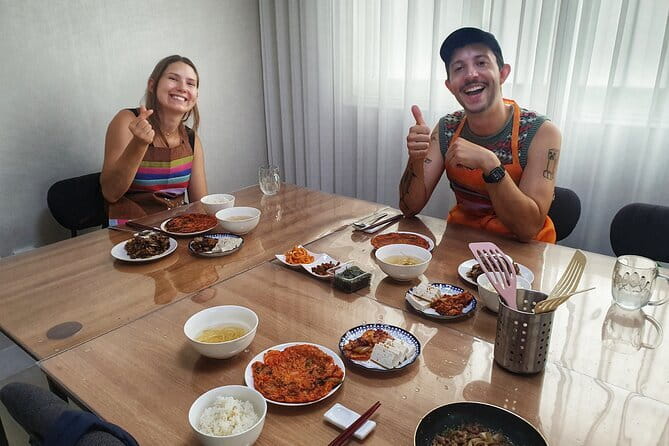
The afternoon class shifts to Korea’s alcohol culture and includes drinking games. This is a different kind of learning than market shopping or cooking, but it’s still useful. It teaches how social interaction often works around meals in Korea, especially in group settings.
One thing I respect about this format: it’s not just about alcohol. The included drinking games are there to help you connect and break the ice, which turns a cultural topic into real communication practice. You meet new people and learn the flow of conversation in a structured way.
In the reviews, the host is described as super friendly and comfortable to talk with. That matters here because drinking games can feel intimidating if the atmosphere is tense. A warm guide makes it easier to participate without pressure.
A practical note: since the experience includes a beverage, and the afternoon session is specifically alcohol-focused, this isn’t the best fit if you strictly avoid alcohol. If that’s your situation, consider whether you’d be comfortable participating in a culture-heavy segment anyway.
What You’re Paying For: Value in Ingredients, Utensils, and Takeaway Skills
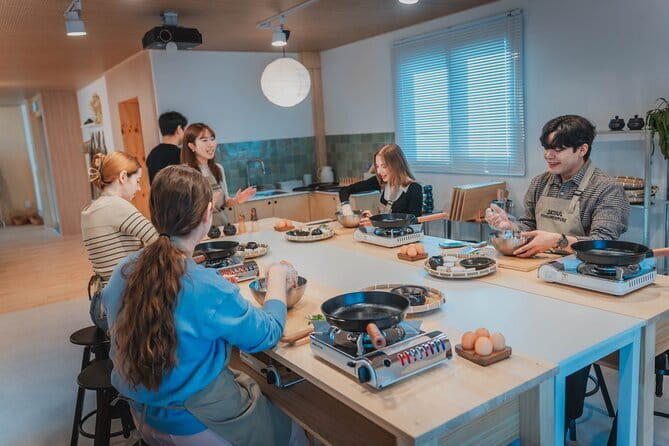
The price is $80, and the best way to judge value is to look at what’s covered and what skills you walk away with.
Included:
- Ingredients
- Beverage
- Cooking utensil(s), and other basics
Not included:
- Coffee and/or tea
- Additional beverages
On paper, cooking classes can feel pricey. But here’s what changes the math: you’re paying for more than cooking. You’re paying for market guidance, cultural lessons (language, etiquette, dining habits), and the chance to cook with step-by-step recipes you can use again.
Also, the private setup makes a difference. If you’re traveling with a partner or small group, the cost per person often feels more reasonable than a group-only class. And because you get private attention, you’re more likely to ask the exact questions that help you cook successfully at home.
One practical tip: if you love coffee or tea, plan to get it outside the class. Since those aren’t included, you’ll avoid surprise costs mid-session.
Who Should Book This Private K Cooking Class in Seoul?
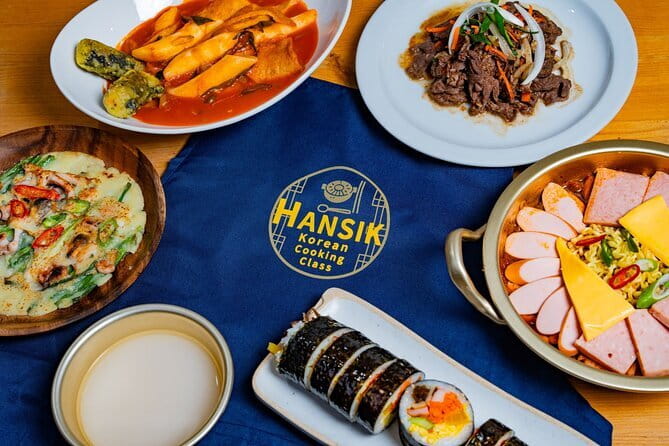
This is a strong fit if you want Korean food with context. I’d recommend it if you’re:
- New to Korean cooking and want step-by-step recipes you can repeat
- Feeling unsure about Korean markets and want help choosing staples
- Interested in more than food—language basics, etiquette, and social culture matter to you
- Traveling with a group (private format) and want real conversation with your guide
It’s also a good option if you like learning from someone who can answer questions. Reviews highlight that Jay is open to questions and helps build real understanding of Korean food history. That teaching style tends to make the whole session feel more meaningful than just following directions.
If you dislike alcohol or you’re not comfortable with drinking games, you should think carefully about the afternoon option. The class is built around drinking culture in that half of the experience, so your comfort matters.
Should You Book It? My Straight Answer
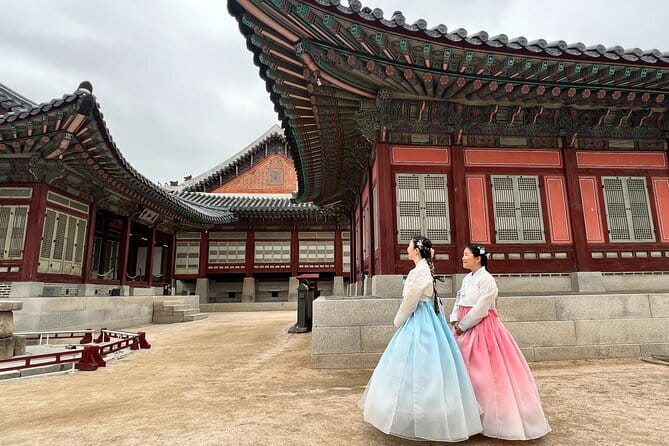
If you want a Korean class that teaches you how to shop, cook, and socialize at the table, this is a yes. The private format, the market learning, and the illustrated take-home recipes are a great combo for building confidence after you return home.
I’d book it especially if you like practical learning with a friendly guide who connects ingredients to culture. Just be honest with yourself about the alcohol portion if you’re choosing the afternoon session, and plan for coffee/tea costs on your own.
Overall: for $80, you’re buying skills you’ll use again, not just one meal you eat once.
FAQ
What is the meeting point for this experience?
It starts at Mangwon Station in Seoul, South Korea.
Where does the experience end?
The activity ends back at the meeting point.
How long is the class?
The duration is approximately 2 hours 30 minutes.
Is this a private tour or a group tour?
This is a private tour/activity. Only your group participates.
What does the $80 price include?
It includes ingredients, a beverage, cooking utensils, and other class supplies.
Are coffee or tea included?
No, coffee and/or tea are not included.
Are additional beverages included?
Additional beverages beyond what’s included are not provided.
What are the morning and afternoon options?
The morning class focuses on a traditional market tour and ingredient selection. The afternoon class focuses on alcohol culture and drinking games.
What is the cancellation policy?
You can cancel for a full refund if you cancel at least 24 hours in advance of the start time. If you cancel within 24 hours, the amount paid is not refunded.