REVIEW · ALBEROBELLO AND LOCOROTONDO
Cooking Class in a former Artist Monastery in the Heart of Monopoli
Book on Viator →Operated by Marilena · Bookable on Viator
A 3-hour pasta lesson that tastes like Italy. This cooking class takes place in a charming artist’s house in Monopoli’s old town, complete with a welcome drink and a hands-on workshop that ends with dessert and liqueur. I like the practical pasta training (not just watching), and I also love the food-and-wine flow that keeps things relaxed and celebratory; a small consideration is that it’s weather dependent, so you’ll want a flexible plan.
One more thing I really appreciate here is the focus on classic Apulian formats and flavors you can actually recreate later. You’ll make cavatelli, fusilli, and orecchiette, then finish with a revisited tiramisu using mascarpone and homemade biscuits. If you’re the type who likes quiet, fully hands-off experiences, this one is more active by design.
In This Review
- Key things that make this class work in real life
- A former artist house in Monopoli: the setting that sets the mood
- The opening hour: welcome drink and summer caponatina starter
- Handmade pasta workshop: cavatelli, fusilli, and orecchiette
- Cavatelli: the dough feel lesson
- Fusilli: getting the twist correct
- Orecchiette: the signature Apulian scoop
- Tomato-basil sauce, olive oil, and your cheese choice
- Ravioli alternative: ricotta, spinach, Parmesan with sage
- Revisiting tiramisu: mascarpone cream with homemade biscuits
- Price and value: is $114 per person worth it?
- Who should book this Monopoli cooking class?
- Should you book? My practical call
- FAQ
- FAQ
- Where does the cooking class start?
- How long is the experience?
- Is the class private?
- What language is the class offered in?
- Is wine included?
- Can I choose a ravioli option instead of pasta with tomato sauce?
Key things that make this class work in real life
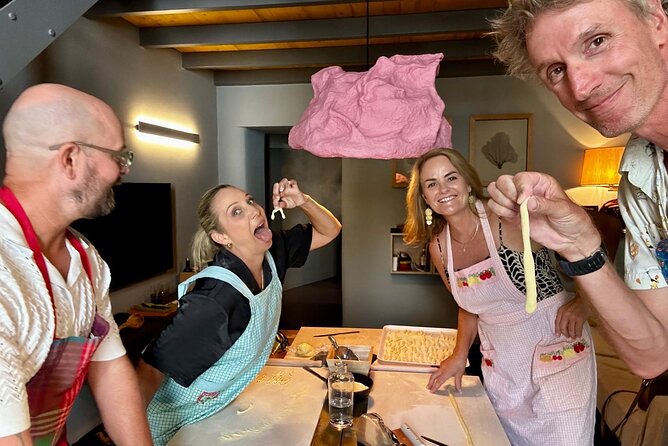
- Marilena runs it with warmth and clear guidance, so even basic cooking skills feel doable
- You make three pasta shapes: cavatelli, fusilli, orecchiette (proper practice, not a demo)
- Apulia flavors stay front and center with tomato-basil sauce, extra virgin olive oil, and your cheese choice
- A ravioli alternative is available (ricotta, spinach, Parmesan with sage and olive oil)
- Dessert is not an afterthought: mascarpone tiramisu plus coffee and limoncello
- A wine bottle is included for every two guests, so the meal feels like a real evening out
A former artist house in Monopoli: the setting that sets the mood
This class starts where the heart of Monopoli starts: the old town, near Via Giuseppe Garibaldi. You’re welcomed in an artist’s house, with an atmosphere that feels lived-in and creative rather than staged like a factory. It’s the kind of setting that makes you stop checking your phone and start paying attention to what’s happening at the table.
The welcome is built into the experience, not added on later. You’ll get a drink that ties into the region, based on seasonal vegetables plus local wine (white or red, your choice). That’s a smart touch because it sets the tone fast: you’re not just learning recipes, you’re stepping into the rhythm of an Apulian home meal.
You’ll also want to note the format. This is a private tour, meaning only your group participates. That matters for comfort and pacing, especially with cooking classes, where you don’t want to feel rushed or boxed in.
The whole experience runs about 3 hours and ends back at the meeting point. That’s handy if you’re building a day around Monopoli and want something social but not all-day.
You can also read our reviews of more tours and experiences in Alberobello and Locorotondo.
The opening hour: welcome drink and summer caponatina starter
Before you touch dough, you start with something distinctly Apulia. Your starter is a summer caponatina with seasonal vegetables—aubergines, zucchini, and cherry tomatoes—served cold on homemade bread crouton. It’s light but full of flavor, and the cold presentation is useful: it wakes up your palate before the warmth of the pasta-making.
Caponatina is a concept that makes sense in hot weather. You get the sweet-and-savory balance from tomatoes, the soft richness from aubergines, and the fresh bite from zucchini. Plus, the bread crouton gives you that satisfying crunch, so the starter doesn’t feel like a fussy side dish.
You’ll also get your choice of wine with the welcome drink. You can go white or red, depending on what you like, and the pairing helps you ease into the rest of the meal without thinking too hard about it. For a group, the included wine bottle for every two guests later on is a big part of the value.
This is the point in the evening where I think many cooking classes either shine or fall flat. Here, the pacing is practical: you eat something regional first, then you get busy. If you arrive hungry but not ready to cook, this start makes the transition easy.
Handmade pasta workshop: cavatelli, fusilli, and orecchiette
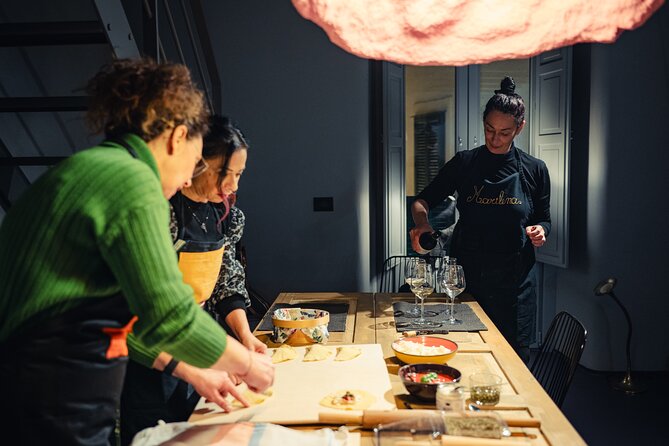
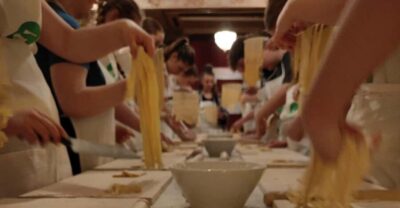
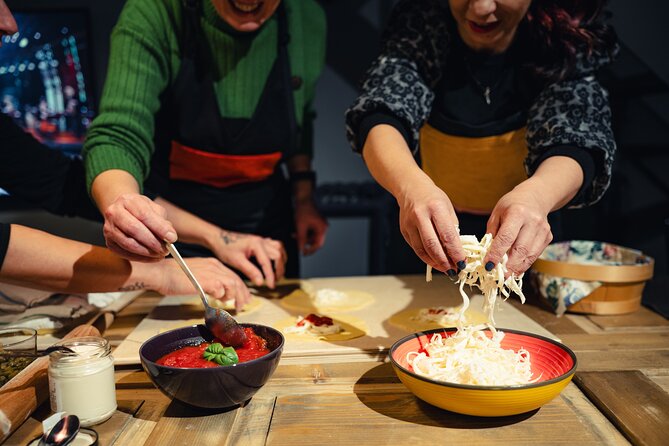
The main event is the practical pasta workshop. You’ll be guided step-by-step as you make three typical Apulian pasta formats: cavatelli, fusilli, and orecchiette. This is where the class earns its reputation, because shaping pasta isn’t about fancy technique—it’s about learning how the dough should feel and how each shape catches sauce.
What I like about this setup is the variety without chaos. You’re not locked into only one pasta shape for the whole 3 hours. Instead, you’ll rotate through making different forms, so your brain stays engaged and you leave with real options for future dinners.
Cavatelli: the dough feel lesson
Cavatelli are all about texture and grip. You’ll learn how to shape dough so it holds its form and creates the right surface for sauce. Even if you’re not a confident cook, the process gives you tactile feedback: you can tell when the dough is too dry, too soft, or just right.
Fusilli: getting the twist correct
Fusilli focuses your attention on consistency. The twist matters because it affects how sauce clings. The goal isn’t perfection for a photograph; it’s getting the technique so the pasta behaves the way you expect when it meets the sauce later.
Orecchiette: the signature Apulian scoop
Orecchiette is arguably the most recognizable shape in this whole category. It’s also the one that makes people smile when it comes together, because the final form looks so intentional. You’ll learn the motion behind it, so the pasta ends up with the right concavity to hold flavor.
Across all three, the teaching style is built for normal people with normal kitchens. You’re not being asked to cook like a pro. You’re being taught like someone who wants to take a real skill home.
Tomato-basil sauce, olive oil, and your cheese choice
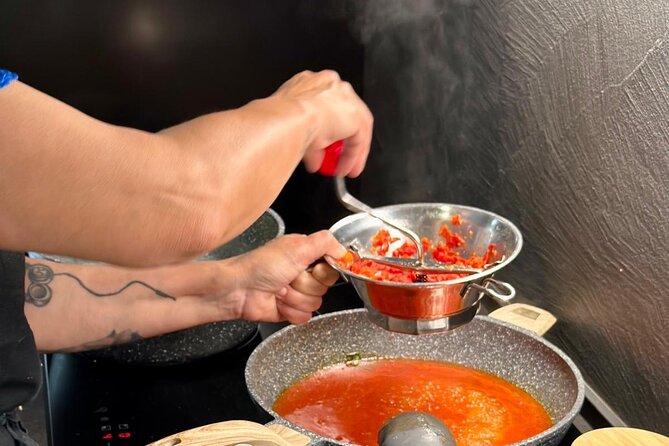
After shaping, you shift from hands to flavor. You’ll discover the secrets of the fresh tomato and basil sauce, enriched with extra virgin olive oil. This combination is the backbone of Apulian cooking for a reason: it’s simple, fragrant, and forgiving if you pay attention to balance rather than overcomplicating steps.
The extra virgin olive oil isn’t a background ingredient here. It’s part of the aromatics, the mouthfeel, and the way the sauce coats the pasta. When you season something by scent as well as taste, you start to understand what to look for at home.
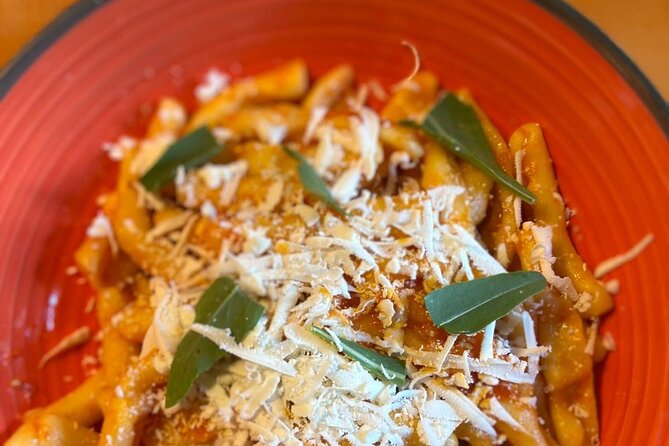
Then comes a choice that makes the whole meal feel personal: you can finish your pasta with ricotta or parmesan, depending on your taste. That’s practical, because some people love ricotta’s creamy softness, while others prefer parmesan’s sharper, salty edge. Either way, the class gives you control over the final flavor.
This is also where you’ll appreciate a cooking class more than a restaurant meal. In a restaurant, sauce is just what it is. Here, you see how ingredients come together and why the aroma changes as it simmers and coats the pasta. You’ll likely end up thinking differently about what you buy at the store and what you do with it once you’re back home.
And since the menu also includes a starter and dessert, you get a full sense of the meal, not just one course.
Ravioli alternative: ricotta, spinach, Parmesan with sage
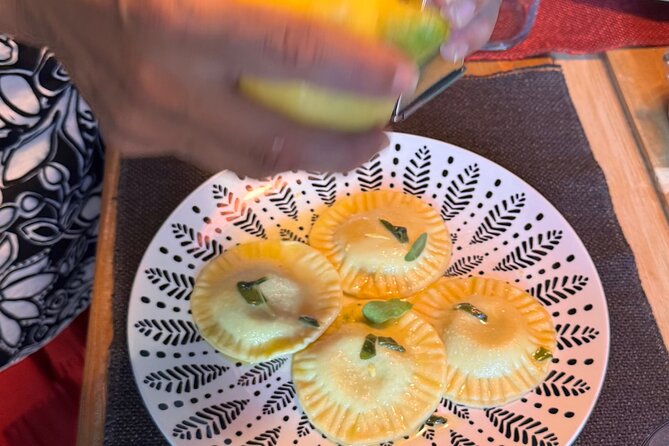
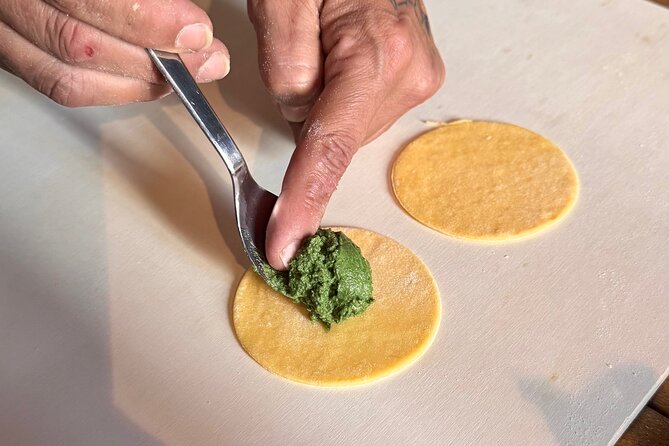
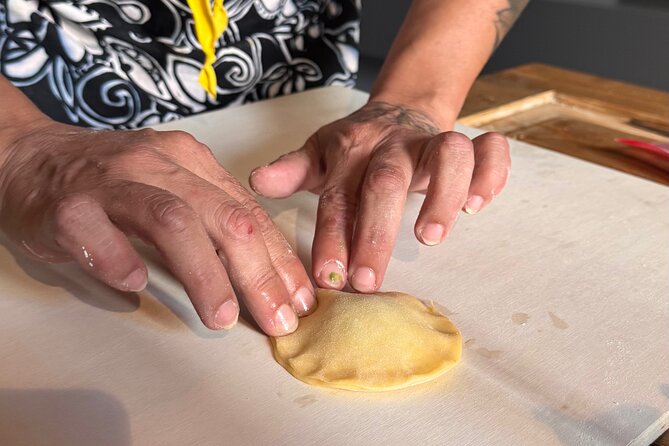
If you’d rather not do the tomato-and-basil pasta option in the standard way, there’s an alternative. You can choose ravioli stuffed with ricotta, spinach, and Parmesan cheese, sautéed with extra virgin olive oil and sage leaves.
This option is nice for two reasons. First, it gives you a different texture experience—filled pasta is heavier and more comforting than the lighter tomato sauce style. Second, the sage-and-olive-oil finish shifts the flavor profile from fresh tomato brightness to something warmer and more aromatic.
Even if you stick with the pasta workshop plan, I think it’s useful to know this exists. It means the class can fit your preferences instead of forcing you into one fixed dish. If you’re picky about tomato sauce, want more richness, or simply prefer savory herbs, the ravioli alternative makes the meal feel tailor-made.
Just keep in mind that the class is still a single, shared experience with a set schedule. The option is there to guide your taste, but you’re still following the core pacing of the workshop.
Revisiting tiramisu: mascarpone cream with homemade biscuits
Dessert is where this class gets memorable. You’ll learn how to prepare mascarpone cream for a revisited tiramisu made with homemade biscuits instead of classic ladyfingers. That matters more than it sounds, because biscuits change the texture and how the cream sets.
Instead of the spongey, all-or-nothing bite of traditional ladyfingers, homemade biscuits can give you a firmer base and a more homemade feel. If you like tiramisu that isn’t too soaked or too soft, this version is the kind that might suit you.
After making the mascarpone cream, you’ll finish with a final tasting that includes dessert, coffee, and limoncello. That is a classic Italian end-of-meal rhythm: sweet, then bitter-smooth coffee, then the bright citrus kick from limoncello.
For me, the biggest value here is not that you get dessert. It’s that you learn the logic behind it. When you make the cream and handle the biscuits, you’re seeing how to build tiramisu so it tastes balanced instead of overly sweet.
And because the class includes a welcome drink and wine for the group, dessert doesn’t feel tacked on. It feels like the final chapter of a proper meal.
Price and value: is $114 per person worth it?
At $114.14 per person for about 3 hours, you’re paying for more than ingredients. You’re paying for instruction, time, and the fact that you sit down at the end and taste what you helped make.
Here’s why I think it can be good value:
- You get real skill practice, shaping three pasta types plus sauce and dessert
- The menu is full-course, not just a snack: starter, main, dessert, coffee, and limoncello
- Wine is included in a smart way: a bottle for every two guests
- The experience is private, so your group isn’t sharing the class with strangers
Could it be overpriced for some travelers? If you only want to eat and don’t care about cooking skills, you might prefer a dinner elsewhere. Also, if you’re traveling with kids or you don’t like hands-on activities, this format may feel like a lot.
But if you want a meal with purpose—something you can repeat at home—this price starts to look reasonable fast. You’re leaving with technique, not just photos.
The English offering is another practical win. It keeps things clear during the hands-on steps, where misunderstandings can happen when language gets fuzzy.
Who should book this Monopoli cooking class?
This is best for couples, friends, or small groups who want a food-focused evening with real participation. If you enjoy Italian cooking basics—like working with dough, balancing sauce, and making dessert from scratch—this fits you well.
It’s also a strong choice if you want something authentically local without worrying about finding ingredients or translating recipes later. The class gives you the shapes and flavors that make Apulian food recognizable: olive oil, tomato and basil, and a dessert that respects tradition but still feels inventive.
If you’re the type who collects experiences, not souvenirs, you’ll like the fact that this ends with tangible know-how. Even if you never become a pasta expert, you’ll gain a sense of dough texture and sauce balance that will improve your home cooking.
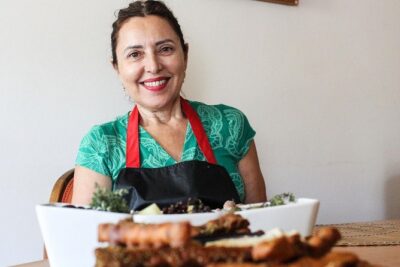
And because it’s a private activity, it tends to feel more relaxed than shared-group classes. You’re in Marilena’s space, following her lead, and working at a pace that feels human.
Should you book? My practical call
Yes—if you want an evening that combines a real local meal with hands-on skills, this is an easy recommendation. The standout for me is the full flow: welcome drink, Apulian starter, three pasta formats, a clear sauce foundation, and a tiramisu-style dessert finished with coffee and limoncello. That’s a lot of value for a set 3-hour block.
Book it especially if you’re:
- excited by pasta shapes and want instruction, not just a meal
- traveling in Monopoli and want a night plan that doesn’t require more planning
- okay with hands-on cooking and tasting as you go
The main reason to think twice is simple: it’s weather dependent and scheduled within set opening hours, so if your trip is tight or your schedule is fragile, you’ll want a backup plan.
FAQ
FAQ
Where does the cooking class start?
The class starts at Via Giuseppe Garibaldi, 39, 70043 Monopoli BA, Italy. It also ends back at the same meeting point.
How long is the experience?
It lasts about 3 hours.
Is the class private?
Yes. It’s a private tour/activity, and only your group participates.
What language is the class offered in?
The experience is offered in English.
Is wine included?
A bottle of wine is included for every two guests. You also choose white or red for the welcome drink.
Can I choose a ravioli option instead of pasta with tomato sauce?
Yes. You can choose ravioli stuffed with ricotta, spinach, and Parmesan cheese, sautéed with extra virgin olive oil and sage leaves.