REVIEW · TOKYO
Small-Group Osaka-Style Okonomiyaki Cooking Class
Book on Viator →Operated by Calmo Cooking Class in Tokyo Japan · Bookable on Viator
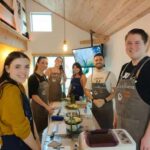
Fluffy okonomiyaki starts with one good flip. This small-group class feels like a homestay visit to a local home in Asagaya, with the friendly help of Eri as you cook. I like that it is hands-on and personal, limited to five people. One consideration: because it is in a real home setting (not a tourist studio), the pace is cozy and more about cooking than showmanship.
I also love the practical way you learn flavors you can repeat later. You get a foundation in key ingredients like dashi and Japanese sauce, plus guidance on substitutes if something is hard to find back home—along with vegetarian and vegan options.
In This Review
- Key things to know before you go
- Meeting Eri in Asagaya: a real home, not a cooking studio
- What you learn: dashi, sauce, and the fluffy okonomiyaki method
- Build-your-own fillings: layer, customize, and still get it right
- The savory wait: pork and kimchi while yours cooks
- Ingredient substitutes you can use long after Tokyo
- Why the small-group format makes the class click
- Is $150 good value for a 2-hour home-cooking experience?
- Who should book this okonomiyaki class (and who might not)
- Quick checklist before your class
- Should you book this Osaka-style okonomiyaki cooking class?
- FAQ
- How many people are in the class?
- How long does the cooking class take?
- Where do I meet for the class?
- Is there a mobile ticket?
- Are vegetarian and vegan options available?
- What do we cook during the class?
- Do they explain Japanese ingredients like dashi and sauce?
- Can I ask questions during the class?
- What’s the cancellation policy?
Key things to know before you go
- Max 5-person group means real coaching while you mix, layer, and flip
- A local home setup (homestay-like) instead of a tourist cooking studio
- Fluffy okonomiyaki technique with tips that matter for texture
- Build-your-own fillings so you can tailor your version
- Dietary flexibility including vegetarian and vegan adjustments
- Practical substitutions for ingredients you may not find at home
Meeting Eri in Asagaya: a real home, not a cooking studio
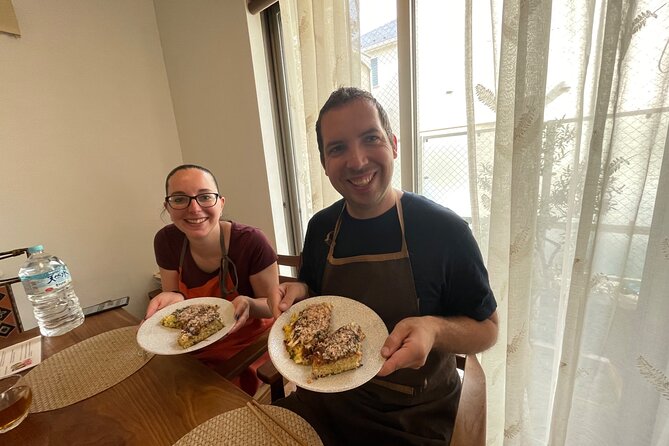
You’ll meet at NewDaysJapan near JR Asagaya Station (the Asagaya-kita area), at the exit/concourse level. From there, the class ends back at the meeting point, so you’re not left figuring out how to get around after a full meal.
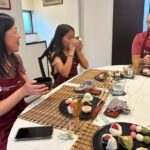
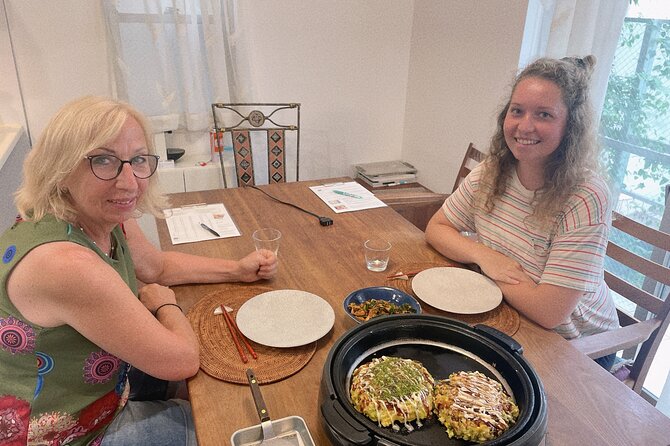
The biggest difference from many cooking classes in Tokyo is the setting. This isn’t a workshop kitchen or a showpiece demo. It’s set up like a visit to a real home, and that changes the vibe in a good way. The kitchen feels lived-in, the explanations feel like someone is teaching you their regular way of cooking, and you get that extra layer of local daily-life conversation.
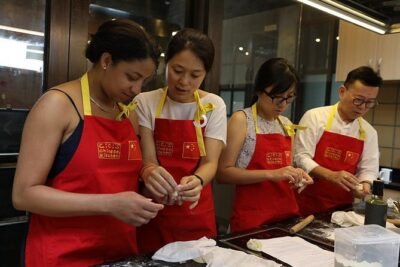
Also, the group is capped at five travelers. That matters. With smaller groups, you don’t just watch instructions—you can actually get feedback on what you’re doing right now, whether that’s batter consistency, layering, or the timing of the flip.
You can also read our reviews of more tours and experiences in Tokyo.


What you learn: dashi, sauce, and the fluffy okonomiyaki method
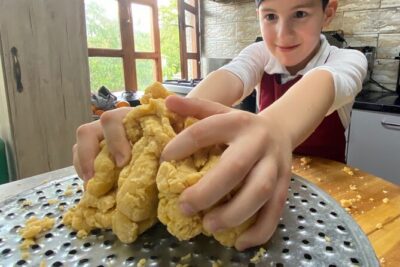
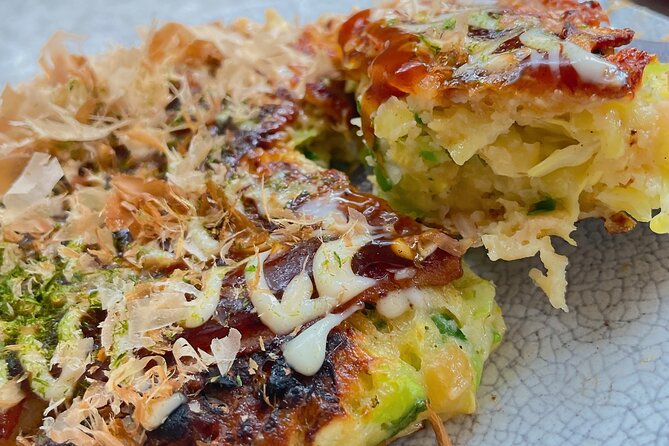
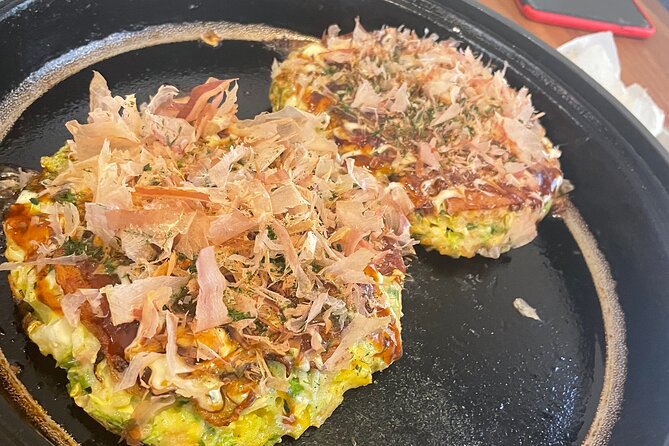
Okonomiyaki sounds simple until you care about texture. The class zeroes in on what makes the classic Osaka-style version taste right and look right: a fluffy finish.
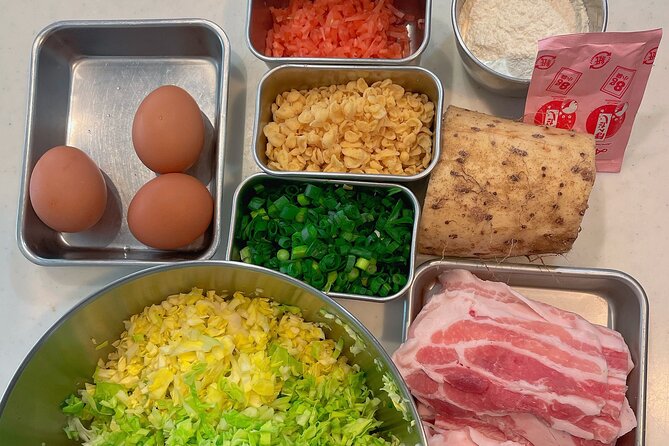
You start with explanations that connect the dots: what dashi is doing, how Japanese sauce behaves, and why those building blocks matter. Then you move into technique. Expect lots of hands-on moments, not just a single step you repeat.
Two skills stand out here:
- Making the batter and handling it so it cooks up light instead of dense
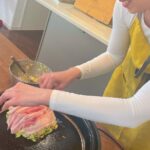
- Flipping after it is cooked—because this is where many people lose texture or toppings
You’ll also learn tips for getting flavor balance as you cook. That means you’re not only making an okonomiyaki; you’re learning why each step exists. If you’ve ever tried to re-create okonomiyaki later and felt like it tasted flat, this is exactly where the missing know-how usually lives.
Build-your-own fillings: layer, customize, and still get it right
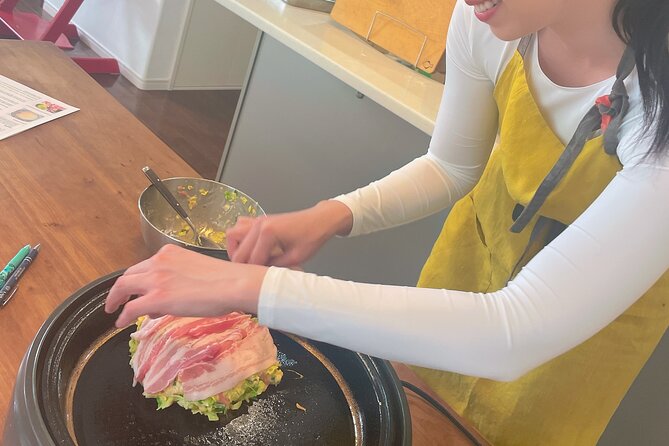
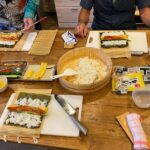
The fun part is that okonomiyaki is flexible. You choose what goes inside, and you build your version with support from Eri. You’ll practice the satisfying method of layering ingredients, which helps the fillings distribute and cook more evenly. It also makes the whole process feel like cooking, not just assembly.
Then comes the topping stage. You’ll add toppings at the end, so your final okonomiyaki looks the way you want it to. The class structure makes it easier to experiment without worrying that you’ll ruin the texture.
If you have dietary needs, you’re not stuck with a single default option. The class includes vegetarian and vegan options, and adjustments can be made for other restrictions as well. The key here is that you’re learning the framework, not copying one fixed recipe. That’s what lets you adapt later.
The savory wait: pork and kimchi while yours cooks
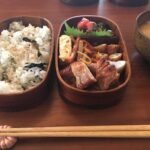
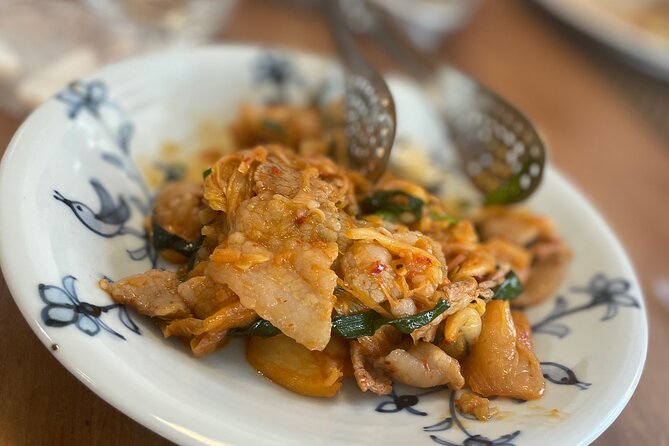
Good cooking takes patience. While your okonomiyaki cooks, you’re not left sitting with nothing to do. You’ll make stir-fried pork and kimuchi—savory sides that fit right into the Japanese meal rhythm.
This timing trick is smart for two reasons. First, you stay engaged while your okonomiyaki finishes the most delicate part of the process. Second, it rounds out the meal so you’re eating more than just one dish.
When it comes time to eat, you’ll start with itadakimasu and then enjoy your meal together. In a home setting, this part feels especially relaxed—like you’re joining someone’s dinner rather than eating a class lunch in a room full of strangers.
Ingredient substitutes you can use long after Tokyo
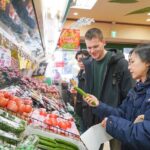
One of the most useful things you can take home from a Japanese cooking class is not a dish name—it’s substitution knowledge. This class explicitly covers substitutes, so if you can’t find certain ingredients in your home country, you’re not stuck.
You’ll learn how to think about the flavor roles of things like dashi and sauce, then how to swap in options that won’t wreck the final taste. That is exactly the difference between remembering a recipe and being able to cook it again.
If you love Japanese cooking but your local grocery stores carry limited items, this is your confidence boost. You’ll walk away knowing what to hunt for, what can be replaced, and what will matter most for that signature okonomiyaki flavor.



Why the small-group format makes the class click
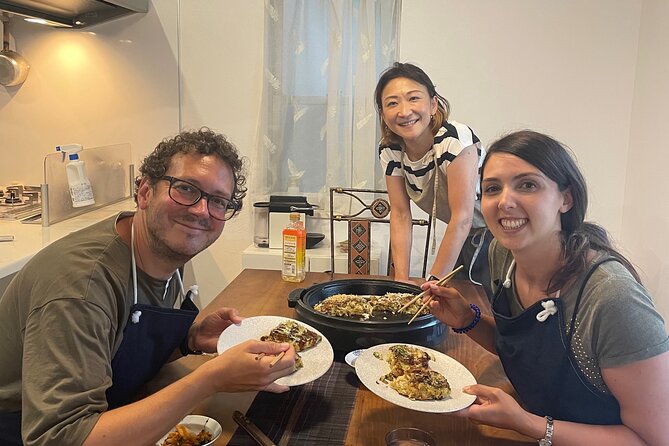
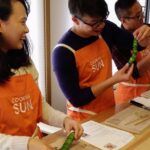
With only up to five travelers, you get what most cooking classes are supposed to offer but often don’t: attention while you’re actually cooking.
Here’s how it plays out in real terms:
- You can ask questions as you go, not just at the start
- You get support for making decisions like ingredient choices and layering
- You’re more likely to notice the little texture cues that separate fluffy from flat
Eri also speaks English well enough that you can ask anything. That matters for substitutions too. It’s one thing to get a list of swaps; it’s another to understand what each substitute is trying to replicate.
And because it’s a home environment, conversation can naturally drift into everyday topics. That’s not just nice to have—it helps you learn the wider context of ingredients and cooking habits instead of treating the class like a one-off performance.
Is $150 good value for a 2-hour home-cooking experience?
At $150 per person for about two hours, the price might feel high until you compare it to what you’re actually getting.
You’re not paying for a quick demo. You’re paying for:
- a small group size (max five)
- hands-on coaching through batter, layering, flipping, and finishing
- key ingredient explanations (dashi, sauce, etc.)
- dietary flexibility (vegetarian and vegan options)
- a full meal with the okonomiyaki plus stir-fried pork and kimchi
- practical substitution guidance for home cooking later
So the real value isn’t only the food. It’s the instruction that helps you reproduce the result without guessing. If you’ve taken cooking classes before and felt like you could have learned the recipe from a video, you’ll probably appreciate the technique focus here—especially the fluffy texture and the flip.
Also, there’s an added bonus potential. One past participant shared that Eri taught a second recipe as an extra. You can’t count on extras every time, but it fits the overall feel of a host who wants you to leave with more than just one dish.
Who should book this okonomiyaki class (and who might not)
This class is a great fit if you:
- want hands-on instruction instead of watching from the side
- care about texture—fluffy okonomiyaki is the goal
- need vegetarian or vegan options that are treated seriously
- like learning ingredient logic and substitutions, not just following steps
- enjoy local conversation and cooking in a home setting
It might be less ideal if you prefer very structured, big-studio classes with lots of sightseeing tie-ins. This is mainly about cooking and daily-life talk, with a cozy pace.
It can also work well for multigenerational groups, since the vibe is patient and supportive. If you’re bringing a family member who loves food but wants a calm environment, this home setup can feel more comfortable than a crowded class space.
Quick checklist before your class
A few small things will make your session smoother:
- Let Eri know your dietary needs up front (vegetarian/vegan or other restrictions).
- Wear comfortable clothes; you’ll be cooking and moving around.
- Bring a curious attitude for ingredient explanations—dashi and sauce make more sense once you see how they’re used.
- Plan to arrive a little early at the Asagaya meeting spot so the pickup/transition is painless.
If you’re planning other Tokyo food stops that day, keep it light beforehand. Once you cook and eat your own okonomiyaki, you’ll likely want a slower pace afterward.
Should you book this Osaka-style okonomiyaki cooking class?
If you want a Tokyo food experience that teaches you how to recreate something at home—batter texture, layering, flipping, and substitutions—this is an easy yes. The small-group size, the homestay-like setting, and the focus on fluffy technique are exactly what you want if you care about more than just eating.
Book it especially if you’re traveling with dietary restrictions or you’ve struggled to find Japanese ingredients where you live. You’ll come away with a method you can actually use, not just a memory of a tasty meal.
FAQ
How many people are in the class?
The class is limited to a maximum of five travelers.
How long does the cooking class take?
It runs for about two hours.
Where do I meet for the class?
You’ll meet at NewDaysJapan, 166-0004 Tokyo, Suginami City, Asagayakita 3-chōme, near JR Asagaya Station (JR Asagaya駅 2F_改札 外コンコース).
Is there a mobile ticket?
Yes. The experience uses a mobile ticket.
Are vegetarian and vegan options available?
Yes. Vegetarian and vegan options are available, and adjustments can be made for dietary restrictions.
What do we cook during the class?
You’ll make fluffy Osaka-style okonomiyaki and also make stir-fried pork and kimuchi while you wait for your okonomiyaki to finish.
Do they explain Japanese ingredients like dashi and sauce?
Yes. You’ll get explanations about Japanese ingredients such as dashi and Japanese sauce, along with tips for making substitutions.
Can I ask questions during the class?
Yes. The host speaks English well enough that you can ask anything.
What’s the cancellation policy?
Free cancellation is available up to 24 hours before the experience start time for a full refund. Cancel within 24 hours of the start time, and the amount paid is not refunded.