REVIEW · SICILY
Cooking Class in a historic sicilian farmhouse
Book on Viator →Operated by Cooking class in Fontana Murata farmhouse · Bookable on Viator
Pasta happens in a real Sicilian farmhouse. You start in Palermo Centrale, then take the train out to Fontana Murata for an all-day cooking session with Paola and her family. I like the hands-on pasta making and the fact you eat what you cook, using farm products that come from their land. The main drawback to plan around: the tour covers the day but not your train tickets, and it starts early at 8:30 am.
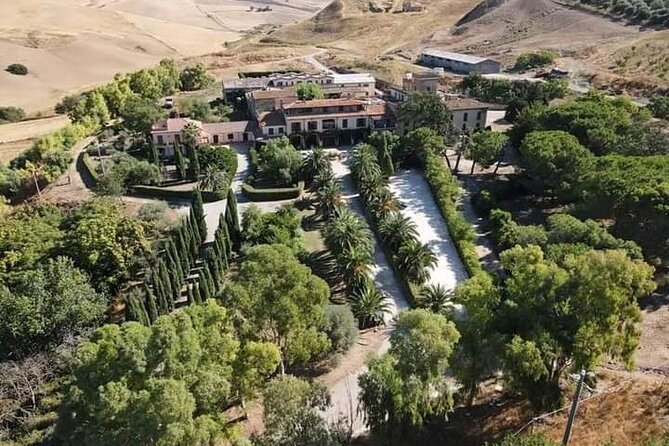
What makes this one feel different is the setting and pace. You’re cooking in a historic farmhouse kitchen, but the day keeps tying back to the farm itself: grains, vegetables, tomatoes, grapes, and olives on about 300 hectares. In the kitchen, instruction stays clear and calm, with Paola leading and an assistant (Mariella shows up in one account) helping keep everything moving and hygienic.
Your menu hits classic Sicily, not just a generic pasta theme. Expect three pasta shapes you make from scratch, plus the dessert everyone talks about: cannoli. If you have dietary needs, bring them up when you book; one gluten allergy was accommodated in a past experience, but you’ll want to confirm specifics ahead of time.
In This Review
- Key things that make Fontana Murata special
- Palermo to Roccapalumba Alia: why the start matters
- Breakfast on the farm: what you’re really learning
- The historic farmhouse kitchen: hands-on pasta without the chaos
- Tagliatelle with tomato sauce, eggplant, basil, and baked ricotta
- Ravioli with ricotta and spinach, plus cherry tomato and garlic
- Gnocchetto with trapanese pesto
- Cannoli: the dessert payoff you’ll want to taste twice
- Lunch, wine, and the pace of a family-run day
- Price and logistics: is $119.14 good value?
- Who this suits best (and what to bring)
- Final call: should you book Fontana Murata?
- FAQ
- FAQ
- Where do we meet, and what time does the tour start?
- Is the train included in the price?
- How long is the cooking class experience?
- What meals and drinks are included?
- What dishes will we cook or prepare?
- Is this a private tour?
- Is the class offered in English?
- What is the cancellation policy?
Key things that make Fontana Murata special
- Train ride to the farm: Palermo to Roccapalumba Alia, then pickup to the farmhouse.
- Historic kitchen, real instruction: Paola runs the class with helpful support in a well-organized setup.
- Three fresh pasta types: tagliatelle, ravioli, and gnocchetto, all made with hands-on guidance.
- Cannoli as the big finale: a true Sicilian dessert, finished and eaten with your group.
- Farm-to-meal energy: you cook with ingredients grown on their land, not just prepped stock.
- Food-forward day: breakfast, lunch, coffee/tea, and local wine are included in the price.
Palermo to Roccapalumba Alia: why the start matters
This is one of those tours where the getting-there part already feels like part of the experience. You meet at Palermo Centrale (P.za Giulio Cesare) at 8:30 am. From there, you take the train toward Roccapalumba Alia, and the farmhouse team handles the next step after arrival.
Why I think this matters: it’s an easy way to get out of the Palermo bustle without hiring a private driver or figuring out local transport on your own. You also get a little time where the day shifts from city mode to countryside mode. If you’ve ever wanted a cooking class that doesn’t feel “staged,” this route helps.
One practical note: train tickets are not included. You’ll need to budget for them separately, so check the cost and plan your arrival in Palermo so you’re not rushing. The tour ends back at the meeting point, so you’re not stuck thinking about a return transfer.
You can also read our reviews of more tours and experiences in Sicily.
Breakfast on the farm: what you’re really learning
Once you reach Fontana Murata, the day starts with breakfast. You’re on a working farm where grains, vegetables, tomatoes, grapes, and olives all grow. Even if you never see every field up close, you feel the theme: ingredients aren’t just part of the story, they’re the point.
This matters because it changes how you cook. When tomatoes, herbs, ricotta, and olive-based flavors are part of the day’s ingredients, you’re more likely to understand what makes Sicilian food taste like itself. You’re not just following steps; you’re connecting them to what’s available in the region.
And yes, breakfast is important here because it sets your energy for the work ahead. This is an 8-hour day, and once the pasta session starts, you’ll be standing, chopping, mixing, shaping, and cooking. A real breakfast included in the tour helps you show up ready instead of hungry and distracted.
The historic farmhouse kitchen: hands-on pasta without the chaos
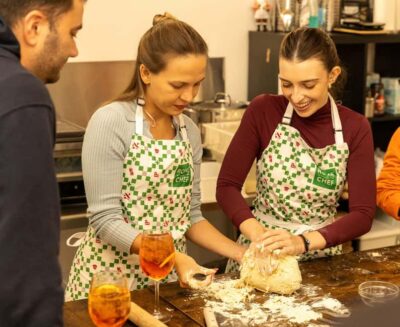
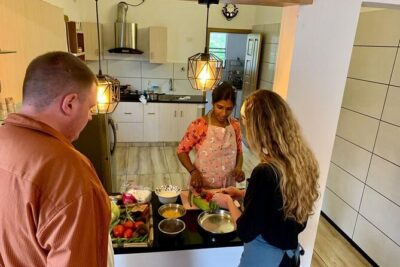
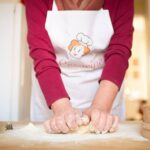
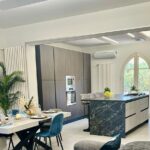
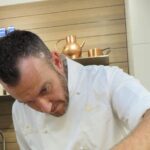
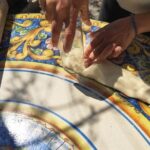
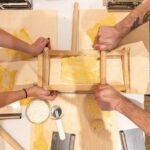
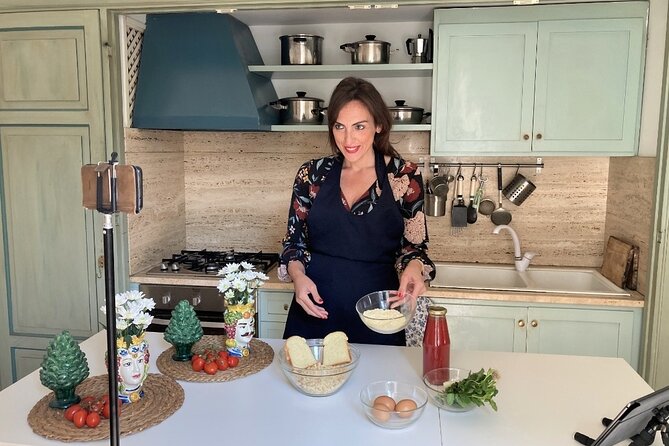
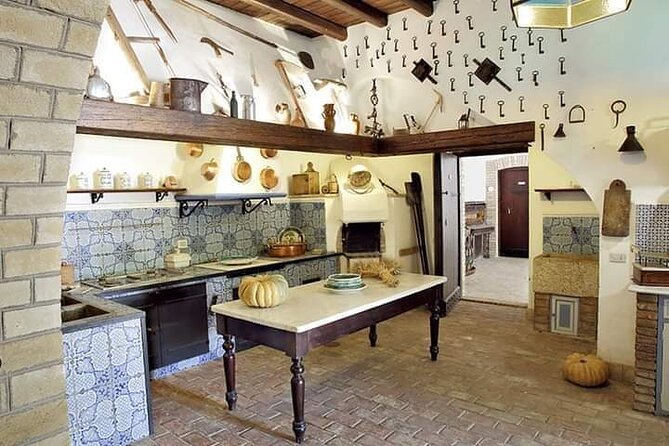
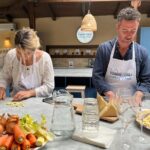
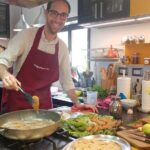
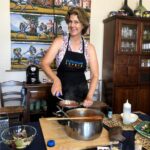
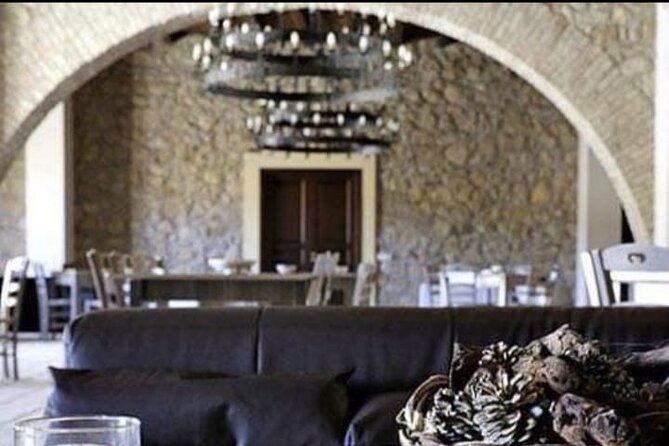
The heart of the day is the cooking class in the farmhouse kitchen. The setup is built for real instruction, not a quick demo where you watch and hope for the best. Paola teaches with clear explanations and patience, and an assistant helps keep things sanitary and organized.
You’ll work through multiple pasta styles, which is exactly what makes a cooking class worth your time. A single pasta shape can be interesting, but three different ones forces you to learn the logic behind dough, fillings, and sauces. You’ll also get a better feel for how Sicilian cooking blends pantry ingredients with fresh components.
Here’s what you’ll make and how it fits together:
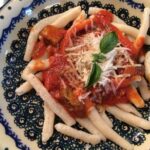
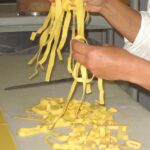
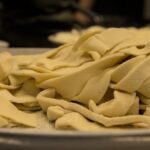
Tagliatelle with tomato sauce, eggplant, basil, and baked ricotta
This dish gives you a strong flavor baseline: tomato sauce plus rich, earthy add-ons. The eggplants are deep-fried, then paired with basil and baked ricotta. That combination is classic Sicily in spirit—comfort food that uses ingredients in bold, recognizable ways.
For your plate, it teaches two things at once. First, how tomato sauce can carry a whole meal. Second, how fried vegetables and baked dairy add texture and depth, not just taste.
Ravioli with ricotta and spinach, plus cherry tomato and garlic
Ravioli are where technique shows. You’ll shape filled pasta, and that means paying attention to thickness and sealing so everything stays together when cooked. The topping—or side component—uses cherry tomato and garlic (described as a special touch in the menu), which adds brightness on top of the heavier ricotta-and-spinach filling.
This pairing is a good reminder: in Sicilian cooking, richness and freshness often show up together. You get something hearty, but not flat.
Gnocchetto with trapanese pesto
If you’ve only heard about pesto in the Genoa sense, this is a chance to learn that pesto-like ideas can take on different regional personalities. “Trapanese” pesto means you’re tasting a local variation meant to match the flavors of western Sicily.
In an 8-hour cooking day, gnocchetto also adds variety. It’s a different texture world from long pasta and filled pasta. You’ll feel how the dough and shaping approach changes the bite.
Cannoli: the dessert payoff you’ll want to taste twice
Every day needs a finale. Here, that finale is cannoli with ricotta. You’re not just served a dessert; you’re doing the work that turns ricotta into the classic filling and putting the sweet together as part of the process.
Why cannoli is a smart choice for a cooking class: it’s recognizable even if you’ve had it before. When you make it yourself, you can compare the real thing to what you might have eaten elsewhere. You get a feel for texture, sweetness balance, and how ricotta-based fillings behave.
Also, cannoli is a perfect end to a hands-on day. You’ll have spent hours working with dough and heat, so the dessert brings a different rhythm: mixing, assembling, and then enjoying what you made.
Lunch, wine, and the pace of a family-run day
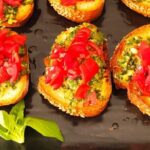
After you’ve started cooking and shaping, you’ll come up for air. Lunch is included, along with coffee and/or tea and local wine. One account notes bruschetta with fresh tomato salsa and a glass of wine, and the overall pattern is clear: you’re fed well throughout the day, not just at the end.
This is a big value point. Many cooking classes teach you technique but only give you a small snack or a light meal. Here, the day is structured around food: breakfast first, then work time in the kitchen, then lunch with wine, then more cooking, then the dessert and a sit-down meal.
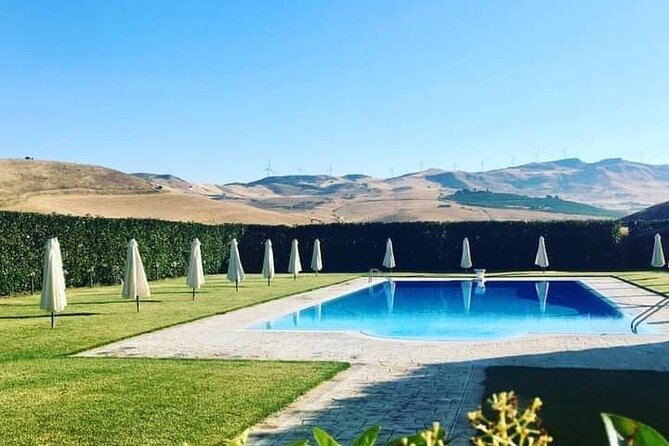
There’s also time to relax briefly during the day. One description mentions a break by a pool at the historic farmhouse. Even if the exact break timing feels flexible on the day, the tour’s structure makes it clear you’re not stuck grinding nonstop for 8 hours.
Price and logistics: is $119.14 good value?
At about $119.14 per person for roughly 8 hours, this isn’t a cheap activity, but it’s also not priced like a fancy restaurant meal. What you’re paying for is more than instruction.
You’re getting:
- Breakfast and lunch included
- Coffee and/or tea
- Local wine included
- A structured session making three pasta dishes plus cannoli
- Round-trip routing back to Palermo’s meeting point (your train ticket cost is separate)
Now the trade-off. The biggest cost you’ll still have is the train ticket from Palermo to the area near the farm. If you already know how you’ll buy that ticket, it’s easy to account for.
Who feels the best value? People who want a full-day, food-centered experience that feels personal and practical. If you’re the type who likes cooking but gets bored when it’s all theory, this day is hands-on enough to justify the price.
Who this suits best (and what to bring)
This tour is a strong fit if you like:
- learning technique you can actually use at home
- classic Sicilian flavors beyond just pizza and seafood
- a day trip that feels like it’s outside the usual Palermo box
It’s also a good choice if you want a private feel. It’s listed as private—only your group participates—so you’re not sharing space with strangers.
What to bring:
- comfortable shoes (farm + kitchen work usually means standing)
- a light layer, especially if the day shifts between indoor kitchen heat and outdoor air
- any dietary notes clearly stated at booking (even if you’ve never had a problem before, be specific)
If you’re traveling with kids, you might find it fun because the pace is guided and the food is tangible. Just remember it’s still an 8-hour schedule with real prep work.
Final call: should you book Fontana Murata?
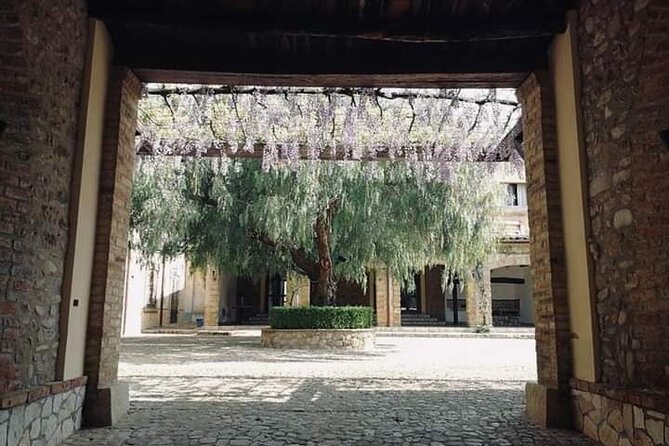
Book it if you want a Sicilian cooking day that feels grounded in a working farm and a family-led routine. The combination of three pasta types and cannoli, plus breakfast, lunch, coffee/tea, and local wine, makes it more than a quick class. It’s a whole food experience with a real setting, and it teaches you why the dishes taste like Sicily.
Skip it if you hate early starts, don’t want to handle extra train costs, or prefer short tours with minimal time on your feet. This is a full-day activity, so choose it when you can give it your attention.
FAQ
FAQ
Where do we meet, and what time does the tour start?
You meet at Palermo Centrale (P.za Giulio Cesare, 90123 Palermo PA, Italy) at 8:30 am. The activity ends back at the same meeting point.
Is the train included in the price?
No. Train tickets are not included. The tour uses the train to get from Palermo to Roccapalumba Alia.
How long is the cooking class experience?
It lasts about 8 hours.
What meals and drinks are included?
Breakfast and lunch are included, along with coffee and/or tea. Local alcoholic beverages (vino locale) are also included.
What dishes will we cook or prepare?
You’ll prepare typical Sicilian plates, including three pasta shapes (tagliatelle with tomato sauce, ravioli with ricotta and spinach, and gnocchetto with trapanese pesto) and the dessert cannoli with ricotta.
Is this a private tour?
Yes. It’s private, and only your group will participate.
Is the class offered in English?
Yes, the experience is offered in English.
What is the cancellation policy?
You can cancel for a full refund up to 24 hours before the experience’s start time. If you cancel less than 24 hours before, you won’t receive a refund.