REVIEW · KANDY
Kandy Cooking Class At Best Kandy Kitchen
Book on GetYourGuide →Operated by The Best Kandy Kitchen · Bookable on GetYourGuide
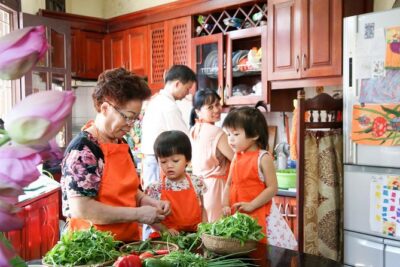
Cooking in Kandy starts with a family welcome. This class at Best Kandy Kitchen is hosted in a calm home near Bahirawakanda Mountain, with the cooking led by the wife, sister, and mother (and sometimes their little girls) instead of a formal chef setup. I love the home-style teaching that focuses on real Sri Lankan daily food, and I love the optional local market guidance for spices and vegetables. The main drawback: you’ll be fed a lot in 5 hours, so plan your appetite.
The whole experience runs at small-group scale, limited to up to 2 participants, so questions about curries, coconut, and seasoning don’t get lost in the crowd. One more practical plus: you get recipes at the end, which makes the class more useful than a one-off meal.
In This Review
- Key things to know before you go
- A family kitchen near Bahirawakanda Mountain
- How the market-and-spice part works (and why it’s valuable)
- The 5-hour rhythm: cooking 10 vegetable dishes without losing your mind
- What you’ll make: vegetable dishes, curry logic, and snacks
- Coconut sambol and coconut roti: the star side dishes
- Fish or chicken choice: protein that fits the meal
- Eat like it’s part of the lesson
- The value math: $99 for up to 2 people in a real home setting
- Pickup, timing, and how to plan your day in Kandy
- What to bring (and what to skip)
- Who this cooking class is best for
- Should you book Best Kandy Kitchen?
- FAQ
- How long is the Kandy cooking class?
- How many people are in the group?
- What food is included in the class?
- Is a visit to the local market included?
- Do you get recipes to take home?
- Is pickup and drop-off included?
- What should I bring to the class?
Key things to know before you go
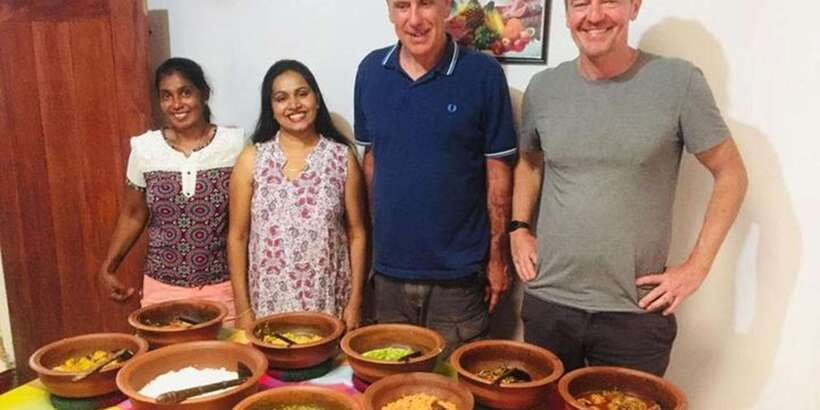
- A real family kitchen led by wife, sister, and mother (no big-show chef)
- Optional local market visit where spices and produce get explained
- Ten types of vegetable dishes plus a protein option: fish or chicken
- Coconut sambol and coconut roti are part of the set menu
- Small group up to 2 for more hands-on attention
- You leave with recipes so you can recreate the flavors later
A family kitchen near Bahirawakanda Mountain
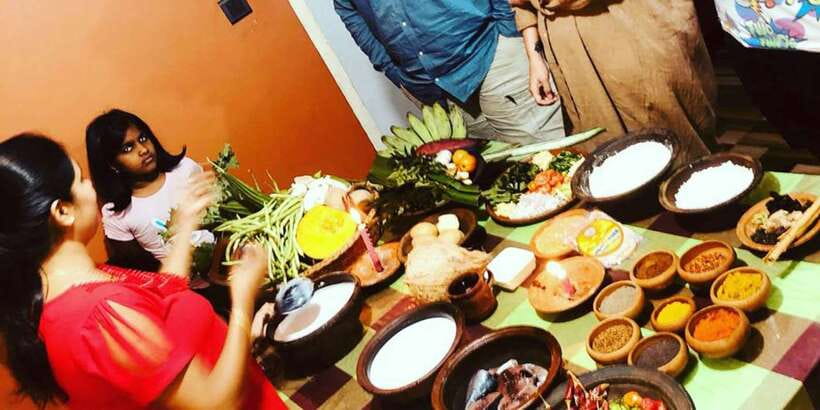
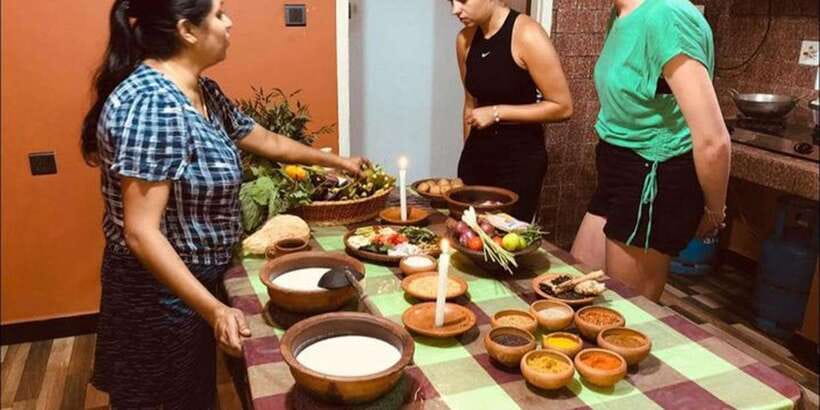
Best Kandy Kitchen is set up for people who want food culture, not just a cooking demo. The home kitchen is run like a working household: teachers are family members, and cooking is something they do often, not something they perform once for visitors.
Location matters here. You’re in Mahanuvara, close to the big Buddhas statue at Bahirawakanda Mountain, but the setting is described as calm and green. That combination is rare in food tours: you get a quiet place to focus, then you still get the sense you’re in the real Kandy area rather than a staged storefront.
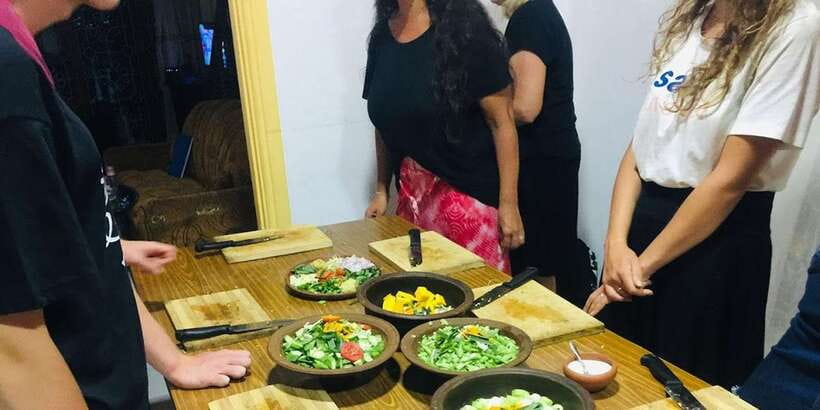
One thing I especially like for your comfort: the class is designed around a cozy, home-environment flow. You’re not stuck watching from the sidelines. You’ll be working on parts of the meal while the family moves the whole process along.
You can also read our reviews of more tours and experiences in Kandy.

How the market-and-spice part works (and why it’s valuable)
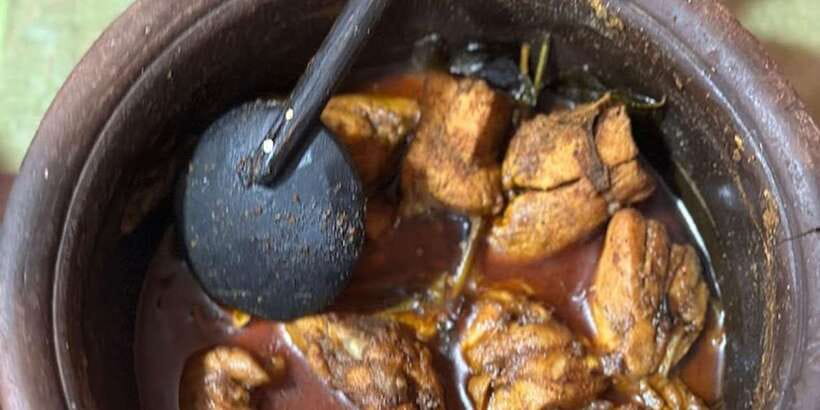
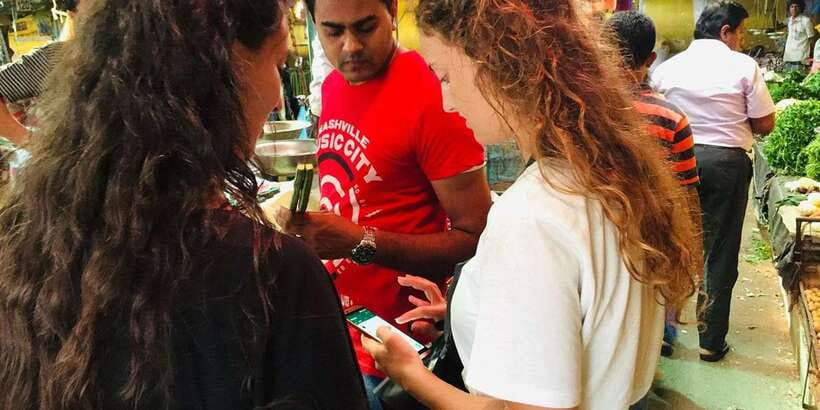
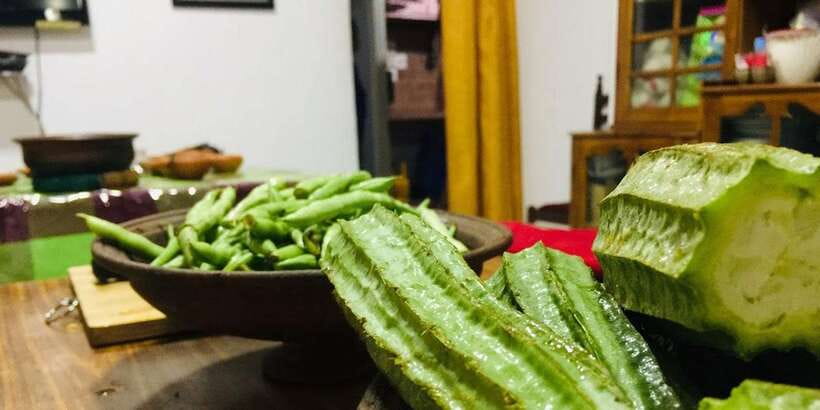
If you want the extra layer, they guide you to the local market. The idea is simple: you see spices and vegetables first, then you cook them with context. That’s where a lot of cooking classes fall short. They start at the chopping board and skip the why of the ingredients.
Here, the market component is about learning how Sri Lankan cooks think about:
- which produce is used for everyday curries
- how spices show up in daily meals
- how ingredients connect to flavor patterns like coconut, heat, and aromatics
Bring what you need to enjoy this step. They recommend cash and a camera, which is a good clue that the market experience is meant to be active. Also keep your smartphone charged so you can reference ingredient details afterward.
A small caution: the market visit depends on what you want to do. So if you’re in a hurry and only want cooking time, you’ll want to make that clear in advance.
The 5-hour rhythm: cooking 10 vegetable dishes without losing your mind
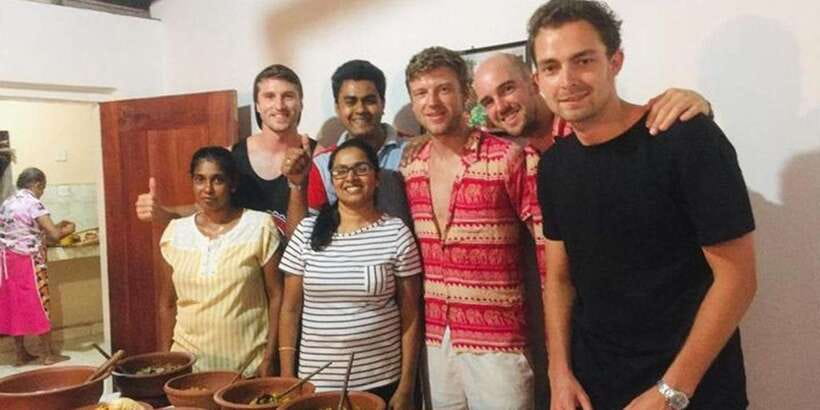
The class runs about 5 hours. That’s long enough to make multiple dishes, but it’s not a full-day kitchen marathon. The structure is built around quantity: you’ll cover ten types of vegetable dishes, plus a protein choice.
Here’s the realistic part. When there are that many dishes, the family does a lot of the heavy lifting—because timing, simmering, and prep add up fast. You won’t just stand there, though. You’ll still have your role in seasoning and helping along, especially in moments that let you understand how salt, spice, and coconut interplay.
Think of it like learning a system, not collecting recipes. Sri Lankan curries often share a flavor logic even when the vegetables change. Once you grasp the way they balance spice and coconut, you can adapt the method later.
And because it’s a family kitchen (not a high-volume commercial space), the teaching tone stays practical. The goal is that you understand what you’re doing enough to reproduce it.
What you’ll make: vegetable dishes, curry logic, and snacks
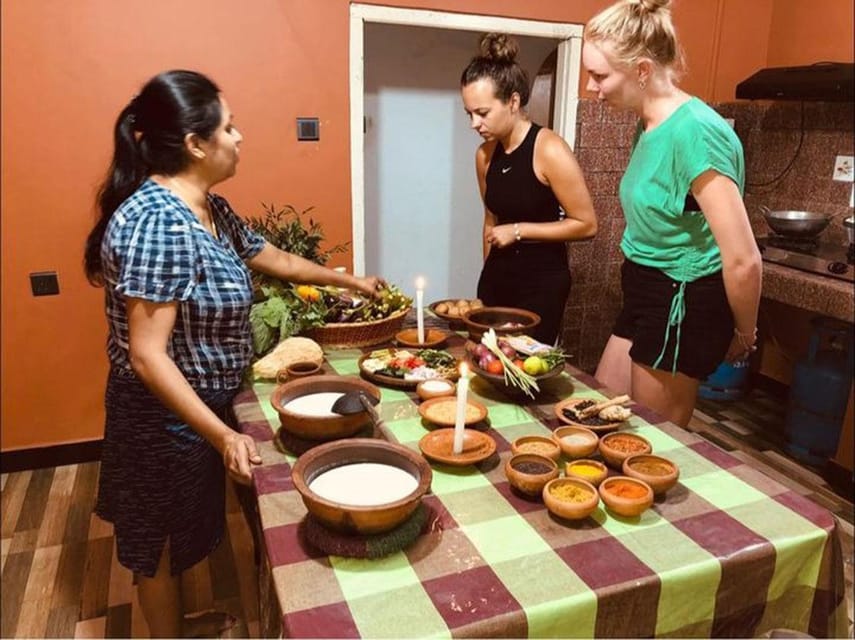
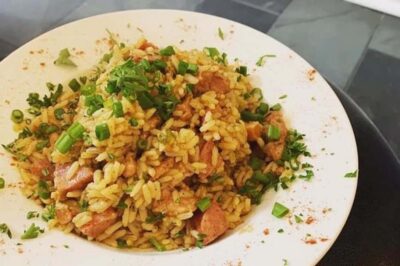
You’ll cook ten types of vegetable dishes as part of the meal. The exact dish names aren’t listed in the info you were given, so don’t expect a printed menu with ten titles. What you should expect is variety—enough to taste how different vegetables behave in Sri Lankan cooking.
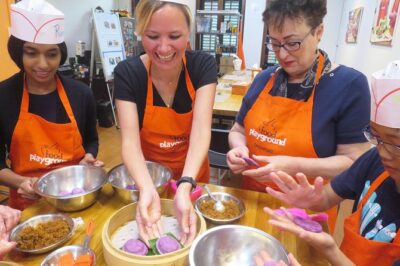
Also, one nice detail from how the meal is described: you may make snacks while you cook. That matters because it keeps the class from feeling like one long grind before dinner. It also gives you quick flavor hits while the curries finish up.
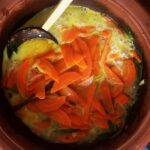
If you love food experimentation, this is the part you’ll enjoy most. Vegetable curries can taste very different depending on whether the dish leans more on coconut, spice heat, or fresh aromatics. After this, you’re more likely to understand why one curry feels creamy while another feels sharper.
Coconut sambol and coconut roti: the star side dishes
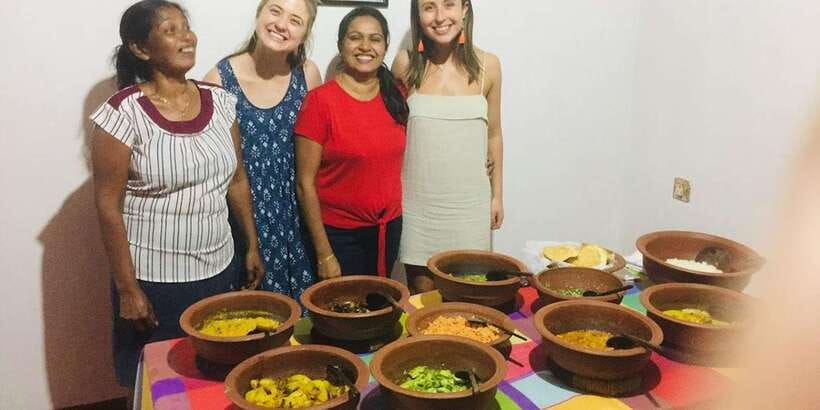
Two items are clearly called out as included:
- Coconut sambol
- Coconut roti
Coconut sambol is a Sri Lankan staple, usually playing the role of a punchy, textured side. It helps brighten heavier curry flavors. Coconut roti ties into that same coconut theme but in a different way—more comforting and filling.
In other words: you’re not just cooking “curry plus rice.” You’re learning how Sri Lankan meals often build contrast—creamy, spicy, and fresh flavors that work together rather than competing.
When a class guarantees these two, it’s a good sign of value. They’re both signature, and they’re hard to fully learn from a generic cooking video. Having them included means you’ll get real practice with core techniques.

Fish or chicken choice: protein that fits the meal
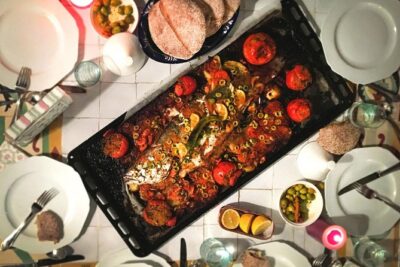
Along with the vegetable dishes, you’ll have a protein option: fish or chicken, chosen to match your preference. The meal design already includes multiple curries and sides, so the protein isn’t an afterthought—it’s part of the shared table.
Because this class info only mentions fish or chicken (and not other protein alternatives), if you have special dietary needs, it’s smart to confirm ahead of time what’s possible. But if you’re flexible between fish and chicken, you’re set.
Eat like it’s part of the lesson
This is where many food classes either succeed wildly or fail. Here, it sounds like they’re feeding you in a way that matches the learning.
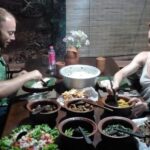
Your included meal components come with enough volume that you’ll likely want to treat this as your main food event. One of the included items is a beer can, plus water bottles. That signals a relaxed, dinner-focused end to the class, not just a tasting.
Practical advice: if you already ate a big lunch, you might feel stuffed before the final dishes come out. I’d plan for this to be the highlight meal of your day, and keep lunch light or skip it if you can.
The value math: $99 for up to 2 people in a real home setting
The price is $99 per group, up to 2 participants. That means:
- If you come as a couple or with a friend, your effective cost per person drops a lot.
- You’re paying for instruction plus ingredients plus the included meal experience.
What makes it feel like good value is the combination of inclusions:
- Ten types of vegetable dishes
- fish or chicken option
- coconut sambol and coconut roti
- beer can and water bottles
- recipes at the end
- pickup and drop-off around Kandy town
Many cooking experiences charge separately for market guidance, transport, or take-home materials. Here, the recipe handout at the end is a meaningful add-on because it turns your memories into something you can actually cook again.
Also, the small group size up to 2 changes the teaching vibe. You’re less likely to get stuck with vague explanations while someone else hogs attention.
Pickup, timing, and how to plan your day in Kandy
The class is about 5 hours, and starting times vary based on availability. They also offer optional pickup and drop-off around Kandy city—wait in the hotel lobby about 10 minutes before your scheduled pickup.
This matters because Kandy sightseeing can be tight. If you want to pair this with visits around Bahirawakanda Mountain or other nearby spots, you’ll want to avoid stacking too many major activities right before or right after cooking.
A simple way to plan:
- Do your active sightseeing earlier
- Keep meals before this flexible
- Save your best energy for the market and cooking parts
If you’re staying outside the pickup area, the info you have only says pickup is around Kandy town, so you’d want to confirm how it works with your exact hotel location.
What to bring (and what to skip)
You’ll have a smoother time if you pack for both cooking and small travel moments. They suggest bringing:
- change of clothes
- camera
- cash
- a charged smartphone
Also note what’s not allowed: pets are not allowed, and the activity isn’t suitable for wheelchair users. So plan accordingly if you’re traveling with mobility equipment or needing step-free access.
A small practical tip: wear clothes you won’t mind getting curry-adjacent. Even when the family is careful, cooking is still cooking.
Who this cooking class is best for
This works best if you want:
- a home-based cooking experience where teaching comes from family routines
- hands-on learning, not just watching
- market guidance for spices and vegetables (if you choose it)
- an experience that feeds you well, with recipes to take home
- a small group setup that keeps the tone friendly and question-friendly
It’s also a great pick for couples or solo travelers who want something more personal than a big group class.
If you’re the type who prefers a polished, professional restaurant style chef-led class, you might find the family-led approach slower or more casual—but that’s also what makes it feel authentic.
Should you book Best Kandy Kitchen?
I’d book it if you want Kandy food in a way that feels lived-in. The big wins are the family-led home kitchen, the option to connect cooking to the local market, and the fact that you cook a lot—ten vegetable dishes plus coconut sambol, coconut roti, and a fish or chicken choice—then leave with recipes.
Skip it (or at least double-check expectations) if:
- you need high accessibility features
- you’re not comfortable with a meal that is designed to be plentiful
- you’d rather not do any market-style ingredient shopping
If those fit, this is one of the more satisfying ways to spend an evening in Kandy—quiet setting, lots of real Sri Lankan food, and teaching that comes from people who actually cook this way every day.
FAQ
How long is the Kandy cooking class?
It lasts about 5 hours. Starting times vary, so you’ll want to check availability for the times offered.
How many people are in the group?
The class is a small group limited to up to 2 participants.
What food is included in the class?
You’ll make ten types of vegetable dishes, plus fish or chicken (as your choice). Coconut sambol and coconut roti are also included.
Is a visit to the local market included?
If you want that experience, they guide you to the local market and explain the spices and vegetables.
Do you get recipes to take home?
Yes. At the end of the class, recipes are provided.
Is pickup and drop-off included?
Pickup and drop-off are included around Kandy town, and you should wait in the hotel lobby about 10 minutes before pickup.
What should I bring to the class?
Bring a change of clothes, a camera, cash, and a charged smartphone. Pets are not allowed.