REVIEW · GOA
Culinary Experiences by Fierce Kitchens (Cooking class)
Book on Viator →Operated by Fierce Kitchens · Bookable on Viator
Goa tastes different when you cook it. This hands-on workshop by Fierce Kitchens focuses on authentic Saraswat Goan cuisine with Chef Anjali Prabhu Walavalkar guiding you through traditional techniques and local ingredients. Two big reasons I like it: you get a full vegetarian food experience, and you’re taught by a chef with serious real-world credibility. One thing to consider: the class does not include private transportation, so you’ll want to plan how you’ll get to the kitchen.
The timing is also easy to fit—9:00 am, about 3 hours, and it ends back where you start. You’ll get lunch as part of the experience, plus kitchen tools and ingredients. And because this is a popular class (often booked far in advance), I’d lock in your date early if you’re in Goa during peak season.
In This Review
- Key highlights worth your time
- Where this Goa cooking class happens, and why location matters
- Price and value: why $22.98 can work out well
- Meeting the chef: Chef Anjali’s teaching style and credibility
- The 3-hour flow: what your morning will feel like
- Hands-on Goan technique: where the real learning happens
- The Sattvik & Saraswat meal: what you’re actually eating
- The kitchen setup: tools, ingredients, and pro-level gear
- Who this class is best for (and who might skip it)
- Practical tips so you get more out of the 9:00 am start
- Should you book Fierce Kitchens’ Goan cuisine workshop?
- FAQ
- How long is the cooking class?
- What time does the workshop start?
- Where do I meet for the class?
- Is lunch included?
- Is the class vegetarian?
- What’s included in the price?
- Do I need my own transportation?
- What is the cancellation policy?
- Is this a private tour?
Key highlights worth your time
- Chef Anjali Prabhu Walavalkar leads the session, teaching award-winning Goan and Saraswat techniques
- Pure vegetarian, sattvik-style dining with a curated thali-style meal focus
- Hands-on cooking rather than a quick demo, plus lunch included
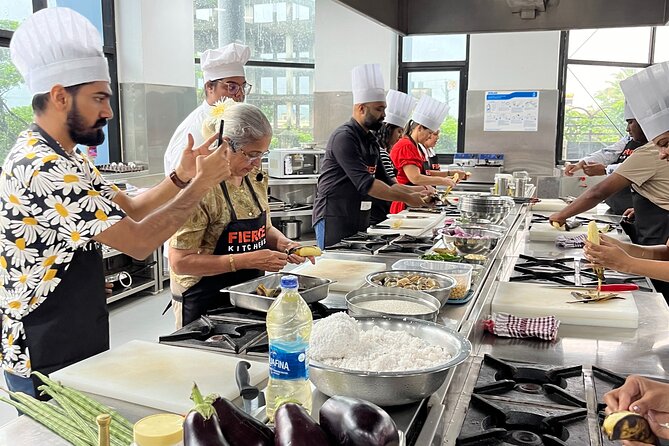
- A working kitchen setup where people note spacious space and clean equipment
- You might work with pro gear like a rational combi oven, depending on the session
- A private setup so only your group participates
Where this Goa cooking class happens, and why location matters
This experience takes place at Kamaxi College of Culinary Arts in Verna, Goa. The meeting point address is very specific, and that’s a good thing in Goa—when the class is at an actual culinary campus, you don’t waste your morning hunting for a place behind a storefront. It also helps you arrive with less stress since the area is described as near public transportation.
The big value of choosing a venue like this is the kitchen environment. You’re not cooking in a makeshift demo setup; you’re learning in a real teaching space where you can see tools clearly, understand workflow, and move through prep steps without feeling rushed. That matters a lot for a class like this, where technique is the lesson—not just the final plate.
You start at 9:00 am. That’s early enough to feel productive, but not so early that Goa looks like it’s still waking up. By the time you sit down for lunch, you’ve already built the flavors yourself, so the meal lands differently than ordering.
You can also read our reviews of more tours and experiences in Goa.

Price and value: why $22.98 can work out well
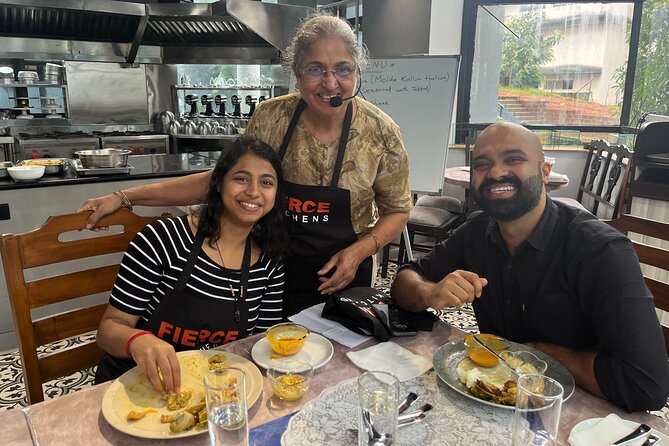
At $22.98 per person, this isn’t a budget “snack and chat” activity. It’s priced like an actual workshop: it includes all fees and taxes, lunch, and both kitchen tools and ingredients.
Here’s the practical way I see the value:
- You’re paying for instruction by a chef (Chef Anjali Prabhu Walavalkar), not just entry into a kitchen.
- You’re getting lunch included, which offsets part of the cost compared with paying for a meal on your own.
- The class provides the cooking setup and inputs, so you’re not mentally budgeting for extra costs like ingredients.
The main trade-off is what isn’t included: private transportation. That doesn’t make the class bad—it just means your overall “day cost” depends on where you’re staying and how you’ll get there. If you’re already near Verna or can use public transit/taxi without drama, the math improves fast.
Also, the fact that this is often booked about 120 days in advance tells me it has a loyal audience. If you want a particular date and you’re traveling in high season, don’t treat it as a last-minute option.
Meeting the chef: Chef Anjali’s teaching style and credibility
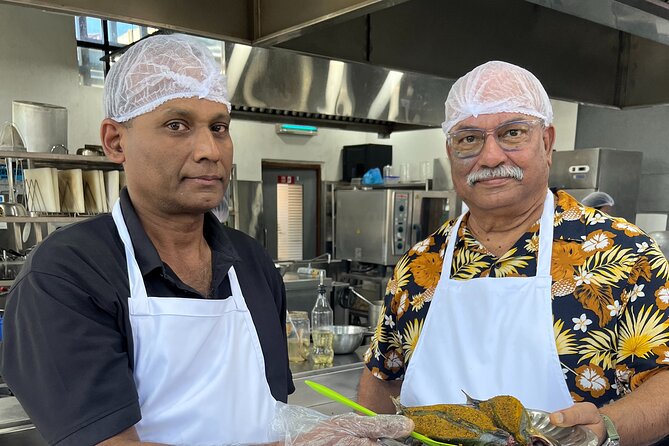
Chef Anjali Prabhu Walavalkar is the star of this experience. The program describes her as award-winning, and the class reviews also highlight long career experience—people cite 40+ years in the culinary world.
For you, this matters because cooking classes can range from friendly but basic to truly technical. With someone like Chef Anjali leading the session, you can expect a focus on technique and the small decisions that shape Goan food: ingredient choices, how flavors build, and how to keep dishes from turning bland or salty.
There’s also the human side. The feedback around her includes the ability to accommodate dietary needs. Even if your needs are simple (extra restrictions, less spice, or similar), it’s reassuring to know the instructor is used to tailoring the experience rather than forcing everyone into one single mold.
The lesson style comes through as hands-on: you’re not just watching from the sidelines. You learn by doing, so the kitchen becomes your classroom and the recipes become something you understand, not something you only memorize.
The 3-hour flow: what your morning will feel like
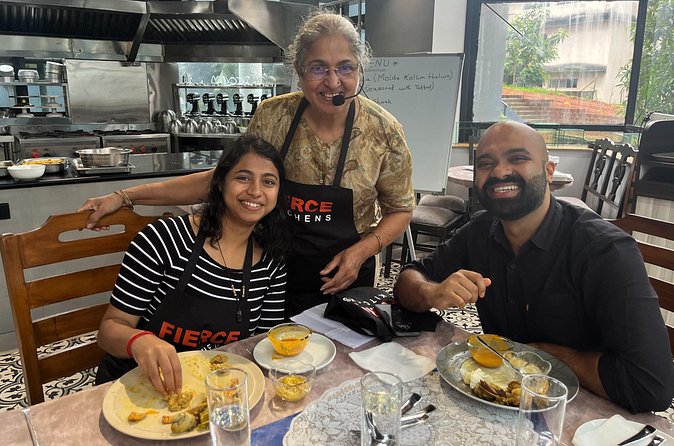
You’ll have about 3 hours total. That’s a sweet spot for a cooking class: long enough to learn multiple steps, short enough that it doesn’t eat your entire day.
A typical rhythm in this kind of workshop looks like:
- A quick orientation to the kitchen and ingredients
- Hands-on prep and cooking guided by the chef
- Then a shared meal that reflects the workshop theme
From the way sessions are described, some begin with a light start like a small cocktail-making step before moving into prep and cooking. I’d treat that as possible variation by date or menu. What stays consistent is the overall theme: authentic Goan flavors with a sattvik and Saraswat angle, plus lunch.
Also, this is private in the sense that only your group participates. That tends to make Q&A easier. If you like asking questions while your hands are already busy, you’ll probably get more out of it than you would in a crowded multi-group setting.
Hands-on Goan technique: where the real learning happens
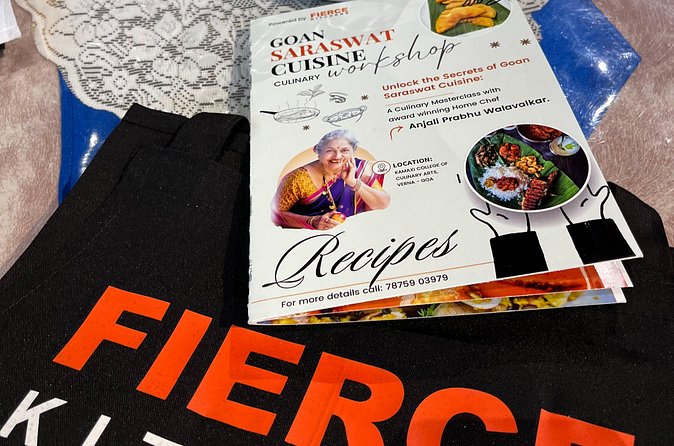
This workshop is built around traditional techniques and local ingredients. That’s exactly what you want if your goal is to understand Goan cuisine instead of collecting a few recipes.
When cooking instruction is hands-on, you learn three things at once:
- What each ingredient is doing in the dish
- How steps affect taste and texture
- How timing works in a real kitchen
That’s especially important for Saraswat Goan cooking, which can be misunderstood by visitors who assume it’s only about spices. In practice, it’s also about balance—how bitterness, sweetness, sourness, and salt land together. You’ll likely notice how the chef steers you toward simplicity with intention. The class promises a workshop that celebrates tradition and flavor, and the way it’s taught seems designed to help you replicate flavors at home.
If you’re a confident cook, you might still enjoy the process because you’re learning regional technique. If you’re a beginner, you’re not being thrown into chaos—you’re learning by step, with instruction aimed at getting you to the finish line.
One extra practical note from people who’ve done this kind of workshop at this setup: the kitchen space is described as large and clean, and equipment is treated seriously. That reduces stress while you cook, so you can focus on learning instead of troubleshooting messy or cramped conditions.
The Sattvik & Saraswat meal: what you’re actually eating
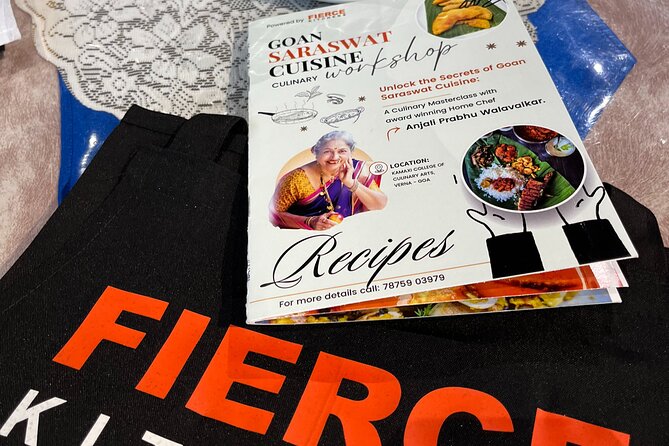
This experience isn’t a meat-and-seafood plate with a vegetarian side. It centers on pure vegetarian dining, specifically Saraswat Goan flavors, and it’s described as sattvik as well.
That means you’re eating in a way that’s shaped by food traditions tied to spirituality and culture. You’ll usually see dishes designed to be balanced and mindful—think seasonal ingredients and careful flavor building rather than heavy, one-note seasoning.
In practice, the menu is presented as a curated meal. Several descriptions point to a thali style experience—many dishes on one table that let you experience the range of flavors in Saraswat cuisine. People also mention seasonal ingredient focus, which is important in Goa because the weather and growing cycle change what tastes best.
If you’re the kind of traveler who wants one meal you can’t just replicate by ordering at a restaurant, this class has an advantage: the thali becomes the end result of the same techniques you practiced. That makes it easier to remember what to recreate later.
And if you have diet limits, the program messaging and class feedback suggest the chef can accommodate needs. That doesn’t mean every restriction is guaranteed for every menu, but it does mean you should feel comfortable sharing your requirements ahead of time.
The kitchen setup: tools, ingredients, and pro-level gear
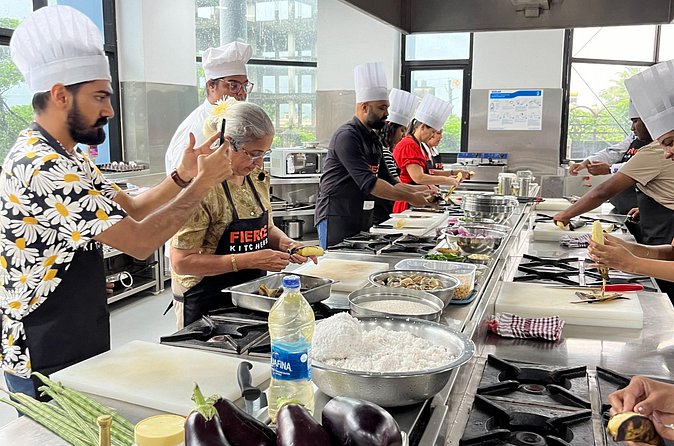
The class includes kitchen tools and ingredients, so you don’t arrive worrying about what you need to bring. It also means your learning is supported by the right equipment rather than a bare-bones stove.
One detail that shows this isn’t a toy kitchen: people describe opportunities to work on professional equipment like a rational combi oven. Not every cooking class gives you hands-on time with tools that serious kitchens use, so if you enjoy learning the mechanics of cooking, you’ll probably find that part especially interesting.
Another detail that stands out is cleanliness and space. Multiple people mention a large, spacious kitchen with sparkling clean equipment. That’s not a minor point. In a cooking class, a clean workspace makes it easier to work confidently, keep things organized, and focus on the food rather than the mess.
Who this class is best for (and who might skip it)
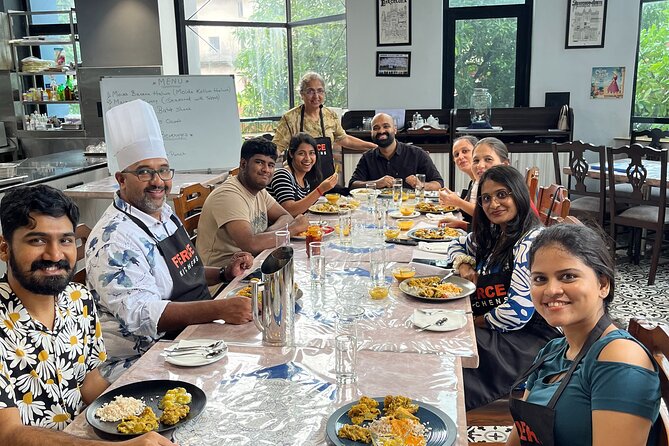
I think this cooking class is a great fit if:
- You want a vegetarian Goan food experience with depth, not just a casual tasting
- You like hands-on cooking and want technique you can repeat at home
- You’re interested in Saraswat cuisine specifically, or you want to understand Goa beyond the beach restaurants
- You enjoy meeting a chef who teaches with structure and attention
It may be less ideal if:
- You want a quick photo-and-taste stop rather than real prep and cooking
- You don’t have an easy way to get to Verna on your own (since private transportation isn’t included)
- You dislike group cooking environments where you’ll be working at the same pace as your class
If you’re traveling solo, a private class for your group can still be a good experience because it tends to reduce waiting and makes instruction more direct. If you’re traveling with friends who have different spice comfort levels or different dietary needs, it’s also a strong option because the chef is experienced with accommodations.
Practical tips so you get more out of the 9:00 am start
A morning class like this rewards simple planning.
First, eat lightly before you go. You’ll have lunch included, and if you arrive stuffed, you’ll miss the joy of tasting what you cooked.
Second, wear shoes you can stand in. Kitchen floors and workflows are practical, and you’ll likely move around more than you expect.
Third, bring a small layer. Goa mornings can be pleasant, but kitchens with ventilation can feel cooler than you’d expect.
Finally, if you have any dietary needs, communicate them before you arrive. The chef is described as able to accommodate dietary needs, but your clear notes help the kitchen team prep the right approach.
Should you book Fierce Kitchens’ Goan cuisine workshop?
If you want a hands-on Goa cooking class that focuses on vegetarian Saraswat flavors taught by Chef Anjali Prabhu Walavalkar, I’d book it. The price is fair for a 3-hour workshop that includes lunch, ingredients, and kitchen tools. And the fact that people highlight teaching quality, accommodations, and a well-run kitchen suggests it’s not just a gimmick—it’s a real learning experience.
The only real reason to hesitate is logistics: you’ll need to handle getting yourself to the Kamaxi College of Culinary Arts meeting point since private transportation isn’t included. If that’s easy for you, this is one of the best ways to experience Goan cuisine as something you understand, not just something you eat.
FAQ
How long is the cooking class?
The experience runs about 3 hours.
What time does the workshop start?
It starts at 9:00 am.
Where do I meet for the class?
You’ll meet at Kamaxi College of Culinary Arts, Plot no 1, Phase, Utility, 1A, Finolex Cables Residential Colony, Verna Industrial Estate, Verna, Nagve, Goa 403722, India.
Is lunch included?
Yes. Lunch is included.
Is the class vegetarian?
Yes. The experience is described as pure vegetarian, including sattvik and Saraswat Goa cuisine.
What’s included in the price?
All fees and taxes are included, along with lunch, and the kitchen tools and ingredients.
Do I need my own transportation?
Private transportation is not included, so you’ll need to arrange your own way to and from the meeting point.
What is the cancellation policy?
Free cancellation is available. You can cancel up to 24 hours in advance for a full refund.
Is this a private tour?
Yes. Only your group will participate.