REVIEW · LUCCA
Every Day Cooking Class in Lucca Italy
Book on Viator →Operated by Cremeria Opera · Bookable on Viator
Pasta night comes to Lucca. I like that this class happens in a working gelato and pastry kitchen, so it doesn’t feel like a staged show. You’ll also get a proper meal rhythm, with local wine or aperitivo flowing as you make fresh pasta and tiramisù.
One catch: there are no gluten-free options, so if that’s a must for you, you’ll want to plan something else.
In This Review
- Key things I’d circle before you book
- Why Lucca’s cooking happens in a real commercial kitchen
- The 3:30 pm schedule and how the 2.5 hours are likely to feel
- Aperitivo and wine: the start that sets an Italian mood
- Fresh pasta from scratch: what you’ll be learning (and using later)
- Tiramisù for dessert: assembling it like a pro
- The instructor vibe: patient help, real interaction, and food history
- Small group advantage: why you’ll leave with confidence
- Price in context: is $156.38 good value?
- Who should book this Lucca cooking class
- Quick tips so you get the most out of the class
- Should you book? My practical take
- FAQ
- How much does the Lucca cooking class cost?
- How long is the cooking class?
- What time does it start in Lucca?
- Where is the meeting point?
- Is the class offered in English?
- Is there a gluten-free option?
- Can I get a full refund if I cancel?
Key things I’d circle before you book
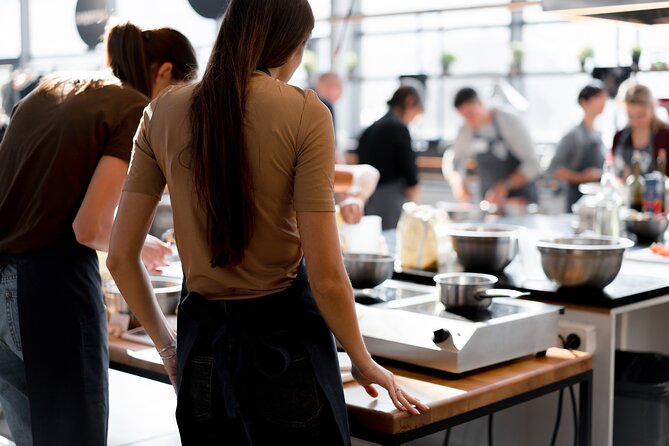
- Small group, up to 10 people, so you get real hands-on time and questions don’t vanish
- English offered, with clear guidance while you shape dough and assemble dessert
- Aperitivo or local wine first, because Italian food is social, not just technical
- Fresh pasta + tiramisù as the core menu, with lots of focus on how and why the dishes work
- Commercial kitchen energy, with space for groups and a feel for how food is made day-to-day
Why Lucca’s cooking happens in a real commercial kitchen
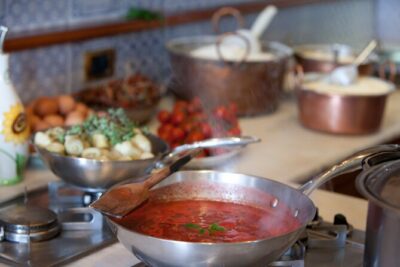
Cooking classes in touristy settings can feel a bit like theater. This one is different. The class runs through Cremeria Opera in Lucca, and the space is a real business kitchen that also does gelato and pastry work. That matters more than you’d think.
When you cook in a working kitchen, everything feels more normal: the tools, the pace, the way ingredients are handled, and the way you move from prep to tasting. It also makes the whole experience feel closer to everyday Italian life. Italy isn’t just about monuments and perfect postcards. It’s also about showing up for food and sharing the table.
I also like the mix of practical cooking and context. You’re not only learning what to do; you’re hearing the story behind the meal. The result is that when you take the recipe home, it’s not just a list of steps. It’s tied to how Italians think about food—simple ingredients, careful technique, and a shared moment.
The other plus: the class is limited to a maximum of 10 travelers. That keeps it friendly and lets your instructor actually help you while your hands are covered in flour.
You can also read our reviews of more tours and experiences in Lucca.
The 3:30 pm schedule and how the 2.5 hours are likely to feel
The session starts at 3:30 pm and runs about 2 hours 30 minutes. That timing is smart in Lucca because it slots between a late lunch and an early evening dinner plan. You’re not rushing out of museums, and you’re not trying to cook when you’re already starving.
Here’s the basic flow you can expect:
You’ll meet at Via dei Bichi, 150 (55100 Lucca, Italy). Then you’ll settle in and start with a starter drink—either local wine or a typical aperitivo drink. From there, the main event is fresh pasta. After that comes dessert: tiramisù.
Even with that simple structure, the time can feel satisfying rather than rushed because you’re doing the work yourself. Several instructors also emphasize the logic of each step, like why certain dough textures behave a certain way or how tiramisù should be built for a good set.
One practical note: because this is a cooking class, you’ll want to dress like you’re okay getting messy. Comfort beats style here. You’ll be standing and moving more than you expect, and you’ll spend time at your station while learning.
Aperitivo and wine: the start that sets an Italian mood
In Italy, food is not only fuel. It’s a social thing. This class builds that idea right into the schedule with a drink at the start—aperitivo or local wine—while you begin cooking.
For you, that means two things:
First, it lowers the pressure. You’re not stepping into an exam. You’re stepping into a relaxed meal.
Second, it helps you stay present. When you’re actively tasting as you cook, you understand what you’re making in a more “real life” way.
This isn’t just a drink-for-drink’s-sake setup. The drink kicks off the whole rhythm of the meal, and that rhythm is what you’ll remember later when you cook at home.
If you don’t drink wine or aperitivo, the data doesn’t spell out alternatives. So it’s worth checking ahead when you book, especially if you have restrictions.
Fresh pasta from scratch: what you’ll be learning (and using later)
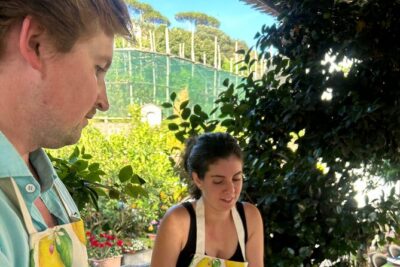
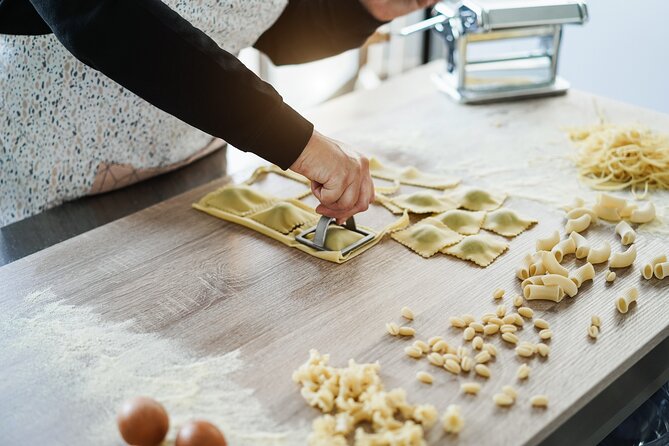
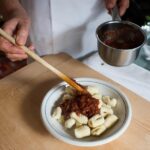
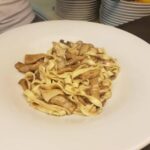
The core lesson is fresh pasta, and the instruction is hands-on. You’ll be involved in making the dough and shaping it, guided by the host in the kitchen. Multiple instructors have a patient teaching style, with people staying near your station to help when you get stuck.
A big reason this works well is that fresh pasta is one of those dishes that seems complicated until you break it into steps. Once you do it once, the techniques become repeatable. That is what makes this class useful beyond the meal.
You might also cover more than just dough—some sessions include basics beyond pasta itself, like simple ragù building and stuffing/filling concepts for the pasta. Even when the menu is centered on fresh pasta, the bigger takeaway is how Italian cooking thinks in layers: sauce structure, pasta texture, and how flavors stick together.
And yes, you’re not just making one thing and leaving. You eat what you make. That turns the lesson into a full experience: you learn, you taste, you adjust, and then you enjoy.
One more practical win from the class structure: you’ll get recipes to take home. That’s key if you want to repeat this later without guessing.
Tiramisù for dessert: assembling it like a pro
Dessert is tiramisù, and this is where you’ll get to switch gears. Pasta asks for focus and technique with dough. Tiramisù asks for calm, careful assembly and timing.
You’ll build it, then you’ll let it set. In some sessions, you’ll even place it in the fridge to cool while the meal continues. The goal is to finish with dessert that’s actually ready to eat, not a sad pile of ingredients.
The best part of learning tiramisù in a class is the small details. Getting the right layering matters. So does knowing how to balance the textures. You also get the story behind the dessert—why it has its name and how Italians talk about it.
When you finish, you’re not just eating dessert. You’re eating proof that the steps you followed make sense.
The instructor vibe: patient help, real interaction, and food history
Look, not every cooking class is good at teaching. This one tends to score high because the instruction includes both interaction and explanation.
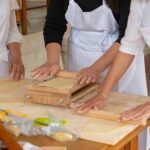
You could cook with hosts such as Giulia or Giuliana, and you’ll likely run into other instructors too (names like Julie or Juliette show up in the teaching roster). What they share is a calm, patient style. They stay close enough that you can ask questions while your hands are busy.
The class also focuses on the history behind what you’re making. That’s not trivia time. It gives context, so you understand why Italians treat meals as shared moments instead of just recipes.
Some sessions come with extra warmth too, including father/daughter or team-style hosting energy. The kitchen feels like it has personality, not just process.
Small group advantage: why you’ll leave with confidence
With a maximum of 10 travelers, the class stays conversational. In bigger groups, instructors spend most of the time showing, and you spend most of the time watching. Here, you should feel like you’re participating.
That’s also why the experience is a good fit if you’ve never made pasta before. Fresh pasta has a learning curve, but when someone can correct you while you’re still at the station, you progress faster.
Another thing I like for your expectations: the class is designed to end with a meal you can enjoy fully. The goal isn’t only to say you cooked. It’s to sit down, taste, and take something meaningful away.
Some people also report taking home leftovers, which is a nice bonus in a kitchen where you cook real portions.
Price in context: is $156.38 good value?
At $156.38 per person for about 2.5 hours, this isn’t a bargain-basement activity. But it can be good value if you care about food and want a meal included in the price.
You’re getting:
- a hands-on cooking workshop
- a drink starter (wine or aperitivo)
- fresh pasta and tiramisù
- recipe take-home support
- English instruction
- a small-group limit (up to 10 people)
Also, this type of class tends to be popular in Lucca. It’s often booked around 89 days in advance on average, which is a hint that spots can tighten. If you’re traveling in busy season, earlier booking can save you stress.
So for you: if you’re the kind of traveler who wants to learn something you’ll actually cook again, the price starts to make sense. If you just want a quick taste with zero hands-on work, you might prefer a lighter food stop instead.
Who should book this Lucca cooking class
This fits best if you:
- want hands-on cooking rather than watching from the sidelines
- like the idea of learning with context, not only recipes
- enjoy Italian food culture, especially the meal-as-a-social-ritual part
- want an English-friendly class in a small group
It’s also a solid plan if your schedule needs a mid-afternoon activity with an included meal.
You might think twice if:
- you need gluten-free options (none are offered)
- you dislike kitchens or cooking mess at all
- you want a class that is mostly about sightseeing rather than food
If you have dietary needs beyond gluten, the data only clearly confirms the lack of gluten-free options. For other needs, it’s smart to ask when booking.
Quick tips so you get the most out of the class
- Bring a good attitude about texture and timing. Fresh pasta teaches you through feel, not just instructions.
- Wear clothes you can stand in for a while. Kitchens are warm, and flour happens.
- If you want to recreate it at home, plan to take notes on the parts that felt tricky.
- If you’re traveling with family or friends, this group size often makes it more fun because everyone can participate.
Should you book? My practical take
Book it if you want a real Lucca food experience with fresh pasta + tiramisù, a drink to set the tone, and an instructor who helps you cook rather than just explain. The working commercial kitchen setting and the small group size are big strengths.
Skip or replace it if gluten-free is required, since the class explicitly has no gluten-free options. Also, if $156.38 feels too steep, compare it against other food tours where the main value is sampling rather than full meal-making.
If you’re an everyday-food traveler—someone who loves learning how locals actually eat—this is a strong choice.
FAQ
How much does the Lucca cooking class cost?
It costs $156.38 per person.
How long is the cooking class?
The class lasts about 2 hours 30 minutes.
What time does it start in Lucca?
It starts at 3:30 pm.
Where is the meeting point?
You meet at Via dei Bichi, 150, 55100 Lucca LU, Italy.
Is the class offered in English?
Yes, the experience is offered in English.
Is there a gluten-free option?
No gluten-free options are available.
Can I get a full refund if I cancel?
Yes. Free cancellation is available if you cancel up to 24 hours in advance of the experience start time for a full refund. If you cancel less than 24 hours before, you do not get a refund.