REVIEW · LUCCA
Lucca: Cooking Class at a Local’s Home
Book on GetYourGuide →Operated by Cesarine · Bookable on GetYourGuide
A family kitchen in Lucca beats restaurants. This hands-on cooking class in a local home lets you learn three regional dishes from a Cesarina and then eat what you make with local wines. I love the home-table tastings and the fact the recipes come from family cookbooks, not a staged demo. One consideration: the full address isn’t shared until after you book, so you’ll want to watch for the host’s message and arrive on time.
What makes it work well is the structure. You get a private, small-group setup with utensils and ingredients at your workstation, and the instructor teaches the “why” behind the steps. You’ll also have English/Italian support, plus water, wines, and coffee during the lesson—so you’re not just learning, you’re eating.
In This Review
- Key Things To Know Before You Go
- Why This Lucca Cooking Class Feels More Like Visiting Than Booking
- Arriving at a Local Home: The Setup You’ll Notice Right Away
- The Cesarina Teaching Style and What It Means for Your Results
- Your 4-Hour Flow: What Happens From Welcome to Final Tasting
- 1) Welcome and recipe orientation
- 2) Cooking with your workstation
- 3) Build, refine, and finish the three dishes
- 4) Sit down and taste everything you cooked
- The Three Recipes and the Real Value of Learning Them
- Wine at the Table: Why the Drinks Are Part of the Lesson
- Dietary Needs: How to Handle Them the Right Way
- Price and Value: Is $202.78 Per Person Actually Fair?
- Who This Lucca Class Suits Best
- Practical Tips I’d Give You Before Booking
- Should You Book This Lucca Cooking Class?
- FAQ
- How long is the Lucca cooking class?
- Where is the meeting point?
- Who teaches the class?
- How many recipes will I cook and taste?
- Are drinks included?
- Can dietary requirements be accommodated?
- What is the minimum number of people required?
Key Things To Know Before You Go
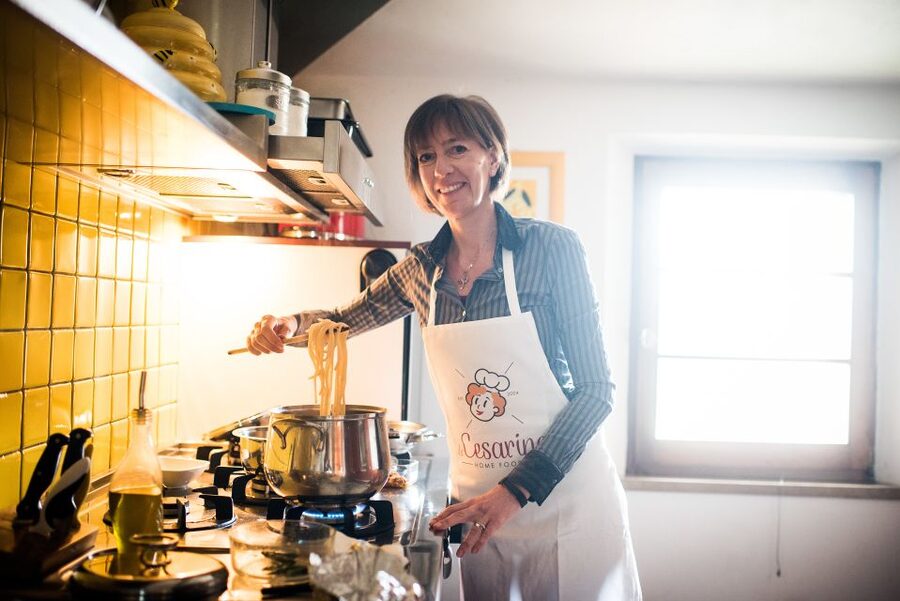
- A Cesarina-style lesson in a real home with a certified cook guiding you
- Three authentic local recipes taught with family-tricks and techniques
- Cook, then taste everything you make, around the same table
- Local wine with your meal, plus water and coffee included
- Small group pacing that feels social, not rushed
- Complete workstation setup: utensils and all ingredients are provided
Why This Lucca Cooking Class Feels More Like Visiting Than Booking
If you’ve ever wished a meal came with context, this is the fix. In many places, you can eat excellent food and still walk away knowing almost nothing about it. Here, the point is different: you learn how a family actually cooks, in the kitchen where the recipes have been used for generations.
The setting matters more than you might think. A local home has a rhythm—busy counters, real storage, normal cooking sounds—that you simply won’t get in a classroom. That’s why this experience is such strong value for food lovers. You aren’t paying mainly for a dish; you’re paying for instruction, shared cooking time, and a full tasting meal.
I also like that it’s built around three recipes instead of one complicated showpiece. You’ll get repetition, practice, and enough variety to taste different flavors and textures in the same session.
And yes, the wine helps too. You’ll have beverages such as local wines while you cook, which makes the whole experience feel like an evening in someone’s life, not a quick tourist activity.
You can also read our reviews of more tours and experiences in Lucca.
Arriving at a Local Home: The Setup You’ll Notice Right Away
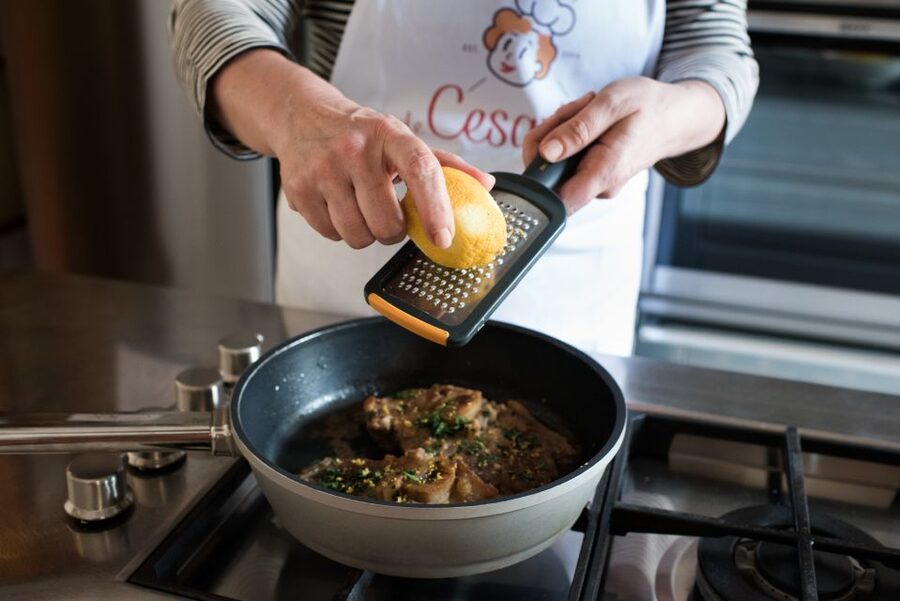
This class is held in a local family’s home in Lucca. For privacy, the full address is sent after you book, and the local partner contacts you with meeting instructions. That means you should plan to be reachable and keep your phone handy.
When you arrive, expect the experience to feel welcoming rather than formal. The vibe is very much like you’ve been invited into a kitchen—complete with warm greetings and a family-friendly atmosphere. One highlight that comes through in the guide-style approach (including examples like Monica, along with her husband) is how comfortable you feel from the start. The instructor doesn’t just point; she explains.
You’re also not showing up empty-handed. You’ll have a workstation equipped with utensils and the ingredients needed for the dishes. That’s a big practical advantage in Tuscany. It removes the usual friction of cooking activities—no scrambling for tools, no guessing quantities, no “bring your own” confusion.
The Cesarina Teaching Style and What It Means for Your Results
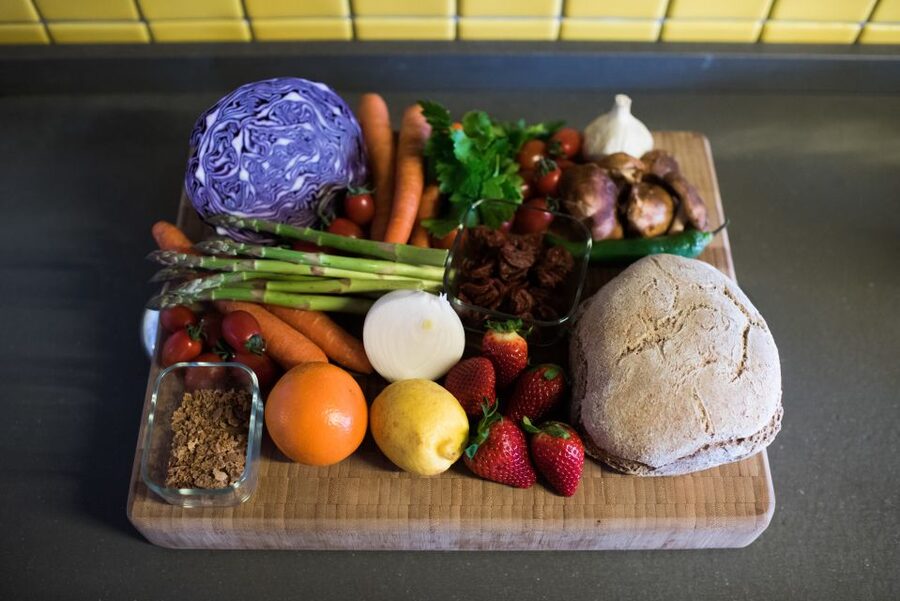
You’ll learn from a certified home cook (often referred to as a Cesarina), who shares techniques passed down in her family. In plain terms, that means you’re not just copying a recipe card. You’re learning decisions: what to look for, what to adjust, and what matters most in the process.
The class is private and small-group, which is ideal if you like asking questions. If you’re the type who wants to know why sauce thickens, why one ingredient is added at a certain moment, or how Italians judge seasoning by taste, this format helps. With fewer people, the instructor can slow down for you.
You’ll have language support in English and Italian, which is handy if you’re a partial Italian speaker. Even when you’re not fluent, the steps and tasting make the lesson clear.
One more practical point: you’re learning three recipes, and the instructor reveals the tricks of the trade for each. That’s the difference between “I made pasta today” and “I understand how to make pasta like this again at home.”
Your 4-Hour Flow: What Happens From Welcome to Final Tasting
The class runs for 4 hours. Start times can vary, and the general schedule is often around 10 AM to 5 PM, depending on requirements. So you should check availability for the exact start you’re offered.
Here’s a realistic way the session typically feels, based on how these home classes are structured:
1) Welcome and recipe orientation
You’ll settle in, meet your host, and get an overview of the day’s three local recipes. This is where you’ll learn what ingredients you’ll use and what the end goal looks like on the plate.
This part matters because it sets your expectations. When you know what “good” looks like, your cooking choices make more sense.
2) Cooking with your workstation
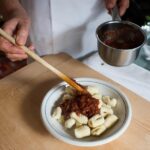
Once you start, you’ll be actively cooking. You’ll work at a prepared station with utensils and the ingredients already set out for you. The instructor guides you through the steps and explains key choices as you go.
This is where the family-style secrets show up. Think of small technique points—timing, texture checks, seasoning habits—rather than fancy equipment.
3) Build, refine, and finish the three dishes
Each recipe gets its own focus. You’ll go through steps from prep to cooking to plating. The pacing stays manageable because the kitchen is set up for it, and the instructor is right there.
If you’re worried you’ll feel lost, don’t. With a small group and a workstation, you’re not thrown into chaos. You’re practicing.
4) Sit down and taste everything you cooked
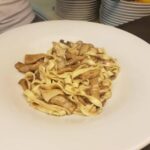
Then you eat the results. You’ll taste everything you prepared around the table, accompanied by a selection of red and white local wines, plus water and coffee.
That tasting moment is one of the best parts of the whole experience. It turns the lesson into a full meal instead of a half-finished snack. You get feedback through your own senses: you taste, compare, and understand what the “tricks” were aiming to do.
The Three Recipes and the Real Value of Learning Them
The class covers three authentic local recipes. The exact dishes can vary, but the structure stays consistent: you’ll cook them with an emphasis on traditional technique and family wisdom.
What’s valuable is not just the recipes themselves. It’s the transfer of skills.
For example, you’ll likely learn:
- how Italians think about seasoning (not just measuring)
- why certain steps come when they do (timing and texture)
- how to build flavor in stages rather than at the end
That’s the kind of learning that sticks. Anyone can follow a recipe once. Fewer people understand how to reproduce results.
And because you’re cooking three different dishes, you’re building a broader base than a one-note cooking class. One recipe teaches you a sauce method. Another might teach a prep approach. Another focuses on finishing and balance. Even if you only make one or two dishes again later, the technique will still help.
Wine at the Table: Why the Drinks Are Part of the Lesson
You’ll enjoy beverages as you cook, including local wines. Then you’ll taste your food with a selection of red and white local wines during the meal.
This isn’t just “extra.” Wine works like a flavor teacher. It gives you a way to think about pairing and balance: acidity, richness, and how different dishes handle a sip of wine.
Even if you don’t drink much, the presence of water, wines, and coffee keeps the experience comfortable and social. It also turns the day into something closer to a long lunch, which is exactly how these home moments are meant to feel.
Dietary Needs: How to Handle Them the Right Way
Dietary requirements can be catered for, but you need to confirm directly with the service organizer after booking. This is the correct approach because each host’s kitchen setup and ingredient choices may differ.
If you have allergies, be specific when you contact them. The lesson is hands-on, so it’s best to plan early. I’d treat this like you would a restaurant reservation with allergies: clear details, early communication, and zero guessing.
Price and Value: Is $202.78 Per Person Actually Fair?
At $202.78 per person, you’re paying for a 4-hour, small-group, hands-on class in a real home—not a quick demo. What makes the price feel more reasonable is what’s included:
- a small group cooking class
- tastings of the three recipes
- beverages (water, wines, and coffee)
- local taxes
So you’re not just buying instruction. You’re also buying the full meal that results from your work, plus the drinks that accompany it. If you like food learning and want something more personal than a restaurant experience, this price makes sense.
Also, the “take home” value is real. When you learn technique, you can cook again at home without paying for another guided session. That’s where the cost can feel like a bargain over time.
Who This Lucca Class Suits Best
This is a strong fit if you:
- want an authentic Tuscany home-cooking experience
- enjoy small-group classes where you can ask questions
- like eating well and learning why the food tastes the way it does
- want a family-centered atmosphere rather than a scripted tour
It’s also a good pick for couples, friends, or anyone traveling solo who likes a warm social setting. The requirement of at least two people for the activity to take place also suggests it’s designed to stay intimate rather than scale up.
If you’re short on time and only want a quick tasting, it may feel like too much. But for anyone who wants the full arc—cook, taste, learn—this hits the sweet spot.
Practical Tips I’d Give You Before Booking
A few small things make your day smoother.
- Plan for the meeting address to arrive after booking. Don’t rely on memory or maps alone. Use the host’s instructions.
- Wear comfortable clothes. You’ll be working at a kitchen station.
- Bring curiosity. The instructor’s value is in explaining the decisions behind the cooking.
- If you’re not sure about dietary needs, contact the organizer promptly after booking.
Also, keep expectations realistic: this is a hands-on home class. You’re not sitting in a theater. You’re cooking.
Should You Book This Lucca Cooking Class?
I’d say yes if you want a food experience with real learning built in. The combination of a Cesarina-style instructor, three authentic recipes, and a table tasting with local wines makes it more than a “fun workshop.” It’s a chance to understand Tuscan cooking from the inside, in a private home setting.
Skip it if you want a museum-style tour with fixed sights, or if you don’t want to do active cooking. Since it’s a hands-on lesson for 4 hours, you’ll get the most from it if you’re ready to participate.
If you’re planning a Lucca-focused trip and want one memorable food moment that you’ll still be able to repeat later, this is a very solid choice.
FAQ
How long is the Lucca cooking class?
It lasts 4 hours.
Where is the meeting point?
The activity is held in a local family’s home, and for privacy reasons you receive the full address after you book. The host then contacts you with meeting instructions.
Who teaches the class?
A certified cook, commonly referred to as a Cesarina, leads the lesson. The instruction is available in English and Italian.
How many recipes will I cook and taste?
You will cook and then taste three authentic local recipes during the class.
Are drinks included?
Yes. The experience includes beverages such as water, local wines, and coffee.
Can dietary requirements be accommodated?
Different dietary requirements can be catered for, but you need to confirm directly with the service organizer after booking.
What is the minimum number of people required?
At least 2 people are required for the activity to take place.