REVIEW · SAN GIMIGNANO
Family Tuscan Cooking Class
Book on Viator →Operated by Podere La Marronaia- Sosta Alle Colonne · Bookable on Viator
Cooking in Tuscany is fun. This one has structure, food, and wine. You’ll work in a rustic family setup in the Tuscan countryside near San Gimignano, starting with a short talk about the farm and how they produce ingredients. I love the hands-on flow—you actually make the food, not just watch—and I also like that the meal is paired with tastings of organic and biodynamic wines plus Evo oils. One consideration: there’s no private transportation included, so you’ll want to plan how you’ll get to the meeting spot.
This class is built for real learning, with a clear rhythm from dessert to bruschetta to pasta. You’ll bake a typical Tuscan cake first (so you can smell it while you work), then assemble multiple bruschetta varieties with fresh seasonal vegetables, and finish with Pici and Ricotta Gnocchi made from scratch. The final meal is where everything clicks: you’ll sit down and eat what you made, course by course.
Key takeaway: it’s small (max 6), it runs about 3 hours, and it’s delivered in English—great for mixed groups. One possible drawback to keep in mind is that the pace can feel busy if you’re the kind of traveler who wants long idle time for photos.
In This Review
- Key Points To Know Before You Go
- San Gimignano Tuscan Cooking: Built For Hands-On Confidence
- Meeting at Via Martiri di Citerna: Simple Start, Real Farm Feel
- From Farm Story to Kitchen Tools: Why the Intro Matters
- Dessert First: Baking a Typical Tuscan Cake
- Bruschetta Workshop: Four Kinds of Bites, Seasonal Vegetables
- Pici and Ricotta Gnocchi: The Skill Showdown (In a Good Way)
- Eating What You Cook: A Course-By-Course Meal With Wine Pairing
- Scenic Photo Stops: Why This Location Feels Different
- What’s Included (and Why the Price Can Be Worth It)
- English-Friendly for Mixed Groups
- Who Should Book This Cooking Class
- Should You Book Podere La Marronaia Family Tuscan Cooking?
- FAQ
- FAQ
- How long is the Tuscan cooking class?
- What is included in the meal?
- Is it offered in English?
- Do I need my own transportation?
- How big is the group?
- Where does it start and end?
- Is free cancellation available?
Key Points To Know Before You Go
- Max 6 people means more one-on-one help while you cook
- Dessert first gives you a Tuscan baking smell before the savory work starts
- You make bruschetta and two pasta styles (Pici and Ricotta Gnocchi) from scratch
- Wine and Evo oil tastings are built into the meal, not tacked on at the end
- Organic and biodynamic pairings make the food taste more intentional
- Meeting point is walk-to-able by public transport, but private rides aren’t included
San Gimignano Tuscan Cooking: Built For Hands-On Confidence
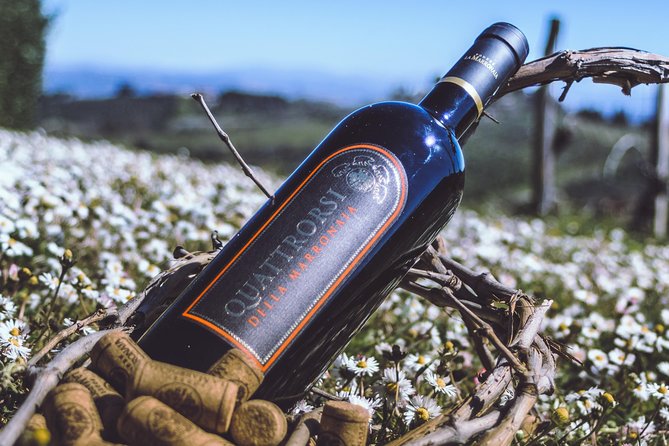
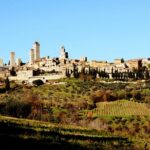
San Gimignano is famous for medieval towers and postcard views, but this experience takes you a step outside the main rush. You get to cook in a rustic Tuscan kitchen tied to a family farm, so the food feels like it comes from a place, not a demo script. And because the group is kept to 6 travelers, you’re not stuck waiting for your turn or hoping someone shows you the basics of making dough.
What I like best is the teaching style. It’s not just “add this, stir that.” You get a short introduction to the farm’s history and how they produce what you’ll cook with. Then the class moves into action. By the time you’re shaping pasta, you understand why the ingredients matter—especially olive oil and the wines used for pairing.
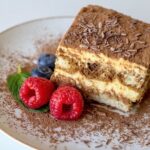
The menu also shows good planning. You start with bruschetta varieties plus Tuscan cold-cuts and cheeses, then you get homemade pasta with more than one sauce direction, and you finish with dessert (including tiramisù as part of what’s served). That’s a full meal experience, not a snack-and-sit moment.
You can also read our reviews of more tours and experiences in San Gimignano.
Meeting at Via Martiri di Citerna: Simple Start, Real Farm Feel
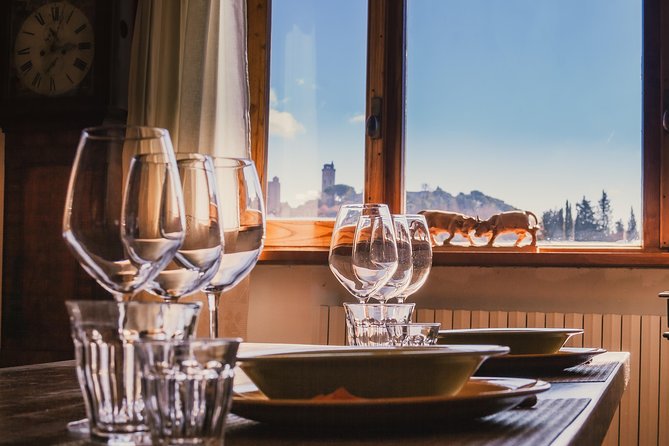
The meeting point is Via Martiri di Citerna, 2, 53037 San Gimignano SI, Italy, and you return there at the end. You’ll also receive a mobile ticket, so you can keep everything on your phone and move fast.
Timing is about 3 hours (approx.), so you’ll want to arrive with enough buffer to settle in. This is one of those experiences where the schedule is part of the value: the dessert timing, dough prep, and cooking steps all have a reason. If you’re late, you’re not just late—you miss the flow.
Since private transportation isn’t included, I recommend planning your ride in advance. The good news is it’s listed as near public transportation, so you may be able to use local transit or a short taxi from wherever you’re staying. If you’re traveling from outside San Gimignano, build in extra time; you’ll be glad you did once you start smelling olive oil and wine in the kitchen.
From Farm Story to Kitchen Tools: Why the Intro Matters
Before you touch food, you get a short introduction to the family farm’s history and production methods. I take that part seriously, because it changes how you cook. Even if you’re not a “food nerd,” you’ll notice it when the instructor explains what makes the ingredients taste different—especially olive oil and the farm’s approach to producing it.
Then you move into the kitchen. The setting is described as a rustic Tuscan kitchen, which usually means practical tools, simple stations, and a pace that matches cooking reality. That’s important for value: the class spends time teaching skills you can actually repeat later, not just posing for photos.
And since the group is small, questions don’t feel like a disruption. You can ask what you’re doing wrong, or why a dough feels a certain way, without feeling rushed.
Dessert First: Baking a Typical Tuscan Cake
Here’s a smart twist: you start with dessert. You’ll bake a typical Tuscan cake, and you’ll enjoy it later. That means you get the warm, sweet smell in the background while you do the savory parts, which makes the whole session feel like a real cooking day on a farm.
Practically, it also helps the timing. Dessert needs lead time. By starting earlier, the instructor can keep the rest of the class moving smoothly—so you don’t spend the whole time waiting around for your own food to finish.
When you taste it at the end, you’ll understand it in context. You’re not eating dessert as a random finish—you’ve been in the kitchen for the whole process, and you’ll notice the difference between “baked” and “made.”
If you have dietary restrictions: the data provided doesn’t specify alternatives. So if that’s you, it’s worth checking directly with the operator when you book. For most people, though, this is a straightforward, classic Tuscan dessert style.
Bruschetta Workshop: Four Kinds of Bites, Seasonal Vegetables
Next comes bruschetta, and you’ll learn by doing. The class includes making multiple bruschetta types—listed as three different types in the main description, and your sample menu includes 4 kinds of bruschetta. Either way, the key theme is the same: fresh, seasonal vegetables and Tuscan staples.
This part is great for first-timers. Bruschetta is forgiving, and it’s also where you can taste-test as you go. You’ll build flavor with a mix of ingredients that change with what’s in season, which is exactly what you want if you’re trying to eat like someone local.
Also included: a selection of Tuscan cold-cuts and cheeses with your bruschetta. That’s not just “add-ons.” It rounds out the meal and gives you a Tuscany-style contrast—salty cured meats, creamy cheeses, and bright vegetable toppings.
One small practical note: if you’re the type who likes to take your time, this stage can feel quick because there’s a lot to prepare before the pasta. But the upside is that you’ll see a complete progression from appetizer to the main event.
Pici and Ricotta Gnocchi: The Skill Showdown (In a Good Way)
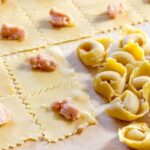
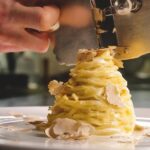
Then comes the part that makes people remember this class: pasta-making from scratch. You’ll craft Pici and Ricotta Gnocchi, and you’ll learn how to make the best Tuscan pasta sauce.
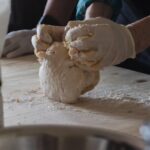
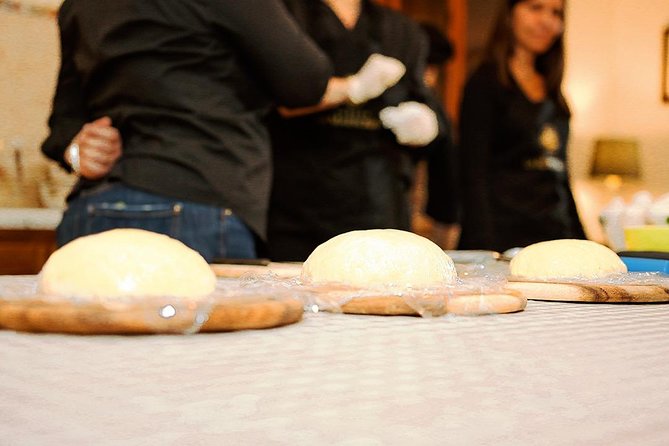
Making Pici is an experience. It’s simple dough but very hands-on—more work than you might expect if you’ve only had pasta out of a package. Expect some shaping time, and expect the instructor to guide you so it turns out right.
Ricotta gnocchi is different. It tends to feel softer, and it asks for attention to texture and handling. This is where the small-group size matters. With up to 6 people, you’re more likely to get quick help if your dough needs adjustment.
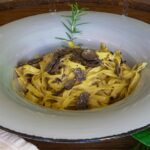
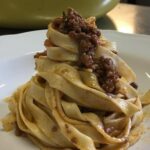
And then the sauce lesson. Sauce is where Tuscan cooking stops being generic “Italian food” and starts becoming specific to the region and the farm’s choices. The data says you’ll learn the art of preparing the best Tuscan pasta sauce, and the meal includes homemade pasta with the prepared sauce plus another pasta course with a seasonal sauce approach. That variety makes it easier to learn: you’ll taste the same base skill, with different flavor directions.
If you want something you can repeat at home, this is where you’ll get the most confidence. You’ll likely leave with a clearer idea of dough feel, shaping technique, and how sauce should balance.
Eating What You Cook: A Course-By-Course Meal With Wine Pairing
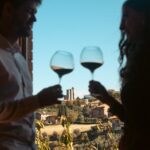
Once cooking is done, you sit down to eat. And the meals aren’t random. Each course is paired with a different organic and biodynamic wine from the vineyards, plus there are tastings of organic wines and Evo oils included as part of the experience.
This is where the class becomes more than “cook and eat.” Pairing wine and olive oil with the food forces your brain to notice flavor details. You’ll learn what works with bruschetta’s brightness, what complements the pasta sauce, and how wine changes the way you perceive salt, fat, and herbs.
A big bonus from the review highlights: the wine and olive oil tastings were described as amazing, and the overall experience was fun for a wide age range—from 21 to 85. That tells me the teaching and pacing are flexible, not overly complicated or intimidating.
One honest consideration: wine is part of the pairing. The details say alcoholic beverages tasting is included, and wine is paired with courses. If you don’t drink alcohol, you should check whether non-alcoholic options exist. The data doesn’t confirm alternatives.
Still, the food is the center. Even if you skip some sips, you can usually enjoy the pairing education and tastings as a sensory experience.
Scenic Photo Stops: Why This Location Feels Different
The class is set in the Tuscan countryside, and you’ll have time to take photos and make memories. That might sound like fluff, but it matters because cooking classes can feel closed-in. Here, the setting supports the story: farm ingredients, wine culture, and that “I’m in Tuscany” feeling that makes the whole day stick.
You’re not just eating in a restaurant. You’re cooking where the farm story connects to what’s on your plate.
What’s Included (and Why the Price Can Be Worth It)
Price is $224.76 per person, for about 3 hours. On paper, that’s not cheap. But when you look at what’s included, the math changes.
Included:
- A full meal experience with mixed bruschetta, fresh homemade pasta, cold-cuts and cheeses, and tiramisù
- Wine tasting and tastings of Evo oils
- Bottled water
- Dinner (listed as included)
Not included:
- Private transportation
Here’s the value logic I’d use if I were picking this for my own trip: you’re paying for (1) instruction, (2) ingredients, (3) multiple cooking stages, and (4) a meal that includes alcohol pairings and olive oil tastings. A normal restaurant meal doesn’t teach you how to make Pici or Ricotta Gnocchi. And a food tour that’s purely observational typically costs less, but it doesn’t give you the skill and the sit-down meal in one package.
Also, the small group (max 6) is part of the value. You’re paying for access to the chef/instructor rather than just a seat.
If you’re comparing it to a private cooking class, this is far more affordable. If you’re comparing it to a casual tasting experience, it costs more—but you leave with food you made and knowledge you can reuse.
English-Friendly for Mixed Groups
The experience is offered in English, and the format is described as most travelers can participate. In practice, that usually means you won’t be stuck without instructions. The class is hands-on, but the steps are broken into digestible parts: dessert baking, bruschetta assembly, pasta shaping, sauce learning.
One detail that helps with confidence is that the experience is designed for a wide range of ages (again, based on what people highlighted). That often means the pace and guidance are appropriate for beginners, not just confident home cooks.
Just remember: you are making pasta and gnocchi. If you have limited mobility or grip issues, it could be more work than a purely seated tasting. Service animals are allowed, and the location is listed as near public transportation.
Who Should Book This Cooking Class
This is a great fit if you want:
- A real skill-building cooking class, not a passive tour
- Tuscan food with wine and olive oil pairings
- A small group experience in a family-farm setting near San Gimignano
- Something fun for mixed ages and mixed experience levels
You might think twice if:
- You need private transportation or a guaranteed driver (not included)
- You don’t drink alcohol and need a fully alcohol-free pairing experience (the data doesn’t confirm that)
- You want a slow, wandering day with lots of free time and minimal kitchen activity
Otherwise, it’s hard to beat the combination of cooking + tasting + eating what you made.
Should You Book Podere La Marronaia Family Tuscan Cooking?
I’d book it if you’re in San Gimignano and you want one activity that pays off in multiple ways: you learn, you eat a proper meal, and you take home memories that aren’t just photos. The small group size and the fact that you make Pici and Ricotta Gnocchi from scratch are the headline reasons.
If you’re deciding between this and a more general food tour, choose this when you care about hands-on skills and structured instruction. If you’d rather keep things light and observation-based, you might prefer a simpler tasting format. But for most people who enjoy cooking or want to try it seriously, this class hits a sweet spot.
FAQ
FAQ
How long is the Tuscan cooking class?
It lasts about 3 hours.
What is included in the meal?
You’ll have lunch with mixed bruschetta, fresh homemade pasta, cold-cuts and cheeses, and tiramisù, plus a wine and Evo oil tasting and bottled water. Dinner is also included.
Is it offered in English?
Yes, the experience is offered in English.
Do I need my own transportation?
Private transportation is not included, so you’ll need to arrange getting there on your own. It is listed as near public transportation.
How big is the group?
There is a maximum of 6 travelers.
Where does it start and end?
It starts at Via Martiri di Citerna, 2, 53037 San Gimignano SI, Italy and ends back at the meeting point.
Is free cancellation available?
Yes, there is free cancellation. You can cancel up to 24 hours in advance for a full refund. Cancellation cut-off is based on local time.