REVIEW · SAN GIMIGNANO
3-hour Tuscan Cooking Class with Wine & Oil Tasting
Book on Viator →Operated by Podere la Marronaia · Bookable on Viator
A Tuscan farm class in San Gimignano? Yes—and it runs like a recipe you can actually follow. What makes it fun is the small group pace and the way the session starts with dessert first, then builds into savory cooking and tastings at Podere la Marronaia. Even better, the experience is guided in English, and at least one chef name you’ll hear connected to the day is Leonardo, which sets the tone for hands-on, friendly instruction.
I especially like that you eat what you make, with wine and olive oil tasting woven into the meal instead of tacked on at the end. You’ll also have a vegetarian meal option if you let them know when booking. The main drawback to consider is that there’s no built-in hotel pickup listed (unless you select that option), so you’ll want to plan how you’ll get to the meeting point near public transport.
In This Review
- Key highlights at a glance
- Podere la Marronaia: a working Tuscan farm feel, not a demo
- Dessert first: baking the traditional Tuscan sweet
- Bruschetta workshop: seasonal vegetables, multiple versions
- Handmade pasta in 3 hours: pici and ricotta gnocchi
- Pici: simple dough, patient shaping
- Ricotta gnocchi: soft texture, careful handling
- Two seasonal sauces: learn the pairing logic
- Farm-to-table tastings: wine, olive oil, and balsamic pairing
- The meal itself: seated dinner that follows your work
- Price and value: what $227.67 buys in real terms
- Logistics that affect your day: meeting point and no pickup assumption
- Who should book this Tuscan cooking class
- Should you book Podere la Marronaia?
- FAQ
- How long is the Tuscan cooking class?
- Where does the experience start and end?
- Is dinner included?
- Are wine and olive oil tastings included?
- Do they offer a vegetarian meal?
- What group size should I expect?
- Is there hotel pickup?
- Is there an age limit for the wine tasting?
- Is free cancellation available?
Key highlights at a glance
- Small group (max 6) means more attention and fewer people standing around
- Dessert first flips the usual order and makes the class feel lighter from minute one
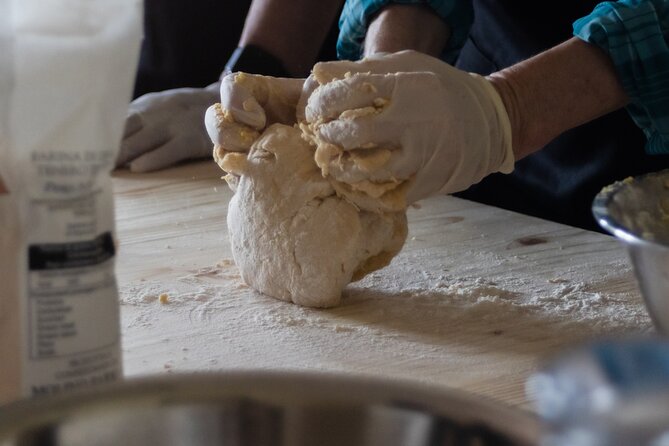
- Hands-on cooking covers bruschetta, pici, and ricotta gnocchi, not just chopping
- Organic wine and tastings include olive oil and balsamic vinegar with your meal
- Seated dinner lets you slow down and enjoy what you cooked
Podere la Marronaia: a working Tuscan farm feel, not a demo
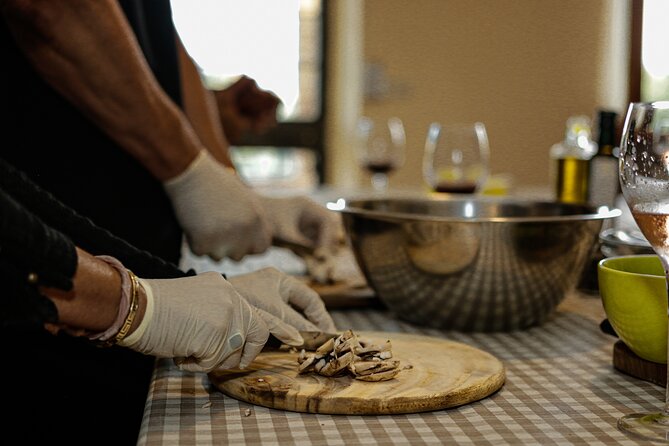
This class is set at Podere la Marronaia, a biodynamic winery and farm, just outside the center of San Gimignano. That matters because you’re not in a sterile studio kitchen. The vibe is practical and rural: you’re learning to cook like people do when ingredients come from nearby production and the day is built around the farm rhythm.
With a maximum of 6 people per booking, the day stays personal. You can ask questions without waiting your turn, and it’s easier to catch a tip before you ruin a sauce. The session is offered in English, which is great if you want to focus on technique instead of decoding translations.
One thing I’d plan for: you’re spending your 3 hours actively in the kitchen and at the table. So dress for cooking—something you can move in, and that you don’t mind getting a little flour or sauce on.
You can also read our reviews of more tours and experiences in San Gimignano.
Dessert first: baking the traditional Tuscan sweet
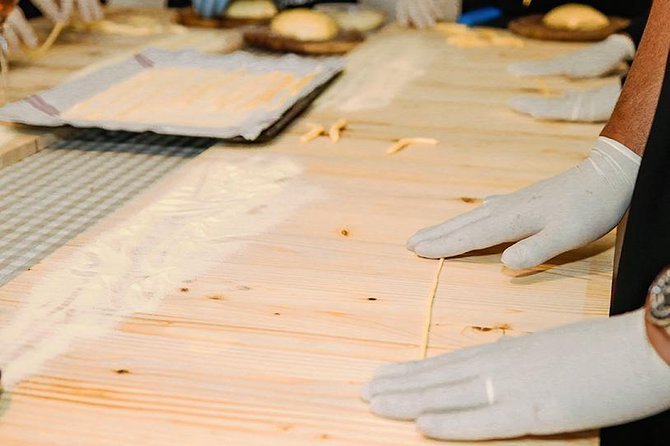
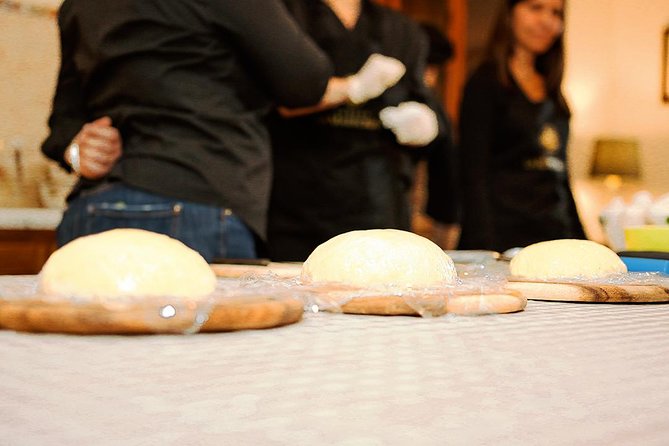
Most cooking classes start with pasta dough or chopping vegetables. This one starts at the end: dessert. You’ll bake a traditional Tuscan dessert right away, which is a smart setup. It gets your confidence up while the kitchen is fresh and lively, and it gives you a warm anchor before the savory work begins.
Why this is valuable: Tuscan cooking is often about simple ingredients and clean technique. Starting with dessert helps you see how the class is paced—step-by-step, guided, and meant to land you a finished result you can eat, not just learn.
If you’re worried about jumping into baking before you’ve settled in, don’t be. The class format is built to keep you moving and supported. You’ll get the tools and guidance needed to follow along.
Bruschetta workshop: seasonal vegetables, multiple versions
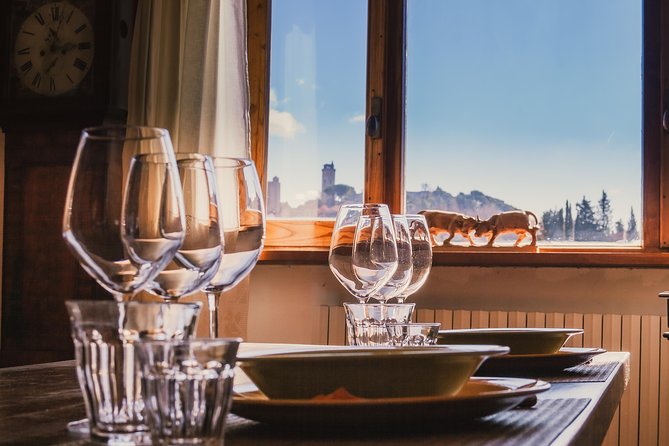
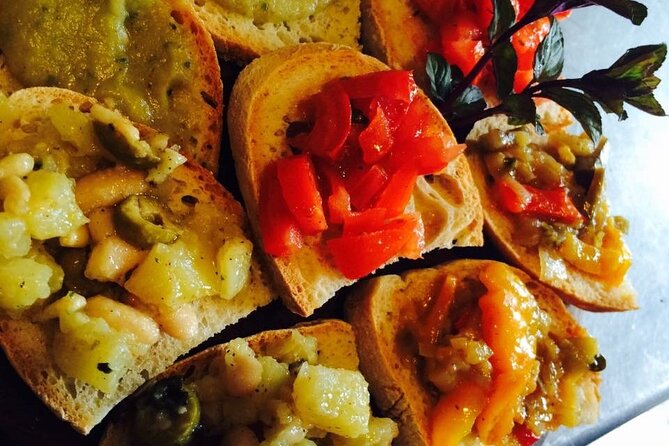
Next comes bruschetta. You’ll create three delicious variations using fresh, seasonal vegetables. The starter is described as four kinds of bruschetta in the menu, so think of it as a small range of combinations that all fit the same theme: bread, topping, and bright ingredients that taste like they came straight from the day’s market.
This part is where you learn how Italians build flavor quickly:
- Pick vegetables that are in season
- Keep the toppings fresh rather than heavy
- Balance the bite so the bruschetta feels crisp and not soggy
Practical tip: tasting happens throughout the process. If you’re sensitive to spicy flavors, mention it when you book so the guide can steer you toward the right vegetable combinations and seasonings.
Handmade pasta in 3 hours: pici and ricotta gnocchi
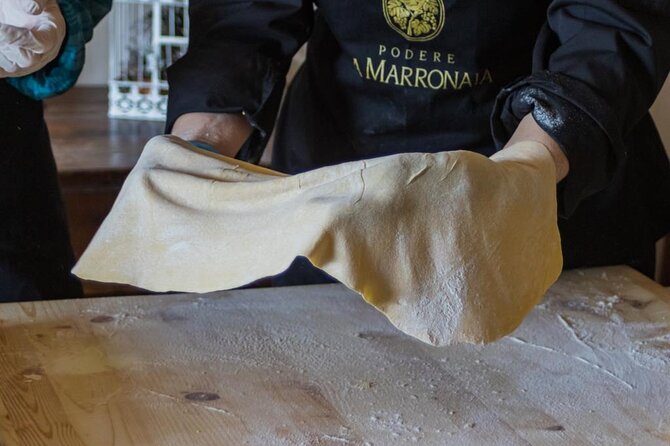
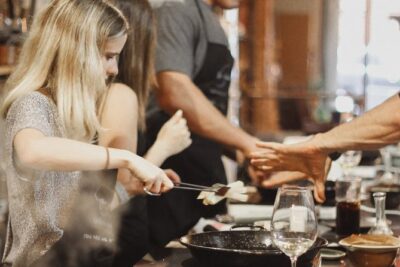
Then you hit the main event: homemade pasta. You’ll make Pici and Ricotta Gnocchi, plus two different seasonal sauces to pair with them. This is the section that will stick with you long after the class ends, because you’re not just learning a recipe—you’re learning the feel of dough and the logic of shaping.
Pici: simple dough, patient shaping
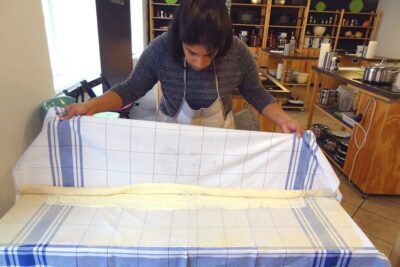
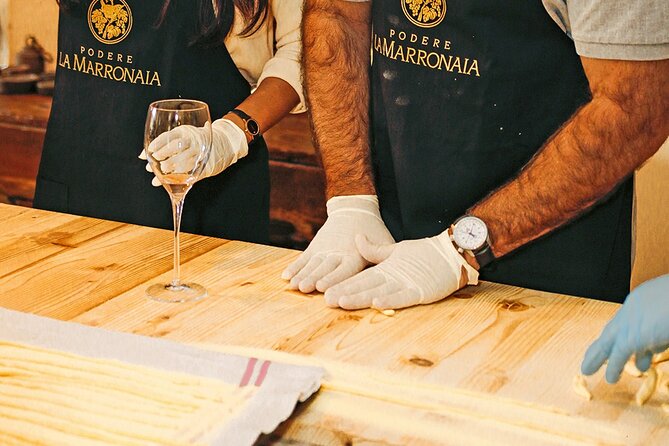
Pici is a traditional Tuscan hand-rolled pasta. The technique is all about working the dough carefully and shaping it evenly enough to cook through properly. Even if your hands are not used to rolling dough, the small group size helps. You can adjust before you get too far.
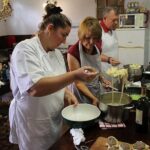
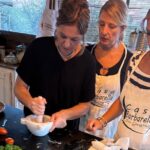
Ricotta gnocchi: soft texture, careful handling
Ricotta gnocchi are lighter and more delicate than many people expect. The goal is to get the right consistency so the gnocchi hold shape and stay tender. You’ll pair them with a seasonal sauce, which is a nice way to learn that gnocchi are not one-note. They can handle different flavors depending on what’s fresh.
Two seasonal sauces: learn the pairing logic
Because you make two sauces, you get a real sense of how Tuscan cooking uses the seasons to guide what goes with what. It’s not just mixing ingredients; it’s learning how the dish should taste at the end.
By the time you finish pasta prep, you’ll probably feel like you did more than cook. You’ll feel like you built dinner.
Farm-to-table tastings: wine, olive oil, and balsamic pairing
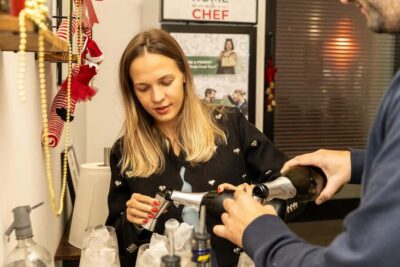
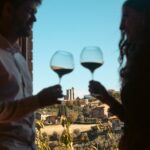
After your cooking, you relax at the table and savor your creations—paired with organic wines, olive oils, and balsamic vinegar. This part is important if you want to stop treating wine and oil like an add-on.
Here’s what you can learn from the tasting approach they use:
- Wine pairing helps you notice whether the dish needs acidity or weight
- Olive oil tasting trains your palate to pick up fruitiness, peppery notes, and bitterness
- Balsamic vinegar adds a sweet-tart layer that can unify flavors quickly
One highlight you’ll likely appreciate is the overall focus on pairing. It turns the meal into a set of edible lessons, rather than just tasting alcohol.
The meal itself: seated dinner that follows your work
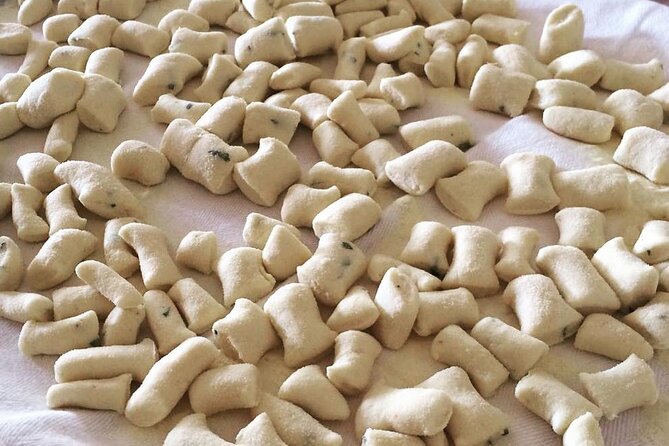
This experience includes dinner, and the meal setup centers on the courses you prepare: bruschetta as a starter, fresh pici and ricotta gnocchi with sauces, and the dessert you baked at the start. You’re not watching food happen. You’re involved.
If you’re traveling with someone who gets impatient during cooking classes, the pacing is built to keep everyone moving: dessert, then starter, then pasta, then the table. The class structure also supports a vegetarian meal option if you advise them at booking.
One more plus: the environment on the property grounds is described as gorgeous in feedback, and that kind of setting matters. It makes the tasting and meal feel less like a workshop obligation and more like a real farm evening.
Price and value: what $227.67 buys in real terms
At $227.67 per person, it’s not a bargain. But you’re paying for a small-group, hands-on format that includes a full seated meal plus tastings.
Here’s the value logic I’d use to decide:
- You get multiple cooking stages (dessert, bruschetta, two pasta types) rather than one skill demo
- You get dinner with what you cook
- You get wine tasting and also tastings tied to olive oil and balsamic vinegar
- You get a maximum of 6 people, which usually means more time with the guide and less waiting
If you’re the type who enjoys learning technique and eating immediately after, the price starts to feel fair. If you’re only looking for a quick bite of local flavor without rolling dough or building sauces, you might question the cost.
Logistics that affect your day: meeting point and no pickup assumption
The class starts and ends back at Via Martiri di Citerna, 2, 53037 San Gimignano SI, Italy. There’s no hotel pickup listed unless you select an option, so plan to get yourself there.
The good news: it’s listed as near public transportation. That helps if you’re staying in town and using buses or walking connections.
Other practical details to keep in mind:
- Confirmation is received within 48 hours of booking, depending on availability
- The minimum age is 12
- The minimum drinking age is 18
- Service animals are allowed
If wine tasting is part of your group plan and you have under-18 kids, you’ll want to factor that into how you approach the day. You can still enjoy the cooking and meal.
Who should book this Tuscan cooking class
This is a strong match if you want:
- A hands-on cooking experience with real technique, not a lecture
- A small-group setting where you can ask questions and get feedback
- A meal that feels like part of the countryside, not a city restaurant performance
- A food-focused activity that includes tastings you can actually connect to your dishes
It also suits couples and friends, especially if you like doing one or two memorable excursions rather than stacking many short stops. And if you’re vegetarian, the fact that a vegetarian option is available makes it easier to plan confidently.
If you’re a very picky eater or have complex dietary needs, you’ll want to communicate those restrictions when booking so the guide can steer you appropriately.
Should you book Podere la Marronaia?
I’d book it if you’re excited by the idea of making a full Tuscan meal from scratch, then eating it with wine and olive oil pairing that explains what you’re tasting. The small group size is the main selling point for me, because it turns this from a checklist activity into a guided cooking day.
Skip it (or think twice) if you don’t want to cook much, dislike hands-on food work, or you’re struggling with transportation to the meeting point.
If your goal is to bring home techniques you can repeat—dessert baking, bruschetta variations, and the two pasta styles—this is one of the more practical ways to learn Tuscan cooking in a short, satisfying 3-hour window.
FAQ
How long is the Tuscan cooking class?
The class is listed as about 3 hours.
Where does the experience start and end?
It starts at Via Martiri di Citerna, 2, 53037 San Gimignano SI, Italy and ends back at the same meeting point.
Is dinner included?
Yes. Dinner is included as part of the experience.
Are wine and olive oil tastings included?
Wine tasting is included, and the experience also includes olive oil and balsamic vinegar pairing with your meal.
Do they offer a vegetarian meal?
Yes, a vegetarian meal option is available. You should advise dietary restrictions at booking.
What group size should I expect?
There’s a maximum of 6 travelers per booking, and the minimum is 2 people.
Is there hotel pickup?
Hotel pickup and drop-off is not included unless you choose that option. Transportation to and from the attraction isn’t included.
Is there an age limit for the wine tasting?
The minimum drinking age is 18, and the minimum age for the experience is 12.
Is free cancellation available?
Yes, you can cancel for a full refund up to 24 hours in advance of the experience start time.