REVIEW · MARRAKECH
Authentic Amazigh Cooking Class at Saida
Book on Viator →Operated by Emazighen · Bookable on Viator
Food tastes better when it comes from real hands. At Saida’s place near the Atlas, you cook Amazigh classics, eat what you make, and see how local women support their families.
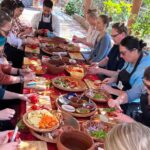
I like the small group size (up to 6), because it feels relaxed instead of rushed. I also love that the day connects cooking with culture—tagine and tea on one side, women-led projects on the other.
One thing to consider: the schedule is outdoors-and-rural, so good weather matters for the day to run as planned.
In This Review
- Key highlights worth your time
- Getting out of Marrakech: pickup and the Atlas road
- Lake Lalla Takerkoust: the optional scenic pause
- Saida’s home at the foot of the mountains: where the day starts to feel real
- The Amazigh cooking class: tagine, technique, and everyday ingredients
- What you eat: lunch built around garden freshness
- Women’s cooperatives: Berber carpets and argan oil support
- Time on the ground: what 7.5 hours feels like
- Price and value: what $114.86 really covers
- Who should book this cooking day (and who might skip it)
- Quick practical tips before you go
- Should you book Saida’s Amazigh cooking class?
- FAQ
- What time does the experience start?
- How long is the experience?
- Is pickup from Marrakech included?
- What’s included in the price?
- Do I cook and eat during the class?
- Is a cooking apron provided?
- Can I visit Lake Lalla Takerkoust during the trip?
- Is it possible to visit a women’s argan oil cooperative?
- How large is the group?
- What happens if weather is poor?
Key highlights worth your time
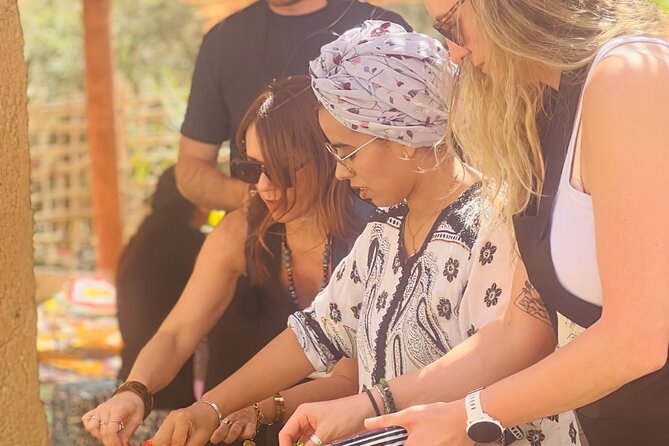
- Amazigh cooking at Saida’s home with hands-on instruction, not a demo-and-leave routine
- Tagine and tea practice, plus a meal built around fresh local garden ingredients
- Dessert details like pomegranate picked from a garden tree (when in season and available)
- Women’s autonomy projects, including a Berber carpet cooperative, and argan oil cooperative visits if you want
- Optional stop at Lake Lalla Takerkoust if you ask the driver on the way
Getting out of Marrakech: pickup and the Atlas road
This is one of those Marrakech experiences that feels like a reset button. You start with a driver who comes for you in the city, then the day shifts from traffic and noise to mountain air and slower life.
The drive time is part of the value here. It’s how you get to the real setting where Saida’s cooking makes sense—away from restaurants that cater to tourists and closer to a home kitchen. The vehicle is air-conditioned, and you’ll have bottled water, which helps when you’re heading out for most of the day.
The day starts at 9:00 am, and it runs about 7 hours 30 minutes. That long block is ideal if you like experiences that feel complete, not skimped. It also means you’ll want to plan your morning in Marrakech so you’re not sprinting across town before pickup.
You can also read our reviews of more tours and experiences in Marrakech.

Lake Lalla Takerkoust: the optional scenic pause
You can ask the driver to stop at Lake Lalla Takerkoust on the way. This isn’t guaranteed as a fixed checkpoint, so treat it like a bonus you request rather than a hard promise.
If you do get the stop, it’s a nice change of pace. A lake view gives you an easy photo break, and it helps break up the day before you reach Saida’s home for the main activity.
The practical tip: if you want this stop, communicate early. You’ll get a smoother plan if you mention it right away when you’re in the car.
Saida’s home at the foot of the mountains: where the day starts to feel real
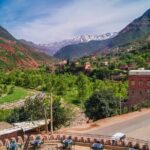
Once you arrive, you’re welcomed into a traditional home setting at the foot of the mountains. This matters more than it sounds. The cooking class isn’t staged in a separate workshop or a “show kitchen.” It’s tied to how people actually live and eat.
Saida is the main force behind the experience. She grew up in a mountain village and was among the first women in her community to get involved in tourism, using it to support her family and improve life back home. In practice, that background shapes the tone: warm, human, and focused on sharing rather than performing.
You’ll also meet family members as part of the welcome. Some accounts mention Saida and her brother hosting together, which gives the whole thing a family-run feel.
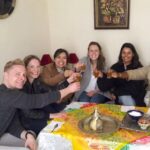
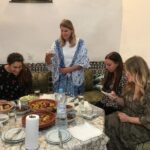
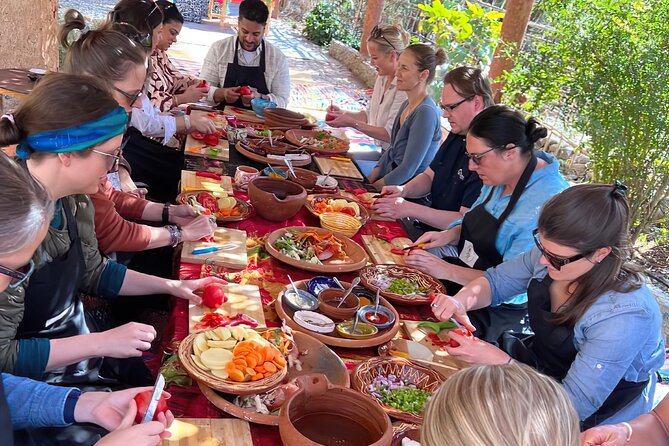
The group is capped at 6 travelers, which helps a lot. You’ll have space to ask questions, and it doesn’t feel like you’re squeezing into someone else’s schedule.
The Amazigh cooking class: tagine, technique, and everyday ingredients
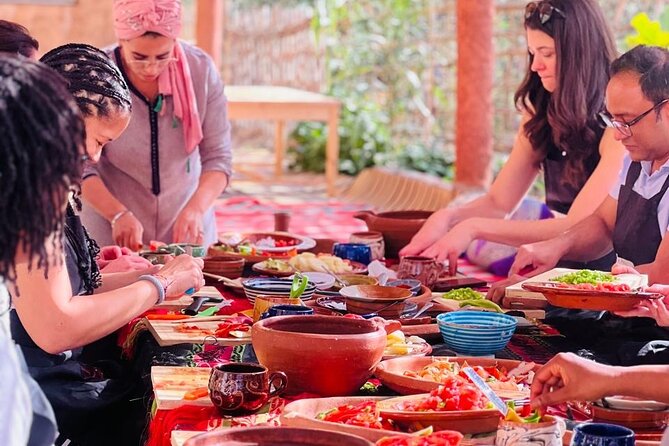
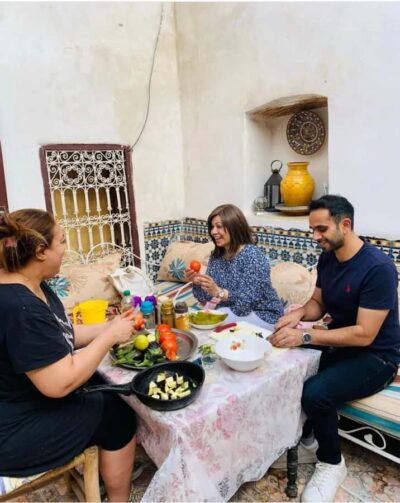
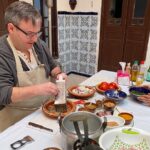
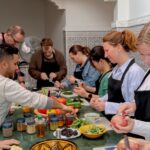
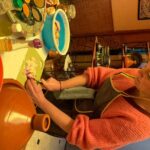
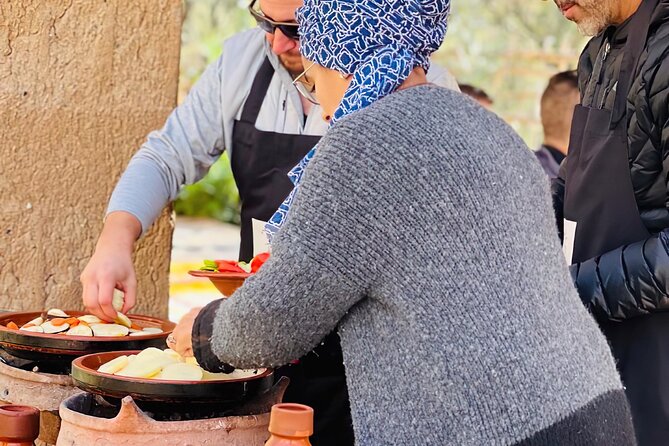
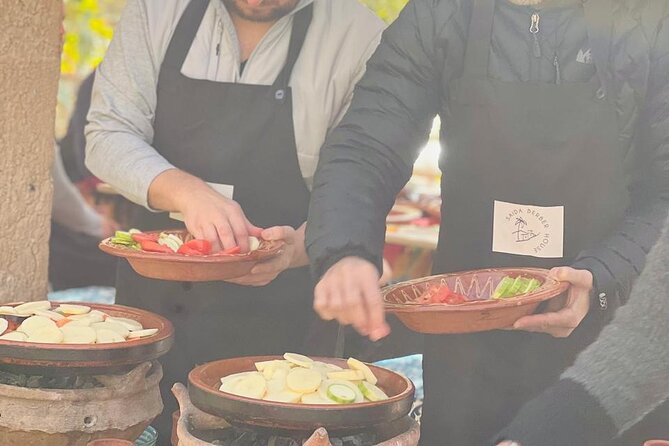
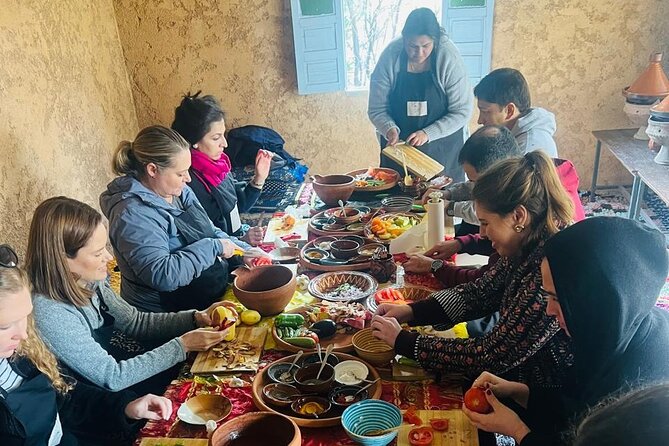
This is a cooking class you can actually use. You learn key steps for Amazigh flavors—and not just the final “presentation” stage. You’re working alongside the host, and the aim is for you to leave knowing how to recreate the dishes at home.
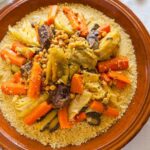
The headline dish is tagine. In different versions of the experience, you may make something like chicken and vegetables tagine, and you’ll certainly learn the approach that turns ordinary ingredients into something deeply comforting. Tagine cooking is as much about timing and heat management as it is about spices, and this class gives you that practical foundation.
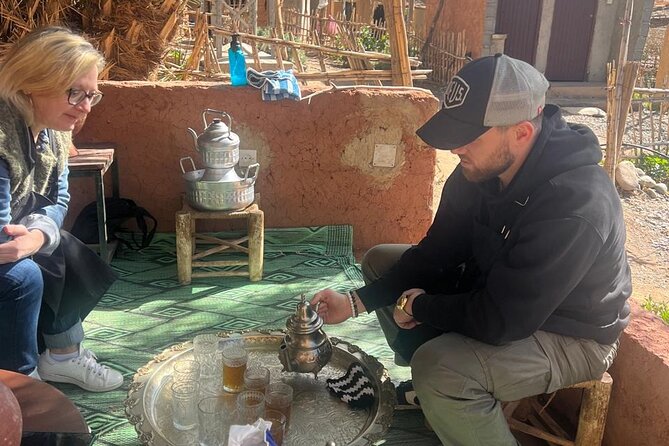
You’ll also learn to prepare tea. That’s a big deal in Moroccan hospitality, and it’s the kind of skill that’s easy to bring home. When you understand the flow—how tea is served, how sweet is adjusted, and how the ritual fits the meal—you get more than recipes.
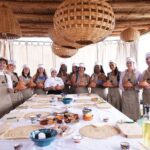
They provide an apron/uniform for the class, so you don’t have to worry about packing your best outfit. You still might want to wear something comfortable, because kitchens—especially rural ones—can involve steam, chopping, and lots of small steps.
What you eat: lunch built around garden freshness
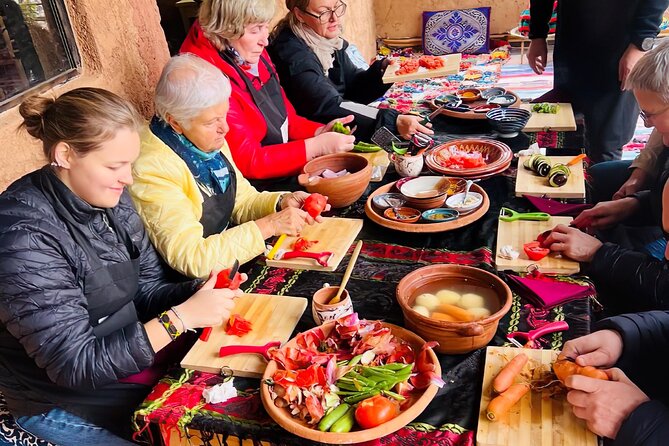
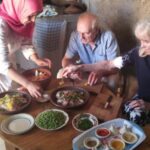
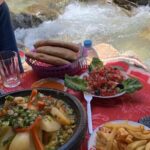
Lunch is included, and it’s not just “a plate of food.” The meal is closely connected to what you cooked.
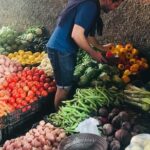
You can expect vegetables from the garden and a menu that feels seasonal. One of the best moments of the day is that the food isn’t generic. You’re eating in the same setting where ingredients are discussed and used.
Dessert has a special touch when available: fresh pomegranate picked from a garden tree. If you’re the kind of traveler who likes details, this is one of those small memories that sticks. It also signals that the day’s value isn’t only in technique—it’s in the real connection to local ingredients.
If you have food allergies, you’ll want to check ahead when booking (since menus can vary). But as a format, this is one of the more satisfying “hands-on + sit-down” combinations in Morocco.


Women’s cooperatives: Berber carpets and argan oil support
The cultural part of the day isn’t tacked on. It’s tied directly to women’s livelihoods and autonomy, which makes it feel purposeful instead of souvenir-driven.
First up is the Berber carpet cooperative. This is where craftswomen continue ancestral know-how. You’re not just hearing a story—you’re seeing a project that turns skills into income and, importantly, helps women support their families through work they control.
If you’re interested, you can also visit a women’s argan oil cooperative to see the process of making this traditional product. This is an optional add-on style stop, which works well because you can match the day to your interests—either focus more on cooking and crafts or spend extra time on argan production.
A key value here: these aren’t “quick glance” stops. The concept is that the day should leave you with something more meaningful than photos—understanding how skills and traditions translate into real support for people.
Time on the ground: what 7.5 hours feels like
This experience runs most of your day, roughly 9:00 am to late afternoon. That’s a lot of hours in one plan, but the pace is spread out in a way that feels fair: travel, arrival welcome, cooking work, meal, then cooperative visits and optional scenic stops.
Because the group is small (max 6), you’ll typically spend less time waiting. You’ll also get a better chance to talk with Saida and ask why certain steps matter—especially for spices, tagine basics, and tea preparation.
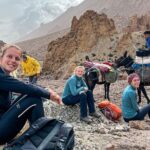
One practical thought: you’ll be in a rural environment with some walking in and out of spaces. Wear shoes you don’t mind getting a little dusty, especially if you’re taking the lake stop and then moving toward the mountain home.
Price and value: what $114.86 really covers
At $114.86 per person, this doesn’t look like a bargain at first glance. But when you break down what you receive, the value starts to make sense.
You’re getting:
- Pickup and air-conditioned transport
- A 7.5-hour day with guided cooking and instruction
- Lunch (served as part of the day)
- A cooking-class apron
- Bottled water
- Access to women-led cooperative work, including Berber carpets and optional argan oil
Most importantly, you’re paying for an experience that’s not just “watch and go.” You’re involved in preparing dishes, and you’re also being guided through projects that support real community goals.
If you like experiences where your money connects to homegrown life—rather than just another photo stop—this is priced in a way that feels fair for what you do and what you learn.
Who should book this cooking day (and who might skip it)
I’d book this if you want:
- Hands-on cooking with tagine and tea skills you can repeat later
- A break from the Marrakech bustle, in a calmer mountain setting
- Culture that’s tied to livelihoods, especially through women’s cooperative work
- A small group day that doesn’t feel crowded
I might skip it if you’re looking for a high-volume, big-sights itinerary. This day is about depth and quality, not ticking off landmarks. Also, if you hate being outdoors or prefer strictly indoor activities, keep the weather factor in mind.
Quick practical tips before you go
- Bring a light layer. Mountain air can feel cooler than Marrakech once you’re out of the city.
- Wear comfy shoes. You’ll move around the home and cooperative spaces.
- If you want Lake Lalla Takerkoust or the argan oil cooperative visit, tell the driver/organizer early so they can shape the day.
- If you have dietary needs, ask ahead. The class is ingredient-driven, so clear communication helps.
Should you book Saida’s Amazigh cooking class?
If you care about authentic food and want it connected to real local life, I think you’ll enjoy this. The big win is that you’re not only learning a recipe—you’re learning a way of cooking, eating, and valuing women’s work through cooperatives like the Berber carpet project.
Book it if your ideal day is calm, small-group, and focused on doing. Skip it only if you want a faster, landmark-heavy day or you’re traveling on a day when weather is iffy and you can’t be flexible.
FAQ
What time does the experience start?
The start time is 9:00 am.
How long is the experience?
It lasts about 7 hours 30 minutes.
Is pickup from Marrakech included?
Yes. Pickup is offered from your accommodation in Marrakech.
What’s included in the price?
Lunch, an air-conditioned vehicle, a cooking class uniform (apron), and bottled water are included.
Do I cook and eat during the class?
Yes. You’ll prepare Amazigh dishes (including tagine), then you’ll have lunch.
Is a cooking apron provided?
Yes. You’ll receive a uniform/apron for the cooking class.
Can I visit Lake Lalla Takerkoust during the trip?
You can ask the driver to stop for a visit to Lake Lalla Takerkoust.
Is it possible to visit a women’s argan oil cooperative?
Yes, if you’re interested it’s possible to visit a women’s argan oil cooperative to learn about the process.
How large is the group?
There’s a maximum of 6 travelers.
What happens if weather is poor?
The experience requires good weather. If it’s canceled due to poor weather, you’ll be offered a different date or a full refund.