REVIEW · SAN GIMIGNANO
Vegan Tuscan Cooking Class
Book on Viator →Operated by Podere la Marronaia · Bookable on Viator
Fresh pasta, vegan style, with wine tastings.
This 3-hour class in San Gimignano pairs hands-on cooking in a rustic family kitchen with wine and olive oil tasting, so you leave with recipes and something to drink while you learn.
I especially like the hands-on focus: you make fresh, handmade pasta and you’re not stuck watching from the sidelines. I also like the way the meal is built around what you cook, ending with a sit-down dining moment where your pastas take center stage.
One drawback to plan for: there’s no hotel pickup or drop-off, so you’ll need to get yourself to the meeting point on Via Martiri di Citerna.
In This Review
- Key highlights you’ll care about
- Vegan Tuscan Cooking Class: what you’re really signing up for
- Entering the family kitchen on your way to three pasta lessons
- Your menu: bruschetta, homemade vegan pasta, and vegan cake
- Wine, olive oil, and balsamic pairings that make the meal make sense
- How the 3-hour flow stays hands-on from start to finish
- Meeting point reality: you’ll self-arrive on Via Martiri di Citerna
- Group size, instruction style, and why it gets such high marks
- Price and value: is $228.78 worth it?
- Who this vegan Tuscan class suits best (and who should consider alternatives)
- Practical tips so you don’t waste your cooking time
- Should you book this Vegan Tuscan Cooking Class?
- FAQ
- FAQ
- Where does this experience start and end?
- How long is the Vegan Tuscan Cooking Class?
- What language is the class taught in?
- Is there a limit on group size?
- What’s included in the price?
- Is there a minimum age or drinking age?
- Can I request a vegetarian option or share dietary needs?
- What are the cancellation rules?
Key highlights you’ll care about
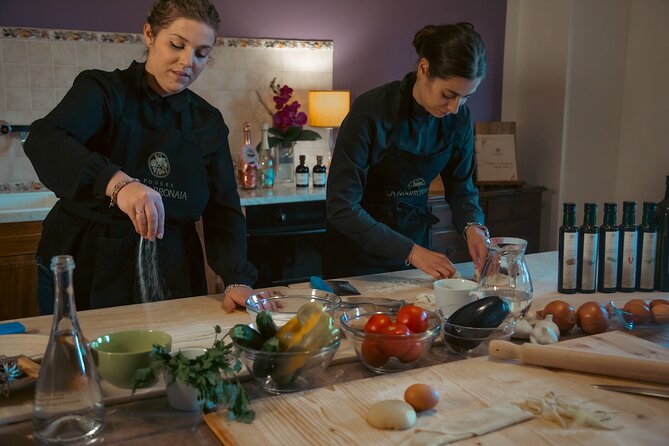
- Three pasta and sauce combinations taught in a hands-on format, not a demo
- Bruschetta and vegan cake added to the menu so you’re cooking more than pasta
- Organic wine and olive oil tasting plus balsamic vinegar during the experience
- Small group size (max 6) for more attention while you cook
- Morning or afternoon start times to fit around your day in San Gimignano
Vegan Tuscan Cooking Class: what you’re really signing up for
This isn’t just a vegan cooking class where you leave with a few tips. You’re doing the full cycle: learn, cook, taste, and eat. In roughly three hours, you’ll get both the practical kitchen skills and the kind of food-and-drink pairing that makes Italian cooking click.
The setting matters, too. This is taught in a family kitchen in San Gimignano, and the experience is tied to the local agricultural rhythm—starting with an introduction to the family story and how they farm. Then you get to work at the kitchen bench, where the food goes from idea to plate.
And because it’s vegan, the day has a different logic than a typical Tuscan class. You’ll learn how to build flavor without dairy or meat, while still using the Italian building blocks you’ll recognize: herbs, vegetables, good olive oil, and wise sauce-making.
You can also read our reviews of more tours and experiences in San Gimignano.

Entering the family kitchen on your way to three pasta lessons
The class begins with a guided introduction. Expect to hear about the family history and their agriculture approach. That might sound like “just talking,” but it’s useful. It frames why the cooking leans into vegetables and why olive oil and vinegar aren’t side quests in this menu—they’re core ingredients.
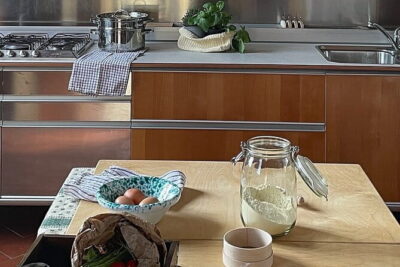
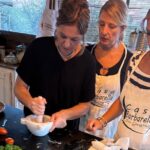
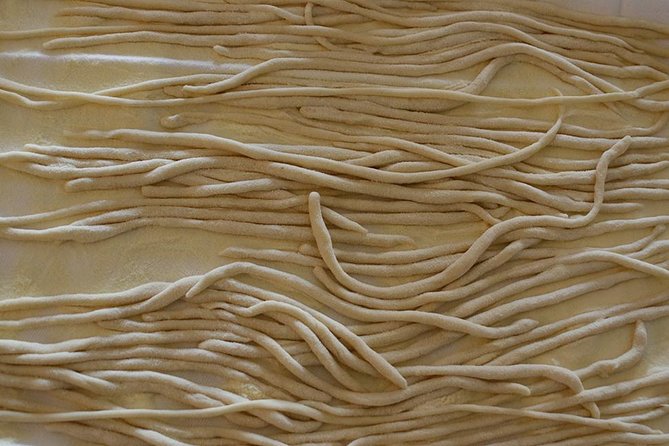
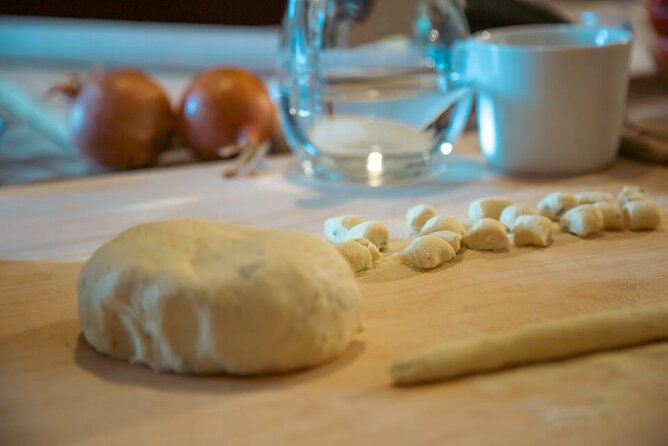
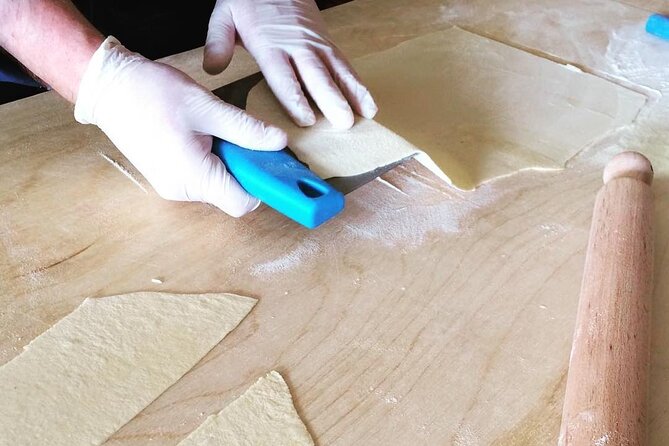
Then you move into the rustic kitchen for the hands-on part. You’ll be preparing fresh handmade pasta and learning how to pair it with Tuscan-style sauces. The program highlights three types of pasta and sauces, which means you’ll likely repeat the core techniques more than once. That’s good for you. Repetition turns instructions into muscle memory, so you don’t just remember what was taught—you can do it later.
If you like practical outcomes, this format usually feels better than a one-shot dish. By the end, you’re not only confident making one pasta style. You have a set of vegan sauce ideas that you can adapt at home.
Your menu: bruschetta, homemade vegan pasta, and vegan cake
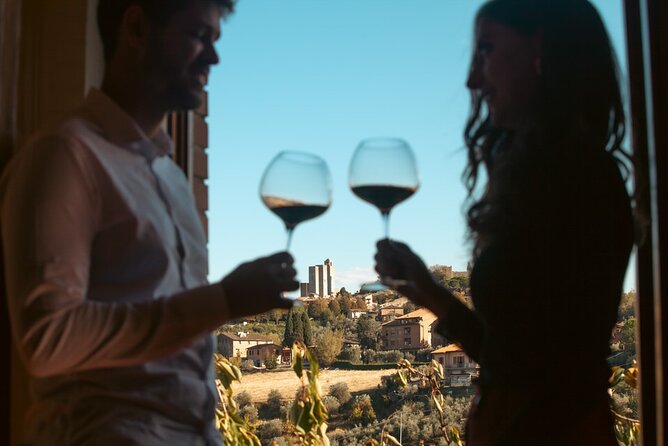
Here’s the cooking sequence you should expect, based on the menu included in the class.
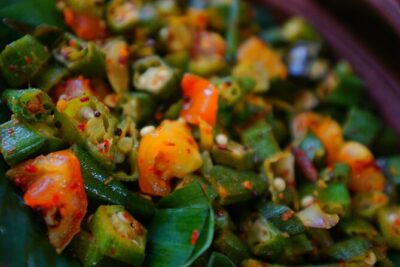
You’ll start with crispy vegan bruschetta. Even if you’re already comfortable cooking, bruschetta is a great test of technique because texture matters. You want crunch, not sogginess. You also want bold flavor from toppings and a confident use of oil and seasoning.
Next comes the main event: homemade vegan pasta with vegan sauce, taught as multiple pasta-and-sauce combinations. This is the heart of the experience. You’ll make the pasta and build the sauces that go with it, then later you’ll eat the pastas you made.
Before sitting down, you’ll also make vegan dessert (vegan cake). Adding dessert at the end of a savory class gives you a full plate memory. It also gives you a clear example of how vegan sweets can still feel distinctly Italian and home-style, not like a substitution.
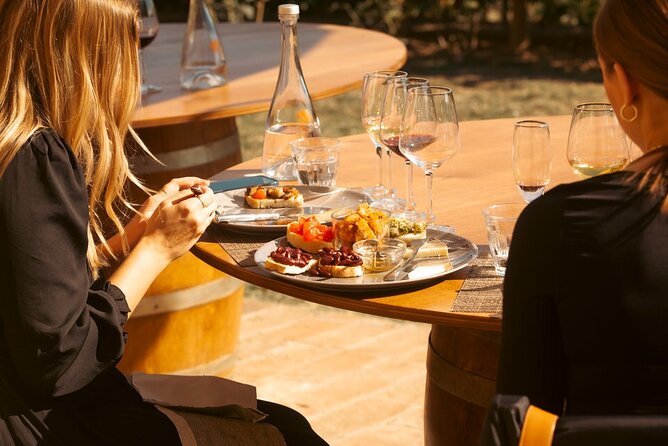
Finally, you end by eating your creations. That matters more than it sounds. You’re not tasting a random sample—you’re eating what you cooked, which makes the flavors and textures easier to remember when you’re back at home.
Wine, olive oil, and balsamic pairings that make the meal make sense
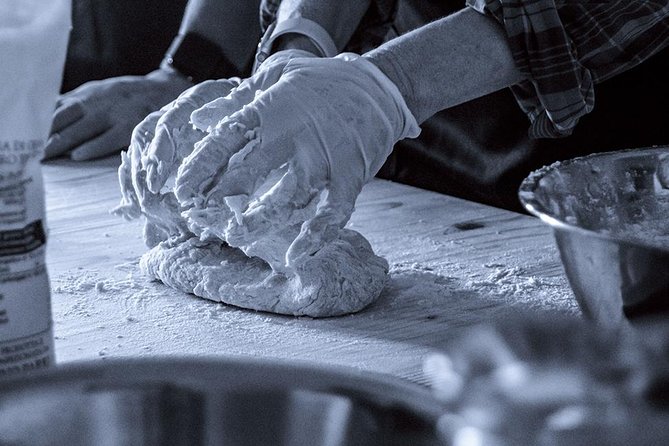
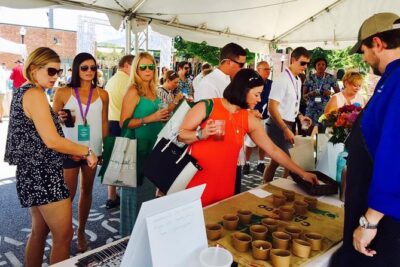
A normal cooking class can end with food and a quick “good job.” This one adds structured tasting. You’ll have wine and olive oil tasting as part of the experience, along with a tasting of olive oils and balsamic vinegar.
Why that pairing is valuable: Tuscan flavor is built on simple ingredients done well. Olive oil isn’t just an ingredient; it’s a flavor lane. Balsamic adds sweetness and tang, which can balance vegetable-forward sauces. Wine helps you understand how acidity and fat interact on the palate while you eat.
Also, the class notes organic wines and olive oils. I can’t promise every bottle will teach you something new, but the structure does help. You taste, then you cook, then you eat. That loop makes it easier to connect your sauce decisions to what you’re tasting.
Practical tip for the day: pace yourself. You’ll be cooking with hands-on steps and you’ll eat at the end. Sipping is fun, but don’t turn this into a heavy drinking session.
How the 3-hour flow stays hands-on from start to finish
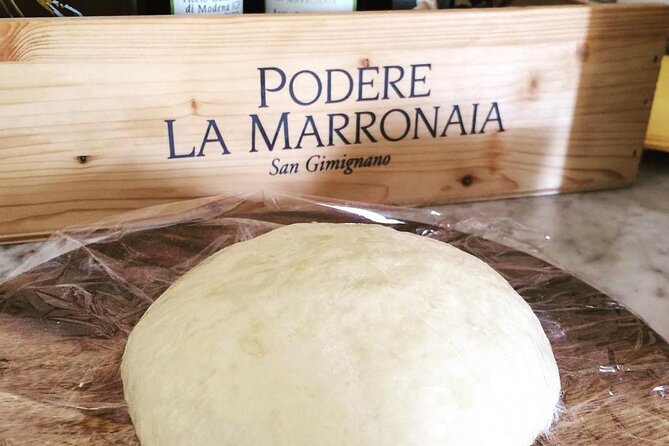
The class runs about 3 hours. That’s a good length for learning without turning your day upside down.
Here’s how the time typically “feels” in a well-run kitchen class like this:
- You start with a short introduction so you understand the ingredients and farming logic.
- You move straight into pasta and sauce work, where you’ll spend most of your time.
- You break off to make bruschetta and vegan cake, so the kitchen stays active and you don’t get stuck doing only one task.
- You close with dining, where your meal is paired with the tasting elements.
The schedule also offers morning or afternoon start times. In San Gimignano, that matters because the town is small and you’ll want to plan around walking, photos, and meal timing. A flexible start makes it easier to fit without rushing.
If you’re traveling with a tight itinerary, this kind of class is usually a better match than all-day tours. You get a real experience without losing your whole day.

Meeting point reality: you’ll self-arrive on Via Martiri di Citerna
The meeting point is Via Martiri di Citerna, 53037 San Gimignano SI, Italy. The experience ends back at the same spot.
There’s no hotel pickup or drop-off, so plan your route in advance. San Gimignano is walkable, but cobblestones and hill streets can slow you down. Give yourself a little buffer time so you arrive ready to cook, not sprinting to find the door.
Good news: it’s listed as near public transportation, so you have options if you’re not using a taxi. The class also uses a mobile ticket, which helps if you’re juggling other reservations.
Finally, the group size is capped at 6 travelers. That’s not a small detail. In a class where you’re working with dough and sauce, smaller groups mean more chances to ask questions at the exact moment you need help.
Group size, instruction style, and why it gets such high marks
The experience has a maximum of 6 travelers, and the reviews back up what that usually means in practice: you get patient, step-by-step help instead of getting lost in a crowd.
In the review set, the instructor Leonardo is specifically praised for being patient and thorough, with answers that fit real questions. That’s the kind of teaching style you want when you’re learning hands-on techniques like pasta-making and sauce timing.
What else comes through: the vibe. People seem to like the atmosphere—good energy, small-group comfort, and the sense that you’re cooking alongside others who want to learn. That’s often what turns a “class” into a memory you talk about later.
If you’re the type who learns best by doing, this is a solid match. You won’t spend the whole time watching someone else. You’ll be working.
Price and value: is $228.78 worth it?
At $228.78 per person, you’re paying for more than a recipe card.
Here’s what’s included:
- Bottled water
- Dinner
- Lunch
- Wine tasting
- Alcoholic beverages
You’re also getting a structured cooking lesson: fresh handmade pasta, vegan bruschetta, and vegan cake, then eating what you made. Add in the tasting component—wine plus olive oil and balsamic—and the price starts to feel less like “just a class” and more like a packaged food-and-drink experience.
You’re also not paying extra for a big group because the group limit is small. In other words, the cost isn’t being stretched across a crowd; it’s tied to instruction time and hands-on work.
To judge whether it’s worth it for you, ask one question: do you want the kind of activity where you eat and drink as part of the learning? If yes, this price often lands in the fair zone for Italy, especially in a place like San Gimignano where quality and small-group experiences can cost more.
If you want only a quick snack and a short demo, then it’s probably pricier than you need. But if you want to cook and taste in one go, it’s a strong value setup.
Who this vegan Tuscan class suits best (and who should consider alternatives)
This class is ideal if:
- You want to learn hands-on vegan pasta techniques.
- You care about food pairing—wine, olive oil, and balsamic vinegar aren’t random extras.
- You like small groups and you want real chances to ask questions.
- You’re visiting San Gimignano and want an experience that feels local rather than generic.
It may be less ideal if:
- You need a low-effort activity. You will be cooking.
- You rely on hotel pickup. This experience expects you to meet at Via Martiri di Citerna yourself.
- You’re under 18, since the minimum age and drinking age are both 18.
One more plus: there’s a vegetarian option available. And you can advise any specific dietary requirements at booking. That’s helpful if vegan is your main plan but you still want flexibility.
Practical tips so you don’t waste your cooking time
A few simple steps can make the day smoother.
- Arrive early enough to settle in. With self-arrival at Via Martiri di Citerna, you want time to find the meeting spot without stress.
- Tell the organizer about dietary needs at booking. The tour asks you to share specific requirements, and doing it early helps them set things up correctly.
- Plan for 3 hours of active work. This isn’t a sit-and-watch experience. Your hands will be busy.
- Pace the tastings. You’ll be drinking wine and eating. Enjoy it, but keep energy for cooking steps later.
If you come in with curiosity—questions about pasta consistency, sauce thickness, or how olive oil changes flavor—you’ll likely get more from the class. The instructor is described as patient and thorough, so don’t be shy about asking how something should look and taste.
Should you book this Vegan Tuscan Cooking Class?
Book it if you want a true hands-on meal experience: handmade vegan pasta, bruschetta, and vegan cake, all paired with wine and olive oil plus balsamic vinegar. The small group size and the instructor quality—especially Leonardo’s patient teaching—make it a good bet when you’re spending money to learn.
Skip it if you prefer passive sightseeing, if you can’t handle self-arrival logistics, or if you don’t want the tasting and included meals part of the plan.
FAQ
FAQ
Where does this experience start and end?
It starts at Via Martiri di Citerna, 53037 San Gimignano SI, Italy, and it ends back at the same meeting point.
How long is the Vegan Tuscan Cooking Class?
The duration is about 3 hours.
What language is the class taught in?
The experience is offered in English.
Is there a limit on group size?
Yes. The maximum group size is 6 travelers.
What’s included in the price?
Included items are bottled water, lunch and dinner, wine tasting, and alcoholic beverages.
Is there a minimum age or drinking age?
The minimum age is 18, and the minimum drinking age is also 18.
Can I request a vegetarian option or share dietary needs?
A vegetarian option is available if you advise at booking. You can also advise specific dietary requirements at time of booking.
What are the cancellation rules?
You can cancel for a full refund with free cancellation up to 24 hours in advance of the experience start time.