REVIEW · TOKYO
Tokyo: Kawaii Bento Cooking Class – Cute Character Lunchbox
Book on GetYourGuide →Operated by Tokyo Cute Bento (kawaii Cooking class) · Bookable on GetYourGuide
Tokyo bento is already a big deal, but this class adds character. You’ll build a kawaii character bento step by step, then eat something you actually made look cute. It’s one of those Tokyo activities that feels creative without being complicated.
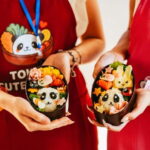
What I like most is how hands-on it is and how clearly it’s taught. You get expert guidance to turn ingredients into a character lunchbox with decorated faces and side dishes, and the result is genuinely photo-worthy. The second big win is the pairing of craft + food culture, including why bento matters in Japan and how Japanese lunch habits shaped the style.
One thing to consider: this workshop involves knives and cooking tools, so kids can join, but parents need to supervise. If you have severe allergies, you’ll want to check in early, since common ingredients may overlap with your triggers.
In This Review
- Key things you’ll notice fast
- Why Kawaii Bento Feels Like Tokyo in One Box
- Getting There: Tameike‑Sanno Exit 7 and the Panda Sign
- Choosing Your Character Bento: Panda, Brown Beer, or Seasonal
- The 2-Hour Schedule That Keeps It Fun (Not Stressful)
- Tools, Techniques, and the Little Tricks That Make It Easy
- Diets, Allergies, and What You Should Tell Them Early
- The Photo Session and Your Bento Moment
- Value Check: Is $64 Worth It?
- Who This Bento Class Fits Best
- Add-Ons That Can Extend Your Tokyo Day
- Should You Book This Kawaii Bento Class?
- FAQ
- FAQ
- How long is the Tokyo Kawaii Bento Cooking Class?
- Where is the meeting point?
- Is the instruction available in English?
- What characters or bento styles can I choose?
- Do they provide ingredients and tools?
- Is there a photo session?
- Can kids join the workshop?
- Can the class accommodate vegetarian or vegan diets?
- What about allergies?
- What is the schedule like?
- Is there free cancellation and a pay-later option?
Key things you’ll notice fast
- An English-led class near major Tokyo hubs (meeting is at Tameike‑Sanno, but it’s easy to connect from places like Shibuya and Asakusa)
- Choose your character: panda, brown beer, or a seasonal limited-edition bento
- A timed flow that doesn’t drag: intro, 60 minutes hands-on, photo session, then eating
- Tools that help even nervous cooks: lots of options for faces, placement, and neat packing
- Dietary flexibility with limits: vegetarian and vegan options exist, but severe allergies need advance planning
Why Kawaii Bento Feels Like Tokyo in One Box
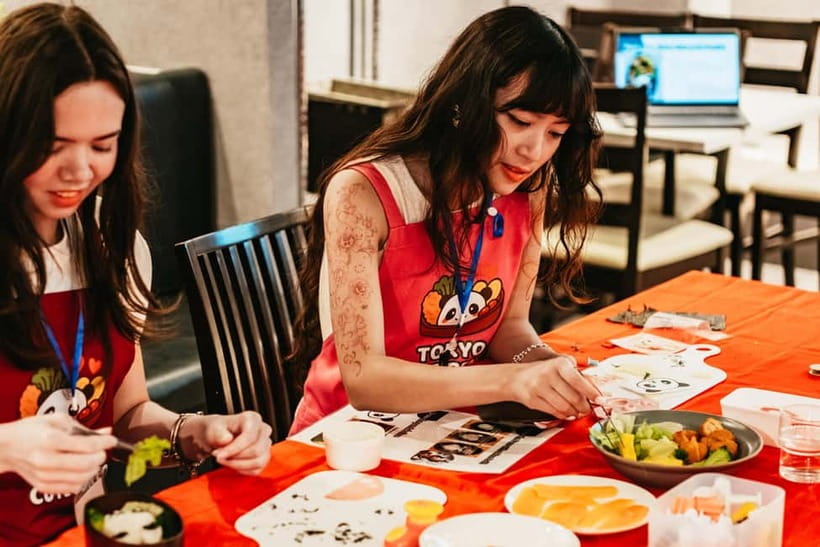
Bento is more than packed lunch. In Japan, it’s routine, comfort, and planning. It’s also a canvas. This class leans into the kawaii side, where the fun is turning food into a character you’d want to show off.
The bento characters are a perfect shortcut to understanding Japanese food culture. You learn why portioning matters, how textures and colors balance in a compact box, and how presentation earns attention before the first bite. It’s not just arts and crafts. It’s food logistics, Japanese style.
And the kawaii angle isn’t forced. It’s practical. When you build a panda face or a dog design, you’re practicing placement and timing. That skill translates directly if you ever want to make bento at home and not just copy a template.
You can also read our reviews of more tours and experiences in Tokyo.


Getting There: Tameike‑Sanno Exit 7 and the Panda Sign
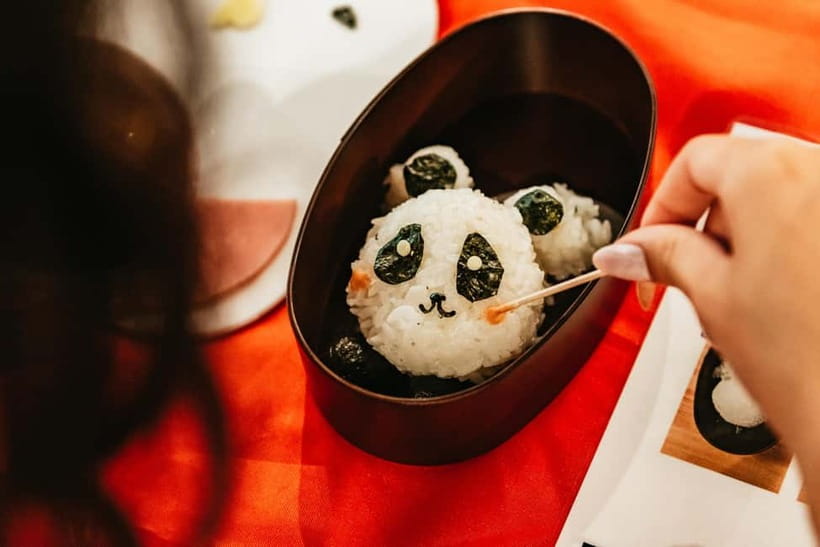
The meeting point is close to transit, but the detail matters: you’ll meet near Tameike‑Sanno Station, Exit 7. From there, you walk straight, cross the intersection, and go to the building right in front of you.
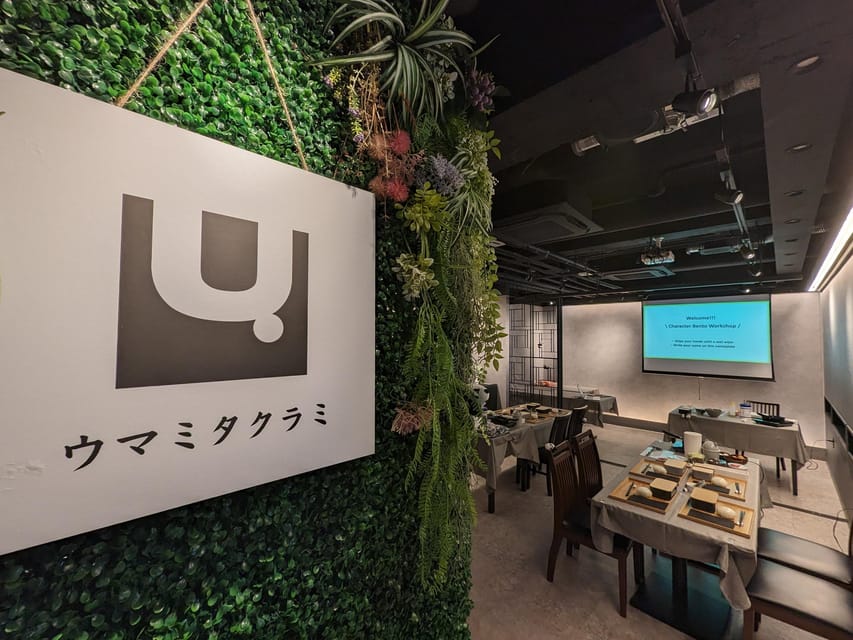
The landmark is a sign with the panda bento. The workshop is in the basement (B1), under a ramen shop. Everything for ticket redemption and the activity happens at the same spot.
This setup is actually helpful. You’re not wandering around in the heat (or rain) trying to figure out which side street hides the classroom. It’s also indoor, so weather won’t wreck your schedule.
Choosing Your Character Bento: Panda, Brown Beer, or Seasonal
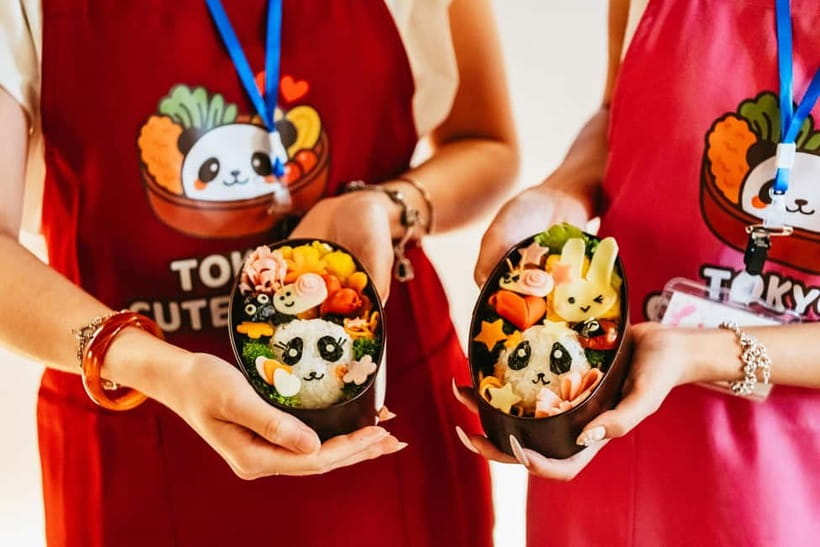
You don’t show up and get told a random plan. You choose your bento theme. Available options include a cute panda bento, a brown beer bento, or a seasonal limited-edition bento.
After booking, you confirm your choice by email. That means you can think about it ahead of time instead of making decisions while hungry and jet-lagged. It also helps the staff prepare the right components and tools for your design.
If you’re traveling with someone who wants different things, this option is a nice compromise. One person can go panda, another can pick the dog-style vibe. You’ll end up with two boxes that look different but follow the same core technique.
The 2-Hour Schedule That Keeps It Fun (Not Stressful)
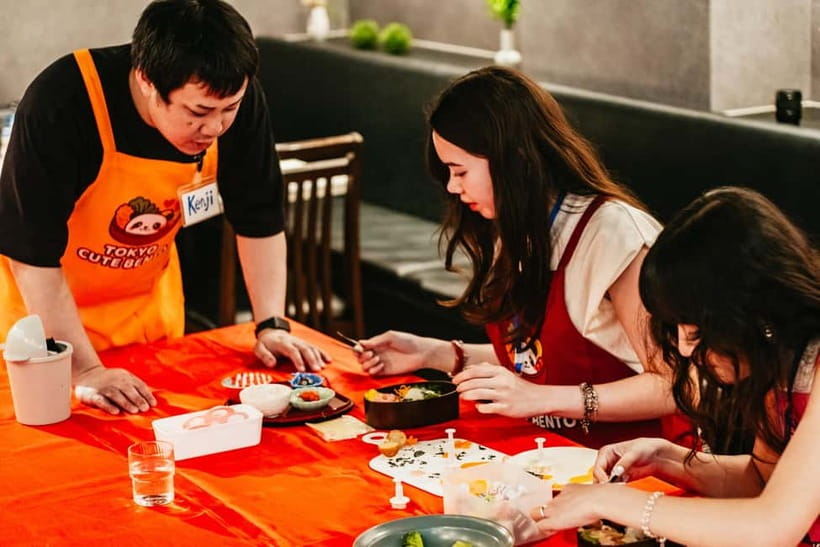
The timing is tight, which is a gift in a city full of long lines and detours. Plan for about 2 hours total.
Here’s the flow you can expect:
- Intro to bento culture (about 15 minutes): You get the “why” behind the lunchbox style.
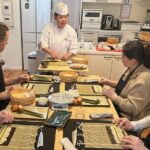
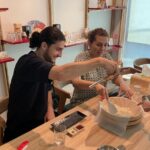
- Hands-on making (about 60 minutes): This is where you build your character, arrange side dishes, and pack everything neatly.
- Photography session (about 15 minutes): You get time to take pictures of your finished box.
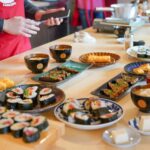
- Enjoy your meal (about 30 minutes): You eat what you made.
That balance matters. The class doesn’t bury you in theory, and it doesn’t rush past the creative part. The hands-on segment is long enough to feel calm while you build. The meal time is long enough to actually enjoy your work instead of treating it like a quick snack.
Tools, Techniques, and the Little Tricks That Make It Easy
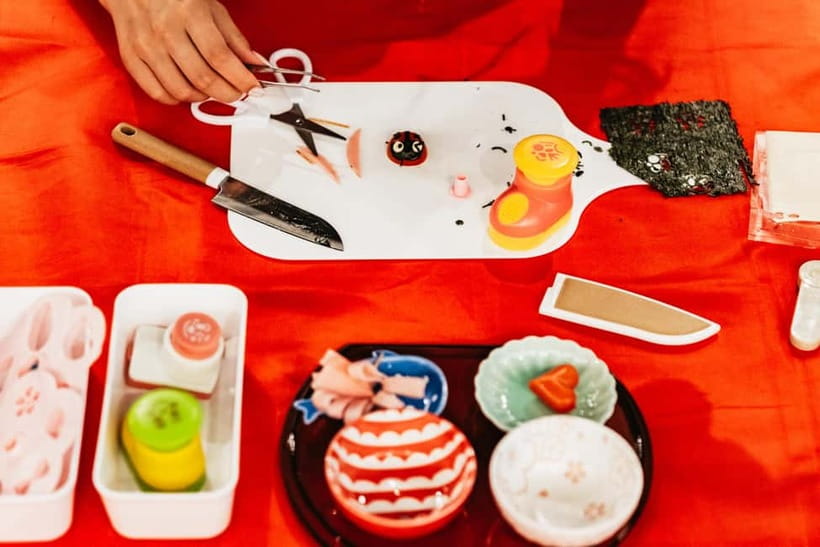
The standout theme from the experience is that it’s genuinely approachable. Even if you’re the sort of person who thinks food art will be a disaster, the class is built so you can succeed.
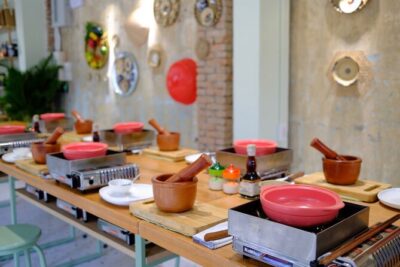
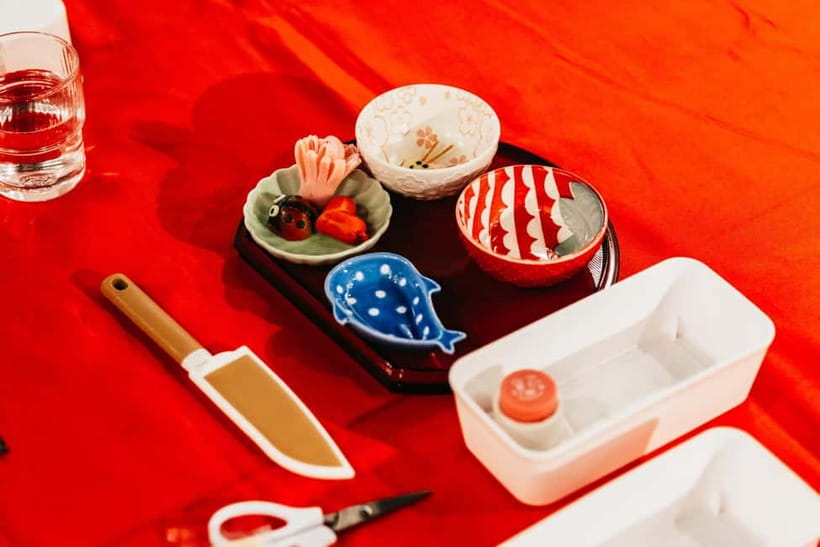
One reason it works: there are lots of tools. In the class setting, you’re not stuck with a single method. You can use different craft-like supports to help with faces, shaping, and neat placement. People often end up surprised by how manageable the process feels once you’re guided step by step.
Names you may hear while you’re there: Kenji is a frequent host/instructor, and Mari is also mentioned as a tutor. Both are described as kind, organized, and patient, and that matters for first-timers. When you’re holding knives and working with small pieces, clarity reduces stress fast.
Here’s what you’ll pick up that’s useful beyond the class:
- How to assemble a character without everything turning into a mess
- How to balance parts inside a compact box
- How to use repetition to get clean results (like consistent face features and tidy side-dish spacing)
The best part is that the class teaches you the method, not just the final look. That’s why people often feel confident recreating bento basics later.



Diets, Allergies, and What You Should Tell Them Early
Japan is great for food adventures, but ingredients can be tricky. This workshop can accommodate dietary preferences, but you need to plan your communication.
Good news: vegetarian and vegan options are available. Allergies can also be accommodated with advance notice. The class notes specific exclusions for allergy handling: no nuts and no milk.
Here’s the caution: severe food allergies involve extra risk. The workshop mentions common allergens such as seafood, soy, and sesame. If your allergy is severe, the activity may not be suitable, though they may be able to accommodate with advance notice.
Also, if you don’t eat certain meats, tell them ahead of time. Several people report that replacements were found so their bento could still match the plan. That’s the kind of flexibility that turns a potential problem into a smooth experience.
My practical advice: message your dietary needs right after booking. Be specific about what you avoid and how serious it is. Then you can relax once you’re in the room.
The Photo Session and Your Bento Moment
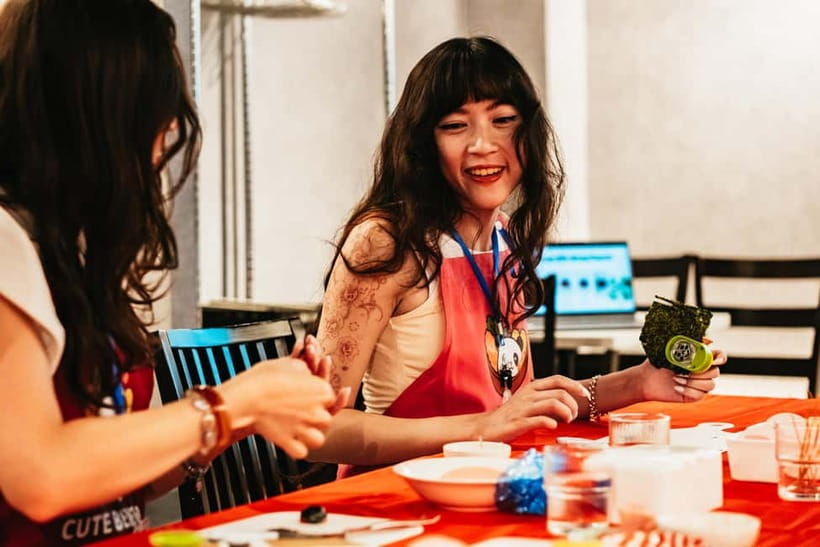
You’ll make your bento, then you’ll get a dedicated photo session before you eat. That’s not just a perk. It changes how you approach finishing your box.
During those 15 minutes, you can adjust details—like aligning the face features or making sure side dishes look crisp—before the “food eats food” part starts. The result is a lunchbox you’ll actually want to photograph, not just something you hurriedly snap while walking away.
Then you eat. And yes, it tastes good. People specifically mention that the bento tasted great, and that the amount of food packed into the little box can be surprisingly generous.
If you like sharing your Tokyo experiences, this part delivers. You’ll leave with a finished object, not just a memory.
Value Check: Is $64 Worth It?
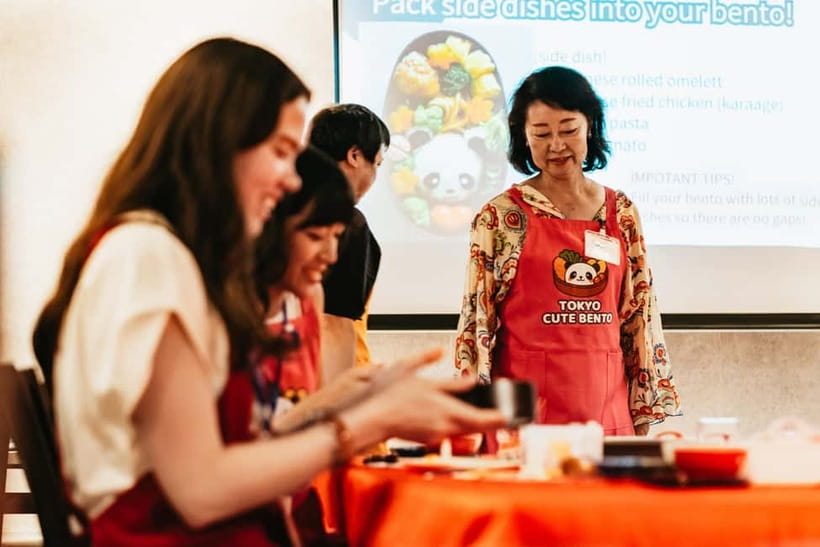
At $64 per person for about 2 hours, you’re paying for more than a meal. You’re paying for instruction, tools, ingredients, cultural context, and a souvenir you take home—plus the photo time that turns your work into a keepsake.
When I judge value, I look at what you’d otherwise have to pay for:
- You would spend money to buy ingredients and then deal with the tools and planning.
- You would spend time learning the method, which is usually the part that trips people up.
- You get guidance in English, which is a big deal if you’re unsure about techniques or kitchen terms.
Also, the group can feel friendly and relaxed. The experience can even run as a private class when bookings line up that way, which is a strong value boost if you’re traveling as a family.
So here’s the practical bottom line: if you want a Tokyo activity that mixes creativity, food skills, and a small cultural lesson without a long day of logistics, this price usually feels fair.
Who This Bento Class Fits Best
This is a great fit for:
- Families: kids enjoy the character-making, and it’s social.
- Couples: it’s different from the usual Tokyo dinner plan, and you’ll have matching photos.
- Friends: it’s a fun “who made the cutest” kind of challenge.
- Solo travelers: you’re included, not stuck waiting for others, because the class is structured around doing.
Teenagers can also do well. The pace and step-by-step guidance help even if someone isn’t comfortable in a kitchen.
The main caution is for younger kids: since knives and tools are used, you should expect to supervise. If you’re going with little ones, think of it as a family activity where you’ll be hands-on with them.
Add-Ons That Can Extend Your Tokyo Day
You may be able to request limited-time free add-ons:
- A 30-minute advanced side dish preparation before the workshop
- A 30-minute Akasaka tour after the workshop
These are advance request items, so they’re not automatic. If you want more food time before you sit down to eat, the side dish prep makes sense. If you’d like a little extra sightseeing without adding a whole separate tour, the Akasaka option pairs nicely.
Should You Book This Kawaii Bento Class?
I’d book it if you want an experience that’s hands-on, indoor, and built for real participation. You’ll get instruction in English, tools and ingredients provided, and a finished character bento you can actually photograph and eat.
You should think twice if:
- You have a severe allergy and can’t risk contact with seafood, soy, or sesame-based ingredients (even with accommodations).
- You’re bringing very young kids who can’t be safely supervised around knives and cooking tools.
If you’re looking for a Tokyo activity that combines creativity with Japanese lunch culture, this one does the job. The vibe is calm, the teaching is clear, and the finished bento feels like a small win you can take home—literally.
FAQ
FAQ
How long is the Tokyo Kawaii Bento Cooking Class?
The class runs for about 2 hours.
Where is the meeting point?
Meet near Tameike‑Sanno Station Exit 7. Walk straight, cross the intersection, and the workshop is in the building directly in front of you. It’s in the basement (B1) under a ramen shop, with a panda bento sign as the landmark.
Is the instruction available in English?
Yes. The class includes English-speaking instruction and English recipes.
What characters or bento styles can I choose?
You can choose from options including a panda bento, a brown beer bento, or a seasonal limited-edition bento. Your final choice is confirmed by email after booking.
Do they provide ingredients and tools?
Yes. All ingredients and tools are provided.
Is there a photo session?
Yes. There’s a photography session before you enjoy your meal.
Can kids join the workshop?
Children are welcome, but the workshop involves knives and other cooking tools. Parents or guardians should supervise younger participants.
Can the class accommodate vegetarian or vegan diets?
Vegetarian and vegan options are available. You should inform the team at booking if you have dietary preferences.
What about allergies?
The workshop can accommodate allergies with advance notice, including no nuts and no milk. However, it may not be suitable for people with severe allergies since common allergens such as seafood, soy, and sesame are involved.
What is the schedule like?
It includes an intro to bento culture (about 15 minutes), hands-on bento making (about 60 minutes), a photography session (about 15 minutes), and then eating your meal (about 30 minutes).
Is there free cancellation and a pay-later option?
Free cancellation is available up to 24 hours in advance for a full refund. There’s also a reserve now and pay later option.