REVIEW · SA PA
From Hanoi: 2-day Sapa Homestay & Cooking class with locals
Book on GetYourGuide →Operated by Vietnam Nomadtrails · Bookable on GetYourGuide
Two nights, one unforgettable mountain culture. This 2-day Sapa homestay experience pairs a local cooking class with real time in the Muong Hoa Valley, plus an easy way to get there from Hanoi.
I especially like the way the day is split between family time and walking. You get a homestay stay in Amazing Muong Hoa Valley with big views, then you’ll cook and eat with your hosts using fresh local ingredients.
One thing to watch: the schedule is tight. If the Hanoi pick-up or bus timing runs late, you may lose your chance to fit in optional add-ons like Fansipan on day 1 (and you might need to pay extra to adjust).
In This Review
- Key highlights worth clocking before you go
- Sapa in 48 Hours: how this trip balances food, villages, and views
- Hanoi to Sapa by sleeping bus: timing can make or break day 1
- Nomadtrails Lodge in Amazing Muong Hoa Valley: what a homestay night is really like
- Day 1 in Sapa town and Cat Cat: markets, textiles, and rice-terrace walks
- Cooking class dinner: local ingredients, real Vietnamese technique
- Red Dao foot herbal bath + Sapa night market: a small cultural moment at night
- Day 2 Muong Hoa Valley villages: Y Linh Ho, Lao Chai, and Ta Van
- Price and value: what $56 covers, and what can add up
- What to pack and how to handle mountain conditions
- Who this tour fits (and who should skip it)
- Should you book the 2-day Sapa homestay and cooking class?
- FAQ
- How long is the Sapa homestay and cooking class tour?
- Where is the tour located?
- How do I get to Sapa from Hanoi?
- What meals are included?
- Is the cooking class included in the price?
- What villages do you visit on day 2?
- Can I visit Fansipan during the trip?
- Does the homestay have views?
- What should I bring for the tour?
- Is this tour suitable for people with mobility issues?
- Who is this tour best for?
Key highlights worth clocking before you go
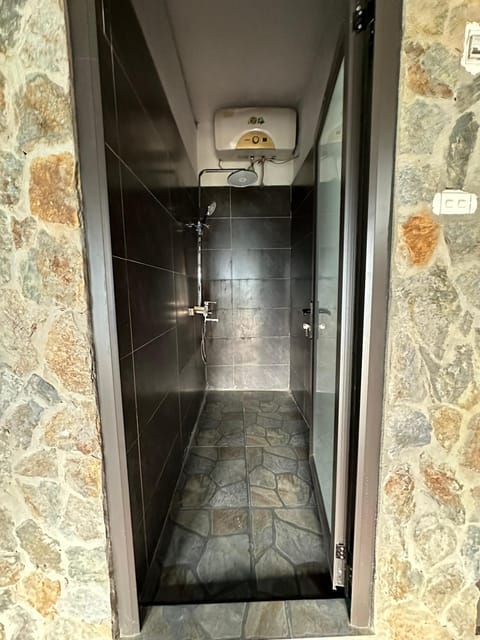
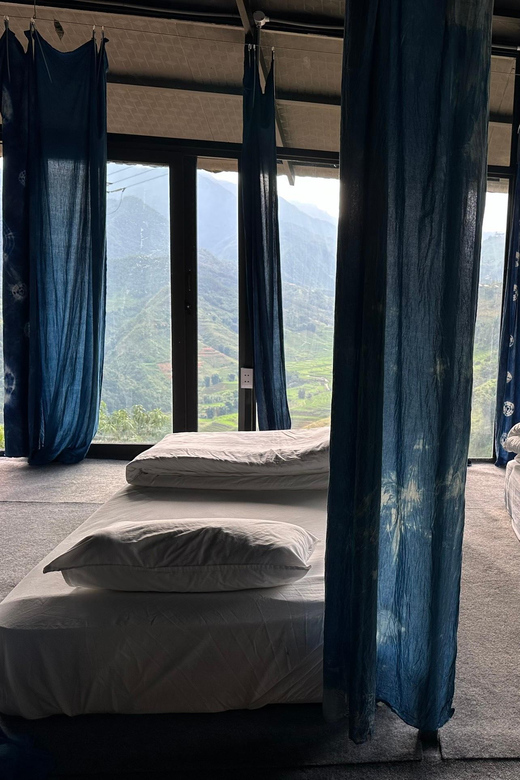
- Nomadtrails Lodge sits in Amazing Muong Hoa Valley, with views over the valley and Fansipan Mountain range
- Small group (up to 15) and an English-speaking guide make village visits easier to navigate
- Cooking class with locals uses local ingredients, and one guest noted a vegan option
- Day 2 village route includes Y Linh Ho, Lao Chai, and Ta Van with cultural context
- Day 1 free time lets you hit Sapa town, the market, Cat Cat, rice terraces, and possibly Fansipan
Sapa in 48 Hours: how this trip balances food, villages, and views
This is the kind of Sapa trip that tries to fit a lot into two days without pretending you can cover every corner of the region. You’ll spend one night in a homestay setup in Amazing Muong Hoa Valley, then do a guided exploration across the terraced areas and villages most people come for.
What makes it work for real-world travelers is the structure. Day 1 focuses on arrival, getting comfortable, and getting a first taste of local life through town wandering and a hands-on cooking class. Day 2 shifts into village exploring—less “where do we go?” and more “walk, learn, and take in the views.”
Keep your expectations matched to the timing: you’re not doing a slow, multi-day trek. It’s a quick, guided sampler that’s great if you want culture and scenery without giving up an entire week.
You can also read our reviews of more tours and experiences in Sa Pa.
Hanoi to Sapa by sleeping bus: timing can make or break day 1
The tour includes pick-up in Hanoi Old Quarters and a round-trip single sleeping bus to Sapa. That’s a major time-saver, because it lets you start early and still have a full day on the ground once you arrive.
But here’s the practical catch. One past guest reported the pick-up and bus were late, which meant they couldn’t do Fansipan on the day of arrival even though the description implies it’s possible during day 1 free time. The fix was changing plans the next morning with extra pay.
So when you book, plan like this:
- Your day 1 free time is the window for optional extras (like Fansipan).
- If logistics run behind, you’ll likely shift those extras to day 2 or miss them entirely.
Sleeping buses are also not everyone’s favorite. You’ll want to treat this as a trade: travel time instead of a hotel night in Hanoi.
Nomadtrails Lodge in Amazing Muong Hoa Valley: what a homestay night is really like
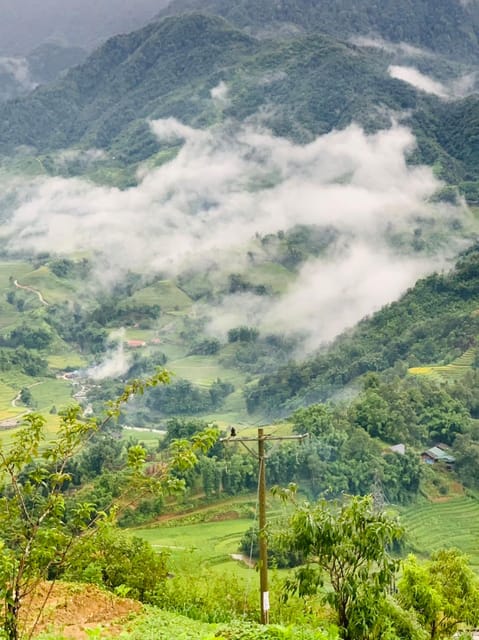
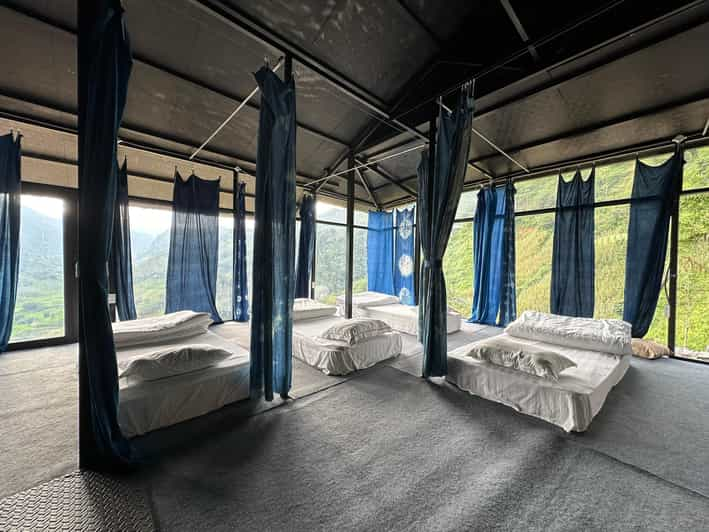
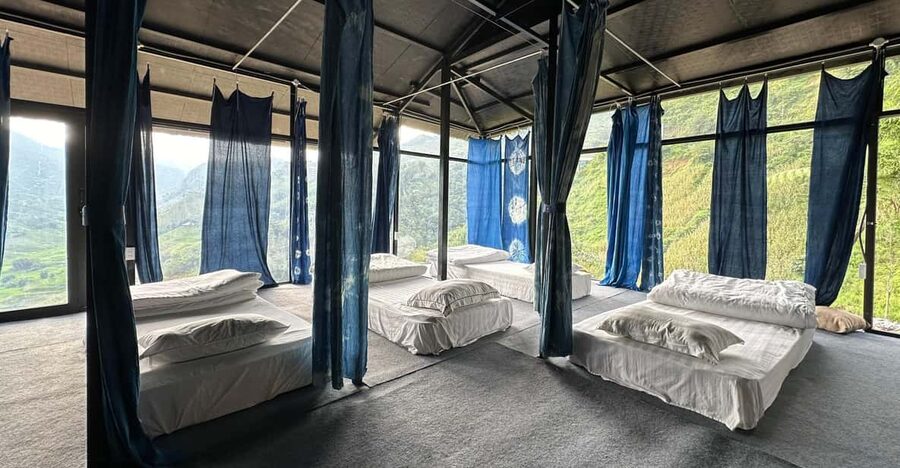
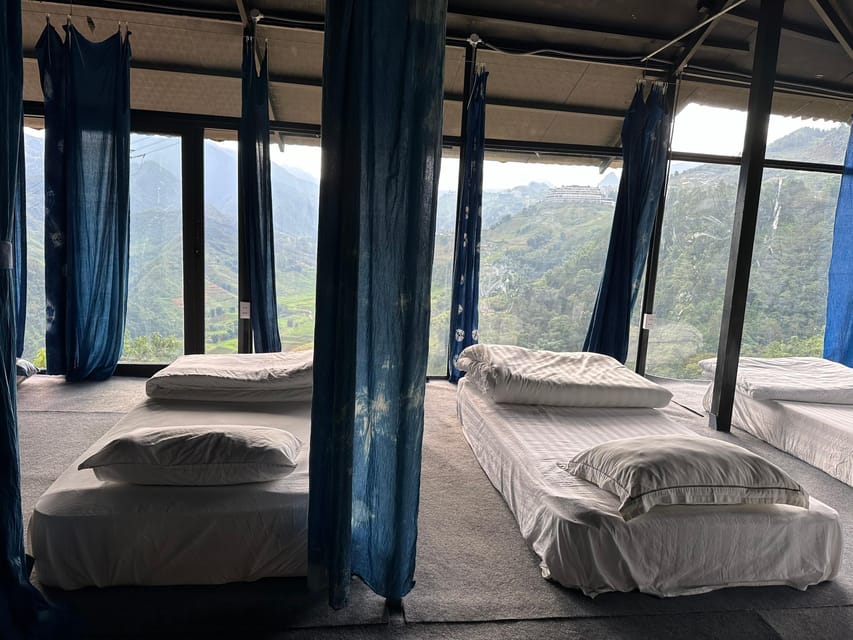
Your homestay stay is at Nomadtrails Lodge in Amazing Muong Hoa Valley. The big selling point is the setting: views over the valley and the Fansipan Mountain range. In Sapa, that matters, because a lot of what you came for is right outside your window.
Homestay nights also tend to feel more personal than hotel stays. You’ll eat with your host family during the cooking class dinner, and the experience is set up so you learn alongside them rather than just watch from a distance.
A detail worth knowing from a review: one guest said the cooking class was made with ingredients grown at the homestay, and they were able to adapt it to vegan. That points to a setup where the food isn’t generic and the host is paying attention to your needs.
One more consideration: the tour notes it’s not suitable for people with mobility impairments and not for wheelchair users. Homestays and village paths often include uneven ground.
Day 1 in Sapa town and Cat Cat: markets, textiles, and rice-terrace walks
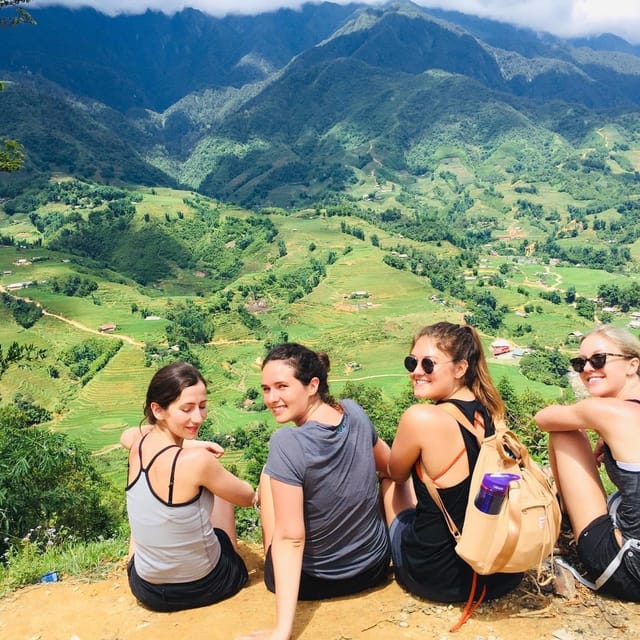
After you check in around early afternoon, you get free time in Sapa town. This part is about easing into the area and seeing how the local ethnic communities show up in daily life.
Here’s what you can do in that window:
- Visit the Sapa market, where you’ll see local handicrafts and textiles
- Browse and interact with friendly ethnic groups
- Follow up with a visit to Cat Cat village, known for handcrafts and a waterfall
- Fit in a walk through the rice terraces
There’s also an optional Fansipan plan mentioned in the description. If you have enough time, you can take the cable car to Fansipan Mountain. The description says you’ll reach about 2,800 meters and can visit the pagoda area and trek up to 600 steps to the peak, often called the Roof of Indochina.
That’s a lot for one afternoon, which is why timing is everything. If your bus or check-in runs late, Cat Cat and rice terraces may be your realistic “best use” of day 1 free time.
Cooking class dinner: local ingredients, real Vietnamese technique
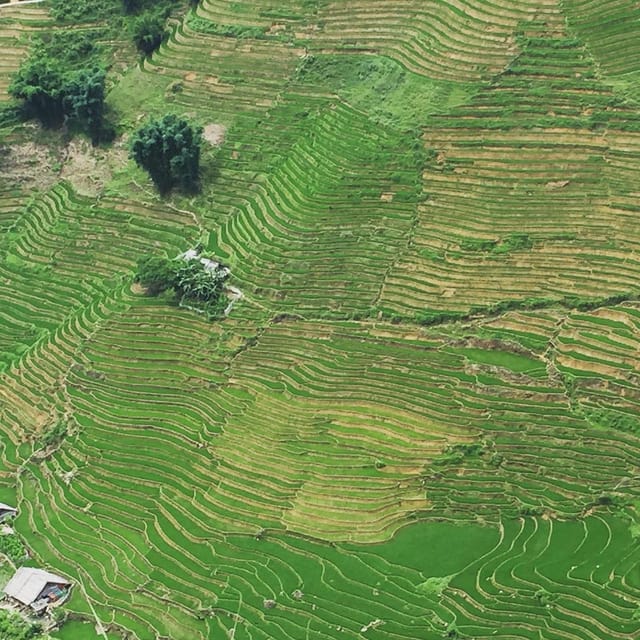
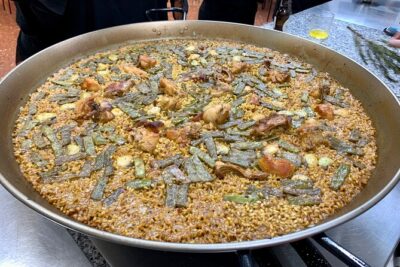
Your cooking class happens in the early evening on day 1. Your host guides you through preparing traditional Vietnamese dishes using fresh, local ingredients.
What I like about this setup is that it connects food to place. You’re not just learning recipes in a demo-style class. The description and guest feedback both point to ingredients that come from the homestay area, so you get a better sense of how people actually eat where they live.
If you’re vegetarian or vegan, you should know this: one review specifically mentioned the host made the meal vegan. That doesn’t guarantee every dish can be swapped for every requirement, but it’s a strong sign that they can work with dietary needs if you mention them ahead of time.
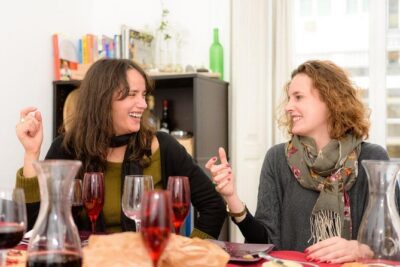
After cooking, you’ll eat the dishes you made with the local family. This is the heart of the trip for a lot of people: conversation, food, and learning how family life looks outside the hotel world.
Red Dao foot herbal bath + Sapa night market: a small cultural moment at night
After dinner, the tour includes a special foot herbal bath inspired by the Red Dao ethnic tradition, along with learning about their traditions and culture.
Even if you’re not sure you’ll love the idea, it’s worth trying once. It’s low-key and it gives you a taste of local custom that doesn’t feel like a performance. Also, after a day of walking and cool mountain air, a warm foot soak can feel like a reset button.
Later, you have free time for a leisurely stroll in the town and to visit the Sapa night market. This is where you can shop for souvenirs and feel the town’s evening rhythm—handicrafts, textiles, and small goods that often reflect what you saw earlier in the market.
Day 2 Muong Hoa Valley villages: Y Linh Ho, Lao Chai, and Ta Van
Day 2 is all about the guided exploration of Muong Hoa Valley villages. After breakfast at the homestay (local dishes to fuel your walking), you set out around 9:15–9:30.
Your route includes:
- Y Linh Ho
- Lao Chai
- Ta Van
This is where the trip becomes more than a scenic stop. The guide explains local culture and history as you move between terraced areas and village settings. That context can make a big difference—otherwise you just see stairs and fields. With the storytelling, you start to understand why the villages are where they are and how daily life fits the mountains.
Lunch is included and comes either as a local eatery meal or a picnic in the scenery, depending on how the day unfolds. Either way, it’s a welcome break because day 2 is about walking and absorbing views at a slower pace than day 1.
You’ll return to Sapa after the village circuit, then come back to Nomadtrails Lodge to freshen up with a hot shower before the evening departure.
Price and value: what $56 covers, and what can add up
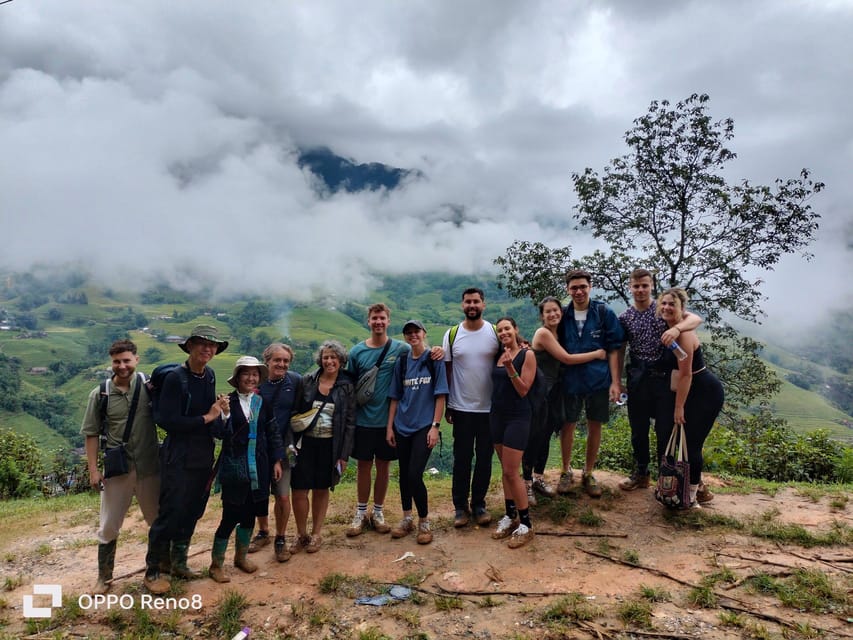
At $56 per person for 2 days, the value is strongest if you want almost everything handled: transport, guide, meals, and the homestay night.
Included highlights that matter:
- Round-trip sleeping bus from Hanoi (with pick-up in Old Quarters)
- 1 night in the homestay at Nomadtrails Lodge
- 1 breakfast, 1 lunch, 1 dinner
- Local cooking class
- English-speaking guide
- Sightseeing fee and 1 liter of water per person
What’s not included can be small but real:
- Soft drinks and VAT
- Surcharges for a single cabin on the sleeping bus or for a luxury limousine (noted as $6.90 one way)
- Surcharges for bungalow/private room options (extra cost per person depending on double/twin vs single)
- A Lunar New Year surcharge (listed as $30 per person during 26 Jan 2025 to 02 Feb 2025)
My take: the price feels fair if you’re comfortable with the bus and group format. If you’re upgrading to single cabin/private room, the math changes, so check those extras early.
What to pack and how to handle mountain conditions
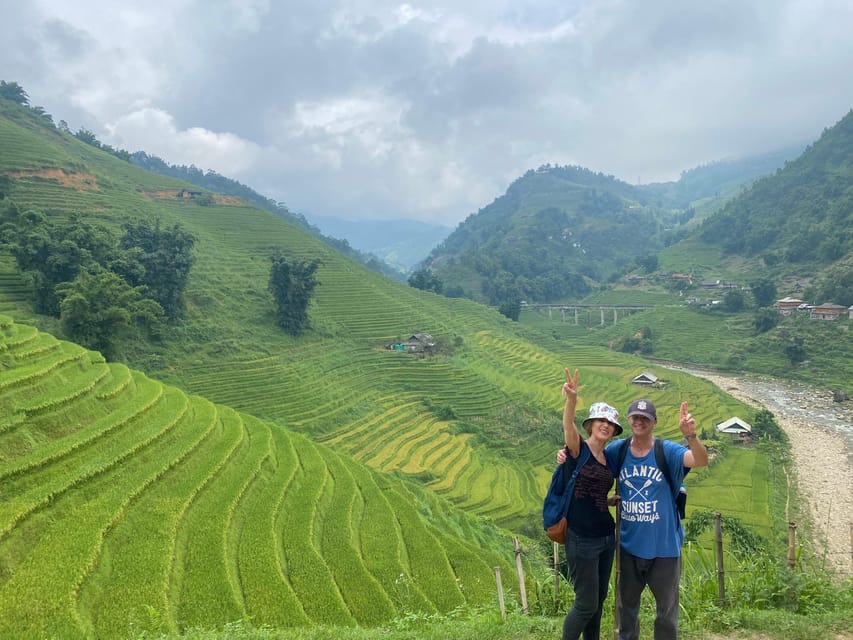
This is a mountain area, so pack for cool evenings and active walking on uneven ground.
Bring:
- Comfortable shoes (you’ll use them a lot)
- Sunscreen
- Water (the tour includes 1 liter, but having more helps)
- Insect repellent
Also plan for layers. Even when the day feels fine, Sapa can cool down fast in the evening, especially when you’re doing an herbal bath moment or heading out for night market time.
One more practical note from the tour rules: no weapons or sharp objects, and no intoxication. Alcohol and drugs are not allowed, and alcoholic drinks are not allowed in the vehicle. That matters if you’re the type who plans a “just one beer” on transport.
Who this tour fits (and who should skip it)
This works well for you if:
- You want a homestay night with local meals, not just a bus-and-photo stop
- You like guided cultural context around ethnic communities and terraces
- You’re excited about learning through a cooking class
- You don’t mind early starts and a packed two-day rhythm
It’s not a good match if you have mobility limitations. The tour explicitly says it’s not suitable for mobility impairments and wheelchair users, and there will be walking on uneven surfaces.
Also, it’s built for a small group (up to 15 people). If you prefer completely private travel, you might find this less flexible.
Should you book the 2-day Sapa homestay and cooking class?
If you want a straightforward, value-focused taste of Sapa culture in just two days, I’d say yes—with one condition: be realistic about day 1 timing.
Book if:
- You want the cooking class + homestay dinner experience as your main goal
- You like guided village routes and don’t need a slow, multi-day trek
- You can handle a sleeping bus for the convenience
Be cautious if:
- Fansipan is a must-do for you on day 1. The itinerary describes it as possible during free time, but bus/pick-up delays can shrink that window.
- You’re sensitive to travel-day fatigue. This tour uses early starts and a nighttime bus rhythm.
If you do book, do two smart things: confirm pick-up times in advance, and tell the host about any dietary needs before the cooking class so they can plan properly.
FAQ
How long is the Sapa homestay and cooking class tour?
It lasts 2 days, with the exact starting times depending on availability.
Where is the tour located?
It runs in Sapa, Vietnam, in the Dong Bac area.
How do I get to Sapa from Hanoi?
You get pick-up in Hanoi Old Quarters and travel by round-trip single sleeping bus.
What meals are included?
The tour includes 1 breakfast, 1 lunch, and 1 dinner, plus 1 liter of water per person.
Is the cooking class included in the price?
Yes. The local cooking class is included, and it includes making traditional Vietnamese dishes with fresh, local ingredients.
What villages do you visit on day 2?
Day 2 includes Y Linh Ho, Lao Chai, and Ta Van.
Can I visit Fansipan during the trip?
The description says it’s possible to take the cable car to Fansipan during day 1 free time, reaching around 2,800 meters, with time at the pagoda area and a trek up to 600 steps. Your ability to fit it in depends on timing.
Does the homestay have views?
Yes. Nomadtrails Lodge is in Amazing Muong Hoa Valley and is described as offering stunning views over the valley and the Fansipan mountain range.
What should I bring for the tour?
Bring comfortable shoes, sunscreen, water, and insect repellent. Cooler mountain temperatures are expected in the evenings.
Is this tour suitable for people with mobility issues?
No. The tour is not suitable for people with mobility impairments or wheelchair users.
Who is this tour best for?
It fits people who want a small-group guided experience, enjoy walking on uneven paths, and want both local culture (villages and markets) and a hands-on cooking class.