REVIEW · SA PA
Vietnamese Spring Rolls & Tofu in Tomato Sauce Cooking Class
Book on GetYourGuide →Operated by Saigonese Trekking House · Bookable on GetYourGuide
Two dishes, one warm cooking table. This Northern Vietnam cooking class teaches you how to make fresh spring rolls and tofu in tomato sauce the way Vietnamese families actually cook at home. I like that it’s hands-on, not a demo, and I like that it keeps things vegetarian-friendly while still tasting fully Vietnamese. One thing to consider: the market portion and explanation quality can depend a bit on the guide’s English level.
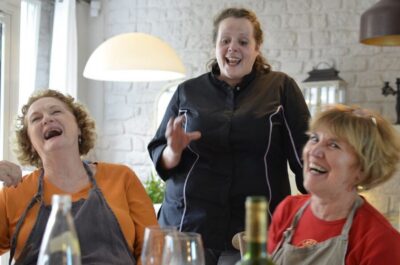
Expect a friendly vibe, with an energetic instructor and staff who seem willing to accommodate schedule changes. You’ll also get a cultural layer beyond the food, including an optional local market run, ingredient prep from scratch, and help with basic plating so your meal looks right, not just edible.
If you’re the type who likes lots of step-by-step explanation, go in ready to learn through watching, tasting, and doing. Even when the guide is less fluent in English, you can still pick up the practical workflow fast.
In This Review
- Key Takeaways Before You Go
- A Small-Group Cooking Class Built Around Two Classic Vietnamese Dishes
- Optional Market Stop: How It Changes the Cooking
- Spring Rolls (Chả Nem/Chả Giò): Fillings, Texture, and Flavor Balance
- Tofu in Tomato Sauce (Đậu Sốt Cà Chua): Comfort Food With Tang
- Plating Techniques and the Art of a Home-Style Meal
- Friendly Instructors and a Vibe That Helps You Learn
- Price and Value: Is $25 Actually Fair Here?
- Who Should Book This Cooking Class in Northern Vietnam
- Should You Book It? My Practical Recommendation
- FAQ
- What dishes will I learn to make in this cooking class?
- Is this cooking class vegetarian or vegan-friendly?
- Is there a market visit during the class?
- How much does the class cost?
- What language is the class taught in?
- Can I book and pay later?
- What is the cancellation window?
Key Takeaways Before You Go
- Two classic Vietnamese dishes in one session: spring rolls (chả nem/chả giò) plus tofu in tomato sauce (đậu sốt cà chua)
- Optional market stop to prep ingredients and get a feel for local shopping habits
- Vegetarian-focused cooking with a comfort-food tofu dish that’s easy and vegan-friendly
- Spring roll filling flexibility using familiar ingredients like vermicelli, leafy greens, onion, carrot, and bean sprouts
- Friendly, energetic teaching style that keeps the class moving and fun
- English support may vary during explanation, so hands-on learning matters most
A Small-Group Cooking Class Built Around Two Classic Vietnamese Dishes
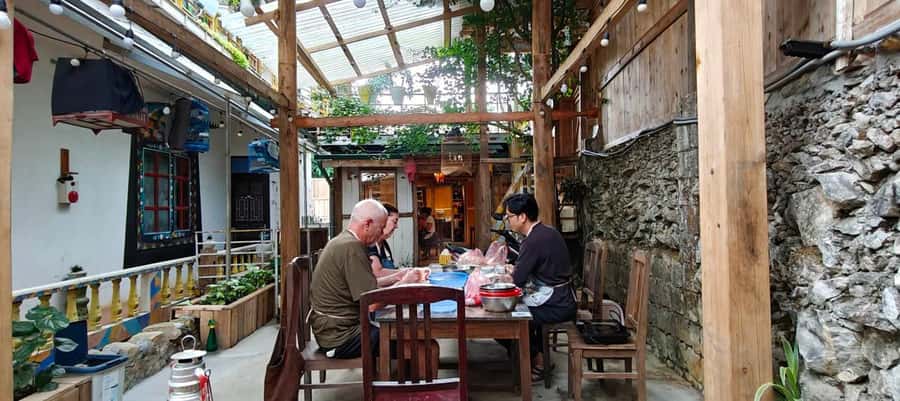
For a lot of cooking classes, you pick one dish and call it a day. Here, you learn two: spring rolls and tofu simmered in tomato sauce. That’s a smart setup because it gives you both sides of Vietnamese home cooking—street-snack crunch for the spring rolls, and a warm, everyday comfort bowl for the tofu.
You’ll be guided through the process in a welcoming setting, and you’re not just watching. The class is set up for you to handle ingredients and follow along as you build each dish. It’s also explicitly vegetarian-friendly, so this isn’t just a meat-heavy cooking experience where you quietly get the leftovers.
The real value is the combination: spring rolls teach technique and flavor-building, while tofu teaches how to get depth from simple ingredients. When you go home, you’ll have two repeatable recipes rather than one.
Optional Market Stop: How It Changes the Cooking
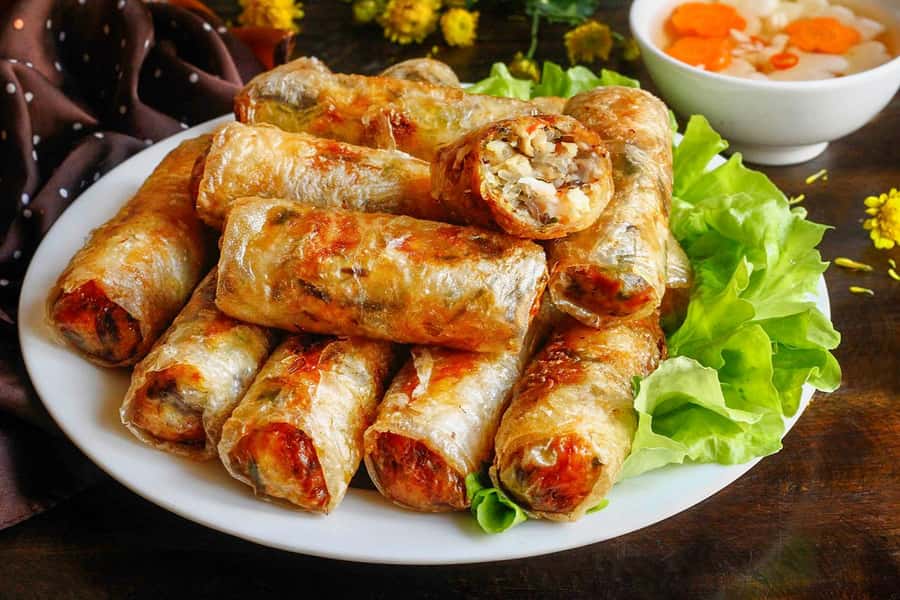
One of the best parts of this experience is that you have the option to visit a local market. If you choose to go, you’ll prepare fresh ingredients from scratch, which helps you understand what goes into these dishes beyond a recipe card.
Markets matter because they change how you shop later. Vietnamese spring roll ingredients aren’t complicated, but they’re specific. Once you’ve seen and handled the produce (and the kinds of items people buy for these meals), you’ll feel more confident recreating the dish at home.
A market stop also sets the tone. It turns the class into more than cooking. You get a cultural rhythm: people buying for real meals, vendors doing quick prep, and the whole thing moving at local speed. Even if you don’t want a long sightseeing day, this is a practical slice of daily life that supports the food you’ll cook.
If you’re short on time, treat the market as optional but meaningful. Skipping it might make the cooking feel more like a standalone workshop. Going makes it feel like you’re stepping into how the ingredients get chosen in the first place.
Spring Rolls (Chả Nem/Chả Giò): Fillings, Texture, and Flavor Balance
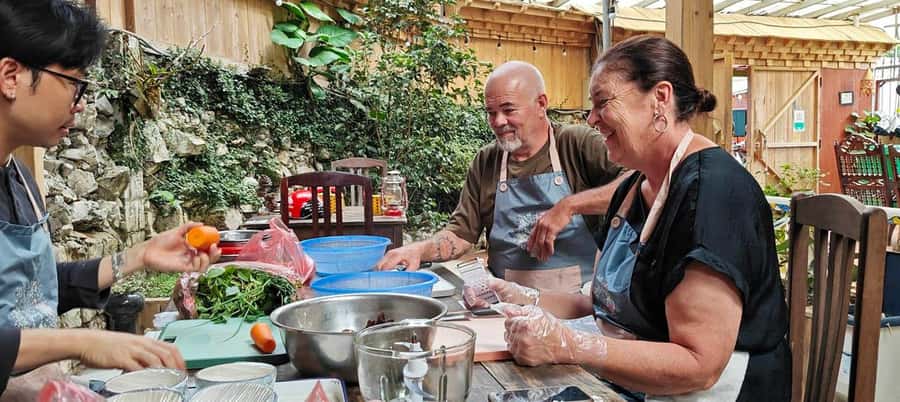
You’ll learn how to make Vietnamese spring rolls—chả nem or chả giò. The important part isn’t just the end product. You learn how spring rolls can be built with lots of different fillings.
The class highlights common filling ingredients like:
- vermicelli noodles
- leafy greens
- onion
- carrot
- bean sprouts
And yes, pork also shows up as a common filling option in Vietnamese cooking.
Here’s what you should take from that. Spring rolls are a flexible vehicle. You can keep the structure and swap the mix. That’s great news for vegetarians, because you can focus on vegetable-forward fillings and still get the Vietnamese flavor profile—sweet, savory, and fresh—without feeling like you’re missing something.
In class, you’re not just memorizing a list. You’re likely learning the workflow: how the filling mix comes together, how everything is portioned, and how the roll comes together as a finished bite. Since it’s hands-on, you’ll start to understand the difference between a filling that’s easy to work with and one that makes rolling a struggle.
One practical note: if your guide’s English is limited in your session, don’t worry too much. The best learning comes from watching what to do, then doing it. You’ll pick up the method faster than you’ll parse every word.
Tofu in Tomato Sauce (Đậu Sốt Cà Chua): Comfort Food With Tang
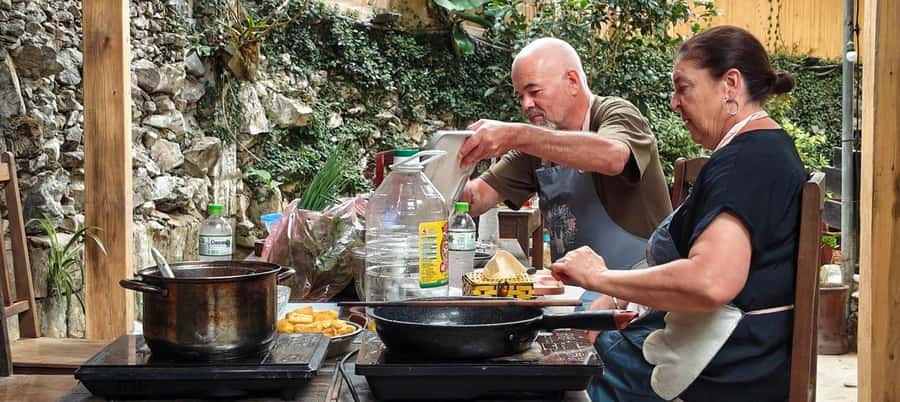
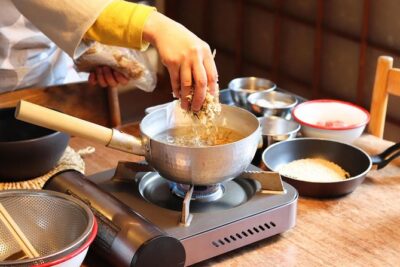
The second dish is tofu mixed with tomatoes simmered into a savory tomato sauce, called đậu sốt cà chua. This part of the class is especially appealing if you want something lighter than a fried meal, but still deeply satisfying.
What I like about tomato sauce tofu is how approachable it is. The dish is described as simple, tangy, and vegan-friendly. That matters because it’s the kind of Vietnamese home-style cooking you can actually repeat after your trip without needing fancy kitchen gear.
Also, tofu is forgiving. It soaks up flavor from the sauce and becomes part of the meal rather than staying bland. In other words: you get a dish that’s both comfort food and ingredient-practical.
From a skills perspective, this dish teaches you how Vietnamese cooks build a sauce-based meal. Instead of relying on complicated steps, the focus is on getting the tomato flavor right and letting it hang together with the tofu. It’s a great counterbalance to the spring rolls, which are more about texture and assembly.
If you’re a vegetarian, this is the dish that tends to feel immediately relevant. It fits easily into your routine back home: tofu, sauce, and a meal that feels like it took longer than it really did.
Plating Techniques and the Art of a Home-Style Meal
Some cooking classes stop at cooking. This one includes plating techniques, which might sound minor until you try to serve your food at home and realize presentation affects appetite.
Plating is also a quiet education. It shows you that Vietnamese meals are meant to look inviting and balanced. Even if you’re not making a restaurant plate, you’ll learn how to portion the spring rolls and serve the tofu so it looks like a real meal, not just items laid out on a tray.
This also changes your mindset while cooking. Instead of rushing to finish, you start thinking about how the final plate should work—what should be the centerpiece, what should be the supporting dish, and how the meal will be eaten.
And because it’s hands-on and served as part of the experience, you get to taste what you made. That feedback is worth more than any lecture. If the spring roll filling tastes off, you’ll feel it right away. If the tofu sauce needs more tang or balance, you’ll notice during the tasting stage.
Friendly Instructors and a Vibe That Helps You Learn
The teaching style can make or break a class. Here, the vibe you can expect is warm and upbeat. I’m especially happy when an instructor is both energetic and patient, because that’s usually where you learn fastest. The experience description includes a warm and welcoming setting, and the feedback you’ll hear aligns with that.
There’s also a practical human element: staff being friendly and accommodating. When someone needs a time change on the day, it’s a plus when the provider tries to work with you. That’s not food-related, but it affects how you feel. Stress-free planning makes it easier to enjoy the session.
One caution, again: English instruction quality can vary. If you need detailed explanations, go in with a plan to learn by doing. The class is structured to be interactive, so even when words aren’t perfect, the actions are still the guide.
Finally, this is run by Saigonese Trekking House. That name matters only because it suggests an established local operator, and you’re not rolling the dice on a fly-by-night setup.
Price and Value: Is $25 Actually Fair Here?
$25 per person isn’t a bargain price like a free class at a community center. It’s also not a luxury cooking tour price. It lands in the sweet spot when you look at what’s included: two full dishes, hands-on instruction, and the chance to visit a local market and prep fresh ingredients.
You’re paying for:
- learning two recipes (spring rolls + tofu in tomato sauce)
- getting guidance on ingredient handling and plating
- a vegetarian-friendly structure that gives you real options for a home menu
- an English-language class format
If you’ve done cooking classes before, you know how often you pay for a single dish and a brief tasting. Here, you’re learning twice. Even without the market stop, you’ll still leave with skills you can reuse, not just memories.
If the market is available during your booking and your schedule allows it, the value goes up. Ingredient prep turns into context, and context helps your cooking results back home.
Who Should Book This Cooking Class in Northern Vietnam
This class is a good fit if you want Vietnamese food that’s both practical and vegetarian-friendly. If you enjoy learning through food—buying ingredients, cooking side-by-side, then eating what you made—this will feel right.
It’s also a solid choice if you don’t want a full-day tour. The experience is food-centered and focused on two dishes, so it doesn’t sprawl into endless stops.
You might hesitate if:
- you expect very detailed lecture-style instruction and your guide’s English is limited in your session
- you dislike market environments and prefer to skip that optional part
- you’re looking for only one dish and want a deeper, longer cooking session of just that item
But if you want an efficient way to learn Vietnamese cooking basics you can repeat, you’re exactly the target.
Should You Book It? My Practical Recommendation
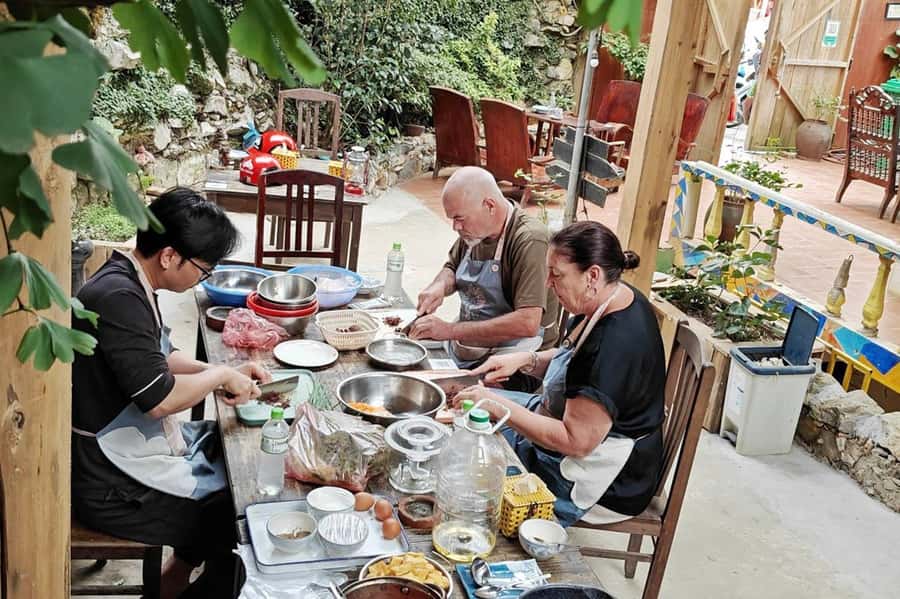
If you like hands-on cooking and you want two Vietnamese vegetarian-friendly dishes you can replicate later, I think this is an easy yes. The spring rolls give you structure and flexibility, while the tofu in tomato sauce gives you comfort and simplicity.
Book it especially if you care about learning beyond taste—like understanding ingredient choices and basic plating—because that’s what helps your home cooking look and feel right.
If you’re someone who needs lots of verbal explanation, don’t let that scare you, but do plan to lean on observation and participation. You’ll still get the practical value through doing.
FAQ
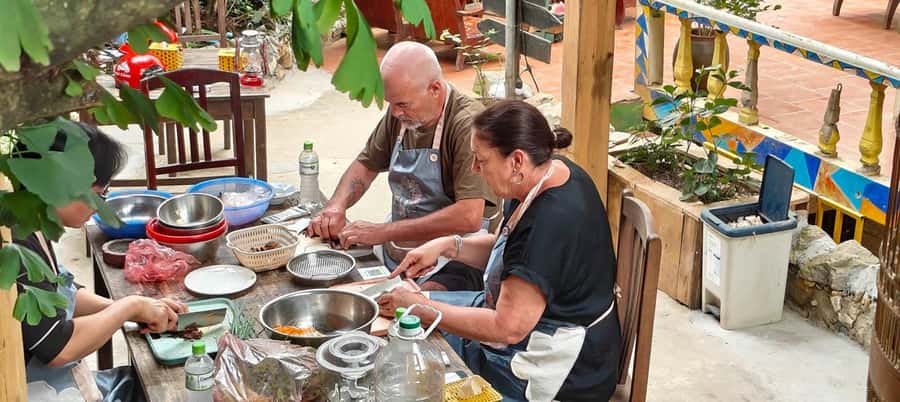
What dishes will I learn to make in this cooking class?
You’ll learn to make Vietnamese spring rolls (chả nem/chả giò) and tofu simmered in tomato sauce (đậu sốt cà chua).
Is this cooking class vegetarian or vegan-friendly?
The experience is described as perfect for vegetarians and Vietnamese vegetarian. The tofu in tomato sauce is described as a comforting vegan dish.
Is there a market visit during the class?
You have the option to visit a local market and prepare fresh ingredients from scratch, along with learning plating techniques.
How much does the class cost?
The price is $25 per person.
What language is the class taught in?
The class is listed as being in English.
Can I book and pay later?
Yes. The experience offers reserve & pay later, meaning you can reserve your spot and pay nothing today.
What is the cancellation window?
You can cancel up to 24 hours in advance for a full refund.