REVIEW · CHIANG RAI
Half-Day Thai Cooking Class with organic ingredients
Book on Viator →Operated by Suwannee Thai Cooking Class Chiangrai · Bookable on Viator
Chiang Rai cooking classes can be fun. This one is different because it starts with an organic market and then turns that shopping into real flavor in the kitchen. I like that you get hands-on cooking at your own station, and I really like the menu focus on classic dishes you can actually recreate later.
The biggest positive is the teaching style: Suwannee Thai Cooking Class Chiangrai keeps things organized, explains ingredients clearly, and can adjust heat levels for different comfort zones. One consideration: since it’s a hands-on class that ends with you eating what you make, plan for a longer bite of your day than a quick demo tour.
In This Review
- Key Things to Know Before You Go
- The Organic Market Tour That Makes the Cooking Click
- Your Hands-On Setup at a Small Group Station (Max 8)
- The Menu: Four Chiang Rai-Friendly Dishes You’ll Actually Cook
- Papaya Salad: Sour, Crunchy, and Built for Flavor Balance
- Tom Yum Soup: The Heat Comes with a Goal
- Chicken Green Curry: Aromatics, Creaminess, and Timing
- Banana Dessert: A Sweet Finish That’s Not Too Complicated
- What’s Included (and What to Plan for)
- Meeting in Old Clock Tower: Getting Oriented Fast
- Price and Value: What $56.66 Buys You Here
- Who This Class Suits Best (And Who Might Want a Different Option)
- Quick Tips to Make the Most of Your Day
- Should You Book This Chiang Rai Thai Cooking Class?
- FAQ
- What dishes will I cook in this Chiang Rai class?
- How long is the half-day cooking class?
- Does the tour include a market visit?
- Where does the class start and where does it end?
- Is soda or alcohol included?
- How big are the groups?
- Can I cancel for a full refund?
Key Things to Know Before You Go
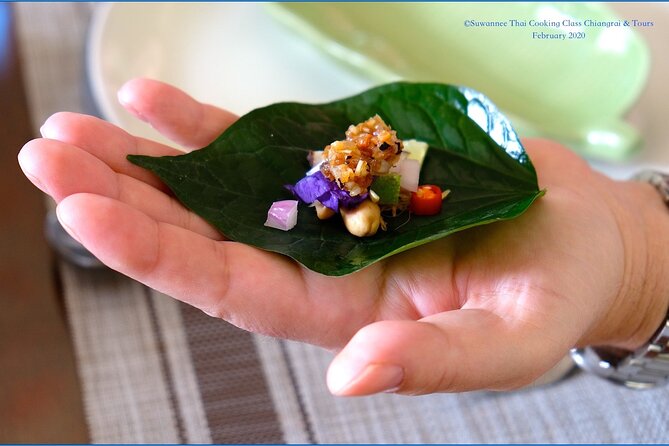
- Organic market tour first: shop for the ingredients you’ll cook with right away
- Hands-on stations: you cook (not just watch), alongside others in a small group
- A tight four-dish menu: papaya salad, tom yum soup, chicken green curry, and banana dessert
- Spice adjustment is built in: your teacher aims for everyone’s comfort
- Small group size (max 8): better attention and a calmer class feel
- You eat together: the class ends with the meal you prepared
The Organic Market Tour That Makes the Cooking Click
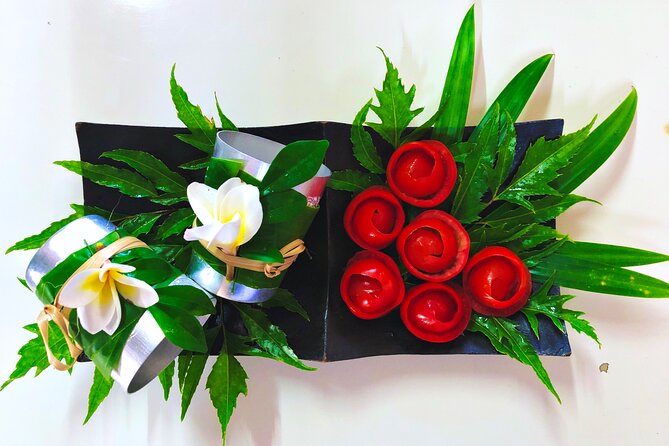
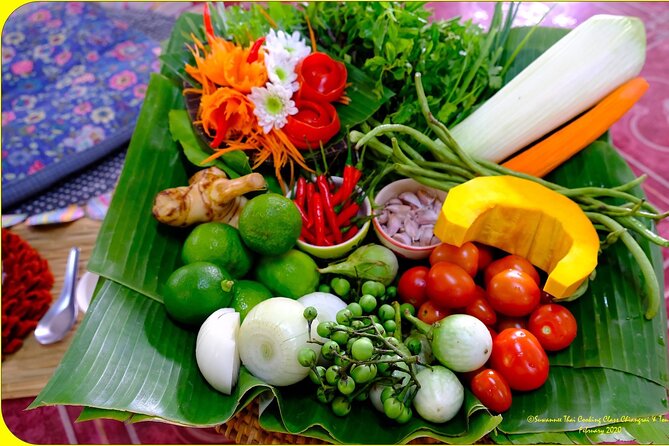
This class begins in Chiang Rai with a market stop where you shop for the organic ingredients used in your dishes. That matters more than it sounds. Thai cooking is heavy on fresh aromatics, sour ingredients, herbs, and the right balance of flavors, and you’ll understand why when you see and choose the inputs first.
The market portion also gives you context: how ingredients look, how they smell, and how they behave once they hit the pan. Suwannee is the guide here, and the strong theme from past students is that she explains ingredients in plain language before anyone starts cooking. That kind of explanation is what turns Thai food from a mystery into something you can repeat at home.
One practical tip for comfort: if you’re the type who eats a big breakfast, you might want to go lighter. The class includes snacks and fruits, and then you’ll eat the meal you cook—so arriving hungry is great, but arriving stuffed can make the last part feel long.
Your Hands-On Setup at a Small Group Station (Max 8)
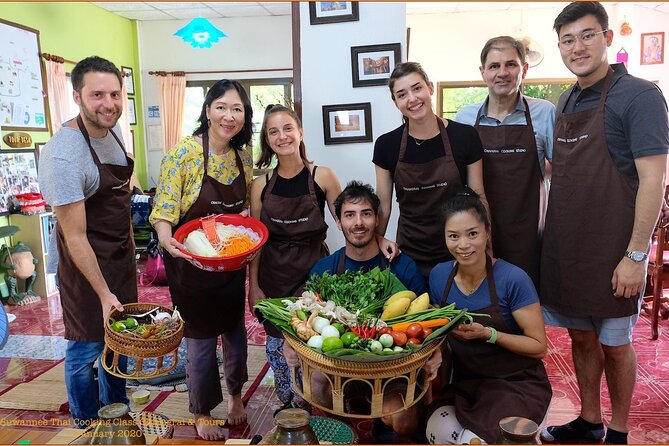
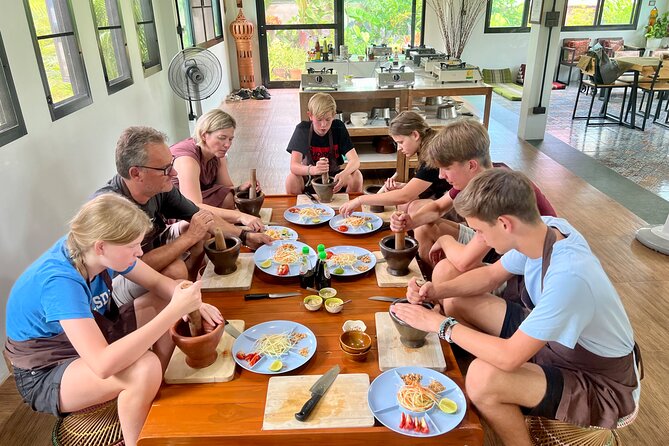
After the market, the class shifts into a hands-on cooking format. You don’t just get a recipe and a demo—you have your own cooking station. That keeps the class moving and helps you build confidence faster, especially if you’re not a confident cook.
The group stays small, capped at 8 travelers, which changes the experience. In a big class, one teacher can only help so much. In a small one, Suwannee can check what you’re doing, adjust pacing, and answer questions while you’re still in the middle of the steps.
Another nice touch is how the class handles spice. Multiple learners highlight that the teacher takes time to adjust the heat level for each participant. That means you can learn the dish correctly without being punished by chili if you prefer milder food.
The Menu: Four Chiang Rai-Friendly Dishes You’ll Actually Cook
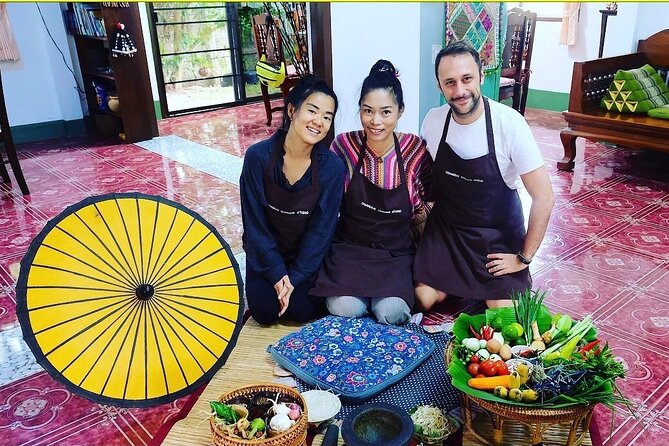
This half-day class is built around a clear menu: papaya salad, tom yum soup, chicken green curry, and banana dessert. It’s a smart mix. You get a sour-and-crunchy salad, a hot and fragrant soup, a creamy curry with herb depth, and a sweet ending that’s approachable.
You’ll also notice the class design encourages a shared flow—where you cook together rather than each person doing totally different recipes in isolation. One learner described selecting the menu together and then cooking in unison, and that’s the right vibe for a group class. It feels coordinated, and it helps you follow the steps without getting lost.
Papaya Salad: Sour, Crunchy, and Built for Flavor Balance
Papaya salad, or som tam, is one of those dishes that teaches you balance fast. The core lesson is getting the flavor profile right: sourness from tangy ingredients, saltiness, a savory backbone, and the peppery, herbal notes that make it feel alive.
In a market-based class, this is where your ingredient choices pay off. Fresh papaya, herbs, and seasoning components matter, and tasting the salad you’re building helps you learn what to adjust. Even if you’ve never made it before, the process tends to feel learnable because the dish is straightforward once the balance clicks.
Tom Yum Soup: The Heat Comes with a Goal
Tom yum soup has a reputation for being intense, but the class approach makes it more practical. You’re learning how Thai flavor is layered, not just how to make something spicy. The key is timing and seasoning—adding ingredients so the aroma develops instead of getting lost.
What’s helpful for you as a student: the teacher’s focus on why flavors and textures happen. Past learners mentioned a teaching style that includes the science behind cooking, like planning for taste, texture, color variety, and timing. That kind of explanation helps you understand the dish rather than just copying steps.
Chicken Green Curry: Aromatics, Creaminess, and Timing
Chicken green curry is where a class can either feel confusing or feel empowering. If it’s well taught, you learn how the curry paste acts like a flavor engine—then you learn how to balance it with coconut richness and the right finishing touches.
In this class, you’ll be cooking it hands-on, not watching from the sidelines. The biggest payoff here is that you’ll connect the dots between fresh aromatics from the market and the final curry flavor. And again, spice adjustment is part of the plan, so you can focus on learning the technique without getting overwhelmed by heat.
Banana Dessert: A Sweet Finish That’s Not Too Complicated
The banana dessert rounds out the meal with something familiar but still Thai. Dessert classes can be hit-or-miss when they feel like an afterthought. Here, it’s included as part of the main flow, which makes the day feel complete.
Even if you’re not chasing fancy pastry skills, this gives you a Thai sweet you can actually talk about and recreate with confidence later. Plus, it helps you end on a satisfying note after savory dishes.
What’s Included (and What to Plan for)
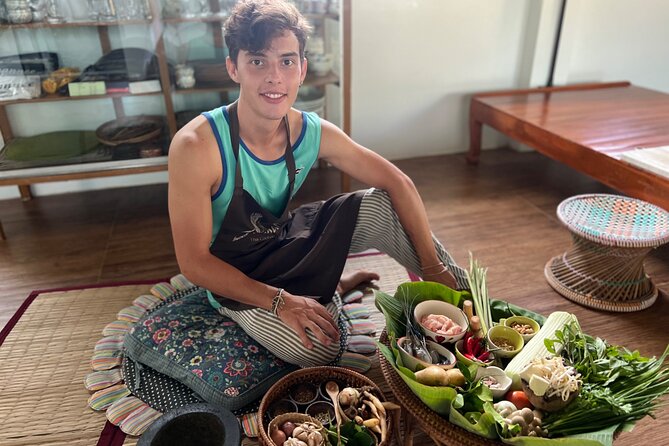
This cooking class includes complimentary drinking water, snacks, seasonal fruits, and a refreshing towel. That’s a solid baseline for a half-day program, especially in Chiang Rai’s climate.
Soda and alcohol drinks are not included. If you like having a drink with a meal, you’ll want to plan accordingly and budget separately.
The class also uses a mobile ticket, which is convenient if you travel light and keep everything on your phone.
Meeting in Old Clock Tower: Getting Oriented Fast
You start at the Old Clock Tower in Chiang Rai (WR6J+46F, Suk Sathit, Tambon Wiang, Amphoe Mueang Chiang Rai, Chang Wat Chiang Rai 57000, Thailand). You’ll also return back to the meeting point at the end, so you don’t need to worry about a separate drop-off location.
This matters for planning. If you’re pairing the class with temple visits or a night market, an out-and-back route is easier to build into your itinerary. The class window runs daily from 9:30 AM to 2:00 PM, and the duration is listed at about 4 hours 30 minutes.
Also, Suwannee Thai Cooking Class Chiangrai lists service animals as allowed. If that’s relevant for you, it’s good to see explicitly noted.
Price and Value: What $56.66 Buys You Here
At $56.66 per person (half-day, about 4.5 hours), you’re paying for more than a recipe sheet. You’re getting a structured lesson that combines:
- a market tour for ingredient learning
- hands-on cooking with a cooking station
- multiple dishes made and eaten as a shared meal
- small-group attention (max 8)
- organic-ingredient sourcing (as part of the market experience)
When a class is only a short demo, you’re mostly paying for entertainment. Here, you’re paying for participation and guidance, which is why the value feels stronger. You’ll leave with better technique, a clearer sense of ingredient roles, and a meal that feels like part of the lesson, not an add-on.
Another practical value point: this class is often booked about 8 days in advance on average. So if you’re traveling during a busy period, it’s worth booking earlier rather than assuming walk-in availability.
Who This Class Suits Best (And Who Might Want a Different Option)
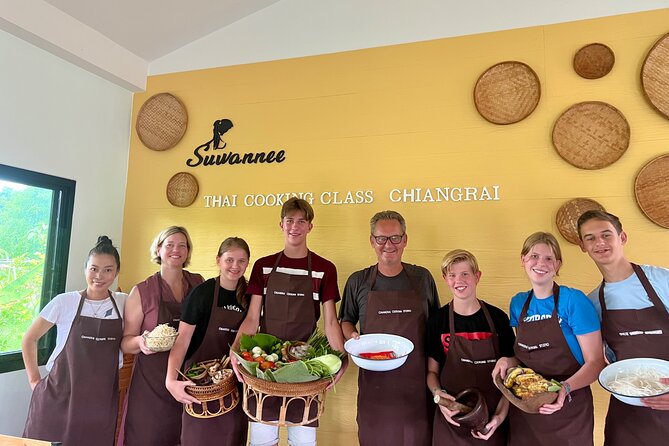
This works especially well if you want authentic Thai food without guessing. If you’re nervous in the kitchen, the class tone seems designed to welcome you. One review noted that even a couple who usually wouldn’t cook ended up feeling like chefs, and that fits the idea of a clear, guided workflow.
It also suits you if you care about ingredients. Starting at an organic market isn’t just a nice story—it’s a fast way to learn how Thai meals build flavor from real produce and herbs.
If you’re someone who prefers watching rather than doing, you might find a hands-on class a bit tiring. But even then, it’s likely worth it because the group size is small and the teacher adjusts pacing and spice levels.
Quick Tips to Make the Most of Your Day
A few small moves can make a big difference:
- Arrive on time so you don’t feel rushed during the market portion.
- If you’re sensitive to spice, you’ll get better results by telling Suwannee your comfort level early.
- Eat a normal breakfast, not a heavy one, since you’ll snack and then eat what you cook.
- Ask questions while you’re holding ingredients—this is when the explanations stick.
Should You Book This Chiang Rai Thai Cooking Class?
If you want a cooking class that feels practical, culturally grounded, and worth your time, I’d book it. The combination of an organic market tour and a hands-on lesson on four classic dishes is a strong pairing, and the small-group format with spice flexibility makes it beginner-friendly without being dumbed down.
Skip it only if you strongly prefer a viewing-only experience or if you have a schedule that can’t handle about 4.5 hours plus eating the meal. Otherwise, this is the kind of class that gives you real takeaways: how Thai flavors are built, why ingredients matter, and how to cook at home with fewer guesses.
FAQ
What dishes will I cook in this Chiang Rai class?
You’ll make papaya salad, tom yum soup, chicken green curry, and a banana dessert.
How long is the half-day cooking class?
The duration is listed at approximately 4 hours 30 minutes.
Does the tour include a market visit?
Yes. The class includes a market tour where you shop for organic ingredients before cooking.
Where does the class start and where does it end?
The class starts at the Old Clock Tower (WR6J+46F) and ends back at the meeting point.
Is soda or alcohol included?
No. Soda and alcohol drinks are not included.
How big are the groups?
This activity has a maximum of 8 travelers.
Can I cancel for a full refund?
Yes, you can cancel for a full refund if you cancel at least 24 hours in advance of the experience start time. If you cancel less than 24 hours before, the amount you paid will not be refunded.