REVIEW · SEOUL
Seoul: Royal Seoul Cooking Class in a 100-Year-Old Hanok
Book on GetYourGuide →Operated by PPGLOBAL · Bookable on GetYourGuide
Seoul can be loud. This cooking class slows everything down inside a beautifully kept, 100-year-old hanok near Insadong. In just two hours, you cook Korean favorites, then eat them in a true old-home dining setting.
I really like the small group setup (max 6). It keeps the pace friendly, and Chef Park can coach you step-by-step even if you’re new to cooking. I also like the menu structure: LA galbi as the default, plus hands-on items like fresh kimchi and haemul pajeon, finished with makgeolli and Korean desserts.
One thing to consider: the class is listed at 2 hours, but a few people found it runs a bit longer. If you’re stacking tight plans that evening, give yourself some breathing room—this experience is meant to feel like dinner, not a rush.
In This Review
- Key Highlights Worth Marking on Your Seoul Plan
- A 100-Year-Old Hanok Kitchen in the Middle of Insadong
- Chef Park’s Small-Group Classroom: How the Cooking Works
- What you’ll cook (default menu and options)
- The 2-Hour Flow: From Prep to Plates (and Why It Feels Manageable)
- LA Galbi and Korean Classics: What You’re Learning, Not Just Eating
- LA galbi: the centerpiece you can repeat at home
- Fresh kimchi: more than a side dish
- Haemul pajeon: texture and savory rhythm
- Tangpyeongchae: the finishing note
- Bangjja Bronzeware and Royal-Style Dining: The Part You’ll Remember
- Makgeolli and Desserts: Turning Dinner into a Cultural Moment
- Location Near Insadong: How to Find It Without Stress
- Price and Value: Is $96 Worth It?
- Who Should Book This Cooking Class (and Who Might Prefer Something Else)
- Quick FAQ
- FAQ
- What’s the duration of the Seoul royal cooking class?
- Is the class taught in English?
- What dishes are included in the default menu?
- Can I request dak galbi or a vegetarian menu?
- Where do I meet the group in Seoul?
- Is this class family-friendly for kids?
- Should You Book It?
Key Highlights Worth Marking on Your Seoul Plan
- 100-year-old hanok setting: a restored home atmosphere right in the city
- Max 6 people: more hands-on attention than big-group classes
- Chef Park teaches in English with clear, patient guidance
- Royal-style dining on bangjja bronzeware for that authentic feel
- Default menu is LA galbi, with dak galbi or vegetarian options on request
A 100-Year-Old Hanok Kitchen in the Middle of Insadong
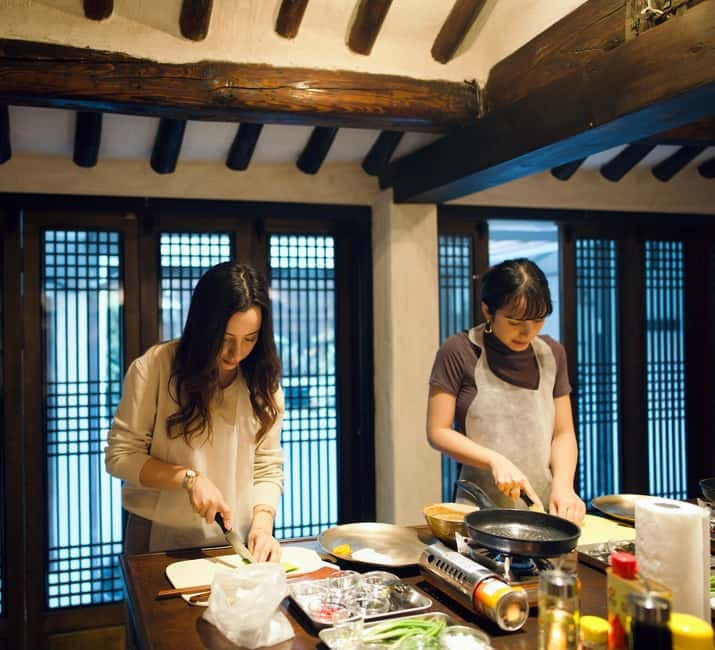
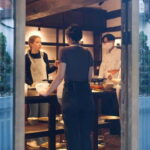
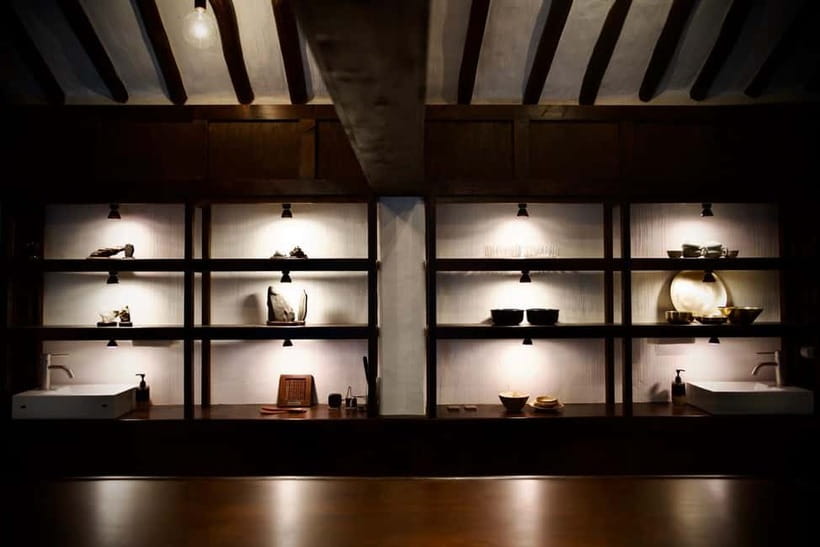
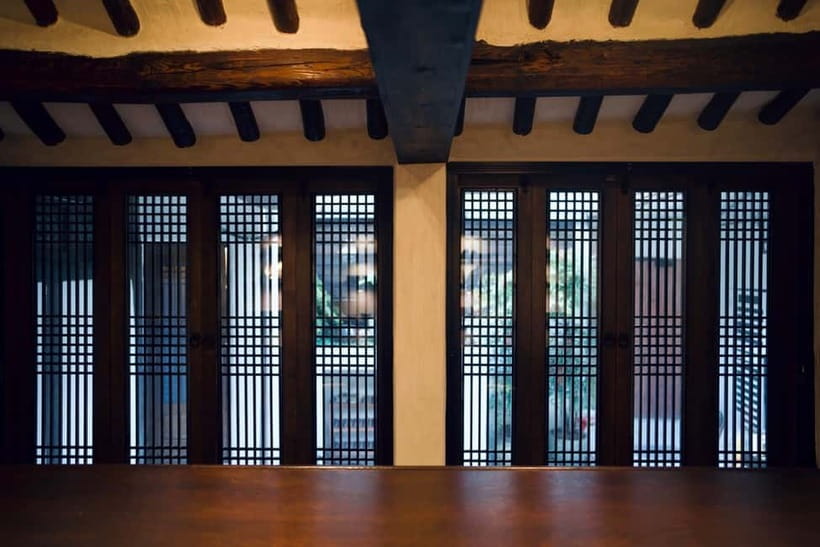
What makes this class special isn’t just Korean cooking—it’s where it happens. You’ll step into a 100-year-old hanok that has been preserved and modernized for comfort, so you get the look and feel of a traditional home without being uncomfortable for the full session.
This matters because a hanok changes how you experience the meal. You’re not standing at a counter in a studio where everything feels generic. Instead, you’re eating in a space designed for family-style sharing and slow conversation, with warmth from the traditional architecture and the real “home dinner” vibe. Several people specifically praised the peaceful break from Seoul’s fast pace, and that’s exactly what you should expect here.
The location also makes the experience feel practical. You’re near the palace area and in the Insadong orbit, meaning this can slot into a classic walking day rather than forcing a long cross-town trip.
You can also read our reviews of more tours and experiences in Seoul.
Chef Park’s Small-Group Classroom: How the Cooking Works
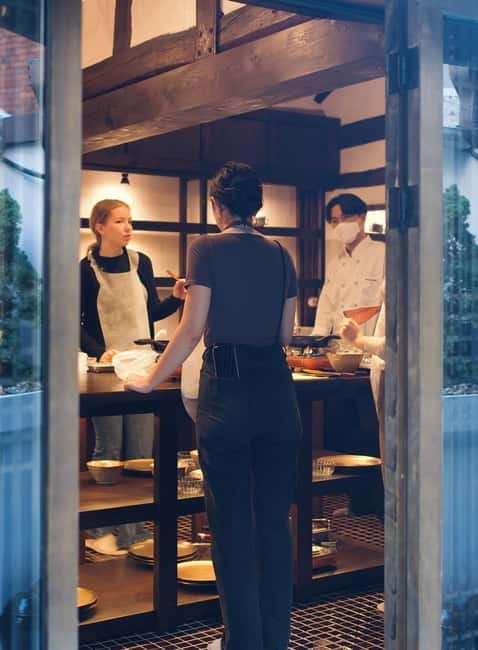
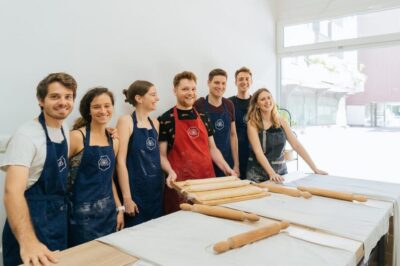
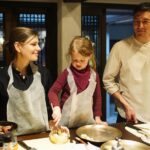
The class is instructor-led, English-speaking, and limited to 6 participants. That small size is the biggest quality upgrade you can pay for in a cooking class. With fewer people, you get more direct help, and questions don’t get lost in the noise.
Chef Park’s teaching style comes through clearly in the feedback: step-by-step instructions, patience with different skill levels, and lots of conversation. If you’re a true beginner, the menu is built to be doable, not show-off complicated. If you already cook, you’ll still get useful technique reminders—especially around Korean flavor building.
What you’ll cook (default menu and options)
The default menu is centered on LA galbi (beef ribs). Other dishes also come up in the experience, including:
- Fresh kimchi
- Haemul pajeon
- Tangpyeongchae
If you don’t want beef, you can request dak galbi (chicken) or a vegetarian option when booking. The class runs best when you sort dietary needs up front, since everything is tied to ingredient prep and portioning.
The 2-Hour Flow: From Prep to Plates (and Why It Feels Manageable)
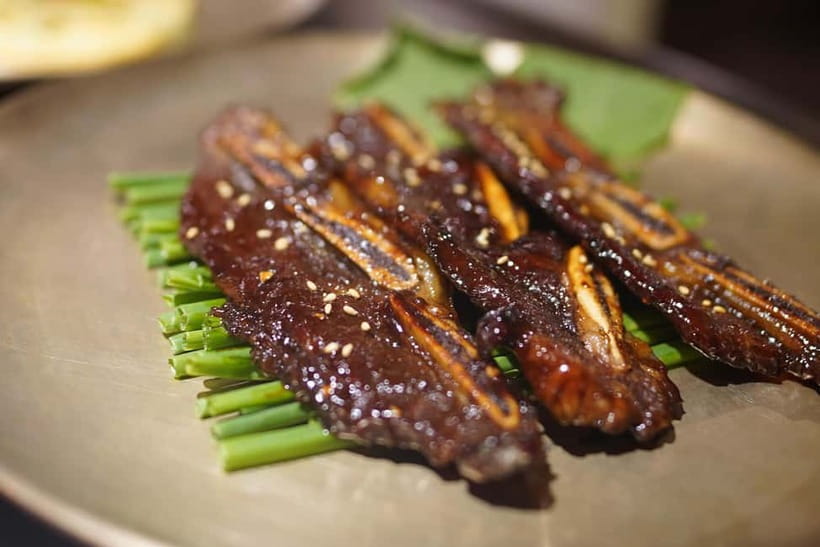
A good cooking class doesn’t just hand you recipes—it times the work so you’re cooking while things still taste fresh. The format here is clearly designed for that. You’re guided through crafting the dishes, using traditional techniques made simple enough to follow in real time.
Here’s the practical rhythm you can expect:
- You arrive and get oriented to the space and the plan for the meal.
- Hands-on cooking starts quickly, with clear instructions on what to do first.
- Key dishes get built in stages (kimchi work, savory pancakes like pajeon, and the BBQ-style galbi component).
- You sit down and eat once everything is ready, instead of leaving you to the “clean-up and hope” phase.
People repeatedly called out that the recipes were easy enough for novices but still interesting for food-focused cooks. That balance is worth paying attention to. In a lot of classes, either the food is too basic to matter—or it’s complex enough that beginners feel lost. This one aims for “confident cooking” rather than “stress cooking.”
One more timing note: the experience is listed as 2 hours, but some folks reported it can run a little longer. Plan your evening accordingly. I’d treat it as dinner time, not a quick stop.
LA Galbi and Korean Classics: What You’re Learning, Not Just Eating
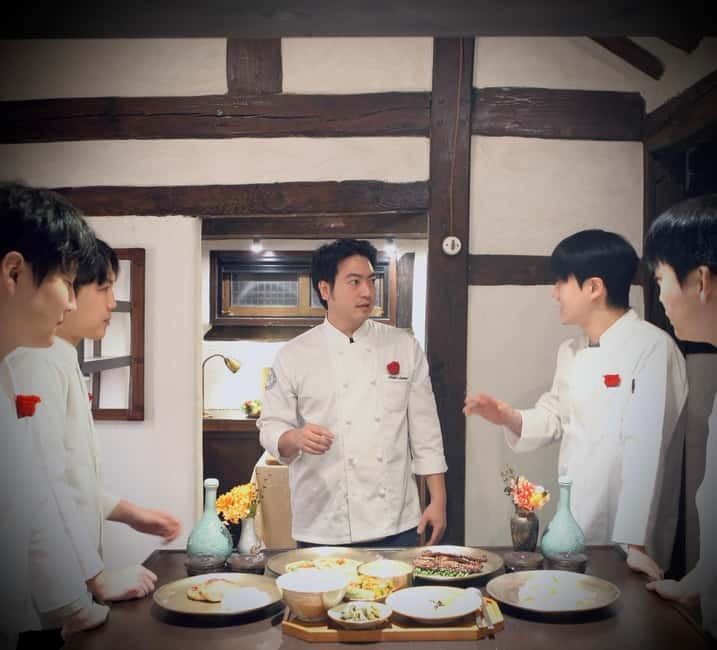
The meal centers on Korean flavors that are famous for a reason, and you’re not just tasting—you’re learning how they come together.
LA galbi: the centerpiece you can repeat at home
LA galbi is a great choice for a class because the flavor comes from a combination you can actually replicate later: marination, sweetness-salty balance, and how you handle the meat. When you cook it yourself with guidance, you get a better sense of what “good” looks like and why.
Fresh kimchi: more than a side dish
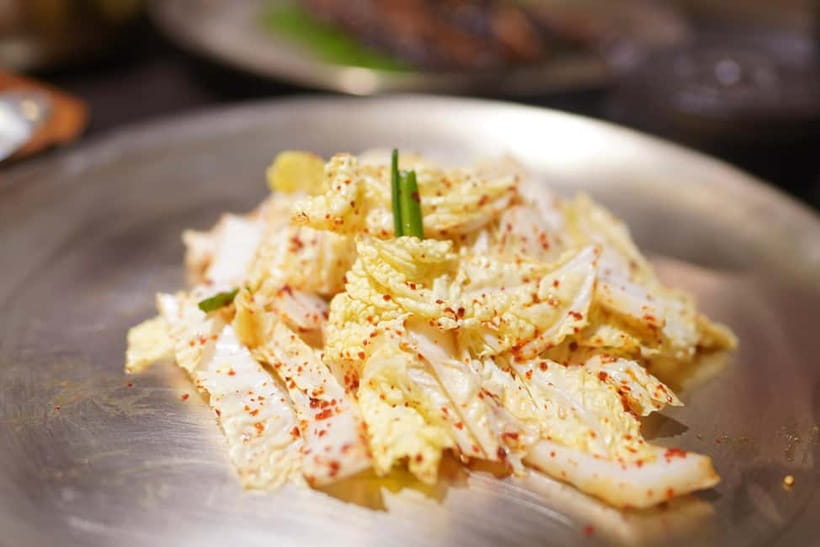
Kimchi is often treated like an add-on, but it’s the backbone of Korean fermentation flavors. Preparing fresh kimchi in class gives you a practical understanding of the seasoning and texture you should aim for—especially if you’ve only eaten it from a store container back home.
Haemul pajeon: texture and savory rhythm
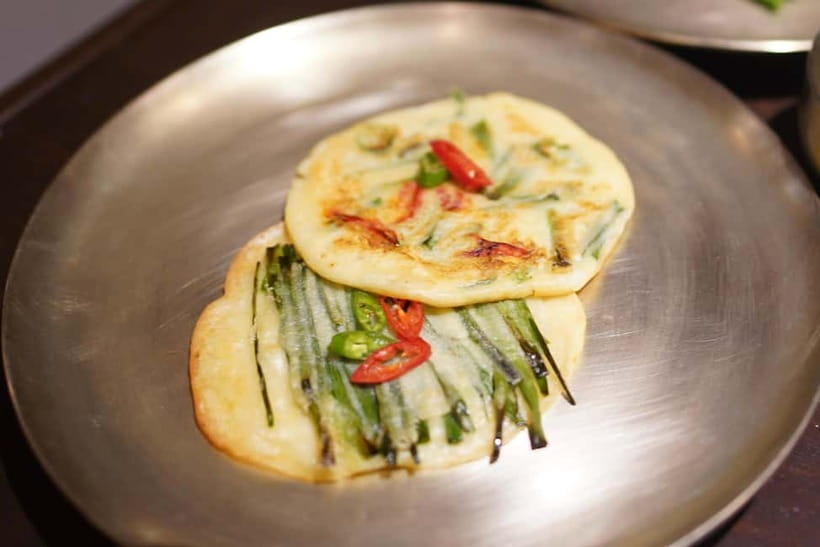
Haemul pajeon (seafood pancake) teaches you how to build a savory batter meal where texture matters. Even if you’re not a pancake person, cooking it in class helps you understand what makes it crisp outside and tender inside.
Tangpyeongchae: the finishing note
Tangpyeongchae rounds out the menu with a classic Korean vegetable dish. It’s a useful contrast to the heavier savory items, and it helps make the whole meal feel balanced rather than one-flavor heavy.
And then the bonus: Chef Park adds cultural context while you cook. The result is that your plate becomes a mini Korean history lesson—not in a boring lecture way, but in the way each dish has a reason to exist.
Bangjja Bronzeware and Royal-Style Dining: The Part You’ll Remember
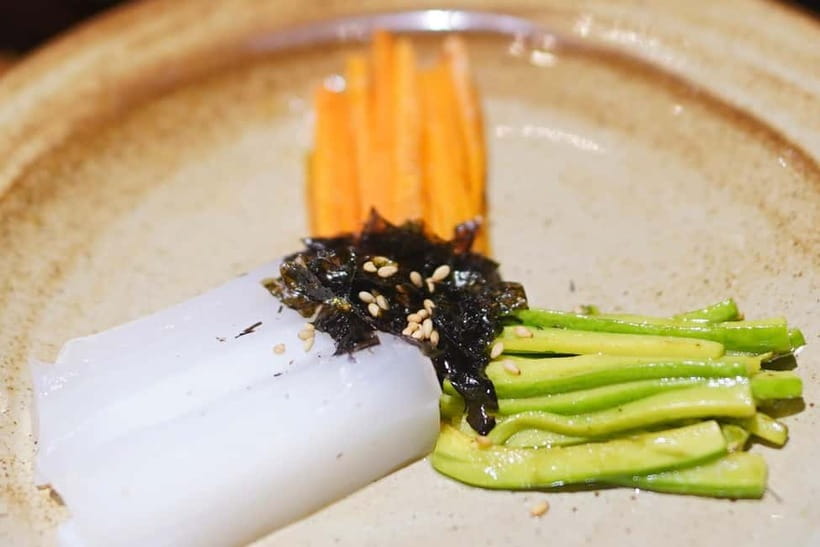
You don’t eat on generic plates here. The dining is on handcrafted bangjja bronzeware, which is part of what makes the “royal” theme feel real instead of marketing.
Bronzeware changes the vibe of the meal in a subtle way:
- It feels ceremonial and special without being overly formal.
- The dishes are served in a way that matches traditional Korean dining style.
- It makes you slow down and treat the meal like it matters.
People called this out directly: the plates and the dinner rhythm create that “royalty” feeling. Even if you don’t care about the theme, the experience of eating from authentic-looking cookware adds a layer of memory you usually don’t get from standard cooking classes.
Makgeolli and Desserts: Turning Dinner into a Cultural Moment
After the cooking, you’ll enjoy a glass of freshly brewed makgeolli. Makgeolli is a Korean rice wine with a slightly tangy, milky sweetness. Having it here matters because it’s not tacked on at the end like a random drink coupon. It’s part of the meal flow, tied to the traditional dining experience.
Then you’ll get assorted Korean desserts. This is a smart finish for a cooking class. Savory cooking is satisfying, but a sweet, traditional end helps you feel like you completed a full Korean meal—not just sampled dishes.
Most of all, Chef Park’s explanations make the food stick in your mind. You’re not only learning what to cook; you’re learning what each dish represents and how different elements fit together in Korean cuisine.
Location Near Insadong: How to Find It Without Stress
The meeting point is right behind the Insadong IBIS Ambassador Hotel. This is important because there are a few IBIS hotels in Seoul, and you want the one in Insadong.
Use this address as your anchor:
25, Samil-daero 32ga-gil, Jongno-gu, Seoul
서울시 종로구 삼일대로 32가길 25
If you’re planning a day around Insadong, I’d build in a little walking buffer. The class location is close to the area’s sights, but you still want time to locate the hanok entrance calmly rather than sprinting through narrow streets.
Price and Value: Is $96 Worth It?
At $96 per person for a 2-hour class, you’re paying for more than recipes. You’re buying:
- A small-group, max 6 experience (rare in this price range)
- Instruction by an English-speaking chef (Chef Park)
- Ingredients and guided preparation for multiple dishes
- Traditional dining setup on bangjja bronzeware
- A glass of freshly brewed makgeolli
- Traditional Korean desserts
A lot of cooking classes in big cities include only a partial meal or focus heavily on demonstrations. Here, you cook and then sit down to eat what you made, with drink and desserts included. For many people, that’s why it lands as a high-value experience: you leave full, confident, and with a real cultural memory—not just a takeaway recipe card.
Still, there’s one pricing reality to acknowledge: it’s not a budget workshop. If you’re trying to keep costs ultra-low, you may decide to do Korean food differently that day. But if you want hands-on instruction in a genuine hanok setting with a small group, this price starts to make sense fast.
Who Should Book This Cooking Class (and Who Might Prefer Something Else)
This is a great fit if you:
- Want a hands-on Korean meal, not a passive tasting
- Like small-group activities where you get real attention
- Prefer a calm, traditional setting over loud, touristy food stops
- Are curious about Korean culture through what you cook and eat
It also seems ideal for couples and solo travelers, since the group size keeps things comfortable. Several people noted it’s enjoyable even if you’ve never cooked much before, which is a big deal.
Two practical limits:
- It isn’t suitable for children under 10.
- You’ll want to plan your evening with a buffer since it may run a bit longer than the listed 2 hours.
Quick FAQ
FAQ
What’s the duration of the Seoul royal cooking class?
It runs for 2 hours, and starting times depend on availability.
Is the class taught in English?
Yes. The instructor speaks English.
What dishes are included in the default menu?
The default menu is LA galbi (beef ribs), and the class also includes dishes such as fresh kimchi and haemul pajeon, plus tangpyeongchae.
Can I request dak galbi or a vegetarian menu?
Yes. The default is LA galbi, but you can request dak galbi or a vegetarian option when booking.
Where do I meet the group in Seoul?
Meet right behind the Insadong IBIS Ambassador Hotel in Insadong. The address is 25, Samil-daero 32ga-gil, Jongno-gu, Seoul.
Is this class family-friendly for kids?
It is not suitable for children under 10 years.
Should You Book It?
If you’re in Seoul and want Korean food with real context, this is an easy yes. You get a true hanok setting, hands-on cooking with Chef Park, small-group attention (max 6), and you finish with makgeolli plus dessert on bangjja bronzeware.
Book it especially if you’re a beginner or you want to come home with more than an Instagram photo—something you can actually recreate. Just give yourself an extra hour of slack at the end, since the experience can run a little past the listed timing.