REVIEW · PAROS
Paros: Greek Cooking Class with Full Meal
Book on GetYourGuide →Operated by MTM Experiences · Bookable on GetYourGuide
Paros cooking with a chef is a shortcut to confidence. In this 4-hour class, you cook step by step, taste what you make, and finish with Parian wine with a full meal. I especially like that it is hands-on from the first chopping session to the last sweet bite, not a sit-and-watch show.
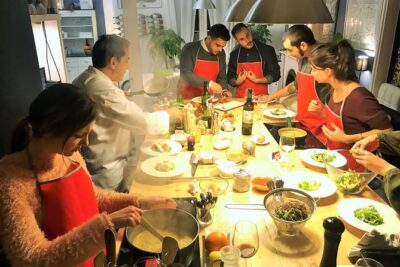
I also love the way the team keeps things lively and practical. You’ll work on a multi-course menu together (from savory starters through dessert), with plenty of kitchen helpers so you can actually do the work. One more thing I value: it feels like a group dinner that happens to teach you real skills.
One possible drawback: class size can get busy. When the group is large, you may not get one-on-one attention for every tiny question, so it helps to come ready to ask your top priorities.
In This Review
- Key things I’d plan around
- Paros Greek Cooking Class: What You Actually Learn in 4 Hours
- The Chef Team and the Class Energy (Maria, Vivian, and Their Helpers)
- Menu Walkthrough: From Savory Starters to Baklava
- Appetizer-style Greek food: pies, feta, and herbs
- Main-course skills: fish, chicken, and classic Greek techniques
- Mezze and sides: dolmades and potato salad
- Dessert: baklava you can understand, not just admire
- Parian Wine With Dinner: How It Works Without Taking Over
- Location and Timing: Getting to the Pickup Point Smoothly
- Accessibility and Comfort: What to Wear and How to Prepare
- What You Take Home: Recipes and the Skill Behind Them
- Who This Cooking Class Is Best For
- Price and Value: Does $136 Make Sense?
- Should You Book It? My Decision Rule
- FAQ
- How long is the cooking class?
- Is the class taught in English?
- What food and drink are included?
- Is pickup available from my hotel area?
- Can I cancel for a full refund?
- Is the experience wheelchair accessible?
Key things I’d plan around
- A full meal, not a snack: you finish by eating what you cooked.
- Recipe take-home is the point: you leave with instructions meant for home cooking.
- Wine service with the meal: Parian wine shows up at the table.
- English-led cooking: you can follow along clearly.
- You get help in the kitchen: sous-chefs and assistants keep stations moving.
- You might learn more than cooking: some sessions include Greek dance.
Paros Greek Cooking Class: What You Actually Learn in 4 Hours
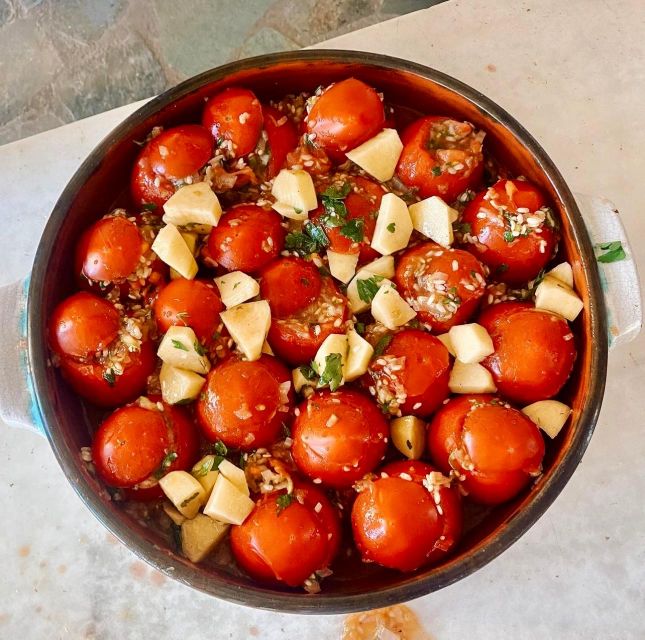
A cooking class in Paros sounds like an activity. It plays more like training for your next Greek meal at home. In roughly 4 hours, you go from raw ingredients to plating, and you learn the flow of a Greek menu in a way that sticks.
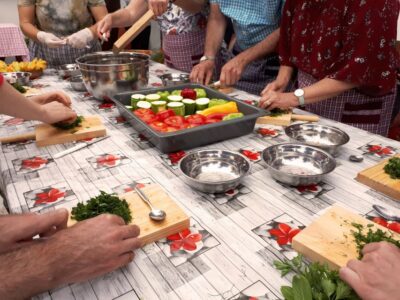
The big advantage here is that the class is built around doing. You are not just tasting; you are making. That turns common dishes like spinach pie and baklava from “I’ve heard of that” into “I can make that.”
You can also read our reviews of more tours and experiences in Paros.
The Chef Team and the Class Energy (Maria, Vivian, and Their Helpers)
The warmth matters, because you’re cooking with strangers—then eating together like you’ve known each other longer. Multiple sessions are led by a strong host figure (for example, I’ve seen classes mention Maria and Vivian), supported by a crew of assistants and sous-chefs who keep the work moving.
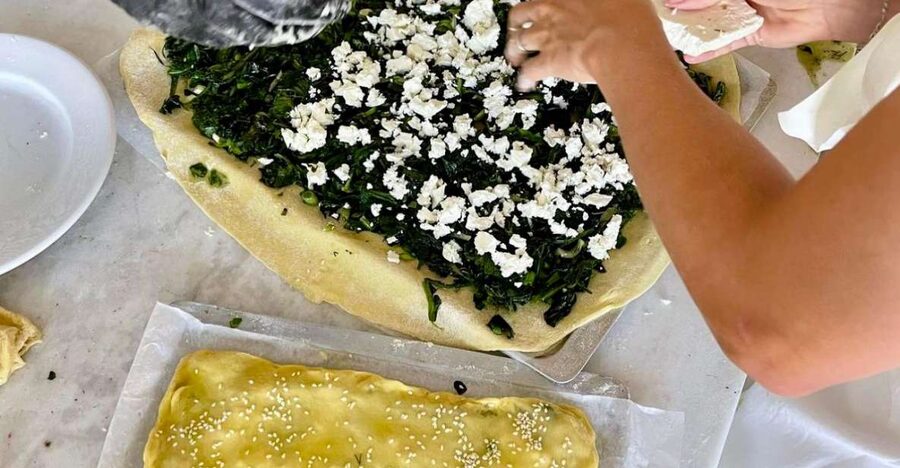
That staffing makes a difference. When one person is rolling dough or prepping fish, someone else is there to help with the next step. You’re more likely to stay busy, learn each stage, and not spend the afternoon waiting.
And yes, the vibe can get loud. One group experience includes singing and dancing moments, so if you like a day that feels like dinner party meets cooking workshop, this fits the bill.
Menu Walkthrough: From Savory Starters to Baklava
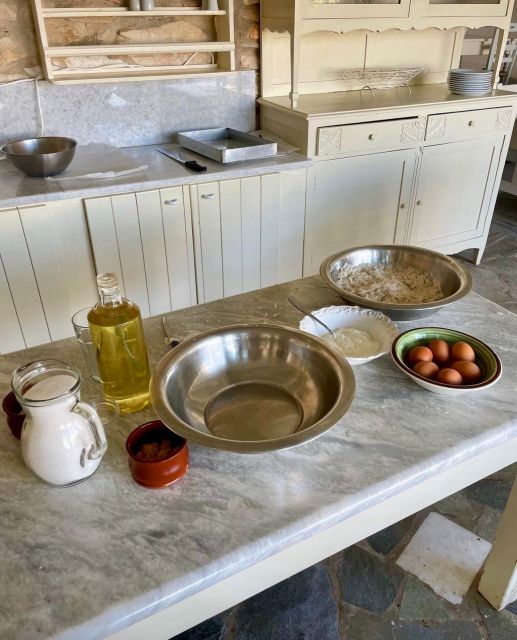
The class is a full meal, and the menu tends to follow the Greek pattern: savory first, then the heavier mains and sides, then dessert. Exact dishes can vary, but you can use these examples to picture what you’ll likely handle.
Appetizer-style Greek food: pies, feta, and herbs
A common thread is working with feta and greens in pie form. You might make something like spanakopita or a feta and spinach pie, which is a great entry point because it teaches dough handling and moisture control. You also learn why the seasoning matters—salt, herbs, and the right balance in the filling.
Main-course skills: fish, chicken, and classic Greek techniques
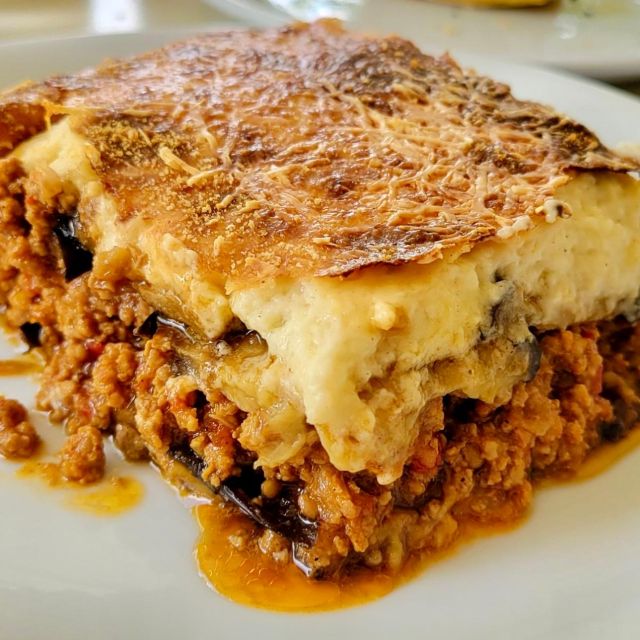
From there, the class often moves into mains that let you practice cooking methods rather than just assemble. You may work with sea bream fillets or other fish, or with chicken preparations. You may also see a layered or baked dish approach like moussaka or other cooked-in-the-pan comfort food styles.
One fun detail from a past session: the instruction included a memorable correction tied to how the dish is seasoned (not the name of a paper). That kind of real-time cue is exactly what helps you avoid repeating mistakes at home.
Mezze and sides: dolmades and potato salad
Greek meals often lean on small plates. This class sometimes includes dolmetes (dolmades), plus sides such as potato salad. Even if you think you already know potato salad, you’ll likely learn how the Greeks season it and what they treat as essential flavor.
Dessert: baklava you can understand, not just admire
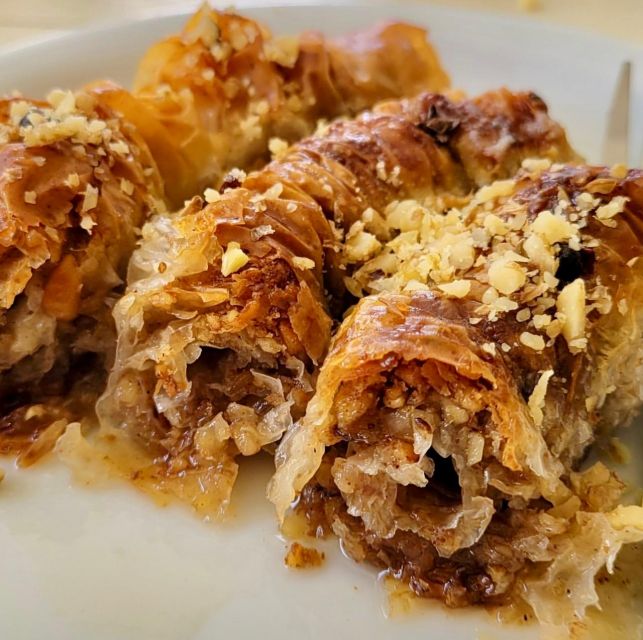
Dessert is where many classes lose people. Here, dessert is part of the craft. Baklava shows up in past menus, and the value is learning the process behind it—layering, sweetness, and how it all comes together so it isn’t mysterious when you try it again.
Parian Wine With Dinner: How It Works Without Taking Over
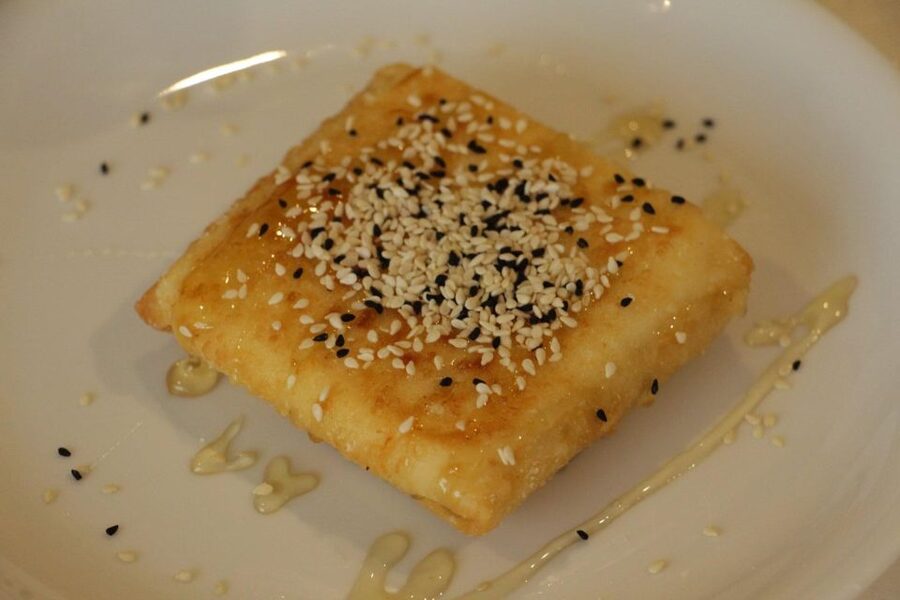
The meal isn’t just food; it’s food with Parian wine. The experience is designed so the wine supports the sitting-down part, not the cooking part. In prior sessions, wine service has been described as generous, with carafes kept coming during the meal.
That matters because the class is structured like a celebration. You work, you taste, and then you eat with what you made. If you’re planning to drive or rent a scooter later, treat the wine like any other “yes, I’ll have it” moment. Enjoy it, but plan your next step accordingly.
Location and Timing: Getting to the Pickup Point Smoothly
This is a practical activity for an island day. You’ll have pickup optional from your hotel area if you select it, but the pickup may not be right at your exact door—especially if your accommodation isn’t easy to access. In that case, the team sets a pick-up point within a short walk.
You’ll get an email with the exact pickup point and time. Do yourself a favor and line it up in your calendar the moment the email arrives. If you don’t receive it in the final 24 hours before the tour starts, you’ll need to contact the operator so you don’t end up guessing.
Arrive about 5 minutes early to the pickup point. In a class like this, the goal is to start cooking on time, not to wait while everyone scrambles.
Accessibility and Comfort: What to Wear and How to Prepare
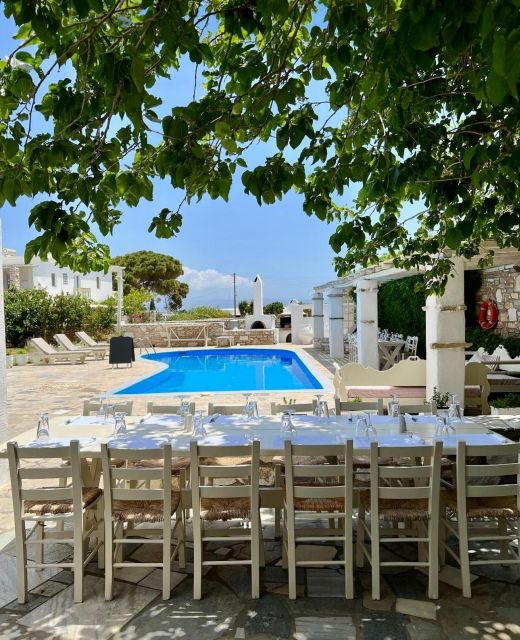
Wheelchair access is listed, so the event is set up with that in mind. Even if you don’t use accessibility services, you’ll be happier if you dress for real kitchen time.
Wear comfortable shoes. You’ll be on your feet while prepping and cooking, and you’ll likely stand near active stations. Bring a light layer if the room runs cool—kitchens can swing from warm to chilly depending on ventilation.
Also, come hungry. You are making the meal and then eating it. If you snack beforehand, you’ll still enjoy the class, but you’ll miss some of the satisfaction of tasting the finished dishes at the table.
What You Take Home: Recipes and the Skill Behind Them
The best souvenir is not a magnet. It’s technique plus a recipe sheet you can follow later. The class is designed so you can recreate what you made at home.
You’ll learn more than ingredients. You’ll learn the order of operations: when fillings go in, how to handle dough, how seasoned food should taste while cooking, and how long certain components take. Those cues are what help you repeat a dish without having to guess.
One practical note: if you’re relying on recipe materials sent by email, double-check you receive what you need after the class. If something is missing, it’s worth flagging it promptly so you can get the full set.
Who This Cooking Class Is Best For
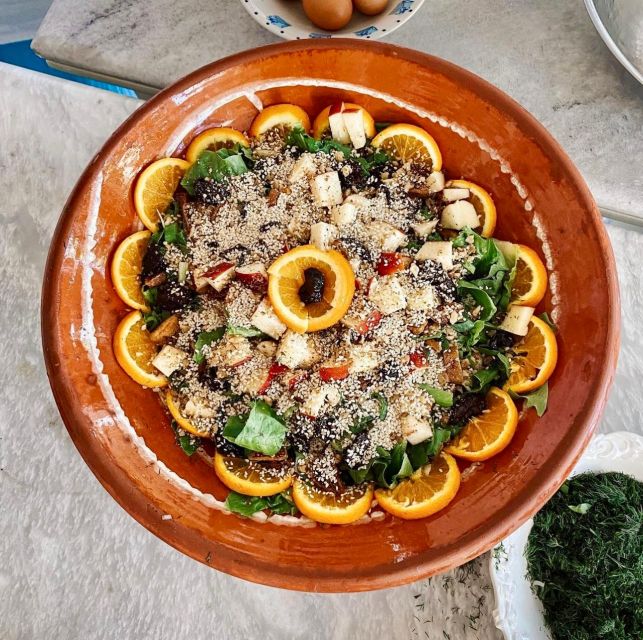
This is a great fit for people who want a structured day that still feels social. If you like eating where you’ve helped cook, and you enjoy learning by doing, you’ll have a strong time.
It’s also a good pick for couples or close friends because you get shared work at the same table. Several past experiences describe it as a highlight for pairs, and the group nature helps even if you’re visiting solo.
If you hate group settings, you might find the energy a little too fast. And if you need very quiet, one-on-one instruction, plan to come with clear questions and a flexible mindset about learning in a group.
Price and Value: Does $136 Make Sense?
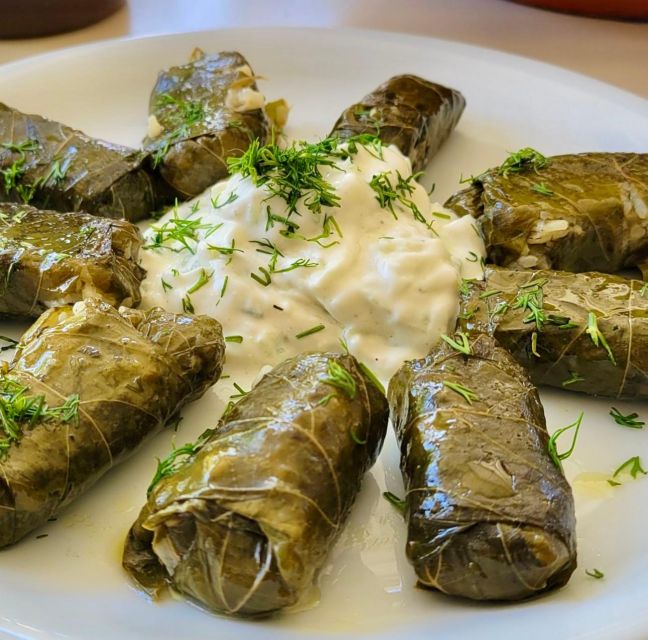
At $136 per person for about 4 hours, you’re paying for four things: guided instruction, ingredients and cooking support, a full meal, and wine service. That package can be good value in Paros because you’re not just buying food—you’re buying time, expertise, and an experience you can take home.
If you only wanted a meal, a restaurant would be cheaper. But if your goal is to learn how to recreate dishes like spinach pie, dolmades, potato salad, and baklava, the cost can feel more fair. You’re leaving with recipes and with a clearer sense of how Greek cooking is built.
Should You Book It? My Decision Rule
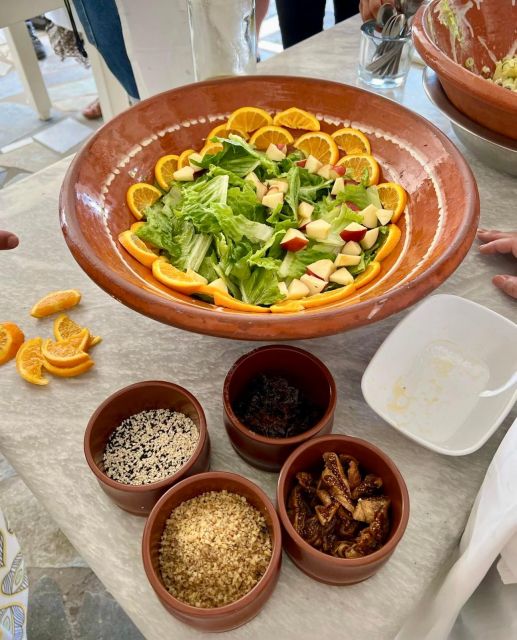
Book it if you want a day that blends cooking, eating, and friendly social energy—and you care about learning dishes you can actually reproduce. This class is also worth considering if you’re the kind of person who travels to cook, not just to look.
Skip it (or compare alternatives) if you’re very sensitive to group noise, or if you need lots of quiet, personal coaching. In a busy class, your learning will still happen, but it may not feel perfectly tailored to every question you bring.
If you go, do two things. Pick one or two dishes you want to master before you arrive, and ask about the small steps that make the biggest difference. That’s how you turn a fun night into real kitchen confidence.
FAQ
How long is the cooking class?
The experience lasts about 4 hours.
Is the class taught in English?
Yes. The instructor and class are described as English-speaking.
What food and drink are included?
A full meal is included, along with Parian wine served with the meal.
Is pickup available from my hotel area?
Pickup is optional. If pickup is not possible directly at your hotel (for example, due to accessibility), you’ll be given a pick-up point a short walking distance away. You’ll receive an email with the pickup point and time.
Can I cancel for a full refund?
Yes. Free cancellation is available up to 24 hours in advance for a full refund.
Is the experience wheelchair accessible?
Yes, the activity is listed as wheelchair accessible.