REVIEW · KYOTO
Near Fushimiinari: Kyoto Home Cooking Class & Supermarket tour
Book on Viator →Operated by Japanese cooking class & walking tour · Bookable on Viator
Cooking in a real Kyoto house feels personal.
This home-cooked lunch class near Fushimi Inari is hands-on, not a sit-and-watch demo, and you’ll get to cook about five dishes yourself. I also love the added supermarket ingredient tour, because it turns Japanese cooking from a mystery into something you can repeat at home.
One consideration: there’s no hotel pickup, and the class starts at 9:30 am, so you’ll want a simple plan to get to the meeting point by public transport. The upside is the class size is capped at six, so you can ask questions and get help while you cook.
In This Review
- Key things that make this class worth your time
- Kyoto Home Cooking Near Fushimi Inari: What You’re Really Getting for the Price
- Entering a Traditional Japanese House: Tatami, Tokonoma, and Garden-View Lunch
- Hands-On Cooking With Dashi: About Five Dishes You Actually Make
- Taking Home Recipes (Not Just Memories)
- The 30-Minute Supermarket Tour: Learn to Shop Like a Local
- English-Led Class With Licensed Guide Interpreters
- Timing, Meeting Point, and Getting There Without Stress
- Price vs. Value: Why This Feels Like a Deal If You Want Skills
- Who This Cooking Class Suits Best (And Who Might Skip It)
- Should You Book This Near Fushimi Inari Cooking Class?
- FAQ
- What is the duration of the Kyoto home cooking class and supermarket tour?
- Where does the experience meet and start?
- What time does the class begin?
- How many people are in the group?
- Is the class taught in English?
- What’s included in the price?
- Are drinks included?
- Is there hotel pickup or drop-off?
- Does the class include a visit to a supermarket?
- What if the weather is bad?
Key things that make this class worth your time
- Small group (max 6), so you’re not stuck waiting for answers
- Dashi basics first, so Japanese cooking makes more sense later
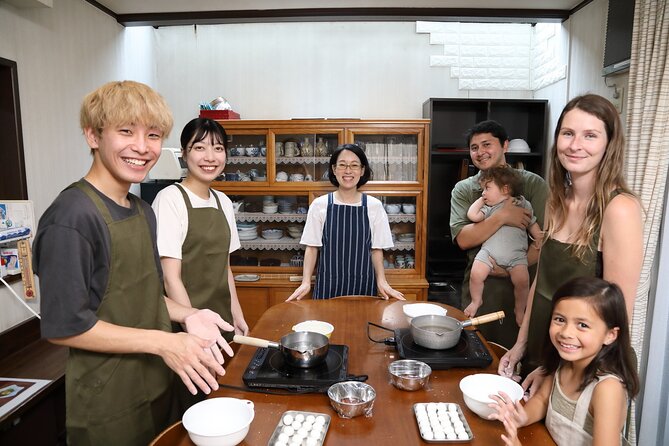
- Hands-on cooking of ~5 dishes in a real Japanese home kitchen
- Lunch in a traditional room with a garden view and tatami flooring
- About 30 minutes in a local supermarket to find what you used
- Recipes to take home, so you can cook the same dishes again
Kyoto Home Cooking Near Fushimi Inari: What You’re Really Getting for the Price
At $118.92 per person for about four hours, you’re paying for more than a cooking show. You get a full lunch, all seasonings and ingredients used in class, an English-speaking instructor, and a short supermarket run where you can identify and buy the items you cooked with.
In Kyoto, a lot of food experiences focus on tasting. This one focuses on learning the workflow: how Japanese dishes are built, what ingredients matter, and how to shop for them without guessing. That matters if you plan to cook after your trip.
The schedule is also built for a practical day. You start at 9:30 am and end back at the meeting point, which makes it easier to pair this with a morning of sightseeing around Fushimi Inari Shrine. No hotel pickup means you won’t waste time, but it also means you control your transport.
You can also read our reviews of more tours and experiences in Kyoto.
Entering a Traditional Japanese House: Tatami, Tokonoma, and Garden-View Lunch
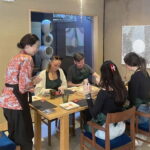
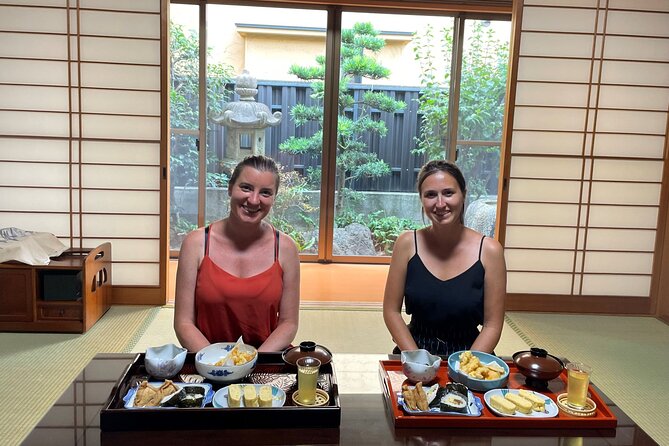
You’ll be in an older Japanese home, not a studio kitchen. Expect a traditional room with tatami mat flooring and a tokonoma display area, plus a peaceful garden view while you eat. Those details aren’t just decoration. They help set the rhythm of the class, so the meal feels like part of daily life, not a staged activity.
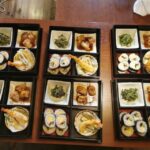
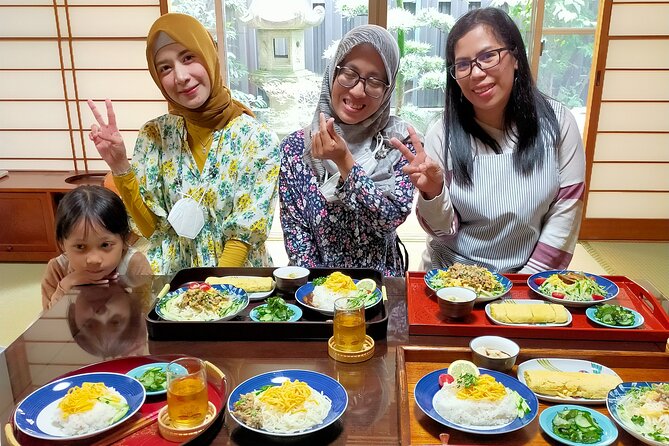
The flow also matters. You cook in the kitchen, then you all sit down together to enjoy what you made in the traditional room. That sitting-and-eating portion is often the moment where things click, because you can taste while the techniques are still fresh in your mind.
Clean, well-kept spaces also make a difference in a hands-on class. Several guests specifically call out how clean the room and kitchen area felt, which makes it more comfortable to relax and focus on cooking.
Hands-On Cooking With Dashi: About Five Dishes You Actually Make
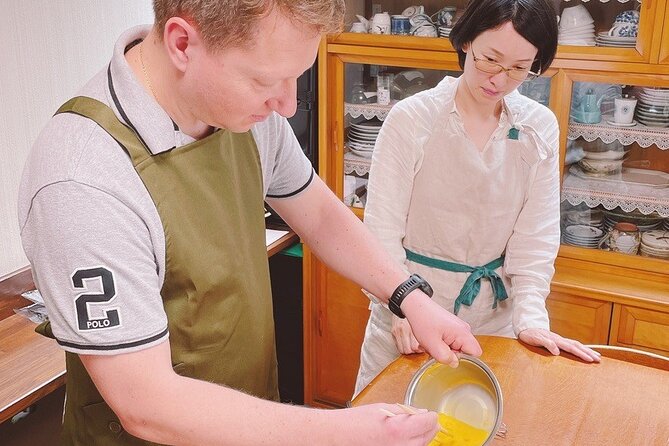
The class starts with a key ingredient: dashi, Japanese soup stock. Dashi shows up in a lot of Japanese cooking, so learning the basics early gives you a framework. Even if you don’t remember every step, you’ll understand why certain flavors show up again and again.
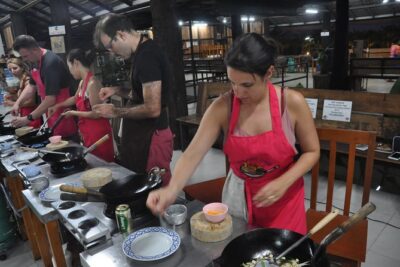
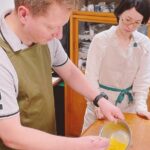
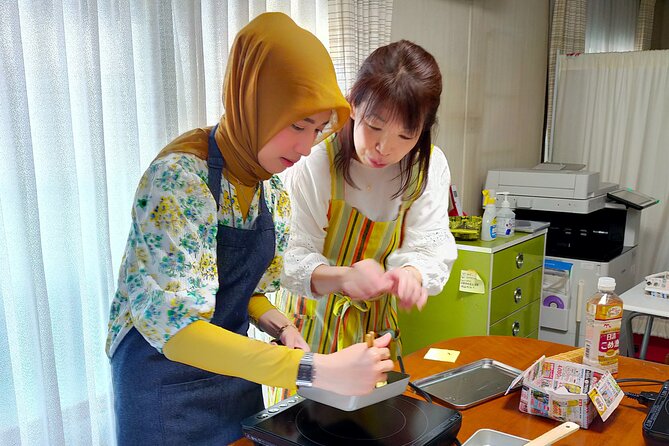
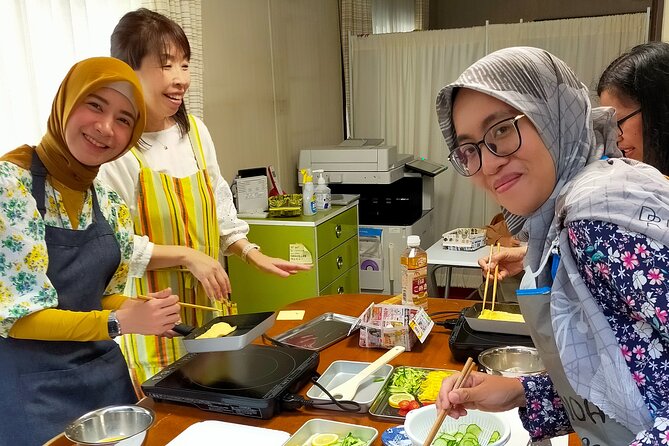
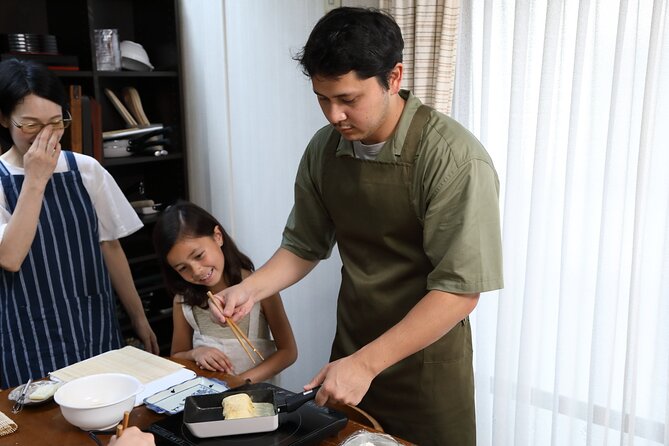
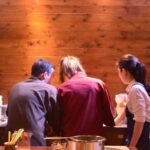
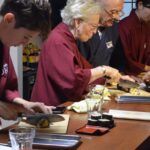
After the intro, you’ll prepare around five dishes either by yourself or with your partner. The instructor demonstrates, then you take over and do the cooking. This is one of the biggest reasons the class gets strong ratings: you get time at the stove and counter, not just a lecture.
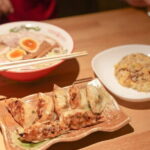
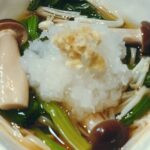
From the dishes that have been mentioned, you might cook items like miso soup, matcha elements, sushi, a spinach salad, and tempura. You may also end with mochi that you make yourself, including mochi treats like mochi ice, depending on what’s in the lesson that day.
What I like about this structure is that it teaches technique through variety. Miso soup helps you grasp umami and balance. Tempura teaches heat control and batter handling. Sushi gives you a feel for seasoning and assembly. Even a salad or matcha component reinforces that Japanese cooking isn’t only about cooking meat—it’s about sauces, seasonings, and timing.
Also, because the group is capped at six, you’re more likely to get quick feedback while you’re working. That’s huge for skills like seasoning and texture, where one small adjustment changes the result.
Taking Home Recipes (Not Just Memories)
You’ll eat what you cook, but the real long-term value is that you leave with recipes. Guests mention receiving recipe information afterward, which is exactly what you want if your goal is to recreate dishes after you’re back in your own kitchen.
This is where the supermarket stop connects. If you only get instructions but don’t know what to buy, Japanese cooking can be frustrating. With recipes and ingredient knowledge from the store, you’re more likely to buy the right items and use them in the right way.
If you’re traveling solo, this also gives you a nice souvenir that isn’t a magnet. You get a set of practical “try this at home” instructions, not just a photo from the tatami room.
The 30-Minute Supermarket Tour: Learn to Shop Like a Local
After lunch, you’ll head to a local supermarket together for about 30 minutes. This part is shorter than a full shopping spree, but it’s targeted: you’re there to find the ingredients you used in the class.
Why that’s valuable: Japanese grocery stores can feel confusing the first time. Packages, names, and labels don’t always translate cleanly from English, and Japanese cooking uses specific items that don’t have one-to-one Western substitutes. The instructor helps you connect each dish you cooked to the exact ingredients you’ll need later.
You’ll also have the option to buy ingredients to prepare the same dishes for family or friends. Even if you don’t buy everything, you’ll come away with a clearer sense of what to look for on your next trip to a Japanese market—especially for things like dashi-related items, miso, and other core pantry ingredients.
One practical advantage for solo travelers: you’re not trying to translate everything alone. The tour format turns “shopping in Japan” into a guided, low-stress learning moment.

English-Led Class With Licensed Guide Interpreters
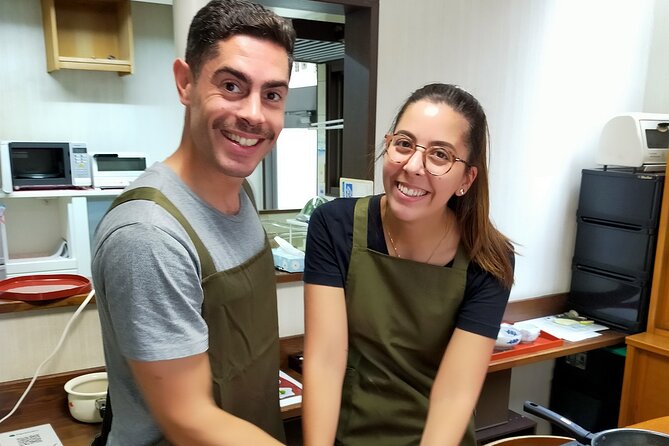
The class is conducted entirely in English, and instructors are described as licensed guide interpreters. That’s a good sign for clarity, because it usually means you’ll get more than basic directions—you’ll get context and explanations in a way that’s easy to follow.
That also helps non-English speakers in the group, since the materials and instruction are designed so everyone can understand the steps. In practice, this tends to reduce confusion during the “now you do it” parts, which is where most cooking classes fail.
If you’re the kind of traveler who likes to understand why something works, this approach is a win. Dashi at the start, techniques during cooking, and ingredient explanations in the supermarket all reinforce each other.
Timing, Meeting Point, and Getting There Without Stress
The class starts at 9:30 am at 38-4 Fukakusa Watamorichō, Fushimi Ward, Kyoto, 612-0022. It ends back at the meeting point.
Because there’s no hotel pickup or drop-off, plan to reach the meeting location using public transport. The good news: it’s listed as near public transportation, so you should be able to get there with a normal Kyoto transit plan rather than relying on taxis.
The tour also requires good weather. If weather is poor, the experience may be canceled, with an option for a different date or a full refund. Given the supermarket stop is outdoors at least in part, this makes sense.
Also note that the class includes lunch, but drinks aren’t included. If you’re someone who likes coffee or tea during downtime, you’ll want to plan for that separately.
Price vs. Value: Why This Feels Like a Deal If You Want Skills
Let’s be blunt: $118.92 is not cheap for Kyoto. But when you break it down, the value comes from what’s included.
You’re getting:
- A full home-cooked lunch
- Ingredients and seasonings used in class
- An English-speaking, interpreter-style instructor
- A short supermarket tour to identify and potentially buy the same ingredients
If you’re mostly looking to eat well, Kyoto has plenty of options that cost less. This class is for you if you want a skill you can reuse. The recipes, the dashi foundation, the hands-on cooking, and the ingredient matching in the store are what justify the price.
And because the group is limited to six, you get more time and attention. That’s often where the “value” in cooking classes really lives.
Who This Cooking Class Suits Best (And Who Might Skip It)
This is a great fit for:
- Solo travelers who want structured conversation with like-minded people
- Food-focused travelers who like to learn techniques, not just taste
- Visitors who plan to cook at home and want recipes plus ingredient guidance
- Travelers who want a comfortable English-led experience in Kyoto
It can also work for people with dietary needs. One guest noted the class can cater to vegetarians, so if that matters to you, it’s smart to mention it when you book.
You might consider skipping if:
- You want a free-form, wandering food day rather than a structured class
- You rely heavily on hotel services and would rather not navigate to a local meeting point on your own
- You’re very short on time in Kyoto and can’t spare four hours
Should You Book This Near Fushimi Inari Cooking Class?
If you like hands-on learning, and you want to leave with recipes plus a clear sense of what to buy, I’d book it. The combination of dashi fundamentals, cooking around five dishes yourself, lunch in a traditional space, and the supermarket tour is exactly the kind of “do it, then repeat it” experience that lasts longer than a meal.
If your priority is only Instagram-ready views, there are easier ways to spend a morning near Fushimi Inari. But if your goal is Japanese cooking you can actually recreate, this class is one of the better ways to spend time in Kyoto.
FAQ
What is the duration of the Kyoto home cooking class and supermarket tour?
The class runs for about 4 hours.
Where does the experience meet and start?
It starts at 38-4 Fukakusa Watamorichō, Fushimi Ward, Kyoto, 612-0022, Japan.
What time does the class begin?
The start time is 9:30 am.
How many people are in the group?
The tour has a maximum of 6 travelers.
Is the class taught in English?
Yes. The classes are conducted entirely in English.
What’s included in the price?
Lunch is included, along with all fees and taxes, all seasonings and ingredients for cooking, an English-speaking instructor, and a supermarket tour for about 30 minutes.
Are drinks included?
No. Drinks are not included.
Is there hotel pickup or drop-off?
No. Hotel pickup and drop-off service is not included.
Does the class include a visit to a supermarket?
Yes. After the meal, you’ll explore a local supermarket together for about 30 minutes to find ingredients used in the lesson.
What if the weather is bad?
The experience requires good weather. If it’s canceled due to poor weather, you’ll be offered a different date or a full refund.