REVIEW · HOI AN
Hoi An/Da Nang: Vietnamese Cooking Class with Transportation
Book on GetYourGuide →Operated by HOI AN FOOD TOUR · Bookable on GetYourGuide
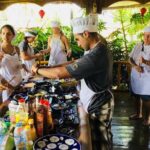
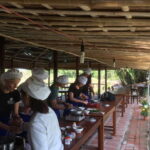
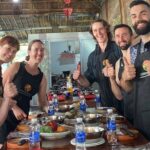
Stop sightseeing and cook. This cooking class in Hoi An or Da Nang is interesting because it’s truly cooking-focused, and you finish by eating the food you made yourself. I love that the format is hands-on and interactive, and that you get an English-speaking guide walking you through each recipe. The only real drawback: if you’re hoping for a market stop, farming tour, or a boat outing, this is a kitchen session with zero detours.
You’ll have about 150 minutes to 3 hours to chop, mix, cook, and plate. The menus differ by city and (in Da Nang) by day, but the goal stays the same: learn Vietnamese flavor profiles you can recreate later at home, not just sample dinner. With hotel pickup and drop-off included, it’s a simple plan that fits a busy trip, even for families, since the activity is family-style and time-efficient.
In This Review
- Key Things That Make This Class Worth Your Time
- Cooking-Only Central Vietnam: The Big Advantage
- Hoi An: Cam Thanh Coconut Village and a Menu Built for Flavor
- Da Nang: The 146 Đoàn Khuê Venue and Day-Based Menus
- What the 150 Minutes Really Look Like
- The Four Dishes You’ll Cook, and the Skills You’ll Take Home
- Spring Rolls (Crispy and Controlled Frying)
- Bánh Xèo (The Pancake That Tests Your Timing)
- Papaya Salad or Mango Salad (Balancing Acid, Salt, and Crunch)
- Beef Noodle Soup or Quang Noodle (Aromatics and Building Blocks)
- Family-Friendly by Design (Even If You’re Not a Chef)
- Transport and Timing: Why the Setup Helps More Than You Think
- Price and Value: $22 for Real Cooking Time
- Who Should Book This Cooking Class
- Should You Book It in Hoi An or Da Nang?
- FAQ
- How long is the Vietnamese cooking class?
- How many dishes will I cook?
- What dishes are included in the Hoi An class?
- What dishes are included in the Da Nang class?
- What time do the classes run in each city?
- Is hotel pickup and drop-off included?
- Do I need to choose transportation, or is it automatic?
- Is the guide available in English?
- Is the class wheelchair accessible?
- What is the cancellation policy?
Key Things That Make This Class Worth Your Time
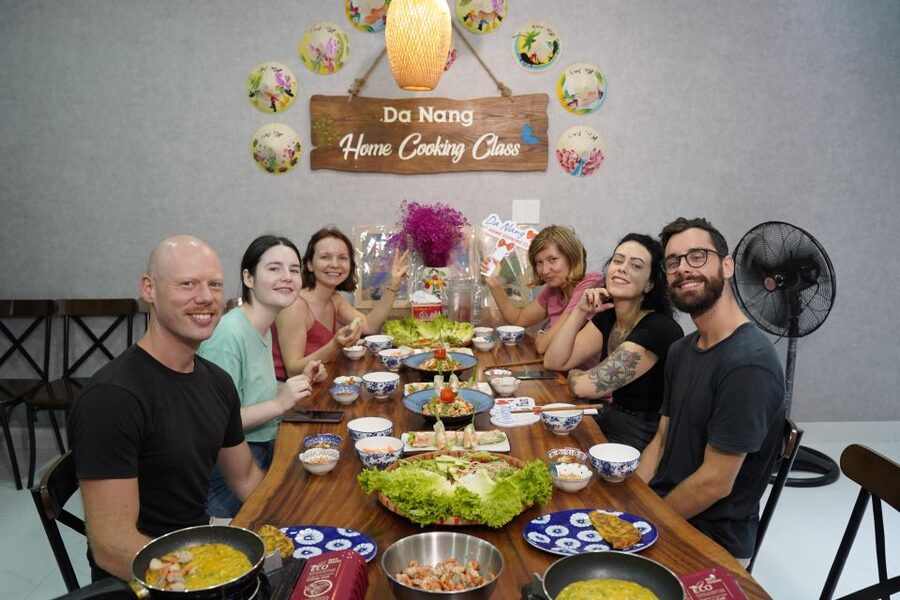
- Cooking-only focus: no market, no farming, no basket-boat add-ons, just recipes and technique.
- You make four dishes: enough variety to learn a full range of Vietnamese flavors.
- English instruction and step-by-step pacing: helpful if you’re new to cooking or traveling with kids.
- Transport handled for you: hotel pickup and drop-off is widely rated as on time.
- Portions keep coming: come hungry, or you’ll feel stuffed before you finish learning.
Cooking-Only Central Vietnam: The Big Advantage
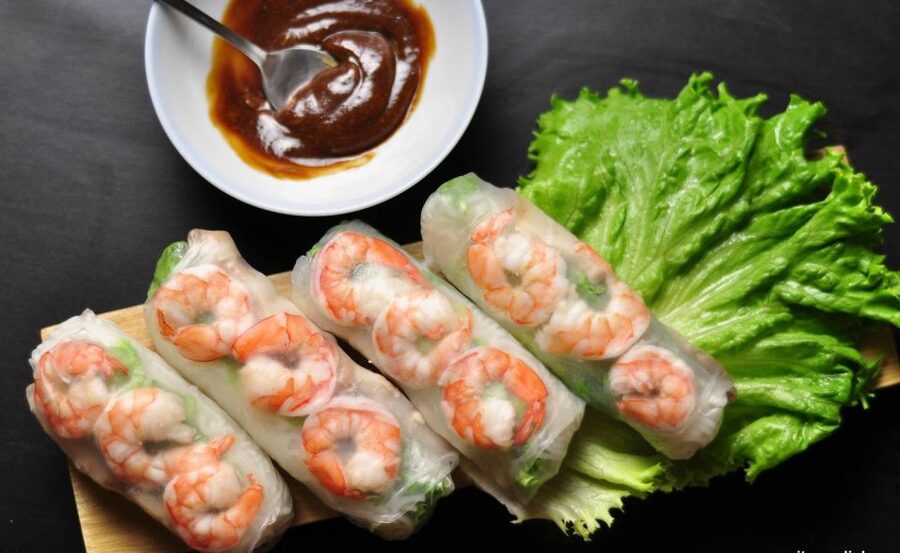
The most practical thing about this experience is what it does not do. There’s no checklist of sightseeing stops. Instead, your day centers on one job: cook Vietnamese food with your guide and then taste it while it’s still fresh.
That matters because cooking classes often fall into two buckets. Some are entertainment with a few bites at the end. Others are real lessons, where you repeat steps, learn what to watch for, and go home with methods you can use again. This one is built for the second type.
You also get a nice rhythm. You’re not trying to sprint across town. Pickup, transfer, cooking, eating, then back to your hotel. The class runs long enough to be satisfying, but short enough that you’re not sacrificing an entire day.
You can also read our reviews of more tours and experiences in Hoi An.

Hoi An: Cam Thanh Coconut Village and a Menu Built for Flavor
In Hoi An, the class runs at Cam Thanh coconut village area, with set start times at 10:30 am and 4:30 pm. If you like your food lessons to feel calm and not rushed, this timing is a good match. A mid-day option keeps you from stacking too many activities, and the late-afternoon option pairs well with dinner plans afterward.
Hoi An menu options focus on classic, recognizable Vietnamese comfort flavors:
- Beef noodle soup
- Deep-fried spring roll
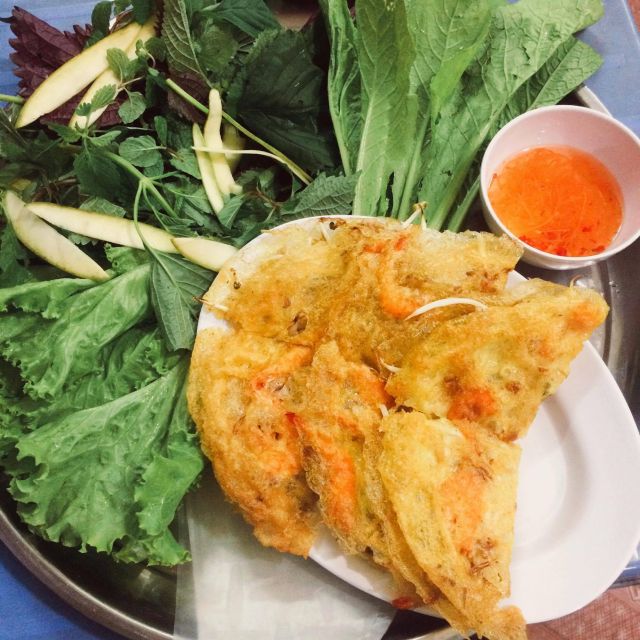
- Hoi An Pancake (Bánh Xèo) with pork and prawns
- Green papaya salad
Why this menu works: it teaches you contrasting textures. You learn something crisp (spring rolls), something savory and pancake-like (Bánh Xèo), something tangy and bright (green papaya salad), and something aromatic and soothing (beef noodle soup). That mix helps you understand Vietnamese cooking as more than one “style.”
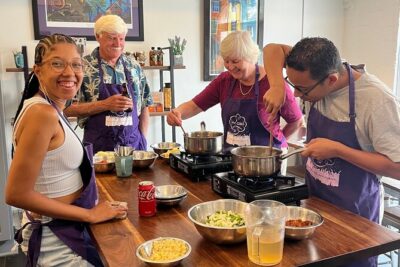
Also, at least one Hoi An session has been described as a small group class. Smaller groups usually mean you get more attention while you’re chopping or frying, and fewer long waits at the stove.
Da Nang: The 146 Đoàn Khuê Venue and Day-Based Menus
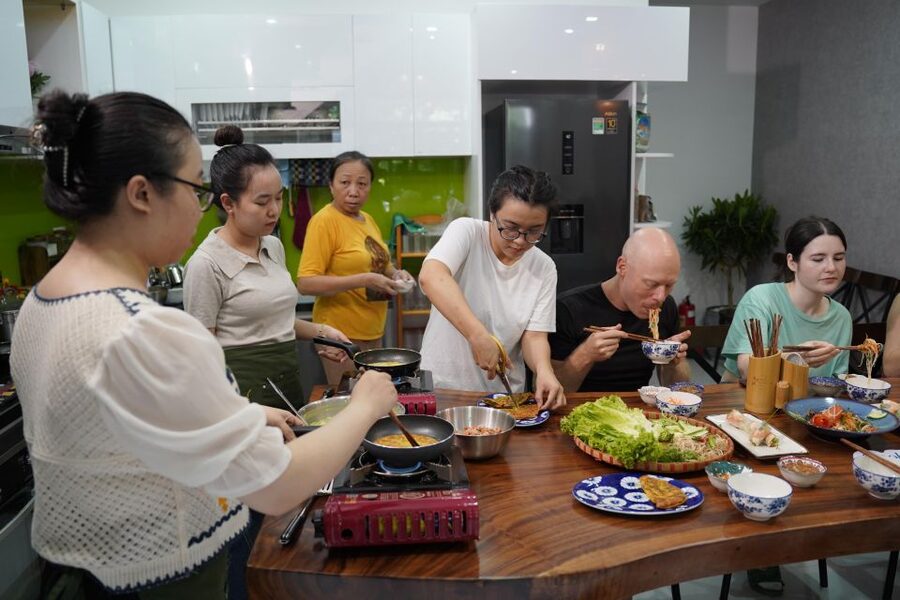
Da Nang runs from a specific city venue at 146 Đoàn Khuê, Phường Khuê Mỹ, Quận Ngũ Hành Sơn, Da Nang city, with class times at 9:30 am and 3:30 pm. If you’re staying in Da Nang, this convenience can be the difference between a cooking class that feels easy versus one that becomes an all-day mission.
Da Nang also has two menu sets depending on the day:
- Menu 1 (Mon, Wed, Fri): Quang Noodle; Fish sauce chicken wing; Green papaya salad with shrimp; Deep-fried spring rolls
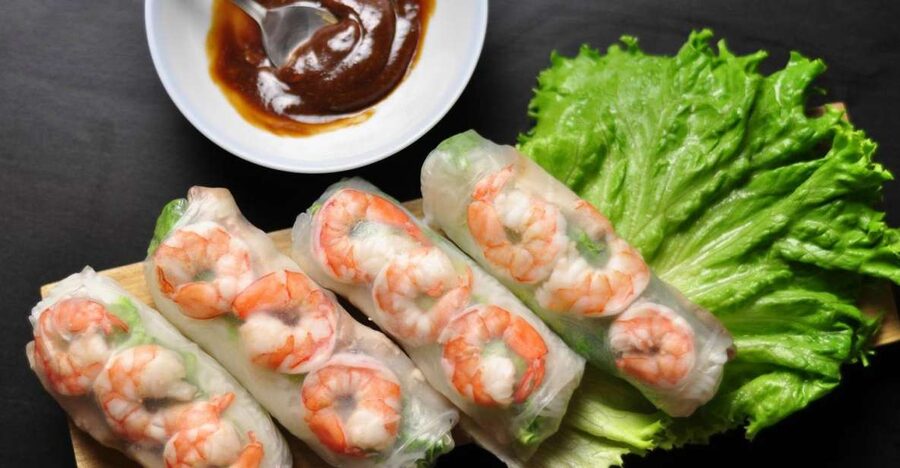
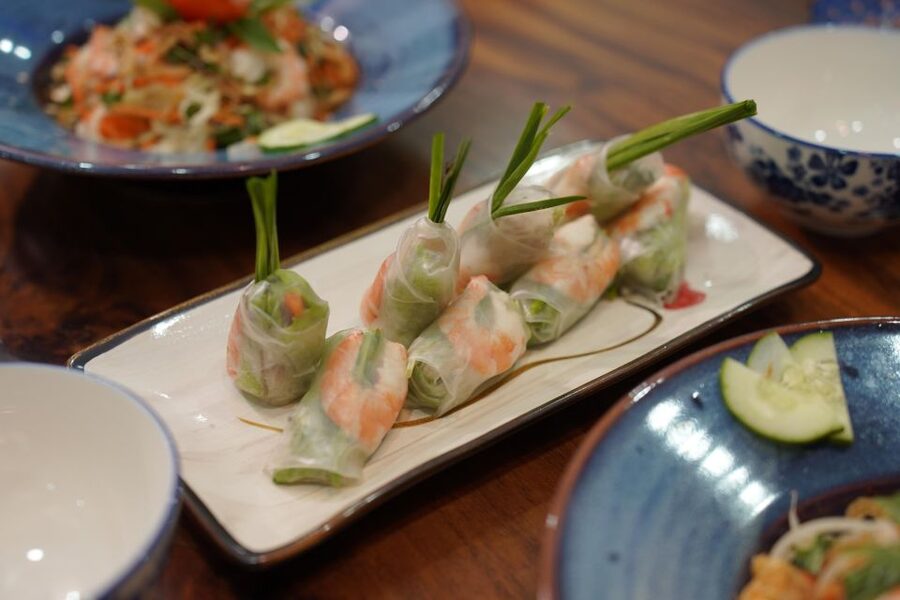
- Menu 2 (Tue, Thu, Sat, Sun): Beef noodle soup; Crispy Vietnamese Pancakes (Bánh Xèo); Green mango salad with shrimp; Fresh spring roll
The day-based menu approach is smart for two reasons. First, you can choose the day that fits what you want most. Second, it prevents the class from turning into a repetitive routine if you’re booking on different days.
If you’re deciding between papaya salad and mango salad: both bring crunch and freshness, but mango usually feels a little sweeter and more mellow. You’ll taste that difference once you’re mixing the dressing ingredients yourself.
What the 150 Minutes Really Look Like
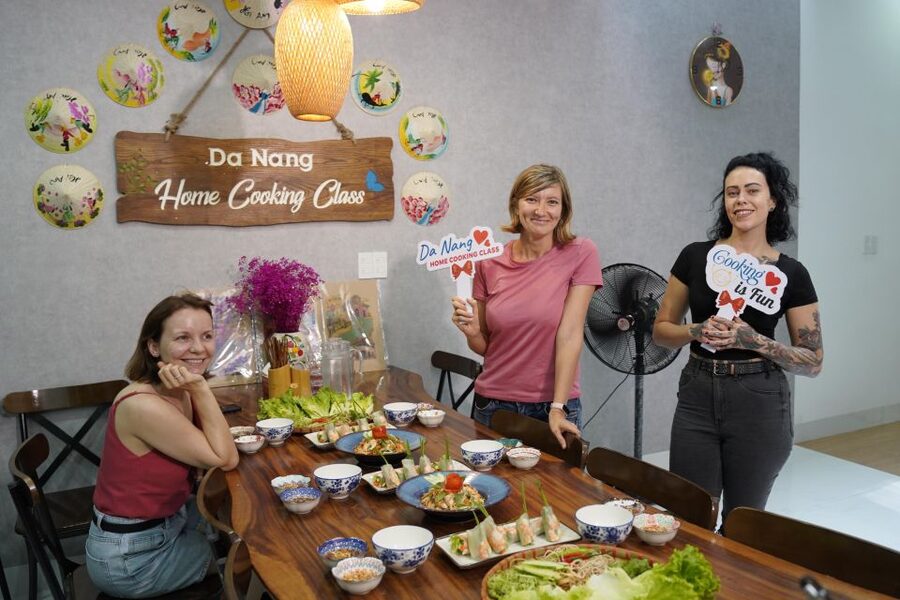
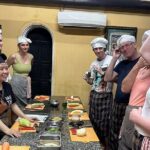
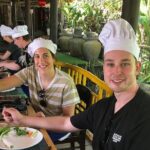
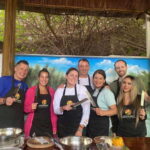
This is not a “watch from the side” experience. You’re there to do the work: chop, mix, assemble, and cook. The lesson is designed around making four dishes in one sitting, so expect a steady pace.
A common pattern in hands-on classes is that some prep happens beforehand so you can spend time on the core cooking steps. In this class, you might find that part of the ingredients are already prepared by the team, then you take over the key steps during the lesson. That’s normal, and it’s usually what keeps the class from feeling like you’re waiting for everything to boil while the clock runs out.
Time-wise, think of it like this:
- You meet your guide and move to the cooking space
- You cook through a series of recipe stations
- You plate, eat, and get practical tips for making it again later
One helpful detail: come with a decent appetite. Multiple participants emphasized that the portions are plentiful. If you’ve already eaten a full breakfast, you may struggle to enjoy the last dishes and sauces.
The Four Dishes You’ll Cook, and the Skills You’ll Take Home
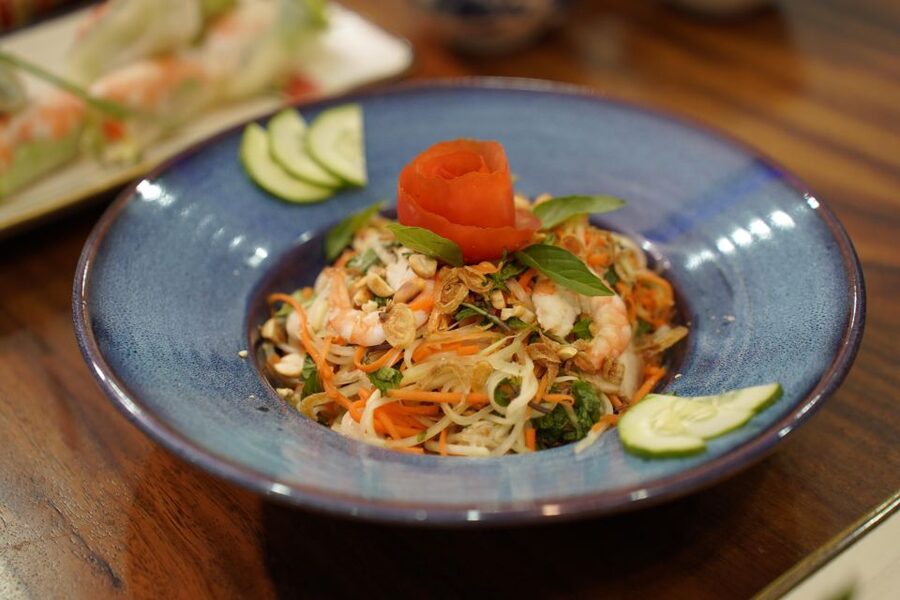
Rather than treat the dishes like a checklist, try to focus on the techniques they teach. That’s where your value really shows.
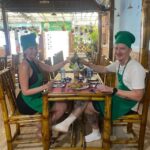
Spring Rolls (Crispy and Controlled Frying)
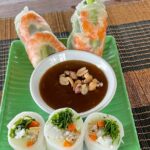
Deep-fried spring rolls (and in Da Nang, fresh spring roll on certain days) teach you about rolling basics and oil heat control. Frying is where Vietnamese classes can feel intimidating, but the structure here is step-by-step. You’ll learn what “ready” looks like: color, texture, and crispness rather than guessing from a recipe card.
Bánh Xèo (The Pancake That Tests Your Timing)
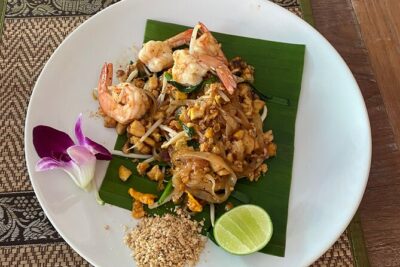
Hoi An Pancake or crispy Vietnamese pancakes are the centerpiece for many people, and it makes sense. The batter needs the right thickness, the pan needs the right heat, and the fill needs balanced seasoning. It’s a great dish for learning how Vietnamese cooking handles savory crepe-style textures.
Papaya Salad or Mango Salad (Balancing Acid, Salt, and Crunch)
Green papaya salad (and green mango salad with shrimp in Da Nang on certain days) is where you learn Vietnamese balance. You’re not just making a salad. You’re learning the logic of flavor: salt, sweet, acid, and spice working together so it doesn’t taste flat.
What you’ll likely remember: adjusting dressing strength as you mix it. That skill transfers to home cooking long after the class ends.
Beef Noodle Soup or Quang Noodle (Aromatics and Building Blocks)
Beef noodle soup is comforting, but it’s also a training dish. You learn how herbs, aromatics, and broth create the final flavor. Quang noodle follows a similar philosophy: layers of seasoning and texture, not one single seasoning doing all the work.
Even if you don’t reproduce every detail at home, you’ll understand what goes into making the soup taste Vietnamese rather than just “spicy noodle soup.”
Family-Friendly by Design (Even If You’re Not a Chef)
This class is set up for people who want something fun without chaos. Multiple notes highlight that kids can enjoy it when instructions are clear and steps are manageable.
You can think of it as family cooking, not a formal culinary school. If you’re traveling with an 8-year-old or you just want a relaxed group atmosphere, the structure helps. It’s also described as clean and well organized, which matters when you’re in a shared cooking space.
One more plus: allergy handling is possible. For example, gluten-free adaptation has been mentioned as handled well, without turning the whole experience into a complicated ordeal. If you have dietary needs, say something ahead of time so the guide can plan.
Transport and Timing: Why the Setup Helps More Than You Think
Hotel pickup and drop-off is included, and transport is one of the biggest confidence builders in this experience. The transport quality is rated highly, with many people giving perfect scores, which usually means the timing is predictable.
That predictability matters in Central Vietnam. Travel days can get messy: traffic, rain, and heat can throw off a schedule fast. With pickup included, you spend your energy cooking instead of trying to coordinate your ride.
There are also hotel surcharges to be aware of. If you’re staying near An Bang Beach area in Hoi An or at certain resorts, there may be an extra pickup/drop-off charge of 50,000 VND per person, one way. In Da Nang, some hotels require a 150,000 VND per person, one way surcharge paid in cash. The optional pickup service may not apply at specific listed resorts, so it’s worth checking your exact hotel name before you assume pickup is automatic.
Price and Value: $22 for Real Cooking Time
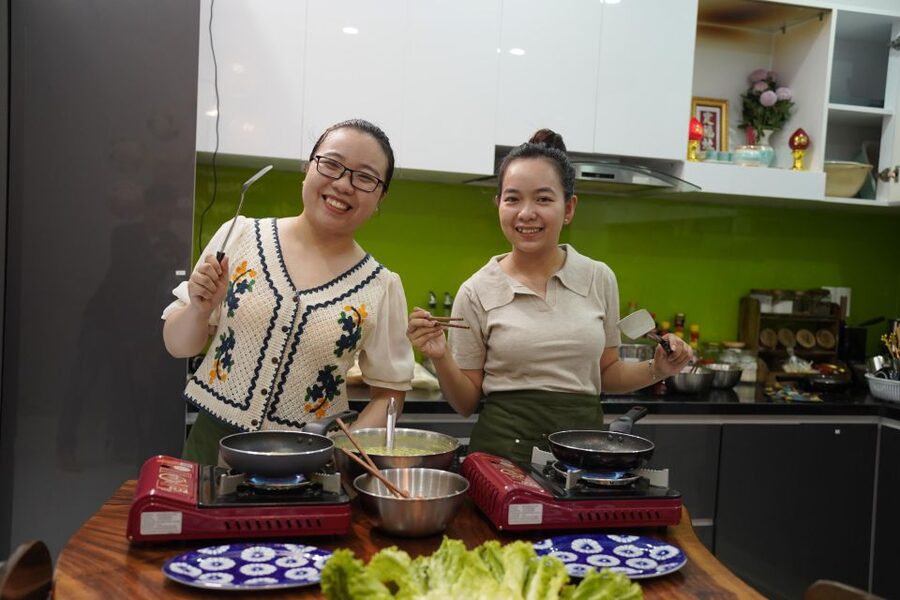
At $22 per person, this class is priced like a budget activity, but it includes more than you’d expect for that level of cost. You’re getting:
- hotel pickup and drop-off
- an English-speaking guide
- a cooking class
- a bottle of water
- and the core value: four dishes that you eat right after cooking
The value is strongest if you want to learn technique. You’re not just paying to taste. You’re paying to participate, then leave with recipes you can use later.
The only time the math might feel less ideal is if your hotel is far outside pickup coverage and surcharges apply, or if you already know Vietnamese cooking well and don’t need structured guidance. For most people, though, $22 buys a full meal plus lessons, which is a strong deal compared with typical “dinner plus a show” activities.
Who Should Book This Cooking Class
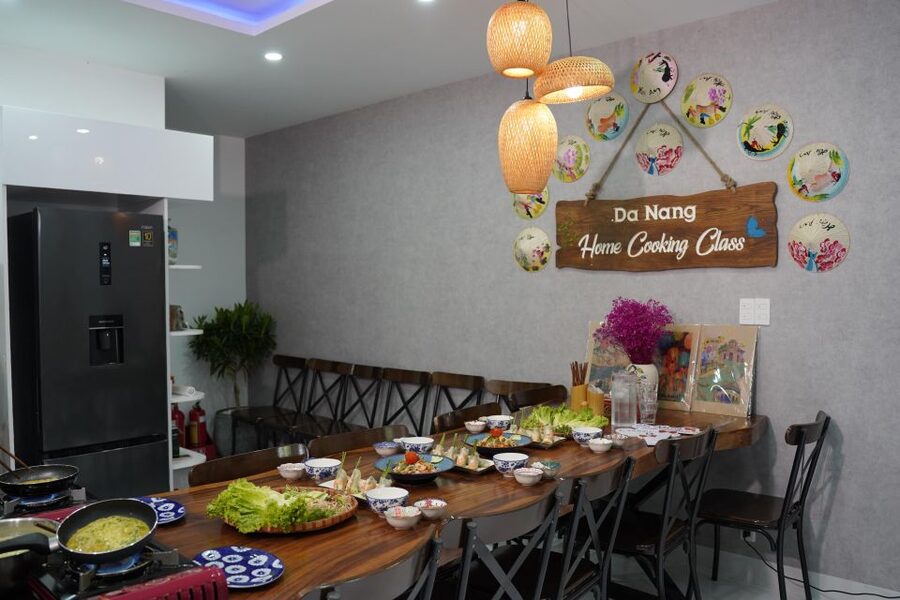
This is a great fit if you:
- want a cooking lesson without detours like markets or boat rides
- have limited time and want a complete experience in about 3 hours
- travel with kids or family and want a relaxed, structured activity
- like practical recipes you can repeat at home
It may not be ideal if you want a deep cultural tour focused on sightseeing stops. This isn’t that type of day. It’s a cooking day, built to maximize time at the stove and at the table.
Should You Book It in Hoi An or Da Nang?
Yes, if your top priority is eating well and learning how to make it. The cooking-only focus keeps it efficient, and the menu variety gives you a real spread of flavors and textures in one class. If you’re flexible on which city you book, pick based on the dishes you want most: Hoi An leans toward beef noodle soup plus Bánh Xèo and green papaya salad, while Da Nang adds Quang noodle and mixes in mango salad or fresh spring rolls on certain days.
If you’re on the fence, use this rule: if you’d happily spend three hours chopping and cooking, you’ll love it. If you want sightseeing landmarks and a full-day tour format, choose a different type of excursion.
FAQ
How long is the Vietnamese cooking class?
The class runs about 150 minutes to 3 hours, depending on the session start time and availability.
How many dishes will I cook?
You’ll cook four authentic Vietnamese foods.
What dishes are included in the Hoi An class?
The Hoi An menu includes beef noodle soup, deep-fried spring rolls, Hoi An Pancake (Bánh Xèo) with pork and prawns, and green papaya salad.
What dishes are included in the Da Nang class?
Da Nang has two menu sets. Menu 1 (Mon, Wed, Fri) includes Quang Noodle, fish sauce chicken wing, green papaya salad with shrimp, and deep-fried spring rolls. Menu 2 (Tue, Thu, Sat, Sun) includes beef noodle soup, crispy Vietnamese pancakes (Bánh Xèo), green mango salad with shrimp, and fresh spring roll.
What time do the classes run in each city?
Hoi An: 10:30 am or 4:30 pm. Da Nang: 9:30 am or 3:30 pm.
Is hotel pickup and drop-off included?
Yes, hotel pickup and drop-off are included.
Do I need to choose transportation, or is it automatic?
Pickup is included, and there is also an option marked as pickup optional. If pickup is chosen, wait in the hotel lobby 10 minutes before your scheduled time.
Is the guide available in English?
Yes, the live tour guide speaks English.
Is the class wheelchair accessible?
Yes, it is listed as wheelchair accessible.
What is the cancellation policy?
You can cancel up to 24 hours in advance for a full refund.
If you tell me which city you’re in (Hoi An or Da Nang), your travel dates, and any dietary needs, I can help you pick the best menu option.