REVIEW · HOI AN
Vegetarian Cooking Class & Countryside Bike Tour in Hoi An
Book on GetYourGuide →Operated by Vietnam Orange Tour · Bookable on GetYourGuide
There’s something oddly satisfying about turning market ingredients into a meal. You start in Hoi An’s market area, learning practical shopping and spice-buying tips, then head to Tra Que Vegetable Village for a guided walk through herb and vegetable beds before you cook lunch or dinner yourself. My favorite part is the hands-on class with a local chef, and a big plus is that the menu is fully vegetarian and feels distinctly Vietnamese.
The one thing to consider is timing and pickup: it runs about 4 hours, and pickup isn’t available from every resort area listed, so you may need an extra car pickup fee depending on where you’re staying.
In short, this is a market-to-plate experience that trades tourist-menu cooking for real rural ingredients and real skills you can use later.
In This Review
- Key highlights worth your attention
- How this Hoi An experience earns its money
- Morning or afternoon: how the timing really feels
- Hoi An market stop: shopping skills you can actually use
- Tra Que Vegetable Village walk: herbs, vegetables, and rural rhythm
- Meeting the chef: where the class clicks into real technique
- Your hands-on menu: four vegetarian dishes, made by you
- Tra Que Vegetable Salad
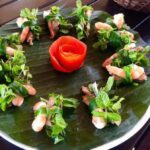
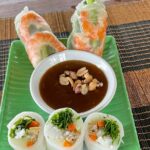
- Fried Spring Roll
- Tofu with Tomato Sauce
- Vietnamese Rice Pancake
- Included vs not included: what your ticket covers
- Pickup details and extra car fees: plan smarter
- Where a cooking class like this fits in your Hoi An day
- What you’ll remember (besides the food)
- Quick reality checks before you book
- Should you book this Vegetarian Cooking Class & Countryside Bike Tour in Hoi An?
- FAQ
- How long is the Vegetarian Cooking Class & Countryside Bike Tour in Hoi An?
- Is there a morning or afternoon option?
- What dishes will I cook during the class?
- What’s included in the price?
- Is hotel pickup always available?
- Is there free cancellation?
Key highlights worth your attention
- Hoi An market shopping with bargaining tips: You’ll practice how locals approach buying spices and vegetables, not just watch someone else shop.
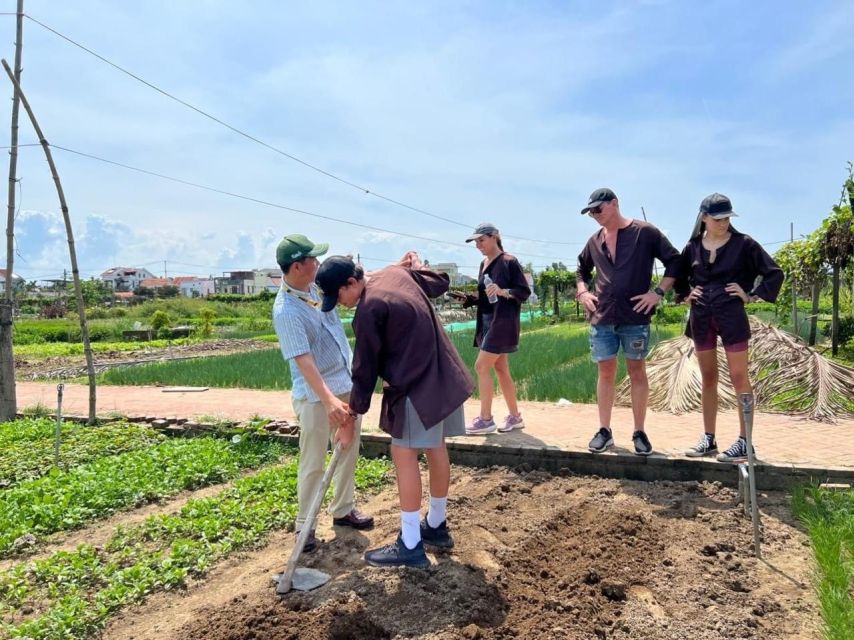
- Tra Que Vegetable Village herb and veg walk: You get a guided look at the plants used in the dishes you’ll cook.
- Hands-on cooking with an English-speaking guide: You cook, taste, and learn steps in a way that’s easy to follow.
- A clear vegetarian menu you’ll make yourself: Tra Que Vegetable salad, fried spring roll, tofu with tomato sauce, and Vietnamese rice pancake.
- Lunch or dinner included: Your work becomes your meal, and mineral water is included too.
How this Hoi An experience earns its money
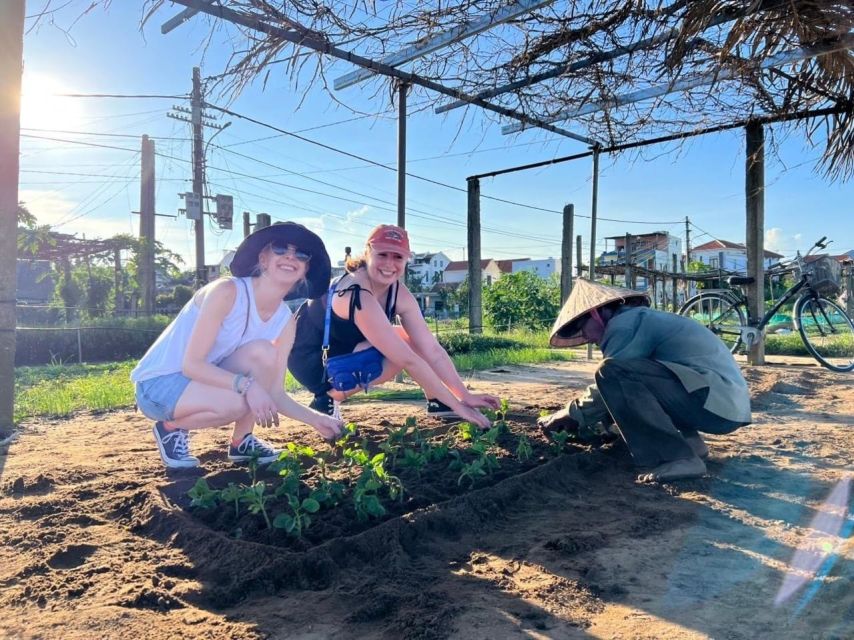
At $41 per person for roughly 4 hours, the value comes from the mix: you’re not only cooking—you’re also buying ingredients and seeing where they come from. That matters because Tra Que isn’t just a scenic stop. It’s an ingredient stop, and you’ll walk through the kinds of herbs and vegetables tied directly to the recipes.
Most cooking classes in Hoi An focus on the kitchen. This one adds a rural farm-village sequence before the chef teaches the actual cooking. For me, that makes the meal feel more grounded. You’re learning techniques, yes, but you’re also connecting flavor to ingredients and farming, which makes the dishes easier to repeat at home.
You also get an English-speaking guide, pickup and drop-off (with some exceptions), entrance fees, the cooking class itself, and the meal. If you count all of that, the price starts to look like a bundled cultural activity—not just a food workshop.
You can also read our reviews of more tours and experiences in Hoi An.

Morning or afternoon: how the timing really feels
This is offered as either a morning or afternoon option. The tour runs about 4 hours, so you’re in and out without spending your whole day on logistics.
That short duration is a plus if you want something active between sightseeing blocks. It also means the pacing is focused: market first, then Tra Que, then chef and cooking, then eating and back to your hotel.
One practical note: if you’re planning other activities right after, give yourself a buffer. You’ll be eating what you cook, and you might want a little time afterward to relax before moving on.
Hoi An market stop: shopping skills you can actually use
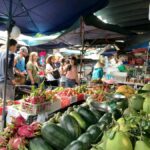
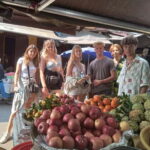
You’ll meet your local guide at your hotel and then head to the local market area to buy spices and vegetables for the cooking class. This is where the experience becomes more than a cooking demo.
What I like here is the emphasis on how locals shop. You get tips on bargaining—how to approach sellers, how to ask, and how to think about what you’re buying. Even if you’ve bargained before, you’ll likely pick up a few tactics that feel more natural in Vietnam than in a tourist market setting.
Why this matters for your final meal:
- Spices aren’t just flavor—they’re the backbone of Vietnamese vegetarian cooking.
- Buying the right herbs and vegetables makes the chef’s instructions easier to follow later.
- If you later try cooking at home, you’ll remember what you bought and why.
Also, the market part helps you get oriented. Before you even reach the countryside village, you understand the ingredient “language” of the region.
Tra Que Vegetable Village walk: herbs, vegetables, and rural rhythm
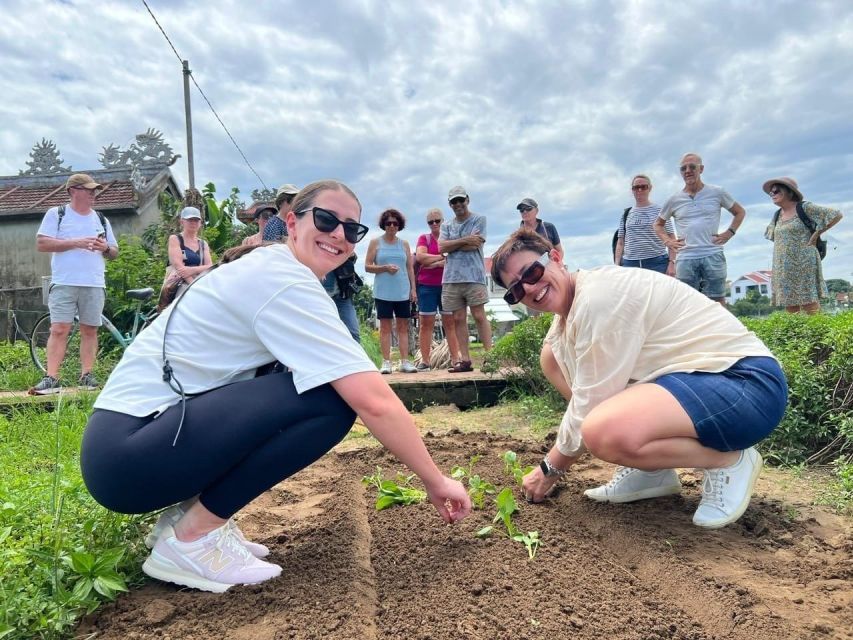
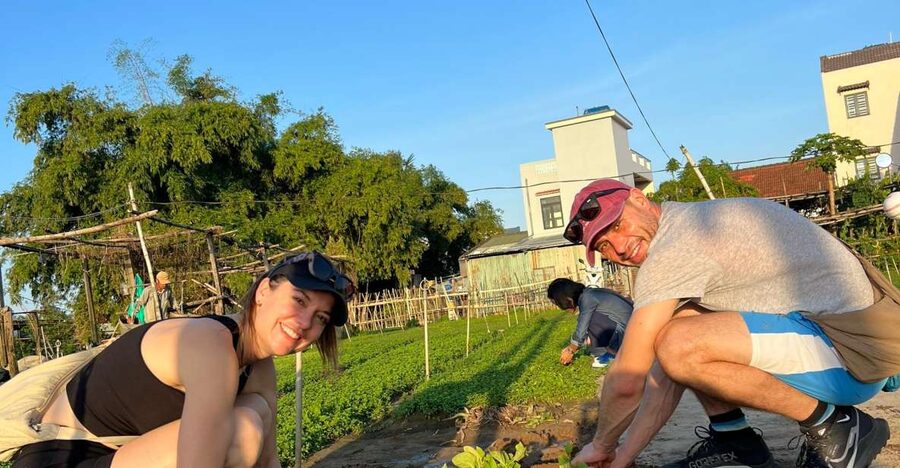
After shopping, you head to Tra Que Vegetable Village, where you’ll take a pleasant walk through the gardens. This isn’t framed as a lecture. You learn about different herbs and vegetables that will end up in your recipes.
If you care about food, this is the most “sense-making” part. You see the living versions of ingredients you’d normally only meet chopped on a plate. The guided focus on culinary plants helps you understand what each dish depends on—fresh herbs, specific vegetable textures, and how vegetarian ingredients still deliver depth.
And because the cooking happens soon after, the learning sticks. You’re not touring a farm for photos and then forgetting it. You walk through what you’ll taste later.
One consideration: this part of the tour is a walk through garden areas. If you have mobility issues, it’s worth thinking about whether walking time will be comfortable for you.
Meeting the chef: where the class clicks into real technique
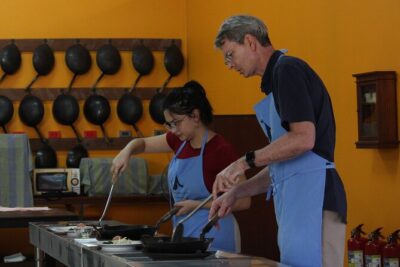
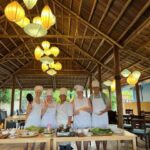
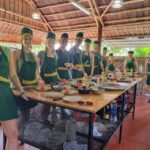
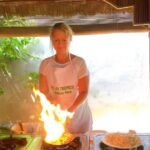
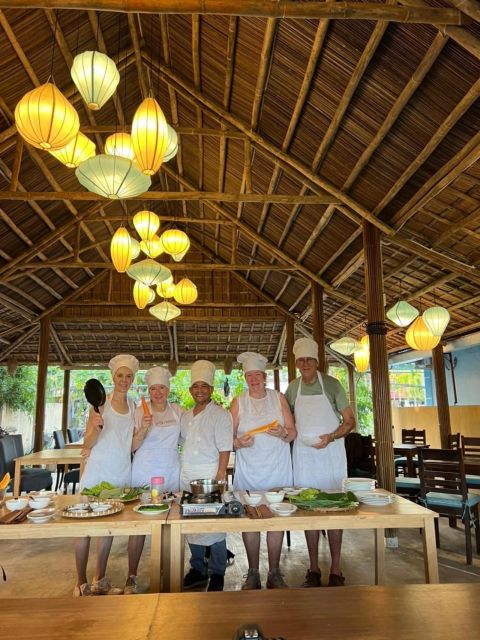
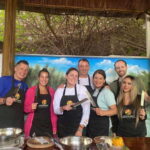
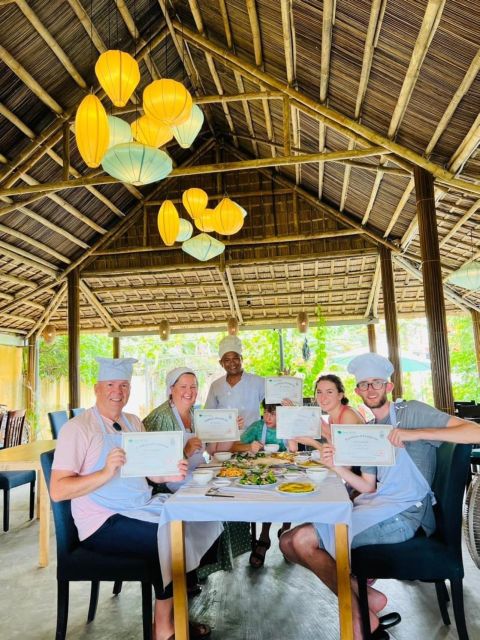
Once you arrive at the restaurant, you meet the chef and learn the recipes step by step. This is the part where the experience shifts from “learning ingredients” to “learning cooking.”
The chef teaching style is practical: how to prepare and cook the dishes, not just when to add things. The guide is English-speaking, which helps you follow both the “how” and the “why” behind common Vietnamese cooking habits.
In a good cooking class, you don’t just memorize steps. You develop a feel for timing and texture. With these recipes, you’ll be working with ingredients that respond quickly—so you can see changes in real time.
Also, because this is vegetarian, you’ll notice how tofu and vegetables can carry flavor without meat-based stock tricks. That’s useful knowledge if you want more plant-forward Vietnamese meals later.
Your hands-on menu: four vegetarian dishes, made by you
Here’s what you’ll learn to cook during the class:
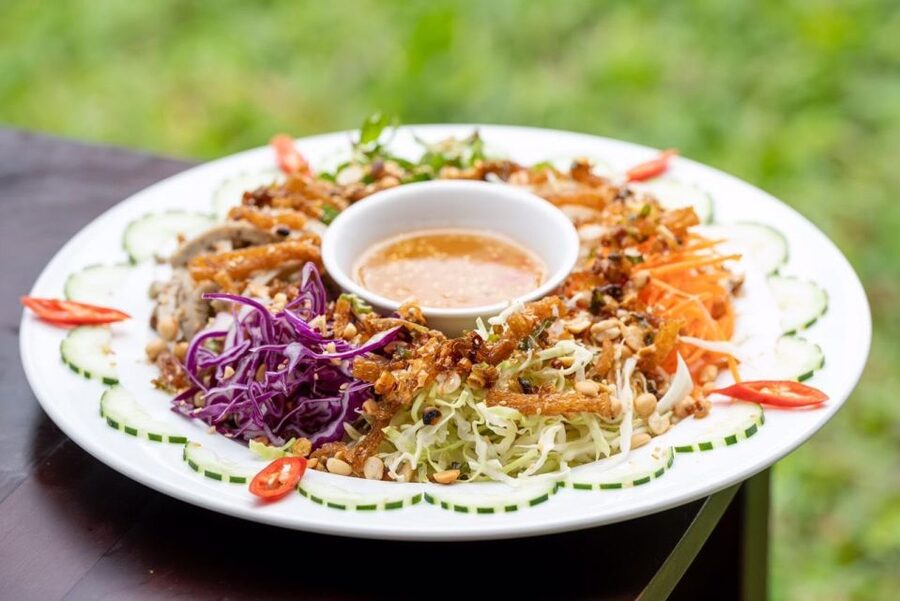
Tra Que Vegetable Salad
You’ll make a fresh salad tied to Tra Que ingredients. Expect a dish that feels light but still flavorful. Salads like this in Vietnam usually rely on herb intensity, crunch, and a balanced dressing approach.
Fried Spring Roll
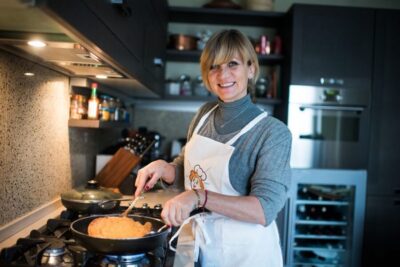
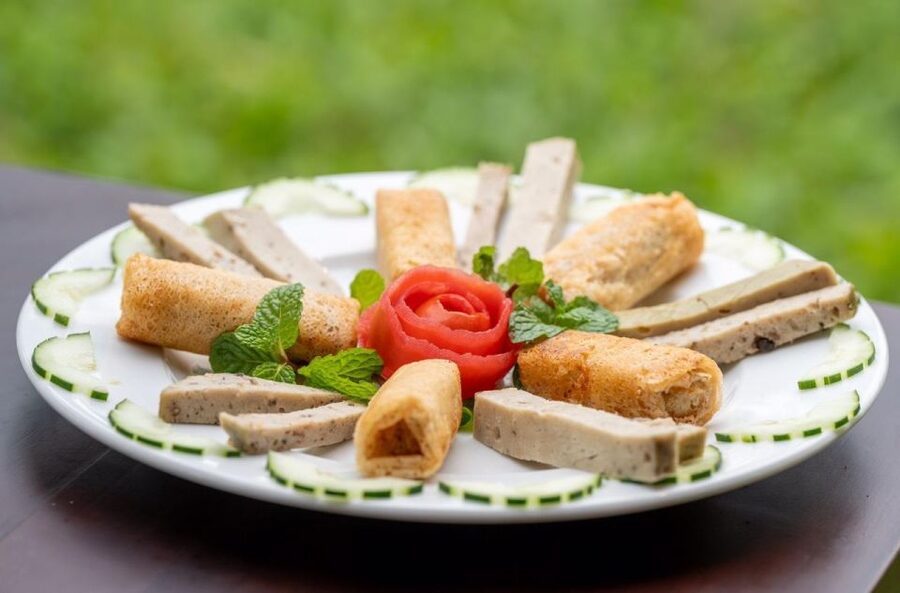
You’ll do hands-on work with spring rolls—so you get experience with wrapping and frying. This is the dish where technique really shows. If the wrapper is handled well and the oil temperature is right, you get a crisp exterior without it tasting greasy.
Tofu with Tomato Sauce
Tofu-based dishes are a great learning option because tofu can be bland if the seasoning steps are rushed. In this class, you learn how to prepare and cook tofu with a tomato sauce approach that keeps it interesting and satisfying.
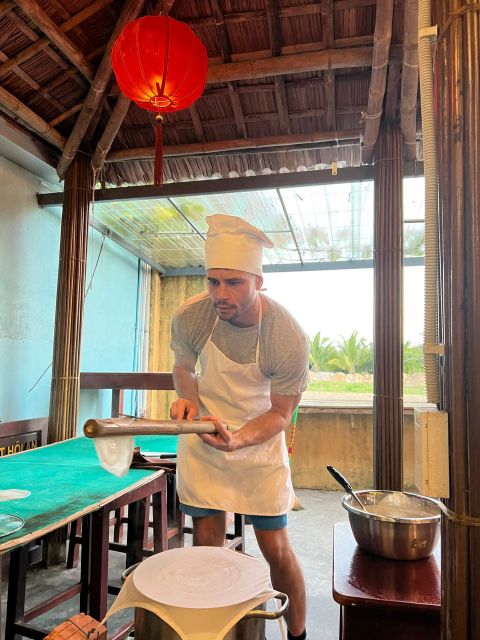
Vietnamese Rice Pancake
The rice pancake is another high-skill dish, because it’s all about batter consistency and cooking time. Even when you’ve tried Vietnamese food before, pancakes like this often surprise people at home due to how different the texture can be.
After cooking, you’ll enjoy your lunch or dinner with the food you make. That included meal is one of the best parts of the whole activity—there’s no awkward transition from class to “go find lunch.” You eat what you learned.
Included vs not included: what your ticket covers
Your price includes a lot of the “friction” that often makes tours feel expensive.
Included:
- Pickup and drop-off service
- English speaking guide
- Entrance fee
- Cooking class
- Lunch or dinner
- Mineral water
Not included:
- Other personal expenses
That setup is simple. You’re paying for the whole experience, not piecemeal add-ons.
Pickup details and extra car fees: plan smarter
Pickup is included, but it’s not available from every resort area. If you’re staying at places like Vinpearl Resort Golf Nam Hoi An, Hoiana Resort, Bliss Resort, Tui Blue Resort, Intercontinental in Sơn Tra, or similar areas, pickup may not be available.
In those cases, there’s an extra pickup and drop-off by car:
- Group 1–2 pax: 250,000 VND one way
- Group 3–4 pax: 300,000 VND one way
- Group 5–12 pax: 400,000 VND one way
If you want smooth logistics, check your hotel location early and be ready to handle that extra fee if your area isn’t covered by standard pickup.
There’s also a note about departures from Da Nang: if you choose the option that departs from Da Nang, the driver picks you up by car at a Da Nang center hotel area and transfers you to Hoi An to join the group.
Where a cooking class like this fits in your Hoi An day
This works best if you’re the kind of traveler who likes food with context. If you want street food all day, this may feel more structured than you expect—but it still gives you a clear cultural thread: market buying, farm village ingredients, then chef-led vegetarian Vietnamese cooking.
It also fits families and couples well because:
- You get a guided plan with an English-speaking guide.
- You share one meal you personally helped create.
- The dishes are vegetarian, which makes it easier for mixed dietary groups.
If you’re traveling with very picky eaters, you should still consider it, because you’re making dishes yourself. That tends to change the way people try food. But if someone hates all tofu or fried items, you’ll want to think twice.
What you’ll remember (besides the food)
I think the lasting value here is the pairing of two skill sets:
1) Ingredient shopping—knowing how to pick spices and vegetables and how bargaining works in context.
2) Cooking technique—learning specific Vietnamese vegetarian dishes, not just general “how to cook.”
Even if you never cook those exact four dishes at home, you’ll likely use the methods and the ingredient logic. Fresh herbs, tofu handling, batter texture—those are transferable lessons.
And because you see the Tra Que garden before cooking, the flavors make more sense. That connection is what keeps this from feeling like a generic cooking show.
Quick reality checks before you book
- You’re committing about 4 hours, so match it to a lighter day schedule.
- You’ll be doing a garden walk, so wear comfortable shoes.
- Pickup depends on where you’re staying; check if your resort area is covered.
- The menu is set: Tra Que Vegetable salad, fried spring roll, tofu with tomato sauce, and Vietnamese rice pancake.
Should you book this Vegetarian Cooking Class & Countryside Bike Tour in Hoi An?
Yes, if you want an experience that ties together market shopping, rural ingredients, and a hands-on vegetarian menu. The best reason to book is the structure: you don’t just learn recipes—you learn what ingredients look like at Tra Que and then cook with them soon after.
I’d skip it only if you’re hoping for long rural cycling time. Based on the details you’ll follow a village walk sequence and then cook with the chef; if your main fantasy is nonstop biking, you might find the balance a bit more cooking-focused than you expected.
If you do book, go in with an open mind. Ask questions at the market. Pay attention to what the chef says about timing and texture. And when you sit down to eat, treat it like the reward for the work you just did—because that’s exactly what it is.
FAQ
How long is the Vegetarian Cooking Class & Countryside Bike Tour in Hoi An?
The duration is about 4 hours.
Is there a morning or afternoon option?
Yes. This tour is available as a morning or afternoon option.
What dishes will I cook during the class?
You will learn to prepare Tra Que Vegetable salad, fried spring roll, tofu with tomato sauce, and Vietnamese rice pancake.
What’s included in the price?
Pickup and drop-off service, an English speaking guide, entrance fee, the cooking class, lunch or dinner, and mineral water are included.
Is hotel pickup always available?
Pickup is included, but not available from Vinpearl Resort Golf Nam Hoi An, Hoiana Resort, Bliss Resort, Tui Blue Resort, Intercontinental in Sơn Tra, or similar areas. Extra car pickup and drop-off may be required with the rates listed for different group sizes.
Is there free cancellation?
Yes. You can cancel up to 24 hours in advance for a full refund.