REVIEW · HOI AN
Hoi An: Traditional Cooking Class & meal with Local Family
Book on GetYourGuide →Operated by Hoi An Eco Travel · Bookable on GetYourGuide
Some classes teach recipes. This one teaches Vietnam.
I like that you’re not just watching. You cook along with an English-speaking chef who keeps the pace clear and funny, with instructors reported by name like Han, Ha, Nhung, Wan, and Mr. Cu. I also like the payoff: you eat what you make, and the group actually sits down together afterward to chat and compare bites. One thing to consider: this is a group experience and it’s not set up for people with mobility impairments, so bring comfy shoes and expect a few active, hands-on steps.
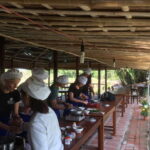
The setting adds something too. Daytime slots run from Cam Thanh Village by a calm lake, while the evening class happens inside Tra Que Herbs Garden. Either way, you start with a welcome tea, settle in at the restaurant, then head into the lesson area to cook 4 local dishes before the big meal.
In This Review
- Key points to know before you book
- Where You Cook in Hoi An: Cam Thanh Lake Days vs Tra Que Garden Nights
- What You Learn: 4 Local Dishes and a Real Step-by-Step Flow
- Cooking With the Chef: Why the English Instruction Style Matters
- From Welcome Tea to the Big Meal: How Dinner Fits Into the Class
- Price and Value: Is $23 a Good Deal in Hoi An?
- Group Tour Reality: Small Groups, Shared Kitchens, and How to Make It Work
- Logistics That Actually Matter: Timing, Pickup, and What to Expect on Arrival
- Vegan and Dietary Requests: What’s Possible
- Tips for Getting the Best Results (and Bringing the Flavors Home)
- Who Should Book This Hoi An Cooking Class?
- Should You Book This Hoi An Cooking Class?
- FAQ
- What time does the cooking class run in Hoi An?
- Where is the meeting point?
- Is hotel pickup included?
- How long is the experience?
- How much does the cooking class cost?
- What will I cook?
- Is the food included?
- Is there a vegetarian or vegan option?
- Do I need to speak Vietnamese?
- Is it suitable for people with mobility impairments?
- Can I cancel for a refund?
Key points to know before you book
- Cam Thanh Village or Tra Que Herbs Garden depending on daytime vs nighttime timing
- English-speaking chef with clear, step-by-step guidance
- Cook 4 dishes (including classics like pancakes and spring rolls) and eat your work
- Group-style meal and chatting so you leave with stories, not just recipes
- Vegan/vegetarian available if you request it when booking
- Small group options can make the class feel more personal
Where You Cook in Hoi An: Cam Thanh Lake Days vs Tra Que Garden Nights
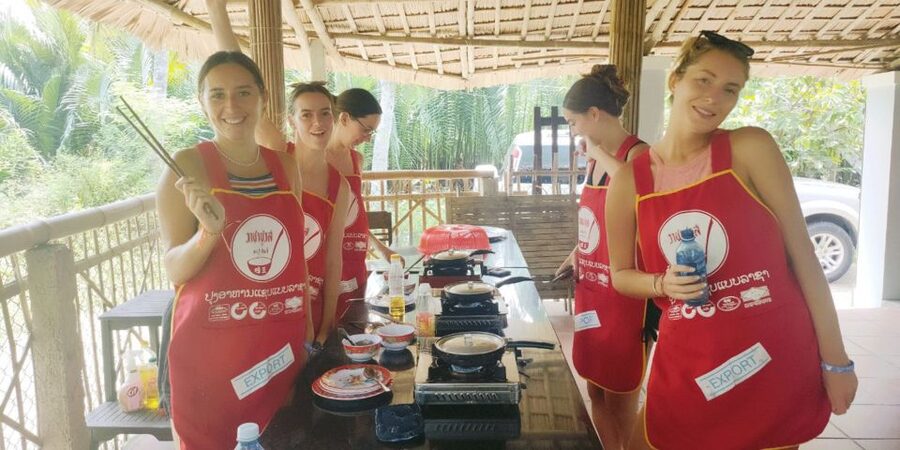
This experience has two different “worlds,” based on the time slot.
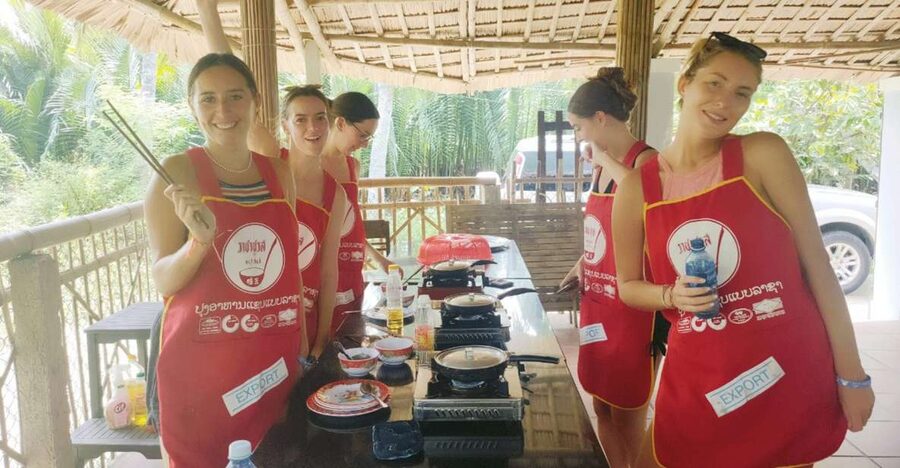
For the daytime classes, pickup is arranged at a meeting point in Cam Thanh Village, with sessions at 10:15 and 16:15. After you arrive, you head for the cooking class area behind a peaceful lake. The vibe here tends to feel open-air and relaxed, and several people describe the venue as indoor/outdoor with a water setting.
For the nighttime slot, the class happens at Tra Que Herbs Garden, starting at 18:00. That matters because Tra Que is all about herbs and garden living, so even if you’ve never cooked Vietnamese before, the location quietly supports the “fresh ingredients, simple methods” idea behind the menu.
Practical tip: if you’re deciding between day and night, think about your energy. Day classes can work well if you like getting out early or you want something active before evening plans. The 18:00 slot is often a great fit if you want a later activity that ends with dinner.
You can also read our reviews of more tours and experiences in Hoi An.

What You Learn: 4 Local Dishes and a Real Step-by-Step Flow
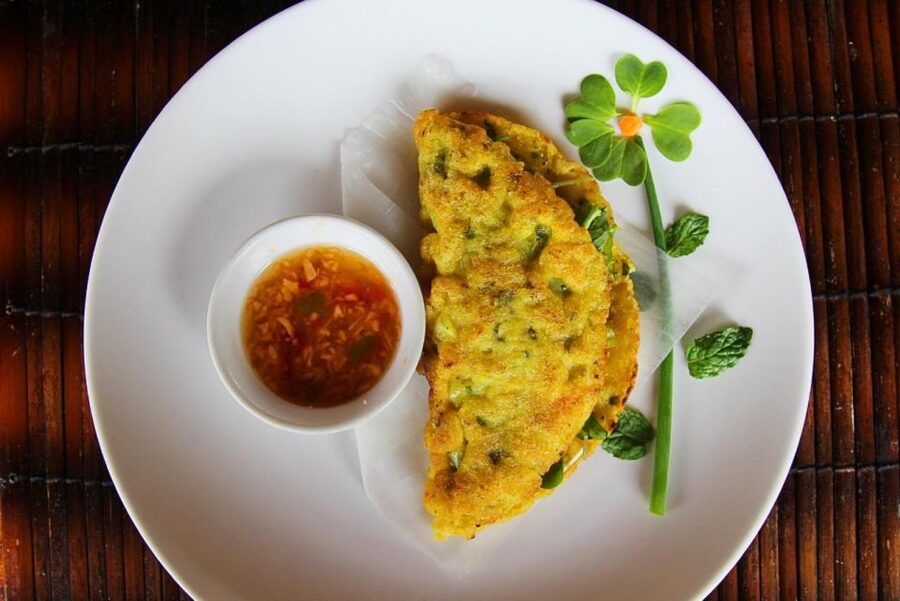
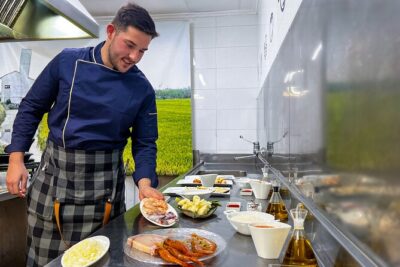
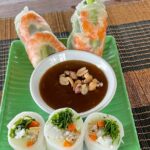
The cooking class focuses on making 4 local dishes. The menu can change slightly, but the examples given include Vietnamese pancakes and spring rolls, and you can expect to learn how to assemble and cook dishes that feel everyday and practical in Vietnam—not just showy “tour food.”
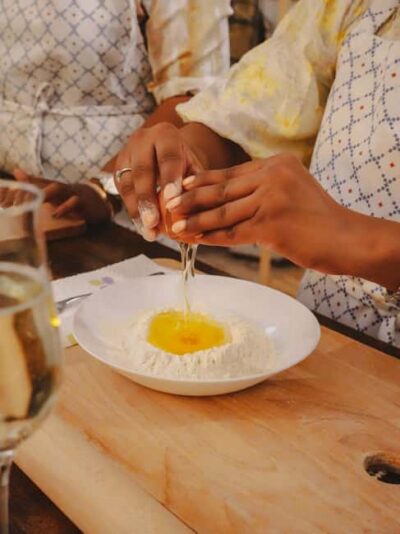
Here’s what the lesson style is built for: you get instructions that are broken into steps, not vague directions like, Add a little and hope for the best. The chef teaches as you cook, so you’re not left standing around. The class also supplies high-quality ingredients, which is huge. Vietnamese cooking is all about balance—if your ingredients are off, even a perfect technique can’t save the flavor.
Another useful detail: the schedule and menu can shift a bit. That’s normal for group classes, and it usually means you’ll still learn the core methods even if the exact dishes move around.
What I’d watch for as a home-cooker: techniques matter more than memorizing brand names. If you pay attention to how the chef handles sauces, folding, and timing, you’ll be able to repeat the results after you go back home.
Cooking With the Chef: Why the English Instruction Style Matters
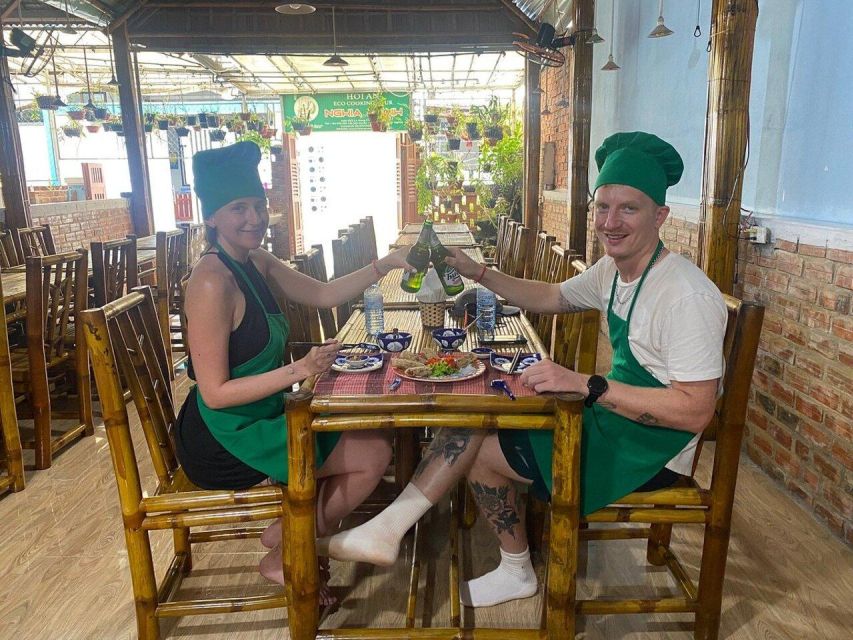
An English-speaking chef is the backbone here. Without it, Vietnamese cooking classes often turn into a “point and watch” situation. This one is designed so you can follow along.
Names that show up again and again in accounts of this experience include Ha and Han, plus Nhung, Wan, Jo, and Hang. Many people also describe their instructors as humorous, with the group involved and laughing during the lesson. That sounds like a small thing, but it affects the whole class: when the chef keeps the mood light, you’re more likely to ask questions, redo steps that don’t work, and stay focused through the hands-on parts.
Also, there’s an added “memory” bonus. Some participants mention the staff taking lots of photos and videos during the class, including fun slow-motion style clips. If you like having proof that you actually did the spring rolls, this is a nice perk.
From Welcome Tea to the Big Meal: How Dinner Fits Into the Class
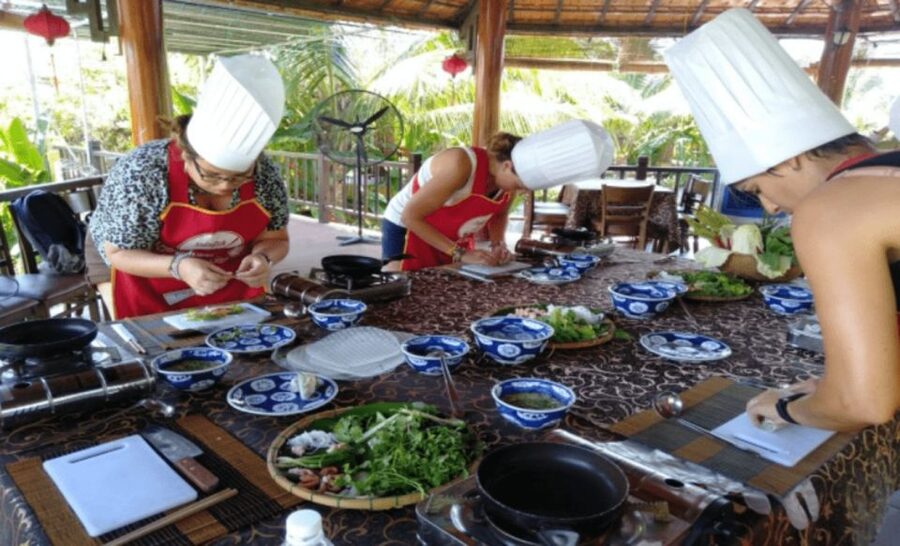
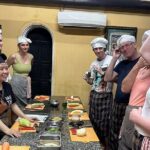
You start with a welcome tea and a short rest at the restaurant. Then you move into the cooking lesson area. This is one of those tours where the pacing is designed to prevent the usual “class fatigue.” You’re not thrown into heat and chopping immediately. You settle in first, then you cook.
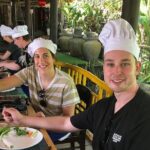
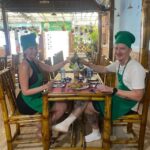
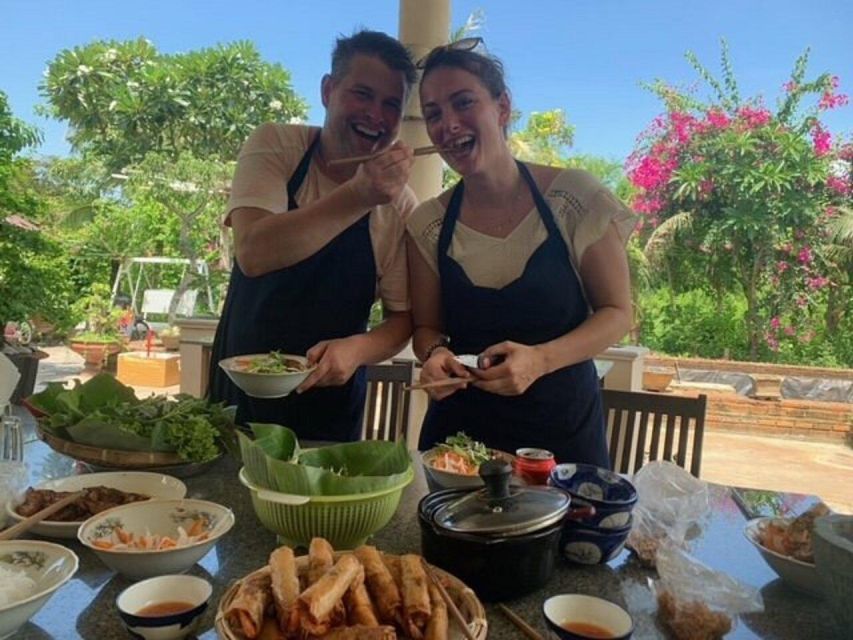
After the lesson, you eat what you cooked. That’s not just a nice ending; it changes how you learn. When you taste your own work right away, you can connect technique to flavor. If your roll is a bit off, you remember exactly where it happened. If your pancake is spot-on, you know what to repeat later.
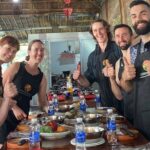
Then comes the part people really value: a chat and sharing time with the group. The experience includes a social element where you sit, sample each other’s cooking, and talk. It’s a simple way to make the meal feel like a family table rather than a staged lunch line.
Go hungry, but not stressed. Reviews tend to emphasize the meal is abundant and that you’ll leave full.
Price and Value: Is $23 a Good Deal in Hoi An?
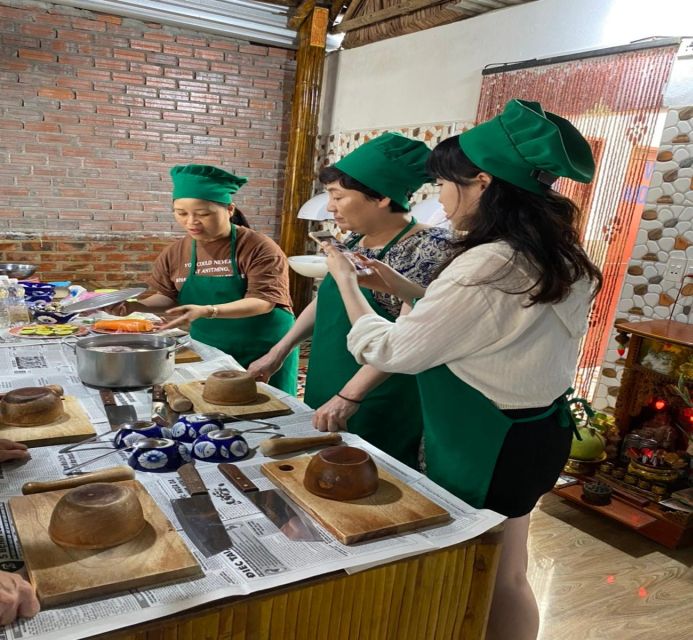
At $23 per person, this class is priced like a real activity, not a “watch and snack” add-on. What makes it good value is what’s included:
- English-speaking chef
- Welcome tea
- All ingredients for the cooking
- Lunch or dinner, served after you cook
The main exclusions are also straightforward: drinks aren’t included, and you’ll have your own personal expenses. Also, hotel pickup and drop-off aren’t automatically included, though pickup may be optional within the Hoi An area.
So the value math is simple. You pay for instruction + ingredients + a full meal. In a place like Hoi An, where cooking classes can vary wildly, this model often wins because you get both skills and food—plus a setting that feels rural or garden-like.
If you’re the kind of traveler who wants one standout “do it yourself” day instead of another photo stop, this price is a practical fit.
Group Tour Reality: Small Groups, Shared Kitchens, and How to Make It Work
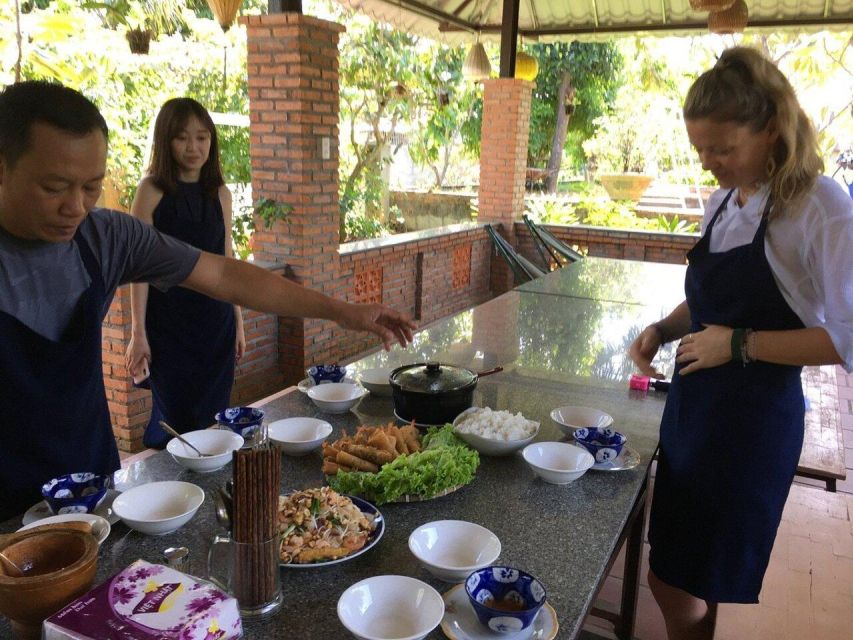
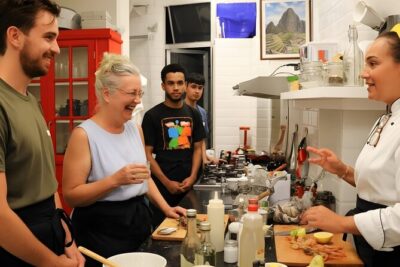
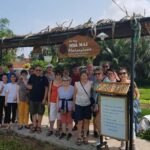
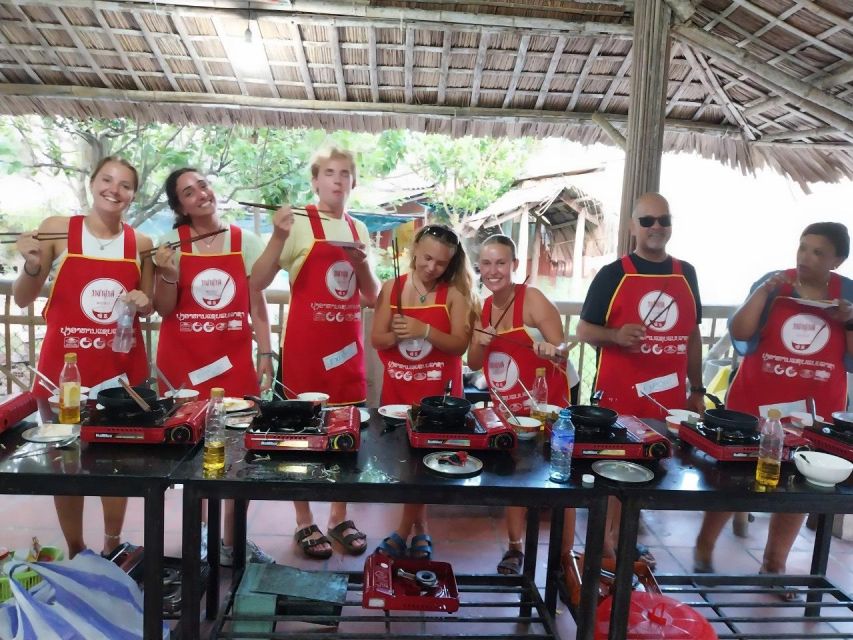
This is a group tour, but it’s described as small group available. You may be combined with other participants, depending on the schedule and demand. Some people describe groups around 8 people, which is the sweet spot: small enough for interaction, large enough to feel lively.
What that means for you during the cooking steps:
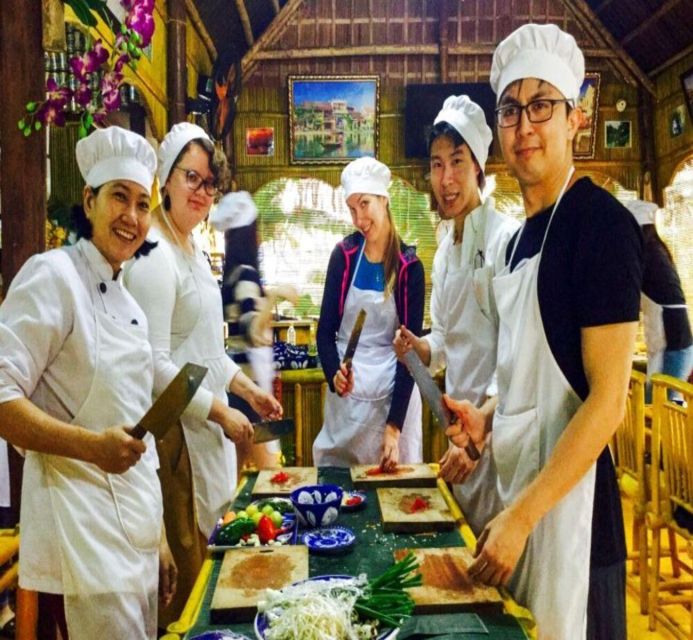
- You’ll likely work in pairs or small clusters around stations.
- The chef will keep moving, so you’ll want to listen closely during the first steps.
- Once you’re cooking, the energy stays upbeat because everyone is doing the same thing.
If you prefer a quiet, solo experience, a group class might feel noisy. But if you like the “everyone gets involved” vibe—and you want to learn—this structure is a strength.
Also note: pets aren’t allowed.
Logistics That Actually Matter: Timing, Pickup, and What to Expect on Arrival
There are three start times: 10:15, 16:15, and 18:00. Your meeting point can vary depending on the option you book.
If you want pickup, it’s described as optional in the Hoi An area. If you can’t select your hotel on the system, you’re asked to send a message for assistance. After booking, the provider reconfirms the pickup time and meeting point, and they ask you to provide your WhatsApp contact.
That’s worth taking seriously. Cooking classes run on tight coordination, and WhatsApp makes it easier to find the right spot quickly.
Another reality check: the experience isn’t suitable for people with mobility impairments. The class is hands-on, and you may be moving around the venue.
Vegan and Dietary Requests: What’s Possible
If you need vegan or vegetarian options, it’s available if you request it upon booking. That’s important because the class centers on specific ingredients and cooking methods, and the team needs time to adjust.
If you have other dietary needs beyond vegan/vegetarian, the data here doesn’t list specific accommodations—so it’s smart to message the provider with details before you arrive.
Tips for Getting the Best Results (and Bringing the Flavors Home)
Here’s how to leave with more than memories.
- Pay attention during the first instructions. Vietnamese cooking often depends on sauce timing and prep order.
- Taste as you go. When you eat right after cooking, use that moment to learn what “done” tastes like.
- Ask at least one question. Since the chef is English-speaking and the group is engaged, this is the moment to clarify technique.
- Take notes (or photos) of the steps you repeat at home. You can’t copy every smell, but you can copy the order of operations.
- Plan around appetite. The class ends with a full meal, and people often describe it as a lot of food.
One more practical note: there’s mention that some people found the meeting location tricky, especially in heavy rain. If that happens, WhatsApp contact solves a lot of uncertainty fast.
Who Should Book This Hoi An Cooking Class?
This experience is a great match if you:
- Want a practical way to learn Vietnamese cooking in a real kitchen setup
- Like cultural activities that end with a meal (not just a demonstration)
- Appreciate humor and an energetic group atmosphere
- Want to cook dishes like spring rolls and pancakes with clear instructions
It may not be the best fit if you:
- Need mobility-friendly accommodations
- Want a totally private, silent class
- Don’t want group cooking coordination
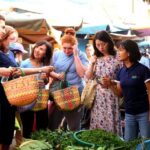
Also, if you were hoping for coconut boat rides or a market tour as part of the main plan, this setup focuses on cooking and eating. One person specifically calls out enjoying it without coconut boats, which hints that those add-ons aren’t the center of this particular experience.
Should You Book This Hoi An Cooking Class?
If you want your Hoi An trip to include a hands-on skill, not just a meal you eat elsewhere, I’d book it. The mix of English instruction, 4 cooked dishes, and a lunch/dinner feast is exactly what makes the price feel fair. Add in the garden/lake settings and the social meal afterward, and you get more than a class—you get a night/day out that feels local.
Book it especially if you’re curious about Vietnamese flavors and you like the idea of bringing recipes home that you actually understand how to make.
FAQ
What time does the cooking class run in Hoi An?
The class has daytime options at 10:15 and 16:15, and a nighttime option at 18:00.
Where is the meeting point?
The meeting point may vary depending on the option booked. Your provider will reconfirm the pickup time and meeting location.
Is hotel pickup included?
Hotel pickup and drop-off are not included. Pickup is optional in the Hoi An area.
How long is the experience?
Duration is listed as 150–210 minutes.
How much does the cooking class cost?
The price is listed as $23 per person.
What will I cook?
You’ll cook 4 local dishes. The menu can change a little, but examples include pancakes and spring rolls.
Is the food included?
Yes. After the cooking lesson, you’ll have lunch/dinner included.
Is there a vegetarian or vegan option?
Vegan/vegetarian is available if you request it when booking.
Do I need to speak Vietnamese?
No. There is an English-speaking chef and a live tour guide in English.
Is it suitable for people with mobility impairments?
No. The activity is listed as not suitable for people with mobility impairments.
Can I cancel for a refund?
Yes. There is free cancellation up to 24 hours in advance for a full refund.