REVIEW · HOI AN
Hoi An:Vegetarian Cooking Class & Explore Market wChef Thanh
Book on GetYourGuide →Operated by Bay Mau Eco Travel · Bookable on GetYourGuide
Cooking at a local market changes everything fast. In Hoi An, this vegetarian class pairs market shopping with hands-on lessons from Chef Thanh, so you learn more than recipes—you learn how people actually buy and cook.
I like that the pace is practical: you get step-by-step guidance in English and make Vietnamese vegetarian dishes with quality ingredients, not shortcuts. I also like the fact that you’re eating the results right after cooking, so it feels like a real meal, not a demo.
One thing to consider: if your booking details don’t match your intended menu, there can be a hiccup. In one case, the operator didn’t align with a vegetarian menu request, and the chef had to adjust on the spot. The food still came out well, but I’d message your dietary needs clearly ahead of time.
In This Review
- Key highlights to look for
- Vegetarian Vietnamese cooking makes real sense in Hoi An
- Meeting up, picking the right start time, and what the 3 hours really feel like
- Finding ingredients the Vietnamese way: the market stop
- Cooking with Chef Thanh: how the lesson stays clear and flexible
- The meal: welcome drink, what you eat, and how to think about allergies
- Price and what you actually get for $27
- Practical logistics: what to bring, what to avoid, and who this suits best
- Bring
- Don’t bring
- Accessibility
- Contact
- Who should book this class (and who might skip it)
- Should you book this vegetarian cooking class?
- FAQ
- How long is the Hoi An vegetarian cooking class?
- Is hotel pickup and drop-off included?
- Do you visit a market before cooking?
- What do you cook during the class?
- Is lunch or dinner included?
- Do I need to speak Vietnamese?
- What if I have food allergies?
- Is the class accessible for wheelchair users?
Key highlights to look for
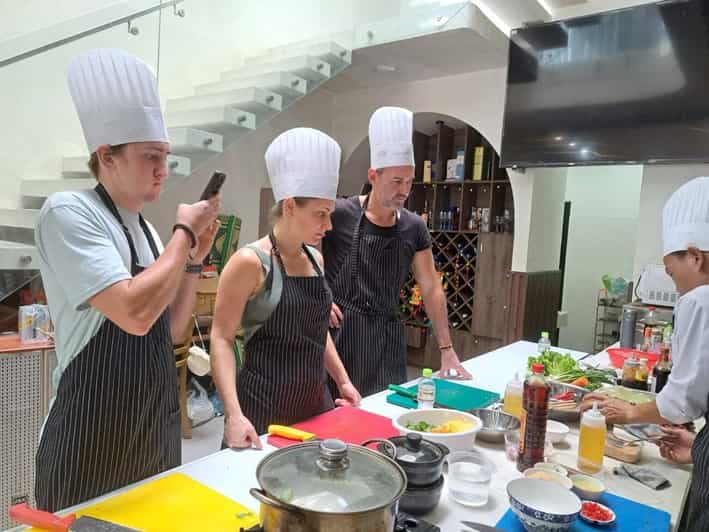
- English-speaking Chef Thanh teaches from scratch and stays open to questions
- Market ingredient picking helps you learn what makes Vietnamese vegetarian cooking work
- Step-by-step cooking with the ingredients already prepared for you
- Four-dish class format (some sessions may end up with a slightly different number)
- You eat what you cook, with vegetarian lunch or dinner included
- A family-style setting that feels local, not like a staged restaurant class
Vegetarian Vietnamese cooking makes real sense in Hoi An
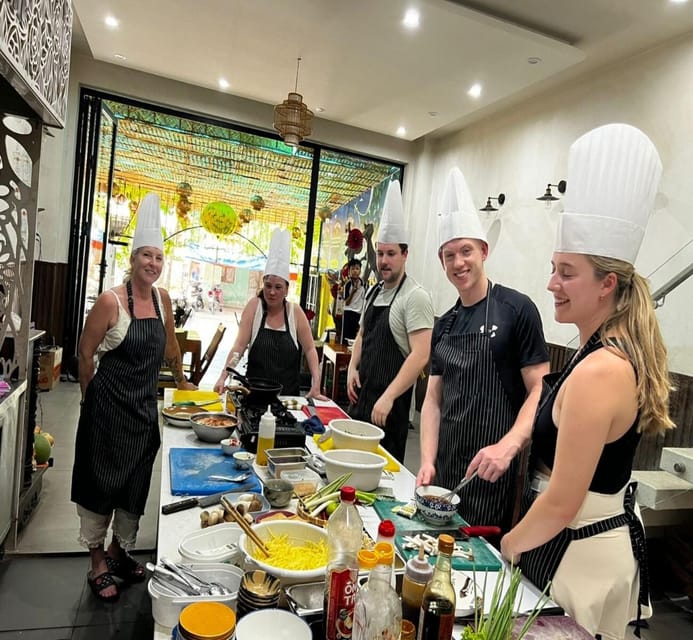
Hoi An is a place where food is daily life, not just a tourist activity. This class taps into that by focusing on vegetarian versions of familiar Vietnamese flavors, which is honestly a smart way to learn. You still get the herbs, aromatics, and balance—just without meat—so you learn technique, not just substitutes.
You’ll also pick up small habits that transfer to your own cooking later. For example, Vietnamese vegetarian food usually depends on how ingredients are treated and layered: crisp fresh elements on top, deeper flavors underneath, and sauce that ties it all together. This class helps you build those layers in a way you can repeat at home.
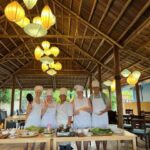
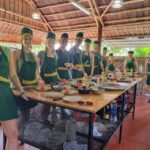
The setting matters too. Cooking in a local home-style environment (as described by guests) tends to make the class feel relaxed and personal. You get more back-and-forth than you’d expect from a classroom.
You can also read our reviews of more tours and experiences in Hoi An.


Meeting up, picking the right start time, and what the 3 hours really feel like
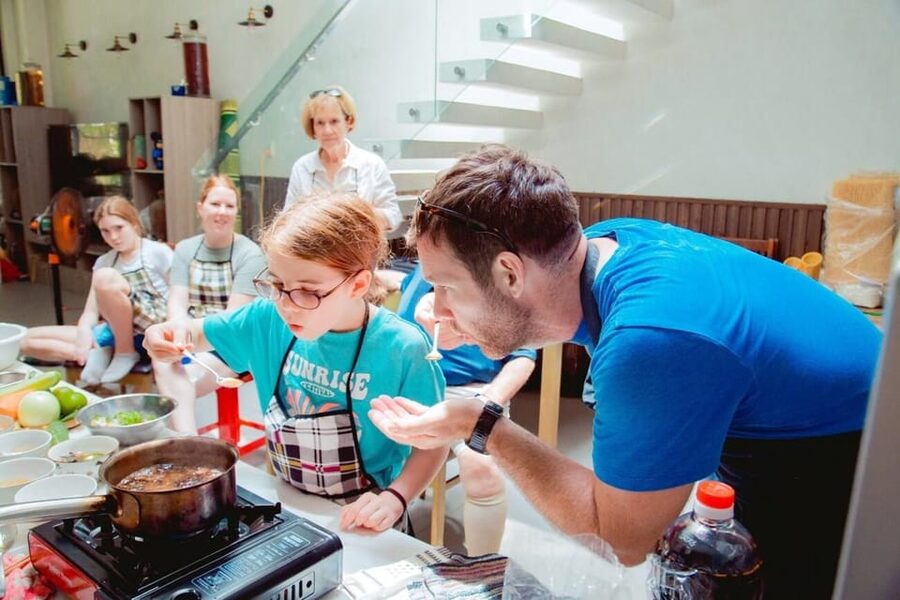
The experience is set up to run smoothly within a short window: about 3 hours from start to finish. You don’t waste time getting there, because pickup in the Hoi An area is offered for free (optional). If you prefer to meet independently, the meeting point is 46 Huynh Thi Luu street, Hoi An.
In practice, this time slot format is best when you want something hands-on but don’t want to sacrifice your whole day. You get:
- a market walk (if you choose it),
- cooking instruction,
- and the meal you make.
During the session, expect breaks that make sense. There’s a welcome drink, then you settle in before cooking. Afterward, you eat what you cooked and the whole experience wraps up with return transport to your hotel (optional).
The small catch is that it’s compact. You’ll be on your feet, cooking, tasting, and moving around, so don’t plan a heavy itinerary right after unless you’re comfortable with a slightly tired, food-happy feeling.
Finding ingredients the Vietnamese way: the market stop
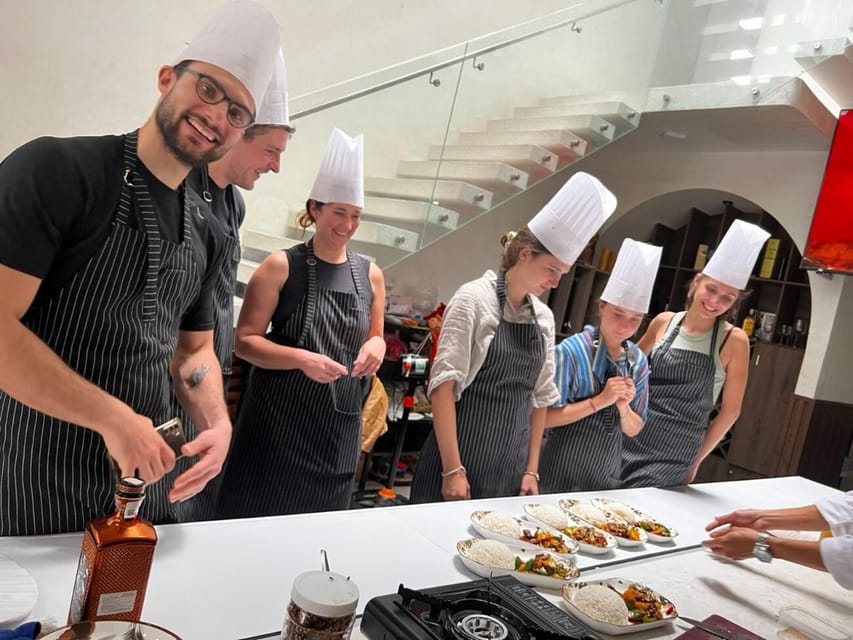
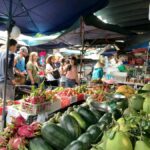
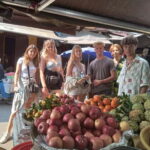
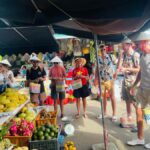
If you add the optional market trip, this is one of the most valuable parts. You’re not just walking for photos. You’re learning how locals choose ingredients that hold up in Vietnamese vegetarian cooking.
Here’s what you should pay attention to during the market portion:
- Ingredient freshness: herbs and produce matter because vegetarian dishes often rely on bright, clean flavors
- Texture choices: vegetarian cooking is frequently about mouthfeel—crisp, tender, springy, or silky
- What to look for when you’re building flavor without meat
Even if you’re a confident cook, this kind of ingredient selection is a shortcut to better results at home. You’ll know what “good” looks like for Vietnamese pantry and market staples, and you’ll understand how those items fit into the dishes you’re about to make.
If you skip the market portion, you still cook with high-quality ingredients. But the market stop is the part that helps the lesson stick, because you connect names and flavors to real ingredients you picked yourself.
Cooking with Chef Thanh: how the lesson stays clear and flexible
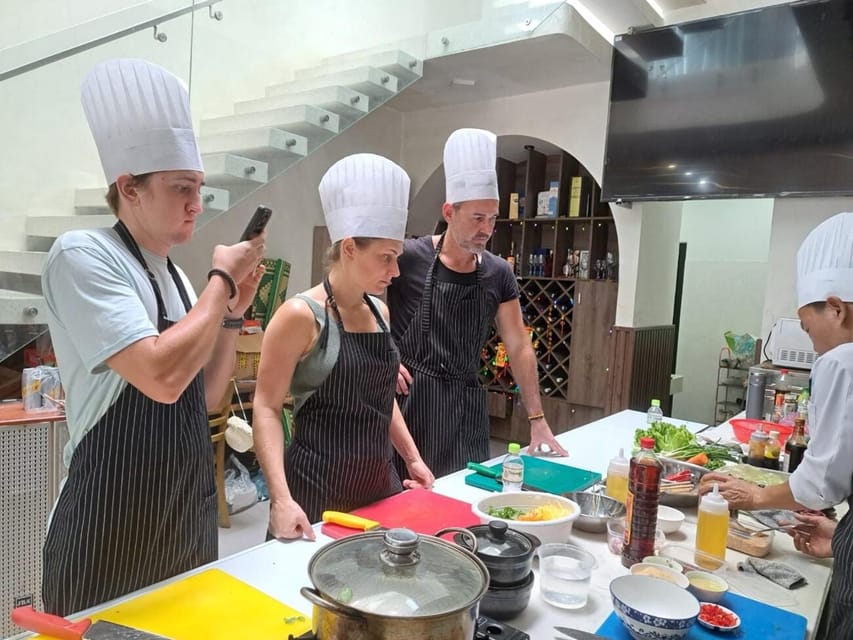
Chef Thanh is a big reason this class gets strong feedback. Guests highlight how well he explains things and how comfortable he is with questions. You’re not just following a script—you’re guided through decisions step by step.
The class format focuses on vegetarian Vietnamese dishes using quality ingredients. You’ll follow the chef’s instructions, and he’ll help you troubleshoot as you cook. That matters more than people think. A small change in heat level, cutting size, or seasoning timing can shift Vietnamese flavors fast.
The experience is described as teaching four local dishes. At least one recent participant ended up with three finished dishes, so the number you walk away with may vary slightly depending on how the session flows. Either way, you should still expect a full cooking practice, not a short tasting session.
What I especially like here is flexibility around dietary preference. One guest specifically mentioned being able to choose vegetarian or even vegan options. If you’re unsure what that means for you, tell the chef what you eat (and what you don’t) before you start cooking. This is the best time to clarify, because ingredient choices affect the final dishes.
The meal: welcome drink, what you eat, and how to think about allergies
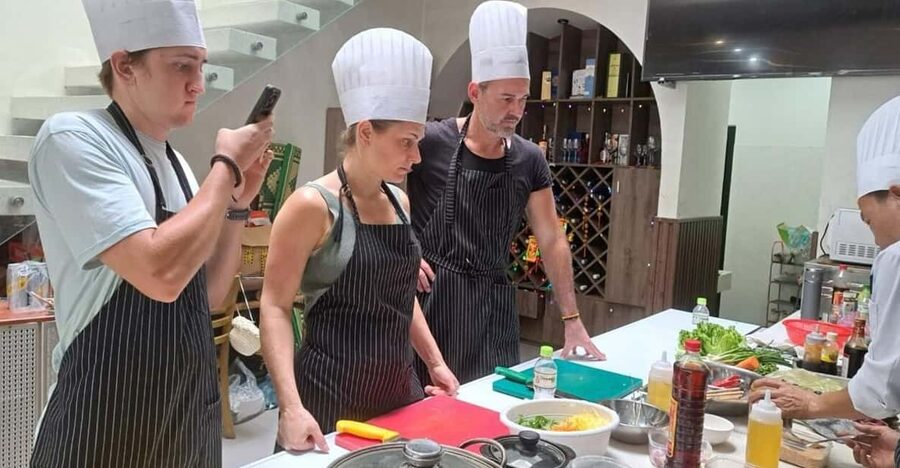
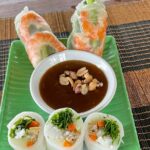
You’ll be served a welcome drink, then you rest briefly before the cooking begins. After the lesson, you eat your creations. That meal is included, with vegetarian lunch for the morning slot or dinner for the afternoon slot.
This included meal is part of the value. With many cooking classes, you get a couple bites and you’re sent on your way. Here, you should plan on eating properly—because you cooked it, and you’re hungry after shopping and chopping.
For allergies, the key is to communicate early. The experience notes ask you to let them know if you have food allergies. Don’t wait until the last minute. Vegetarian dishes can still include ingredients like sauces, egg products (depending on what’s used), and specific vegetables or aromatics. Clear details help the chef adjust.
Also note what’s not included: drinks beyond the welcome drink. If you want extra bottled water or other beverages, budget for that separately.


Price and what you actually get for $27
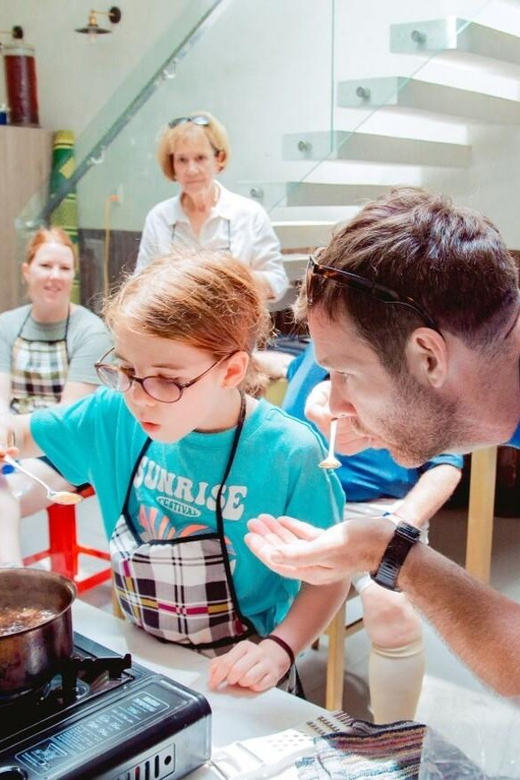
At $27 per person for about 3 hours, this class is priced like a hands-on experience, not like a casual street-food stop. You’re paying for:
- an English-speaking master chef,
- optional pickup/drop-off in the Hoi An area,
- a market trip option (also optional),
- welcome drink,
- all ingredients,
- and a vegetarian lunch or dinner.
When you break it down, the meal + market ingredient help + chef instruction is the big bundle. If you’re the type of traveler who usually ends up buying ingredients to cook later and then realizes you don’t know what to buy or how to sequence flavors, this class reduces that guesswork.
Is it “cheap”? No. But it’s fair for the time, guidance, and included food. For one afternoon or evening, you get skills you can recreate, plus a real meal in a local setting.
Practical logistics: what to bring, what to avoid, and who this suits best
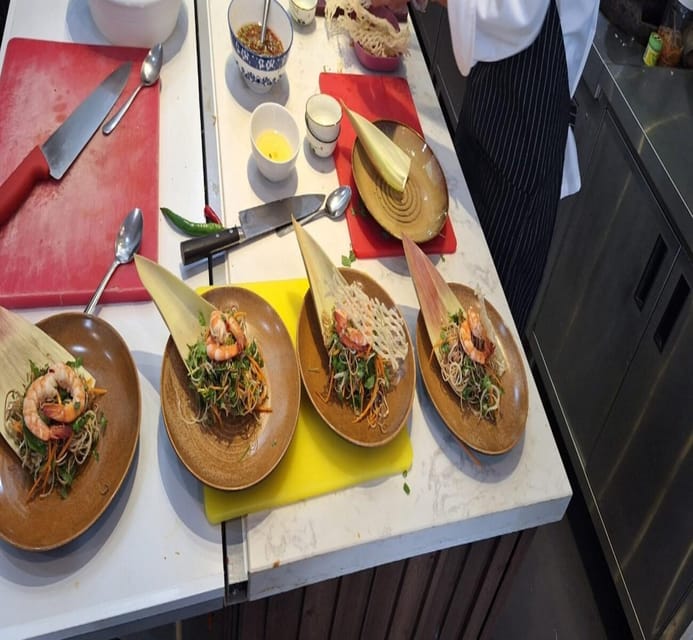
This is one of those activities where small prep helps a lot.
Bring
- Comfortable shoes (you’ll be standing and moving)
- Comfortable clothes (you’ll be cooking)
Don’t bring
- Pets
- Luggage or large bags
Accessibility
It’s not suitable for people with mobility impairments or wheelchair users. If accessibility is a concern, ask about the setup before booking, since the experience description doesn’t include alternatives.
Contact
There’s a WhatsApp contact provided for easy communication, but the actual number should be shared by the operator during booking or confirmation. Save it right away so you can coordinate pickup smoothly.
Who should book this class (and who might skip it)
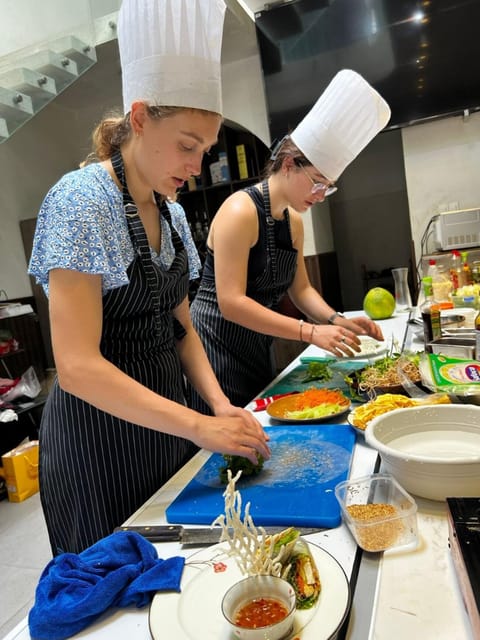
Book this if you want:
- a real cooking lesson with English instruction,
- vegetarian Vietnamese flavors that feel authentic,
- and a market ingredient experience that teaches you what matters.
You’ll especially enjoy it if you like food markets, want to cook at home with better ingredient choices, or you’re traveling with dietary needs and want a proper meal that doesn’t feel like an afterthought.
Skip it if you:
- need a fully accessible setup (it’s not designed for wheelchair users),
- hate standing and chopping for a couple hours,
- or only want restaurant-style eating without learning any technique.
Should you book this vegetarian cooking class?
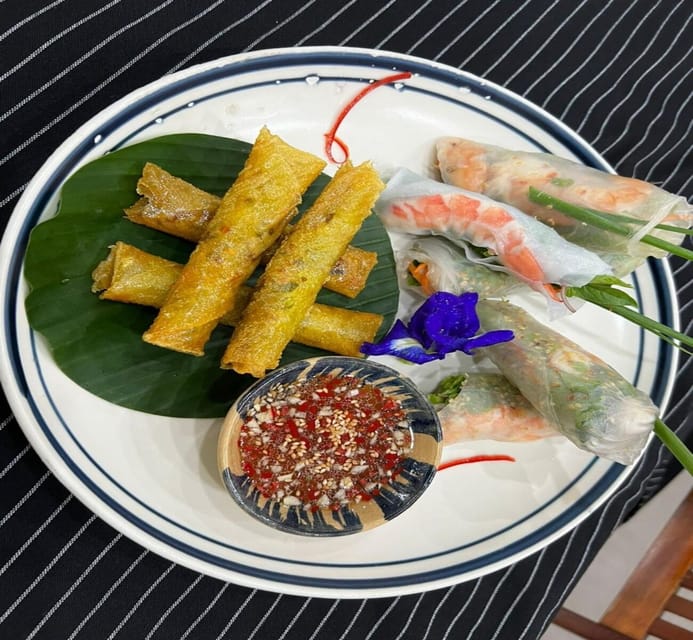
Yes, if you go in with the right mindset: you’re learning technique and ingredient logic, not just collecting dish names. The combination of market ingredient picking and Chef Thanh’s step-by-step teaching is the winning formula, and the included lunch or dinner means you get rewarded immediately for your work.
I’d book it with extra confidence if vegetarian (or vegan-friendly) cooking is important to you. Just message your dietary needs clearly up front so the menu matches what you want. And wear shoes you can stand in comfortably.
If you’re short on time in Hoi An but want something more meaningful than another meal, this is a strong use of three hours.
FAQ
How long is the Hoi An vegetarian cooking class?
The total duration is 3 hours.
Is hotel pickup and drop-off included?
Pickup and drop-off in the Hoi An area are optional and included.
Do you visit a market before cooking?
A local market trip is optional. If you choose it, you’ll observe how locals buy ingredients and learn what to select for the dishes.
What do you cook during the class?
The chef teaches you how to cook several Vietnamese vegetarian dishes, described as 4 local dishes.
Is lunch or dinner included?
Yes. You’ll get a vegetarian lunch for the morning slot or a vegetarian dinner for the afternoon slot.
Do I need to speak Vietnamese?
No. The master chef provides instruction in English.
What if I have food allergies?
Please let the operator know about any food allergies in advance so they can adjust appropriately.
Is the class accessible for wheelchair users?
No. The experience is not suitable for people with mobility impairments or wheelchair users.