REVIEW · HOI AN
Hoi An : Lantern Making & Cooking Class With Local Family
Book on GetYourGuide →Operated by Vietnam Orange Tour · Bookable on GetYourGuide
Hoi An can feel like it’s made for lanterns, and this class turns that glow into a skill you keep. You’ll spend about 3.5 hours making a foldable silk lantern, then sit down to cook (and eat) classic Central Vietnam dishes. It’s hands-on, friendly, and good value if you like practical travel over passive sightseeing.
Two things I liked right away. First, you’re not just watching—you’ll actually create a lantern using silk and bamboo techniques, and you get to take it home as a meaningful souvenir. Second, the cooking part is designed to help you learn Vietnamese food you can repeat later, not just sample once.
One consideration: this is a group experience, so you’ll move at the class pace and the exact timing/menu can shift a little.
In This Review
- Key highlights you should plan around
- Why a Hoi An lantern class feels more real than a souvenir shop
- Lantern making with local craft methods you can actually understand
- The cooking class: step-by-step Vietnamese basics with Hoi An specialties
- What you’ll cook and why these dishes make sense in Hoi An
- How the class helps you when you cook later
- From cooking to lunch/dinner: the meal becomes part of the lesson
- Price and value: why about $23 can be a solid deal here
- Public holiday note
- Logistics that matter: meeting point, pacing, and what to wear
- What to bring
- Timing reality check
- Who this tour suits best (and who should think twice)
- Should you book? My practical verdict
- FAQ
- How long is the Hoi An Lantern Making and Cooking Class?
- Where does the tour start and end?
- Is hotel pickup included?
- Will I make my own lantern?
- Is the cooking class taught in English?
- What dishes will we cook?
- Is the meal included?
- Is a vegan or vegetarian option available?
- Are there extra costs on public holidays?
- Can children attend?
Key highlights you should plan around
- You make a foldable Hoi An lantern that you can keep after the class
- Silk-and-bamboo crafting gives you a real souvenir, not a factory-made token
- English-speaking instructor plus step-by-step cooking guidance
- Hoi An specialties on the menu, including spring rolls, rice pancakes, and Cao Lau noodles
- Lunch/dinner with your group, plus time to chat and compare notes
- Vegan/vegetarian is available on request, if you book ahead
Why a Hoi An lantern class feels more real than a souvenir shop
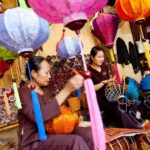
Hoi An’s lanterns are everywhere—on streets, boats, and storefronts. But buying one is quick. Making one takes longer, and that’s the point. When you shape bamboo into a frame and work with silk, the symbol starts to mean something. You’re holding the same kind of item people associate with good luck, happiness, and wealth, and you built it yourself.
I also like that this tour doesn’t treat the craft as the only event. You finish by eating what you cooked, which is the most honest way to learn a cuisine. If you’ve ever been impressed by Vietnamese food but felt stuck on how it all comes together, this format helps.
Still, don’t expect luxury pacing. You’ll be guided through the process step by step, with other people in the mix. That group energy can be great for conversation, but it does mean you won’t have total control over the timing.
You can also read our reviews of more tours and experiences in Hoi An.


Lantern making with local craft methods you can actually understand
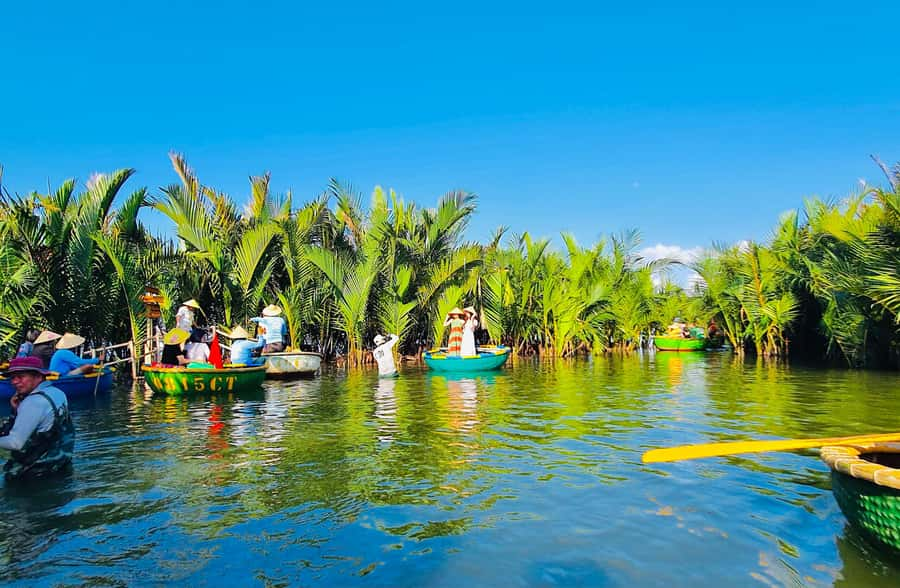
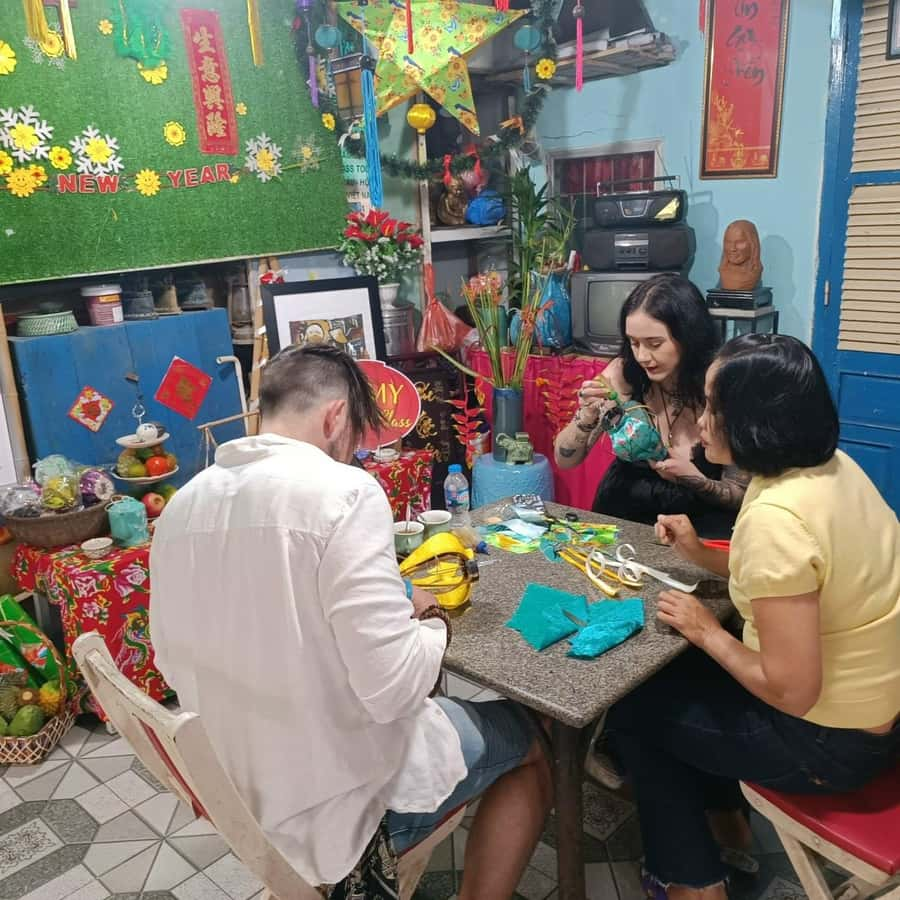
You start at Thanh Quân Eco Tour in Cẩm Thanh, Hội An, then you join the lantern-making segment with an instructor. The big promise here is practical: you’ll make your own handmade foldable lantern rather than simply decorating a pre-made one.
Here’s what the experience is built around:
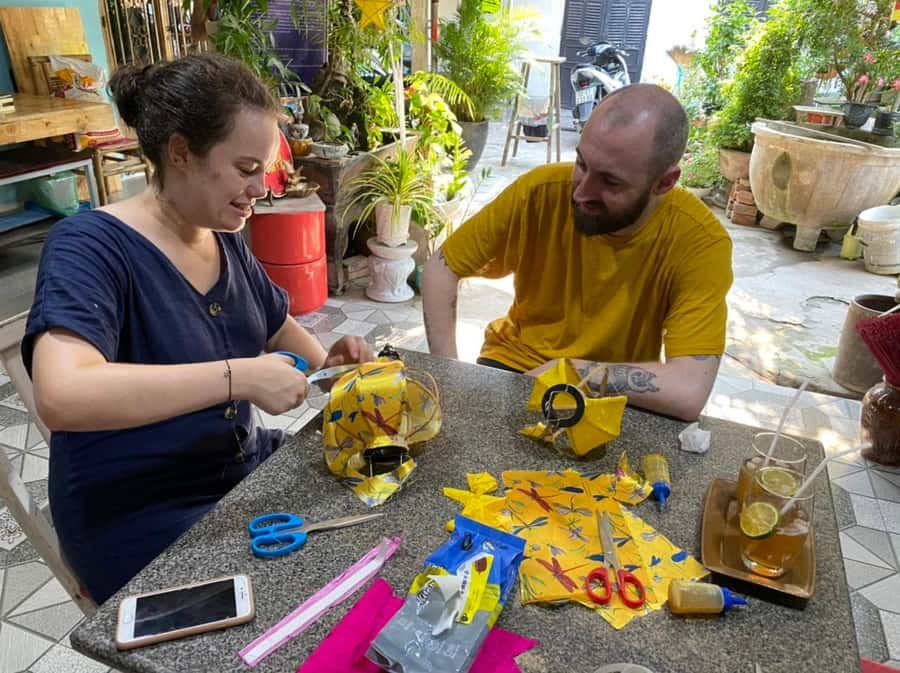
- You learn lantern-making craft with silk and bamboo
- You create a lantern in different shapes (based on the class setup)
- You get one lantern per person to keep afterward
The foldable part matters more than it sounds. A lantern that packs down is easier to bring home without stress, and you’ll probably feel more confident explaining your souvenir when someone asks how you made it.
You’ll also get a welcome drink before the cooking portion. Reviews also mention a friendly, helpful team vibe, so expect a relaxed atmosphere rather than a strict workshop. For me, that kind of tone matters in a short tour—you want to feel comfortable enough to ask what you’re doing and why.
Possible drawback: because it’s a group class, the exact technique focus and pace can depend on how many people are in your session. The tour notes that the schedule and menu can change a little, and you should treat this as normal for a live teaching environment.
The cooking class: step-by-step Vietnamese basics with Hoi An specialties
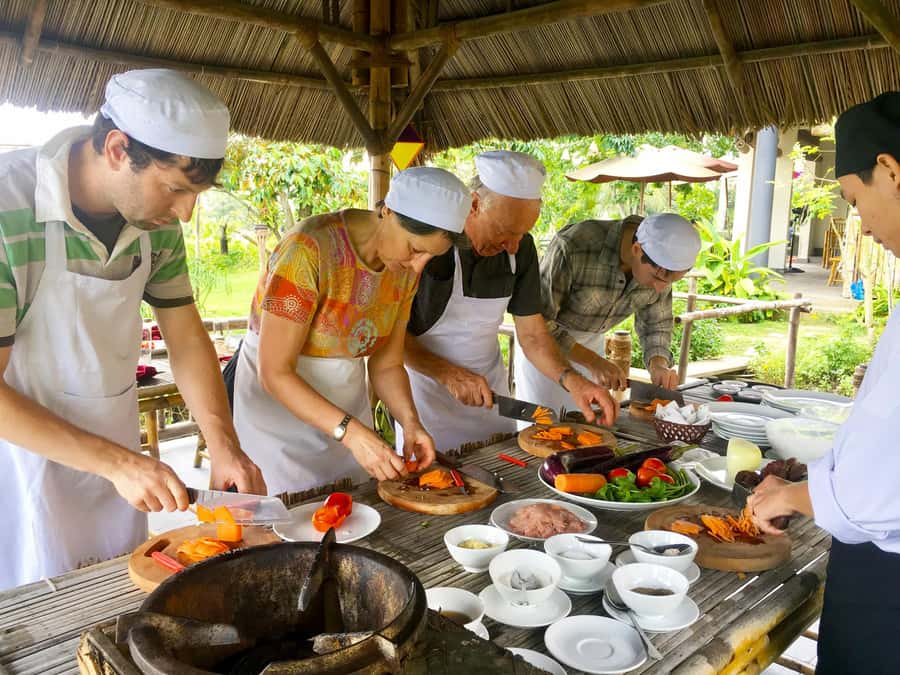
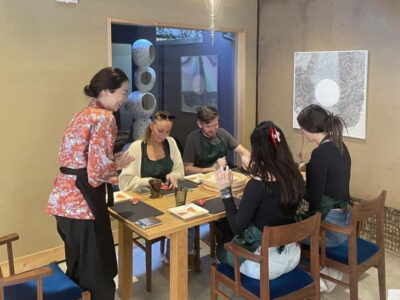
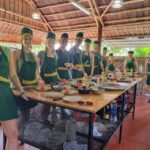
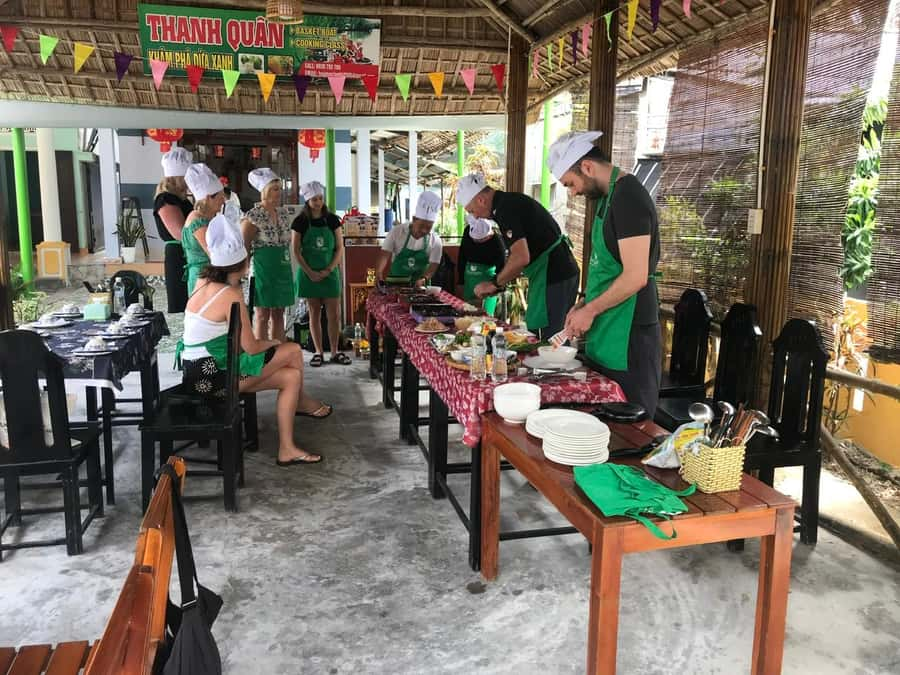
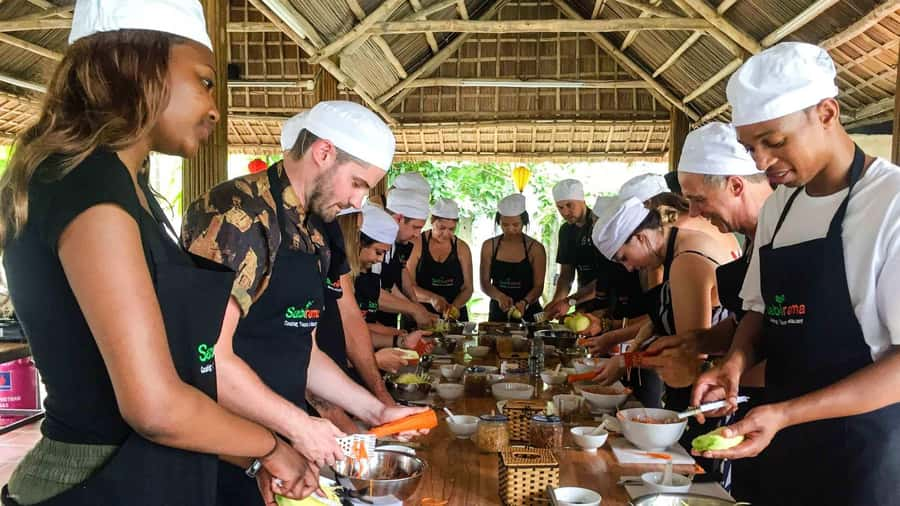
After the lanterns are done, you move into the cooking class with a local cook and an English-speaking chef who gives detailed instructions. This is the part that turns the tour from craft time into a food experience you can reuse at home.
The tour is set up like a guided cooking session, so you’re not stuck watching someone else work. You follow the instructions, cook using high-quality ingredients, and you get to eat your own dishes at the end.
What you’ll cook and why these dishes make sense in Hoi An
The menu includes:
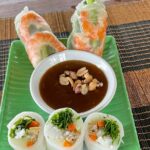
- Fried spring rolls
- Rice pancakes
- Cao Lau noodles (a specialty from Hoi An)
Even if you’ve had Vietnamese food before, these dishes cover different skills. Spring rolls are about handling filling and frying properly. Rice pancakes force you to focus on texture and timing. And Cao Lau noodles are a great Hoi An signature dish because they’re not just generic noodle soup—they represent the local identity of the area.
How the class helps you when you cook later
In a lot of tours, you taste and leave. Here, the value is that you learn a workflow. By the time you’re sitting down to eat, you’ve already handled the ingredients and practiced the steps. That means if you try to cook one dish at home, you’ll remember the sequence better, not just the flavor.
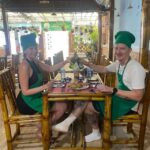
Also, there’s time for everyone to share the meal together. That group table can be surprisingly useful because you’ll compare what you did, how yours turned out, and what someone else learned.
One more practical note: vegan/vegetarian is available upon request when booking. If you eat plant-based, it’s worth messaging ahead so the class can prepare accordingly.
From cooking to lunch/dinner: the meal becomes part of the lesson
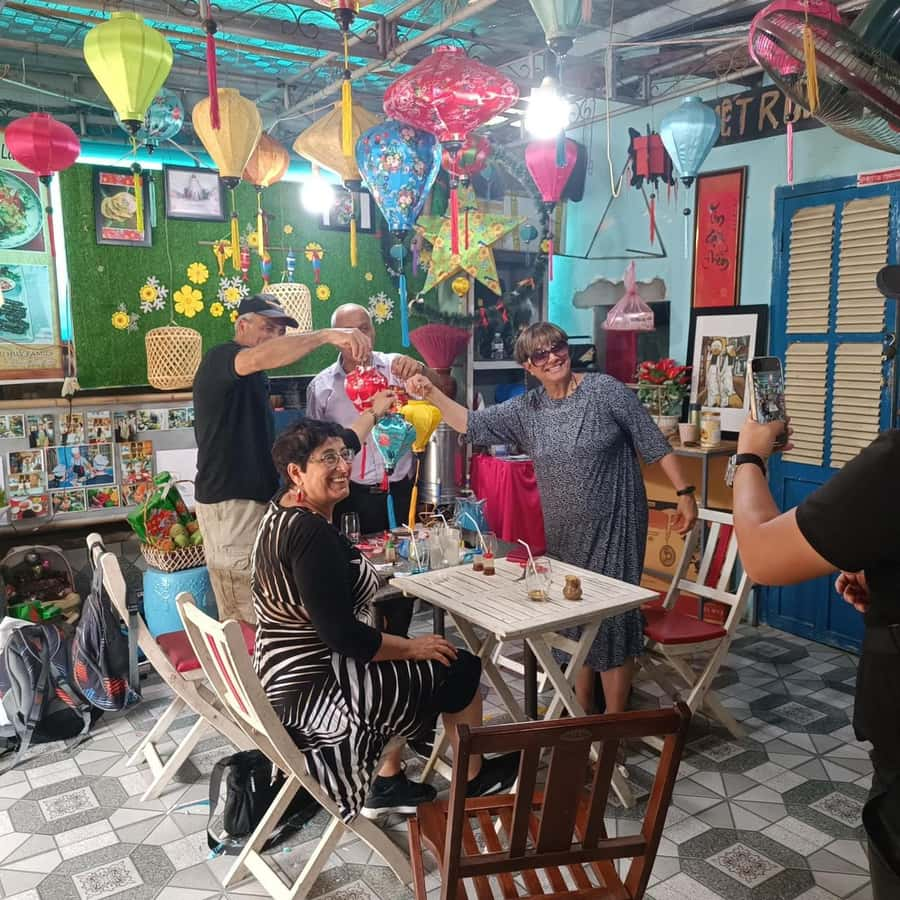
The tour wraps with you eating what you prepared. This isn’t just included—it’s integrated into how you learn. When you taste food right after making it, your brain locks in what each step contributed. You also get to see how others’ dishes turned out, which is helpful if you want to improve your technique later.
There’s also a chat element. After everyone finishes, you share a meal and get a chance to talk with each other. That matters for solo travelers too: you’re not left alone with a plate. You’re in a small, shared situation, which makes conversation natural.
And based on the high review scores, the team approach is part of the success. People praised how helpful and friendly the staff were and how the class was informative. That lines up with what you want from a short 3.5-hour experience—clear guidance, calm energy, and a good chance to ask questions without feeling rushed.
Price and value: why about $23 can be a solid deal here
At about $23 per person, you’re paying for:
- a lantern-making class (one lantern per person)
- an English-speaking instructor/chef
- all cooking ingredients
- a meal (lunch/dinner)
- a welcome drink
- round-trip within the meeting point area (it starts and ends at the same place)
On paper, cooking classes can be a chunk of money on their own. Lantern crafting also usually costs extra if you’re buying supplies elsewhere. Here, both are bundled with food included, so the overall value works best if you plan to eat and you want a souvenir you actually made.
Where value can drop a bit is if you’re expecting hotel convenience. Hotel pickup and drop-off aren’t included, so you’ll want to make your own way to the meeting point at Thanh Quân Eco Tour, Cẩm Thanh, Hội An. If you’re already staying nearby, that’s easy. If you’re farther out, add extra time for getting there and back.
Public holiday note
If you book on a Vietnamese public holiday, there’s a 200,000 VND per person cash surcharge. It’s not always mentioned in advance in casual planning, so check your travel calendar when deciding.
Logistics that matter: meeting point, pacing, and what to wear
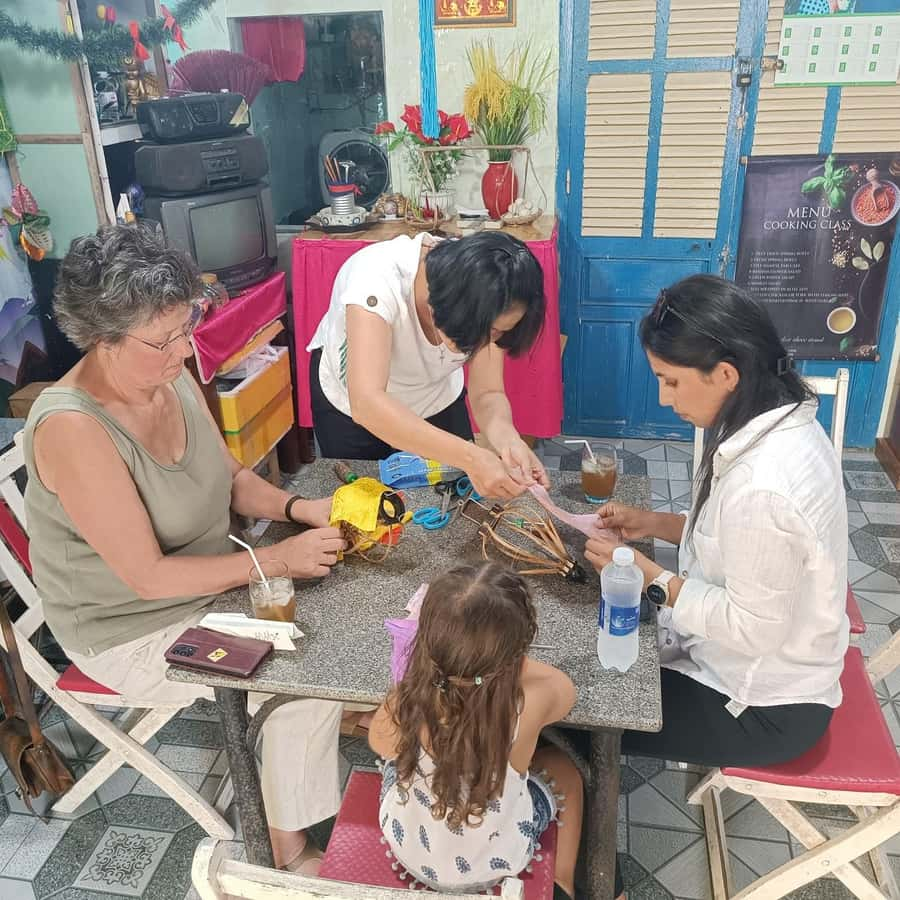
This is a group tour. That means:
- You’ll be combined with other participants.
- The class pace depends on the group size.
- The schedule and menu can change slightly.
You start and end at the meeting point. There’s no hotel pickup. So treat it like a “go to this place, do the experience, come back to the same place” plan.
What to bring
The data doesn’t list a specific dress code, so use common sense. Lantern making and cooking can involve light mess and handling materials. Wear clothes you don’t mind getting a bit messy, and consider closed-toe shoes if you’re sensitive about your feet.
Timing reality check
The duration is listed as 3.5 hours, but starting times depend on availability. That’s normal for classes. Plan your afternoon with buffer so you don’t feel rushed.
Who this tour suits best (and who should think twice)
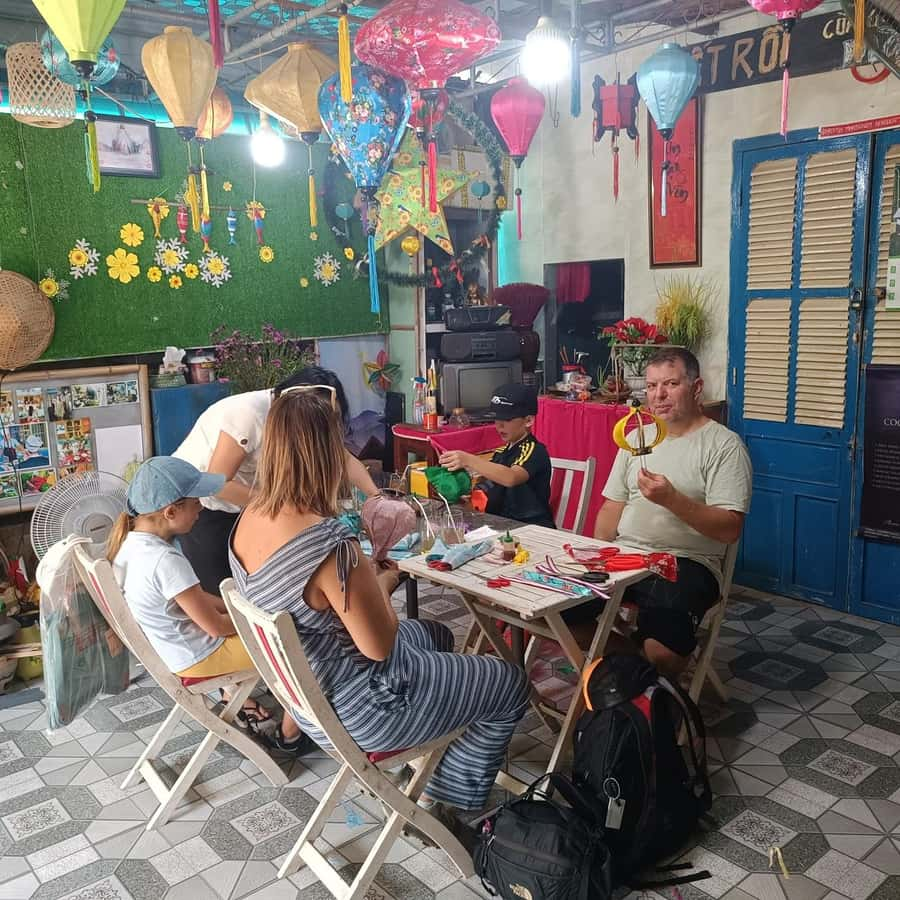
This is a good fit if:
- you want an actual hands-on souvenir from Hoi An
- you like Vietnamese food and want to learn how to cook it, not just order it
- you’re traveling with friends, family, or solo and you enjoy meeting people during the meal
- you’d like an English-friendly class rather than trying to figure everything out on your own
It might be less ideal if:
- you want a private, quiet experience with no group pacing
- you strongly prefer hotel pickup and door-to-door convenience
- you’re only interested in one part (lanterns or cooking) and you’d rather skip the second activity
If you’re bringing kids, children under 4 can attend free of charge but won’t participate in the cooking. If your child needs an active role, choose accordingly.
Should you book? My practical verdict
Book it if you want a short, structured experience that gives you two rewards: a handmade lantern and a cooking lesson you can use later. At around $23, the mix of craft + meal + English guidance is hard to beat—especially if you plan to eat anyway.
Pass or consider alternatives if you’re far from Cẩm Thanh and hate the idea of meeting at a fixed location without hotel transfer. Also, if you get stressed by group pacing, keep your expectations flexible. This tour works best when you treat it like a friendly workshop and meal, not a private performance.
FAQ
How long is the Hoi An Lantern Making and Cooking Class?
The duration is listed as 3.5 hours, though you should check availability for starting times.
Where does the tour start and end?
The tour starts at Thanh Quân Eco Tour, Cẩm Thanh, Hội An and ends back at the same meeting point.
Is hotel pickup included?
No. Hotel pick up and hotel drop-off are not included.
Will I make my own lantern?
Yes. You’ll make one lantern per person, learning lantern-making craft with silk and bamboo.
Is the cooking class taught in English?
Yes. The instructor/chef is English-speaking.
What dishes will we cook?
The cooking includes fried spring rolls, rice pancakes, and Cao Lau noodles (Hoi An specialty).
Is the meal included?
Yes. The tour includes lunch/dinner based on what you prepare.
Is a vegan or vegetarian option available?
Yes. Vegan/vegetarian is available as requested upon booking.
Are there extra costs on public holidays?
Yes. Booking on a Vietnamese public holiday has an extra charge of 200,000 VND per person, paid by cash.
Can children attend?
Children under 4 can attend free of charge, but they will not participate in the cooking.