REVIEW · HOI AN
Hoi An Eco Village Cooking Class
Book on GetYourGuide →Operated by Sky Travel · Bookable on GetYourGuide
A coconut-forest boat ride leads to real cooking. I like how the experience pairs a local market stop with an actual hands-on cooking lesson at a neighborhood home. The one thing to keep in mind is that the bamboo boat portion can feel more like a scenic intro than a deep, long fishing session.
In other words, you’re paying for a full day-meets-cooking-class flow: sights, ingredients, then dinner you make yourself. It’s a great value if you’re serious about learning, but if you expect lots of crabbing action every time, adjust your expectations before you go.
In This Review
- Quick take: what stands out most
- Bamboo Basket Boat to Coconut Paradise: A Scenic Start with a Purpose
- What the boat time does well
- The one drawback to factor in
- The Market Stop: Where Your Cooking Lesson Actually Starts
- How to use the market time well
- Cam Thanh Cocooned in Water Palm: Purple Crabs and Practical Expectations
- Cooking at a Local Home: The Real Skill You’re Buying
- Why a local home setup matters
- The Cooking Lesson: 4 Hoi An Dishes, Taught Step by Step
- The key learning: taste and adjust
- Eating What You Cook: Lunch/Dinner Plus Vietnamese Tea
- Why the tea inclusion is smart
- Vegan and Vegetarian Options: Ask Early for the Best Fit
- Price and Value: Why $29 Can Actually Make Sense
- Where value may feel weaker
- Timing, Group Flow, and How to Get the Most from 330 Minutes
- What to wear so the day stays comfortable
- Who Should Book This Hoi An Eco Village Cooking Class?
- Who it’s not for
- Practical Expectation Checks (So You Don’t Leave Confused)
- Should You Book This Cooking Class in Hoi An?
- FAQ
- How much does the Hoi An Eco Village Cooking Class cost?
- How long is the cooking class?
- What’s included in the price?
- Is pickup included from my hotel?
- What language is the guide?
- Does the tour include the market stop and boat ride?
- What do I cook during the class?
- Can the menu be vegan or vegetarian?
- What should I bring?
- Are drinks included?
- Is the tour wheelchair accessible?
Quick take: what stands out most
- Cam Thanh bamboo basket boat through coconut waterways, with photos while you join in the rhythm of local fishing
- Market time with direct contact—you get to see ingredients up close and ask questions before the stove starts
- A local home cooking format taught by an English-speaking chef, with step-by-step help
- You eat what you cook (lunch/dinner style) plus Vietnamese tea—so the value isn’t just the class
- Guides like Trang and Kieu have been praised for clear demos and patient assistance
Bamboo Basket Boat to Coconut Paradise: A Scenic Start with a Purpose
This tour begins with a pickup around the Hoi An area and then moves you toward Cam Thanh fishing village style scenery. You’re not just getting transported; the timing is built so you start outdoors, then transition to food with context.
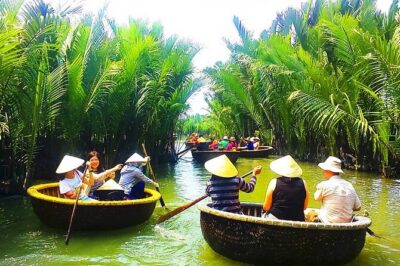
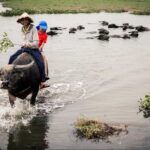
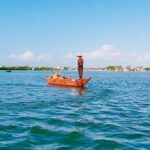
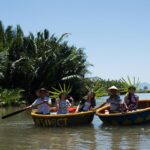
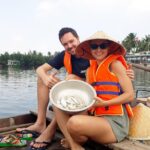
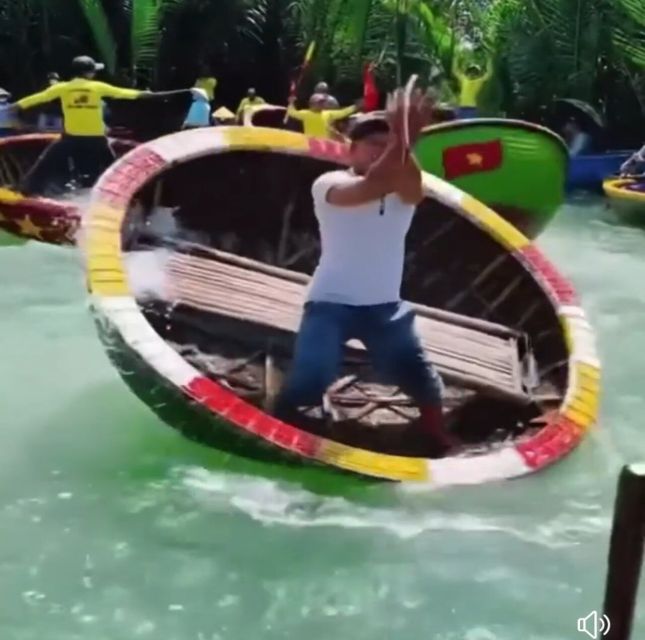
The headline early moment is the bamboo basket boat ride in the water palm coconut paradise. You’ll join local fisherman on round boats as you glide through coconut forest waterways. It’s scenic, yes, but the practical point is that it sets you up to understand why these ingredients and flavors belong to this coastal region.
You can also read our reviews of more tours and experiences in Hoi An.


What the boat time does well
The ride gives you a quick visual education. You see how narrow waterways work, how locals move, and why the coast here is so tied to seafood and seasonal catches. You also get that photo-friendly moment while paddling in.
The one drawback to factor in
Some people find the boat segment short and more show-like than fully authentic fishing time. If your top goal is “maximum time out on the water doing real fishing,” this might feel a bit staged. Think of it as an atmospheric warm-up, not the main event.
The Market Stop: Where Your Cooking Lesson Actually Starts
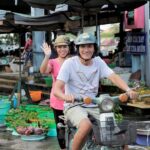
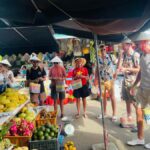
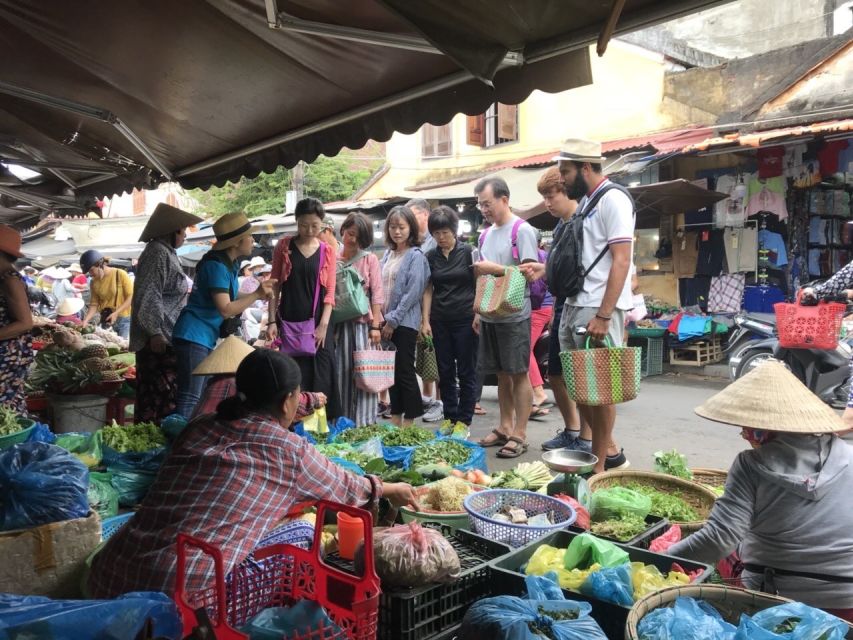
Right before you cook, you head to a local market. This matters more than people think, because markets teach you what “quality” means in everyday Vietnam—not just what ends up on menus.
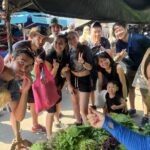
You’ll have a chance to see and experience the energy of the market and contact sellers directly. That direct interaction is the difference between watching someone list ingredients and actually learning what you’re buying and why.
How to use the market time well
If you want to get the most out of the later cooking, pay attention to:
- The herbs and greens (they’re often the flavor backbone)
- The sauces and seasonings being used in small portions
- The produce that looks fresh but also matches how cooks here balance sweet, salty, and sour
You’re also listening to your English-speaking guide/chef while you browse. Even if you don’t remember every ingredient name, you’ll understand which ones to prioritize later when you cook your dishes.
Cam Thanh Cocooned in Water Palm: Purple Crabs and Practical Expectations
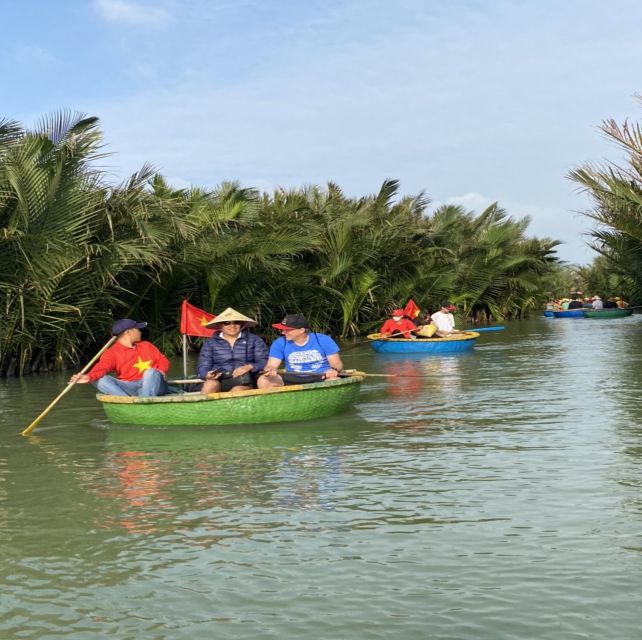
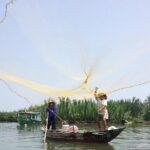
After the market, you move to the coconut waterways portion of the program. You’ll paddle into the coconut forest waterways and the activity includes a chance to catch purple crabs.
This is where expectations can swing. The tour plan says you catch purple crabs as part of the experience, and the general idea is that it’s playful and hands-on. But in practice, weather, water conditions, and timing can affect what you manage to catch during the available time.
So I’d treat this as a fun “try it” moment rather than a guaranteed catch. If you go in with that mindset, you won’t leave annoyed if the crabbing isn’t dramatic.
Cooking at a Local Home: The Real Skill You’re Buying
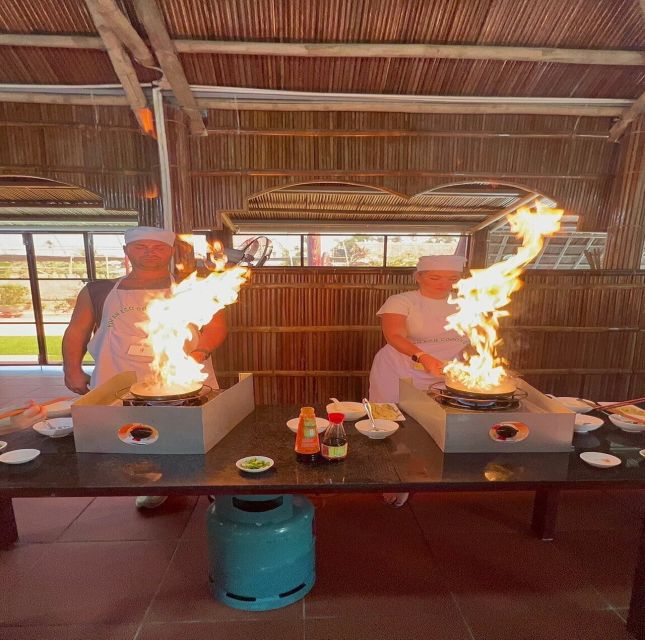
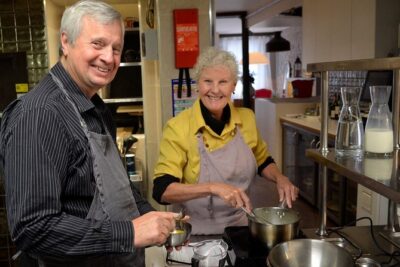
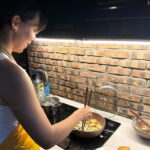
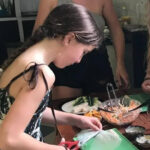
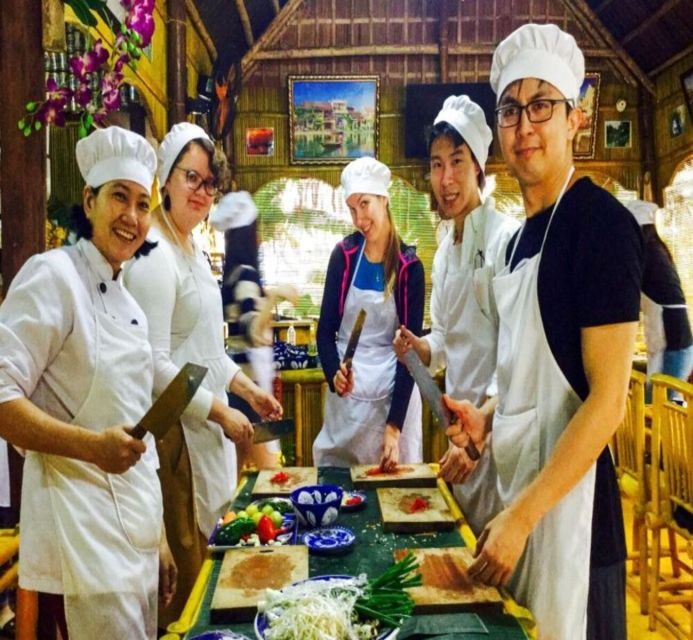
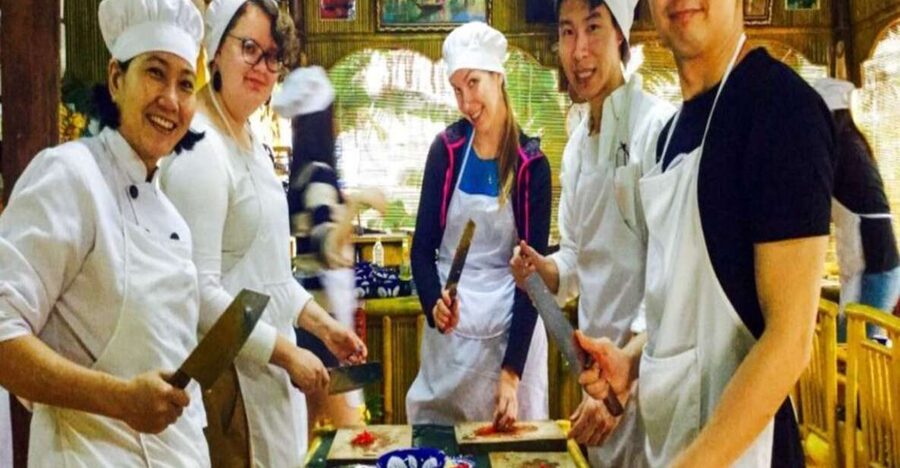
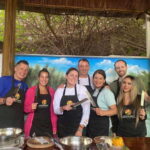
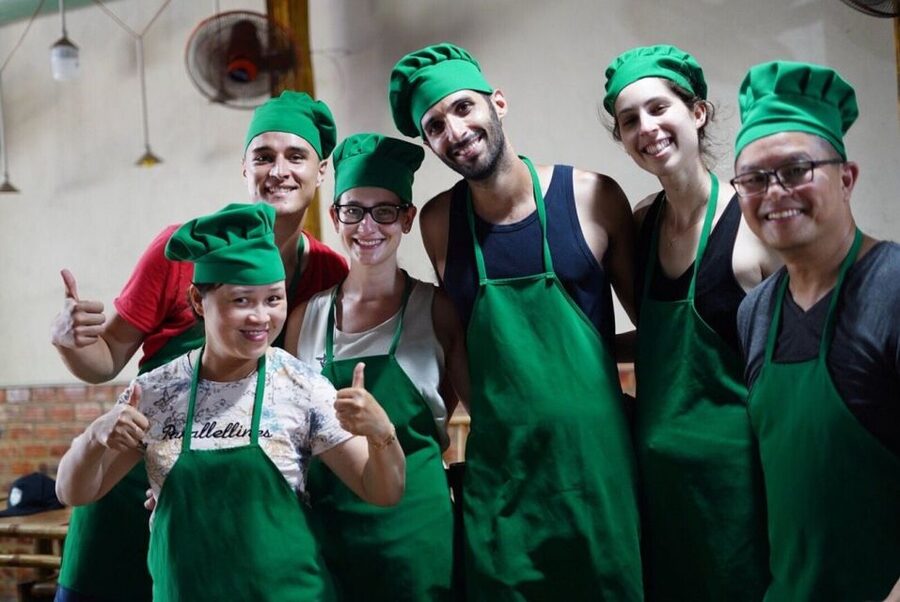
The heart of the experience is the cooking lesson at a local home. This isn’t a big studio demo where you watch from the sidelines. You cook with guidance from an English-speaking local chef.
Past sessions have been led by chefs like Trang and Kieu, and both have been specifically praised for teaching clearly and staying close while people try their own steps. That’s exactly what you want in a class: help when your chopping isn’t matching the instructor’s rhythm.
Why a local home setup matters
A home setting changes the lesson. It usually means the cooking tools and workflow are familiar to everyday cooks, and you learn the logic of the dish rather than just the final plating. You also get a feel for the pacing—when to stir, when to taste, and how to adjust.
And yes, you’ll also get a sense of what normal Vietnamese meals look like in practice: not only what’s cooked, but how eating is part of the rhythm.
The Cooking Lesson: 4 Hoi An Dishes, Taught Step by Step
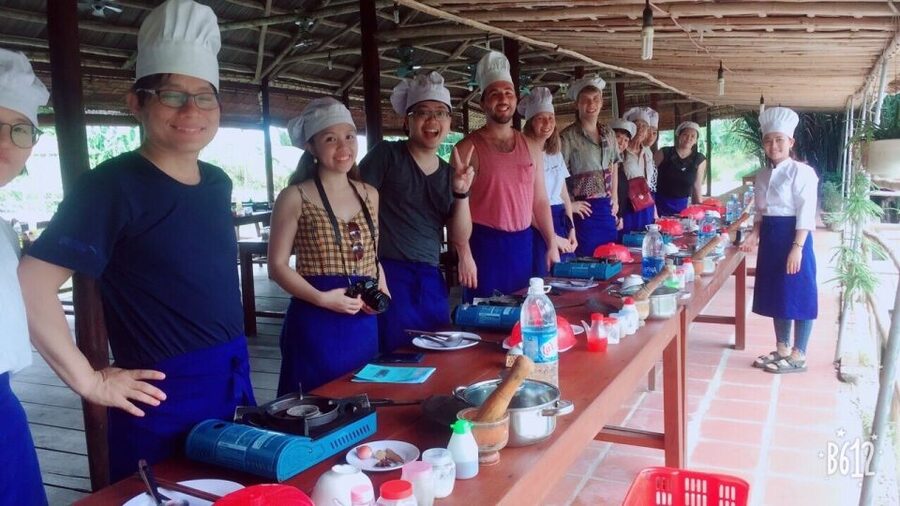
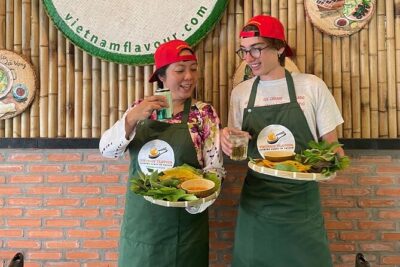
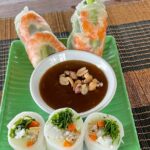
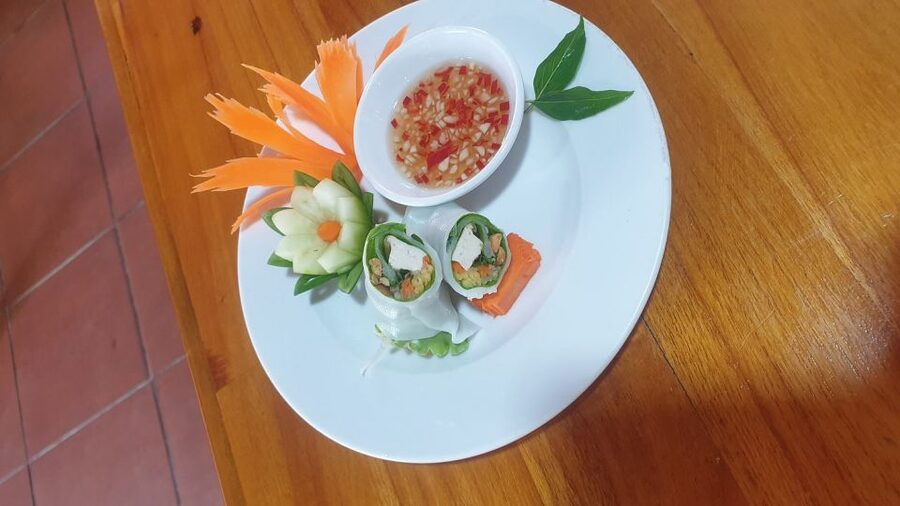
You’ll do hands-on cooking for 4 Hoi An local dishes. The class is structured so you’re not just making one thing well; you’re trying multiple flavors and techniques within the same session.
The chef teaches the process, you follow along, and then you cook your own portions. If you’re a confident cook, you’ll still appreciate the guidance—because Vietnamese cooking often depends on balance. If you’re a beginner, you’ll likely find the step-by-step approach makes the difference between messy and workable.
The key learning: taste and adjust
The best cooking classes don’t just tell you what to do. They train you to taste and correct. With this format, you learn which components matter most in each dish—herbs, texture, seasoning, and how the sour/salty balance lands in a finished plate.
When you eat right after, it also locks in what “good” tastes like. That’s a big part of why this tour feels worth it.
Eating What You Cook: Lunch/Dinner Plus Vietnamese Tea
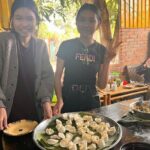
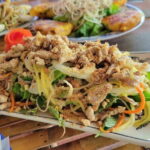
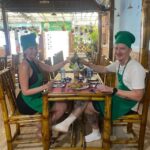
After cooking, you enjoy what you made. The tour includes lunch/dinner and Vietnamese tea, which is a very practical value point for a Hoi An day.
This matters because cooking classes can feel like “just lessons” if food is minimal or generic. Here, you’re meant to eat full dishes you’ve personally prepared, so the meal part isn’t an afterthought—it’s part of the learning loop.
Why the tea inclusion is smart
Tea isn’t just filler. It’s a simple way to round out flavors and slow down after a busy activity run. Also, tea in Vietnam is part of how meals are paced, so it fits the setting better than you’d expect.
Vegan and Vegetarian Options: Ask Early for the Best Fit
A vegan/vegetarian menu can be arranged if you request it. The detail to know: there’s an extra charge of 200,000 VND paid in cash specifically for booking on Vietnamese Public Holidays.
Because that extra cost is tied to timing, I’d message the operator early if you need this. It’s better to confirm what you’ll cook before you arrive so your class stays satisfying, not adjusted at the last minute.
Price and Value: Why $29 Can Actually Make Sense
At $29 per person for a 330-minute experience, you’re paying for more than one activity ticket. You’re getting:
- Pickup and drop-off within the Hoi An area
- Market visit support
- Bamboo basket boat segment
- Cooking lesson for 4 dishes with an English-speaking chef
- Meal (lunch/dinner) plus Vietnamese tea
If you compare that to pricing for a standalone cooking class, plus separate market tours and boat add-ons, the bundle is the whole value story. The cooking time is the real driver—food, time, and instruction.
Where value may feel weaker
If you mainly want long outdoor fishing time, you might decide the boat portion isn’t “enough.” And if you’re hoping for lots of crabs, remember the program is a chance to catch purple crabs, not a guaranteed haul every single time.
Timing, Group Flow, and How to Get the Most from 330 Minutes
With 330 minutes (about 5.5 hours), you get a packed but not rushed structure. It’s long enough to include market, boat ride, cooking, and eating. It’s short enough that you can still have a normal afternoon or evening in Hoi An afterward.
One practical detail: the operator confirms the exact pickup time after booking. They also ask for your social account (like WhatsApp/Wechat) when you reserve, so you can coordinate smoothly.
What to wear so the day stays comfortable
Bring comfortable shoes. You’ll be walking and moving between stops, and you don’t want slippery or fragile footwear slowing you down during market browsing or transitions.
Who Should Book This Hoi An Eco Village Cooking Class?
This tour is a strong match if you want:
- A hands-on cooking experience rather than a watch-only demo
- A market-to-kitchen connection, so you understand ingredients before cooking
- An English-speaking local chef guiding you through Vietnamese home-style dishes
It’s also a good fit for food-focused couples, solo travelers, and small groups who like learning and then eating immediately. If you hate seafood-based activities or dislike water settings, you can still enjoy the cooking portion, but the boat/water section is part of the flow.
Who it’s not for
It’s not suitable for wheelchair users, according to the provided info. If mobility is limited, you should look for a different Hoi An cooking option.
Practical Expectation Checks (So You Don’t Leave Confused)
A few things are worth planning for:
- The boat part may feel short and scenic rather than a long, hardcore fishing session
- The crab-catching is part of the program, but results can be hit-or-miss
- You’ll cook 4 dishes, and you should expect to taste your way through the meal
- Vegan/vegetarian requests need to be made ahead, especially around public holidays because of the cash add-on
Also, your chef’s teaching style matters. Since chefs like Trang and Kieu have been mentioned positively, you can feel good that clear guidance is a focus. Still, you’ll get the best results if you come curious and ready to chop, stir, and ask questions.
Should You Book This Cooking Class in Hoi An?
If your goal is a real cooking lesson tied to a market visit—plus an included meal—you should book it. For the price, the value comes from the total package: ingredients, instruction, and food you actually make and eat.
Skip it only if your top priority is long hours of authentic fishing time, or if you’re expecting a guaranteed crab catch. For everyone else—especially first-timers who want a practical, food-first introduction to Hoi An—this is a smart way to spend half a day with your hands, not just your camera.
FAQ
How much does the Hoi An Eco Village Cooking Class cost?
It costs $29 per person.
How long is the cooking class?
The duration is 330 minutes.
What’s included in the price?
Pickup and drop-off within the Hoi An area, an English-speaking guide/chef, the bamboo basket boat, the local market trip, the included lunch/dinner, Vietnamese tea, and the cooking lesson.
Is pickup included from my hotel?
Yes, pickup and drop-off are included for hotels or meeting points in the Hoi An area.
What language is the guide?
The tour is in English.
Does the tour include the market stop and boat ride?
Yes. You’ll visit a local market and take a basket boat to explore the water coconut forest.
What do I cook during the class?
You’ll cook 4 Hoi An local dishes and then enjoy what you cooked.
Can the menu be vegan or vegetarian?
A vegan/vegetarian menu can be arranged if you request it. On Vietnamese Public Holidays, there is an extra charge of 200,000 VND paid in cash for booking.
What should I bring?
Comfortable shoes.
Are drinks included?
Drinks are not included.
Is the tour wheelchair accessible?
No, it is not suitable for wheelchair users.