REVIEW · HIROSHIMA
Home Made Onigiri and Matcha Cooking Class in Hiroshima
Book on Viator →Operated by Home Made Onigiri and Matcha Cooking Class · Bookable on Viator
Make Hiroshima comfort food near history.
This onigiri and matcha cooking class near the Peace Memorial Park turns one of Japan’s most recognizable snacks into a hands-on lesson, with English-speaking Hiroshima mothers who explain what you’re doing as you do it. I love how it’s built for real participation (shape the rice, build the fillings, and eat right away), and I love the way the morning connects food to daily life around Hiroshima. One catch: it’s only about 1 hour 30 minutes, and extras like bottled water and coffee or tea are not included.
The best part for your schedule is the finish time: you end around lunchtime, so you can walk off a good meal and still see the major sights the same day. The small group size (max 6) also means you get more back-and-forth than in the big-tour scramble.
In This Review
- Key highlights you’ll feel right away
- A 90-minute Hiroshima morning built around onigiri and peace-park walking
- Meeting at Guitar Top and getting there without stress
- What you learn: onigiri with two fillings, plus an egg-yolk option
- The two main onigiri flavors
- Fresh egg yolk, if you ask ahead
- Allergies and dietary choices
- Building and shaping: the hands-on part that makes it stick
- Miso soup in a chawan bowl: comfort food with a ceremony feel
- Matcha, wagashi, and sadō manners you can use later
- English-speaking local hosts and why the human touch matters
- Location advantages: Peace Memorial Park area with a real-food break
- Price value: what you get for $81.65
- Who should book this onigiri and matcha class
- When you’re deciding, watch for these practical considerations
- Should you book Home Made Onigiri and Matcha in Hiroshima?
- FAQ
- How long is the onigiri and matcha cooking class?
- Where does the class meet and where does it end?
- Is pickup included?
- What’s included in the price?
- What onigiri flavors do you make?
- Can you make a vegetarian or vegan menu?
- Can the class handle allergies?
- Do you also learn matcha and tea ceremony manners?
- Is alcohol served and are drinks like coffee included?
- Can I cancel and get a refund?
Key highlights you’ll feel right away
- Small group cooking (max 6), so questions actually get answered
- Two onigiri flavors, plus an option for fresh egg yolk if you ask
- Miso soup served with a chawan-style bowl you can learn from
- Matcha + wagashi with a basic tea-ceremony manners lesson (sadō)
- Peace Park area location, about a 5-minute walk from the Atomic Bomb Dome
A 90-minute Hiroshima morning built around onigiri and peace-park walking
If you want a Hiroshima experience that feels local, not staged, this class is a strong pick. You’re in the Peace Memorial Park area, and you’ll be eating food that fits everyday Japanese life: rice, a filling, a little seasoning, and a calm moment to slow down.
The schedule is straightforward. You’ll meet for a morning session (start time is 10:30 am), cook and eat together, and then head back to the meeting point. Because it runs about 1.5 hours, it works beautifully as a “first act” in your day, leaving plenty of time for museums and walking afterward.
You can also read our reviews of more tours and experiences in Hiroshima.
Meeting at Guitar Top and getting there without stress
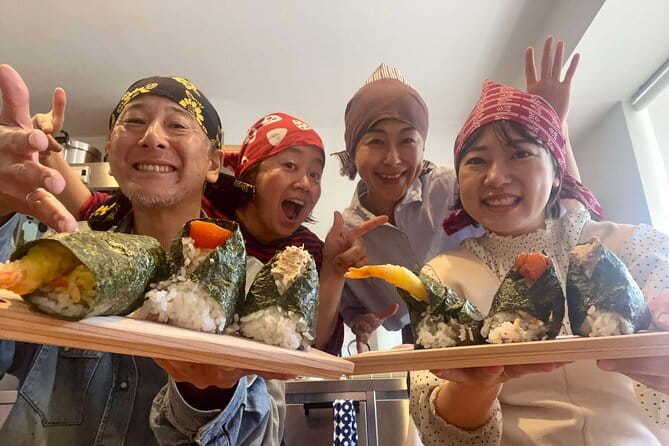
The meeting point is Guitar Top, 1-chōme-1-3 Sakaimachi in Naka Ward, Hiroshima. The activity ends back at the same meeting point, so you’re not stuck figuring out transport at the end.
Pickup is offered, which matters if you’re staying near a hotel and don’t want to fight timing with trains and transfers. One detail I like is that the operation is set up to handle different starting points around central Hiroshima. For example, Hiroshima Station to Sheba Cafe is listed as a short taxi ride time, and Peace Museum to Sheba Cafe is about a 6-minute walk—so you’re not fighting distance, even if you end up using local transit.
Also, the experience uses mobile tickets, and confirmation is received at booking. That’s helpful if you’re doing a couple of day activities and want less admin.
What you learn: onigiri with two fillings, plus an egg-yolk option
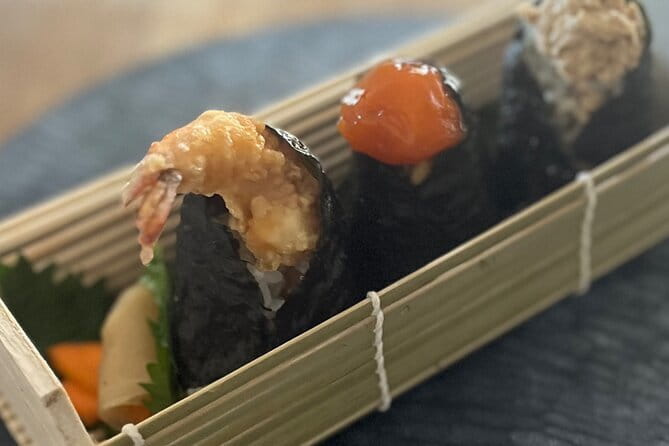
Onigiri is one of those foods people think they understand—until they try making it. Here, you’ll get taught the basic process and the “why” behind it, including context on how onigiri fits into Japanese food culture (the class notes that onigiri predates sushi as an iconic rice dish).
The two main onigiri flavors
You’ll make two kinds:
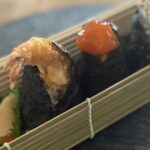
- Tuna mayonnaise
- Shrimp tempura
You’ll also learn how to handle rice while it’s still hot, which is a big part of getting the texture right. The class is intentionally easy to follow, and it’s designed so children are welcome too.
Fresh egg yolk, if you ask ahead
There’s an optional add-on: fresh egg yolk. They can place it on the rice balls using a special cooking method. If you want it, ask when you make your reservation. This is worth doing if you like variety, because the class already has two flavors—so the egg yolk gives you a different experience than the typical tuna/shrimp combo.
Allergies and dietary choices
If you have allergies, you’ll want to tell the team in advance. The class explicitly asks you to share allergies ahead of time, and it also notes that vegetarian and vegan menus are being prepared. If your diet has constraints, this is the time to communicate them early rather than hoping it works out on the day.
Building and shaping: the hands-on part that makes it stick
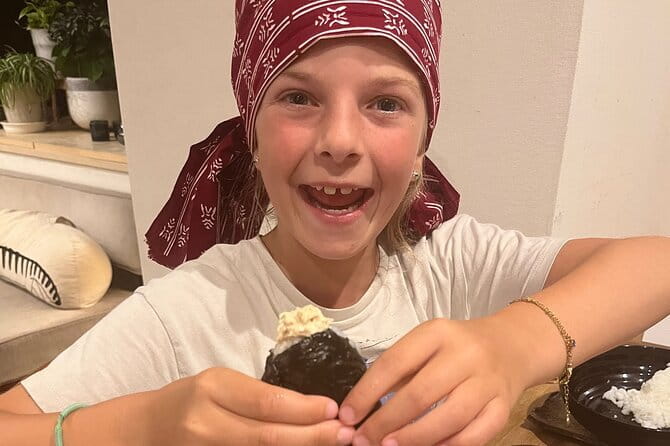
The joy of cooking classes is not just eating—it’s the muscle memory you leave with. This one is built for that. You’ll actually shape the onigiri, not just watch someone do it.
And because the class is small, you’re more likely to get quick corrections when you need them. That’s especially useful with shaping, where even a tiny adjustment can change how the rice holds together.
This is also where the location helps. You’re near major Hiroshima landmarks, but your morning isn’t spent inside a museum waiting for the next audio-guide cue. Instead, you’re working with food in a relaxed setting, then stepping back out into the city with your senses tuned.
Miso soup in a chawan bowl: comfort food with a ceremony feel
After the onigiri, you’ll make miso soup. One small detail that feels thoughtfully practical: it’s served with a chawan bowl. If you’ve ever wanted a reason to pay attention to Japanese tableware beyond aesthetics, this is it. The format encourages calm, and it reminds you that everyday Japanese meals are often structured around simple, repeatable rituals.
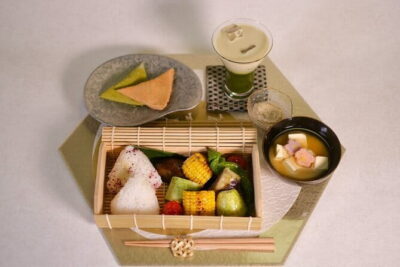
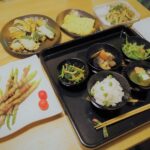
The class also includes lunch-style food: two types of onigiri, miso soup, matcha, and wagashi. So you’re not doing a snack demo. You’re leaving with a real meal you can compare to what you eat in restaurants back home.
Matcha, wagashi, and sadō manners you can use later
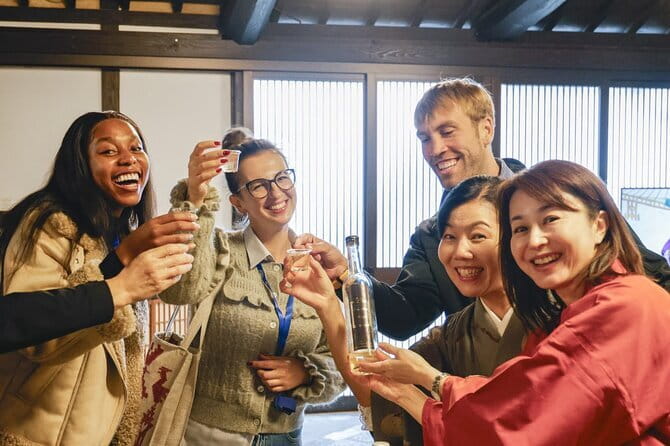
Dessert is where the experience turns from cooking skills into cultural manners. You’ll make matcha tea and pair it with Japanese sweets (wagashi). Then you’ll learn basic manners of the tea ceremony (sadō).
This part is valuable even if you’re not planning to become a tea-ceremony person. Learning small etiquette rules changes how you experience the tea, and it also makes it easier to recognize what you’re seeing in Japan’s tea settings. Plus, it’s a pleasant cooldown after the hands-on rice work.
One practical note: coffee and/or tea are not included, but matcha is part of the included meal. So if you’re caffeinated dependent, plan for that before the class. Bottled water isn’t included either, so it’s smart to bring your own or grab some nearby before you start.
English-speaking local hosts and why the human touch matters
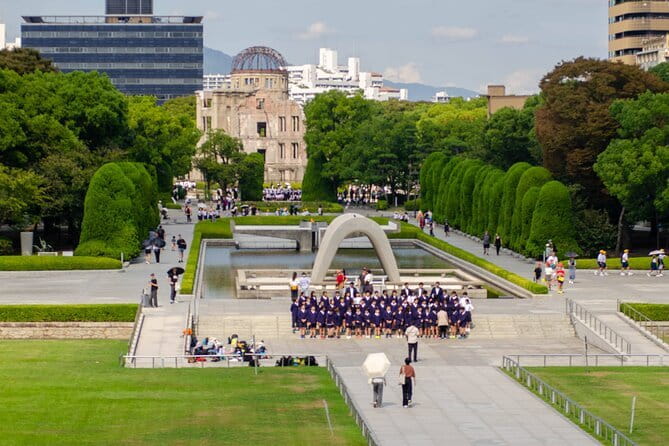
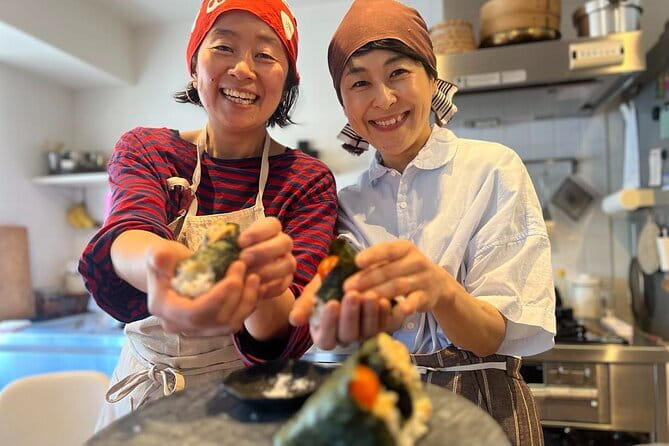
The class is run with local mothers as hosts, and the big reason people rate it so highly is communication. In particular, hosts such as Midori and Weiko are referenced as English speakers who guide you step-by-step.
That human piece matters more than you’d think. When you can ask a question and get a clear answer—like how to shape, how to handle fillings, or what to do if something feels off—you’re not just paying for a recipe. You’re buying clarity and confidence.
There’s also a kids area with toys, which makes this one workable for families. If you’re traveling with children, that small detail can be the difference between everyone enjoying the morning and the whole schedule going sideways.
Location advantages: Peace Memorial Park area with a real-food break
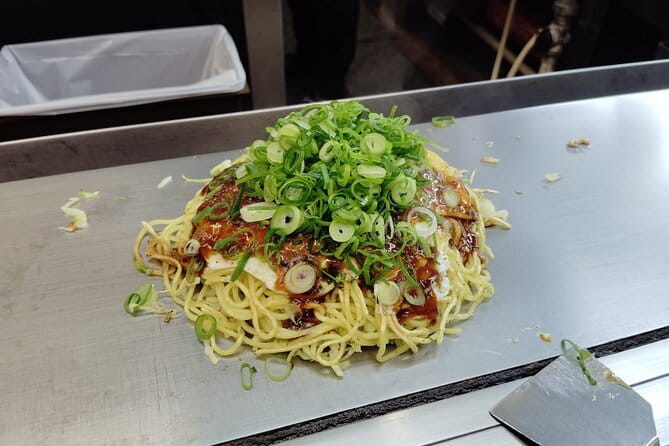
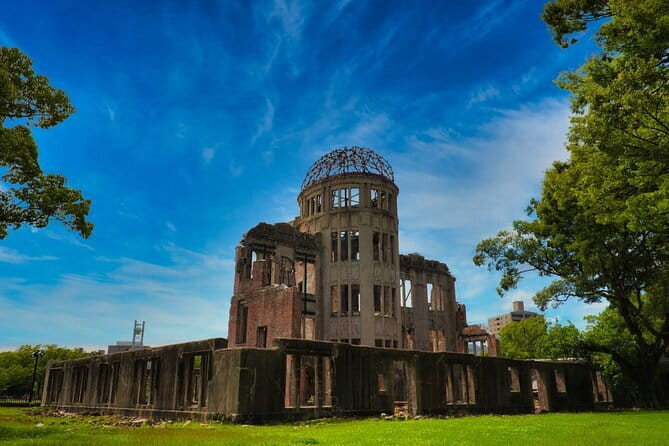
This class puts you close to Hiroshima’s most meaningful sights. It’s described as near the Peace Park and about a 5-minute walk from the Atomic Bomb Dome.
That proximity is useful in two ways:
- You can start early and still walk to major landmarks while the day is fresh.
- The food experience gives you a different kind of connection than sightseeing alone.
After lunch, you’ll be free to explore Hiroshima in the afternoon. I like pairing food-based activities with walking days in cities like Hiroshima because you get a built-in rest. Your body gets a break from the heat and humidity, and your brain is calmer when you return to museums and memorial spaces.
Price value: what you get for $81.65
At $81.65 per person, this isn’t a budget class, but it’s not overpriced for what’s included. You’re getting:
- Two kinds of onigiri
- Miso soup
- Matcha and wagashi
- Cultural instruction around sadō manners
- A guided small-group format (max 6)
You’re also getting optional services like pickup, plus the fact that hosts explain what you’re doing, including history and table manners. For many people, that’s where the value lands: you leave with skills you can repeat at home, not just photos.
Also, since classes are booked on average about 19 days in advance, planning ahead is wise if your dates are tight. Small-group cooking sells out faster than you’d expect, especially in a high-demand location.
Who should book this onigiri and matcha class
This is a great fit if:
- You want something hands-on and not just another tour walk
- You like small groups where you can ask questions
- You’re visiting the Peace Memorial Park area and want a meaningful morning routine
- You travel with kids and want a setting with a toy area
- You care about learning how Japanese food is prepared and served, not only what to order
If you’re the type who wants deep, multi-hour cooking with lots of advanced techniques, note the duration is about 1 hour 30 minutes. Think of it as focused and friendly, not a long studio workshop.
When you’re deciding, watch for these practical considerations
A few things are worth thinking through before you book:
- Diet and allergies: Tell the team in advance. Vegetarian and vegan menus are being prepared, but you should communicate needs early.
- Beverages: Bottled water, soda/pop, and coffee or tea are not included. Matcha is included, and alcohol is not served.
- Time window: Because it ends back at the meeting point and finishes around lunchtime, it’s best as a morning anchor.
- Weather: The experience requires good weather, so have a backup plan for outdoor sightseeing later.
Should you book Home Made Onigiri and Matcha in Hiroshima?
Yes, if you want a short, high-satisfaction morning where you cook, eat, and learn manners with local hosts near the places you already came to see. The combination of small group cooking, two onigiri flavors, and matcha with sadō basics is the kind of mix that feels both fun and usable after your trip.
I’d skip it only if you dislike hands-on food activities, you need lots of specialized dietary accommodations that weren’t clearly confirmed yet, or you’re looking for a longer full-day cooking program. For most visitors, though, this is an excellent way to spend your first hours in Hiroshima: eat well, learn something real, and still have the afternoon wide open for the sights.
FAQ
How long is the onigiri and matcha cooking class?
It lasts about 1 hour 30 minutes.
Where does the class meet and where does it end?
You meet at Guitar Top, 1-chōme-1-3 Sakaimachi, Naka Ward, Hiroshima, and the activity ends back at the same meeting point.
Is pickup included?
Pickup is offered.
What’s included in the price?
Lunch-style items are included: two types of onigiri, miso soup, matcha, and Japanese sweets (wagashi), along with gratuities.
What onigiri flavors do you make?
The class includes tuna mayonnaise and shrimp tempura.
Can you make a vegetarian or vegan menu?
Vegetarian and vegan menus are currently being prepared. You should ask when ordering or reserving.
Can the class handle allergies?
Yes. If you have allergies, you need to let them know in advance.
Do you also learn matcha and tea ceremony manners?
Yes. You’ll make matcha, enjoy it with wagashi, and learn manners of the tea ceremony (sadō).
Is alcohol served and are drinks like coffee included?
No alcohol is served. Bottled water and coffee and/or tea are not included (matcha is included).
Can I cancel and get a refund?
You can cancel up to 24 hours before the experience for a full refund, and the experience requires good weather so in poor weather you’ll be offered a different date or a full refund.