REVIEW · ROME
Rome: Ravioli, Fettuccine and Tiramisu Cooking Class
Book on GetYourGuide →Operated by Eat and Walk Italy · Bookable on GetYourGuide
Fresh pasta starts with a simple dough. In this 3-hour Rome class, you’ll learn hand-rolled pasta techniques and finish with a do-it-yourself tiramisu you can actually eat right there. It’s hands-on, very human, and set up so you’re not just watching Italian cooking—you’re doing it.
I like that the menu covers three classics, and you get a clear path from dough to filling to plating. One thing to consider: the meal is mostly pasta and dessert, so if you’re craving a bigger veggie side, you might want to plan a simple salad stop before or after.
In This Review
- Key things to know before you roll dough
- Rome pasta class basics: what this 3-hour workshop really includes
- Inside the kitchen: where you start and how the evening game plan works
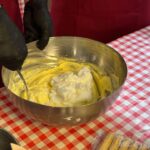
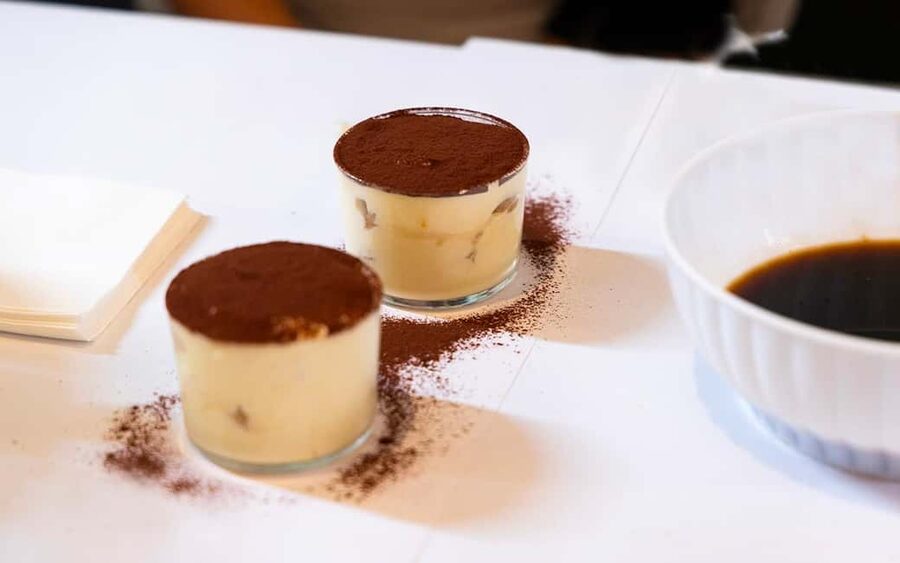
- Tiramisù from scratch: the dessert-first start you’ll appreciate
- Fettuccine making: rolling, cutting, and choosing your sauce
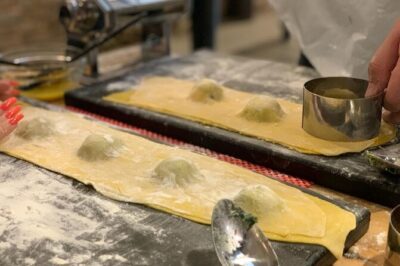
- Ravioli from scratch: ricotta filling with butter and sage
- The classroom vibe: learning happens faster with the right chef
- Eating your work: wine with pasta, then limoncello or coffee
- Price and value: is $82 a fair deal for Rome?
- Who should book this class—and who might want to skip it
- Practical tips to get the most out of your pasta workshop
- Final call: should you book Rome: Ravioli, Fettuccine and Tiramisu?
- FAQ
- Where is the meeting point for the cooking class?
- How long is the Rome pasta and tiramisù cooking class?
- What language is the instruction offered in?
- What pasta and dessert will I make?
- What drinks are included with the meal?
- Is this class suitable for young children?
Key things to know before you roll dough
- Tiramisù first: you start with the dessert, then move into the dough work while you’re warmed up
- Two pasta types: fettuccine and ravioli, both made from scratch
- Sauce choices for fettuccine: tomato and basil, cacio e pepe, or amatriciana
- Ravioli with a ricotta filling: finished with butter and sage
- You eat your results with drinks: one glass of wine (or soft drink), plus limoncello or coffee
Rome pasta class basics: what this 3-hour workshop really includes
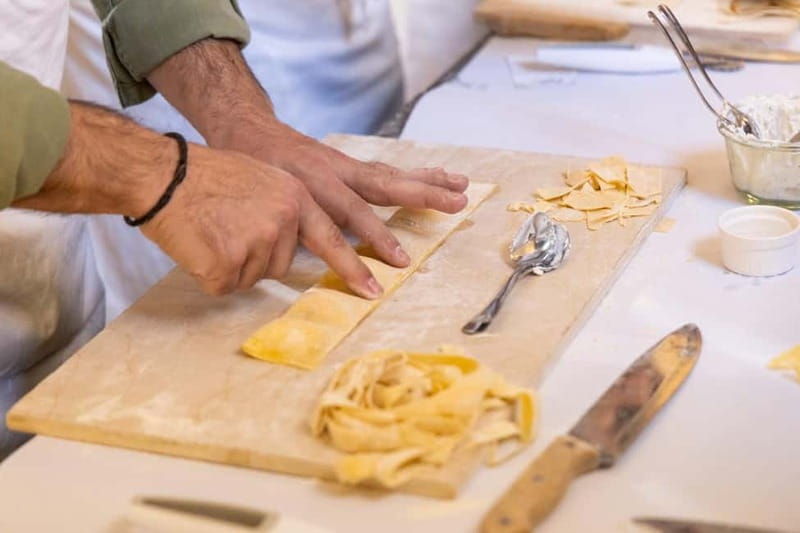
This is a straightforward, satisfying way to spend a half-afternoon in Rome: roll dough, shape pasta, build tiramisù, then sit down and eat what you made. You’re not jumping between neighborhoods or chasing museum timing. The focus stays on food skills, in one place, with a chef who teaches in English.
The class runs about 3 hours, which is long enough to learn real technique without turning into a full-day production. The meeting point is at Gusto Restaurant, Via Giuseppe Zanardelli 14. Plan to arrive about 10 minutes early so you can get settled and start on time.
And the pricing is set for an all-in activity. At $82 per person, you’re paying for instruction plus the ingredients plus the meal and drinks that follow. For many visitors, that combination is the sweet spot: you get a practical souvenir (skills) and a full plate (food), not just a photo.
You can also read our reviews of more tours and experiences in Rome.
Inside the kitchen: where you start and how the evening game plan works
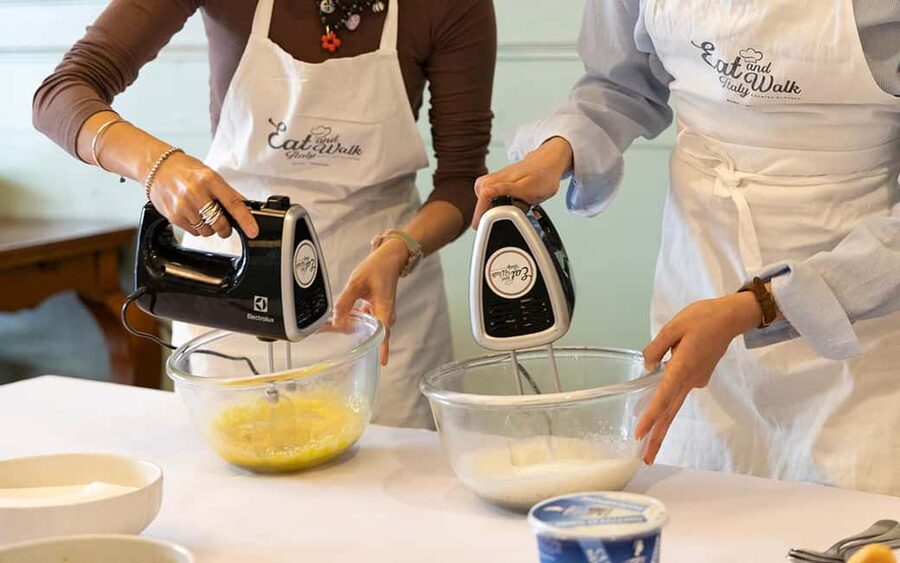
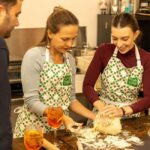
You’ll begin right at the restaurant location, meeting your chef on site. The structure matters. The class kicks off with dessert work as a group activity—so you start with something forgiving and fun, not with a dough that needs you to be perfectly precise from minute one.
Then the chef shifts into pasta teaching with a focus on the basics that make pasta feel Italian instead of homemade in a chaotic way. You’ll get guidance on dough handling, rolling, and assembly so you can recreate the dishes later. That matters, because pasta-making is partly technique and partly confidence. Once you understand how the dough behaves, you stop being afraid of it.
Tiramisù from scratch: the dessert-first start you’ll appreciate
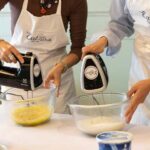
Starting with tiramisù is one of those clever choices that makes the whole class feel easier. You’re working as a group on dessert early, so you get comfortable with the kitchen flow and the chef’s rhythm.
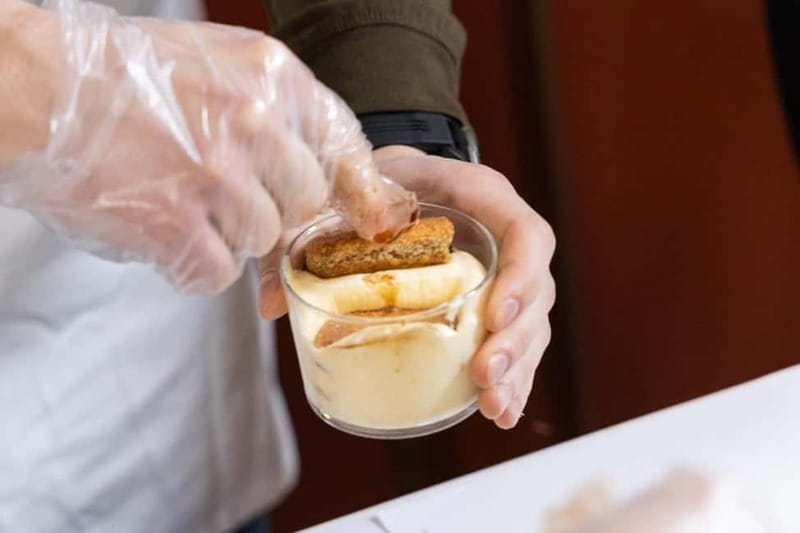
The tiramisù itself is part of your included meal—meaning this isn’t a decorative demo. You’ll make your own tiramisù and eat it at the end. That turns the class into something bigger than a cooking lesson: it’s also a reward.
What I like about this approach is the timing. When your hands are fresh and your mind is not yet tired, you build the dessert. Later, when you’re focusing on pasta dough and shapes, the class has already delivered one win. It keeps energy high, especially if you’re here with friends.
Fettuccine making: rolling, cutting, and choosing your sauce
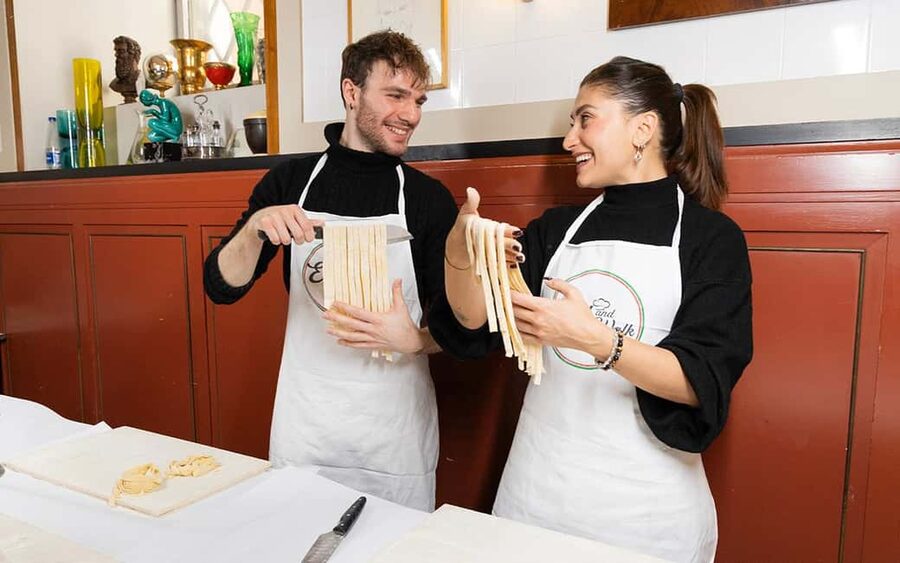
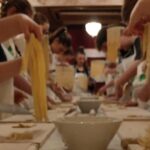
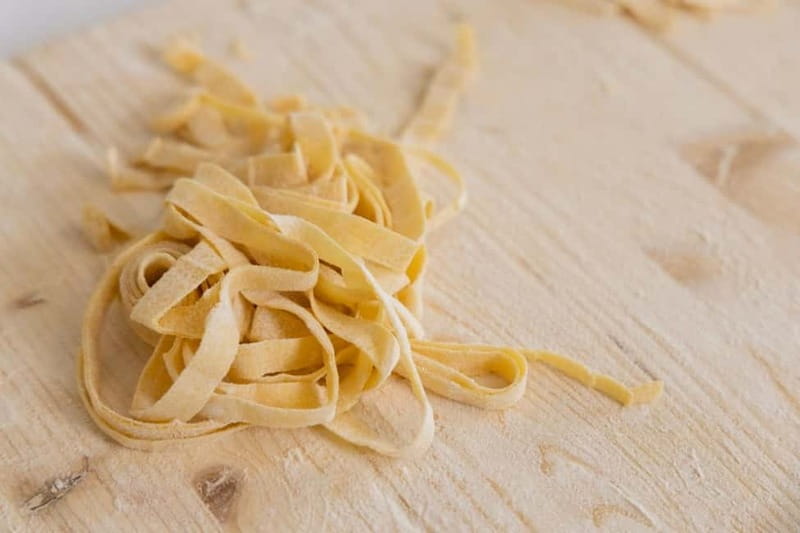
Fettuccine is the pasta skill most people assume is complicated. It’s not magic, but it does require consistency. In this class, you’ll make fresh fettuccine from scratch—dough to final pasta—then pair it with one of the included sauce options.
Your included fettuccine sauce choices are:
- Tomato and basil
- Cacio e pepe
- Amatriciana
That menu is great for practical eating. You can pick based on what you already like, and each sauce teaches you something different about Italian flavor balance. Tomato and basil is bright and comforting. Cacio e pepe leans into peppery sharpness and creamy texture. Amatriciana brings savory depth.
One useful takeaway: fettuccine isn’t just about the shape. It’s about how thick or thin you roll the dough. Get that right and everything tastes better, even with a simple sauce. The chef’s job here is to help you hit that sweet spot without overthinking it.
Ravioli from scratch: ricotta filling with butter and sage
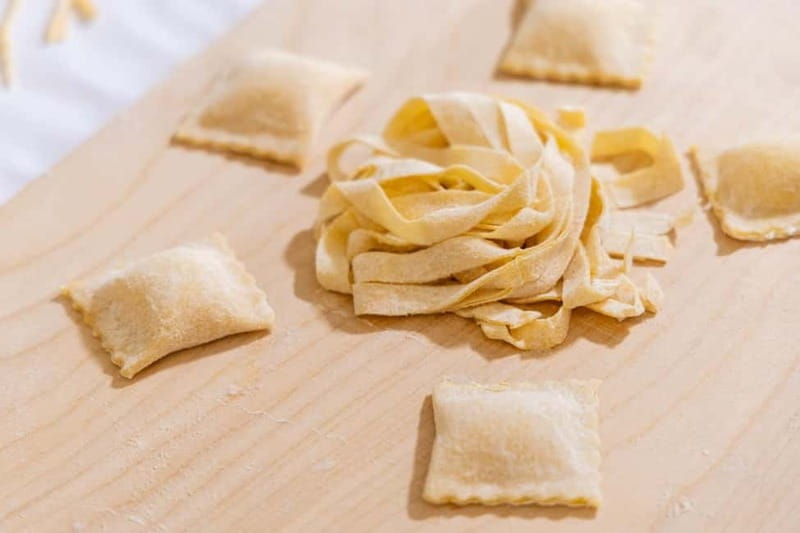
Then you shift gears to ravioli—smaller, more structured, and a little more demanding. Ravioli can feel intimidating because there’s filling and sealing involved. The upside is that it’s very learnable in a classroom setting: you get step-by-step guidance and you’re making enough ravioli to actually practice.
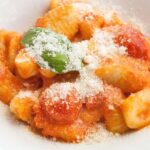
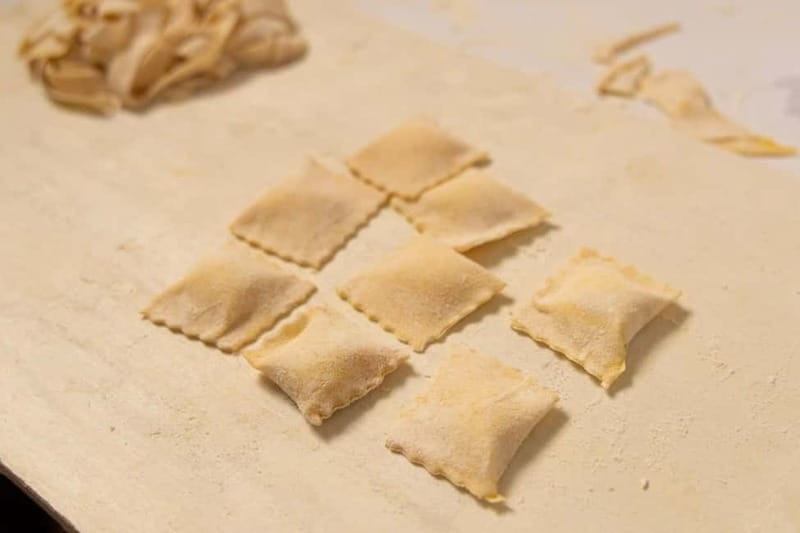
In this class, your ravioli are filled with ricotta and cooked/served with butter and sage. That combination is classic and forgiving. Butter and sage helps the finished ravioli taste rich even when your shapes are slightly different than the chef’s.
This is the part where technique shows up. You learn how much filling to use, how to close the pasta, and how to handle the dough so it doesn’t tear. The goal isn’t to create restaurant-perfect ravioli every time. The goal is to understand the process well enough that you can repeat it later at home.
And if you’re the type who loves instructions you can follow closely, you’ll probably feel comfortable here. Many people highlight how clear and thorough the guidance is, with chefs checking in during the steps so nobody gets stuck.

The classroom vibe: learning happens faster with the right chef
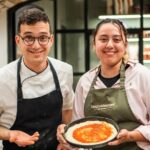
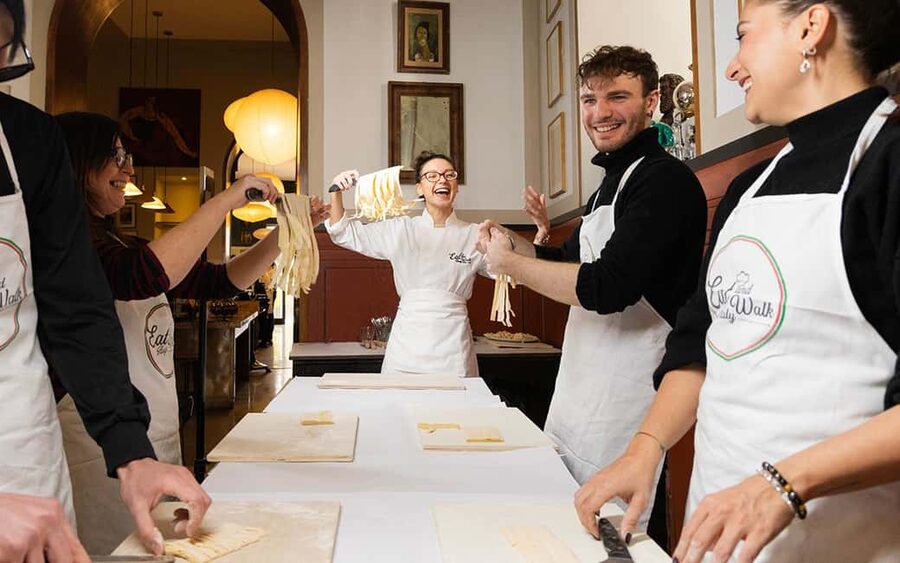
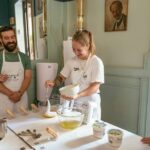
A big part of the success here is the teaching style. Across different sessions, you might work with chefs such as Furio, Mattia, Josephina, Chef Lory, or Matt. You may also see extra help during certain sessions (names you might hear include Vincenzo or Caterina), depending on who’s scheduled.
What matters for you isn’t the specific name—it’s the approach. The chefs are described as patient and clear. They explain the process in a way that makes pasta-making feel doable, not scary. If you’re worried you’ll be awkward with dough, this is the kind of class that helps you get your bearings fast.
English instruction is a plus. If you’ve ever taken a class in Italy where you understand almost nothing, you know how frustrating that can be. Here, English instruction is part of the deal, so you can focus on technique instead of translating every sentence in your head.
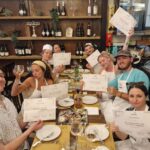
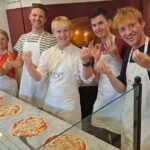
Also: small group feel. More than one person notes the class feels intimate and social. That means you get to chat with other participants while you work, instead of sitting silently in a big crowd. It’s one of those small differences that makes the experience more enjoyable.
Eating your work: wine with pasta, then limoncello or coffee
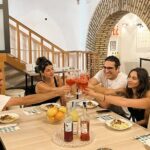
The payoff is built in. After pasta and dessert, you sit down and eat your own meal. Your included menu is:
- Fettuccine with your chosen sauce (tomato and basil, cacio e pepe, or amatriciana)
- Ravioli with ricotta, served with butter and sage
- Your own tiramisù
- Water
- One glass of wine or soft drink
- Limoncello or coffee
This drink setup is a smart match for what you’re making. Wine and pasta is obvious, but the limoncello or coffee choice turns the meal into a full Italian finish. It also gives you options if you don’t want alcohol.
One practical point: since the menu is mainly pasta and dessert, the meal will feel filling fast. If you’re planning other food stops that evening, I’d treat this as a main event, not a snack. If you want room for gelato later, pace yourself during the meal.
Price and value: is $82 a fair deal for Rome?
At $82 per person, this isn’t an impulse bargain—but it also isn’t overpriced for what you get. You’re paying for:
- real instruction in two pasta types plus tiramisù
- ingredients used to make the food
- a sit-down meal of what you made
- drinks included (wine/soft drink and limoncello/coffee)
In other words, you’re not just buying a ticket; you’re buying an experience with a final product on your plate. And because you leave with recipes and technique, you can replicate the dishes at home. That turns the class into a skill purchase, not only a one-time entertainment spend.
If your priorities are hands-on learning, eating your results, and doing it without a long day schedule, the value holds up. If you only want a casual cooking taste and prefer lots of extra sides, you may wish the menu included more than pasta and dessert. But for most people here, that simplicity is part of the charm.
Who should book this class—and who might want to skip it
This cooking class fits best if you:
- want a hands-on activity in Rome that isn’t tied to a museum schedule
- enjoy learning practical cooking skills you can repeat
- like classic Italian flavors and want them taught in an approachable way
It’s also described as a good option for families, with at least one note that kids enjoyed making the pasta and eating it at the end. That said, it’s not suitable for children under 4 years, so plan accordingly for younger kids.
If you’re coming as a couple or solo, it still works. Several people describe the class as fun for group or solo, partly because you learn together and then share the meal.
The main mismatch is appetite expectations. If you want a broader multi-course dinner with lots of vegetable sides, this menu may feel focused rather than expansive.
Practical tips to get the most out of your pasta workshop
You don’t need to be a confident cook to enjoy this. But you will get better results if you show up ready to work with your hands.
Here’s how to set yourself up:
- Arrive a bit early so you can start when the chef starts, without rushing.
- Listen for the dough cues. Pasta success usually comes down to small changes in dough handling, and the chef’s guidance is built around that.
- Pick your sauce option with intention. If you know you’ll love one of the included sauces, commit early and pay attention to how it’s built.
- Ask questions as you go. Even in fast classes, chefs tend to check in step by step.
- Pace during the meal. You’ll have pasta plus tiramisù plus drinks, and it’s easy to overeat when everything is fresh.
If you plan to cook again later, remember that pasta is repeatable. The class is structured so you can remake these dishes once you’re home—so take mental notes on what worked, not just what tasted good.
Final call: should you book Rome: Ravioli, Fettuccine and Tiramisu?
Book this class if you want a genuinely practical Rome experience: make pasta and tiramisù from scratch, then eat it with wine, limoncello or coffee, all in about three hours.
Skip it if you’re looking for a big vegetarian-heavy dinner or you want something more like a relaxed tasting. This is a hands-on pasta class, and the menu follows that focus.
If you’re the type who likes skills over souvenirs—or you want something fun to do between Roman sights—this is a strong choice. It’s straightforward, social, and the best part is simple: you leave with dinner in your hands and knowledge you can use again back home.
FAQ
Where is the meeting point for the cooking class?
Meet your chef inside Gusto Restaurant, at Via Giuseppe Zanardelli 14.
How long is the Rome pasta and tiramisù cooking class?
The class lasts 3 hours.
What language is the instruction offered in?
The instructor teaches in English.
What pasta and dessert will I make?
You’ll make fettuccine and ravioli from scratch, plus tiramisu.
What drinks are included with the meal?
You’ll get one glass of wine or a soft drink, plus a glass of limoncello or coffee, and water.
Is this class suitable for young children?
It is not suitable for children under 4 years.