REVIEW · MILAN
Milan: Pasta and Tiramisu Small Group Cooking Class with Wine
Book on Viator →Operated by The Roman Food Tour - Food Tour Rome · Bookable on Viator
Fresh pasta and tiramisu in central Milan. This small-group class (up to 12 people) takes you into a working kitchen, starting with a Prosecco welcome glass and a quick backstage look at how an Italian restaurant runs.
I love the pasta dough lessons—from choosing flour to understanding pasta fresca vs pasta secca—taught with real clarity by chefs such as Francesco and Memmo. You’ll also learn the method for classic tiramisu, then eat what you made as part of the meal. One possible drawback: because it happens inside a busy restaurant, timing can stretch, and in a worst-case scenario the final pasta might be combined for the dining room rather than plated exactly as your personal portion.
In This Review
- Key Highlights Worth Your Time
- Welcome to the Kitchen: Prosecco, Apron Time, and a Real Restaurant Peek
- Small-Group Size That Actually Lets You Participate
- Fresh Pasta Workshop: Flour, Fresca vs Secca, and Making Fettuccine + Ravioli
- What you’ll make
- A realistic note about the kitchen flow
- Tiramisu Training: Building the Dessert the Italian Way
- Lunch or Dinner with Wine Pairing: Eating What You Make (Mostly)
- The value of the meal being included
- One thing to watch
- Price and Timing: Is $83.44 Worth It for 3 Hours?
- Which Chefs and Teaching Style You Might Get
- Who Should Book This Class (and Who Might Skip It)
- Should You Book the Milan Pasta and Tiramisu Class?
- FAQ
- How long is the Milan pasta and tiramisu cooking class?
- How many people are in the small group?
- What dishes will I learn to make?
- What’s included with the class meal?
- Is the cooking class offered in English?
- What’s the free cancellation cutoff?
Key Highlights Worth Your Time
- Up to 12 people, so you’re not standing on the sidelines
- Prosecco on arrival, plus wine with lunch or dinner
- Practical pasta skills, including flour choice and pasta fresca vs pasta secca
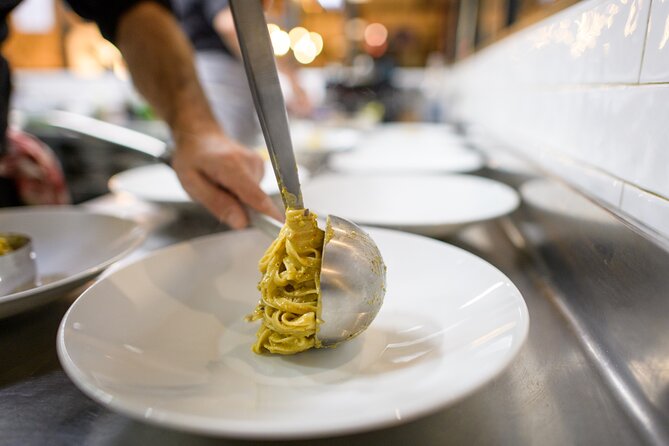
- Two classic dishes: fettuccine with tomato sauce and ricotta-spinach ravioli with butter and sage
- Tiramisu step-by-step, with guidance on how to assemble it properly
- Central Milan location near public transportation, making it easy to plug into your day
Welcome to the Kitchen: Prosecco, Apron Time, and a Real Restaurant Peek
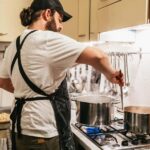
The experience starts at a central Milan meeting point where you step inside, get a welcome glass of Prosecco, and quickly move from dining-room world to kitchen world. Before you start rolling dough, you’ll see how the restaurant is run behind the scenes. That little shift helps a lot, because you’re not learning pasta-making in some demo kitchen with no context.
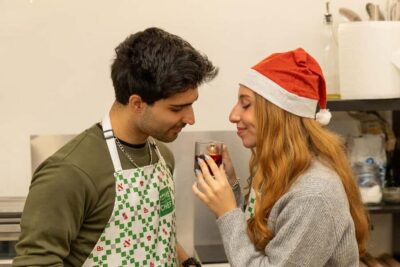
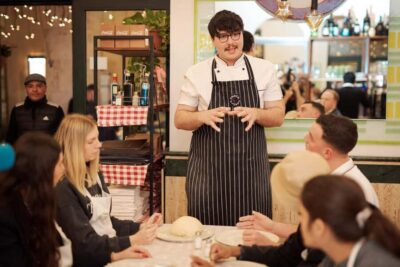
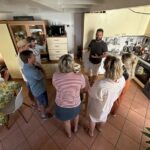
Then it’s apron time. You’re shown where you’ll work, and the pace is designed to keep you moving—mix, knead, roll, and cut—while the chef explains what matters. In the best moments, it feels less like a lecture and more like you’re being coached through a process you can actually repeat later.
You can also read our reviews of more tours and experiences in Milan.
Small-Group Size That Actually Lets You Participate
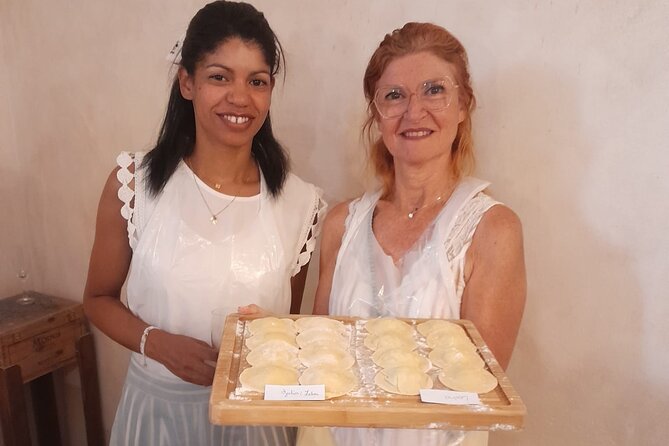
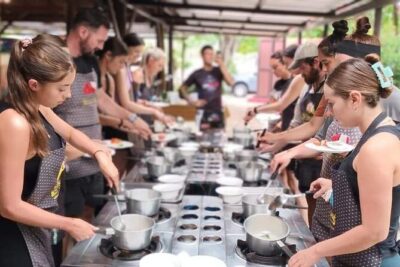
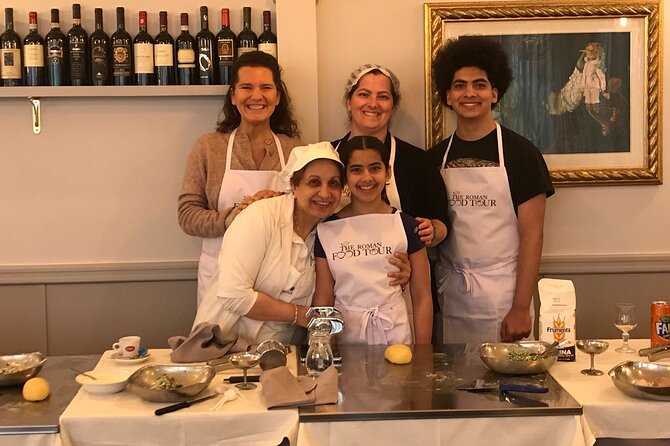
This class caps at 12 people, which is a big deal for hands-on cooking. When the group is small, you’re more likely to get help right when you hit a snag—like if the dough feels too sticky, too dry, or just not cooperating.
It’s also offered in English, so you won’t be guessing what comes next. From the way the chefs teach, the goal isn’t showing off fancy technique—it’s getting you confident with the basics: consistency, timing, and how to shape each component so it cooks the way it should.
If you’re traveling as a family, this kind of format can work well. Some families have brought kids (including younger children) who were able to follow the steps with guidance, which says something about how structured and supervised the class tends to be.
Fresh Pasta Workshop: Flour, Fresca vs Secca, and Making Fettuccine + Ravioli
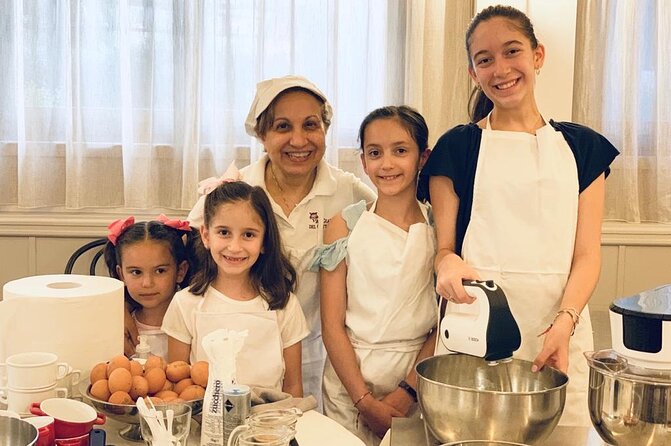
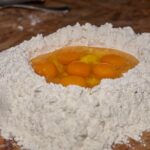
This is the heart of the evening. You’ll learn how to prepare fresh pasta dough with step-by-step guidance, including what flour to use and why it matters. You’ll also learn the difference between pasta fresca and pasta secca—not as trivia, but as a practical way to understand what changes in taste and texture.
From there, you move into the physical part: making the dough, rolling it out, and shaping it for the pasta dishes on the menu.
What you’ll make
You can expect two classic Milanese-Italian staples in the lesson:
- Fettuccine with tomato sauce
- Ravioli filled with ricotta and spinach, finished with butter and sage
The key isn’t just that you end up with food—it’s that you learn what the dough should feel like at each stage, so you’re not relying on luck. That’s the kind of skill that sticks when you’re back home and you want to make fresh pasta again.
A realistic note about the kitchen flow
In a restaurant setting, a few steps may be supported by the kitchen team (for example, finishing or cooking elements). That doesn’t kill the hands-on value—it just means you’re still learning technique while the restaurant keeps production moving so everyone gets fed.

Tiramisu Training: Building the Dessert the Italian Way
After pasta, you switch gears to dessert. You’ll learn how to prepare tiramisu, with guidance that focuses on method rather than vague instructions.
Tiramisu is one of those desserts where small differences matter—how you combine ingredients, how you layer, and how you handle timing so it sets the way it should. The chef’s directions are meant to help you avoid the common problems people run into at home, like a filling that doesn’t spread properly or a final texture that feels off.
Even if you already like tiramisu, this class gives you something useful: a repeatable approach. You’re not just tasting a dessert; you’re learning the build.
Lunch or Dinner with Wine Pairing: Eating What You Make (Mostly)
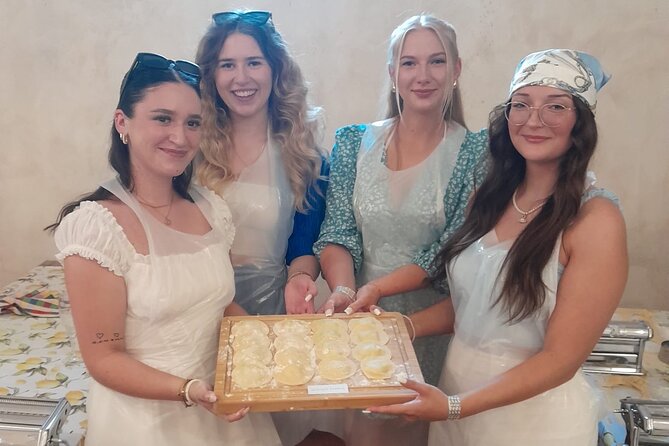
After working in the kitchen, you all sit down together for lunch or dinner. The meal includes the pasta and tiramisu you’ve been making, and you’ll sip wine that’s paired with what’s on your plate. Soft drinks are included too.
This part is where the experience becomes more than cooking. You get to enjoy your results while the class stays social—talking with the small group, comparing how your dough turned out, and sharing the kind of “okay, I get it now” lessons that happen when you finally sit down.
The value of the meal being included
At this price point, the inclusion of the meal matters. You’re paying for a guided workshop plus an actual sit-down Italian lunch or dinner with wine and soft drinks. That’s often where DIY pasta classes get expensive—because eating out afterward would cost real money in a central location.
One thing to watch
There is a downside worth naming. In at least some cases, the final pasta served may be part of a combined production rather than strictly your exact personal portion. When it happens, it can make the class feel a little less “handmade from start to finish” than you expected. If that would bother you, go in with the mindset that you’re learning the process and techniques, not running a private restaurant line where every plate is 100% your exact batch.
Price and Timing: Is $83.44 Worth It for 3 Hours?
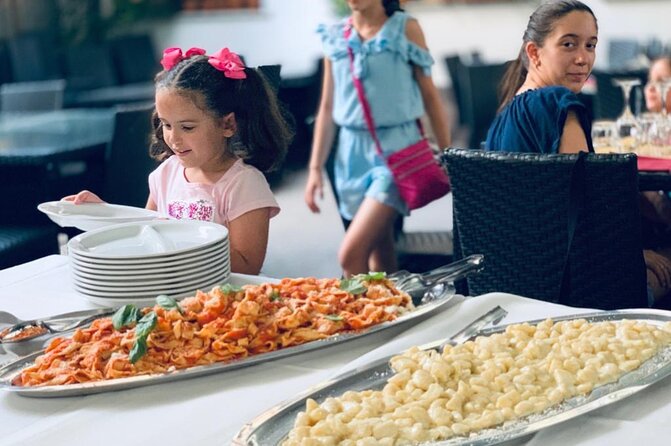
The class costs $83.44 per person and runs about 3 hours. That timing is realistic: you need enough time to learn dough, shape pasta, make tiramisu, and then actually eat.
In terms of value, you’re getting:
- chef-led instruction in English
- hands-on work with pasta dough and dessert assembly
- a Prosecco welcome drink
- lunch or dinner plus wine and soft drinks
If you’re in Milan for a short time, this is the kind of activity that gives you both a story and a skill. You leave with something you can recreate—not just a photo.
One practical consideration: Milan traffic and restaurant timing can slow things down if you’re arriving from elsewhere. If you’re driving or relying on a tight schedule, build in buffer time so you don’t feel rushed when you get there.
Which Chefs and Teaching Style You Might Get
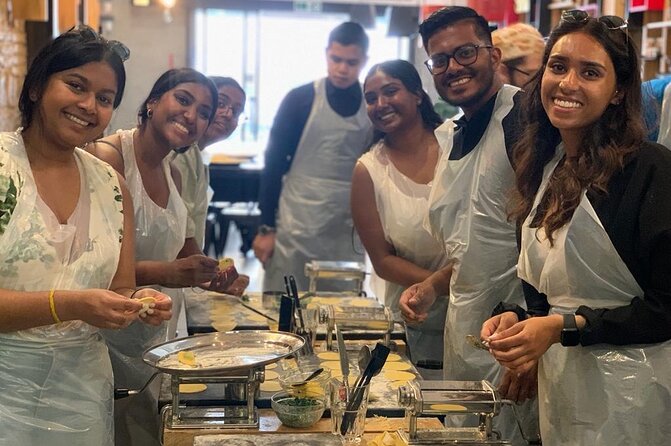
One of the pleasant surprises is how different chefs bring their own energy. The instruction style stays consistent—step-by-step coaching, clear technique—but names that show up include Francesco, Alba, Memmo, Mimo, Dimitri, Frederico, and Daniano. Across these variations, the common theme is patience: instructors focus on getting you through the steps and making sure your dough and dessert turn out.
That matters because pasta can be finicky. If your first roll is too thick or your dough feels off, you want someone who can adjust what you’re doing in real time. This is one of the big reasons the experience earns such high ratings.
Who Should Book This Class (and Who Might Skip It)
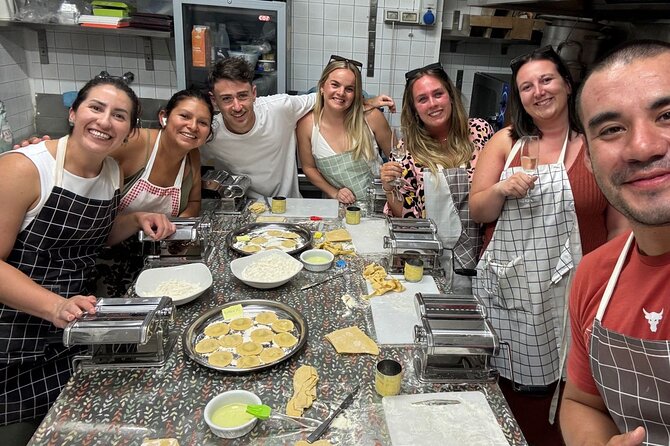
This is a great choice if:
- you want hands-on cooking rather than watching
- you’re interested in learning practical pasta basics you can repeat
- you like social dining after an activity, not just a one-and-done workshop
- you’re traveling with family or mixed ages and want a structured, supervised experience
You might want to look elsewhere if:
- you’re extremely time-sensitive and can’t handle delays from a restaurant environment
- you expect to eat exactly the same pasta batch you personally rolled and cut every single time
- you prefer a class that functions like a private kitchen session rather than sharing space with normal restaurant service
Should You Book the Milan Pasta and Tiramisu Class?
If you want an activity in Milan that combines skill-building and a proper meal, this is an easy yes for most people. The combination of Prosecco at the start, real instruction on pasta dough (including flour and the fresca vs secca distinction), and a guided tiramisu build is exactly what makes this kind of class worth your time.
My advice: book it if you’ll enjoy the process and you’re curious about how pasta dough behaves. Bring a relaxed attitude about pacing—because it’s a working restaurant—and you’ll get a lot more out of it.
FAQ
How long is the Milan pasta and tiramisu cooking class?
It’s about 3 hours (approx.).
How many people are in the small group?
The class has a maximum of 12 travelers.
What dishes will I learn to make?
You’ll make fresh pasta (including fettuccine with tomato sauce and ravioli with ricotta and spinach) and you’ll also learn to prepare tiramisu.
What’s included with the class meal?
The class includes lunch pasta and tiramisu with wine and soft drinks.
Is the cooking class offered in English?
Yes, it’s offered in English.
What’s the free cancellation cutoff?
You can cancel for a full refund up to 24 hours before the experience start time.