REVIEW · HIROSHIMA
Hiroshima: Okonomiyaki Cooking Class with a Local Chef
Book on GetYourGuide →Operated by Pinpoint Traveler · Bookable on GetYourGuide
The griddle turns lunch into a lesson. This hands-on Hiroshima okonomiyaki cooking class near the Atomic Bomb Dome is fun, practical, and actually teaches you what makes the local style different. I like that it’s a small-group setup with a bilingual guide named Ken who keeps things moving with clear context while you cook. I also like that you get to choose your filling (meat, seafood, vegetarian, and gluten-free by request) and eat what you make. One possible drawback: the restaurant experience may feel hit-or-miss if you’re very picky about cleanliness.
You’ll meet by the fountain next to the Atomic Bomb Dome in Peace Memorial Park, then take a short tram ride to a real local restaurant (not a staged tourist room). Expect step-by-step coaching from a professional chef at the griddle, plus a drink included, and enough time to either cook yourself or watch and eat comfortably.
Key things I’d circle before you book
- Layered Hiroshima-style build: batter plus cabbage, sprouts, noodles, and toppings, then a fried egg on top
- Cook with the chef, not just watch: you control at least part of the griddle work
- Flexible menu choices: meat, seafood, vegetarian, and gluten-free by request
- Guide Ken adds Hiroshima context: history, food meaning, and what to notice as you travel
- Small-group feel in a local place: you’re closer to how people actually eat
In This Review
- Meeting by the Atomic Bomb Dome, then rolling into Hiroshima food culture by tram
- Hiroshima-style okonomiyaki: not just a pancake, but a layered technique
- Choosing your topping: meat, seafood, vegetarian, and gluten-free by request
- The hands-on cooking: standing at the griddle with clear guidance
- History, debates, and what makes Hiroshima taste like Hiroshima
- Duration and pacing: 2 to 6 hours that fit your day
- Small group, local restaurant: the upside, and one thing to watch
- The $56 value check: what you’re really paying for
- After the class: how to return toward Peace Memorial Park (without stress)
- Should you book this Hiroshima okonomiyaki cooking class?
- FAQ
- Where is the meeting point?
- How long is the okonomiyaki cooking class?
- Is it hands-on, or do I only watch?
- What types of okonomiyaki can you choose?
- What’s included in the price?
- Is a train ride included?
- Can I get a refund if my plans change?
- Is the experience wheelchair accessible?
Meeting by the Atomic Bomb Dome, then rolling into Hiroshima food culture by tram
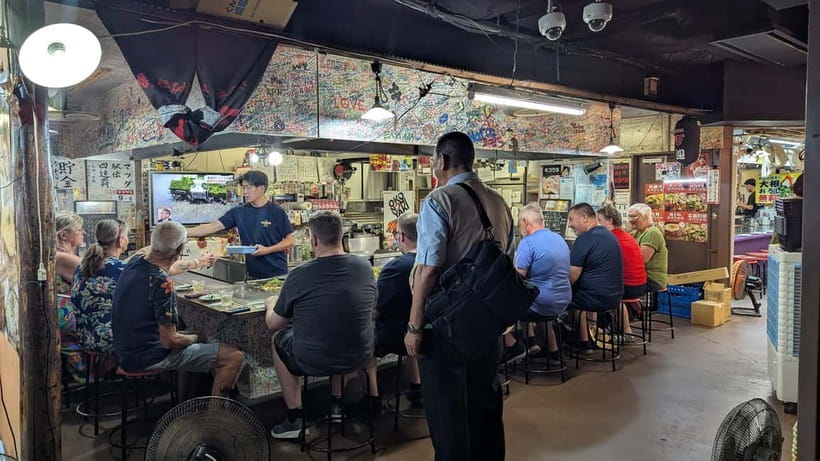
The meeting point is easy to find: the fountain next to the Atomic Bomb Dome, right in the Peace Memorial Park area. That location matters, even if you just think of it as a landmark. You start your food experience in the place visitors come to understand Hiroshima, and your guide (Ken) uses the ride to connect food to the city’s everyday life.
From there, you’ll take a short tram ride within Hiroshima to the okonomiyaki restaurant. It’s a simple, low-stress transfer, and it gives you a feeling for how the city moves. A tram also breaks up the day nicely. Instead of being stuck in one neighborhood all morning, you get a quick change of scenery before you cook.
Why this is worth it for you: okonomiyaki class tours can be either “food show” or “food lesson.” This one uses the local transit moment to set a grounded tone. You’re not just eating a dish; you’re getting oriented to how Hiroshima fits into the larger Japanese food story.
Hiroshima-style okonomiyaki: not just a pancake, but a layered technique
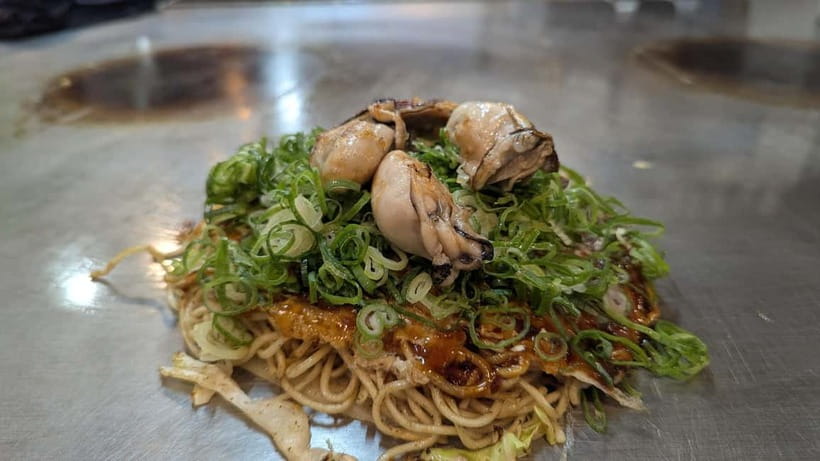
Okonomiyaki exists across Japan, but Hiroshima has its own style. Here’s the big difference you’ll notice when you’re standing at the counter and watching the build happen. Hiroshima-style okonomiyaki is made by layering. Instead of mixing everything together into one sloppy bowl, the chef builds it step by step with batter and cabbage, plus bean sprouts and noodles, then your chosen meat or seafood, and often a fried egg.
This layering approach matters because it changes texture. You don’t get one uniform pancake. You get distinct layers that cook at slightly different moments, so each part has its own chew and crunch potential. That’s why Hiroshima’s version is often described as bigger and more detailed—because it takes more attention to get right.
You’ll also get the cultural backdrop. The name okonomiyaki means grill it the way you like, which points to the dish’s mix-and-match nature. It took shape in the years after World War II, when ingredients had to stretch and simple components could be recombined. That “make it your way” mindset is still a big part of the fun today, even though restaurants refine the technique.
Practical tip for you: when you choose your filling (especially if you have dietary needs), think about what you want the texture to feel like. Seafood and meat versions tend to bring richer umami. Vegetarian versions still deliver that layered cabbage and noodle structure, so you get the Hiroshima feel without relying on the same proteins.
You can also read our reviews of more tours and experiences in Hiroshima.
Choosing your topping: meat, seafood, vegetarian, and gluten-free by request
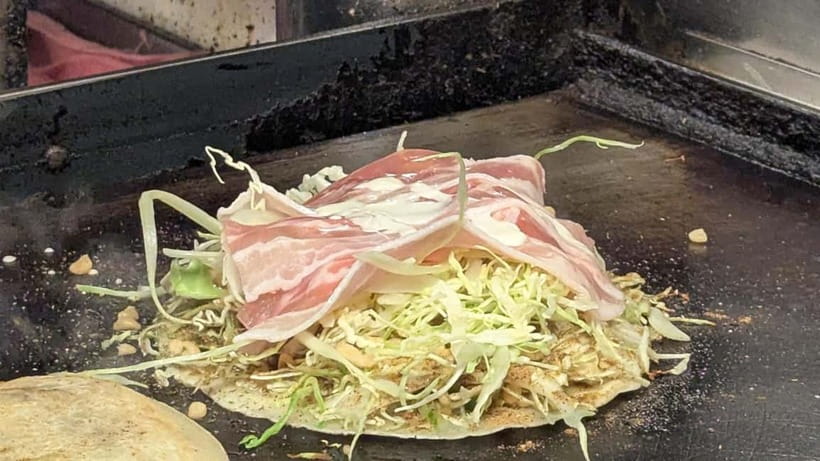
You get options, and you don’t have to force yourself into one “default” menu. The class offers four versions: meat, seafood, vegetarian, and a gluten-free option available by request.
That’s a useful detail because okonomiyaki can be tricky depending on what’s in the batter. If you need gluten-free, plan ahead. When you book, send the request exactly as you need it, and mention it clearly so the kitchen can prepare appropriately. I can’t promise how every restaurant handles cross-contact, because that detail isn’t provided here—but asking in advance is the right move.
If you’re deciding between meat and seafood, don’t overthink it. Choose based on what sounds best to you that day. You’ll still learn the key technique: how the griddle heat, the layering order, and the timing of each component affect the final result.
Why this choice feature boosts the value: cooking classes often fall into the trap of one-size-fits-most. Here, the structure stays consistent (Hiroshima style, chef-guided cooking), but the toppings flex to your taste. That means the class can work for more people in more groups.
The hands-on cooking: standing at the griddle with clear guidance
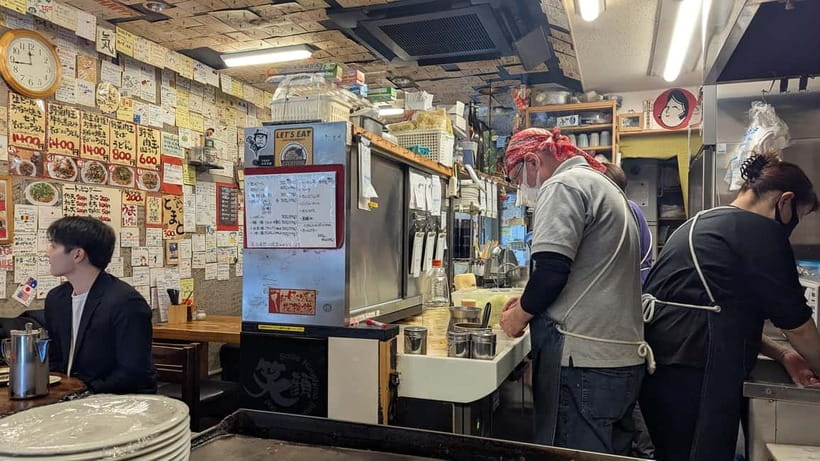
This is a real cooking class, not a distant demonstration. You’ll be in the restaurant cooking your own okonomiyaki with the chef’s guidance. The format is designed for people who want to participate and people who’d rather relax. If you want to cook, the chef will guide you step by step. If you’d rather just eat and watch, that’s okay too.
In practice, your experience will likely feel like this:
- You’ll start with an explanation of how Hiroshima builds the dish.
- The chef will handle the tricky timing moments while you learn what to do when it’s your turn.
- You’ll cook, flip and finish according to the method the chef uses.
- You’ll eat your finished okonomiyaki hot off the griddle.
The small-group setting helps here. With fewer people, it’s easier for the chef and guide to check in and adjust pacing. You’re also less likely to feel like a spectator.
You also get the benefit of a bilingual guide. Ken translates and keeps you from getting lost in technique talk. Several people highlighted how he made the experience comfortable and how confidently he explained Hiroshima and okonomiyaki along the way.
What you should expect from your final meal: you’ll leave full, happy, and with that very human feeling of I made this. Okonomiyaki is designed to be satisfying. It’s savory, hot, and built for sharing. Even if you’re not a confident cook, the process is guided enough that most people can pull off a decent result.
History, debates, and what makes Hiroshima taste like Hiroshima
You don’t just learn a recipe—you learn why people care about it.
Okonomiyaki has a history tied to everyday survival and creativity. After World War II, simple ingredients helped stretch meals, and the dish grew into something adaptable. The name’s meaning—grill it how you like—signals that you can mix and match. That flexibility is part of its longevity.
And then there’s the friendly rivalry. Osaka’s okonomiyaki often gets love, but Hiroshima’s approach is different. In this class, you’ll get the sense that Hiroshima’s layered method is a point of pride, and the differences are debated in a pretty passionate food way. That matters because it turns a dish into a cultural conversation.
How this helps you as a traveler: once you understand the technique differences, you can spot them later. The next time you see a Hiroshima-style okonomiyaki place, you’ll recognize the layered build rather than assuming it’s all the same batter-pancake everywhere.
Duration and pacing: 2 to 6 hours that fit your day
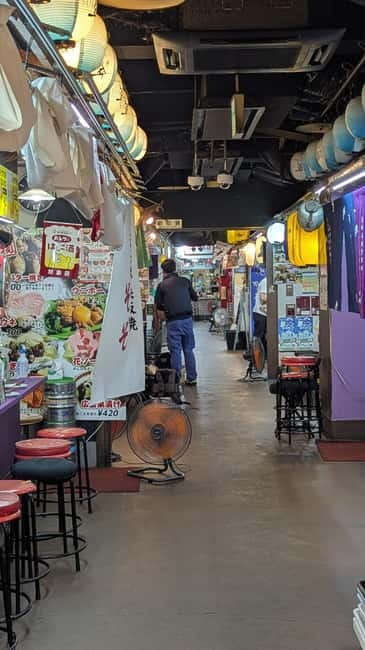
The class runs 2 to 6 hours, which is a wide range. In real life, that usually means the schedule can flex based on timing and the group flow. The practical takeaway is this: it’s long enough to cook properly and eat comfortably, but not so long that it eats your whole afternoon.
Most people will appreciate that it’s not a rushed grab-and-go meal. You’re standing at the griddle, learning steps, and then sitting down to enjoy what you made. It’s a good fit if you want one “anchor” activity that still lets you enjoy more Hiroshima afterward.
If you’re the type who hates waiting, arrive a little early and be ready to start with the tram ride and orientation. If you love food timing, this duration gives you enough room to settle in.
Small group, local restaurant: the upside, and one thing to watch
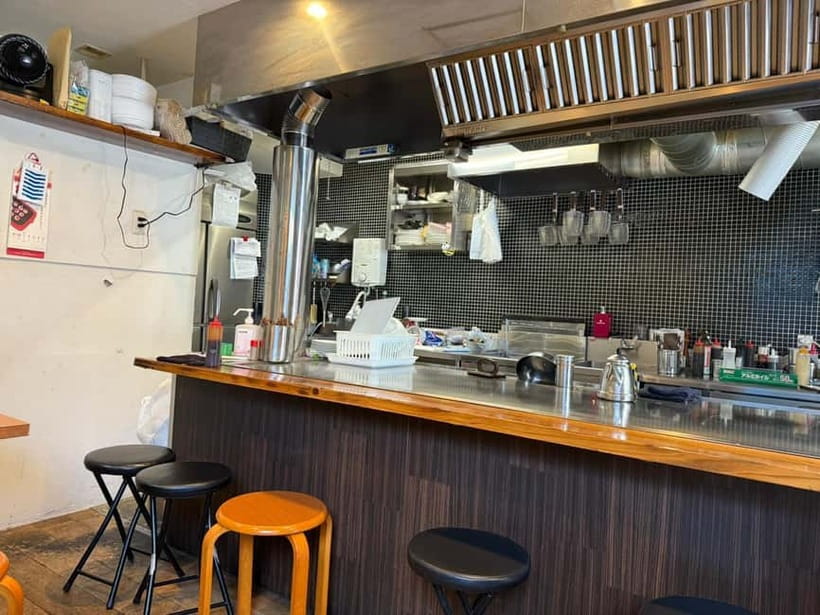
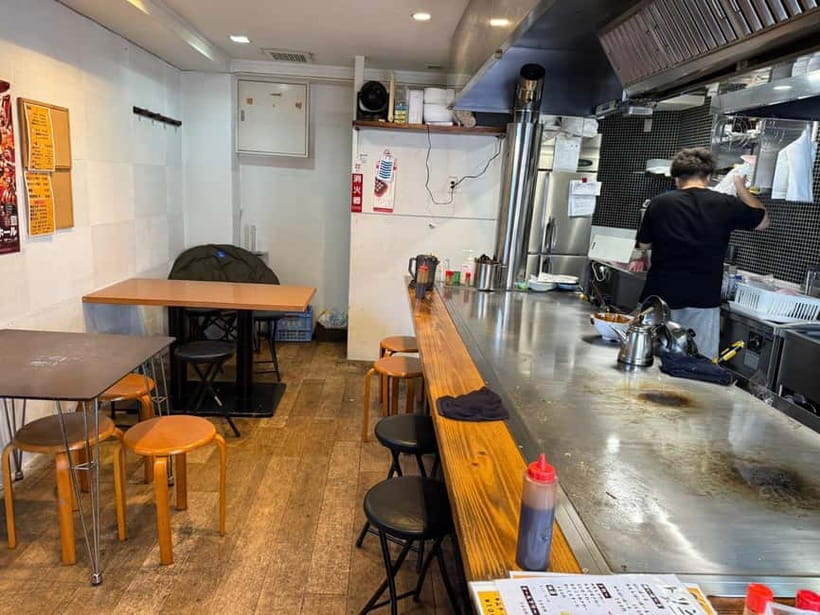
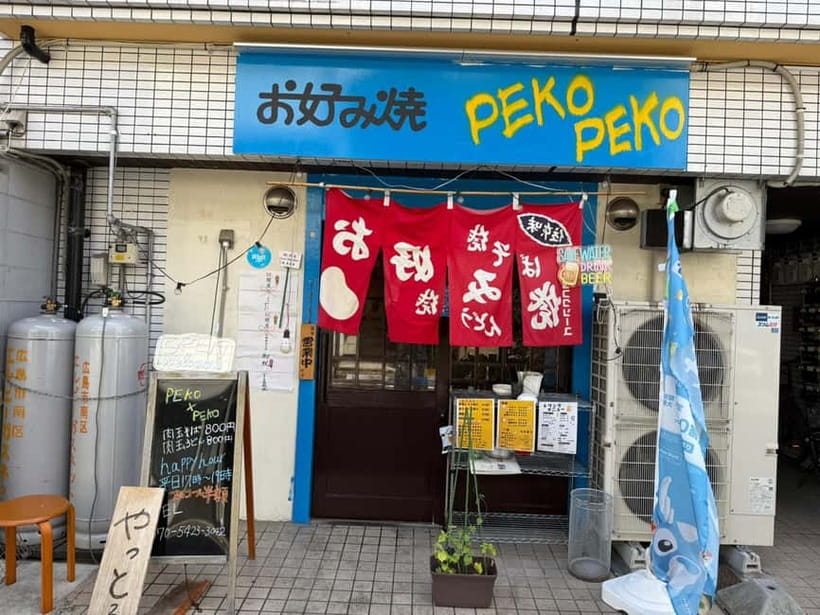
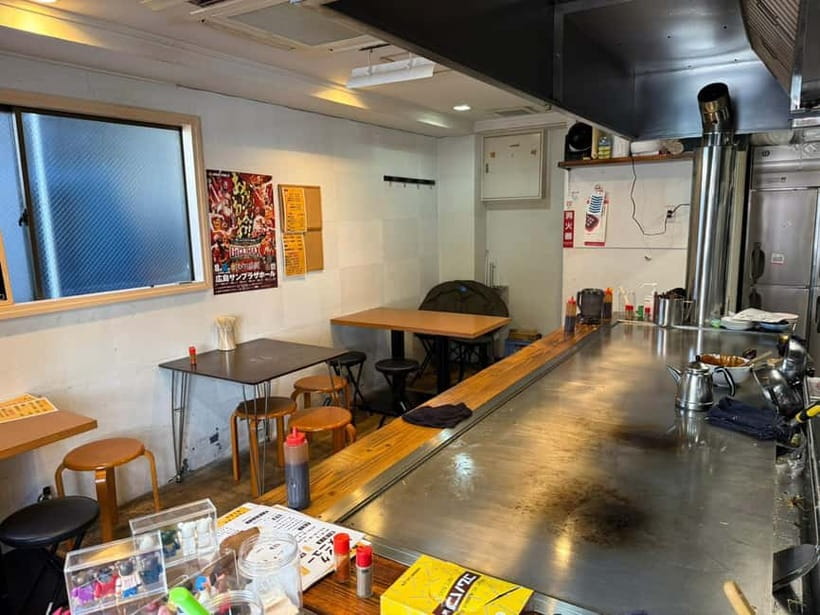
The experience is described as a small group in a real local restaurant, not a tourist trap. That’s a big deal. Tourist-friendly food classes can feel polished but flat. A local restaurant setup usually means better energy, more casual conversation, and food that matches how the dish is actually served.
The best part is the combination:
- You cook in a space designed for cooking.
- Ken handles language and context so you can focus on what you’re doing.
- The chef’s presence keeps you from guessing.
Still, balance matters. One downside noted in the feedback is that the restaurant condition may not feel clean enough for everyone. If hygiene is a top priority for you, it’s worth paying attention once you arrive. You don’t need to make it a drama. Just trust your standards.
My take: the cooking and guiding are strong enough that this class can still be a great value for many people. But if you’re hypersensitive to cleanliness, you should treat restaurant condition as part of your decision.
The $56 value check: what you’re really paying for
At $56 per person, this isn’t the cheapest meal in Hiroshima. It also isn’t priced like a luxury tasting menu. It sits in the middle—reasonable when you look at what’s included.
You get:
- A bilingual guide (English)
- A professional okonomiyaki chef
- Hands-on cooking experience
- One drink (alcoholic or non-alcoholic)
- A local tram ride within Hiroshima
That’s several services bundled together. The chef guidance is the part you’d otherwise pay for directly (and finding a chef-led class with translation support is usually not quick or cheap). You also get local transit handled for you, so you’re not budgeting time to figure out how to get there mid-day.
For you, the best value angle is this: You’re not just buying food. You’re buying technique, translation, and a real meal built from what you do yourself. If you like learning through action, the price starts to make sense fast.
After the class: how to return toward Peace Memorial Park (without stress)
Once the meal is done, many guests head out for a river stroll back toward the Peace Memorial Park area. The guide can also point you to the nearest tram station if you want an easier jump back to the rest of your itinerary.
This is helpful because you’re already near a major transit corridor. You can keep walking if the weather is good, or you can switch to public transport without needing to do lots of extra planning on the spot.
Practical travel mindset: treat the post-meal walk like digestion time. Okonomiyaki is filling. A short stroll is a nice way to reset your pace after the cooking-focused portion of the day.
Should you book this Hiroshima okonomiyaki cooking class?
Book it if you want an authentic Hiroshima-style food experience where you actually cook, not just watch. It’s especially good if you like:
- hands-on classes with real chefs
- learning the story behind a dish
- using a small group format so you can ask questions
- having options like vegetarian and gluten-free by request
You might skip or approach cautiously if:
- restaurant cleanliness is a deal-breaker for you
- you’re only interested in eating and not learning technique
- you need a super-short activity (this is more than a quick meal)
If you’re on the fence, here’s the simple way to decide: if the idea of building layered Hiroshima okonomiyaki at a griddle sounds like your kind of day, this class fits that mood well. Pair it with Hiroshima sightseeing, and you’ll get a meal that feels tied to place—not just another dish on a list.
FAQ
Where is the meeting point?
You meet in front of the fountain next to the Atomic Bomb Dome in the Peace Memorial Park area.
How long is the okonomiyaki cooking class?
The experience runs 2 to 6 hours, depending on the scheduled session.
Is it hands-on, or do I only watch?
It includes a hands-on cooking experience. You’ll cook your own okonomiyaki with the chef’s guidance, though it’s also possible to just relax and eat if you prefer.
What types of okonomiyaki can you choose?
You can choose meat, seafood, vegetarian, and a gluten-free option (available by request).
What’s included in the price?
Included are a bilingual guide, a professional okonomiyaki chef, the cooking experience, one drink (alcoholic or non-alcoholic), hands-on cooking, and a local train ride within Hiroshima.
Is a train ride included?
Yes. There’s a local train ride within Hiroshima as part of the activity.
Can I get a refund if my plans change?
Yes. You can cancel up to 24 hours in advance for a full refund.
Is the experience wheelchair accessible?
Yes, it is listed as wheelchair accessible.