REVIEW · HUE VIETNAM
Hue Cooking Class with local-Visit market, cook local food
Book on GetYourGuide →Operated by Anh Adventures · Bookable on GetYourGuide
Hue gets food right. This class is the shortcut. You start with ingredients from Dong Ba Market, then you cook at a local home with Anh, an English-speaking chef who teaches as you go. I love the hands-on kitchen time and the way you get to cook specific Hue dishes, not just eat them. I also like how relaxed Anh is about your skill level, even if your chopping is more “wobbly” than “chef.” One thing to consider: this isn’t a vegetarian-friendly class, and it’s not set up for vegans either.
Expect 3–4 hours that feel like a friend invited you in for cooking lessons. You’ll walk through daily life at the market, pick ingredients, then learn why Hue food uses bold flavors like lemongrass, chili, garlic, and fresh herbs. If you’re sensitive to heat or seafood, plan carefully because dishes include shrimp and chili.
In This Review
- Key Things I’d Mark on Your Map
- A Hue Cooking Class That Starts at Dong Ba Market
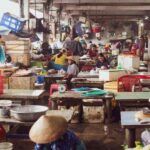
- Market Time: What You’re Really Learning in the Ingredients Aisles
- Hands-On Cooking at a Local Home With Anh
- The Four Hue Dishes You’ll Cook (and What Makes Them Hue)
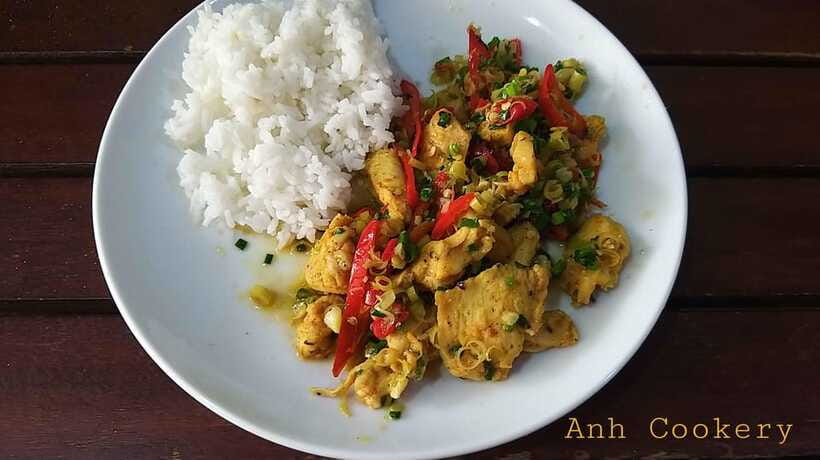
- Chicken With Lemongrass and Chili
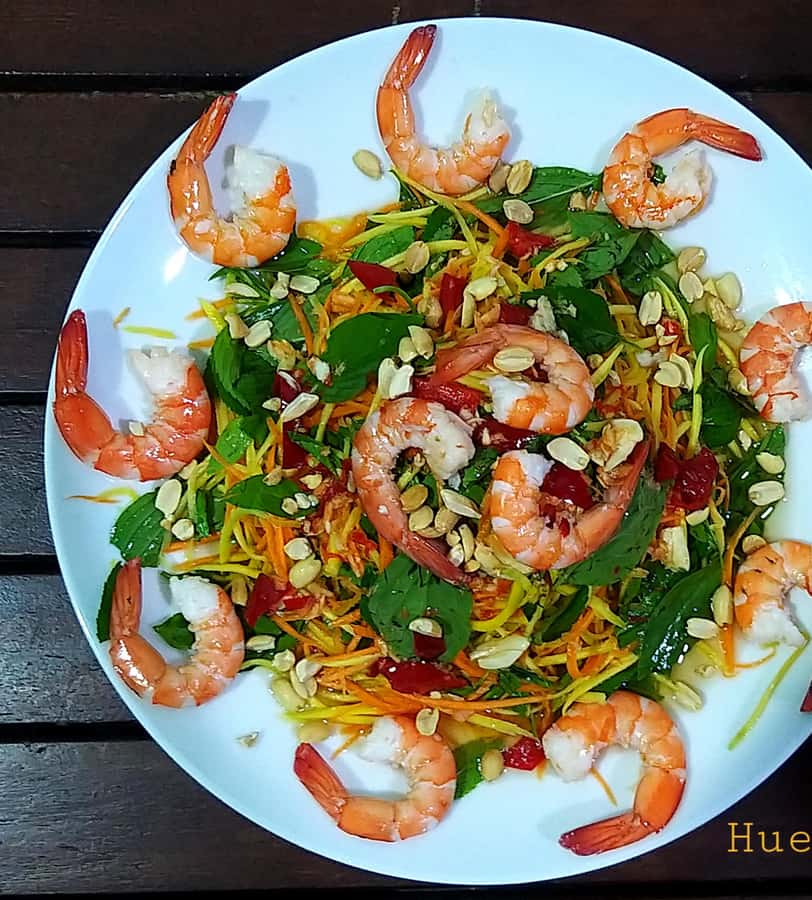
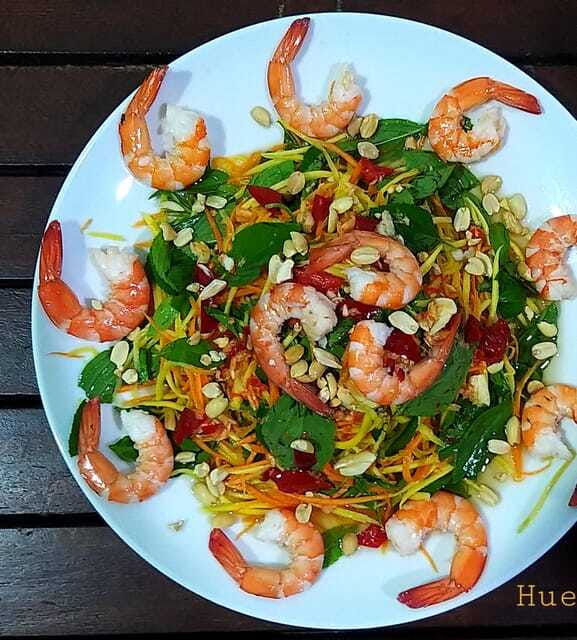
- Green Mango Salad With Shrimp
- Beef in Betel Leaf
- Morning Glory With Garlic
- A Note on Additional Favorites
- Time in the Kitchen: What the 3–4 Hours Feels Like
- What You Actually Eat (and How It’s Served)
- Price and Value: Is $28 Worth It in Hue?
- Who Should Book This Class (and Who Should Skip)
- Practical Tips That Make the Class Easier
- Should You Book This Hue Cooking Class?
- FAQ
- How long is the Hue Cooking Class?
- Is this a private class or a small group?
- What language is the instruction in?
- Do I visit a market before cooking?
- What dishes will I cook?
- Is the food included?
- Is transportation included?
- Is it vegetarian or vegan friendly?
- Is the class beginner-friendly if I’m not a good cook?
Key Things I’d Mark on Your Map
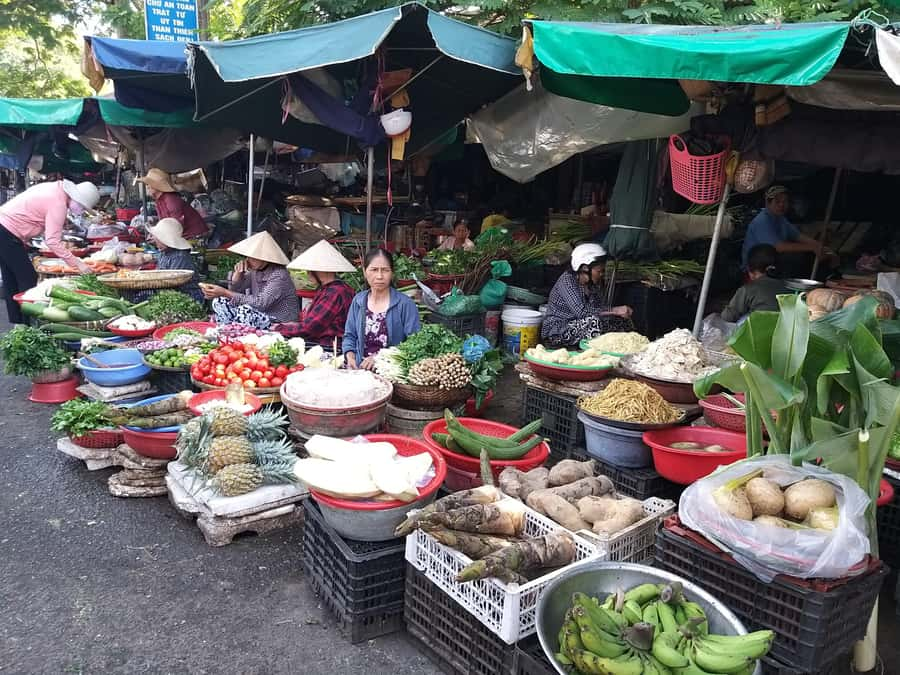
- Dong Ba Market shopping first: you don’t guess ingredients; you buy what you’ll actually cook.
- Anh leads the class in English: clear steps, calm pacing, and lots of guidance.
- A small group (6 people): you’ll actually get help, not stand in the back filming.
- Hue menu with four core dishes: chicken with lemongrass and chili, mango salad with shrimp, beef in betel leaf, and morning glory with garlic.
- You eat what you cook: the meal is the point, not an afterthought.
- Local home cooking: the setting changes how the lesson feels—more real, less staged.
A Hue Cooking Class That Starts at Dong Ba Market
A Hue cooking class can be simple: you show up, you cook, you eat, you leave. This one is better because it begins where the flavor starts—at the market. The market walk isn’t just sightseeing. It’s where you learn what ingredients matter for Hue cooking and how locals shop, snack, and talk with each other.
I like experiences that teach through doing, not watching. Here, you’re part of the process from the first basket. You’ll walk around, take pictures, and get time to understand how food culture shows up in everyday life.
The class also keeps it practical. You’re not handed a long lecture. You’re guided step by step when it’s time to cook, and you leave with recipes you can actually repeat later.
You can also read our reviews of more tours and experiences in Hue Vietnam.
Market Time: What You’re Really Learning in the Ingredients Aisles
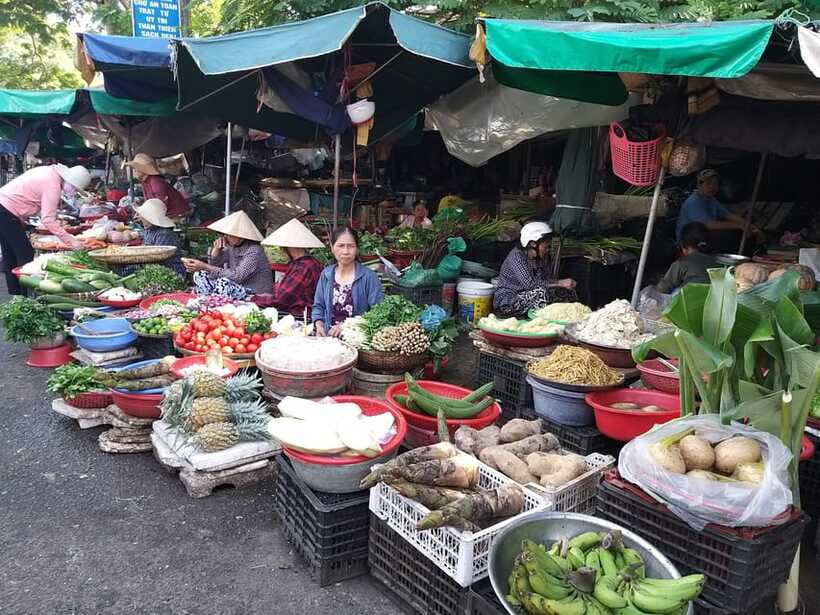
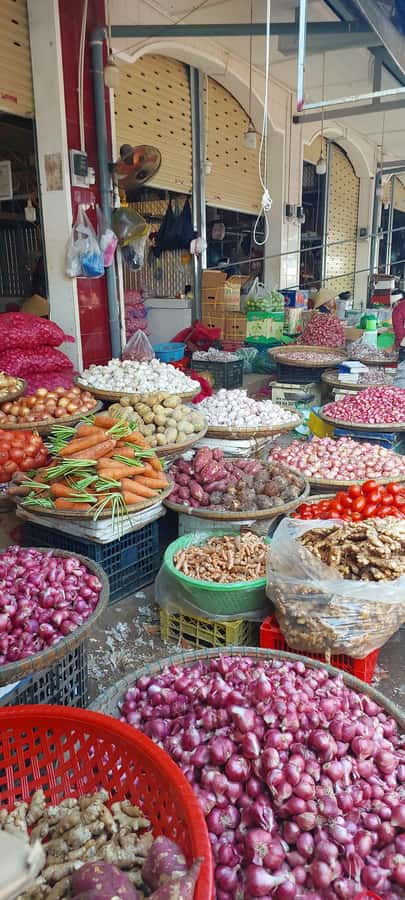
Your market stop is the heart of the “local” part. The plan is to visit a local market, stroll through stalls to see what’s commonly used, and then buy ingredients with your chef for your cooking session.
In practice, this means you learn the logic behind the dish. For example, you’ll understand why lemongrass and chili show up in Hue-style chicken, not because a recipe says so, but because those ingredients are used all the time around Hue. You’ll also get a feel for what’s fresh and what’s selected for texture—important for salads and leaf-wrapped dishes.
Your chef (Anh) is a major reason this works. In recent classes, he’s been described as open, knowledgeable, and patient, and that shows in how the lesson flows. He walks you through foods around the market, so you’re not cooking from a mystery list.
One more plus: you get time to take pictures without rushing. If you like cooking and documenting what you eat, this gives you the time to do both.
Hands-On Cooking at a Local Home With Anh
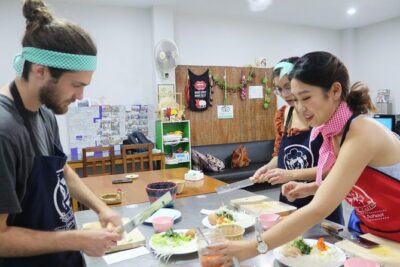
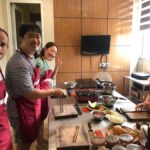
After the market, you move to the kitchen. This class happens at a local house with a local chef, so the environment feels like real life, not a demo room. You’ll cook with instruction in English, and you’ll spend the bulk of the time at the stove and prep area—not just hovering.
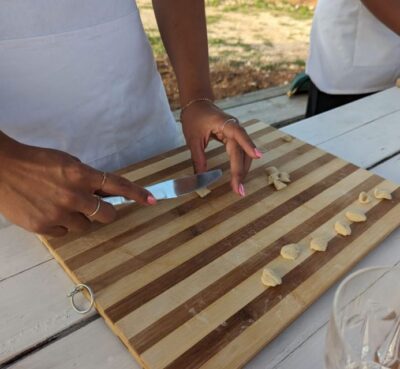
The class format is built for small groups. Limited to 6 participants, it’s easier to ask questions and get corrections fast. If your knife skills are shaky, you’re not going to be treated like you’ve joined the wrong class. Anh has shown patience with less-than-perfect chopping in past sessions, and you’ll likely get the kind of gentle guidance that turns confusion into competence.
You can also expect the cooking to include cultural context. Anh explains steps as you go and shares insights into Vietnamese cooking and lifestyle. That matters because Vietnamese food isn’t one flavor. It’s balance—sweet, sour, salty, fresh herbs, and heat—layered in the right order.
If you’re the type who learns by tasting, this is also a good match. Hue cooking is all about how things come together, so you’ll feel the difference as each dish develops.
The Four Hue Dishes You’ll Cook (and What Makes Them Hue)
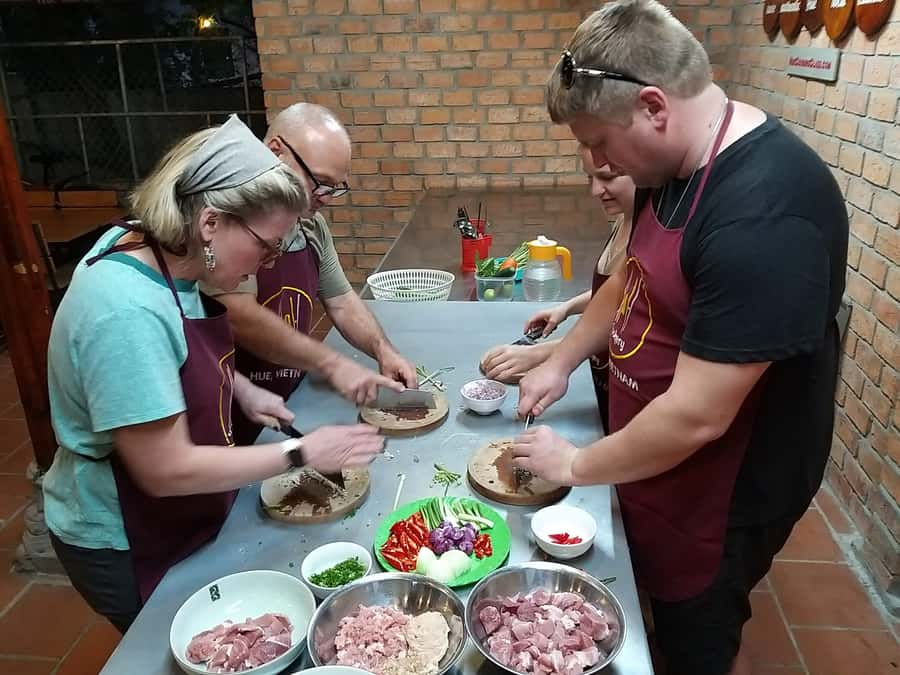
This class is structured around a Hue local menu. You’ll cook four dishes:
Chicken With Lemongrass and Chili
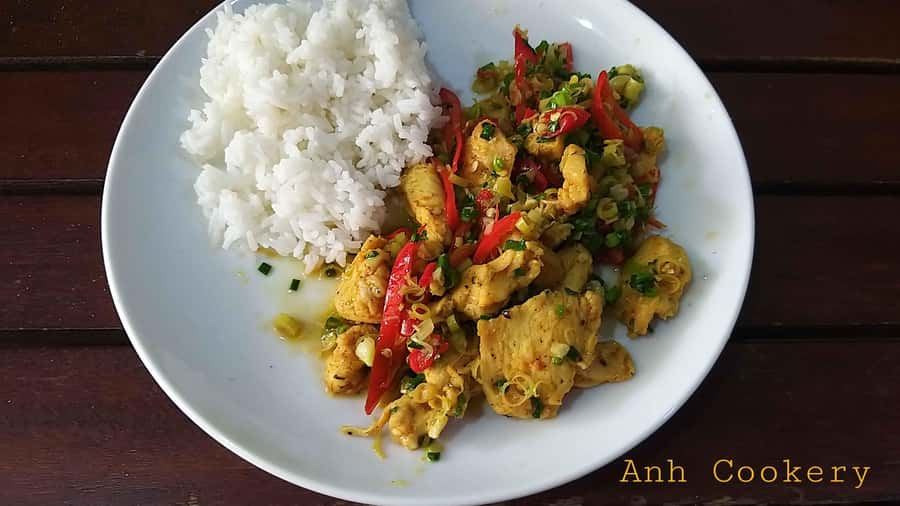
This is the kind of dish that tells you what Hue does with spice. Lemongrass brings a bright, aromatic backbone. Chili brings heat and personality. The point isn’t just flavor; it’s how the seasoning builds depth.
I like this dish for beginners because it teaches how to manage strong aromatics without making the whole pan taste one-note. You get a feel for balancing fragrance, heat, and savory sauce.

Green Mango Salad With Shrimp
Salads here aren’t bland sidekicks. The green mango adds tang and crunch, and shrimp brings sweetness that plays against sourness. This dish teaches you how to combine ingredients so they stay lively, not watery.
Also, if you think mango salad is just “sour and done,” Hue-style versions can change your mind. Mango, herbs, and seasoning need timing so you get that snap right before eating.
Beef in Betel Leaf
This is one of those dishes that feels special even if you’ve never made anything like it. Betel leaf is aromatic, and wrapping or pairing it with beef creates a perfume-like bite.
You’ll learn how to work with leaves and seasoning so the leaf doesn’t overpower, and the beef doesn’t feel flat. It’s hands-on and memorable.
Morning Glory With Garlic
Morning glory (often called water spinach in other places) shows up across Vietnam, but garlic makes it feel distinctly punchy. This dish is about speed and heat control—cooking greens so they’re tender but not lifeless.
I find this one valuable because it gives you a simple “Vietnam at home” recipe. It’s easy to repeat later, and it teaches a core technique: how to season greens so they taste like they came from a real Vietnamese kitchen.
A Note on Additional Favorites
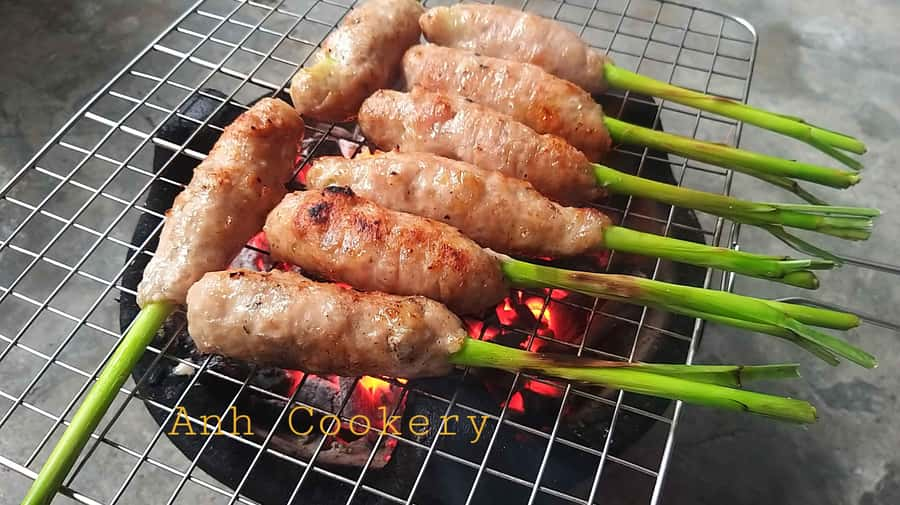
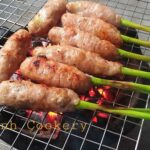
On some recent classes with Anh, participants also mentioned making items like spring rolls and lemongrass skewers, along with sauces such as peanut sauce. The core dishes listed above are consistent, but menus can flex depending on the class flow and what the chef is preparing that day.
Time in the Kitchen: What the 3–4 Hours Feels Like
The duration is 3–4 hours, and it usually doesn’t feel rushed. Here’s the rhythm you can expect:
- Market walk and ingredient buying (with time for photos)
- Cooking prep and hands-on instruction
- Cooking the Hue dishes together
- Eating what you make, as a shared meal
The pacing matters. If you’ve done cooking classes elsewhere, you know the trap: you spend most of the time watching, then eat something prepped without you. This class gives you more knife time and more stove time, which is exactly what makes it worth it.
And because it’s a small group, you’re less likely to get lost. You’ll get attention when you need it—whether you’re learning how to prep aromatics or trying to keep a sauce from going too salty.
What You Actually Eat (and How It’s Served)
The payoff is eating everything you cook. The goal isn’t just to sample. You’ll enjoy the dishes you made, as a full meal experience.
Because the menu is varied—savory chicken, tangy mango salad, beef with an aromatic leaf element, and garlicky greens—you don’t end up with the same flavor over and over. That matters because Vietnamese meals work best when you keep moving between textures and tastes.
You’ll also likely get a better sense of Vietnamese flavor design. For example:
- Sweet-sour balance in the mango salad
- Heat-and-fragrance in the chicken
- Aroma-and-savor in the beef with betel leaf
- Simple punch from garlic in the morning glory
If you’re someone who wants to eat well in Hue without committing to a full restaurant crawl, this is a strong plan.
Price and Value: Is $28 Worth It in Hue?
At about $28 per person, the value comes from three things: market time, instruction quality, and the meal.
First, you’re not just cooking. You’re shopping for ingredients at the start, which turns the class into a real food lesson. That market component is where many cooking classes cut corners.
Second, the class includes English instruction from your chef. Anh’s teaching style—patient, step-by-step—shows up in feedback and it’s crucial. Without clear guidance, cooking classes become stressful. With good guidance, you leave with skills.
Third, food is included, plus you get water and recipes. That means you’re not paying extra for what you’ll eat. In a city where a good meal can add up quickly, getting a full cooking-and-eating experience for one set price is usually a fair deal.
Only watch one thing: transport isn’t included. If you’re far from the meeting point, factor that into your total cost and time.
Who Should Book This Class (and Who Should Skip)
This is a solid choice if you:
- Want hands-on Vietnamese cooking instruction
- Enjoy learning through real ingredients and real kitchens
- Prefer small groups (limited to 6)
- Like Hue’s flavor style—lemongrass, chili, garlic, fresh herbs
It’s also a good pick for couples and small groups. In one recent experience, the class worked well for a family with teens, which suggests it’s approachable for people who can follow instruction and tolerate some spice.
Skip it if:
- You’re vegan (not suitable)
- You’re vegetarian (not suitable)
- You have diabetes (not suitable)
- You’re dealing with a cold (not suitable)
- You have altitude sickness (not suitable)
- You need to bring baby strollers or baby carriages (not allowed)
- You’re traveling with kids under 6 (not suitable)
If you’re wondering about spice level: the dishes do include chili and chili-based flavor. You can often ask for adjustments, but the menu itself is built around these flavors.
Practical Tips That Make the Class Easier
A few small things will help you get the most out of your 3–4 hours.
- Wear comfortable shoes. You’ll be moving through the market and standing in a kitchen.
- Bring a camera plan. You’ll have time to take pictures, especially at the market.
- Don’t overthink your knife skills. Anh’s instruction is designed for regular people, and in past sessions he’s been patient with less-than-perfect chopping.
- Expect to taste as you cook. Vietnamese flavors develop through seasoning and balance, so you’ll likely sample along the way.
If you’re staying a bit away from the meeting point, think about transport. Transport isn’t included, but in at least one case Anh arranged a cab pickup as a courtesy. That’s not guaranteed as a rule, so it’s smart to ask politely if you need help coordinating rides.
Should You Book This Hue Cooking Class?
Book it if you want a real food experience in Hue: market-to-kitchen, small-group size, English instruction, and a meal made by you. The market shopping plus hands-on cooking is the combo that makes this feel worth the time.
I’d skip it if you don’t eat seafood or beef, if you’re vegetarian/vegan, or if you’re traveling with restrictions that make this menu a bad fit. And if you hate chili flavors, the chicken and mango salad won’t let you hide.
If you’re visiting Hue and you want something more memorable than another restaurant stop, this is a smart way to spend a half-day—especially with Anh guiding you from ingredients to plate.
FAQ
How long is the Hue Cooking Class?
The class lasts about 3 to 4 hours.
Is this a private class or a small group?
It’s a small group experience, limited to 6 participants.
What language is the instruction in?
The cooking class is taught in English.
Do I visit a market before cooking?
Yes. You’ll visit a local market, walk around, and buy ingredients for the class.
What dishes will I cook?
You’ll cook Hue local dishes, including chicken with lemongrass and chili, green mango salad with shrimp, beef in betel leaf, and morning glory with garlic.
Is the food included?
Yes. You’ll eat the food you cook, and the experience includes 1 water.
Is transportation included?
No. Transport is not included.
Is it vegetarian or vegan friendly?
No. It’s not suitable for vegans or vegetarians.
Is the class beginner-friendly if I’m not a good cook?
Yes. The chef provides instruction in English, and past participants noted the chef was patient with beginners’ chopping skills.