REVIEW · HUE VIETNAM
Hue: Traditional Vietnamese Cooking Class
Book on GetYourGuide →Operated by Phin Coffee Class Viet Nam · Bookable on GetYourGuide
Hue food is a little different. This class explains why.
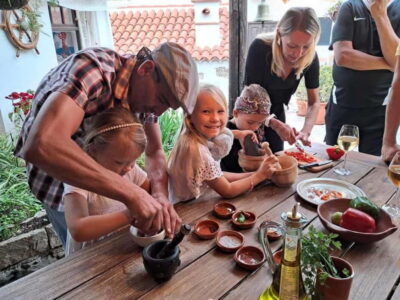
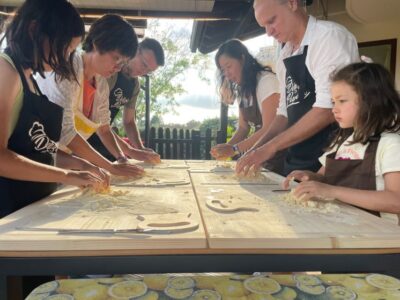
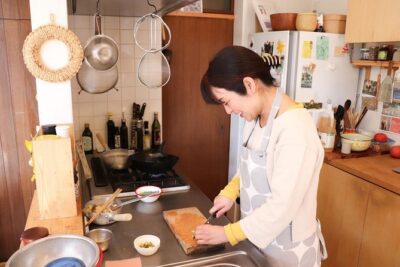
In central Vietnam, you’ll cook classic Hue flavors in a cozy local kitchen, then sit down in a garden-like setting to eat what you made. The small group format (up to 6) also keeps things personal, and the chef doesn’t treat the recipes like a script.
I especially like that you cook multiple dishes from scratch, not just one highlight. You’ll make staples tied to Hue’s identity, including Bun Bo Hue, Banh Xeo, Fresh Spring Rolls, and traditional steamed Banh Bot Loc, plus a Hue royal herbal tea brewing session. You also get to choose between vegetarian or non-vegetarian menus with seasonal options.
One possible drawback: the meeting spot is a bit out of the main tourist flow. It’s still easy enough if you follow the directions to alley number 1 on Hoàng Quốc Việt Street, but plan a little extra walking time so you don’t show up flustered.
Key things you’ll notice right away
- You cook 6 items: 5 traditional dishes plus Hue royal herbal tea, all from scratch
- Vegetarian and non-vegetarian menus with seasonal options
- Small group size (max 6), with a chance it feels almost private
- English instruction and step-by-step guidance from the chef
- A full meal right after cooking, plus a printed recipe card to take home
- Hue-specific stories that explain the “why” behind techniques and balance
In This Review
- Cooking Hue’s Classics, Not Just Vietnamese Food
- What You’ll Make in This Hue Cooking Class (5 Dishes + Royal Herbal Tea)
- Non-Vegetarian Menu (Hue Favorites)
- Vegetarian Menu (Still Very Much Hue)
- The Teaching Style: Step-By-Step, With Hue Stories
- Cooking Sequence: How the 150 Minutes Usually Feel
- 1) Getting Oriented in a Cozy Local Kitchen
- 2) Cooking With Ingredient Prep Already Done for You
- 3) Building Hue Through Texture: Noodles, Pancakes, Dumplings
- 4) Fresh Spring Rolls: Assembly and Flavor Balance
- 5) The Royal Herbal Tea Brewing Session
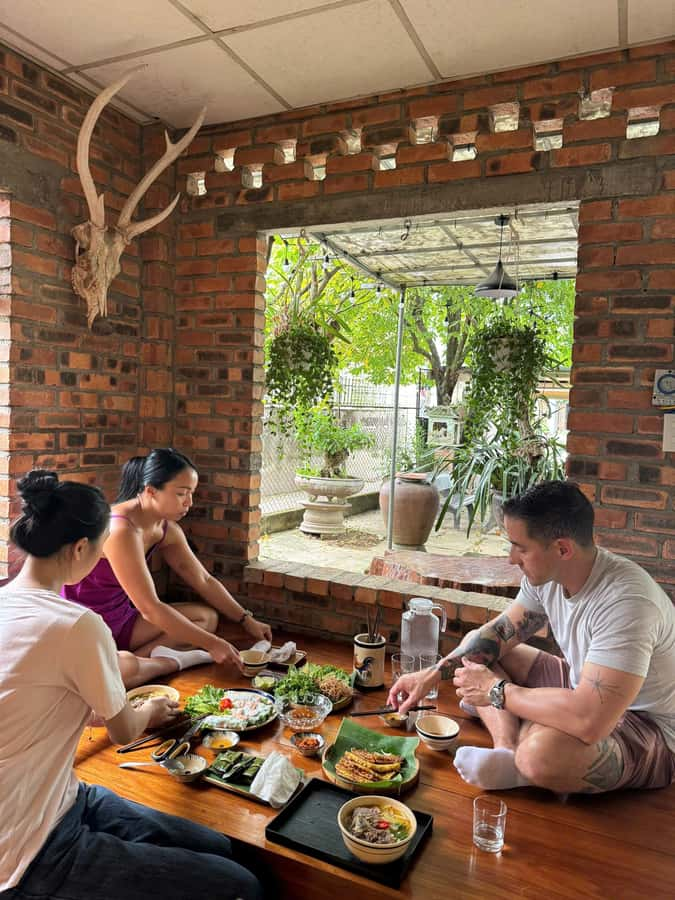
- 6) Sit Down and Eat the Whole Meal You Made
- Value Check: Why $35 Feels Reasonable Here
- Who This Class Is Best For (And Who Should Skip It)
- Practical Tips So You Get the Most From It
- Should You Book This Hue Cooking Class?
- FAQ
- What dishes are included in the cooking class?
- How long is the class?
- How much does it cost?
- Is the class vegetarian-friendly?
- What language is the instruction?
- Where do I meet the group?
Cooking Hue’s Classics, Not Just Vietnamese Food
A Hue cooking class should do two things well: get your hands doing the work and help you understand what makes Hue different. This one does both. You’re not only following recipes; you’re learning the techniques and the cultural logic behind each dish—how textures and flavors are meant to land together.
The format is also practical. Your ingredients are prepped for you, then you actively cook, assemble, and finish. That’s a big deal in Vietnam, where some cooking classes can feel like watching a demo. Here, you’re doing the real steps while a local chef guides you.
And because the meal is included, you get an easy payoff. You won’t just pack away a recipe card and hope you recreate it later. You taste the results right there, which helps you learn what “correct” feels like.
What You’ll Make in This Hue Cooking Class (5 Dishes + Royal Herbal Tea)
You’ll cook a set menu focused on Hue traditions. In total, it’s five dishes plus a royal herbal tea, with a seasonal fruit plate included as part of the meal.
You can also read our reviews of more tours and experiences in Hue Vietnam.
Non-Vegetarian Menu (Hue Favorites)
- Bun Bo Hue (spicy beef noodle soup with fresh herbs)
- Banh Bot Loc (chewy tapioca dumplings with shrimp & pork, steamed in banana leaves)
- Fresh Spring Rolls (with pork and shrimp)
- Banh Xeo (crispy Vietnamese pancakes with shrimp and pork, served with herbs and dipping sauce)
- Seasonal fresh fruit
- Hue royal herbal tea
Vegetarian Menu (Still Very Much Hue)
- Vegetarian Bun Bo Hue (mushroom broth with tofu and vegan sausage)
- Banh Bot Loc Chay (banana leaf dumplings filled with wood ear mushrooms and mung beans)
- Fresh Spring Rolls (tofu and vegetables)
- Vegetarian Banh Xeo (stuffed with mushrooms, bean sprouts, carrots, served with vegan dipping sauce)
- Seasonal fresh fruit
- Hue royal herbal tea
If you care about eating well but also want your class to reflect your diet, this menu choice matters. Instead of a token substitution, you’re following a full vegetarian version through the same key dishes, including Banh Bot Loc and Banh Xeo.
The Teaching Style: Step-By-Step, With Hue Stories
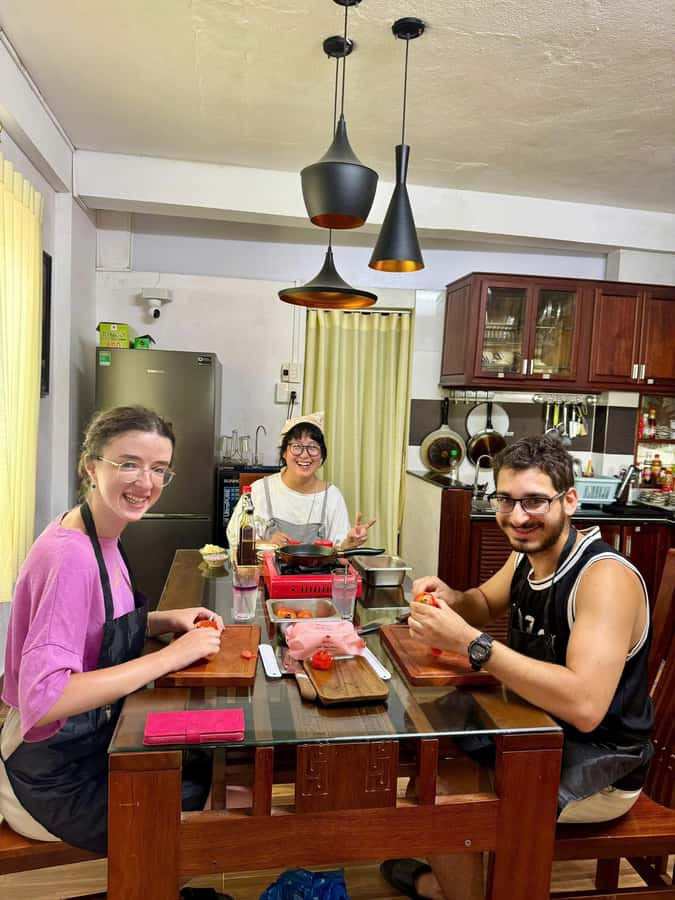
This class is led by a local chef who guides you through each dish. The instruction is in English, and the pacing is built around hands-on learning—so you’re not stuck translating cooking diagrams.
In the kitchen, the chef’s explanations connect food to place. For example, you’ll hear cultural stories and techniques linked to Hue cuisine and how Hue cooks differ from other parts of Vietnam. One instructor, Duck, is specifically mentioned for explaining dishes and adding history. Another chef, Uyen (or Duc), is praised for being sweet, knowledgeable, and good at explaining differences in how people in Hue do things.
That matters because it helps you cook with a sense of intention. Instead of copying steps blindly, you learn what to watch for—like the balance of herbs, how a dipping sauce should feel, or how a noodle soup needs its flavor built.
Cooking Sequence: How the 150 Minutes Usually Feel
The total time is 150 minutes, long enough to feel like a real cooking session without dragging on. While exact timing can vary, the flow is clear: you arrive, get set up, cook through the dishes, then share the meal.
Here’s the typical rhythm you can expect.

1) Getting Oriented in a Cozy Local Kitchen
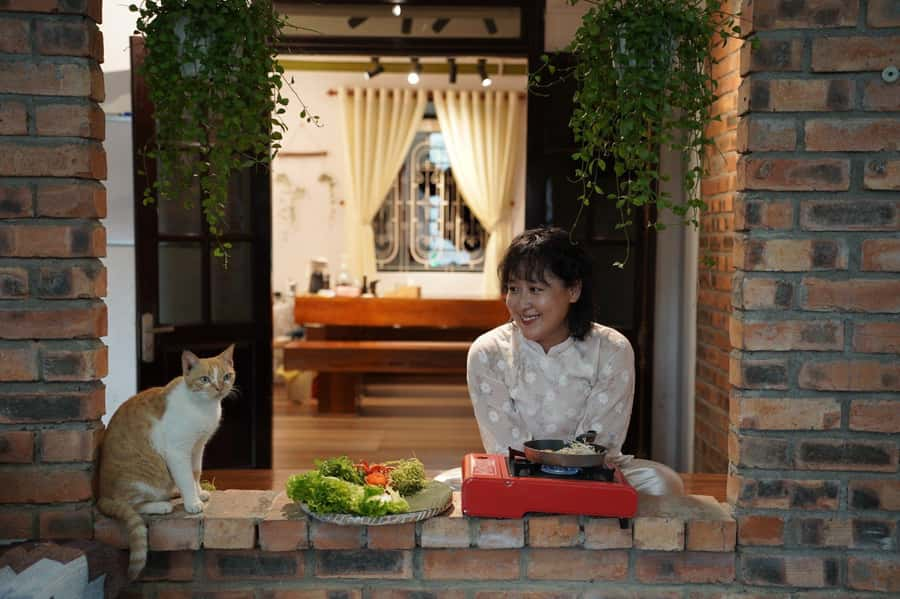
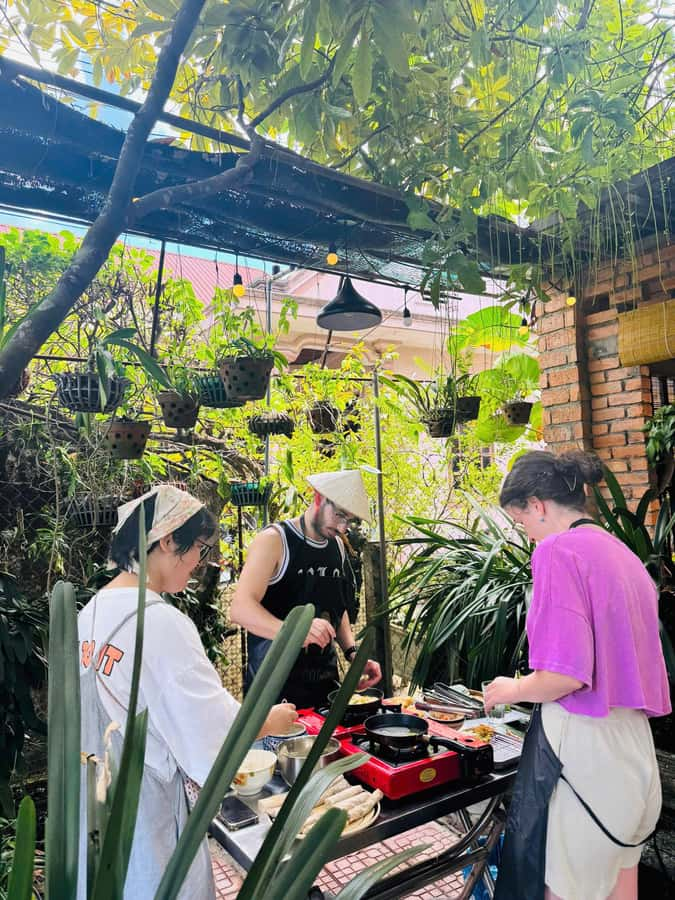
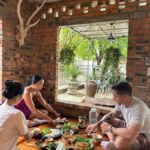
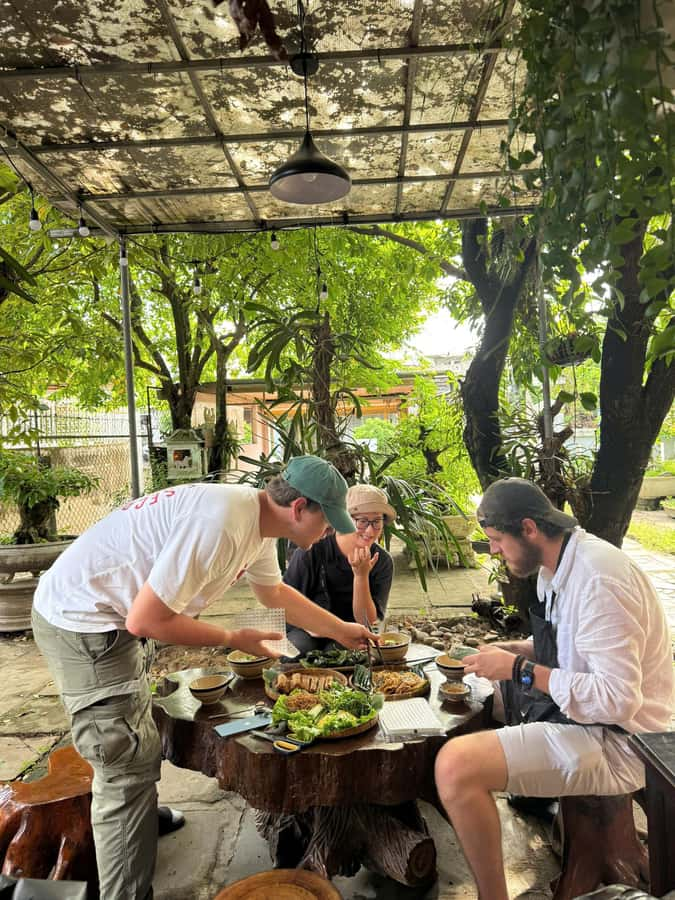
You’ll meet at alley number 1 on Hoàng Quốc Việt Street, walk about 50 meters, and look for the Huế Experience signboard. The kitchen setting is part of the appeal—cozy, quiet, and described as having a beautiful garden. It feels calmer than the busy streets, which helps you stay focused while chopping, mixing, and learning.
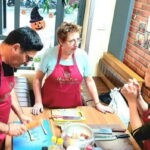
You’ll use an apron during the class, and you’ll have drinking water available throughout.
2) Cooking With Ingredient Prep Already Done for You
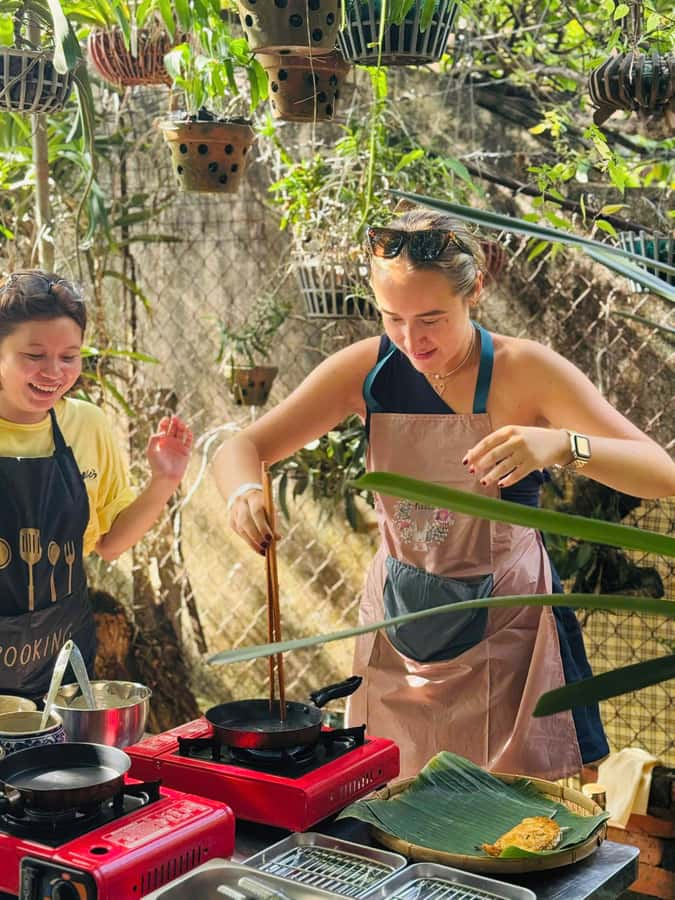
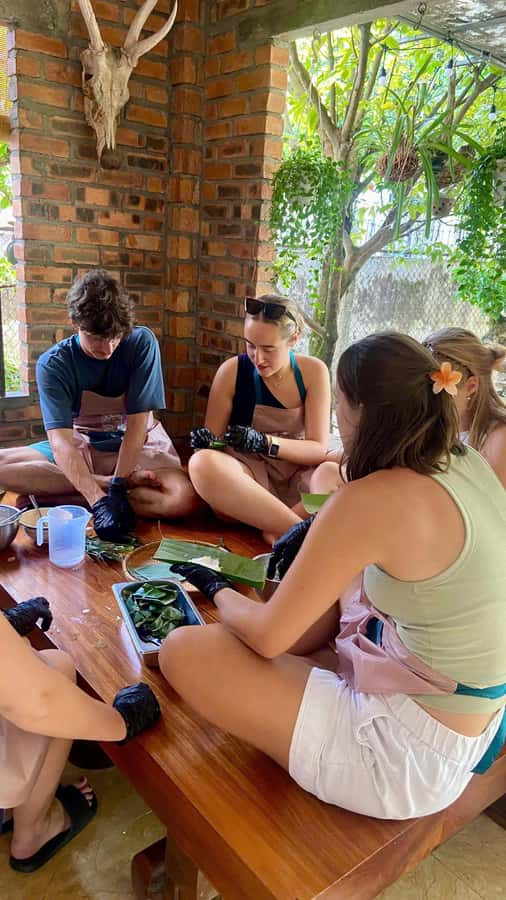
All ingredients and equipment are provided, and ingredients are prepped so you can cook interactively. This is where the class becomes especially beginner-friendly. You’re not fighting the clock on basic prep, and you can spend your energy learning techniques.
If you’ve ever taken a cooking class where everyone just stands around waiting, this is the opposite. You’ll be moving through steps and building momentum as the meal comes together.
3) Building Hue Through Texture: Noodles, Pancakes, Dumplings
You cook across different categories of Hue food, each with its own texture goal.
- Bun Bo Hue focuses on broth + herbs + spicy depth. It’s the kind of soup where fresh herbs matter, not just garnish.
- Banh Bot Loc is a steamed tapioca dumpling in banana leaves. It’s chew-focused and method-driven, and the banana leaf adds character.
- Banh Xeo is about crisp edges and the right filling balance. It’s one of those dishes where you learn fast why the batter and timing matter.
And that variety is a strength. You’re not stuck mastering one technique. You’re building a full picture of Hue cooking—from soup to dumplings to crisp pancakes.
4) Fresh Spring Rolls: Assembly and Flavor Balance
Fresh spring rolls bring the meal back to freshness. You’ll work with pork and shrimp in the non-veg version, or tofu and vegetables in the vegetarian menu. The key learning is how you assemble so you get clean bites with herbs and dipping sauce working together.
5) The Royal Herbal Tea Brewing Session
The tea is the “royal” signature. You’ll make Hue royal herbal tea and learn how to brew it. This is where the class feels more than cooking—more like a cultural table lesson.
You can treat the tea as a palate reset, too. After savory and spicy dishes, a fragrant herbal brew helps bring balance back to your mouth.
6) Sit Down and Eat the Whole Meal You Made
After cooking, you’ll eat everything you prepared. That included tasting is one of the best parts, because it closes the loop: you can compare what you thought you did correctly with what “finished” tastes like.
You also get a seasonal fruit plate. It’s a simple ending that keeps the meal from feeling heavy.
Value Check: Why $35 Feels Reasonable Here
At $35 per person for a 150-minute hands-on class, this is priced like you’re paying for a full learning-and-meal experience—not just a snack demo. You get:
- 5 dishes + royal herbal tea (not one dish)
- all fresh ingredients and cooking equipment
- instruction in English
- a printed recipe card to take home
- a full meal tasting
- a small group size limited to 6
What makes it good value is the combination. Many food experiences in Hue are either cheap street eating or full restaurant meals. This sits in the middle: you learn real techniques and then eat the result. The recipe card also helps you keep going after the class ends.
If you’re trying to stretch your vacation budget, this is one of those days where you trade money for skills. Later, when you’re back home, you won’t just remember flavors—you’ll remember the steps and cues.
Who This Class Is Best For (And Who Should Skip It)
This is ideal if you:
- want Hue-specific cooking, not generic Vietnamese dishes
- enjoy hands-on learning and asking questions
- need a vegetarian or non-vegetarian option that’s built into the menu
- like the idea of learning culture through food (not just eating it)
You might want to skip it if:
- you’re short on time and can’t spare 150 minutes
- you prefer watching over cooking hands-on (this is active)
- you don’t like traveling slightly off the main tourist path for local experiences
That said, the “out of the tourist area” factor is mostly just a location reality, not a problem. The kitchen is described as quiet and garden-like once you get there.
Practical Tips So You Get the Most From It
A cooking class goes faster when you’re mentally set up for it.
- Ask about the differences that make Hue Hue. Instructors like Duck and Uyen (or Duc) are praised for explaining how Hue does things differently.
- Pay attention to the herbs and dipping sauces. These often change the dish more than people expect.
- If you choose vegetarian, don’t assume it’s second-best. The menu includes full versions of key dishes like Banh Bot Loc Chay and vegetarian Banh Xeo.
- At home, use the printed recipe card right away. Ingredients and timing fade from memory quickly—so don’t wait weeks.
Should You Book This Hue Cooking Class?
Book it if you want a meaningful Hue food day that combines hands-on cooking, Hue stories, and a full meal in a small group. For $35, you’re not just paying to eat—you’re paying to learn how to make five traditional dishes plus royal herbal tea, and then tasting the outcome immediately.
Skip it if you’re only looking for one quick tasting or you’d rather stick to casual street food. This is a structured class, and it rewards curiosity and participation.
If you’re deciding between a cooking class and another Hue activity, I’d pick this one when your goal is to take something home with you. Skills, recipe cards, and a deeper sense of Hue cuisine are hard to get any other way.
FAQ
What dishes are included in the cooking class?
You cook 5 traditional Hue dishes plus a Hue royal herbal tea. Non-vegetarian includes Bun Bo Hue, Banh Bot Loc, fresh spring rolls, Banh Xeo, seasonal fresh fruit, and the royal herbal tea. The vegetarian menu includes vegetarian Bun Bo Hue, Banh Bot Loc Chay, spring rolls with tofu and vegetables, vegetarian Banh Xeo, seasonal fresh fruit, and the royal herbal tea.
How long is the class?
The experience runs for 150 minutes.
How much does it cost?
The price is $35 per person.
Is the class vegetarian-friendly?
Yes. You can choose between vegetarian and non-vegetarian menus, with seasonal options included.
What language is the instruction?
Instruction is in English.
Where do I meet the group?
Meet at alley number 1 on Hoàng Quốc Việt Street. Walk about 50 meters and look for the Huế Experience signboard.