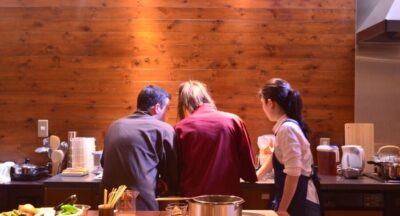
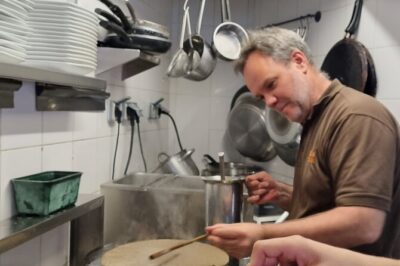
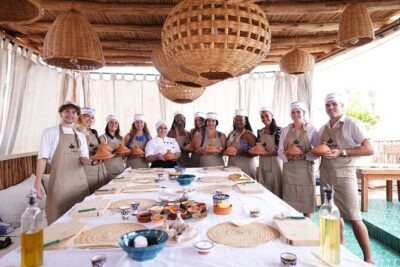
Korean cooking gets real in a hanok-style kitchen. In Bukchon, you cook with professional English-speaking chefs in a modern, air-conditioned studio, then sit down to your own lunch with one included drink.
I love the hands-on pace for beginners: you’re not just watching, you’re chopping, mixing, and cooking at your own workstation while instructors coach you step by step (names you may see mentioned include Ran and Yibben). I also like the focus on practical flavor—ingredient guidance plus safety basics—so you can actually recreate the food later.
One catch: the kitchen studio is on the third floor with no elevator, so come prepared for stairs and wear shoes you can trust.
In This Review
- Key Highlights Worth Marking On Your Map
- Modern Hanok Kitchen in Bukchon: The Setting and the Vibe
- Your Morning Schedule: What Happens After 10:30 AM
- The Cooking Lesson: Beginner Structure That Still Feels Like Real Cooking
- Stop 1: O’ngo Food Communications and the “Workshop” Feel
- Chef Guidance in English: What You Gain Beyond Recipes
- The Food You’ll Actually Eat: Lunch Includes Rice and a Drink
- Market-Ingredient Time: A Useful Pre-Cook Extra (When Offered)
- Price and Value: Is $87 Worth It?
- Who Should Book This Class (And Who Might Skip It)
- Small Details That Make or Break Your Day
- Should You Book This Korean Cooking Class?
- FAQ
- What time does the class start?
- How long is the cooking class?
- Where do I meet for the class?
- Is lunch included?
- What’s included in the price?
- Is hotel pickup and drop-off included?
- Is there a mobile ticket?
- What is the minimum age for the class?
- What group size should I expect?
- Is free cancellation available?
Key Highlights Worth Marking On Your Map
- Modern, air-conditioned kitchen setup that feels comfortable year-round
- Professional English-speaking chefs who keep instruction clear and hands-on
- Beginner-friendly recipes with enough structure to get you confident fast
- You eat what you cook, rice included and a drink included
- Small group energy (maximum 22), which often means more individual help
- Clean, controlled workspace, including attention to hygiene and cross-contamination concerns
Modern Hanok Kitchen in Bukchon: The Setting and the Vibe
This experience centers on cooking in a modern Korean kitchen space with hanok-area charm—Bukchon is the right neighborhood for that blend of old Seoul and practical today. The meeting point is O’ngo Food Communications, in the Jongno District area (137-11 Bukchon-ro). It’s also described as near public transportation, which matters in Seoul because you don’t want your day eaten up by transit hassles.
The room itself is fully air conditioned, and that is not a small detail. Seoul can be hot, humid, and unexpectedly chilly in shoulder seasons. Being indoors with stable temperature lets you focus on learning technique instead of surviving the weather.
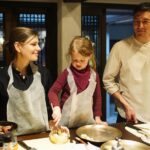
You’ll likely notice the setup is designed for learning. A lot of cooking classes feel like a cafeteria demo. This one feels more like a workshop: each person gets a workstation, and the flow is built around you doing the work, not just standing nearby.
You can also read our reviews of more tours and experiences in Seoul.
Your Morning Schedule: What Happens After 10:30 AM
The class starts at 10:30 am and runs about 2 hours. You’re asked to arrive around 10 minutes early, but here’s the smart move: if your session includes extra time to look at ingredients before cooking (some classes have included market-style ingredient time), arriving a bit earlier can help you get your bearings without stress.
A typical flow looks like this:
- You meet at the cooking school location in Bukchon.
- There’s a short primer stage for beginners: how Korean flavors are built, how ingredients should be handled, and basic safety.
- Then comes the fun part: cooking, step by step, with chef guidance.
- You finish with a meal that includes what you made, plus rice and a beverage.
Because this is for beginners, the tempo tends to be “do-able.” You’ll have time to chop and mix without feeling like you’re in an obstacle course. Multiple reviews highlight that the instruction is clear and that chefs move around to help before mistakes turn into disasters.
The Cooking Lesson: Beginner Structure That Still Feels Like Real Cooking
This class is built specifically for people who don’t cook Korean food at home. That shows in the way tasks are organized. You get a framework for what you’re making, then you get to do it yourself.
In past sessions, people have made combinations like:
- Japchae
- Chicken stew
- Bibimbap
- Korean soup
- Kimchi (and for some, kimchi-focused dishes like a kimchi pancake)
- Bulgogi, including easy-to-follow versions for beginners
A review-style detail that helps you understand the “how”: beginners often get two step-by-step recipes during the class. That’s a sweet spot. You’re learning more than one dish, but you’re not overwhelmed.
You’ll also get guidance on ingredient choice. Even if you’re not buying at a Korean grocery yet, the idea is to learn what to look for and why. One of the most useful moments in this type of class is when chefs explain the flavor logic—how certain ingredients act like the “glue” in Korean cooking (sweetness, salt, acidity, fermentation, sesame, and so on). You don’t just memorize a recipe; you understand what to preserve and what to adjust.
And yes, you’ll be cooking in a clean workspace. One review specifically praised how the kitchen handled hygiene and cross-contamination care, including helping with a food allergy. That’s reassuring if you’re cautious about sanitation.
Stop 1: O’ngo Food Communications and the “Workshop” Feel
Stop 1 is O’ngo Food Communications, which is where you’ll begin and where the experience ends back after the class. Expect it to be more studio-like than traditional “tour bus” style.
A couple logistics notes that are genuinely worth planning for:
- The studio is on the third floor and there is no elevator.
- If you’re coming from the street, give yourself a little time to locate the entrance and climb up.
That sounds minor until you’re standing there in mid-day heat. Wear comfortable shoes, bring a water bottle if you tend to get thirsty on stairs, and don’t schedule something tight right after.
The upside is that being in a smaller workspace supports the small-group vibe. Reviews mention cozy classrooms and lots of individual attention when groups are small. Even when the group is closer to the maximum, the format still encourages interaction with the chefs.
Chef Guidance in English: What You Gain Beyond Recipes
One of the biggest value points here is the professional English-speaking chefs. When English is clear, it changes how you cook. Instead of guessing what a step means, you can ask questions and correct things while you still have time.
In reviews, instructors are described as:
- patient with beginners (including people with zero cooking skills)
- focused on making sure your dish comes out right
- helpful with personalization, including allergy-related advice in at least one case
- willing to explain both the “what” and the “why”
Also, seeing instructor names like Ran and Yibben in feedback tells me this isn’t a rotating-roles situation where your class is left to whoever is free. The program appears to have consistent staff and a teaching approach.
If you care about authenticity, pay attention to how chefs talk about Korean food. People often expect Korean cooking to be mostly spicy and salty. A good class shows the balance—sweetness, fermentation, sesame, subtle acidity, and how rice and side flavors work together.
The Food You’ll Actually Eat: Lunch Includes Rice and a Drink
The best part of a cooking class is the moment you eat. Here, your lunch includes:
- the dishes you prepare
- rice
- one beverage
You’re not sent home with a box of ingredients and a vague promise of future cooking. You taste your results immediately, which is great for beginners. It’s also a feedback loop: if something tastes off, you can learn what to tweak next time.
Reviews also note that the meal is filling. Come hungry. Even if you’ve had Korean food before, you’ll probably still leave satisfied because cooking classes often produce more than a snack-sized portion.
Market-Ingredient Time: A Useful Pre-Cook Extra (When Offered)
Some reviews mention a local underground market walk before cooking, described as different from typical US shopping. The practical benefit is simple: you learn how ingredients are bought, handled, and selected in real life.
If your session includes that market-style time, use it like a cheat sheet:
- ask what ingredient you should recognize at the Korean grocery later
- pay attention to labels and textures (not just prices)
- take mental notes about what feels commonly used for beginners
Even if the market stop is shorter in your schedule, the ingredient shopping mindset is valuable. Korean cooking can feel intimidating because the pantry has more “specific” items than many other cuisines. Guidance on what matters most makes home cooking easier.
Price and Value: Is $87 Worth It?
$87 per person is not pocket change, especially in Seoul where you can eat well for far less than that. But value here comes from what’s included and what you’re paying for.
You get:
- a beginner cooking class
- all ingredients and equipment
- an air-conditioned teaching kitchen
- lunch plus one beverage
- professional chefs who teach in English
- a group size capped at 22 (often smaller)
When you add those up, it’s less like paying for a meal and more like paying for guided practice. If you’ve struggled to make Korean food taste right at home—bulgogi, bibimbap components, japchae seasoning—this kind of chef-led correction is exactly what you’re buying.
For me, the key value metric is: you’re not just learning recipes, you’re learning technique and ingredient logic. That’s hard to get from a cookbook alone.
Who Should Book This Class (And Who Might Skip It)
This class is ideal if you:
- are a beginner who wants real step-by-step support
- want to learn Korean cooking in a way you can repeat later
- like hands-on learning more than food tours
- want a social meal outcome, since you sit down and eat what you make
It might be less ideal if you:
- dislike stairs (third floor, no elevator)
- prefer very flexible schedules with no fixed start time (it starts at 10:30 am)
- need hotel pickup (not included here)
If you’re traveling as a couple or solo, the small-group nature can be a plus. Reviews include solo travelers who felt supported and couples who made it one of their favorite Seoul moments.
Small Details That Make or Break Your Day
A few practical tips will help you get the most out of the experience:
- Arrive a bit early. At minimum, be there about 10 minutes before the start time.
- Wear comfortable clothes. You’ll be standing and working.
- If you have dietary needs, bring them up to the staff during your class. One review notes chefs adjusted for an allergy.
- Don’t over-plan immediately after. You’ll eat lunch at the end, and you’ll probably want a few minutes to settle after.
Also, because minimum age is 11 for the cooking class, families with younger kids should plan carefully. Reviews note patience and support for an 11-year-old, but the official minimum matters for participation.
Should You Book This Korean Cooking Class?
I think you should book if your goal is to leave Seoul with skills, not just photos. The mix of hands-on cooking, English-speaking chefs, and lunch that includes what you made makes this feel like more than a one-off activity. It’s also a smart “morning anchor” in the city: start at 10:30, finish with a real meal, and still have the rest of the day free.
I’d hesitate only if stairs are a deal-breaker or if you’re expecting a full cultural walking tour. This is primarily about cooking in a modern workshop setting, with optional ingredient-market time depending on the session. For recipe-focused travelers who want beginner-friendly Korean cooking done correctly, it’s an excellent use of money and time.
FAQ
What time does the class start?
The class starts at 10:30 am.
How long is the cooking class?
The duration is about 2 hours.
Where do I meet for the class?
You meet at O’ngo Food Communications, 137-11 Bukchon-ro, Jongno District, Seoul.
Is lunch included?
Yes. Lunch is included, along with rice and one beverage.
What’s included in the price?
Included are the beginner cooking class, all ingredients and equipment, a fully air conditioned modern kitchen, professional English-speaking chefs, lunch, and 1 beverage.
Is hotel pickup and drop-off included?
No. Hotel pickup and drop-off are not included.
Is there a mobile ticket?
Yes, you’ll receive a mobile ticket.
What is the minimum age for the class?
The minimum age required is 11. Children younger than 11 are welcome, but they may not participate in the class.
What group size should I expect?
The class has a maximum of 22 travelers.
Is free cancellation available?
Yes. You can cancel up to 24 hours in advance for a full refund.