REVIEW · YOGYAKARTA
Yogyakarta: 3-hour Cooking Class with Market Tour
Book on GetYourGuide →Operated by Jogja Borobudur Tour & Travel · Bookable on GetYourGuide
A real breakfast-to-dinner story starts at a market. This 3-hour cooking class in Yogyakarta mixes a morning ingredient hunt with a relaxed, hands-on session in someone’s kitchen, usually with English guidance. I love the small-group pace (up to 8 people), and I like that you’re not just watching—you’re cooking, learning techniques, and eating what you make right away.
The only real catch is timing: the market tour is only included for morning classes, so if you book an afternoon slot you’ll miss that early shopping experience.
In This Review
- Key highlights you’ll feel right away
- Morning vs Afternoon: where the real difference is
- At the market in Yogyakarta: shopping tips you can use again
- How to get the most from the market part
- Inside the kitchen: you’ll cook, not just watch
- The teaching style that works
- Techniques you may practice
- What you’ll cook in Yogyakarta (and why it tastes right)
- The biggest flavor lesson: ingredients from scratch
- Dietary needs
- The feast: eating your results (and getting take-home food)
- Leftovers and take-home recipes
- Price and pickup details that affect value
- Hotel pickup
- Who should book this cooking class?
- Who might think twice
- Should you book this Yogyakarta cooking class?
- FAQ
- What’s the duration of the cooking class?
- Is the market tour included?
- How big is the group?
- What language is the instructor?
- Do I need any cooking experience?
- What should I bring?
- Is hotel pickup available?
- Can I cancel?
Key highlights you’ll feel right away
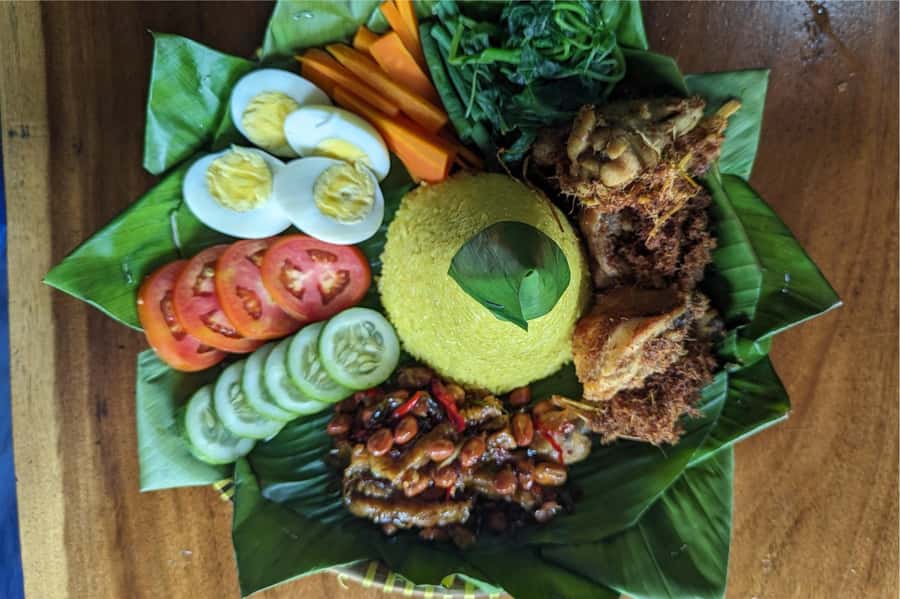
- Shop like a local in the morning: pick fresh vegetables, herbs, spices, and other ingredients you’ll cook later.
- A home-kitchen lesson, not a show: you’ll prep and cook multiple dishes with step-by-step help.
- English instruction in a small group: up to 8 participants, so questions actually get answered.
- Techniques you can repeat: from scratch ingredients, grinding, and sauce building (the fun part).
- Eat a full feast and take leftovers: plenty of food, plus meals packaged for later.
- Go home with recipes: so you can recreate the dishes long after your spice smells fade.
Morning vs Afternoon: where the real difference is
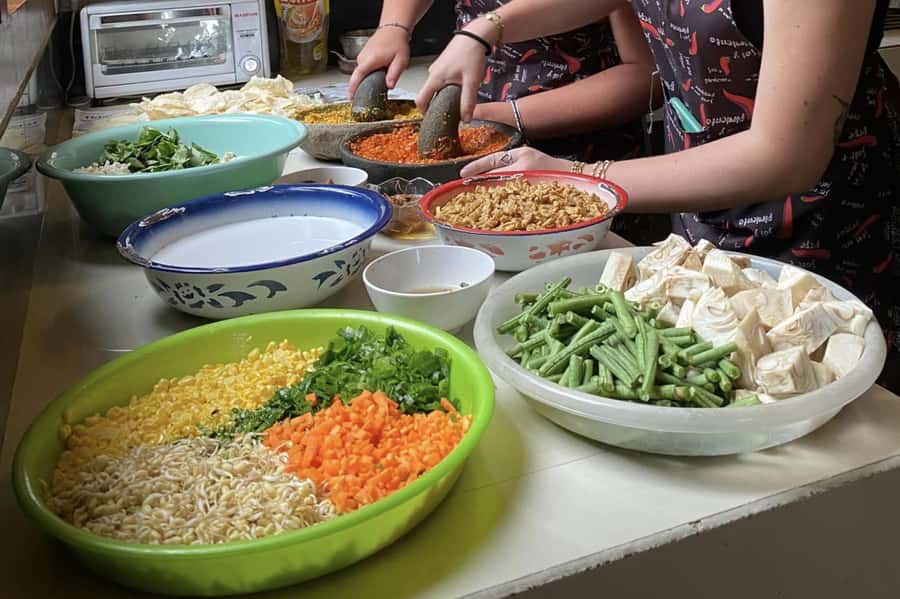
This experience runs in either a morning or afternoon session, and that choice changes what you’ll do.
For a morning class, you start with a local market tour. That means you get the best part of Yogyakarta food culture: seeing ingredients at the source. You’ll select items for the meal with your instructor, then carry those choices straight into cooking.
For an afternoon class, the lesson focuses on the cooking itself. You’ll still cook traditional dishes for a few hours, but without the market portion.
If you’re the type of traveler who enjoys food details—spices, produce, how people choose ingredients—morning is the clear pick. If you’re short on time, resting after a big day, or simply not a morning person, afternoon still delivers the main point: a practical cooking session where you make and eat real Indonesian food.
You can also read our reviews of more tours and experiences in Yogyakarta.
At the market in Yogyakarta: shopping tips you can use again
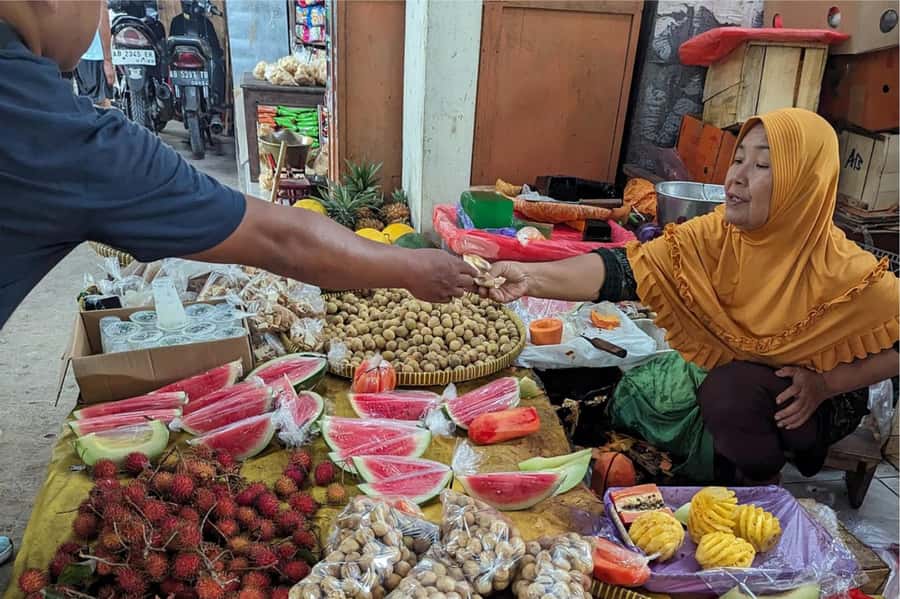
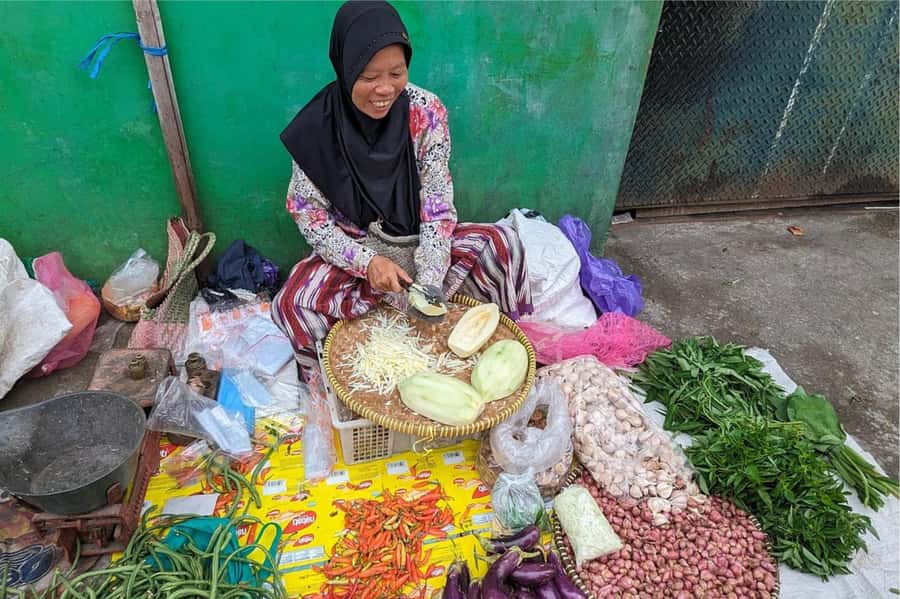
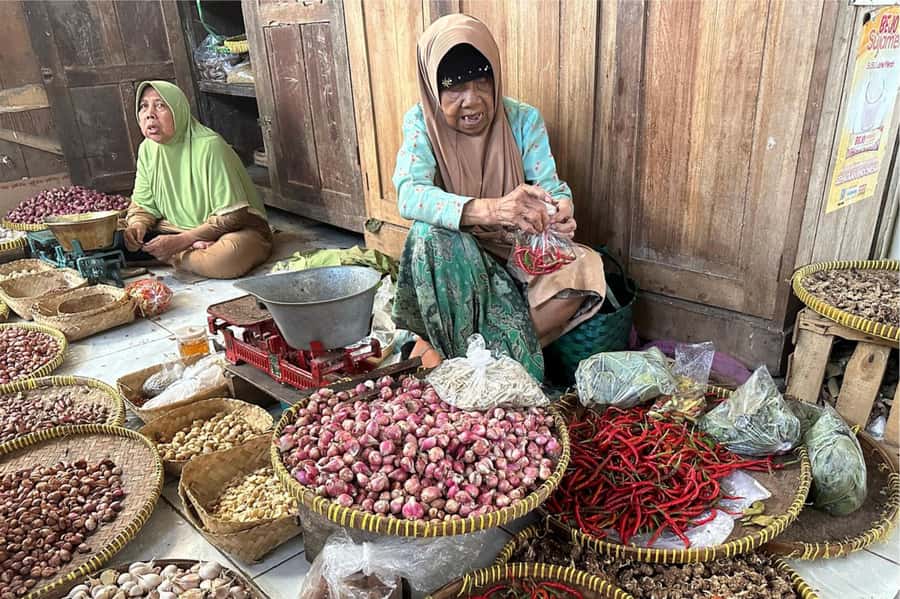
The morning starts with walking around a local market environment. You’re not going to a themed “tourist market.” You’re getting the real thing: vendors, piles of herbs, stacks of vegetables, and the practical know-how of choosing what looks and smells right.
A big reason this matters is that Indonesian cooking isn’t just about following a recipe. It’s about balance—fresh aromatics, the right chili level, herbs that actually smell alive, and sauces that taste right because the ingredients are right.
In the market, you can expect to learn what goes into the menu. Past sessions have included learning about fruits and vegetables, and how different items are used in regional dishes. You’ll also taste things along the way, which is a nice shortcut for figuring out what you’re aiming for once you’re back in the kitchen.
How to get the most from the market part
You don’t need to be a foodie. You just need to pay attention to three things:
- Smell and freshness: if an herb smells strong, it usually behaves that way in cooking.
- Texture choices: vegetables picked for crunch don’t always work the same in stews.
- Spice logic: you’re learning what’s for aroma versus what’s for heat.
One more thing: wear comfortable shoes. The market portion is “walk-and-stare” friendly, but it’s still walking.
Inside the kitchen: you’ll cook, not just watch
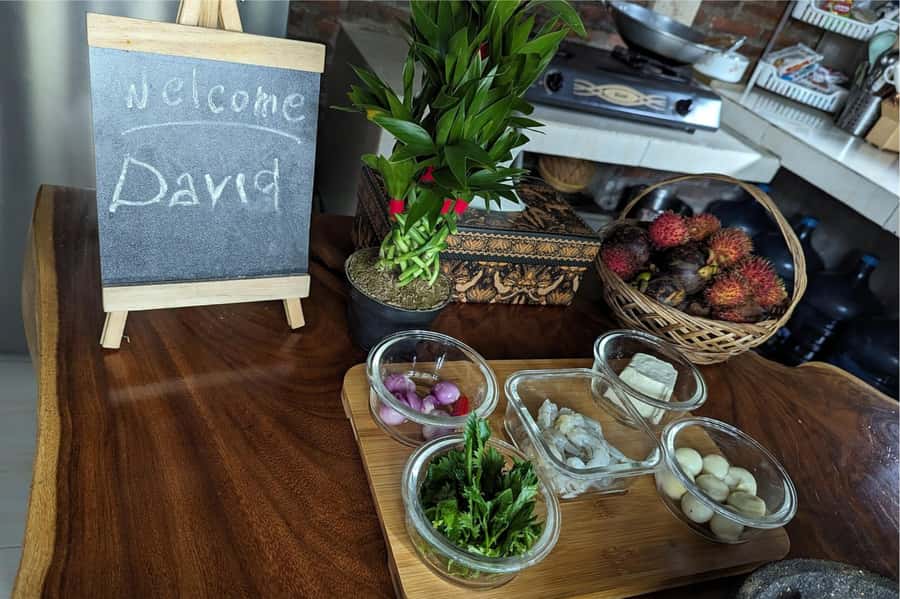
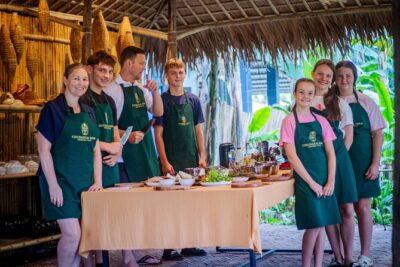
After the market (morning only), you head to an exclusive home kitchen where the lesson becomes hands-on. The atmosphere is generally calm and friendly, and the pacing is set for normal human attention spans.
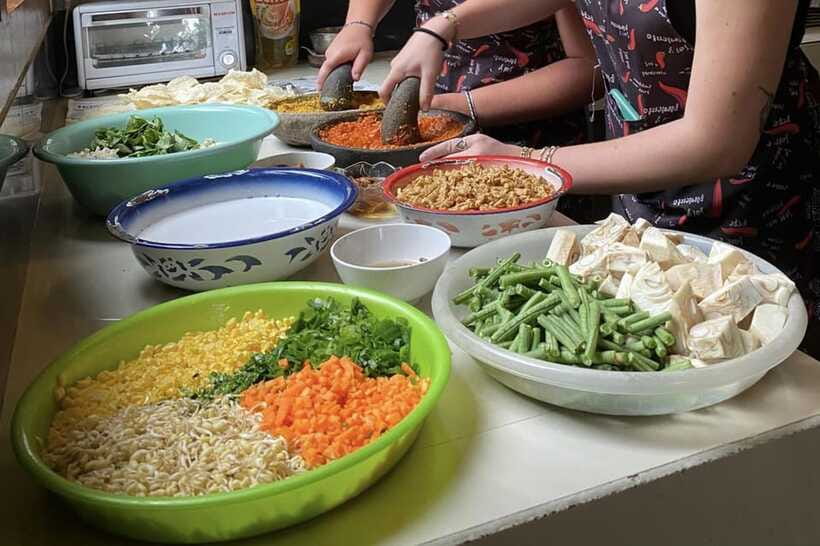
This class is designed for beginners. You don’t need cooking experience. You do need patience for small steps—chopping, mixing, tasting, adjusting. That’s where the magic happens. When you grind herbs or build sauces from scratch, you start understanding why a dish tastes the way it does in Yogyakarta.
The teaching style that works
The instructor is typically English-speaking, and the group is small (up to 8). That combination matters. It means you can ask why something tastes a certain way, not just what comes next.
From past sessions, the instruction style has been described as organized with good pacing, plus plenty of help for both fast and slower learners. You’ll also get recipe guidance so you can follow along without guessing.
Techniques you may practice
Depending on the exact menu that day, you might work through techniques like:
- learning how herbs and spices are combined
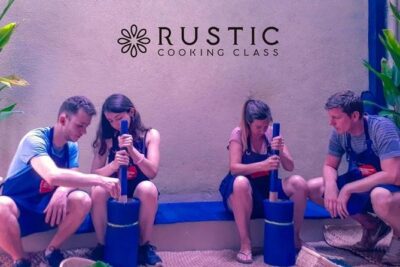
- grinding ingredients for aroma and paste-style bases
- making sauces that use tamarind and other flavor anchors
- cooking components like rice and fried items
One common theme is that the class doesn’t treat cooking like a mystery. It breaks the steps into manageable parts, then lets you practice them yourself.
What you’ll cook in Yogyakarta (and why it tastes right)
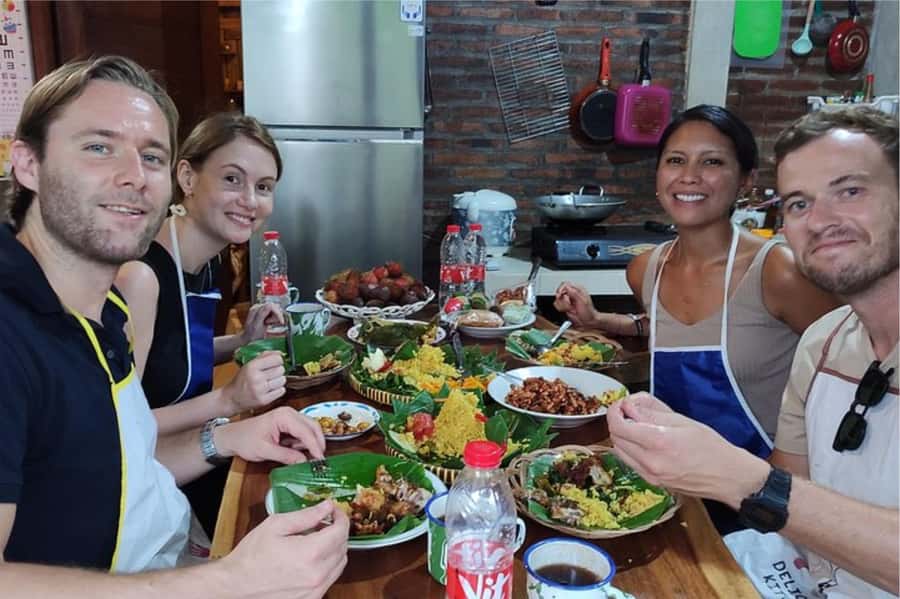
The menu changes by session, but you can get a strong idea of what’s on the table from the dishes that have shown up in past classes.
You may cook combinations such as:
- tofu fritters
- yellow rice
- galangal fried chicken
- tempeh with a tamarind sauce
- a dessert to finish
Even when dishes vary, the flavor logic stays consistent: fresh aromatics, balanced savory-sweet-sour notes, and enough spice to make things interesting without turning the whole meal into pain.
The biggest flavor lesson: ingredients from scratch
A major value of this class is learning how dishes come together from ingredients, not from shortcuts. Some sessions include doing work like grinding herbs and using coconut milk made from scratch. That kind of step isn’t just “extra.” It changes the end flavor—creaminess, aroma, and how sauces cling to food.
Dietary needs
If you’re cooking with dietary restrictions, this class has handled different needs in the past. You’ll want to tell the provider your needs when booking so the menu can be adjusted appropriately.
The feast: eating your results (and getting take-home food)
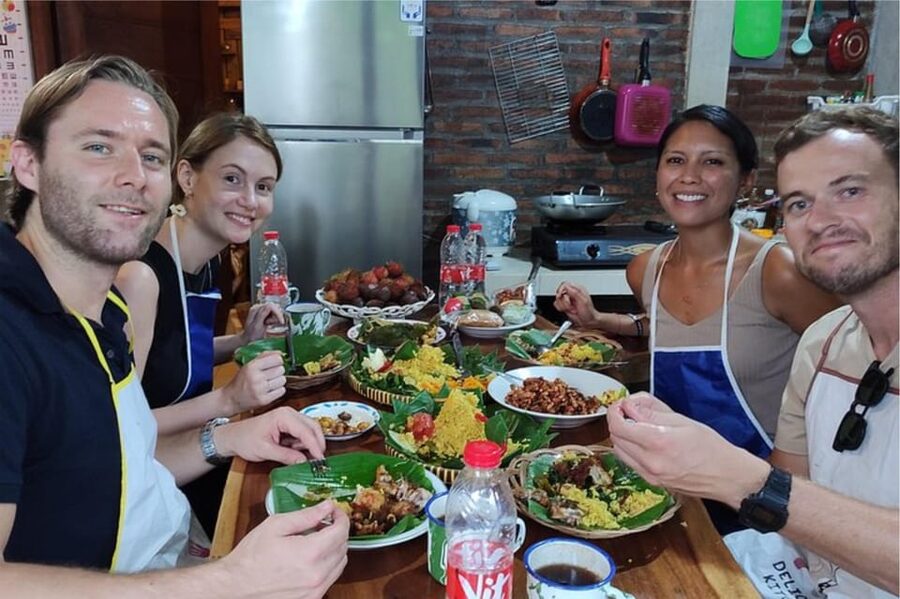
This isn’t a tiny “taste and leave” class. You make multiple dishes, and then you eat together. It’s described as dining in a relaxed, family-like way at the end—simple, warm, and very satisfying.
The food is typically served hot and fresh, meaning you’re not tasting a dish that’s been sitting around. And yes, it’s often a lot of food. The advice is clear: don’t eat before you go.
Leftovers and take-home recipes
One of the best parts for practical travelers: you often leave with more than just memories.
- You can take leftovers home in traditional containers for another meal later.
- You also take home recipes, so you can recreate the dishes when you’re back in your own kitchen.
This is one of those experiences that keeps paying off. You won’t remember every tiny step, but you’ll remember the dish flavors—and now you’ll have a blueprint.
Price and pickup details that affect value
The price is $35 per person for a 3-hour class (market tour included only on morning sessions). That’s not “fine-dining money,” but it also isn’t the price of a simple cooking demonstration.
What you’re getting for the cost is the important stuff:
- instructor guidance in English
- ingredients included
- water included
- market shopping (morning option)
- recipes to take home
- and small-group cooking (up to 8 people)
That’s solid value for a hands-on class, especially in a market-based format. You’re paying for the full chain: selection → prep → cooking → eating.
Hotel pickup
Pickup is optional. If you want pickup from the airport area, there’s an additional IDR300,000 cost.
If your hotel is in the city center, you’ll usually connect through the meeting point instructions and head out from there. The exact meeting location is sent via WhatsApp, so have access to your phone and plan to check messages.
Who should book this cooking class?
This is a great fit if you want:
- hands-on cooking with real Yogyakarta flavors
- a morning market experience (choose the morning slot)
- an English-speaking guide in a small group
- a friendly, home-kitchen setting instead of a crowded classroom
- dishes you can make again later thanks to the recipes
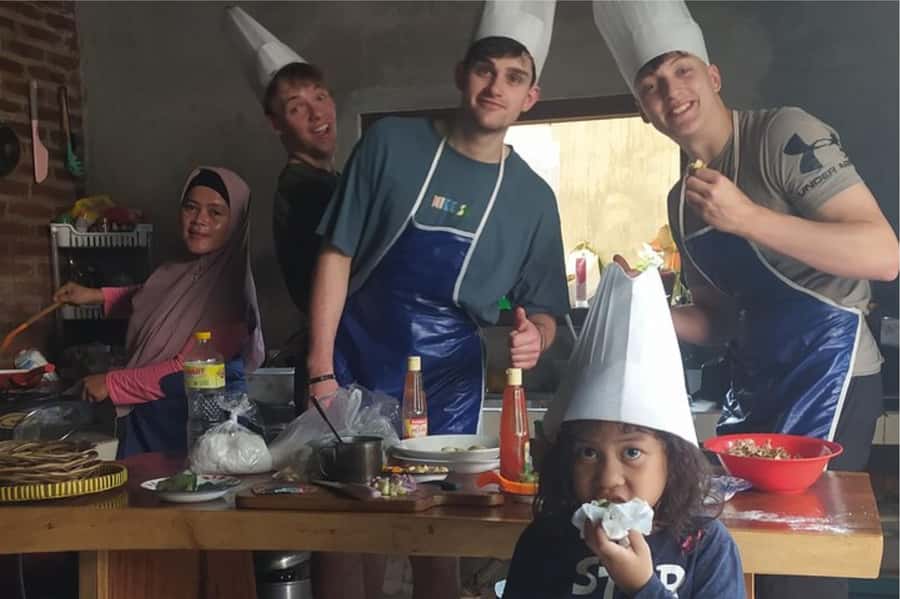
It’s also a smart pick for couples and families. Past sessions have included adult families and even cases with young children, with the host accommodating the group.
Who might think twice
If you hate mornings or you’re very sensitive to being around food prep mess (chopping boards, frying smells, ingredient handling), then the morning option might feel like too much. But the cooking itself still works well in the afternoon, just without the market start.
Should you book this Yogyakarta cooking class?
I think you should book it if you care about food you can understand—not just food you can Instagram. The market component (morning classes), the small-group setup, and the focus on cooking techniques make it feel practical fast.
Choose it especially if you like the idea of leaving with:
- recipes you can actually follow
- enough leftover food for a second meal
- a clearer sense of how Javanese and Indonesian flavor building works
If you’re only interested in a quick snack or a short demo, this might feel like more work than you want. But if you’re ready to cook, taste, and eat well, this is one of the best ways to spend a half-day in Yogyakarta.
FAQ
What’s the duration of the cooking class?
The class runs for about 3 hours (some sessions can run into 3–4 hours depending on how the day flows).
Is the market tour included?
The market tour is only included for the morning session. Afternoon sessions focus on cooking without the market stop.
How big is the group?
It’s a small group, limited to up to 8 participants.
What language is the instructor?
The instructor provides English instruction.
Do I need any cooking experience?
No. No experience is needed to join.
What should I bring?
Bring comfortable walking shoes. Also, come with an empty stomach since there’s plenty of food to eat.
Is hotel pickup available?
Pickup is optional. If you want pickup from the airport area, there’s an additional IDR300,000 fee. The activity meeting point is shared via WhatsApp.
Can I cancel?
Yes. Free cancellation is available up to 24 hours in advance for a full refund.