REVIEW · YOGYAKARTA
Yogyakarta Cooking Class and Market Tour
Book on Viator →Operated by Asmaradhana Borobudur Tours · Bookable on Viator
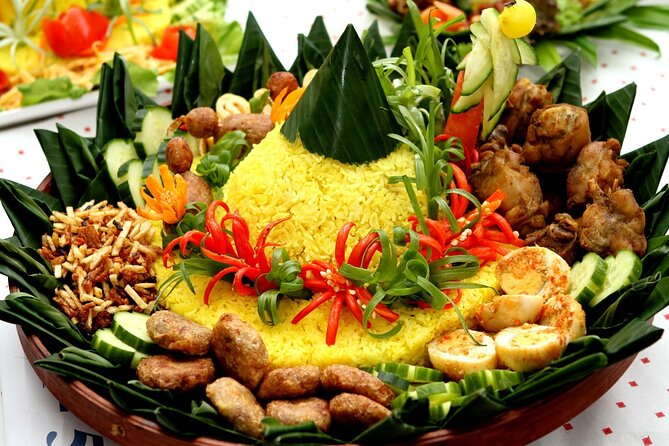
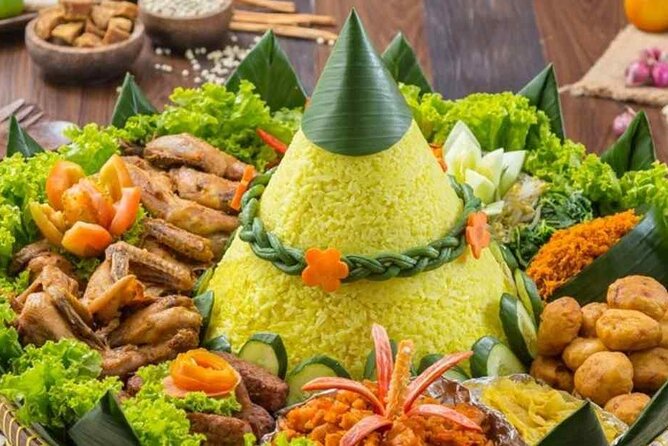
Spices start before you touch a pan. This Yogyakarta class blends a market tour with hands-on cooking, so you learn what goes into Javanese food, not just how to cook it. The centerpiece is tumpeng, including the yellow rice form with deep ceremonial meaning.
I love that it starts with ingredient shopping and ends with the meal you made. I also love the storytelling angle, where the chef/teacher (including Arma and Desy in different sessions) shares how food connects to Yogyakarta life and Indonesian culture.
One possible drawback: the class can feel fairly structured. If you’re hoping for lots of free-form creativity or tons of step-by-step explanation, plan to follow the chef’s flow instead of designing your own version.
In This Review
- Key things to know before you go
- Market Tour First: Picking Javanese Ingredients Like You Mean It
- Rice Plantation and Bantul: Why the Day Isn’t Just About Food
- Cooking Class in a Local Home: From Spices to Tumpeng
- What you’ll cook
- Cooking energy check
- Lunch and Drinks: Eating What You Made, the Javanese Way
- Value at $35: What You’re Really Paying For
- Getting the Most Out of the Day (Without Overthinking It)
- Who Should Book This Yogyakarta Cooking Class
- Should You Book This Yogyakarta Cooking Class and Market Tour?
- FAQ
- FAQ
- What is the duration of the Yogyakarta Cooking Class and Market Tour?
- How much does it cost per person?
- What’s included in the price?
- Do I get hotel pickup and drop-off?
- How many dishes will I make?
- What is the cancellation policy?
Key things to know before you go
- Market-first approach: you pick ingredients before cooking, so flavors make sense.
- Small-group vibe (max 15): easier questions and a calmer pace.
- Tumpeng yellow rice focus: ceremonial food with practical cooking lessons.
- Multiple dishes in one sitting: typically 1 starter, 4 mains, and 1 dessert.
- Local drinks with lunch: hibiscus tea and/or wedang uwuh show up.
- Hotel pickup included: less hassle in Yogyakarta traffic.
Market Tour First: Picking Javanese Ingredients Like You Mean It
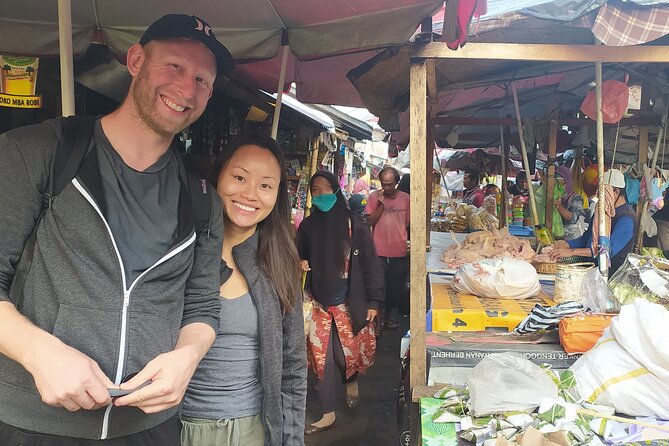
This tour runs with hotel pickup in Yogyakarta, then you head out early for a traditional fresh food market. The point is simple: you get to choose the ingredients you’ll cook with, from vegetables and herbs to spices and meat. That changes everything, because you’re not guessing later. You already know what something looks like in real life, and you’ve probably picked it up with your own hands.
Markets in Java move fast, and vendors sell in a way that feels built for everyday cooking. You’ll get a short briefing and a handbook, then the shopping time becomes your quick cultural crash course. Expect to see lots of herbs and spice mixes in “grab-and-go” form, plus familiar staples like rice components that matter for the dishes you’ll make.
Practical note: if you’re camera-happy, you’ll want to save some shots for the actual cooking stage. The market is great, but your best photos often come from the spice prep and plating later, once you know what you’re looking at.
You can also read our reviews of more tours and experiences in Yogyakarta.
Rice Plantation and Bantul: Why the Day Isn’t Just About Food
After the market, the schedule typically includes a stop at a rice plantation. You’ll learn how this staple crop is cultivated and prepared, with time to take in the views around you. Even if you’ve seen rice fields before, this framing helps you understand why rice sits at the center of so many Javanese meals.
Then you continue on to Bantul, where you get a warm welcome on arrival at the traditional village area. The day starts to feel less like a cooking class and more like a visit to how food culture works on the ground. That village welcome matters because the cooking is usually done in a home setting, not a showroom kitchen.
In other words: you’re getting the context behind the menu. The tumpeng theme especially makes more sense after you’ve seen how rice is grown and how strongly rice connects to ceremony and daily life in Java.
Cooking Class in a Local Home: From Spices to Tumpeng
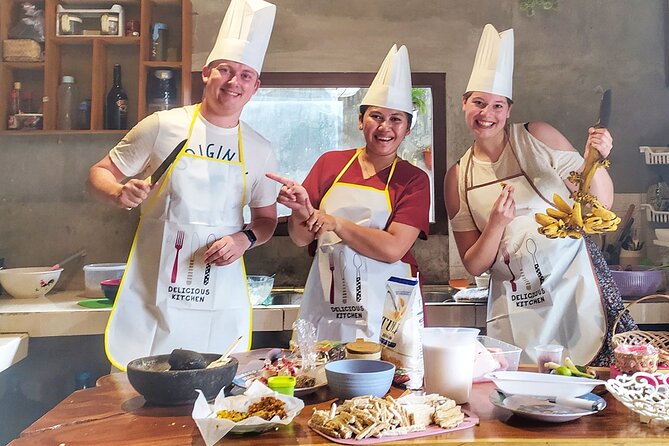
The cooking part is built around guidance from an English-speaking chef/teacher. In real sessions, you’ll meet teachers such as Arma or Desy, and the style can vary. Arma’s approach, for example, is often heavy on stories about Yogyakarta and Indonesia alongside the cooking, which keeps the time moving and fun.
The teaching focuses on helping you recognize special spices and herbs, and then turning them into Javanese dishes you can actually reproduce later. You’re not just watching someone cook. You’re doing the prep and cooking with instructions, step-by-step assistance, and a handbook to support you.
What you’ll cook
You’ll prepare 1 starter, 4 main courses, and 1 authentic dessert. One dish you should expect is tumpeng yellow rice. This is an offering-style rice dish with roots in ceremonies from long ago, so it carries meaning beyond taste.
What makes the class practical is that it mixes technique with ingredient logic. You’ll handle the herbs and spices you picked at the market, learn how the flavors work together, and practice cooking methods that fit the style of home cooking in Java.
Cooking energy check
The pace feels like a true “make it, eat it” format. Plan to come hungry. A lot of the best moments are when everyone realizes how much food is in front of them at the lunch table, because the class isn’t stingy with portions.
And if you want smoother communication, the experience can run with phone-based messaging as well. One tip that comes up often is having WhatsApp ready, since it can make quick questions easier during the day.
Lunch and Drinks: Eating What You Made, the Javanese Way
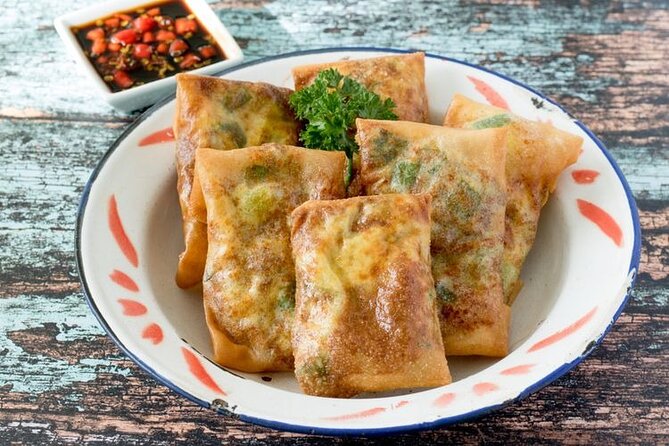
After cooking, you sit down to enjoy the meal you created. This is where the day pays off, because you get to taste your own dishes and compare how the spice choices from the market turned into something real. The food is usually served as a shared lunch experience, with time to enjoy the flavors at a comfortable pace.
You’ll also get local drinks with the meal. Depending on the session, you might enjoy hibiscus tea or wedang uwuh, a traditional drink. These are more than just “something to sip.” They add a local finish that helps you understand the overall flavor profile of the meal.
One more thing: expect the cooking results to be genuinely satisfying. Many people walk away feeling like they discovered new favorites, including plant-based items such as tempeh. If you’ve mostly eaten Indonesian food in restaurants, this home-style setting tends to make the flavors feel clearer and more grounded.
Value at $35: What You’re Really Paying For
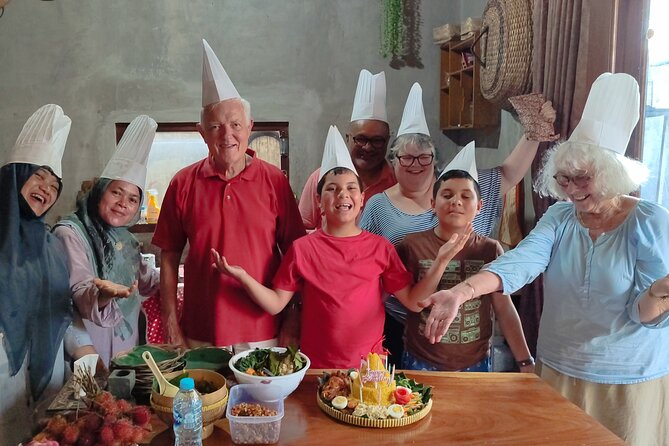
For $35 per person, you’re buying more than a short activity. You’re paying for a full experience arc: hotel pickup, a market tour, all ingredients, an English-speaking chef/teacher, and a meal that includes lunch plus drinks. You also get recipes and the handbook support, which helps turn the day into a skill you can reuse later.
The biggest value lever is the market-to-kitchen structure. A lot of cooking classes skip the shopping part and leave you with a set of ingredients delivered before you even learn what they are. Here, the market visit gives you a reference point. Later, when you try to cook again, you’re not starting from zero.
Small-group size matters too. With a maximum of 15 people, the chef can keep an eye on multiple stations, and questions don’t get lost. And while you shouldn’t count on it, some sessions have run with very small numbers, which can feel close to a private experience.
Getting the Most Out of the Day (Without Overthinking It)
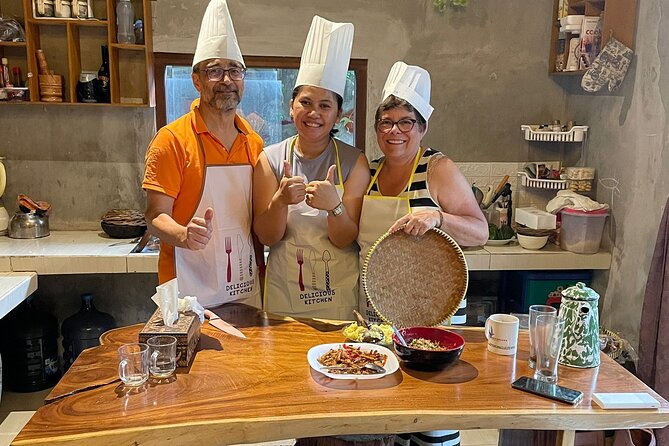
To get more out of the cooking class, focus on questions and memory, not perfection. The chef is guiding you toward specific dishes, so your job is to notice why ingredients behave the way they do. If something tastes different than you expected, ask what changed and where the flavor came from.
Use the handbook during cooking, not after. That’s when you can match the steps on paper to what you’re doing in the kitchen. If your goal is to cook again at home, take a few simple notes on spice combinations, rather than trying to write a whole recipe book.
Also, be ready for a warm home setting. People often describe the experience as welcoming and comfortable, with the host family part of the flow. If you’re interested in food beyond the dishes on the menu, you may find the hosts are happy to share extra ideas. In at least one case, someone asked about civet coffee and the family arranged a visit to a known civet coffee place. That isn’t guaranteed, but it’s the kind of hospitality that can make the day feel personal.
Who Should Book This Yogyakarta Cooking Class

This is a great fit if you want:
- Hands-on cooking with real ingredient context
- Javanese-focused dishes, including tumpeng yellow rice
- A day that mixes culture and food, not just cooking steps
- A small-group format with pickup included
It’s also a strong choice for couples who want to do something more interesting than another temple morning, and for families who like structured, friendly activities.
Who might not love it: if you’re expecting an ultra-liberal, creativity-first class with lots of open-ended experimenting, the experience may feel more guided than you want. One concern that comes up is that some people want more explanation and more space to improvise, so go in ready to follow the chef’s method.
Should You Book This Yogyakarta Cooking Class and Market Tour?
Yes, if you want the best kind of souvenir: a skill you can use again. This tour feels worth it because the market shopping, rice context, home cooking, and lunch all work together. You’re not just tasting Indonesian food; you’re building an understanding of how ingredients become meals in Java.
If you dislike structured classes or you need tons of extra instruction to feel confident cooking, you might feel boxed in. But if you like learning by doing, this is one of the more practical ways to spend a few hours in Yogyakarta.
FAQ
FAQ
What is the duration of the Yogyakarta Cooking Class and Market Tour?
The tour is listed as about 3 hours.
How much does it cost per person?
The price is $35.00 per person.
What’s included in the price?
It includes an English-speaking chef/teacher, all ingredients, the recipe, lunch, the market tour, and hotel pickup and drop-off within Yogyakarta.
Do I get hotel pickup and drop-off?
Yes. Pickup and drop-off at hotels in Yogyakarta are included.
How many dishes will I make?
The class includes preparing 1 starter, 4 main courses, and 1 authentic dessert.
What is the cancellation policy?
You can cancel for a full refund if you cancel at least 24 hours in advance of the experience start time. If you cancel less than 24 hours before, the amount paid isn’t refunded.