REVIEW · YOGYAKARTA
Yogyakarta: Javanese Cooking Class & Market Tour
Book on GetYourGuide →Operated by Truly Borobudur Tours · Bookable on GetYourGuide
A great meal starts at the market. This Yogyakarta Javanese cooking class pairs a morning shopping walk with chef Dewi and her team, then turns what you buy into your own dishes. I especially liked the market guidance (they help you spot the best herbs, spices, fish, and produce) and the hands-on payoff of eating what you cook in a real village-style home kitchen. One watch-out: if you already cook a lot at home, the pace can feel a bit more guided than self-driven.
You’ll go from stalls to stovetop with an English-speaking, native Javanese instructor, plus hotel pickup and drop-off included. The day runs about 270 minutes, and you’ll end with a sit-down meal of your creations. If you have mobility concerns, note it isn’t suitable for people with mobility impairments.
In This Review
- Key Things I’d Prioritize Before You Go
- From Hotel Pickup to the Market: Where the Real Learning Begins
- Chef Dewi’s Market Tour: How You Learn to Pick Ingredients Like a Local
- What You’re Buying (and What You’ll Do With It Later)
- Back to a Javanese House Kitchen: The Class Setup and Timing
- How Much Should You Expect to Cook Yourself?
- Tasting Your Own Food: Why the Meal Matters
- Price and Value: What $53 Per Person Actually Buys You
- Who This Tour Fits Best (and Who Might Want Something Different)
- Practical Tips That Make the Day Smoother
- Should You Book This Yogyakarta Cooking Class and Market Tour?
- FAQ
- How long is the Yogyakarta Javanese cooking class and market tour?
- What is the price per person?
- What’s included in the experience?
- Where do you pick me up from?
- Is the instructor available in English?
- What should I bring, and is luggage allowed?
- Is this tour suitable for people with mobility impairments?
- Can I cancel or pay later?
Key Things I’d Prioritize Before You Go
- Market-first shopping with chef guidance, so you learn what to buy and why
- Native Javanese explanations of ingredients, herbs, and spices you may not recognize
- A local-home kitchen setup that feels like a neighborhood cooking session, not a showroom
- Plenty of help in the kitchen (great for first-timers, less hands-on for advanced cooks)
- You leave with a practical ingredient list mindset, useful for cooking later at home
From Hotel Pickup to the Market: Where the Real Learning Begins
This tour starts the way you want a cooking class to start: with the shopping. After pickup, you head into the local market area alongside your mentoring chef. The whole point is to teach you the logic behind Javanese and Indonesian cooking, not just the final flavors.
The timing matters here. With a morning market visit, you’re dealing with ingredients at their freshest. You also get the chance to ask questions in real time, while vendors are right there and herbs, spices, and seafood are laid out in front of you. That’s how shopping turns into a lesson instead of a quick walk with vague pointers.
Also, it’s not a solo mission. You’re moving from stall to stall with someone guiding you, which helps a lot when you’re trying to identify items you’ve only seen in an Asian grocery store. That ingredient recognition part is a big deal if you’d like to recreate these dishes later.
You can also read our reviews of more tours and experiences in Yogyakarta.

Chef Dewi’s Market Tour: How You Learn to Pick Ingredients Like a Local
Your market guide, chef Dewi, leads the ingredient hunt and keeps you focused on what actually changes the result. You’ll learn to identify and select things like local herbs and spices, fresh fish or meat, vegetables, and fruits needed for the class dishes. The market stop is also where the tour becomes more personal: you’re guided by someone who knows how Yogyakarta cooks think, and you’re not stuck guessing.
A practical bonus: you’ll discover which ingredients are easier to find abroad, especially in Asian grocery stores. That saves you from the common cooking-class frustration of realizing later that half the key items are impossible to source. If you’re planning a “cook it again at home” evening, that guidance helps you build a realistic ingredient strategy.
During the market walk, there’s also room for tasting and browsing. In past sessions, people enjoyed trying unfamiliar fruits and foods, and some shoppers picked up snacks and sweets to take home. If you want that extra snack detour, wear shoes you can stand in. The market experience is more fun when you can wander a little comfortably.
What You’re Buying (and What You’ll Do With It Later)
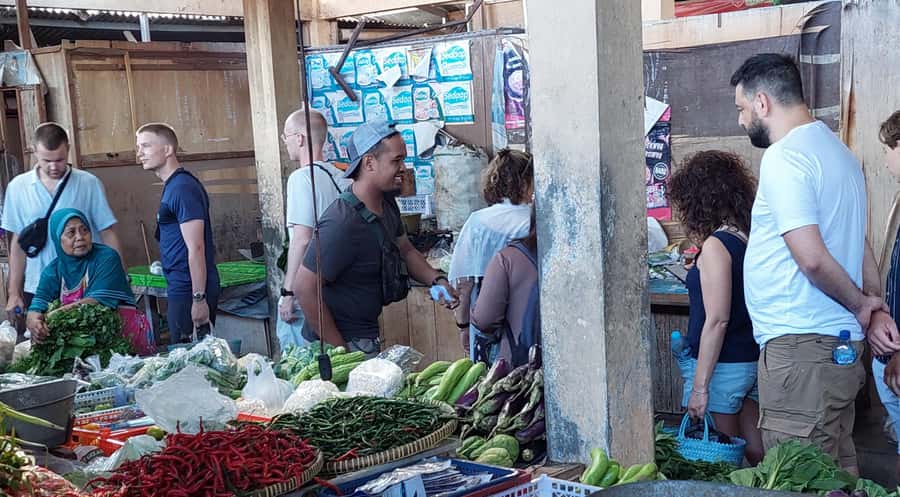
The tour doesn’t treat the market as a sightseeing stop. You’ll buy the ingredients you’ll later use in your cooking class. That connection is the whole value loop: you see the produce up close, understand what it is and why it matters, then you use it in the same day’s meal.
You’ll also get a clearer sense of which ingredients translate across borders and which ones are more local. That isn’t just trivia. It changes how you cook. If you know what can be substituted, you’re less likely to end up with a sad “almost” version of your dish.
One more helpful angle: the market guide can answer questions about products you don’t recognize. That’s especially useful for spices and herbs with unfamiliar names. If you’ve ever stared at a spice rack and wondered what’s for seasoning versus what’s for flavoring, this is where the confusion clears up.
Back to a Javanese House Kitchen: The Class Setup and Timing
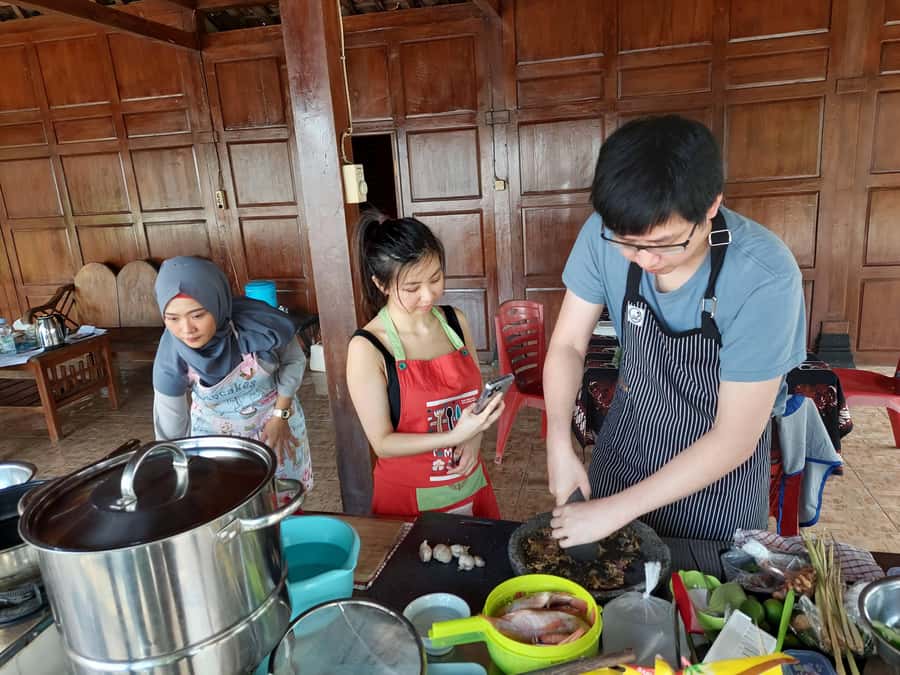
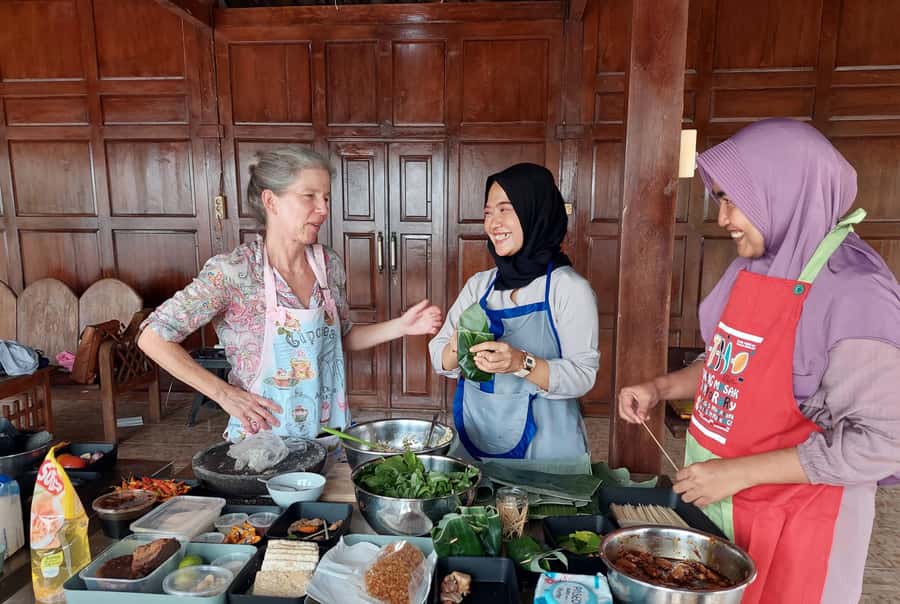
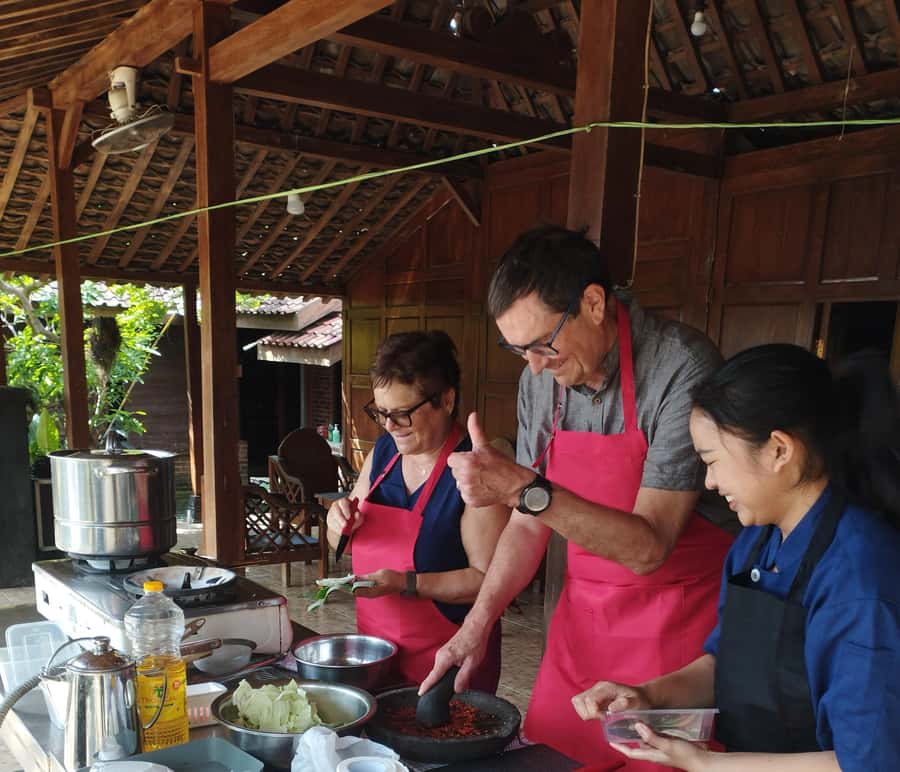
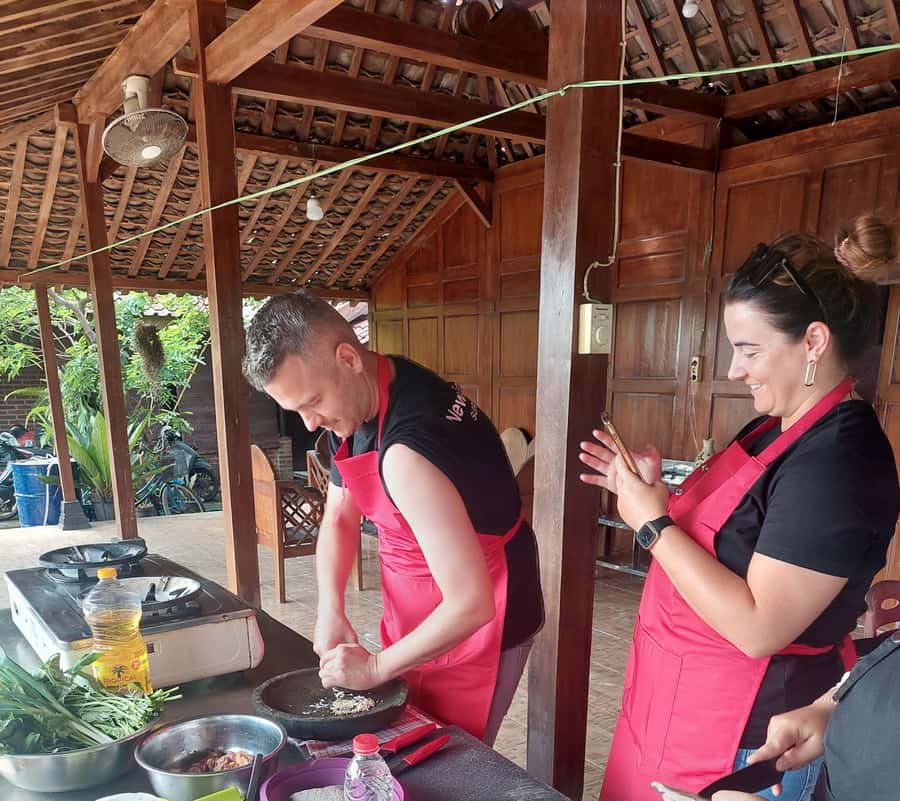
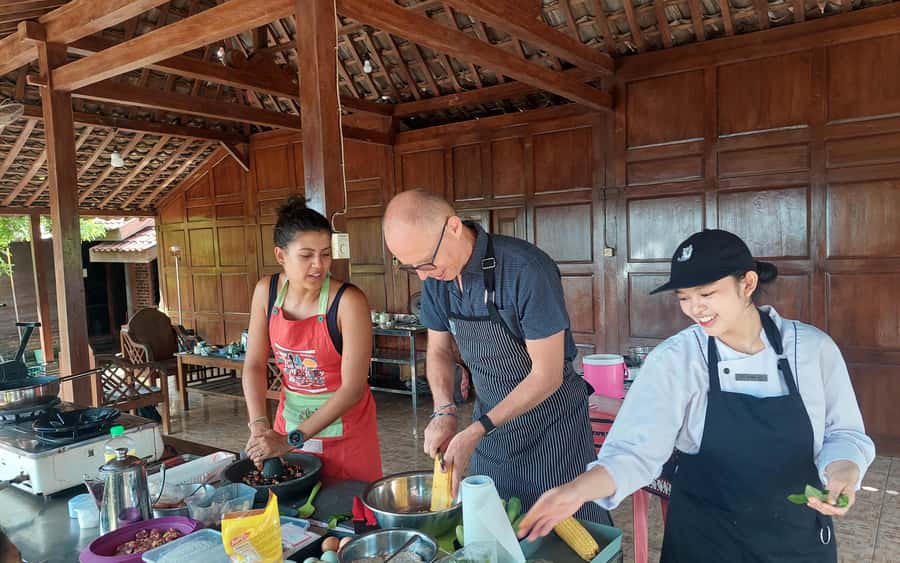
After the market, you return to the cooking class venue. The class takes place in a Javanese house in a neighborhood setting that feels close to village life rather than a commercial cooking school studio. That makes a difference. It’s easier to relax, pay attention, and ask questions when the space feels lived-in.
The cooking session is built around teamwork: you cook with the help of your instructor and kitchen support, and you interact with fellow cooks as you work. You’ll get handy techniques while preparing the dishes, and then you’ll sit down and eat what you made.
The total duration is listed as 270 minutes, which is fairly efficient. You’re not spending half the day commuting or waiting around. The market visit and kitchen work both have a purpose: learn ingredients first, then use them.
Also, note the small-but-important logistics: the tour doesn’t allow luggage or large bags. That’s usually because space in the kitchen and transport is limited. Pack light, and keep what you bring easy to carry.
How Much Should You Expect to Cook Yourself?
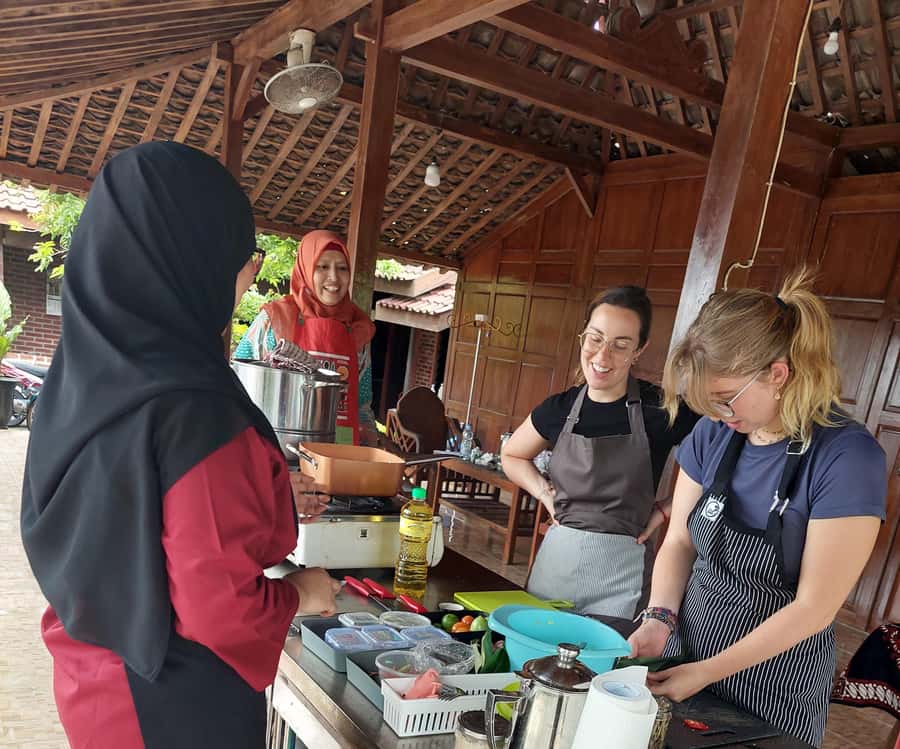
Here’s the honest balance. Many people love how guided and supportive the team is. You’re rarely left stranded. The native Javanese chef and assistants help you through the process, and that support can turn a nervous first attempt into a satisfying meal.
At the same time, cooking isn’t always equal-control. One drawback that came up is that the team does a lot of the work for you. If your goal is to learn by cutting, cleaning, and driving every step yourself, you may find you don’t get as much independent hands-on time as you hoped.
So I’d frame it like this:
- If you want cultural context and a guided way to produce tasty food, this works really well.
- If you’re an experienced home cook looking for maximum technique practice and full station control, you might want to set expectations that this is a mentorship-style class rather than a solo workshop.
Tasting Your Own Food: Why the Meal Matters
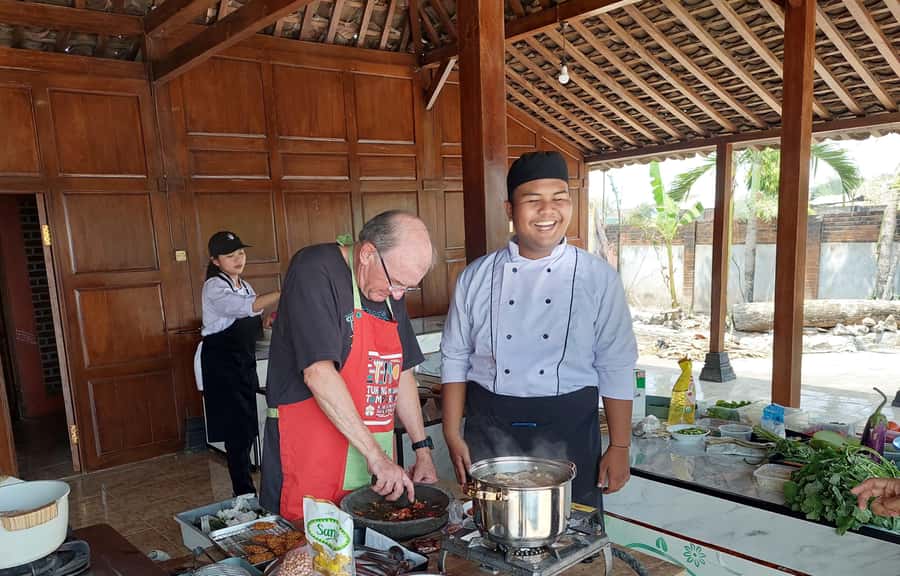
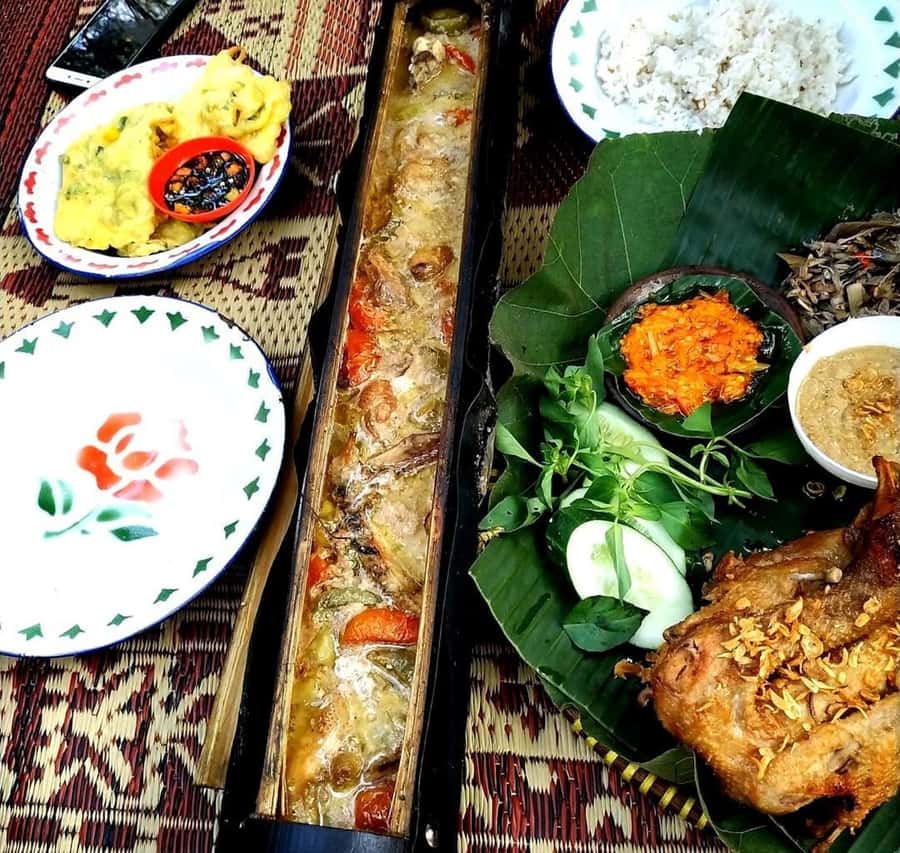
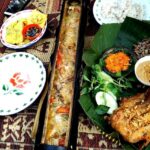
The ending isn’t just eating. It’s tasting the results of your shopping choices and your cooking steps. You relax, sit down, and try the dishes you helped prepare—then you get the satisfaction that comes from connecting ingredient to outcome.
That’s how you build real kitchen memory. If you’ve cooked at home before, you already know taste teaches faster than reading. Here, you get the full loop: ingredient selection, cooking guidance, and then the payoff on the plate.
If you’re traveling with friends or family, this format also helps the group gel. You share the meal, compare flavors, and usually talk about which ingredients were hardest to identify in the market. That conversation is part of the fun.
Price and Value: What $53 Per Person Actually Buys You
At $53 per person, the value is strongest when you look at what’s included. You’re getting:
- hotel pickup and drop-off
- a market tour
- the cooking class
- all ingredients
- morning tea
That’s not just a class fee. It covers your transportation, your shopping guidance, the ingredients you’d otherwise have to source yourself, and the “teacher help” component that makes a difference when you don’t speak the ingredient language yet.
For solo travelers, the pickup/drop-off can save time and stress. For groups, it saves planning effort: you don’t have to organize a market trip plus a separate cooking session.
Also, the English instruction helps you get more from the explanations than a silent class would. If you come away with better ingredient knowledge, that’s the long-term value you can use again at home.
Who This Tour Fits Best (and Who Might Want Something Different)
This experience is a strong match for:
- food travelers who want real ingredient learning, not just tasting
- couples or small groups who want an authentic Yogyakarta food morning
- people who don’t cook much at home and want the easiest path to success
- anyone who wants to learn which local ingredients translate abroad
It may be less ideal for:
- advanced home cooks who want maximum hands-on control
- people with mobility impairments, since it’s not suitable
In other words, think of this as a friendly, guided cooking day with serious market education. You’ll get good results even if you’re not confident in the kitchen. And if you are confident, you can still learn a lot from the ingredient logic—just don’t assume you’ll run every step solo.
Practical Tips That Make the Day Smoother
A few things to do before you go:
- Wear comfortable shoes. Market walking and kitchen time both add up fast.
- Bring comfortable clothes. You’ll be standing, moving, and cooking.
- Travel light. No luggage or large bags.
- Wear a curious attitude. The real payoff is asking questions about unfamiliar herbs, spices, and produce.
Since the class is taught in English, you can relax about language. Still, it helps to remember ingredient names you see in the market. If you later recreate a dish, those names (and the “why this ingredient” explanations) are your shortcut.
Should You Book This Yogyakarta Cooking Class and Market Tour?
If you want a Yogyakarta food experience that feels practical and personal, this is a smart pick. The market-first approach is where you’ll learn the most, and the ingredient guidance (especially chef Dewi’s explanations) makes the cooking part easier to follow. The fact that you use what you buy that morning is a great design feature.
I’d book it if you’re excited by the idea of learning what to buy, how to select quality, and how flavors come together from real local ingredients. It’s especially good for first-timers and food-curious travelers who want an easy day that ends with a sit-down meal.
I might skip or consider a different style of class if you’re an experienced cook who’s mainly hunting for independent technique practice. In this format, the support is strong, but control can be shared.
Overall: for $53, with pickup, ingredients, and a guided market lesson feeding directly into the meal, it’s a solid way to taste Yogyakarta through the eyes of the people who cook there.
FAQ
How long is the Yogyakarta Javanese cooking class and market tour?
The total duration is 270 minutes.
What is the price per person?
The price is $53 per person.
What’s included in the experience?
It includes hotel pickup and drop-off, the market tour, the cooking class, all ingredients, and morning tea.
Where do you pick me up from?
Pickup is possible from Yogyakarta City, Kulon Progo Regency, Muntilan, Magelang, Sleman Regency, and Bantul.
Is the instructor available in English?
Yes. The instructor speaks English.
What should I bring, and is luggage allowed?
Wear comfortable shoes and comfortable clothes. Luggage or large bags are not allowed.
Is this tour suitable for people with mobility impairments?
No. It is not suitable for people with mobility impairments.
Can I cancel or pay later?
Yes. You can cancel up to 24 hours in advance for a full refund, and you can reserve now and pay later.