REVIEW · NAPLES
Naples: Pasta and Gelato Cooking Class
Book on GetYourGuide →Operated by Naples bay tour · Bookable on GetYourGuide
Fresh pasta and gelato in one short session.
I love the hands-on pace, starting with dough you work by hand, then shaping filled pasta, and ending with gelato you make from scratch. I also like how Chef Antonio runs it like a friendly workshop, pulling everyone in quickly so you’re laughing and cooking together. One thing to consider: if the group runs small, the class can shift into a pasta-only experience instead of the full pasta + gelato flow.
In just three hours, you’re not stuck watching someone else cook. You’re making, tasting, and eating what you helped create, in the heart of Naples. The class is family-friendly in spirit, skill-friendly in practice (no prior training needed), and built for people who want real Italian technique, not just a quick food hit.
In This Review
- Key highlights worth planning for
- Naples Pasta and Gelato: Why This 3-Hour Class Feels More Like a Meal With Skills
- Meeting Your Chef in the Heart of Naples (and Getting Set Up Fast)
- Fresh Pasta From Scratch: Dough, Resting, and Handmade Shape Work
- The Two Sauces That Teach Italian Balance: Alfredo-Style Cream and San Marzano Tomato
- Appetizer Midway Through: A Nice Way to Pace the Class
- Gelato Making in Naples: Texture, Flavor Balance, and What Actually Makes It Gelato
- Lunch or Dinner at the Table: You Eat What You Built
- Price and Value: Is $65 Worth It for Naples Pasta and Gelato?
- Who Should Book This Class (and Who Should Skip It)
- Practical Tips That Make the Class Easier
- Should You Book This Naples Pasta and Gelato Cooking Class?
- FAQ
- How long is the Naples pasta and gelato cooking class?
- What dishes will I make during the class?
- Do I eat what I cook?
- Is the class suitable for food allergies or lactose intolerance?
- Can children participate?
- What should I wear or bring?
- What are my options if plans change?
Key highlights worth planning for
- Chef Antonio keeps it active so you cook from the start, not just hold a fork.
- Fresh pasta from scratch teaches dough texture, elasticity, and resting time.
- Two classic dishes: handmade fettuccine/tagliatelle and filled ravioli.
- Real Italian sauce lessons with creamy Alfredo-style balance and San Marzano tomato flavor.
- Gelato basics you can repeat at home, with an explanation of what makes it different from industrial ice cream.
- You eat together with a included drink and a relaxed, social finish.
Naples Pasta and Gelato: Why This 3-Hour Class Feels More Like a Meal With Skills
If you only have a slice of time in Naples, this is a smart way to slow down and learn. The class is short enough to fit into a busy day, but structured enough that you actually go through the key steps: make dough, shape pasta, then turn to gelato.
You’re also getting the “why” behind the food. The chef doesn’t just point and repeat. He explains technique and ingredient choices in plain terms, plus adds Naples food culture context as you work. That means your fettuccine-style pasta and ravioli sauce aren’t random recipes. They’re part of how Italians cook at home: simple basics, strong ingredients, careful timing.
You can also read our reviews of more tours and experiences in Naples.
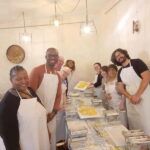
Meeting Your Chef in the Heart of Naples (and Getting Set Up Fast)
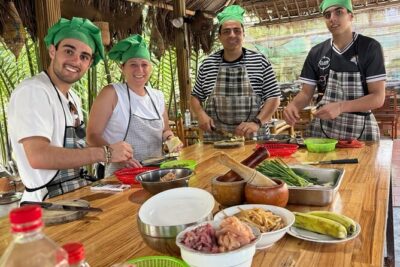
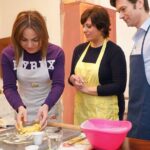
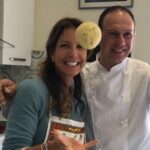
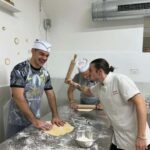
You’ll start with a real welcome from the chef, plus the tools you need—kitchen gear, an apron, and even a chef’s hat. It sounds silly until you’re standing there with flour dust on your hands and everyone gets comfortable. It’s the kind of detail that helps you jump in quickly.
The class runs in English, Italian, French, or Spanish, based on what’s available, so you’re not stuck playing kitchen charades. And because it’s interactive, you’re not waiting around for your turn to be “shown.” You take part throughout—mixing, working the dough by hand, shaping, and prepping gelato.
One practical note: this is cooking, so wear clothes you don’t mind getting a bit messy. That’s not optional here—your pasta dough won’t respect your nice shirt.
Fresh Pasta From Scratch: Dough, Resting, and Handmade Shape Work
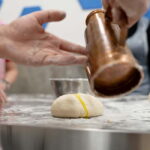
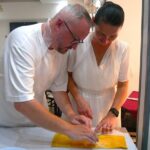
The pasta part is the heart of the experience, and it’s built around classic technique. You’ll make dough from scratch using time-honored Italian methods, then work it by hand. That tactile step matters. You learn what elastic dough feels like and why resting time isn’t just a pause—it’s what lets the gluten relax so the pasta rolls out properly.
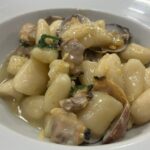
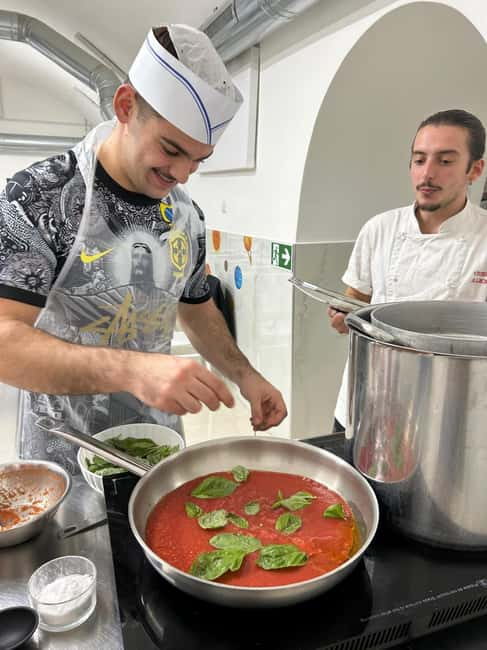
You’ll also make two traditional pasta preparations. First, you’ll create handmade fettuccine/tagliatelle (the class uses wording that points to both styles) and serve it with a creamy Alfredo-style sauce. Second, you’ll form ravioli by hand—shaping and filling carefully, then pairing it with a classic tomato-basil sauce finished with Parmigiano.
This is where the class gives you real value. You’re not memorizing steps like a robot. You’re understanding texture and timing, which makes it easier to repeat at home later.
The Two Sauces That Teach Italian Balance: Alfredo-Style Cream and San Marzano Tomato
The pasta isn’t just about the noodles. It’s about pairing. The creamy sauce for the fettuccine/tagliatelle is taught as a balance exercise: smooth, rich, and technique-driven rather than heavy-for-the-sake-of-heavy.
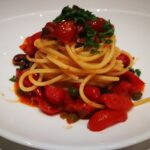
Then comes the ravioli sauce lesson, anchored in San Marzano tomatoes, fresh basil, and Parmigiano. That combination is a big reason Italian food tastes like home cooking rather than restaurant theater. It’s seasonal-friendly, ingredient-focused, and built on a simple idea: if your tomatoes are good, you don’t need to cover them up.
As you cook, you’ll also hear cultural context about how recipes connect to history, family routines, and the way Naples does food day to day. That makes the flavors feel less like a performance and more like how Italians actually think about dinner.
Appetizer Midway Through: A Nice Way to Pace the Class
About halfway in, there’s a local appetizer. It’s not just a snack. It helps break up the workload so you can reset your brain between stages—especially once you’ve been working dough and hands get tired.
This midpoint food also reinforces a key idea of Italian eating: you don’t run straight through a meal like a production line. You eat, talk, then continue. That pacing helps the whole class feel relaxed instead of rushed.


Gelato Making in Naples: Texture, Flavor Balance, and What Actually Makes It Gelato
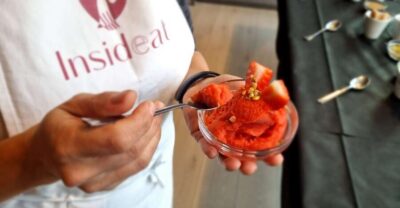
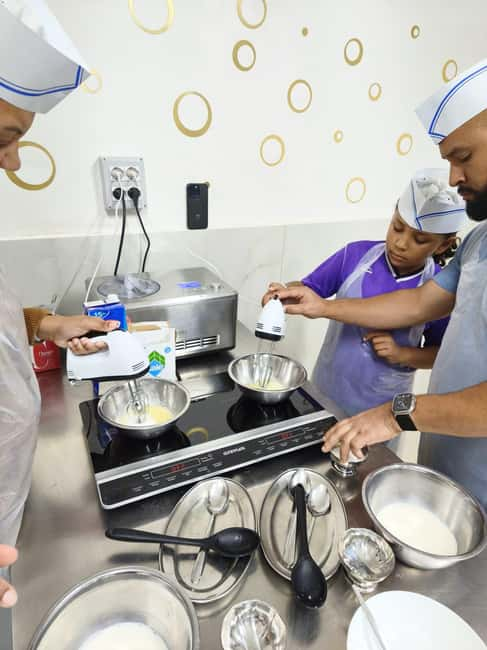
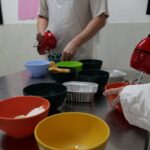
Then you shift from savory to sweet, and that change of pace is one of the reasons the class feels fun. The gelato segment focuses on fundamentals: ingredient selection and how you manage texture and flavor balance.
The chef also explains what makes authentic Italian gelato different from industrial ice cream. Based on what’s included, the emphasis is on freshness and natural flavors. That’s the kind of explanation that matters when you try making gelato later—because the goal isn’t just a cold dessert. It’s a specific mouthfeel and taste.
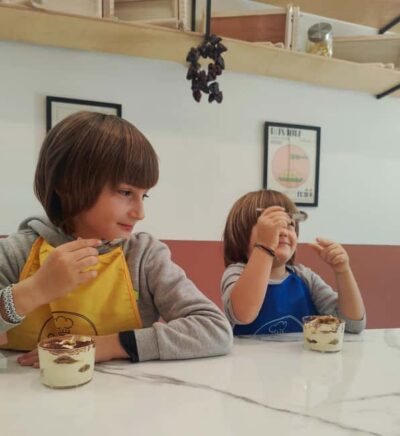
Kids tend to like this part, and adults like it too because it’s not just dessert decoration. You’re learning something you can apply.
Lunch or Dinner at the Table: You Eat What You Built
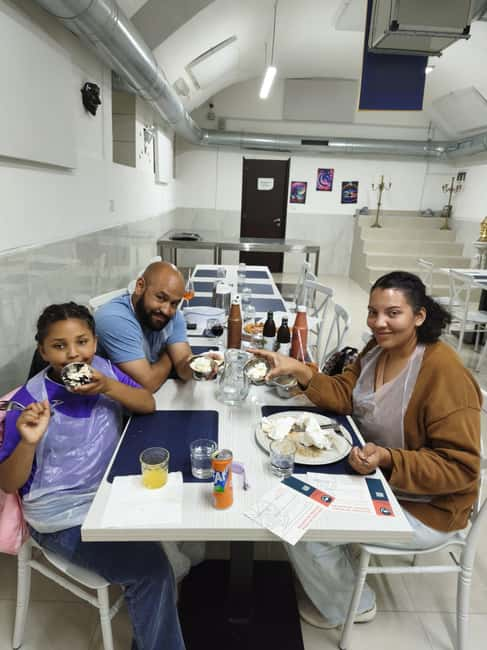
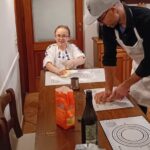
Once the cooking is done, you sit down to enjoy the meal you prepared. The class is set up as lunch or dinner with the pasta you cooked, plus the appetizer earlier and an included drink.
That included drink can be alcoholic or non-alcoholic, and it adds to the friendly, social vibe. This is one of those experiences where the group energy matters. People talk while they cook, then share plates at the end—so you leave with both food and conversation.
Also, you get a chef diploma souvenir. It’s small, but it gives the class a finish line and a reason to feel proud of what you made.
Price and Value: Is $65 Worth It for Naples Pasta and Gelato?
$65 for a three-hour, hands-on class that includes tools, chef guidance, ingredients, an appetizer, a drink, and a full pasta meal is actually strong value.
Here’s why: many cooking classes charge similar money but only cover instruction. This one also covers the full ingredients side and the sitting-down meal with what you cooked. Plus, you’re getting both pasta and gelato, which would take extra time and likely extra cost if you tried to book two separate workshops.
You’re also paying for structure and technique coaching. Making pasta dough and ravioli isn’t something you can easily learn from a cookbook in a single evening. This compresses the learning curve into a short, guided session.
The only “value risk” is the small-group possibility. If numbers are low and you end up with pasta-only, you’re still getting a worthwhile pasta class, but you’ll lose the gelato portion that some people booked for.
Who Should Book This Class (and Who Should Skip It)
This is a good fit for:
- Food lovers who want to cook, not just watch
- Couples, solo travelers, and small groups who like social meals
- Families—because it’s designed to be suitable for all ages, with kids welcome as long as an adult accompanies anyone under 18
It’s not a good fit for:
- People with food allergies
- People with lactose intolerance
If you fall into either of those categories, I’d skip this one. The data doesn’t mention allergy accommodations, and lactose intolerance is explicitly called out as not suitable.
Practical Tips That Make the Class Easier
A few small things will help you enjoy the experience more:
- Wear comfortable clothes you don’t mind getting flour on.
- Expect to work with your hands and be in a kitchen environment for the full three hours.
- Bring curiosity. You don’t need cooking experience—this is taught step by step.
- If you’re traveling with a bag, there’s free luggage deposit listed for the experience, which is handy when you’re moving around Naples.
- No pets are allowed. Simple rule, but worth noting.
Also, the chef teaches in Italian, French, Spanish, and English, so you can choose the language experience you prefer if available.
Should You Book This Naples Pasta and Gelato Cooking Class?
If you want a Naples experience that feels authentic and hands-on, this is an easy yes. You get classic handmade pasta technique, a structured gelato lesson, and the reward of eating together right afterward. The energy seems built for participation—Chef Antonio’s style, from the available details, is exactly what makes people feel comfortable enough to jump in and try.
The decision hinge for most people is simple: do you want gelato as part of the plan? If you’re booking mainly for the full pasta + gelato combo, note that smaller group numbers can shift the format into a pasta-only session. If gelato is a must, plan with that in mind and keep expectations flexible.
If you’re lactose intolerant or have food allergies, skip it. For everyone else who likes cooking, this is a smart $65 use of time—because you don’t just learn technique. You take it to the table and eat it.
FAQ
How long is the Naples pasta and gelato cooking class?
It lasts 3 hours.
What dishes will I make during the class?
You’ll make two types of fresh pasta (tagliatelle and ravioli) and you’ll also make homemade Italian gelato.
Do I eat what I cook?
Yes. The class includes lunch or dinner with the pasta you prepared.
Is the class suitable for food allergies or lactose intolerance?
No. It’s listed as not suitable for people with food allergies or for people with lactose intolerance.
Can children participate?
Yes, the class is suitable for all ages, but children under 18 must be accompanied by an adult.
What should I wear or bring?
Wear comfortable clothes and clothes that can get dirty.
What are my options if plans change?
The experience offers free cancellation up to 24 hours in advance for a full refund, and it also offers reserve now & pay later (you can book and pay nothing today).