REVIEW · ISTANBUL
Istanbul: Vegan/Vegetarian Cooking Class with Locals at Home
Book on GetYourGuide →Operated by Lokal Bond · Bookable on GetYourGuide
A cozy home kitchen beats another food tour. This Istanbul class brings vegetarian Turkish recipes to life with hands-on cooking and real conversation. I especially loved learning how dishes like vegan Kokoreç and Mantı are built from scratch, and I liked how the host shared personal stories that made it feel like time with a friend. One consideration: since it’s in a private home, the space is cozy, so you’ll want to be comfortable with a tight, hands-on setup.
You meet near Taksim, in a small group of up to 6 people, for a 2.5-hour meal-and-cooking experience taught in English and Turkish. Expect tea or coffee, cooking side by side, then sitting down together to eat. If your idea of travel value is flavor plus cultural context, this format fits.
In This Review
- Key things to know before you go
- Why this Istanbul vegan class feels different from a typical food tour
- Your host home near Taksim: tea first, stories second
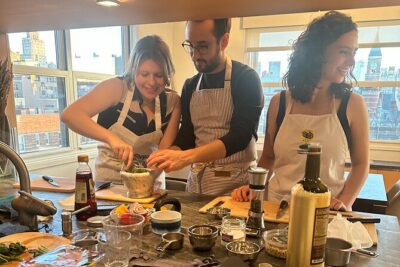
- The cooking flow in 2.5 hours: side-by-side, not spectator mode
- Vegan Kokoreç: a plant-based take on a street-food classic
- Mantı from scratch: learning the technique behind Turkish dumplings
- Dolma: stuffing and shaping a Turkish classic
- More than dishes: how plant-based adaptation works in Turkish cooking
- What the shared meal adds (and why it’s part of the value)
- English and Turkish instruction in a group of 6
- Price and value: what $106 gets you in Istanbul
- Who this class is best for
- A practical day plan: how to pair it with the rest of Istanbul
- Should you book this home-hosted cooking class?
- FAQ
- How long is the cooking class?
- How many people are in the group?
- What dishes will we cook?
- What languages does the instructor speak?
- Where is the meeting point?
- Is there a refund if plans change?
Key things to know before you go
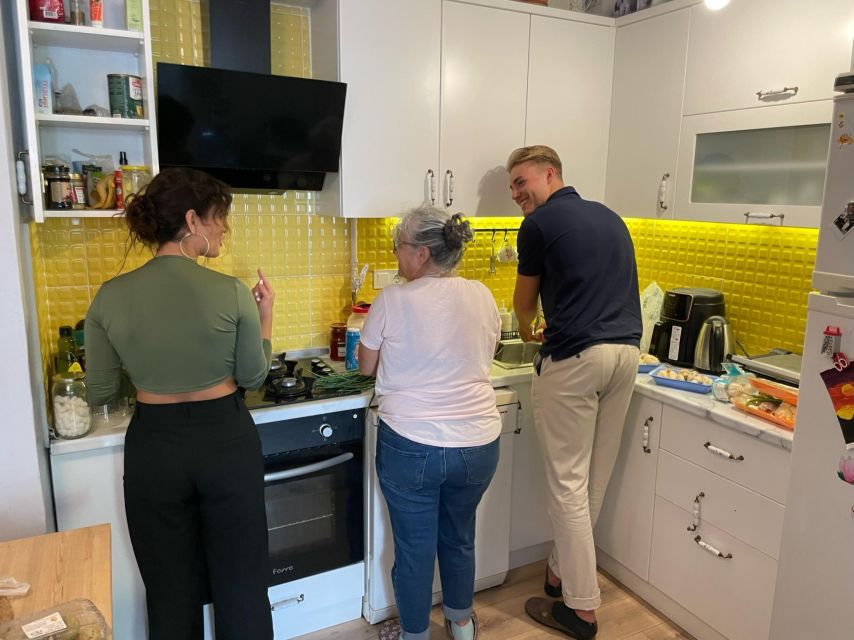
- Small group (max 6) means you actually talk, not just watch.
- Near Taksim makes the experience easy to slot into a central day in Istanbul.
- Home setting with tea and warm conversation sets a relaxed pace.
- Hands-on dishes: vegan Kokoreç, Mantı, Dolma, and more from scratch.
- English and Turkish instruction helps you follow techniques clearly.
- Plant-based adaptation focus shows how Turkish classics can go vegan.
Why this Istanbul vegan class feels different from a typical food tour
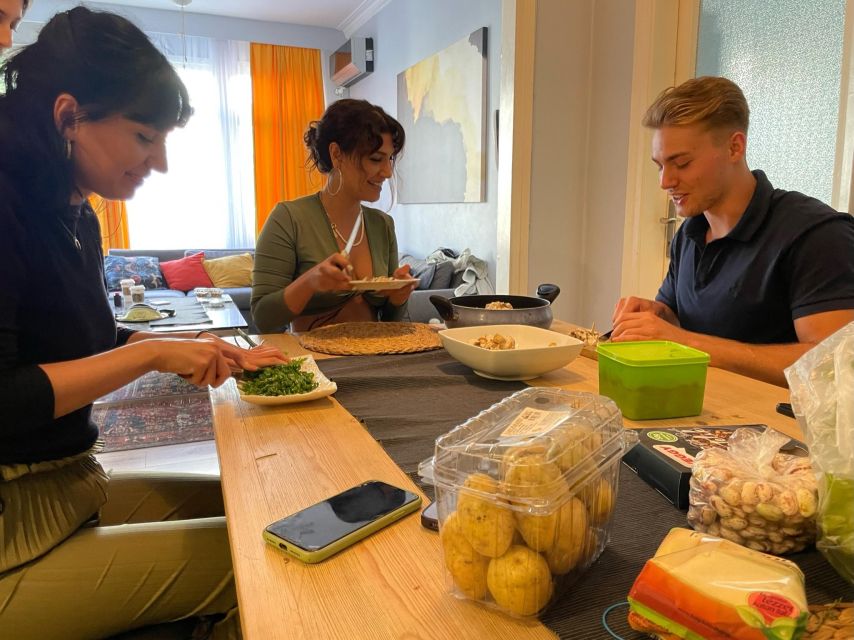
Turkey is famous for food that feels hearty and satisfying, and Turkish home cooking often makes you wonder why you ever ate the same thing twice. This class works because it treats the meal like part of daily life, not a show. You don’t just get food placed in front of you. You help make it, then you share it like you belong at the table.
I also like that the menu doesn’t stay in a generic vegetarian lane. You’ll make familiar Turkish favorites, but with clear plant-based thinking behind them. The results aren’t just “works as vegan.” They’re taught as proper Turkish dishes adapted for the way you want to eat.
And yes, you get the practical side too. You learn the steps and the logic. That matters if you want to cook later at home, not just remember the taste.
You can also read our reviews of more tours and experiences in Istanbul.
Your host home near Taksim: tea first, stories second
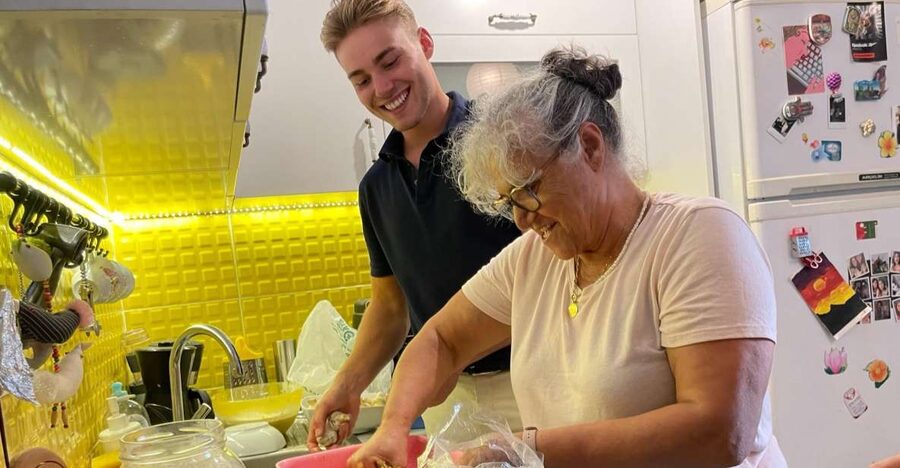
The experience starts in a local home near Taksim, one of the most central areas in Istanbul. You’ll meet the host through a simple call or by ringing the bell number 11, so you’re not stuck with complicated wayfinding. Once you’re inside, the tone is warm and personal. Tea or coffee comes early, and the conversation gets going before you touch ingredients.
That tea-and-chat opening is more than a nice welcome. It sets expectations. You’ll learn how your host thinks about food, hospitality, and the city. In the reviews, guests especially praised the way Rojda shared her personal story and insights about life in Istanbul. That’s what turns cooking from a checklist into a cultural moment.
The home setup is also a good reminder of what you’re signing up for. This isn’t a polished restaurant studio. It’s lived-in, cozy, and focused on comfort. If you prefer very formal instruction, you might find the vibe more relaxed than you expect—but that’s also what makes it memorable.
The cooking flow in 2.5 hours: side-by-side, not spectator mode
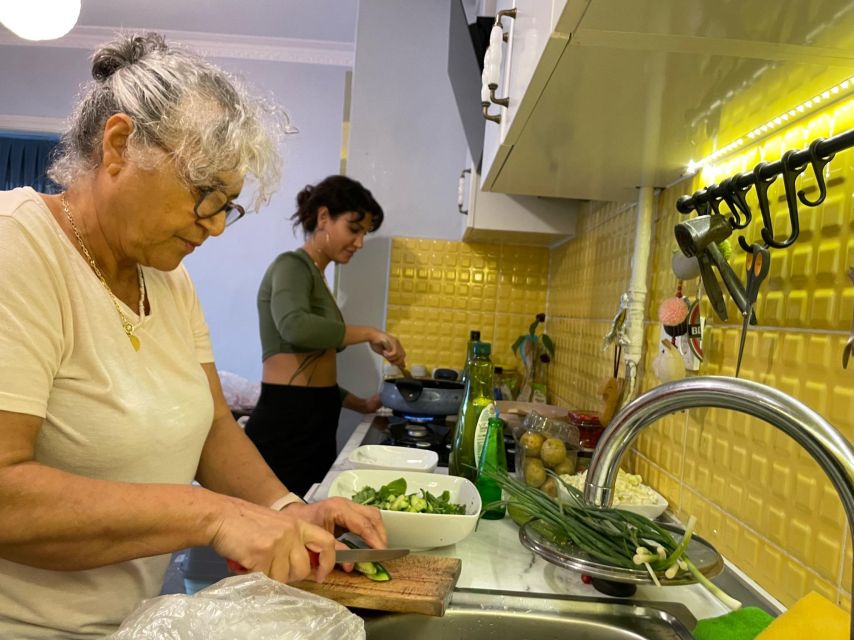
With only 2.5 hours, the class can’t afford long lectures. So the structure is simple: welcome, ingredients, cooking together, then tasting as you go and eventually settling into a shared meal.
Here’s what that practical rhythm looks like in your day:
- You’ll begin with tea or coffee and a bit of conversation.
- Then you’ll cook side by side with the instructor and the group.
- The experience centers on several Turkish favorites made vegan or vegetarian.
- At the end, you eat together—part meal, part cultural exchange.
The small group size (limited to 6) matters here. In bigger classes, you spend half your time waiting your turn. In this one, you’ll move through tasks with less friction, and questions don’t get swallowed by the room noise.
Vegan Kokoreç: a plant-based take on a street-food classic
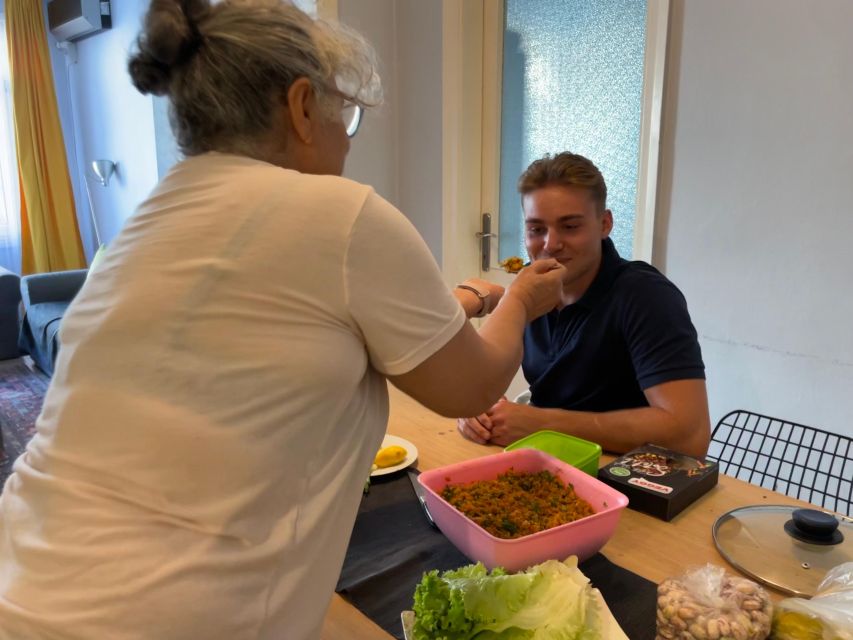
One standout highlight is vegan Kokoreç. Even if you’ve never had the traditional version, the point of this dish is clear: Turkish street food culture is strong, and you don’t have to give up that spirit just because you’re vegetarian or vegan.
How this helps you as a cook later: you’re learning how to build flavor and texture for a dish that’s meant to feel bold. Kokoreç has a reputation for strong seasoning and a satisfying bite, so your plant-based version needs the same kind of attention. The class teaches you how that transformation works in a home kitchen, using traditional Turkish flavors as the base.
You’ll also like this dish if you want something a little adventurous but still grounded. It’s not fusion for the sake of novelty. It’s adaptation with Turkish food logic.
Practical tip for you: go in ready to taste and adjust as you cook. Dishes like this usually depend on seasoning balance, so asking quick questions during prep will pay off more than trying to remember everything at the end.
Mantı from scratch: learning the technique behind Turkish dumplings
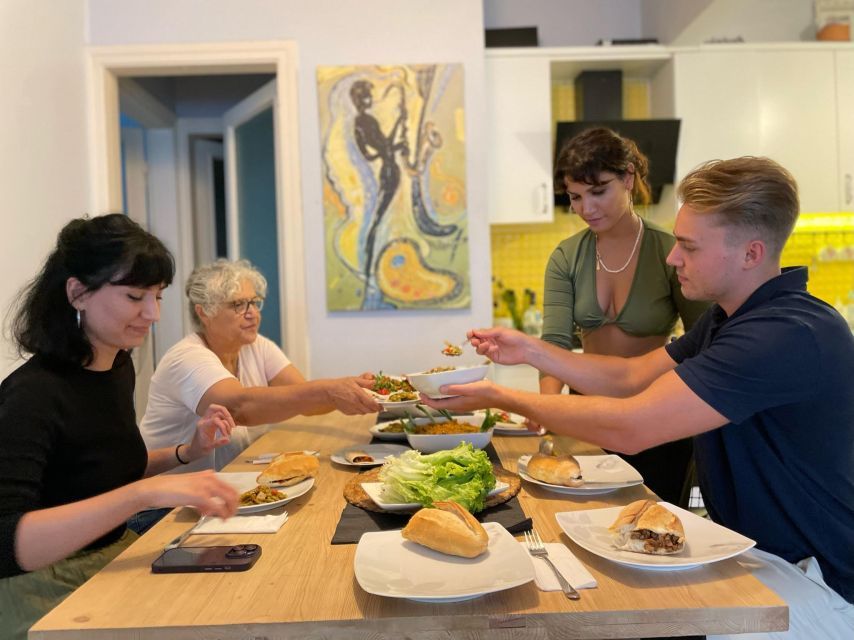
Mantı is the kind of dish that sounds straightforward until you try making it. Dumpling work takes patience and small technique choices—how you shape, how you handle the dough, and how you plan the filling and portions.
In this class, you’re taught homemade Mantı from scratch, with a vegan approach. That’s a big deal for value, because dumplings are time-consuming in real life. Learning them in 2.5 hours, with guidance, gives you a shortcut to technique you could otherwise spend an evening fumbling through.
One reason guests tend to love this part is that it’s hands-on and skill-based. The reviews specifically call out vegan manti as a highlight, and several people mention learning a lot during the process. When a class gives you a technique you can repeat later, you leave with more than a memory.
Also, Mantı fits Istanbul well. Dumplings show up across Turkish food culture, and learning them in a local home ties the dish to the place, not just to a recipe card.
Dolma: stuffing and shaping a Turkish classic
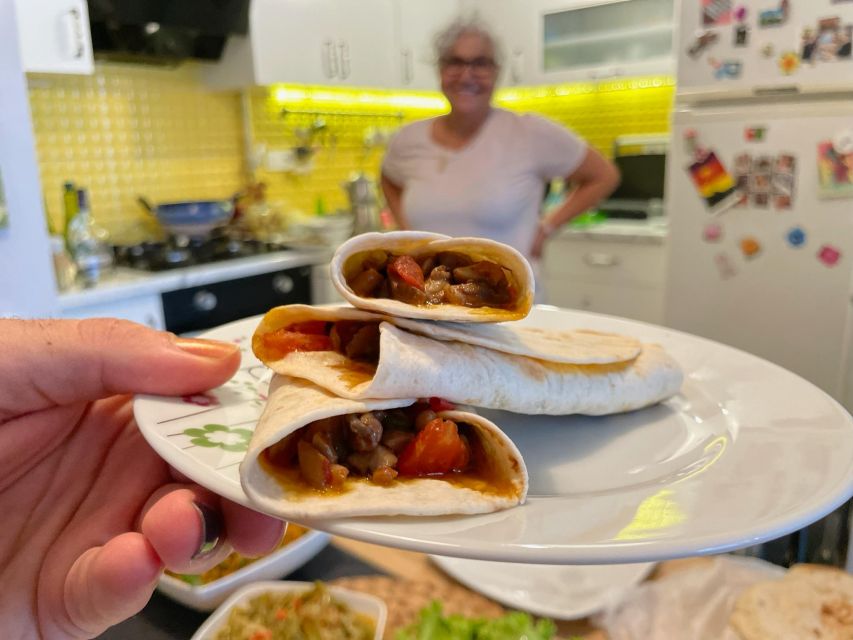
Dolma is another anchor Turkish dish you’ll make. It’s built around the idea of stuffing—vegetables prepared with care and filled with a flavorful mixture, then cooked until tender.
What makes this useful for you: Dolma teaches you a method that’s flexible. Once you understand the “stuffing logic,” you can adapt it later to what’s available seasonally—vegetables, leaves, and different flavor variations.
In a plant-based class, Dolma also highlights a truth: Turkish cuisine already has lots of naturally vegetarian options, and many dishes transition smoothly into vegan versions. The class is intentionally focused on that adaptation process, so you’re not just memorizing substitutions. You’re learning how to carry Turkish flavor into a vegan kitchen.
More than dishes: how plant-based adaptation works in Turkish cooking
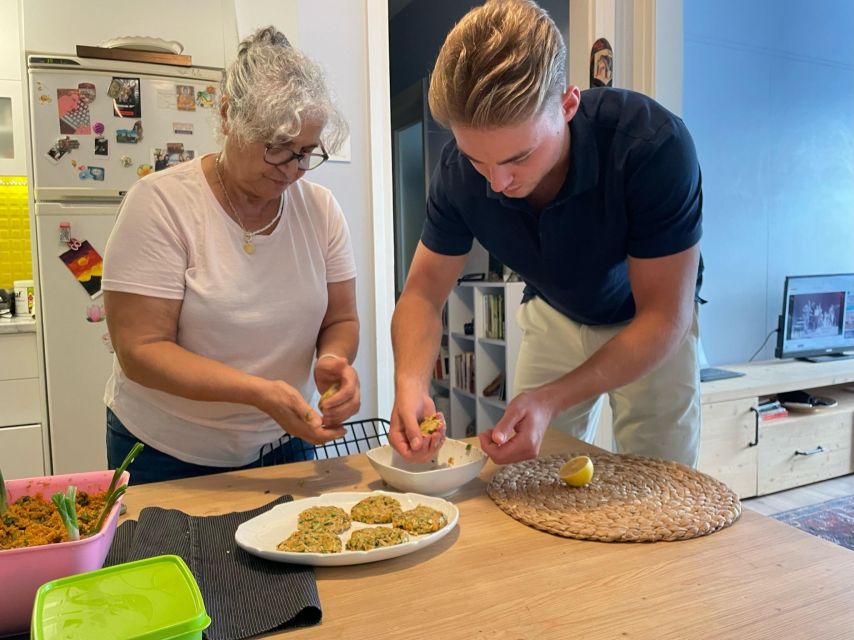
The class is clear about one core goal: many beloved Turkish recipes are naturally vegetarian or can be made vegan without losing the idea of the dish.
That matters because a lot of vegetarian meals abroad feel like a compromise. Here, the framing is different. You’re learning how tradition and plant-based cooking can overlap. The instructor focuses on where vegetarian versions already exist, and where vegan versions require thoughtful changes.
In the reviews, guests repeatedly praised the combination of learning and conversation. That’s not random. When someone explains why a recipe works, you remember it. When someone shows the cultural context, the cooking becomes less intimidating.
You’ll leave with more confidence than you’d get from a basic recipe list. You’ll understand the how and why behind the flavors, which is what helps you cook later without copying someone else’s exact pantry.
What the shared meal adds (and why it’s part of the value)
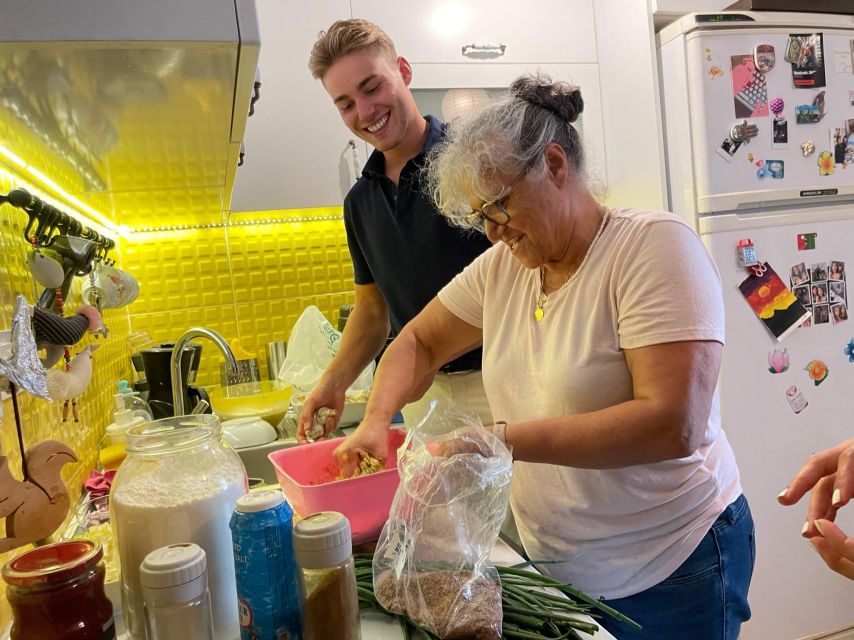
By the time you’re eating, you’ve already spent time learning the dishes. That makes the meal feel earned.
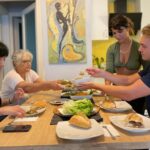
This format also creates an easy social rhythm. In a small home group, everyone ends up talking. You exchange ideas about Istanbul, about vegetarian or vegan life, and about what you each noticed while cooking. Several review notes highlight meaningful conversation and warm hospitality, and that matches the structure: tea first, then cooking, then eating.
If you’re used to quick in-and-out tours, this can feel slower. That’s the point. The meal is the payoff, not an afterthought.
English and Turkish instruction in a group of 6
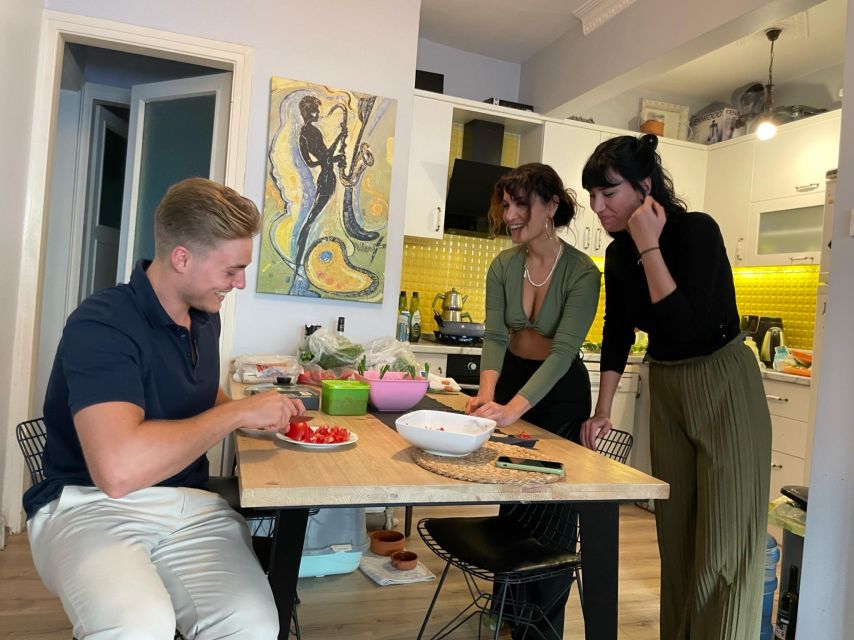
The instructor works in English and Turkish. With limited group size, you’re less likely to get stuck behind the language barrier. You can ask questions in the moment, and you can hear explanations without straining.
This also affects how comfortable you’ll feel with the cooking tasks. When you can clarify what something means—like a step, texture goal, or seasoning adjustment—your results improve.
And because it’s only up to six participants, the class doesn’t turn into a factory line. You’re part of the work, so you’ll notice the small technique differences. That’s a major reason this kind of home class often earns top marks.
Price and value: what $106 gets you in Istanbul
$106 per person sounds like a lot until you break down what’s actually included. You’re paying for:
- A guided, hands-on cooking session (2.5 hours)
- Multiple dishes made together, including vegan Kokoreç, Mantı, and Dolma
- A sit-down shared meal
- Tea or coffee and conversation
- A small group experience capped at 6
- English/Turkish instruction
In many cities, you can pay similar money for a tour that feeds you once and moves you along quickly. Here, you get instruction plus food, in a home setting where the cost supports the host time, ingredients, and the personal attention that larger groups can’t offer.
Is it the cheapest way to eat vegetarian in Istanbul? No. But if you want a cultural experience that teaches skills you can repeat at home, the value makes sense.
One smart way to judge it for yourself: ask whether you want Istanbul food as a memory or as a skill. This leans strongly toward skill.
Who this class is best for
This experience is a great fit if you want:
- Vegetarian or vegan cooking with Turkish dishes
- A home-hosted format near central Istanbul
- A small group where you can talk and ask questions
- Hands-on learning, especially if you like Mantı and stuffed foods
- A relaxed evening plan that feels personal
It may be less ideal if you want a highly structured, formal workshop with lots of time for slow demonstrations. Also, because it’s in a private home, you’ll get the most enjoyment if you’re comfortable with a casual residential setting.
A practical day plan: how to pair it with the rest of Istanbul
Since it’s near Taksim, you can easily shape your day around it. I’d plan to keep the earlier hours lighter, especially if you’re arriving from a long day walking. You’ll be standing and cooking for stretches, then eating at the end.
If you enjoy other Istanbul neighborhood time, this class works well as your bridge between sightseeing and local life. You get to be in a central area, but in a quiet home setting where the focus is food and conversation.
Should you book this home-hosted cooking class?
Book it if you want a vegetarian or vegan Istanbul experience that’s practical, social, and skill-focused. The big wins are the dishes you’ll actually learn—especially vegan Mantı—and the warmth of the host dynamic, which many guests described as like spending time with a friend. If you’re the type who likes to leave with techniques, not just photos, this class makes a strong case.
Skip or consider alternatives if you prefer a large, polished venue, or if you dislike cozy home spaces. Also, if your food interests are narrow and you only want one dish, you might feel this is more than you need. But for most people who want a well-rounded Turkish plant-based cooking experience, it’s a great match.
FAQ
How long is the cooking class?
The experience lasts 2.5 hours.
How many people are in the group?
The class is limited to a small group of 6 participants.
What dishes will we cook?
You’ll cook a variety of vegan and vegetarian Turkish dishes, including vegan Kokoreç, Dolma, and homemade Mantı, along with additional dishes.
What languages does the instructor speak?
The instructor speaks English and Turkish.
Where is the meeting point?
You’ll meet at the host home near Taksim. You can call or ring the bell number 11.
Is there a refund if plans change?
Yes. You can cancel up to 24 hours in advance for a full refund.