REVIEW · ISTANBUL
Cooking Class in Turkey From Istanbul
Book on Viator →Operated by Istanbul Walks · Bookable on Viator
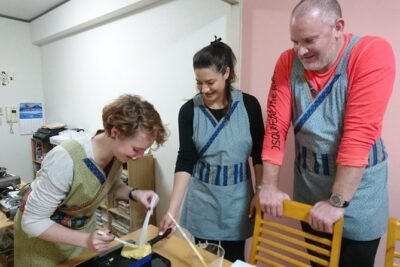
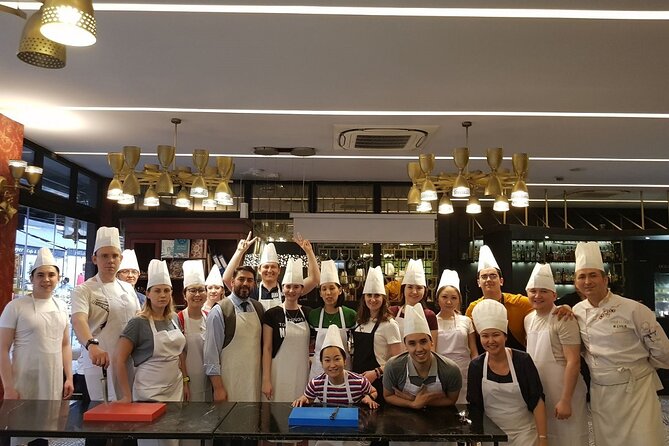
Your apron becomes Istanbul’s best souvenir. In Sultanahmet at Deraliye Restaurant, you’ll learn Ottoman-era Turkish techniques and cook real dishes with guidance from chefs including Mr Necati Ylmaz, then sit down for a 3-course lunch. I love the hotel pickup that removes the logistics headache, and I love the small-group setup that keeps the class personal. One consideration: the experience is listed as about 4 hours, but the actual hands-on cooking time is closer to 2 hours.
You’ll start with a central hotel pickup and a short ride, then meet your chef and go over what you’ll make. This is Ottoman-leaning Turkish food, so expect classic, practical flavors rather than gimmicks. I also like that you’re not just watching: you’ll be working on dishes like stuffed vine leaves with sour cherries, sailor’s rolls, and Kirde Kebabi.
After the cooking, you eat what you made: homemade lunch with dessert and local wines included as a tasting. Then the tour ends back at the meeting point (hotel drop-off is not included), so plan an easy next stop nearby in Sultanahmet.
In This Review
- Key Highlights You’ll Feel on the Day
- Cooking Class in Sultanahmet: Why This Part of Istanbul Works
- Getting There Without Stress: Pickup and Deraliye Restaurant
- The Class Setup: How the Day Moves From Menu to the Stovetop
- What You’ll Cook: Ottoman Flavors You Can Actually Recreate
- Starter: Stuffed Vine Leaves with Sour Cherries
- Meze Work: Sailor’s Rolls and Similar Style Dishes
- Pastry Example: Cheese and Honey
- Main: Kirde Kebab (Diced Beef and Vegetables on Flat Bread with Yogurt)
- A Note on Hands-On vs Watching
- Lunch and Wine Tasting: The Best Part of Learning
- Price and Value: Is $300.06 Worth It?
- Who Should Book This Class (and Who Might Want Something Else)
- Practical Tips Before You Go
- Should You Book This Istanbul Cooking Class?
- FAQ
- How long is the cooking class?
- Is hotel pickup included?
- Do you get dropped off at your hotel?
- Where does the class take place?
- What language is the class taught in?
- How many people are in the group?
- Is there a vegetarian option?
- What’s included in the meal?
- Can I cancel and get a full refund?
Key Highlights You’ll Feel on the Day
- Hotel pickup from central Istanbul so you don’t spend your morning navigating
- Max 6 people for real attention at the cutting board
- Ottoman-style menu with dishes like sour-cherry vine leaves and Kirde Kebabi
- Chef-led techniques from professional instruction, taught in English
- Cook, then eat: 3-course homemade lunch plus wine tasting
- Vegetarian option available if you request it in advance
Cooking Class in Sultanahmet: Why This Part of Istanbul Works
Sultanahmet is the sweet spot for a food-focused morning. You’re based near the major landmarks, so you can pair this class with sightseeing later without crisscrossing the city. The whole rhythm fits a day trip style: start with something structured, then loosen up afterward.
What makes the food side especially appealing is the Ottoman angle. Turkish cuisine has a lot of personality, but Ottoman-inspired dishes tend to show up as balanced, ingredient-forward plates: tangy yogurt, sour fruit, herbs, and breads that behave well in a home kitchen. You’ll see that in the menu examples tied to this class, including stuffed vine leaves with sour cherries and Kirde Kebabi.
And since the instruction is in English and the group stays small, you’re more likely to understand both the technique and the reasoning behind it—what to do first, what to watch for, and how to adjust when your kitchen isn’t a pro restaurant.
You can also read our reviews of more tours and experiences in Istanbul.

Getting There Without Stress: Pickup and Deraliye Restaurant
You’ll begin with a pickup from centrally located Istanbul hotels. That matters more than it sounds. If you’ve ever tried to match taxis, tram lines, and a time-window in a busy historic district, you know how quickly a “morning activity” turns into a small quest. Here, the transport piece is handled.
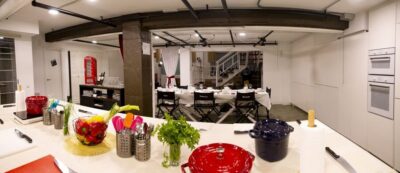
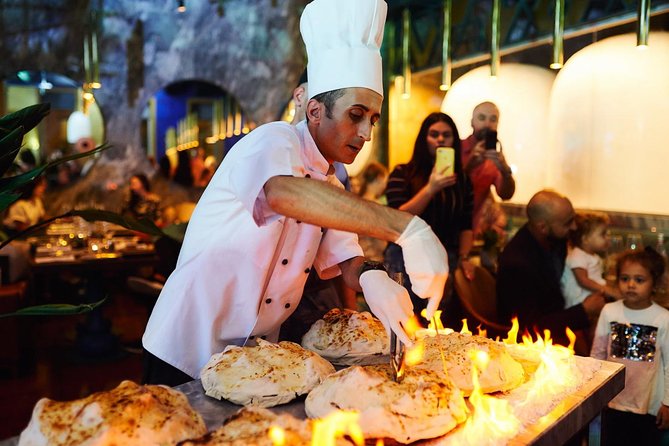
From there, you head to Deraliye Restaurant in the heart of Sultanahmet. It’s the working hub for your class, and it’s also where you’ll have your lunch. The restaurant setting is part of the appeal because it creates a real cooking-work atmosphere, not a demo that ends in a take-a-photo-and-leave routine.
One practical note: the tour ends back at the meeting point, and hotel drop-off is not included. So think ahead. If your hotel is far, plan a simple ride afterward or stack a nearby attraction so you don’t waste your post-lunch energy getting home.
The Class Setup: How the Day Moves From Menu to the Stovetop
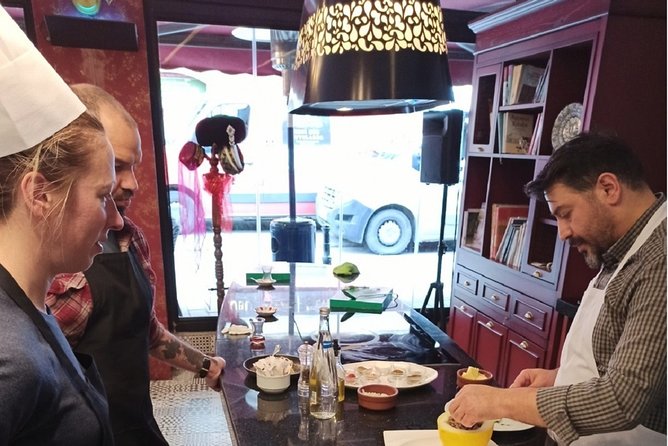
Once you arrive, you meet your instructor and talk through the day’s menu. That short conversation is useful because it frames what you’re making and what role each dish plays in a Turkish table—starters that wake up the palate, mains that feel hearty but not heavy, and desserts that finish sweet without being complicated.
This class runs about 4 hours total, with roughly 2 hours of cooking instruction, followed by lunch. That timing shows up in how the experience feels. The cooking block is the main learning window; the rest of the time is eating and resetting.
Class size is capped at a maximum of 6 people. That usually means two things in practice: you get enough attention to fix mistakes early, and you aren’t stuck waiting while someone else ties up the station. I also like that it’s described as suitable for all abilities, which often translates to patient teaching and clear steps.
What You’ll Cook: Ottoman Flavors You Can Actually Recreate
The dishes in this cooking class are designed to teach technique, not just fill plates. The sample menu shows the core starters and main, and the description adds additional examples you may cover.
Starter: Stuffed Vine Leaves with Sour Cherries
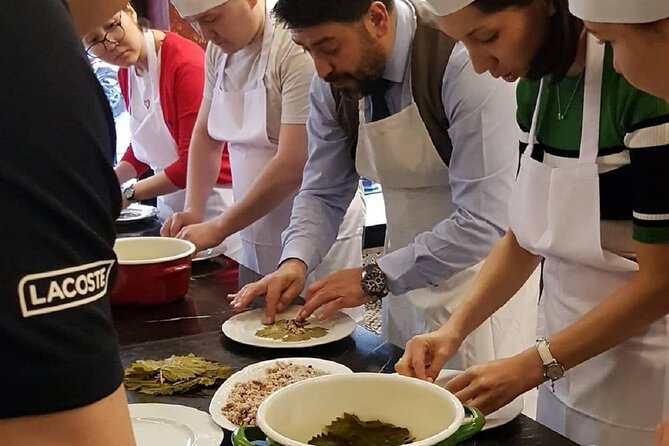
Stuffed vine leaves are classic Turkish meze territory. The twist here is the sour cherry element, which adds brightness and balance. In a home kitchen, that kind of flavor contrast is what makes the difference between a dish that tastes fine and one that tastes like you bought it at a good table.
You’ll get guidance on how to prepare and handle the filling, how to roll neatly, and how to think about seasoning so the fruit doesn’t feel out of place. Even if the shape isn’t perfect at first, you’ll learn the process—and the process is what you can repeat later.
Meze Work: Sailor’s Rolls and Similar Style Dishes
The class also highlights creative meze items like sailor’s rolls. These dishes are useful because they show you how Turkish cuisine uses wrappers, fillings, and textures to create variety from a limited ingredient set. If you like cooking things that look impressive but don’t require fancy equipment, this is the lane.
One helpful angle: these meze-style dishes tend to teach you the “assembly” skills that make entertaining easier later. You’re not just learning recipes; you’re learning how to build.
Pastry Example: Cheese and Honey
Pastries such as cheese-and-honey versions show up as part of the Turkish cooking examples for this class. That pairing matters. In Turkish sweets, cheese (or cheese-like richness) provides salt and body, while honey brings aroma and sweetness. It’s not random. It’s a technique for balancing flavors.
If you’re the kind of person who wants a hands-on sweet moment during a cooking class, this is a good sign. Pastry work can also teach you how to control thickness and timing, which is where most home cooks struggle.
Main: Kirde Kebab (Diced Beef and Vegetables on Flat Bread with Yogurt)
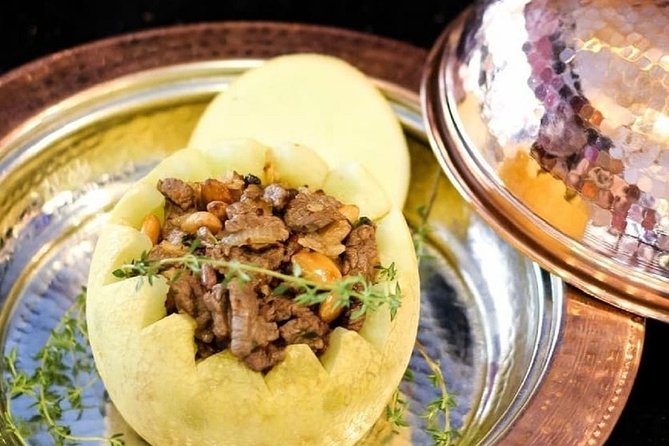
Kirde Kebab is the main dish listed in the sample menu, and the description gives a clear mental picture: diced beef and vegetables on flat bread croutons with yogurt. That structure is great for learning because it includes multiple components:
- the cooked filling
- the bread element
- the yogurt that ties it together
Once you understand that formula, it’s easier to adapt at home. Change the meat or vegetable mix, adjust the yogurt amount, and keep the overall balance.
A Note on Hands-On vs Watching
Some people prefer a highly hands-on class where each person repeats steps directly. There’s a fair amount of cooking here, but instruction style can still vary by chef and flow. If you want more direct time at each station, it helps to ask early for a more active role. With a small group, your request is more likely to land.
Lunch and Wine Tasting: The Best Part of Learning
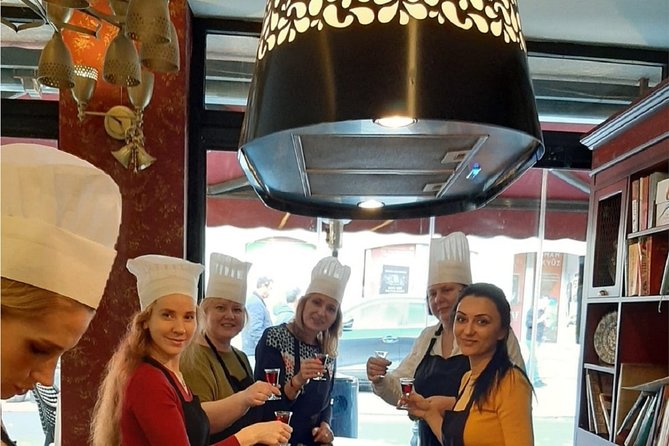
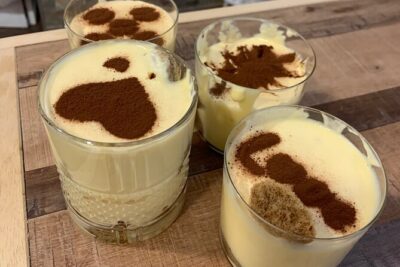
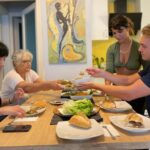
After the cooking, you sit down to sample everything you made. The lunch is a homemade 3-course meal, including dessert and a wine tasting. In other words, you don’t just learn; you get to eat your results while the flavors are still fresh.
Wine tasting here is included, which is a nice touch if you like understanding how Turkish food pairs with local drinks. Since drinks beyond that tasting are not included, you’ll want to handle any extra ordering separately.
The lunch pacing also helps you digest what you learned. When you’re still at the station, ingredients blur together. At the table, each dish gets its own moment, and you can start thinking: which step mattered most, and what would I tweak next time?
And yes, it’s a very practical souvenir. You go home with a mental recipe map, not just photos.
Price and Value: Is $300.06 Worth It?
At about $300.06 per person, this isn’t a budget activity. But it’s also not just a quick “cook and leave.” Here’s where the value comes from.
You’re paying for:
- hotel pickup in central areas
- instruction in English from a professional chef
- a small group (max 6 people)
- a full lunch with dessert
- a wine tasting
- the food tasting component and taxes/fees included
The learning-to-eating ratio matters. You’re making enough dishes to feel like you had a real cooking session, then you get a proper sit-down meal afterward. If you’ve ever taken a class that ends with a cookie and a sip of water, you’ll appreciate that this one feeds you like a meal, not a snack.
The one price-related caution is time. If you expect all 4 hours to be pure hands-on cooking, you may feel a mismatch. The class portion is closer to 2 hours, so manage your expectations: think of it as a cooking session plus a full lunch experience, not a long stove marathon.
Who Should Book This Class (and Who Might Want Something Else)
This fits best if you want a guided, confidence-building cooking experience without mastering everything from scratch alone. It’s a solid option for food lovers, families, and people with different cooking levels because the class is structured and teacher-led.
It also works well if you plan a sightseeing day. Because the venue is in Sultanahmet, you can treat this as the morning anchor, then roam afterward with the food knowledge already kicking in.
If you’re looking for a class where every participant consistently does every step from start to finish, you might want to double-check teaching style with the provider before booking. The small group reduces wait time, but hands-on intensity can still vary by dish flow.
Practical Tips Before You Go
- Request dietary needs in advance. Vegetarian options are available, but you need to say so during booking.
- Wear something you can tolerate around heat and splashes. Cooking classes turn into cooking classes fast.
- Keep your post-lunch plan simple. Since the tour ends back at the meeting point without hotel drop-off, pick an attraction nearby or plan an easy ride.
- If you want a stronger hands-on role, ask early for more station time. With a group size of 6, you’re more likely to get attention.
Should You Book This Istanbul Cooking Class?
I’d book it if you want Ottoman-leaning Turkish dishes taught by a professional chef in a small group, with pickup and a full lunch included. The combination of cooking, sitting down to eat, and getting wine tasting makes it feel like a complete experience rather than a short activity.
I’d think twice if you’re the type who wants 4 hours of nonstop chopping and cooking. Here, you get about 2 hours of cooking instruction, then it turns into eating and relaxing. If you’re okay with that pacing, you’ll likely enjoy it a lot.
If your goal is real take-home technique—how to build flavors in meze, how yogurt works with a warm main, and how a sour fruit element changes the balance—this class hits that goal.
FAQ
How long is the cooking class?
The experience is listed as about 4 hours total, with cooking instruction taking about 2 hours.
Is hotel pickup included?
Yes. Complimentary pickup is offered from centrally located Istanbul hotels.
Do you get dropped off at your hotel?
Hotel drop-off is not included. The activity ends back at the meeting point.
Where does the class take place?
It’s held at Deraliye Restaurant in Sultanahmet, Istanbul. The meeting point is in Sultanahmet near Alemdar (34110 Fatih, Istanbul).
What language is the class taught in?
The class is offered in English.
How many people are in the group?
The maximum group size is 6 people.
Is there a vegetarian option?
Yes. A vegetarian option is available if you advise the provider at the time of booking.
What’s included in the meal?
You’ll have food tasting, then a 3-course homemade lunch that includes dessert and a wine tasting.
Can I cancel and get a full refund?
Yes. You can cancel up to 24 hours in advance for a full refund. If you cancel less than 24 hours before the start time, the paid amount is not refunded.