REVIEW · ISTANBUL
Turkish Cooking Course – Home Cooking Class in Istanbul
Book on GetYourGuide →Operated by Lokal Bond · Bookable on GetYourGuide
A Turkish cooking class in an actual Istanbul home. It’s a hands-on evening of tea, technique, and shared food, with a host who guides you like someone you just met but instantly trust. You’ll prep classic dishes step-by-step, then sit down for a homemade meal that feels more like friendship than a tour stop.
What I like most is the small group size (max 8), which makes it easier to ask questions and actually cook, not just watch. I also like that the menu covers both savory and sweet—so you leave with a fuller picture of Turkish home cooking, not one dish and done. One possible drawback: before the class, communication can be a little unclear at times, so I’d message to confirm the details you need (especially if you’re coming from far outside the old center).
In This Review
- Key Things That Make This Istanbul Cooking Class Worth Your Time
- A 3-Hour Istanbul Kitchen Session With a Real Meal
- Your Menu: Dolma, Havuç Tarator, Sigara Böreği, and İrmik Tatlısı
- Dolma (Stuffed peppers)
- Havuç Tarator (Creamy carrot meze)
- Sigara Böreği (Crispy feta-herb pastries)
- İrmik Tatlısı (Semolina dessert)
- Tea, Talk, and the Friendship Factor in Asyu’s Home
- What You Actually Do (and Why It’s Better Than Watching)
- Value at $62: Why This Price Can Make Sense
- Getting to Abbasağa: Tram to Kabataş, Then the Hill Walk
- Who This Istanbul Home Cooking Class Fits Best
- Should You Book This Turkish Cooking Course at Home?
- FAQ
- How long is the Turkish cooking course?
- Is lunch or dinner included?
- What dishes will I learn to make?
- Can the host adjust the menu for allergies or dietary preferences?
- How large is the group?
- Does the host speak English?
- Is coffee or tea included?
Key Things That Make This Istanbul Cooking Class Worth Your Time
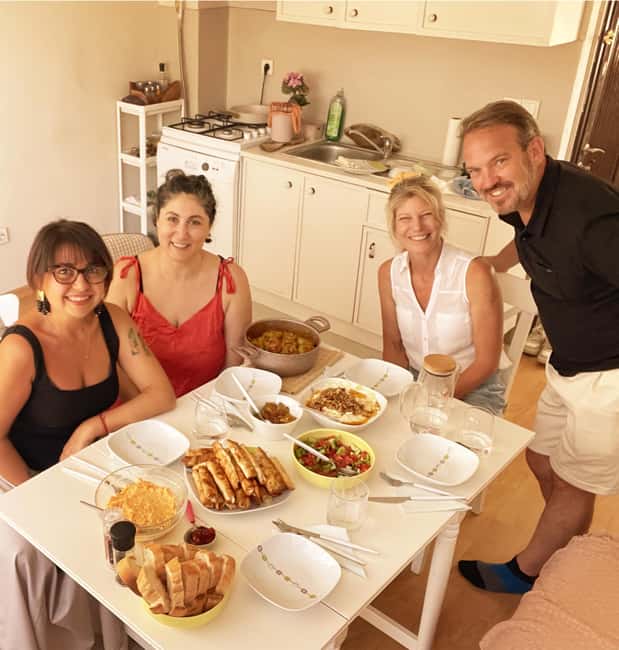
- An Istanbul home setting: you’re cooking in someone’s real space, not a studio kitchen.
- Hands-on cooking with an English/Turkish host: step-by-step guidance, not a lecture.
- A complete meal included: lunch or dinner is built into the experience.
- Classic dishes with local flavor: dolma, meze, pastries, and semolina dessert.
- A friendly house rule for pets: a cat and dog live there and love attention.
A 3-Hour Istanbul Kitchen Session With a Real Meal
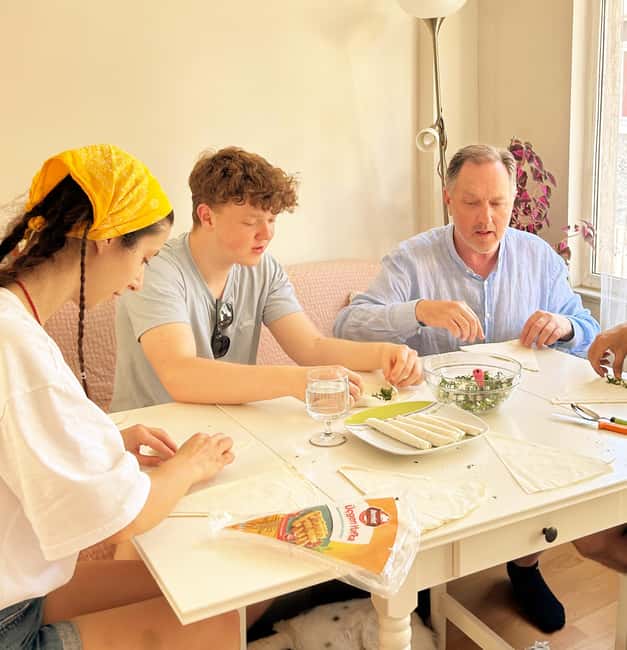
This is a 3-hour home cooking class in Istanbul Province priced at $62 per person, and it’s structured around one big idea: you learn by cooking, and you learn even more by eating what you make. The schedule runs at set starting times (check availability), and your session format depends on when you book.
If you book for 12pm, the class is held as lunch. If you book for 5pm, it’s held as dinner. Either way, you’re getting more than a cooking demo—you’re getting a meal with the people in the room, with coffee and/or tea included.
Group size matters here. With a maximum of 8 participants, you’re far more likely to get personal help when you hit a tricky moment—rolling, stuffing, shaping, or balancing flavors—without feeling rushed. In a larger group setting, you can lose the flow. Here, it stays human-sized.
You can also read our reviews of more tours and experiences in Istanbul.
Your Menu: Dolma, Havuç Tarator, Sigara Böreği, and İrmik Tatlısı
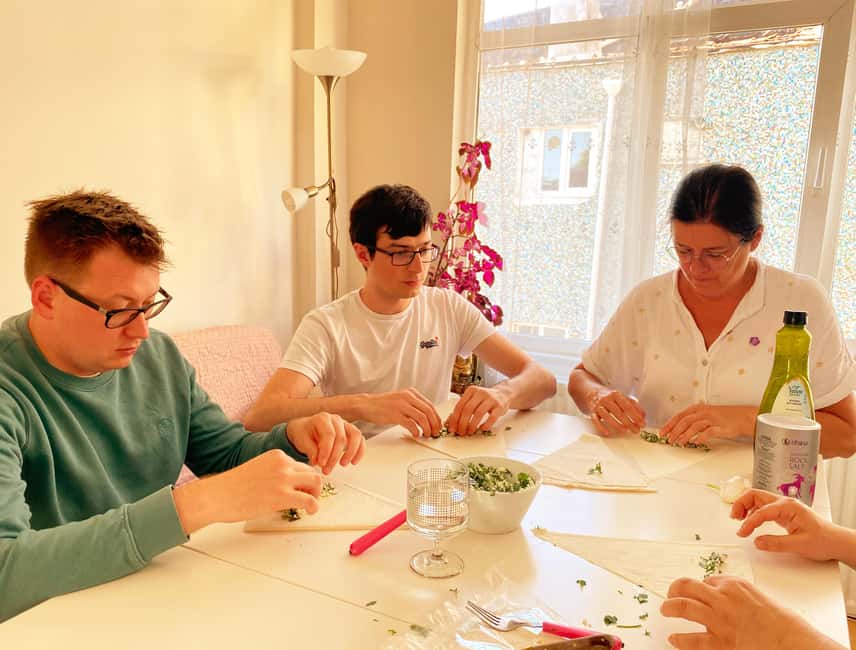
The heart of the experience is the Turkish food itself, and you’ll focus on dishes that show off different skills and flavors. Expect a menu built around a mix of savory starters, stuffed main-style food, crisp pastry, and a comforting sweet finish.
Dolma (Stuffed peppers)
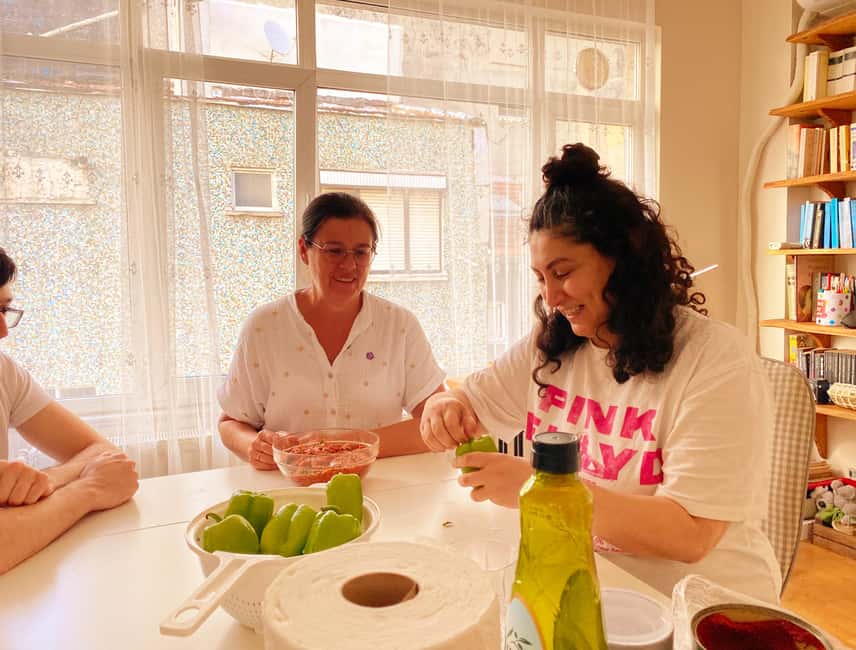
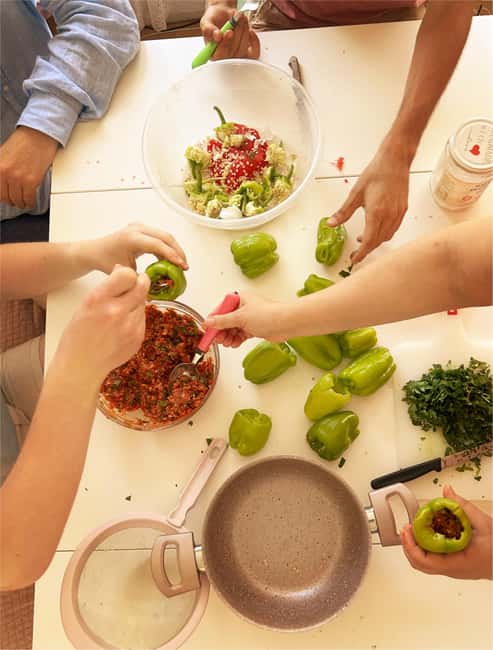
You’ll work with dolma, described as stuffed pepper filled with a mix of meat, rice, spices, and vegetables. This is the kind of dish where small choices matter—how you season the filling, how you pack it, and how you balance the overall richness. Even if you’ve had dolma in restaurants, making it at home usually teaches you what makes it feel distinctly Turkish rather than generic “stuffed veg.”
Havuç Tarator (Creamy carrot meze)
Next comes Havuç Tarator, a creamy, garlicky carrot-based meze meant for dipping. Meze is a big deal in Turkish table culture: it’s where you practice flavor layering—sweetness, garlic sharpness, and creaminess all at once. Watching (and then making) this kind of meze helps you understand how Turkish meals build from small bites into a full spread.
Sigara Böreği (Crispy feta-herb pastries)
You’ll also make Sigara Böreği, those crispy golden pastries filled with feta cheese and herbs. This is where technique shows up fast. If you’re even slightly unsure about rolling and sealing, you’ll learn quickly because the goal is crisp, not soft. It’s also one of the most satisfying “hand skills” in the menu—you can see progress as you work.
İrmik Tatlısı (Semolina dessert)
To close, you’ll make İrmik Tatlısı, a comforting, lightly sweet semolina dessert. It’s a good reminder that Turkish cooking isn’t only about savory, heavy flavors. This dessert adds warmth and gentle sweetness, and it helps the meal feel complete.
One extra note: the class theme is stuffed-and-savory Turkish home cooking, and some sessions in similar formats can include stuffed roll-style projects like sarma, depending on what the group is working on. The main menu you should expect from the class description stays the same: dolma, tarator, sigara böreği, and irmik tatlısı.
Tea, Talk, and the Friendship Factor in Asyu’s Home
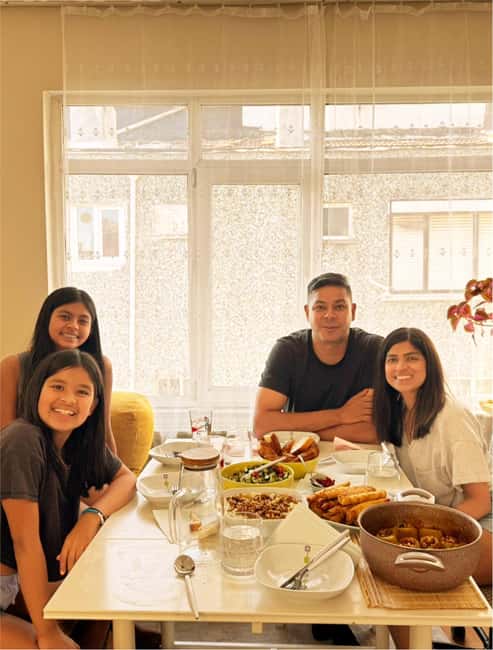
The class starts in a simple, very Turkish way: with traditional Turkish tea or coffee, plus time to chat and get to know each other. That early pause matters. It sets the tone for the whole experience. Instead of jumping straight into cooking, you settle in like you’ve been invited—because that’s the point.
Aysu (often written as Asyu) is the host name shared in the experience feedback, and her style comes through as welcoming and relaxed. The best part isn’t just that food is being made—it’s that conversation and local-life stories become part of the process. If you like meeting people, asking questions, and learning how daily Turkish life shows up around the kitchen table, this is the right kind of setting.
And then there’s the household cast: your class home is shared with a friendly cat and dog. These aren’t treated like an odd extra detail. They’re part of the daily atmosphere, and they often help make the place feel warm and lived-in. If you have concerns about pets, you should reach out in advance so expectations are clear.
Language support is practical: the host or greeter works in English and Turkish, so you won’t be stuck guessing what to do next.
What You Actually Do (and Why It’s Better Than Watching)
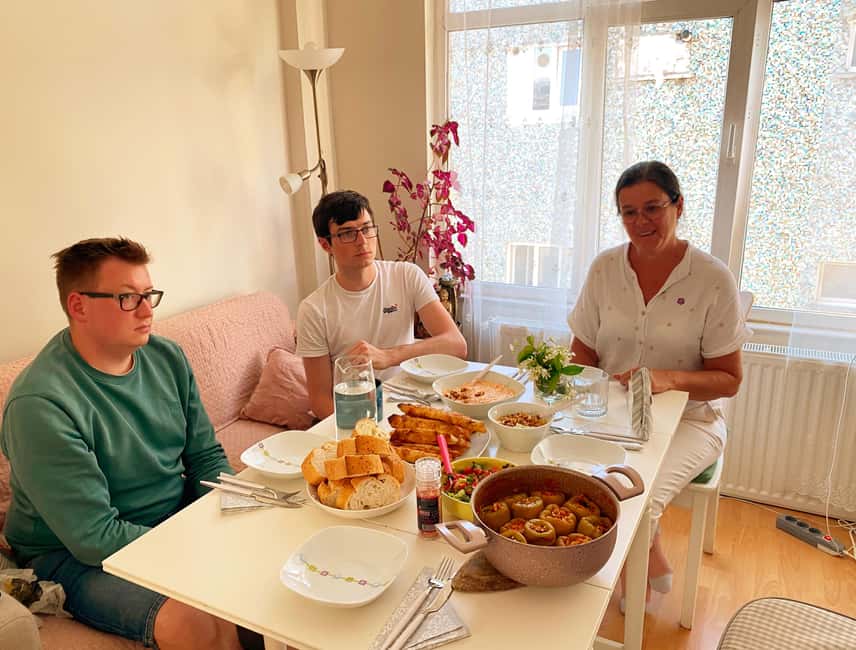
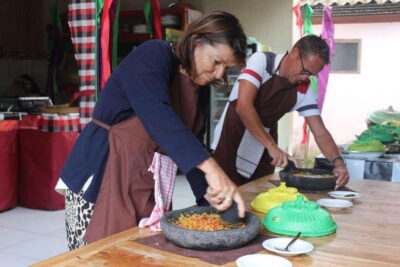
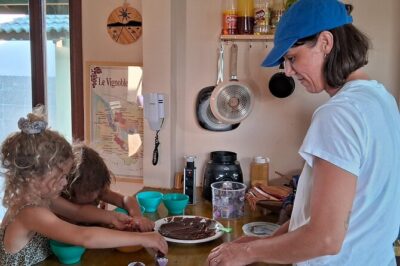
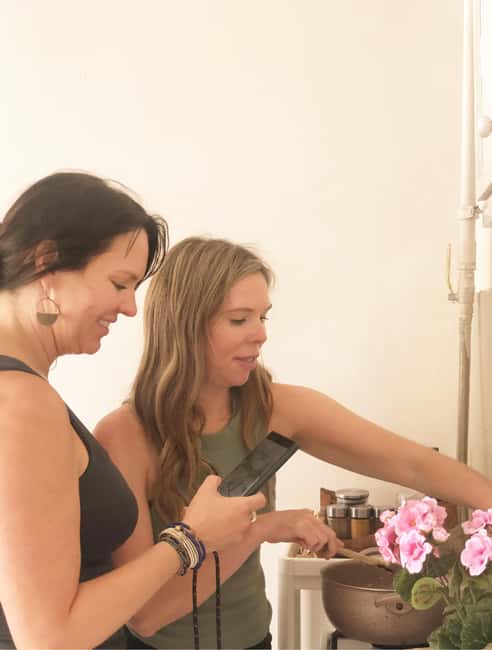
This isn’t a sit-and-watch workshop. You’ll be guided through every step, and the whole experience is designed so you spend your time hands-on—stuffing, mixing, rolling, shaping, and preparing components that eventually become a meal you all eat together.
In practice, that means you’re learning techniques you can repeat later: how to build flavor in a filling, how to get the right texture in a meze, and how to handle pastry so it turns out crisp. You also get the “home cook” cues—small decisions that don’t always show up in cookbook instructions.
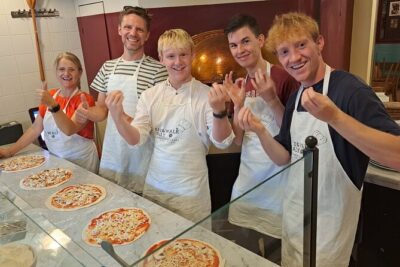
Once everything is ready, you sit down together and share the feast. That part can be surprisingly valuable. Even if you’re not the fastest cook, eating what you made puts everything into context: seasoning, balance, and what feels right on the plate.
Value at $62: Why This Price Can Make Sense
At $62 per person, this can be a bargain or a splurge depending on what you want from your day. Here’s the value logic.
You get:
- A 3-hour guided experience
- A small group (max 8)
- Coffee and/or tea
- Lunch or dinner depending on the booked time
Most stand-alone meals in central Istanbul can cost enough that adding a cooking session feels reasonable when the meal is included. The real value isn’t just price—it’s access. You’re cooking in a private home, with a host who shares authentic home cooking secrets, and you’re eating what you make.
If your ideal travel day is hands-on and social, the cost starts to feel fair quickly. If you only want to eat and you hate cooking, you’d probably spend less elsewhere.
Getting to Abbasağa: Tram to Kabataş, Then the Hill Walk
This class ends back at the start point, and you’ll meet at the host’s apartment location. Since the exact apartment number is given as apartment 4 and the address includes Abbasağa Mah. Çeşme Yokuşu Sk. (look for number 3 first), plan for a little last-mile navigation.
If you’re coming from the old town area (Sultanahmet, Hagia Sophia, Grand Bazaar, Eminönü), a common route is:
- Take the tram to Kabataş
- From Kabataş, take a taxi or bus, or walk (about 30 minutes, and it’s uphill)
- Once you arrive at Abbasağa Mah. Çeşme Yokuşu Sk., look for number 3, then go to apartment 4
- Call the host when you’re at the building so they can open the door
That uphill walk is the part to think about if your energy is limited. If you’re visiting with heavy bags, or you’re coming straight from a long day of sightseeing, take a taxi or bus the last stretch.
Who This Istanbul Home Cooking Class Fits Best
This is a strong match for people who want a practical, authentic Turkish food experience without the “tour-bus energy.” It’s especially good if you:
- Enjoy cooking and want step-by-step guidance
- Like small groups and conversation
- Want a full meal experience, not just snacks
- Prefer learning through doing rather than watching
It’s also a good fit if you’re traveling alone or as a couple and want a built-in social situation—since the group stays small and meal time keeps things relaxed.
Two things to consider before booking:
- You’ll be in a home with a cat and dog, so make sure you’re comfortable with that
- The session is 3 hours and includes active prep, so you’ll get the most out of it if you’re ready to participate
Should You Book This Turkish Cooking Course at Home?
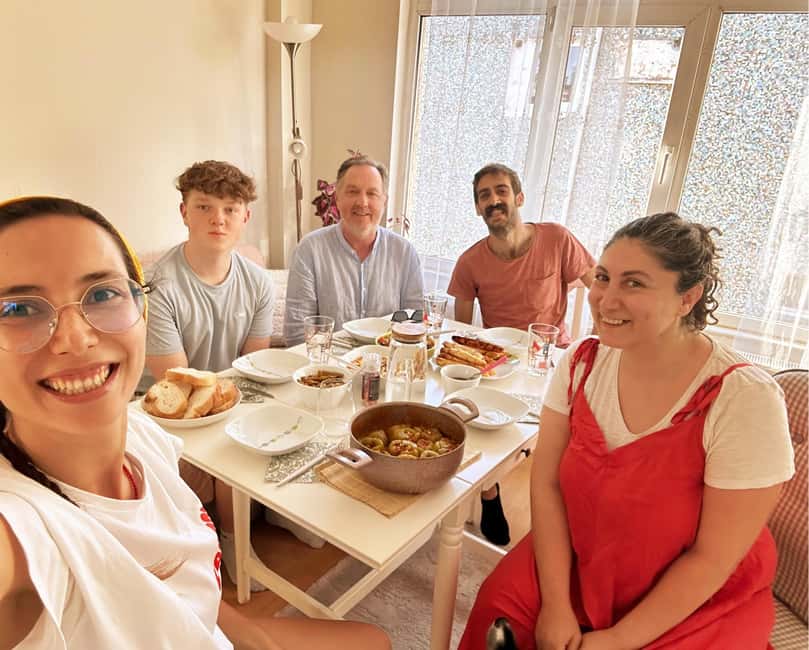
I think you should book if you want Turkish home cooking in Istanbul with real hands-on time, a complete included meal, and a small-group setting that feels friendly. The menu mix (stuffed dish, meze, crisp pastry, and semolina dessert) is a smart way to learn more than one flavor style—and actually taste how it all comes together.
Skip it (or at least ask questions first) if you’re looking for a purely formal food class, private-without-any-animals space, or you dislike situations where you’re cooking and eating in someone’s home.
One more practical reason to book: it’s offered with flexibility. You can often choose reserve now and pay later, and cancellation is available up to 24 hours in advance for a full refund. That lets you lock in the experience without stressing over dates.
FAQ
How long is the Turkish cooking course?
It lasts 3 hours.
Is lunch or dinner included?
Yes. The experience includes a meal: it’s dinner if booked for 5pm and lunch if booked for 12pm.
What dishes will I learn to make?
The menu includes dolma, Havuç Tarator, Sigara Böreği, and İrmik Tatlısı.
Can the host adjust the menu for allergies or dietary preferences?
Yes. You should notify dietary restrictions after booking, and the menu can be adjusted based on your needs.
How large is the group?
The class is small group, limited to 8 participants.
Does the host speak English?
Yes. The host or greeter works in English and Turkish.
Is coffee or tea included?
Yes. Coffee and/or tea are included.