REVIEW · NAGANO
Japanese Cooking Class at a Traditional House in Nagano
Book on Viator →Operated by Yuka's Japanese Culture Tour · Bookable on Viator
Cook in a 130-year-old merchant home in Nagano. This English cooking class in Shinano-Ōmachi is set in a Machiya-style house that once belonged to the city’s biggest shōya, and it teaches dashi basics plus local ingredients you won’t spot in regular supermarkets.
I like that the experience is a true private class for just your group, and you also get a practical plan for follow-up cooking at home, including vegetarian and vegan adjustments. One thing to consider: the kitchen is on the second floor, so you’ll be doing some stairs before you start cooking.
You’re paying about $104.05 for roughly 3 hours, and it includes the food you cook plus a full lunch experience (with dessert). For many people, that turns the class into good value because you’re not just tasting—you’re going home with techniques and recipes you can use later.
In This Review
- Key points worth your attention
- Entering a Machiya merchant home in Shinano-Ōmachi
- The food story behind Nagano’s cold climate and salt-road routes
- What you actually cook: dashi, local ingredients, and three course choices
- Traditional Local Food Course
- Temari Sushi Course
- Shabushabu Course
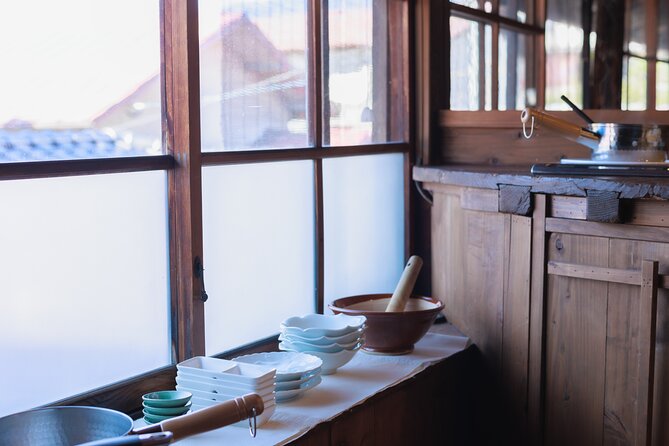
- Inside the kitchen: old wood, sake barrel lids, and tools in your apron
- How the class flows over about 3 hours
- Lunch included: dessert, extra dishes, and the feel of a full meal
- Price and value: what $104.05 buys you in Nagano
- Who should book this class (and who might want to skip)
- Timing, meeting point, and getting there without stress
- Should you book this Nagano Japanese cooking class?
- FAQ
- What is the duration of the Japanese cooking class in Nagano?
- Where does the class take place?
- How much does the class cost?
- What courses can I choose from?
- Is the class taught in English?
- Is lunch included?
- Do I need to bring my own apron or cooking tools?
- Can vegetarians or vegans join?
- Is sake included?
- Where is the meeting point?
Key points worth your attention
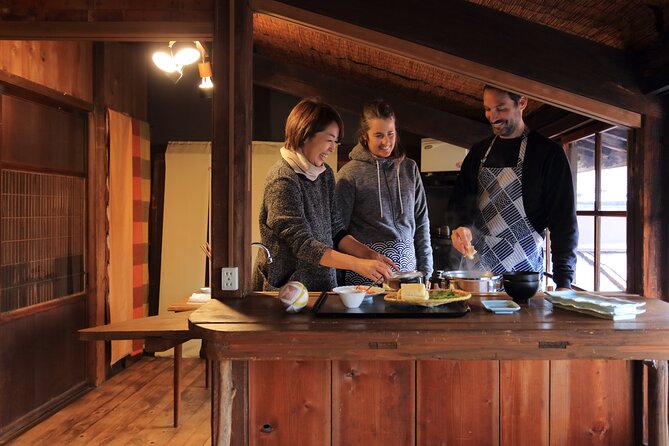
- A 130+ year old Machiya-style house with a peek into traditional storage areas and household tools
- Dashi broth basics taught alongside local ingredient choices
- Three course options: Traditional Local Food, Temari Sushi, or Shabushabu
- Aprons and cooking tools provided, so you can travel light
- Lunch plus dessert included, not just the single dish you make
- Vegetarian and vegan recipes adjusted for the course you choose
Entering a Machiya merchant home in Shinano-Ōmachi

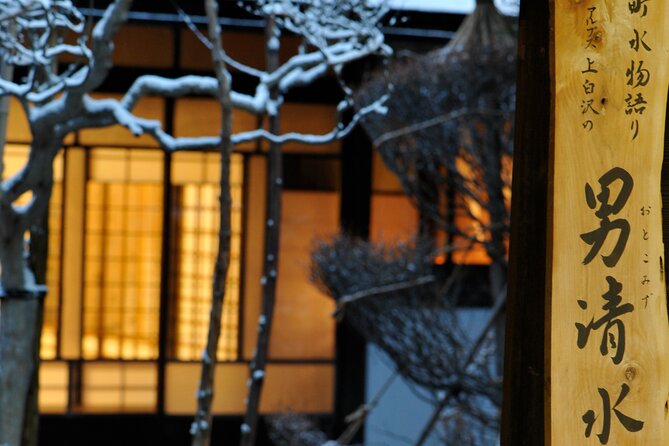
The class starts in Shinano-Ōmachi, in Nagano, and you meet at Shinano-Ōmachi Station. From there, you’ll be taken into an over 130-year-old home built in the Machiya style—an old-school urban house type associated with merchants.
What makes this more than a standard cooking workshop is the setting. You can look around the house’s inside and get a feel for how people lived when the city’s biggest shōya (merchant) ran things from a home like this. The kitchen area is on the second floor, and you’ll also get that lovely view of the Japanese garden once you’re settled.
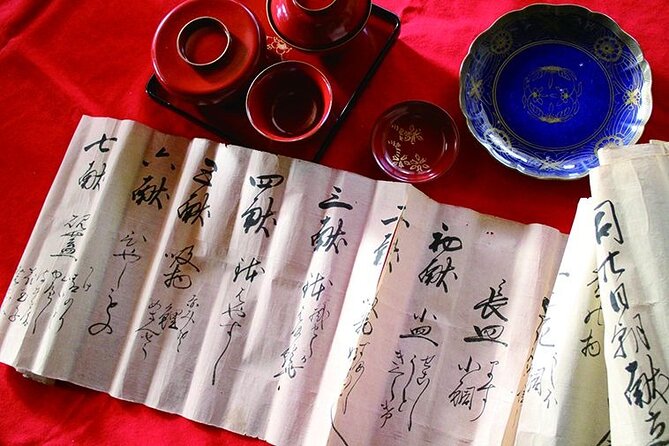
There’s also a slow, old-house rhythm to the tour. You’ll see traditional items that have been kept carefully in a kura, the traditional storage space at the back of the house. Expect to encounter things like a koto (Japanese harp) and an old sawing machine—objects that help explain why Japanese food culture is tied so closely to season, craft, and patience.
Practical note: because the kitchen is upstairs, plan on using stairs. If you’re sensitive to steps, this is worth taking into account before you go.
The food story behind Nagano’s cold climate and salt-road routes
The cooking isn’t just about recipes; it’s also about why those recipes made sense in this region. Shinano-Ōmachi sits at the bottom of the Northern Japanese Alps, in a cold climate. That matters because cold weather pushes people toward comforting broths, hearty portions, and flavors that hold up well.
The town was also historically a stopover point on the Salt Road, the route connecting the Sea of Japan and the middle of Honshu. Salt trade helped shape local diets and cooking habits—especially the way umami is built, how flavors get layered, and why so many dishes revolve around broth and seasoning.
In the class, that context shows up when you’re choosing ingredients. You’ll be introduced to local products that aren’t normally seen at regular supermarkets. You’re not just learning what to cook; you’re learning how people here think about food.
That approach is a big reason the class gets praised as genuinely authentic: it connects the ingredients to place, instead of treating cuisine like a set of random steps.
What you actually cook: dashi, local ingredients, and three course choices
Cooking classes can be either hands-on or mostly watch-and-copy. This one stays hands-on, and the pace is built around a core skill: how to make dashi broth.
Dashi is the foundation for a lot of Japanese cooking—broth that brings out flavor without overpowering it. Learning it properly helps you understand why certain dishes taste the way they do, and it gives you a technique you can reuse long after you leave Nagano.
From there, the class offers three course choices. You choose the menu that fits your mood:
Traditional Local Food Course
This option focuses on the local food culture of the region. You’ll cook using local ingredients and learn how to think about them in a way you can repeat at home. If you want the most “Nagano” feel, this is usually the best bet.
Temari Sushi Course
Temari sushi is a fun style of sushi—bite-sized and often shaped more like small balls than the usual rolls. If you like food that looks neat and eats well without fuss, you’ll likely enjoy this option.
Shabushabu Course
Shabushabu is warm, comforting, and broth-based. It’s a good match for cold-weather cooking and often appeals to people who want something social and shareable. If you like tasting sauces, dipping, and building flavor at the table, this course fits that vibe.
No matter which option you choose, you’ll get a recipe and tips to take home. Recipes are adjusted for vegetarians and vegans, so you’re not stuck with a single limited version.
Inside the kitchen: old wood, sake barrel lids, and tools in your apron
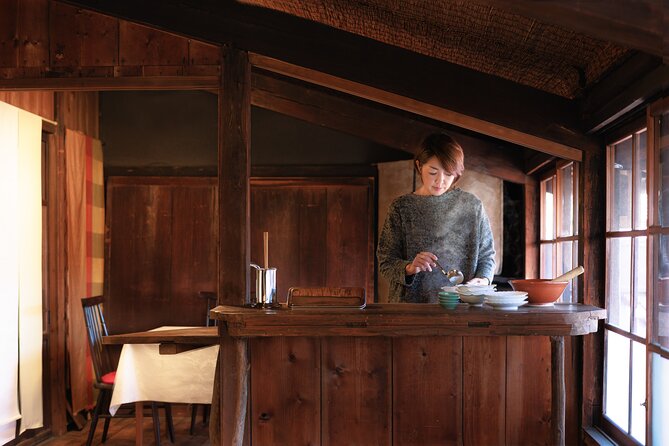
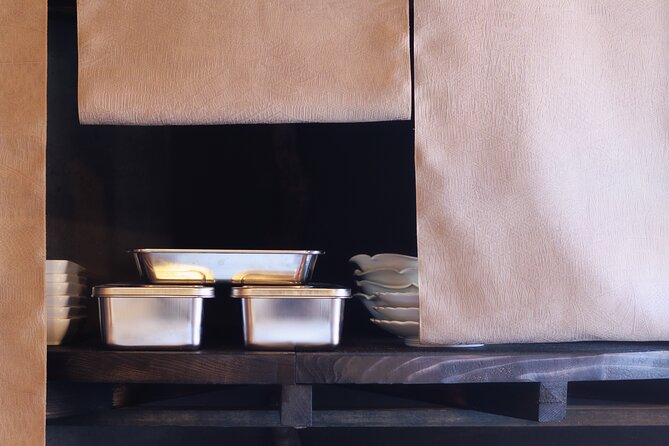
One of my favorite details is how the kitchen is made. The cooking space uses sake barrel lids from a local brewery. It’s not a random decoration—it’s a quiet reminder of how materials and food culture overlap in Japan. You’re learning to cook in a space that already carries food history.
You don’t have to bring anything for cooking. The class provides aprons and other cooking tools. That’s a small thing, but it matters when you travel: less gear to pack means more room for the souvenirs you’ll want after.
The kitchen setup also supports the class style: you’ll be shown basics, then you’ll do the hands-on parts. English instruction is part of the package, and the teaching stays practical—enough explanation that you can replicate the results later.
Also, if you’re over 20, alcoholic beverages like sake are optional. The class itself is centered on cooking and eating, so even if you skip alcohol, the experience still feels complete.
How the class flows over about 3 hours
The total class time runs about 3 hours. That’s a sweet spot for learning without feeling like you’re trapped in a half-day cooking marathon.
The flow typically goes like this:
1) Arrive and settle in at the traditional house setting
2) Walk through parts of the home, including traditional storage and preserved items in the kura
3) Get oriented to ingredients and techniques, including dashi broth basics
4) Cook your chosen course, hands-on with guidance
5) Eat what you made, plus additional dishes that round out lunch
6) Take home the recipe and tips so you can cook again later
Because the kitchen is on the second floor, plan a little time for getting up there and getting settled. Once cooking starts, the pace is geared toward finishing a full meal, not just demo samples.
Lunch included: dessert, extra dishes, and the feel of a full meal
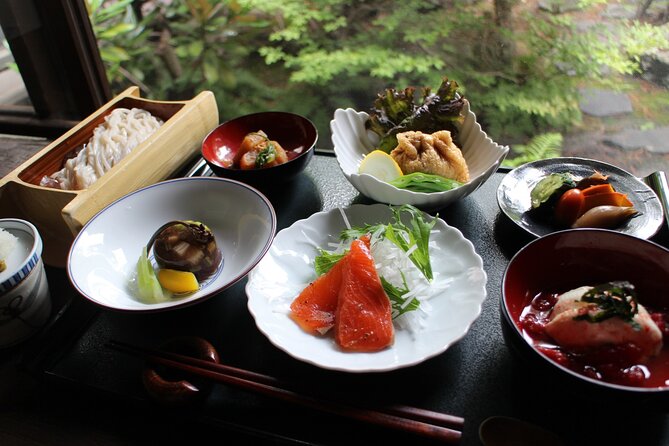
A lot of cooking classes say lunch is included, then it’s really just a small portion. Here, lunch is the point. You’ll eat on top of what you cook during the class, with other dishes and noodles or rice, plus dessert.
That matters because it lets you taste the broader logic of the meal. You’re not only practicing technique; you’re seeing how dishes fit together at the table. And since the course choices vary, the lunch experience helps make each option feel like a complete set, not a single isolated dish.
If you care about value, this is one of the reasons the price tends to feel fair. You’re paying for a full cooking-and-eating experience in an authentic house, plus instruction you can carry home.
Price and value: what $104.05 buys you in Nagano
At $104.05 per person for about 3 hours, you’re not paying budget-cooking-class prices. But you are getting several things that usually cost extra elsewhere: a private setup for your group, ingredient-focused instruction, and a full lunch experience with dessert.
The standout value is the take-home learning. You get recipes adjusted for vegetarian and vegan diets, plus tips so you can recreate the dishes back home. If you’re the kind of person who actually cooks after a trip, this class tends to pay off because you’re buying skills, not just a one-time meal.
It also helps that the environment is part of the deal. You’re cooking in a historic Machiya-style home with preserved traditional items, and the kitchen itself uses sake barrel lids. That’s the sort of detail you can’t recreate with a generic cooking session.
Who should book this class (and who might want to skip)
I think this is a strong fit if you:
- Want a hands-on Japanese cooking class in English
- Like learning the “why” behind ingredients, not just memorizing steps
- Are traveling in Nagano and want something more authentic than a restaurant meal
- Want recipes that work for vegetarian or vegan preferences
- Enjoy broth-based Japanese cooking and want to learn dashi
You might consider skipping if:
- You have trouble with stairs (the kitchen is on the second floor)
- You’re looking for a very flexible menu with lots of different dishes at once. This is structured around one of three course options, so you’ll focus deeply instead of sampling everything.
Timing, meeting point, and getting there without stress
The meeting point is Shinano-Ōmachi Station, in Omachi, Nagano 398-0002, Japan. The activity ends back at the meeting point.
It’s also offered on Mondays during the listed operating seasons, with sessions running from 11:00 AM to 2:00 PM. You’ll receive confirmation at booking, and you’ll have a mobile ticket.
If you’re building a day around it, give yourself enough buffer to move calmly from the station to the house and back. This class feels best when you’re not rushing.
Should you book this Nagano Japanese cooking class?
I’d book it if you want a real taste of Nagano cooking culture in a setting that feels like an actual home, not a staged demo kitchen. The combination of dashi basics, local ingredients you won’t find easily in regular shops, and a full lunch with dessert makes it a practical choice, not just a fun story for later.
Also, the fact that the recipes are adjustable for vegetarians and vegans is a big deal. Many food experiences still struggle with that, but here it’s built into the class plan.
If your priorities are shortcut cooking or maximum sightseeing, you may feel this is too focused. But if you want something you can repeat—broth skills, local ingredient ideas, and the confidence to cook at home—this is the kind of trip-time effort that pays you back.
FAQ
What is the duration of the Japanese cooking class in Nagano?
The class runs for about 3 hours.
Where does the class take place?
It takes place in a traditional, over 130-year-old house in Nagano, with the kitchen on the second floor.
How much does the class cost?
The price is $104.05 per person.
What courses can I choose from?
You can choose from three courses: Traditional Local Food, Temari Sushi, or Shabushabu.
Is the class taught in English?
Yes. The experience is described as being in English.
Is lunch included?
Yes. Lunch is included, including what you cook during the class plus other dishes, noodles or rice, and dessert.
Do I need to bring my own apron or cooking tools?
No. Aprons and other cooking tools are provided.
Can vegetarians or vegans join?
Yes. The recipes are adjustable for vegetarians and vegans.
Is sake included?
Alcoholic beverages are optional, and sake is available for those over 20 years old. The class itself is centered on the cooking and included meal.
Where is the meeting point?
The meeting point is Shinano-Ōmachi Station in Omachi, Nagano 398-0002, Japan, and the activity ends back at the meeting point.