REVIEW · ITALY
Tropea: Calabrian Cooking Class with Lunch
Book on GetYourGuide →Operated by CST Travel · Bookable on GetYourGuide
Tropea’s cooking classes have a way of turning food history into something you can actually do with your hands. In this 3-hour class near town, you’ll learn Calabrian technique, make a fresh pasta course, and then sit down to lunch with a glass of wine. I like the garden-to-plate focus and the practical “cook it this way at home” guidance.
The best part is the specific menu. You’ll prepare fresh pasta (filejia or gnocchi) with its sauce, a dish featuring Tropea red onion, plus a vegetable appetizer. One possible drawback: transportation isn’t included, so you’ll want to budget for the round-trip transfer if you’re not already nearby.
In This Review
- Key Things I’d Prioritize in This Tropea Class
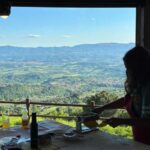
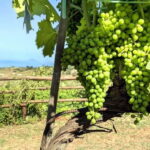
- A 3-hour Tropea cooking class set on a vineyard
- What you’ll cook: filejia or gnocchi, Tropea red onion, and a veg starter
- 1) Fresh pasta: filejia or gnocchi plus the sauce
- 2) A dish built around Tropea red onion
- 3) A vegetable appetizer
- Organic garden ingredients: the part you’ll feel in the finished flavors
- How the class flows: chef help while you build a full lunch
- What you’ll learn beyond recipes (the technique stuff that travels home)
- Lunch with wine at the end: why this format is worth the price
- Price and logistics: what $113.29 buys you, and what to double-check
- Who should book this class near Tropea, and who might skip it
- Rating and what it suggests
- Should you book the Tropea Calabrian Cooking Class with Lunch?
- FAQ
- How long is the Tropea Calabrian cooking class with lunch?
- What does the class include?
- What pasta will I learn to make?
- What ingredients and dishes are part of the menu?
- Is wine included with lunch?
- Where does it start and how do I find the meeting point?
- Is transportation included in the price?
- What languages are available during the class?
- What if I have allergies or dietary restrictions?
- Can I cancel, and do I have to pay right away?
Key Things I’d Prioritize in This Tropea Class
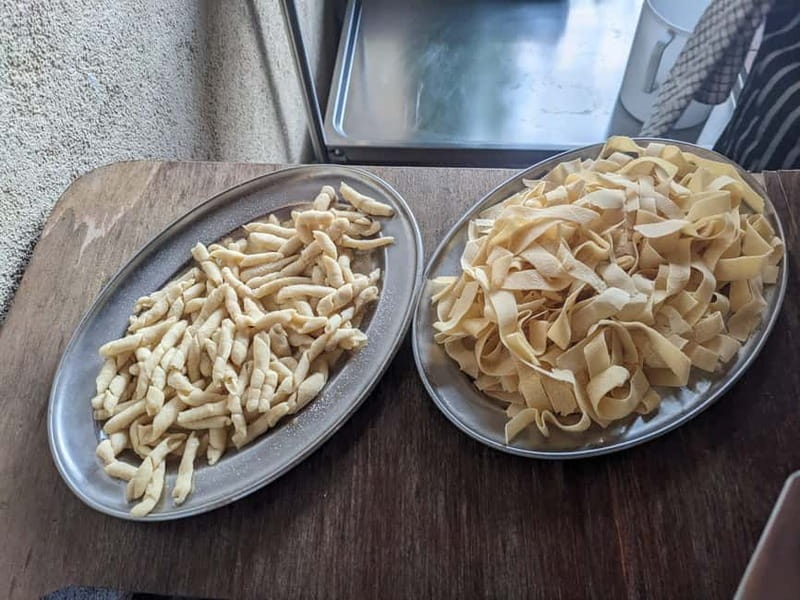
- Fresh pasta focus: you learn one pasta type (filejia or gnocchi) plus a proper sauce pairing
- Tropea red onion show-stopper: you’ll cook with the ingredient Calabria is proud of
- Organic garden ingredients: you start with fresh produce, not supermarket “close enough”
- Lunch included with wine: you’ll eat what you make, with wine and water at the table
- Recipes to take home: you get written guidance for recreating the dishes later
- Small, friendly workshop energy: a relaxed pace helps you actually learn, not just watch
A 3-hour Tropea cooking class set on a vineyard
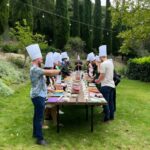
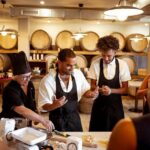
This is a hands-on class that runs about 3 hours. You start by meeting the chef and guide at the location, which is near Tropea and at a vineyard. You’re not handed a script or a rigid lesson plan. Instead, you’re cooking with an experienced instructor, getting step-by-step help as you go.
What makes this format practical is the balance. You’ll work in the kitchen long enough to learn technique, then you’ll switch gears and enjoy a lunch that uses the food you just made. That matters because pasta and sauces can be hard to “get” from watching alone. Here, you taste as you cook, which helps you lock in what the flavor should feel like.
Language support is also a real plus: the instructor works in Italian and English, so you should be able to follow along comfortably even if your Italian is still on the “survival mode” level.
You can also read our reviews of more tours and experiences in Italy.
What you’ll cook: filejia or gnocchi, Tropea red onion, and a veg starter
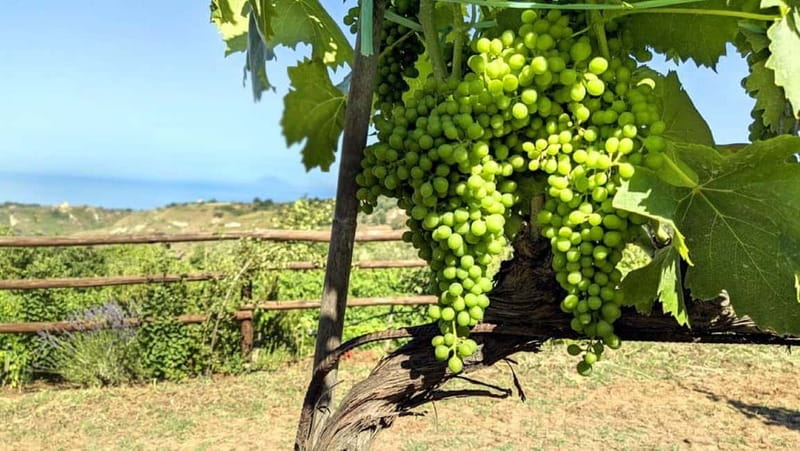
Here’s the menu shape, and it’s the reason this class feels like it’s really about Calabrian food—not generic Italian cooking.
1) Fresh pasta: filejia or gnocchi plus the sauce
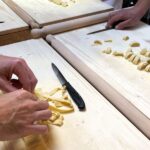
You’ll learn one type of pasta, either filejia or gnocchi (the class chooses based on what’s offered). Then you learn its respective sauce. That pairing is important. In many cooking lessons, you learn a pasta and a sauce like two separate topics. Here, the goal is that you understand how they work together—texture, thickness, and how the sauce clings.
Expect a hands-on approach: you’ll be doing the work, not just standing near the pot. If you’re the type who likes understanding the why (what makes the dough behave, what to look for while cooking), this style tends to click fast.
2) A dish built around Tropea red onion
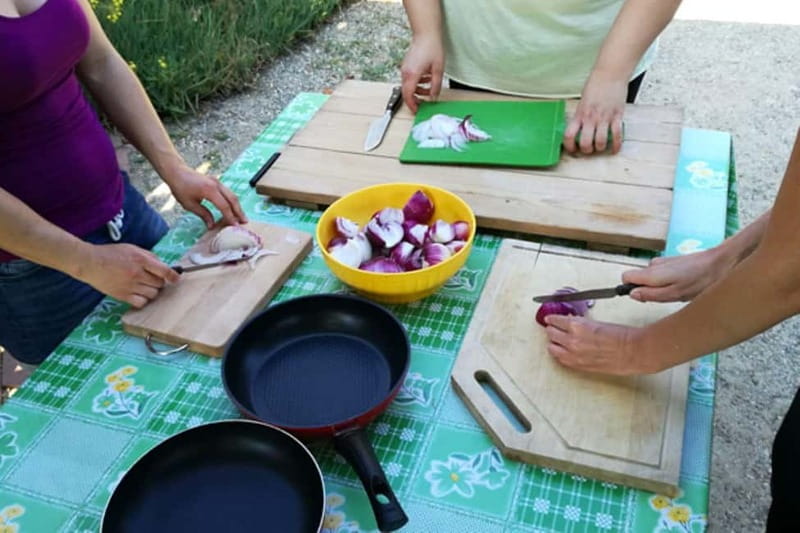
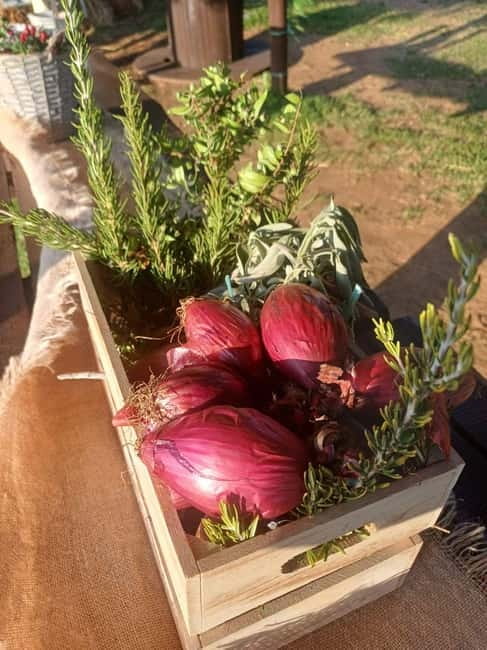
You’ll also prepare a dish that uses Tropea red onion. If you’ve ever had this onion when it’s treated right, you know the magic: it’s sweet, aromatic, and it can turn into a sauce or topping that feels almost caramel-like when cooked properly.
In class, you’ll learn how to handle it as an ingredient, not just as a flavor idea. The value here is that Tropea red onion is tied to place. Learning how to cook it means you’re learning a regional ingredient habit you can replicate later.
3) A vegetable appetizer
Finally, there’s a vegetable appetizer. The exact style isn’t spelled out in the details you have, but the theme is clear: you’ll learn how Calabrian cooking uses vegetables as part of the meal structure, not as an afterthought.
This is often where people get surprised. A good vegetable course can teach you what herbs, seasoning style, and cooking time actually look like in practice.
Organic garden ingredients: the part you’ll feel in the finished flavors
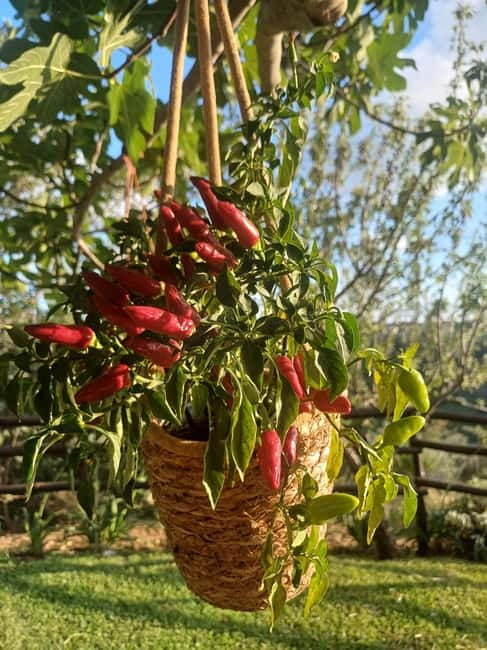
The class highlights fresh, organic ingredients from the garden. Even without a long lecture, this changes what you can learn. When produce is fresh and seasonal, it behaves differently—its taste is stronger, its sweetness is more obvious, and it doesn’t need heavy-handed rescue.
In a cooking class, that matters because it helps your brain link technique to result. You’ll cook pasta and sauce, then use garden ingredients for the other courses. If something tastes great, you’ll be able to trace it back to choices: ingredient ripeness, seasoning timing, and how long you let things cook.
Also, garden produce makes a difference for the vegetable appetizer and for anything onion-adjacent. Tropea red onion already carries that sweet, friendly flavor; fresh produce adds the “whole dish” effect. You’ll sit down and notice the ingredients aren’t muted.
How the class flows: chef help while you build a full lunch
The arc is simple and not rushed. You begin at the vineyard location, then you cook. As you cook, you get tips for recreating the dishes at home. That instruction style is what keeps this from becoming a hands-on meal that you remember only as a nice afternoon.
Here’s the practical rhythm you can expect:
You meet the chef and guide, get oriented, and start cooking your pasta. Then you move into the Tropea red onion dish and the vegetable appetizer, keeping the workflow moving toward a complete meal.
At the end, you sit down to eat your work. The meal includes beverages: a glass of wine and water with lunch. That’s not just a nice touch. It helps the lunch feel like a true meal, not a “reward” for finishing a task.
And the atmosphere is described as relaxed and friendly. That matters more than people think. When you’re calm, you can ask questions, and the chef’s guidance actually sticks.
What you’ll learn beyond recipes (the technique stuff that travels home)
You do take home recipes, but the bigger value is the technique-based tips woven into the cooking. The class is specifically focused on Calabrian regional cuisine, so you’re not just copying a dish. You’re learning how to recreate the logic behind the flavors.
Based on the way the courses are organized, here are the skills you’re likely to leave with:
- How fresh pasta should feel and behave, since you’ll be making filejia or gnocchi
- How to pair pasta with its sauce, not just “cook sauce on the side”
- How to cook Tropea red onion so it becomes sweet and ready for the dish
- How to build a vegetable appetizer as part of the course plan
- What to look for while cooking, so you can adjust at home rather than fear ruining the dish
If you’re worried about whether you’ll remember everything, don’t. You’ll get the recipes for all dishes prepared during the class. Still, the best souvenir is usually the one you can taste again after a week of cooking at home.
Lunch with wine at the end: why this format is worth the price
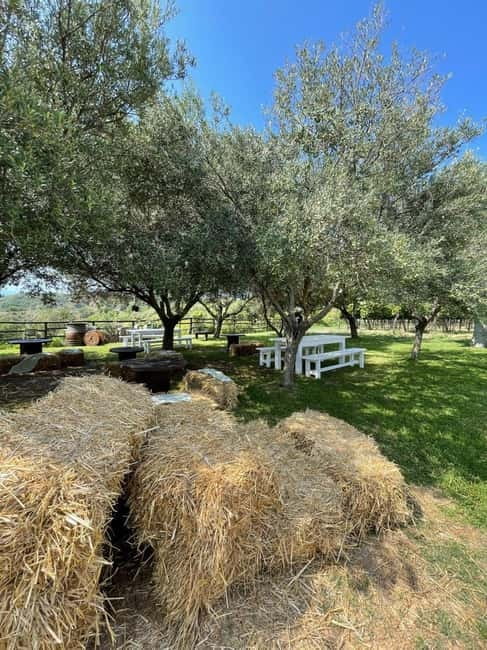
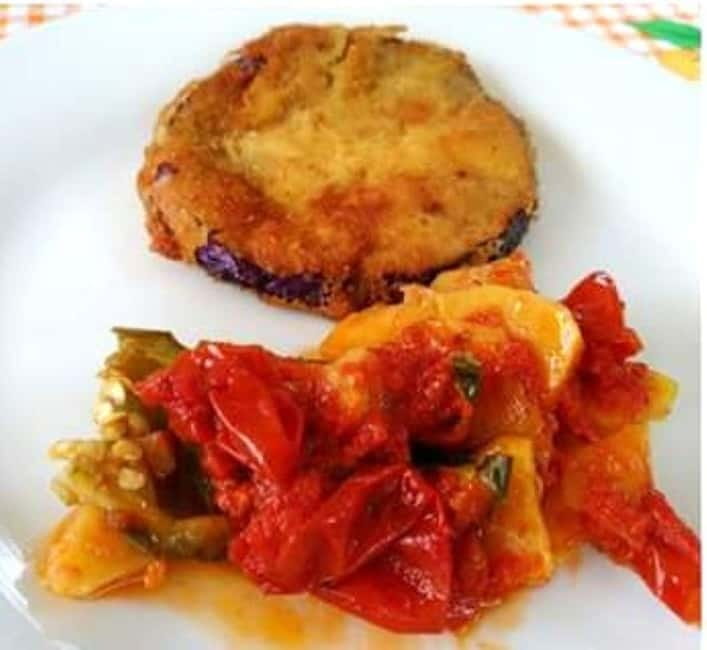
This is a cooking class where lunch is built into the experience. That’s huge value. You’re not just buying time in a kitchen; you’re also getting a 3-course meal you personally prepared.
The wine is included as a glass, plus water. Wine with lunch also helps you shift from “teacher-led cooking” to “normal dining.” You’ll taste the result while it’s still warm and fresh, which is when flavors make the most sense.
There’s also a small psychological bonus: because you made it, you’re less likely to treat the meal like a check-the-box experience. You’ll pay attention to how the pasta texture matches the sauce and how the onion dish fits into the broader flavor plan.
Price and logistics: what $113.29 buys you, and what to double-check
The price listed is $113.29 per person, and the duration is about 3 hours. For that money, you’re getting expert guidance, all ingredients, a full lunch with beverages (wine and water), and recipes to take home.
That’s a good bundle for two reasons:
1) Ingredients and instruction are the expensive parts of cooking classes, and those are included.
2) You’re not paying separately for lunch, because your lunch is part of the learning.
The one extra cost to plan for is transportation. The details say that transfers are requested at booking and cost:
- 30€ round-trip for 1 person
- 15€ round-trip from 2 people and up
And the transfer payment is made directly on the same day.
So, your real “apples-to-apples” cost depends on where you’re staying and whether you’re booking alone. If you can group up with a friend or two, the transfer price per person drops a lot.
Also note: you’ll be contacted after you reserve to get the exact meeting location to reach. That’s normal for vineyard settings where directions can be tricky, but you’ll want to watch for that message.
Who should book this class near Tropea, and who might skip it
This is a strong fit if you:
- want hands-on cooking rather than a food tour with quick tastings
- like regional Italian food and want Calabria-specific technique
- enjoy learning pasta and sauces and eating what you make
- want take-home recipes you can actually use
You might consider another option if you:
- hate cooking tasks and prefer sitting and tasting only (this one has a lot of doing)
- have very complex dietary needs that require careful substitutions, since you’re asked to inform the organizers of any dietary restrictions or allergies in advance
One more practical point: wear comfortable clothing suitable for cooking. Pasta work can get messy, and gardens can mean you’ll be moving between areas.
Rating and what it suggests
This experience shows a 4.3 rating from 3 reviews. That’s not a huge sample size, but it does suggest the class is landing well with people who want a real cooking lesson, not just a meal.
If you’re the kind of traveler who likes learning one thing deeply in a short timeframe, this format matches that style.
Should you book the Tropea Calabrian Cooking Class with Lunch?
My take: if you’re in the Tropea area for a few days and you want one “do it yourself” experience that pays off at the table and later at home, this class is a smart bet.
Book it if you want:
- fresh pasta practice (filejia or gnocchi)
- a meal that feels like a genuine lunch, with wine included
- recipes you can use, plus tips while you cook
Maybe skip it if you’re only interested in tasting or you’d rather spend your time on something that doesn’t involve cooking.
If you can handle light kitchen work and you’re okay budgeting for transfer if needed, you’ll likely come away with skills, not just memories.
FAQ
How long is the Tropea Calabrian cooking class with lunch?
It lasts about 3 hours.
What does the class include?
You get expert culinary guidance, all ingredients, a 3-course lunch with beverages (wine and water), and recipes for the dishes you prepare.
What pasta will I learn to make?
The class teaches one type of pasta, either filejia or gnocchi, along with its respective sauce.
What ingredients and dishes are part of the menu?
You’ll cook pasta with sauce, a dish featuring Tropea red onion, and a vegetable appetizer. The class also uses fresh, organic ingredients from the garden.
Is wine included with lunch?
Yes. Lunch includes a glass of wine plus water.
Where does it start and how do I find the meeting point?
After you reserve, you’ll be contacted to get the exact location to reach. The activity ends back at the meeting point.
Is transportation included in the price?
No. Transportation is available for an extra cost: 30€ round-trip for 1 person, or 15€ round-trip from 2 people and up, paid directly on the same day.
What languages are available during the class?
The instructor and guide work in Italian and English.
What if I have allergies or dietary restrictions?
You should inform the organizers in advance about any dietary restrictions or allergies, so the team can plan for them.
Can I cancel, and do I have to pay right away?
You can cancel up to 24 hours in advance for a full refund. You can also reserve now and pay later (no payment today).