REVIEW · KO LANTA
Cooking Class and Market Tour at Lanta Thai Cookery School on Koh Lanta
Book on Viator →Operated by Oh-Hoo · Bookable on Viator
Cooking in a Thai rubber-plantation kitchen feels like a cheat code. This experience pairs a fresh market visit with a hands-on cooking class at Lanta Thai Cookery School on Koh Lanta, so you’re not just learning recipes, you’re learning ingredients and Thai flavor logic. I especially like the small-group feel and the fact that you choose from a set of dishes, then dial in meat type and spice level to your own taste.
My main caution is simple: you’ll eat a lot. If you’re the type who wants a light snack experience, this class may be a full-on food day in disguise.
In This Review
- Key Highlights at Lanta Thai Cookery School
- Market-to-Kitchen Thai Cooking in Koh Lanta
- Rubber Plantation Setting and the Small-Group Advantage
- The 10:00 am Market Tour: What You’re Actually Learning
- Choosing Your Dishes From the 10-Option Menu
- Cooking Four Thai Dishes: Hands-On Skills You Can Use Later
- Why the Recipe Book and Certificate Matter
- Price and Value on Koh Lanta
- Who Should Book This Class (and Who Might Want Another Plan)
- Practical Tips for a Smooth 4-Hour Session
- Should You Book Lanta Thai Cookery School on Koh Lanta?
- FAQ
- What time does the Koh Lanta cooking class start?
- How many dishes will I cook?
- Can I choose vegetarian, vegan, or different spice levels?
- How big is the class?
- Can children join?
- What if bad weather happens or I need to cancel?
Key Highlights at Lanta Thai Cookery School
- Market-first learning: You see how locals shop and prep, then use what you find in class.
- Cook 4 dishes from 10 options: The group votes, and you still get spice and meat choices.
- Hotel pickup and drop-off: Starts at 10:00 am, with transportation arranged for you.
- You take more than recipes: A recipe book and a certificate come home with you.
- Adjust to your diet: Dishes can be vegetarian, vegan, spicy, or not spicy.
- Small class energy: Max 10 travelers, with the cooking class capped at 12.
Market-to-Kitchen Thai Cooking in Koh Lanta
If you love Thai food, you’ll probably do this class the same way you do sightseeing: once you know the basics, the whole island tastes better. On Koh Lanta, Lanta Thai Cookery School sets up the experience with a quick hotel transfer and then gets you into the heart of Thai cooking quickly, starting with a market and moving straight into the pan.
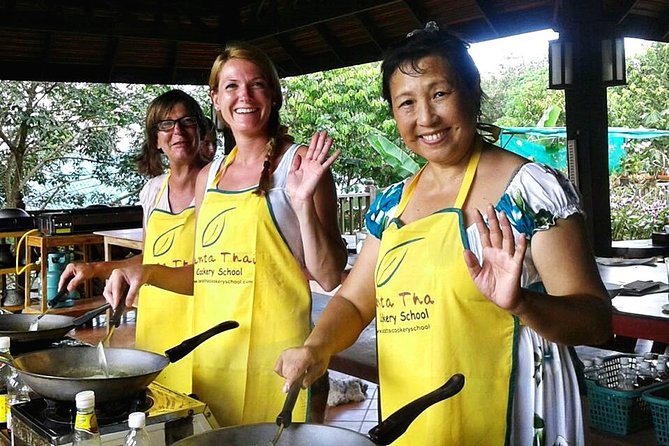
The setting is part of the appeal. The school is in the heart of a lush rubber plantation, which makes the day feel calm and grounded rather than touristy and rushed. And because the group stays small, you get more real guidance than you’d get in a bigger, factory-style class.
You can also read our reviews of more tours and experiences in Ko Lanta.

Rubber Plantation Setting and the Small-Group Advantage
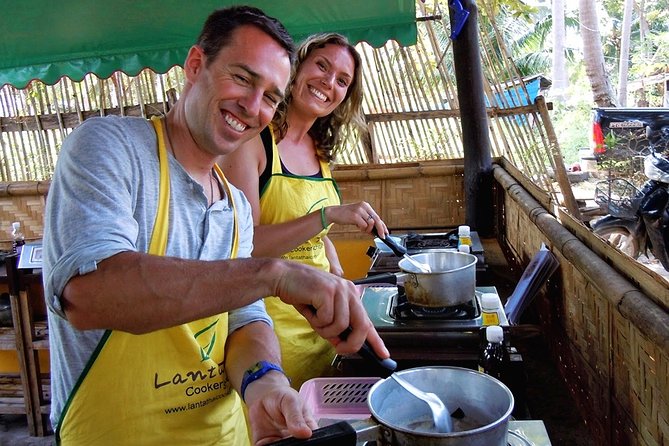
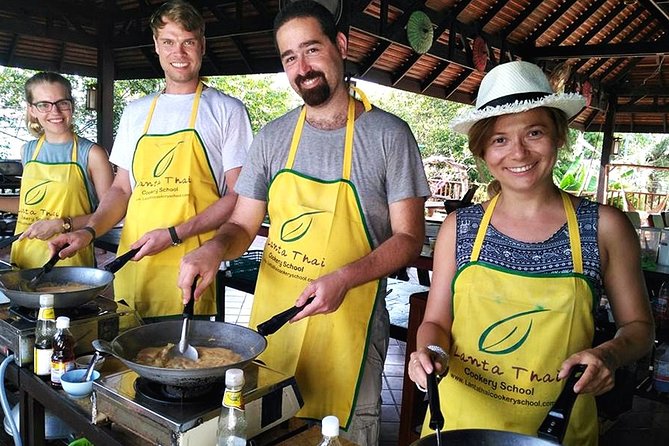
The school’s rubber plantation location isn’t just pretty. It helps the class feel like a working cooking space, not a staged demonstration. You’ll spend your time with a Thai chef who explains what’s in the food and why it matters, including the herbs, vegetables, and spices that build those classic Thai flavors.
Small group size also changes the vibe. With a maximum of 10 travelers (and a cooking class limit of 12), it’s easier for instructors to keep an eye on how you’re chopping, mixing, and tasting. In the kitchen, that matters. Even if you’re a beginner, you’re less likely to get lost mid-recipe.
You may cook alongside different skill levels too, since it works well for first-timers and people who already cook at home. Based on past class energy from instructors such as Sun, San, Pan, and Prim, the common thread is clear, friendly teaching and strong English so you understand what you’re doing.
The 10:00 am Market Tour: What You’re Actually Learning
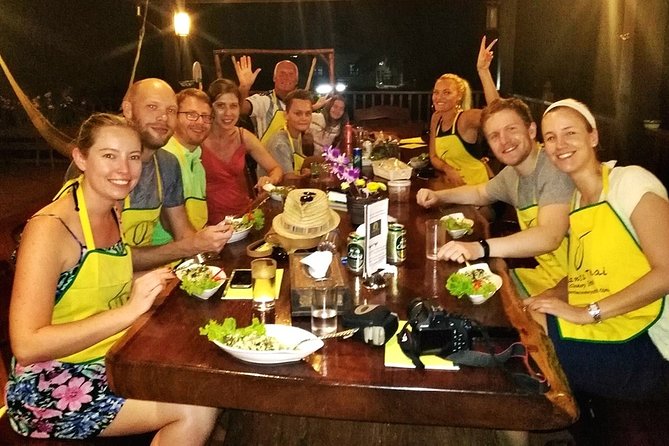
Your morning starts with pickup and a trip to the school, then the market comes into play. The market stop is not just a shopping detour. It’s how Thai cooking makes sense: you learn what locals look for, what ingredients they treat as essentials, and how herbs and produce show up on plates.
You’ll discover how people buy and prepare food in real life, not just how it appears on restaurant menus. That’s useful when you cook later, because many Thai dishes depend on aromatic ingredients and texture, not only on sauce names.
Practical tip: treat the market as your ingredient cheat sheet. If you see something you can’t name yet, watch what it’s doing in the dish. The goal is to understand the role—fresh herb, seasoning, crunch, sour element—so you can recreate it later with what you can find at home.
And yes, this part also supports the cooking class. You’ll be able to pick up a few supplies for the class, and you’ll come back to the kitchen with a better sense of what your ingredient choices influence.
Choosing Your Dishes From the 10-Option Menu
Here’s one of the smartest features: you don’t just get assigned a set menu. There are 10 dishes to choose from, and the group votes on which four you’ll cook. That keeps the class fun, shared, and adjustable, especially if you have a mix of tastes in your group.
The part you control personally is the details. Once the four dishes are selected, you can choose things like meat type and spice level according to your preferences. If you want vegetarian or vegan versions, the class can accommodate that too, and dishes can also be adjusted to be spicy or not spicy.
This setup is a win, but it’s also your one real “watch out” factor. If you have strong opinions and your top pick doesn’t win the vote, you might not cook it today. The good news is that you still get to steer key choices—especially spice—and Thai cooking gives you multiple directions to explore even within the same dish type.
For families: children aged 7 to 11 can join, but they choose only 2 dishes. It’s a nice way to keep the session manageable for younger cooks while still letting them participate.
Cooking Four Thai Dishes: Hands-On Skills You Can Use Later
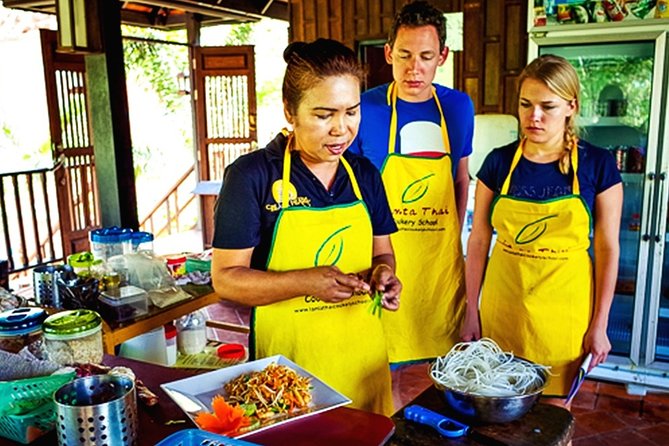
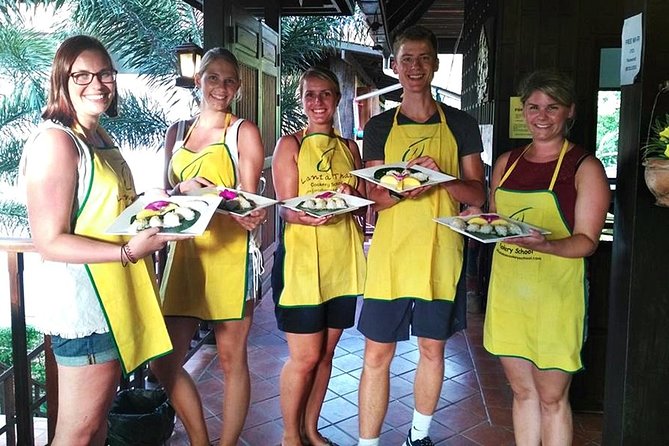
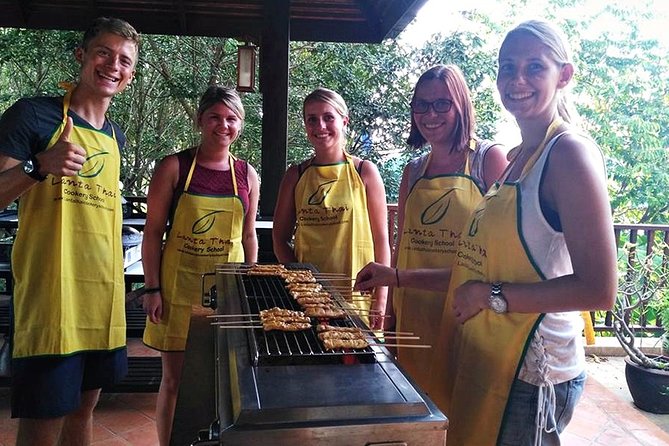
When the cooking starts, you’ll learn how to work through Thai recipes with a guide who focuses on ingredients and technique. The class doesn’t feel like a lecture. You’ll be actively cooking, then eating what you make with your group, which is how you lock in flavors fast.
The teaching style tends to be practical and step-by-step. In past sessions, instructors like Pan have been praised for explaining ingredients clearly in English, and Sun and Prim have earned notes for being friendly and energetic. That kind of teaching matters because Thai cooking includes small moves—timing, heat control, and balancing sour/sweet/salty/spicy—that you need to feel, not just hear about once.
Also, be ready for the quantity. A common theme is that you cook and eat a lot. That can be a positive if you like full meals and want leftovers, but it’s worth planning your day around it.
A good approach while cooking: taste frequently, adjust spice thoughtfully, and ask when something feels off. The instructors generally help along the way, and the class is set up for beginners. If you can chop, you can learn the system.


Why the Recipe Book and Certificate Matter
This isn’t just a “try it once” class. You’ll take home a recipe book and a certificate, which gives you something tangible to reference when you’re cooking later.
That paper backup is more valuable than it sounds. Thai cooking can be intimidating when you’re staring at a list of ingredients and unsure about how they come together. A recipe book helps you repeat the structure—what gets fried first, what stays fresh, how the balance is built.
The certificate is mostly for fun and a sense of accomplishment, but the recipe book is the real return on investment. It turns the class into a skill you can use again after you go back to real grocery stores.
Price and Value on Koh Lanta
At $62.31 per person for about four hours, the pricing may look mid-range for a cooking class. The value comes from what’s included: hotel pickup and drop-off, a market visit, cooking four dishes, and taking home both a recipe book and certificate.
You’re also paying for small group attention and for the learning component. Thai cooking is not just about following steps; it’s about understanding ingredients like herbs and spice combinations. If you’ve ever left a cooking class unable to recreate the results at home, this is the kind that gives you more of the why.
One extra note if you’re coming as a couple or group: if someone comes along but doesn’t want to cook, there’s an extra 500 Baht per person fee. That includes a share of the food and transportation, so you’re not dragging a non-cook through a dry waiting session.
Who Should Book This Class (and Who Might Want Another Plan)
This is a great fit if you want a hands-on Thai food experience in Koh Lanta without needing advanced cooking skills. It’s also a good choice if you like learning with your senses—smell herbs, taste sauces, and see how market ingredients actually show up in recipes.
It’s especially suited to:
- Couples and friends who want a shared activity and a real meal
- Food lovers who like learning ingredient roles, not just recipe steps
- Beginners who want friendly instruction in clear English
It may be less ideal if:
- You want a short snack activity instead of a full cooking-and-eating session
- You dislike group decision-making, since the four dishes are chosen by vote
If you’re traveling with kids, it can work well because children can choose two dishes and still participate in the experience.
Practical Tips for a Smooth 4-Hour Session
Plan for a late-morning start. The class begins at 10:00 am, and with pickup and market time included, you’ll want to keep the rest of your day clear. It’s also smart to eat lightly beforehand, because you’ll end up with a lot of food during and after cooking.
Wear comfy clothes and shoes you don’t mind getting a little kitchen-splatter risk. Even when the class is well-run, cooking involves heat, chopping, and active mixing.
If you care about spice, think ahead. You can choose spice levels and dietary options like vegetarian or vegan, so decide your comfort range early. Thai dishes often taste better when you balance spice with flavor, so you’ll have better results if you’re honest about what feels good for you.
Also, keep your expectations realistic about menu choice. Since you cook four out of 10 selected by group vote, bring flexibility. The upside is that you’ll still learn across multiple Thai dish styles.
Finally, come with curiosity. Ask about herbs and spices while you’re there. Those are the ingredients that make Thai food feel distinct, and understanding them makes your home-cooking attempts more accurate.
Should You Book Lanta Thai Cookery School on Koh Lanta?
I think you should book it if your goal is to learn Thai cooking in a practical way, not just eat a fancy meal. The combination of a market tour, small-group kitchen time, and four dishes you actually cook gives you both story and skill.
You should also book if you want guidance in English and a friendly teaching approach. Instructors like Sun, San, Pan, and Prim come up for their teaching style, and that matters when you’re trying to understand the logic of Thai flavors.
If you’re worried about quantity, don’t be. You can adjust spice and dietary preferences, but you can’t really make it a tiny food experience. If you’re hungry and open to group choices, this class is a strong way to spend part of your day on Koh Lanta.
FAQ
What time does the Koh Lanta cooking class start?
The experience starts at 10:00 am, with pickup and drop-off provided from your hotel on Koh Lanta.
How many dishes will I cook?
You’ll cook four Thai dishes. There are 10 dishes to choose from, and the group votes on which four you cook.
Can I choose vegetarian, vegan, or different spice levels?
Yes. Dishes can be adjusted to be vegetarian or vegan, and they can be made spicy or non spicy to match your preferences.
How big is the class?
The cooking class is limited to a maximum of 12 people, and the tour has a maximum of 10 travelers.
Can children join?
Children aged 7 to 11 can join and choose only 2 dishes.
What if bad weather happens or I need to cancel?
You can cancel for a full refund up to 24 hours before the experience starts. The experience also requires good weather, so if it’s canceled due to poor weather, you’ll be offered a different date or a full refund.