REVIEW · TOKYO
Hands-on Japanese Cooking in a Shinjuku Home Kitchen with Satoru
Book on Viator →Operated by Traveling Spoon · Bookable on Viator
A Shinjuku cooking class in a real home kitchen sounds like the Tokyo you can’t Google. This is a private session with Satoru where you learn Japanese homestyle dishes from scratch, then eat what you make in the same apartment. I especially like the private meal with conversation, because the class turns into more than just recipes—it’s cultural context you can taste. One thing to plan around: menus change by day and you need to request any swaps or restrictions far enough in advance.
I like that the experience feels designed for actual home cooking—small, practical, and focused. You’ll meet at Shinjuku Station (JR Shinjuku 3-chōme), walk to Satoru’s cozy apartment, cook for about 90 minutes, then sit down for the private meal with a local drink. Just be aware that because it’s a home kitchen, the schedule is tight and the menu you’re cooking depends on the day.
In This Review
- Key highlights worth centering your plans on
- Why a Shinjuku Home Kitchen Beats a Restaurant Lesson
- Meeting Satoru at JR Shinjuku and Walking to the Apartment
- The Cooking Session: Teishoku on Weekdays vs Tokyo Favorites Midweek
- Sat–Tue: Teishoku-style set meal
- Wed–Fri: popular Japanese foods
- Why you should check the menu in advance (seriously)
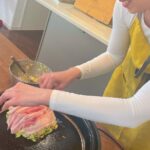
- What the hands-on cooking actually feels like
- The Private Meal and Local Drink: Learning Continues at the Table
- The Utensil and Ingredient Gift: Real Take-Home Value
- Price and What $130 Really Covers in Real Terms
- Who This Class Fits Best (and When to Rethink It)
- Should You Book Satoru’s Shinjuku Cooking Class?
- FAQ
- How long is the cooking class in Satoru’s Shinjuku home kitchen?
- What is the price per person?
- Where do I meet Satoru?
- What will I cook during the class?
- Can I request a vegetarian option or dietary adjustments?
- Does the tour include pickup and drinks?
- Is this a private experience and can I cancel for a refund?
Key highlights worth centering your plans on
- Shinjuku location with JR Shinjuku pickup: you meet at the station and start from there
- Day-specific menus: Teishoku-style on Sat–Tue, popular Tokyo foods on Wed–Fri
- Cook 2–5 homestyle dishes: you’ll build dishes from scratch, not just watch
- Private meal plus local alcohol: one-on-one conversation at the table
- A gift to take home: a Japanese utensil and an ingredient
Why a Shinjuku Home Kitchen Beats a Restaurant Lesson
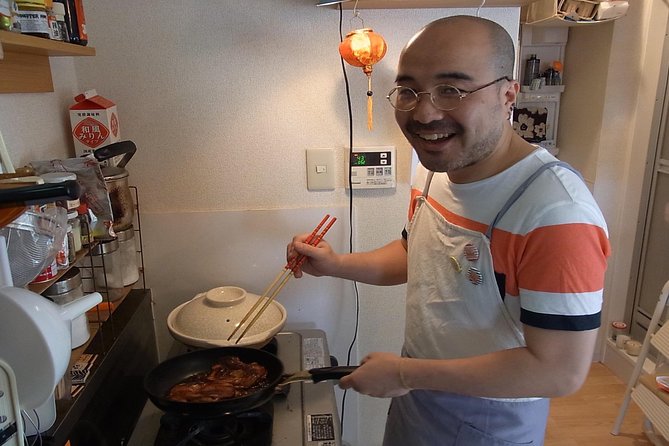
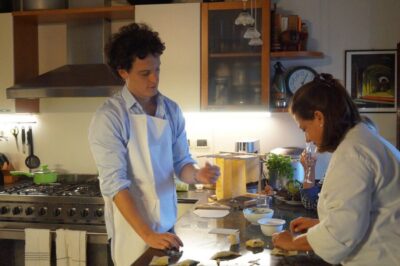
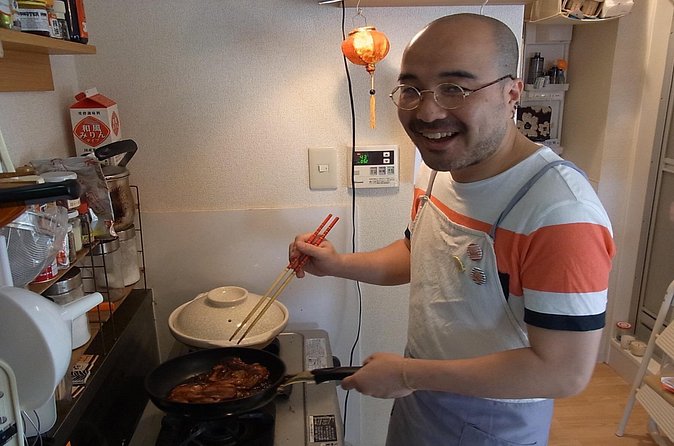
Tokyo cooking classes are everywhere, but the value here comes from where the cooking happens. You’re not in a demo studio with chairs in neat rows. You’re in Satoru’s apartment kitchen—small, working-focused, and set up for day-to-day meals. That matters, because home cooking is less about performance and more about rhythm: prepping, tasting, adjusting, and finishing with confidence.
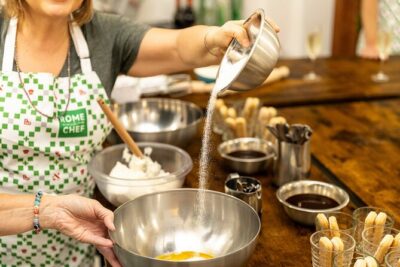
I also like the way this format pushes you toward real learning. The goal is not only to produce a dish; it’s to understand why the ingredients and methods work together. When Satoru talks through choices—like the difference between savory staples such as dashi and sweeter accents like organic honey—you get a practical framework you can reuse later when you cook at home.
The other big plus is the after-part: you eat together. In many classes, the meal is an afterthought. Here, the cooking feeds the meal, and the conversation is part of the package. That’s when you tend to ask the questions that aren’t obvious from recipes.
You can also read our reviews of more tours and experiences in Tokyo.

Meeting Satoru at JR Shinjuku and Walking to the Apartment
Your experience starts at Shinjuku Station near the listed meeting point: 3-chōme-38-1 Shinjuku, Shinjuku City, Tokyo 160-0022. The schedule is built around pickup from JR Shinjuku, but there’s no hotel pickup—so plan to be at the station on time.
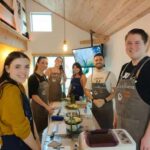
From there, you walk together to Satoru’s apartment in central Shinjuku. This is one of those moments where you’re getting more than directions—you’re seeing how the neighborhood actually works at street level. Also, because the class is private, you’re not dealing with a large group trying to herd people through the same narrow route.
Once you’re in, you’ll use his small but efficient kitchen. That’s a practical detail to note: expect a working space, not a show kitchen. If you’re the type who needs tons of counter space, you may feel a little squeezed. But if you like hands-on cooking and don’t mind staying close to your tools, that setup is exactly what makes it feel authentic.
The Cooking Session: Teishoku on Weekdays vs Tokyo Favorites Midweek
The class runs about 2 hours 30 minutes total (approx.). Cooking takes about 1.5 hours, then you sit down to eat. The menu is the heart of planning, because it’s day-specific and season-dependent.
Sat–Tue: Teishoku-style set meal
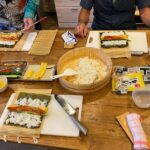
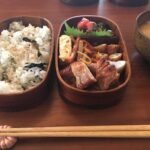
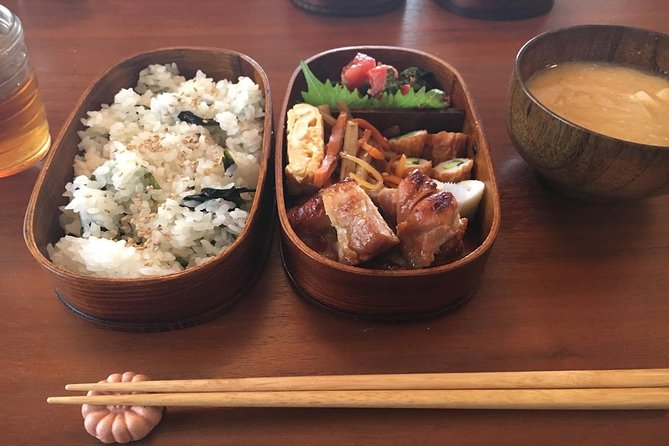
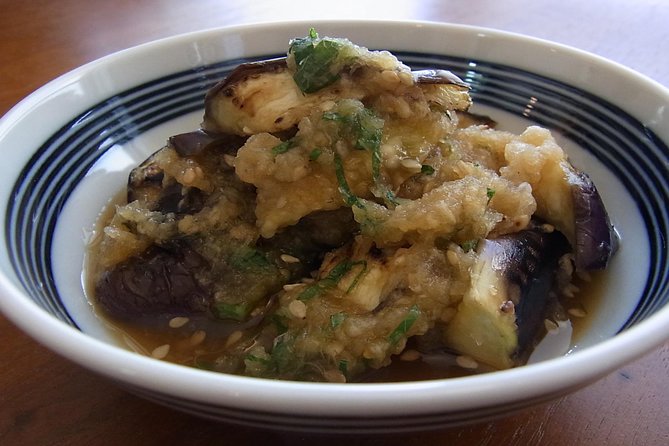
On Saturday through Tuesday, you’ll be making Teishoku: a Japanese set meal that includes miso soup, rice, and two side dishes. This format is great if you want a structured, balanced overview of home dining. You get a classic base (miso soup and rice) plus variety through sides, which makes it easier to learn how Japanese meals are assembled.
Wed–Fri: popular Japanese foods
On Wednesday through Friday, the menu shifts to popular Japanese dishes, with options such as:
- Okonomiyaki (Japanese pancake)
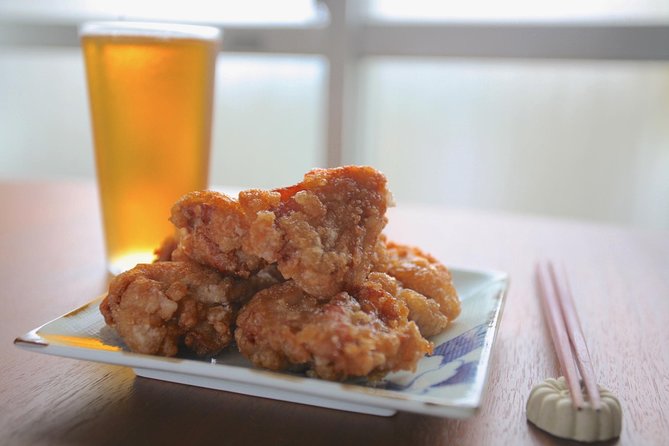
- Karaage (fried chicken)
- Yakisoba (pan-fried noodles)
- Katsu curry rice
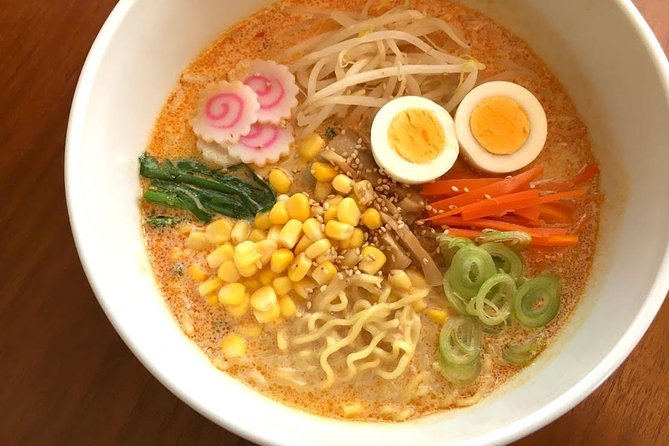
- Ramen
- Gyoza
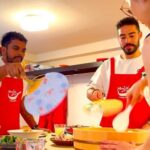
This is ideal if you want more variety and street-food energy. Also, these dishes can offer a wider range of techniques—mixing, pan work, frying, assembling, and finishing with sauces or toppings depending on what’s on the menu that day.



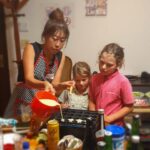
Why you should check the menu in advance (seriously)
The most important planning note: specific days have specific menus. If you don’t share your preference, you’ll cook the menu of the day. If you want changes—or you have restrictions—you need to inform the host one week in advance, or the default menu will be cooked.
That can be a dealbreaker if you’re hoping to customize last minute. But if you plan ahead, it’s a strength: it means the class is prepared around a realistic menu flow, not random swapping.
What the hands-on cooking actually feels like
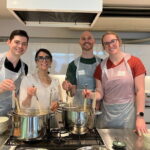
Even though the exact dishes rotate, the learning style stays consistent: you cook from scratch with Satoru in the kitchen. You’ll have time to ask about ingredients and methods. One detail that stood out from feedback is that he gives background information and keeps explanations clear and patient—useful if you’re new to Japanese cooking.
Satoru’s explanations may include how key ingredients work (like dashi) and why sweetness shows up in small ways (like organic honey in certain contexts). The best part is that these notes connect to real cooking actions you’re doing, not vague theory.
The Private Meal and Local Drink: Learning Continues at the Table
After cooking, you sit down together in the same home setting. This is where the class becomes a genuine Tokyo cultural experience rather than just a culinary task.
You’ll enjoy the meal you helped prepare, plus 1–2 glasses of local alcohol. I like this detail because it often lowers the barrier to conversation. It also signals that this isn’t a formal workshop. It’s a host sharing his version of an everyday meal.
The conversation part is surprisingly practical. You can ask questions about ingredients—why something is used, how it’s chosen, and how it changes the final taste. You can also ask for advice about what to look for if you try recreating it later. That’s where the class can pay off after you return home.
Based on feedback, Satoru tends to keep things lively, including with families and teens. If you’re traveling with younger cooks, that matters. Cooking is easier when the atmosphere is relaxed instead of stiff.
The Utensil and Ingredient Gift: Real Take-Home Value
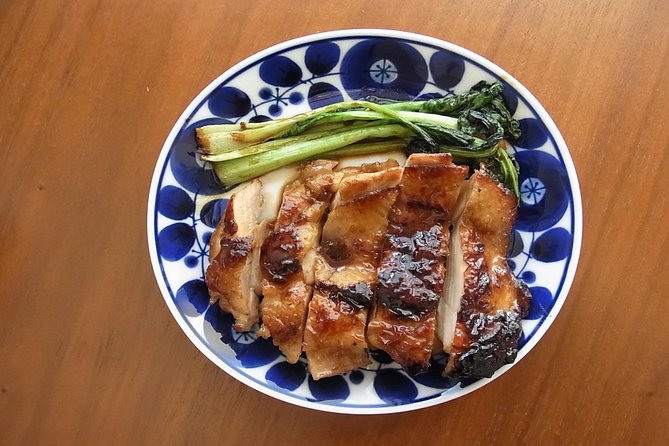
At the end, you receive a gift of a Japanese utensil and ingredient. Gifts can be hit-or-miss, but the key point is that this one is food-related and kitchen-related. That means you can do something with it right away or soon after your trip.
If you’re the type who likes to bring home food experiences, this is better than a generic souvenir. It turns the class into a repeatable memory: you’re not just remembering how it tasted—you have at least one piece of the setup that helped you get there.
Price and What $130 Really Covers in Real Terms
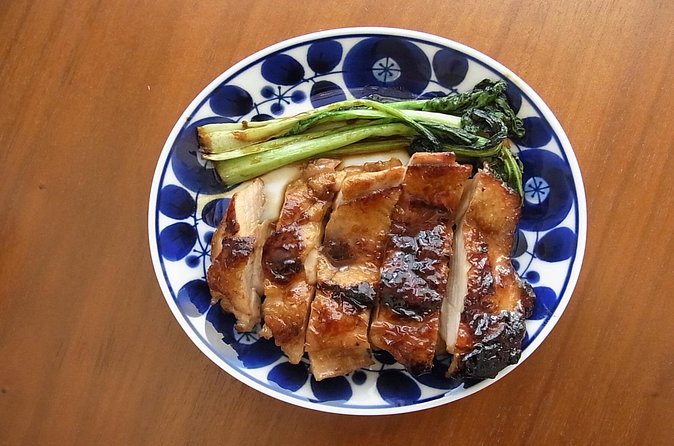
The price is $130 per person for about 2.5 hours. At first glance, that can feel like a lot compared with a restaurant meal. But you’re not only paying for food—you’re paying for:
- a private cooking class with Satoru in his home
- hands-on instruction while you make multiple dishes
- a private meal you eat together
- local alcohol (1–2 glasses)
- a utensil and ingredient gift
- pickup from JR Shinjuku Station
- a group size that’s just your party (private experience)
So the value is strongest if you want a structured learning moment plus the social time at the table. If you only want to eat, a restaurant may feel cheaper. If you want the full “cooking + conversation + eat what you made + take-home item” package, this is the kind of cost that can make sense.
Also, it’s booked on average 72 days in advance, which is a sign it sells out around prime travel seasons. If Shinjuku is on your base list, I’d treat this as something you plan early rather than something you pick up on the fly.
Who This Class Fits Best (and When to Rethink It)
This works especially well if you:
- want an authentic local home experience in central Tokyo
- enjoy learning by doing—hands-on cooking is the point
- like conversation and not just a one-way instruction flow
- are traveling as a couple or a family group that wants a shared activity
- want a menu that can include both set-meal comfort (teishoku) and more varied midweek favorites
It may be less ideal if you:
- need last-minute customization because menu swaps require notice one week in advance
- strongly prefer a broad menu choice on demand (this is day-dependent)
- dislike small-space logistics since the apartment kitchen is efficient and compact
If you want a vegetarian version, it’s available, but you must advise at booking. Dietary requirements belong in the Special Requirements box so the host can prepare appropriately.
Should You Book Satoru’s Shinjuku Cooking Class?
If you’re aiming for a Tokyo experience that feels like someone’s real life—shopping, cooking, eating, and chatting at the table—this is an easy yes. The combination of hands-on cooking, day-specific menus, a private meal, and a take-home utensil/ingredient gift adds up to more than a cooking demo.
Just go in with two habits: check what you’ll cook on the day you’re booking, and send any dietary notes or menu requests early enough (one week) to avoid ending up with the default menu. If you do that, you’ll likely leave with recipes in your head, ingredient ideas in your hands, and a Tokyo story that isn’t just about what you saw—it’s about what you made.
FAQ
How long is the cooking class in Satoru’s Shinjuku home kitchen?
The experience lasts about 2 hours 30 minutes (approx.). Cooking takes around 1.5 hours, and then you sit down for the private meal.
What is the price per person?
It costs $130.00 per person.
Where do I meet Satoru?
You meet at Shinjuku Station (JR Shinjuku 3-chōme-38-1 Shinjuku, Shinjuku City, Tokyo 160-0022, Japan). The activity ends back at the meeting point.
What will I cook during the class?
The menu depends on the day. Sat–Tue focuses on Teishoku set meals (miso soup, rice, and 2 side dishes). Wed–Fri includes popular Japanese foods such as Okonomiyaki, Karaage, Yakisoba, Katsu curry rice, Ramen, or Gyoza.
Can I request a vegetarian option or dietary adjustments?
Yes. Vegetarian options are available if you advise at booking. You can also list specific dietary requirements in the Special Requirements box at the time of booking.
Does the tour include pickup and drinks?
Included are private cooking with your host, local alcohol (1–2 glasses), and pick up from JR Shinjuku Station. Hotel pickup and drop-off are not included.
Is this a private experience and can I cancel for a refund?
Yes, it’s a private tour/activity with only your group participating. You can cancel up to 24 hours in advance for a full refund. If you cancel less than 24 hours before the experience starts, the amount paid is not refunded.