REVIEW · KANAZAWA
Kanazawa: Sushi & Japanese Cooking Class at a Historic School
Book on Viator →Operated by Nakata cooking school · Bookable on Viator
Sushi lessons without the awkward watching. At Nakata Cooking School in Kanazawa, you cook five dishes hands-on in a small group, guided with AI translation and a friendly instructor.
I really like that you’re not just tasting. You’ll shape nigiri and learn techniques you can repeat at home, then eat everything you make.
One thing to plan around: vegan diets and guests avoiding fish-based dashi can’t be accommodated, so check your ingredients before you book.
In This Review
- Quick hits before you book
- Kanazawa Station Is Close Enough to Make This Easy
- The 56-Year-Old School Kitchen: Knives, Uniforms, and Clear Guidance
- Five Dishes You Cook: Nigiri, Jibuni, Dashi-Maki Tamago, Dashi, and Soup
- Nigiri Sushi with Wild Fish from Omicho Market
- Jibuni: Kanazawa’s Chicken Stew with Samurai-Era Roots
- Dashi-Maki Tamago: The Soft Rolled Omelet
- Dashi Broth: Bonito and Kelp Stock
- Seasonal Side Dish and Miso Soup
- Omicho Market Seafood: Why Local Sourcing Changes the Lesson
- The Real-Time AI Translation: Helpful, Funny, and Fast
- Photos, Certificate, and the Recipes You’ll Actually Use
- Price and Value: What You Get for $99.10
- Who This Works For (and Who Should Rethink It)
- Should You Book Nakata Cooking School’s Kanazawa Sushi Class?
- FAQ
- How long is the cooking class?
- What dishes will I cook during the class?
- Is there real-time translation for English speakers?
- Do I get to eat what I cook?
- Can the class accommodate vegan diets?
- Will I receive recipes to use at home?
- Is the class a large group experience?
- What drinks are included?
- Where do I meet for the class?
Quick hits before you book
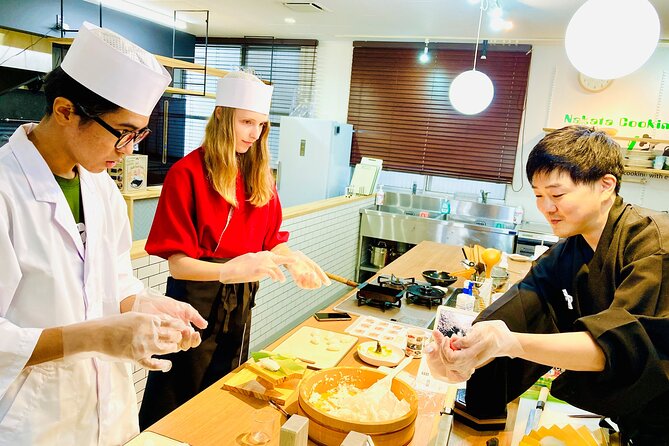
- Hands-on, not a show: you cook every dish, not stand by and watch
- 5-dish menu with Kanazawa specialties: sushi, dashi, tamago, miso soup, plus Jibuni
- Real-time English support: voice and text AI translation on a large screen
- Omicho Market seafood focus: wild fish used for the nigiri you make
- Photos and a name certificate: you leave with pictures and a completion certificate
- Optional premium knife shopping: premium Japanese knives available for purchase during class
Kanazawa Station Is Close Enough to Make This Easy
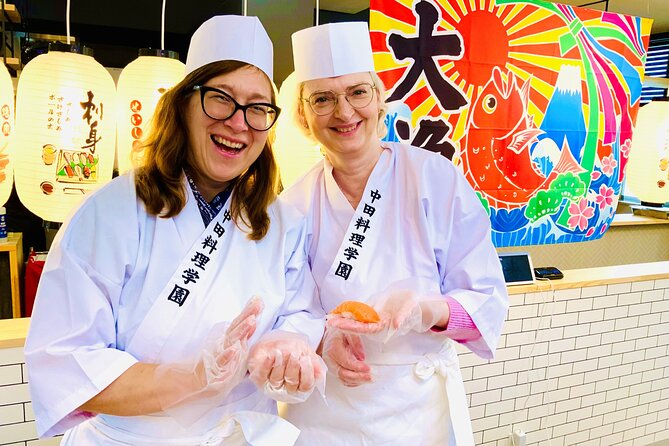
Kanazawa has a way of feeling both calm and clever at the same time, and this class matches that vibe. The meeting spot is Nakata Cooking School & Knife Shop, about 3 minutes from Kanazawa Station, so you don’t have to build your day around a big commute. The session runs about 2.5 hours, which is a sweet length: long enough to learn real technique, short enough to still enjoy the rest of Kanazawa afterward.
This is also set up for small groups, with a maximum of 8 travelers. That matters because Japanese cooking (especially sushi rice, omelet texture, and dashi) is hard to learn from a distance. Here, you get personal guidance as you go—more like working in a real kitchen than following a slideshow.
Practical note: you’ll change into a sushi chef uniform as part of the experience, so plan for a quick wardrobe change when you arrive. If you’re pairing this with other sightseeing, I’d aim for a relaxed schedule around it. You’ll be focused on cooking, smelling, timing, and cleaning up—not rushing to the next stop.
You can also read our reviews of more tours and experiences in Kanazawa.
The 56-Year-Old School Kitchen: Knives, Uniforms, and Clear Guidance
The heart of this class is the way it teaches. You’ll use premium Japanese knives during the cooking, and you’ll wear chef-style aprons provided for the class. That’s not just a nice touch. Good knives force you to pay attention to your grip and your cuts, which is a big part of learning how Japanese food actually works in practice.
The pacing also feels built for mixed experience levels. Some people come knowing a lot about sushi; others are starting from scratch. Either way, the instructor’s style is practical: first you learn what you’re doing, then you do it, then you taste what you made. From what I can tell in the class setup, that approach keeps the session from becoming too stiff or overly academic.
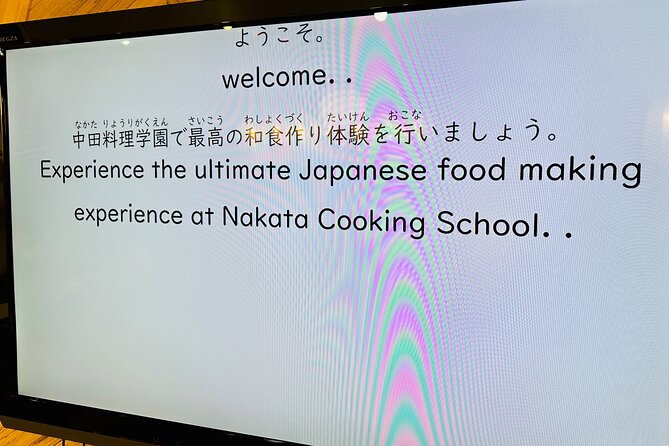
And yes, there’s translation support throughout. You’ll see real-time AI translation on a big screen (voice and text). That keeps you from mentally guessing what a step means while your rice is cooling, your tamago is setting, or your dashi is simmering.
If you’re a knife person, there’s an optional Knife Museum opening planned for July 2025 with a 10% discount for participants. Even if you don’t plan on buying a knife, it’s worth knowing this school treats tools as part of the craft, not an afterthought.
Five Dishes You Cook: Nigiri, Jibuni, Dashi-Maki Tamago, Dashi, and Soup
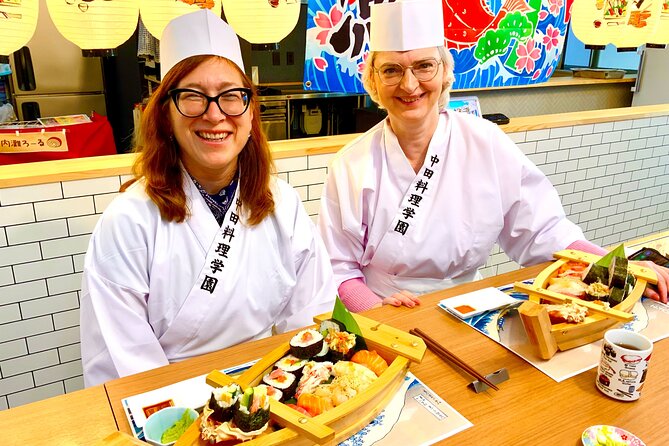
This class is structured around making five dishes. The menu is a smart mix: sushi technique, broth making, omelet texture, and then a Kanazawa specialty that gives the whole meal local identity.
Here’s what you’ll cook:
Nigiri Sushi with Wild Fish from Omicho Market
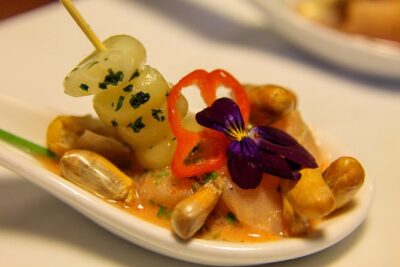
You’ll make nigiri using wild fish sourced from Omicho Market, which is a huge deal for sushi in Kanazawa. Nigiri isn’t just about assembling—it’s about getting rice right, then pairing it with fish. When you’re working in a hands-on setting, you learn the “feel” of sushi shaping: how gentle pressure changes the outcome, and how temperature affects both rice and fish handling.
You also get immediate reward. Once it’s finished, you eat what you made, so you can connect technique to taste right away.
Jibuni: Kanazawa’s Chicken Stew with Samurai-Era Roots
Next comes Jibuni, Kanazawa’s signature chicken stew. The class frames it with cultural background, including the dish’s links to the samurai era. That context matters because it helps you understand why the flavors are built the way they are—comforting, savory, and designed to satisfy.
Even if you’ve never heard of Jibuni before, this is one of the reasons the class feels like more than generic Japanese cooking. It’s local, and it’s something you’ll struggle to replicate accurately from a random recipe blog. Here, you learn it from a school that teaches it for a reason.
Dashi-Maki Tamago: The Soft Rolled Omelet
Then you’ll make dashi-maki tamago, a soft rolled omelet. The class describes it as a “Michelin-style recipe,” which signals a focus on texture and method. Tamago isn’t hard because it’s complicated—it’s hard because it’s finicky. Small differences in heat, pouring, rolling technique, and timing change everything.
This is one of those dishes where you learn to stop overthinking and start watching your pan like a pilot watches instruments. When it works, the result is delicate and satisfying, not rubbery.
Dashi Broth: Bonito and Kelp Stock
You’ll also make dashi broth—traditional stock using bonito and kelp. Dashi is the backbone of so many Japanese flavors, and learning it in this setting is practical because you can smell and taste your way through the process.
You also learn why dashi is more than a “soup base.” It’s a flavor system. And if you’ve ever tried to make dashi at home and ended up with something flat, it’s usually because the method and timing are off. Here, you get the step-by-step guidance.
Seasonal Side Dish and Miso Soup
To finish the meal, you’ll make a seasonal side dish plus miso soup. That part is useful because it rounds out the experience into something that feels like a real Japanese meal rather than five separate cooking experiments.
Seasonal items also teach a simple mindset: Japanese cooking changes with what’s fresh. If you’re planning to cook later at home, that reminder matters.
Omicho Market Seafood: Why Local Sourcing Changes the Lesson
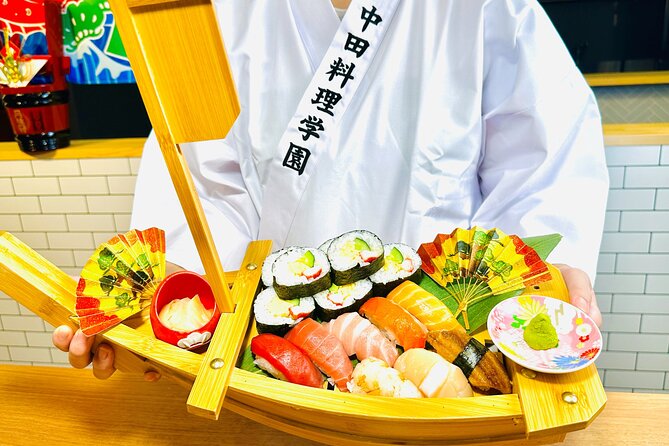
The class’s sushi ingredient story isn’t just marketing. Using wild fish from Omicho Market gives the nigiri part of the lesson more integrity. Sushi is extremely sensitive to fish quality, and “good fish” isn’t a generic term—it’s about freshness and proper handling.
When you cook with better ingredients in front of you, you learn faster. You’re not trying to fix fish that’s already compromised. Instead, you’re focusing on rice texture, shaping, and correct pairing.
Also, since the class uses fresh, seasonal ingredients, you’re getting a snapshot of what Kanazawa cooking feels like right now, not a menu built for universal appeal. That’s a subtle but real advantage if you’re trying to bring home a mindset for cooking, not just one recipe.
The Real-Time AI Translation: Helpful, Funny, and Fast
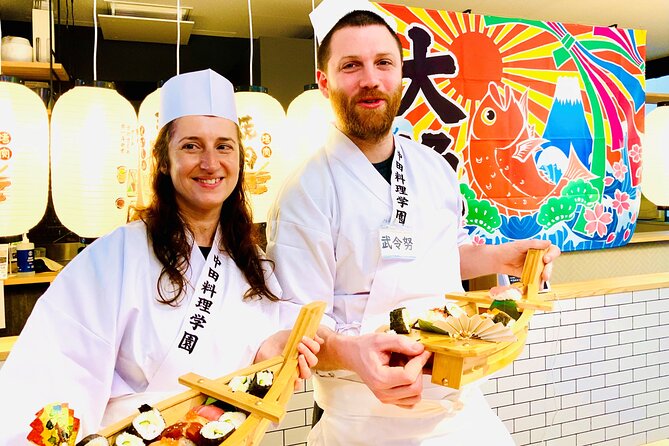
Language barriers are one of the biggest reasons people hesitate on food classes abroad. Here, translation is built into the experience through real-time AI voice and text on a large screen.
What I like about this setup is speed. You don’t wait for a guide to return to your side, and you don’t miss the next step because you’re trying to interpret what was said a minute ago. That matters during cooking. Rice and omelet textures don’t wait around for you to catch up.
The best part is that translation doesn’t just keep you safe—it keeps things human. Reviews point out that the instructor uses humor, and the translation helps those jokes land. That makes the classroom feel lighter, and it also keeps you from feeling embarrassed when you don’t understand something.
If you’re someone who worries about asking questions, this screen support can make it easier. You can keep your eyes on what you’re doing while the meaning catches up in real time.
Photos, Certificate, and the Recipes You’ll Actually Use
This class sets you up to leave with a few tangible souvenirs, plus the real tool that helps you cook later: written instructions.
Included extras:
- Photos taken during the experience, sent at the end
- A Japanese Certificate of Completion with your name
- English recipes emailed the day before
That recipe email timing is smart. It gives you a chance to review what you’re making so you’re not learning from zero on the day of class.
The photo service also helps you remember the steps visually. In Japanese cooking, small actions matter—how you roll tamago, how you shape nigiri, how you handle broth simmering. A set of photos makes it easier to recreate your own version later.
Finally, you’ll enjoy what you make with a small aperitif—either Kanazawa plum wine or local sake. It’s a nice finishing touch that turns the class into an actual meal, not just a cooking workshop.
Price and Value: What You Get for $99.10
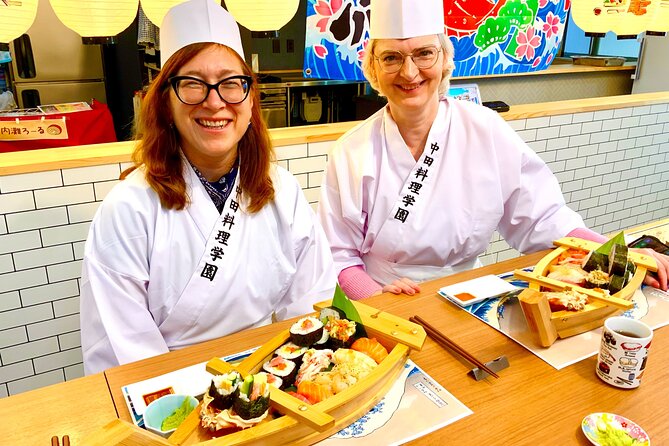
At $99.10 per person, you’re paying for more than ingredients. You’re paying for:
- instructor time for five dishes
- knife use during the class
- translation support (not a basic phrasebook)
- photo service and a certificate
- and the ability to eat the meal you cook
Two and a half hours for five dishes can feel like a lot, but the structure matters. If you tried to replicate this alone at home, you’d spend money on ingredients, struggle with technique, and waste time troubleshooting dashi and tamago. Here, you get guided correction while the food is still in front of you.
Also, the small group size helps justify the price. When it’s capped at 8 travelers, you’re not fighting for attention. That personalized rhythm is part of the value.
My practical take: this feels like strong value if you enjoy cooking, want skills you can repeat, and like meals that are more than one sushi roll. If you’re the type who hates hands-on work or wants a mostly relaxed tasting-only experience, you may feel the cost more than the benefit.
Who This Works For (and Who Should Rethink It)
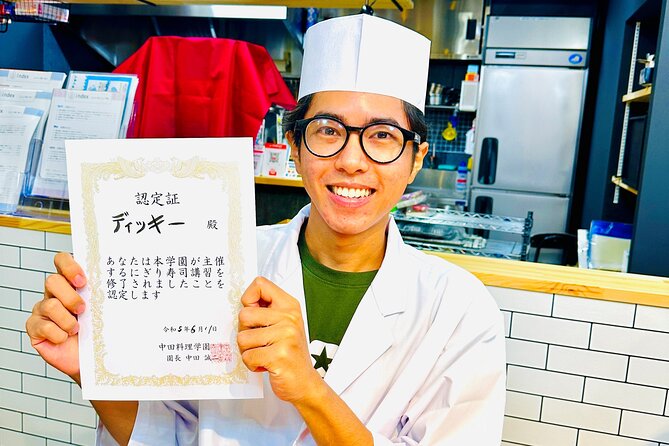
This class is especially good for people who want to go beyond restaurant eating. If you’re the sort of traveler who wants the “how,” this one fits.
You’ll probably love it if:
- you want to learn sushi shaping, not just eat sushi
- you’re curious about Kanazawa comfort food like Jibuni
- you like practical lessons with dashi and miso soup
- you appreciate translation support that keeps you engaged
There’s also a clear limitation. The class notes that vegan diets and guests avoiding fish-based dashi can’t be accommodated. That means if your dietary needs are strict, you should only book if you’re confident the ingredients work for you.
If you’re traveling with teens or adults and want one activity that’s both social and structured, the class format seems built for it. The cooking tasks are active, and the instructor style leans entertaining without turning chaotic.
Should You Book Nakata Cooking School’s Kanazawa Sushi Class?
Book it if you want a hands-on class where you cook a full Japanese meal, not a rushed tasting. The combination of sushi technique, broth fundamentals, tamago texture, and a local specialty like Jibuni makes this feel like it belongs in Kanazawa, not just in Japan. Add the convenience of a location near Kanazawa Station and the real-time AI translation, and it’s one of those experiences that’s easier to enjoy than you might expect.
Skip it only if your diet can’t match the fish-based dashi foundation, or if you’re looking for something strictly hands-off. Otherwise, this is the kind of class where you’ll leave with both a full stomach and usable skills.
FAQ
How long is the cooking class?
The experience lasts about 2 hours 30 minutes.
What dishes will I cook during the class?
You’ll cook five dishes: Nigiri sushi, Jibuni, Dashi-maki tamago, Dashi broth, and a seasonal side dish plus miso soup.
Is there real-time translation for English speakers?
Yes. The class uses real-time AI translation with voice and text shown on a large screen.
Do I get to eat what I cook?
Yes. There’s a full tasting of all dishes you prepare.
Can the class accommodate vegan diets?
No. Vegan diets cannot be accommodated, and guests avoiding fish-based dashi cannot be accommodated either.
Will I receive recipes to use at home?
Yes. English recipes are sent by email the day before the class.
Is the class a large group experience?
No. It’s small group, with a maximum of 8 travelers.
What drinks are included?
One aperitif is included, either Kanazawa plum wine or local sake. Additional drinks can be purchased.
Where do I meet for the class?
You meet at Nakata Cooking School & Knife Shop (By Appointment Only) in Kanazawa, in Konohanamachi, on the second floor.