REVIEW · KANAZAWA
Kanazawa: Authentic Japanese Cooking and Sushi-Making Lesson
Book on GetYourGuide →Operated by 中田料理学園 · Bookable on GetYourGuide
Sushi and stories in Kanazawa. This hands-on class pairs AI translation with real chef-led cooking, so you get Kanazawa flavor without the usual language stress. I especially liked the quality of the ingredients, including premium fish sourced from Omicho Market, and the fact that you cook everything yourself, not just watch.
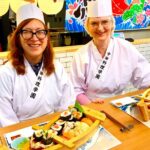
My favorite part is how the meal turns into a mini performance: you dress up in a sushi chef costume, learn technique step-by-step, and then sit down to eat what you made. The main thing to consider is logistics: the classroom is on the second floor with no lift, so stairs are a must.
In This Review
- Key Highlights You’ll Care About
- Why Kanazawa Cooking Feels Different Than Anywhere Else
- Getting to the Class Near Kanazawa Station (Fast and Easy)
- The AI Translator Setup That Actually Helps You Cook
- Hands-On Sushi-Making: Oshizushi With Premium Fish
- A Note on Ingredients and Substitutions
- Jibuni Stew: A Kanazawa-Only Dish With Samurai-Era Roots
- The Michelin-Level Aim: Dashi Omelet (Tamagoyaki)
- Sides, Miso Soup, and the Full Meal Experience
- Photos, Recipes, and the Stuff You’ll Use Again
- Knife Shopping for Duty-Free Prices (A Useful Bonus)
- Cost and Value: Is $91 Worth It?
- Who This Class Is Best For
- Should You Book This Kanazawa Cooking and Sushi Lesson?
Key Highlights You’ll Care About
- AI translation on large monitors plus smart translators so you can follow every step
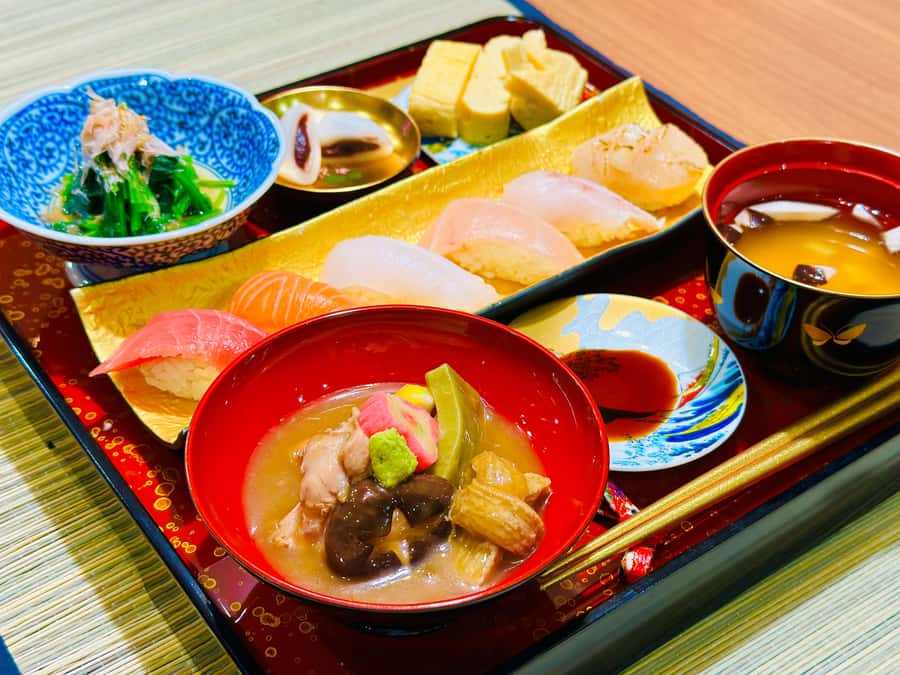
- Pressed sushi (oshizushi) made with premium fish sourced from Omicho Market
- Jibuni, a Kanazawa-only comfort stew, with duck or chicken and seasonal vegetables (vegetarian swaps available on request)
- Dashi omelet (tamagoyaki) with that gentle, savory umami you want in Japanese cooking
- Chef costume + professional souvenir photos you get from the experience
- Small group up to 6 for more hands-on attention (and fewer waiting turns)
Why Kanazawa Cooking Feels Different Than Anywhere Else
Kanazawa isn’t just another stop on the Japan circuit. It’s a seafood-and-craft kind of place, and it shows in the food. When you make sushi here, you’re not relying on generic fish or supermarket shortcuts—you’re building your meal around what Kanazawa does best.
In this class, you cook a whole set of dishes that make sense together, not a random handful of techniques. You’ll do pressed sushi, a local stew called jibuni, and a rolled dashi omelet (tamagoyaki), plus supporting sides and miso soup. That combination is how you start understanding the logic of Japanese home-style meals.
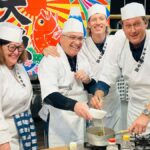
And yes, the humor and warmth matter too. Seiji Nakata (the chef) and his wife run the experience with the kind of friendly energy that makes beginners feel steady, not rushed. The AI translator helps, but the human touch is what keeps it fun.
You can also read our reviews of more tours and experiences in Kanazawa.
Getting to the Class Near Kanazawa Station (Fast and Easy)
You meet just a short walk from Kanazawa Station—about 3 minutes from the East Exit, near the Kozumon side. The classroom is inside a building, and you enter through the building’s silver door, then go up to the second floor.
Plan around stairs. There’s no lift, and the venue also isn’t set up for wheelchair users or people who are visually impaired. If you’re traveling with mobility limits, you’ll want to rethink this one.
Timing is straightforward: the class runs about 2.5 hours, and you return to the meeting point afterward. Because there’s no hotel pickup, you’ll be doing this like a local outing—arrive, learn, cook, eat, then head back out.
The AI Translator Setup That Actually Helps You Cook
A lot of translation tools sound great on paper. Here, the system is built into how the class runs. You’ll have a state-of-the-art translator setup with large monitors, and you can also get smart translators to rent for free.
What this means for you at the cutting board is simple: you can follow instructions in real time while you’re working, not after the fact. That makes a huge difference for sushi rice handling, omelet texture, and how you season and portion your dishes.
Seiji teaches in both English and Japanese, but the tech layer keeps the flow smooth. If you’ve ever felt stuck in a cooking class because you couldn’t hear what mattered, this design is aimed right at that problem.
Hands-On Sushi-Making: Oshizushi With Premium Fish
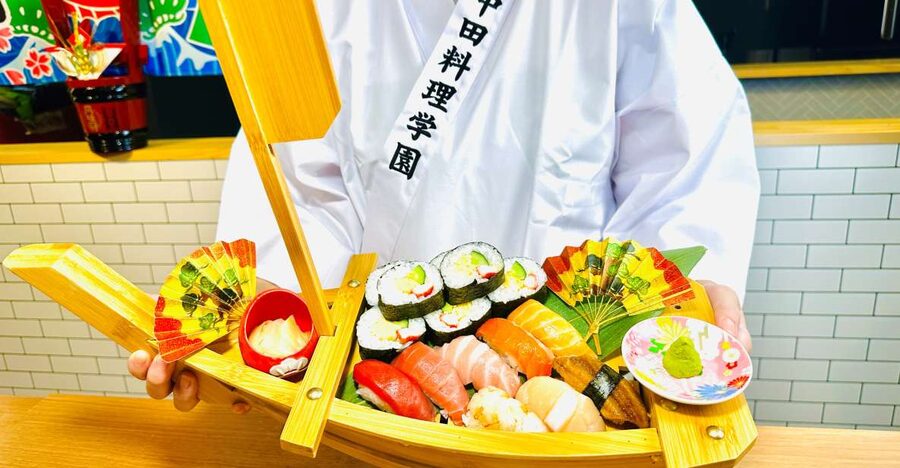
The centerpiece is pressed sushi (oshizushi). Your ingredients are tied to Kanazawa’s food ecosystem—premium sashimi from Omicho Market’s top fishmonger. The class builds on the idea that Kanazawa’s coastal location means you can access truly fresh seafood daily, and that freshness changes how sushi tastes and feels.
In practice, pressed sushi is about texture and shape. You’re not just mixing flavors; you’re learning how firmness and bite come from technique. You’ll handle components carefully so the result looks clean and eats well.
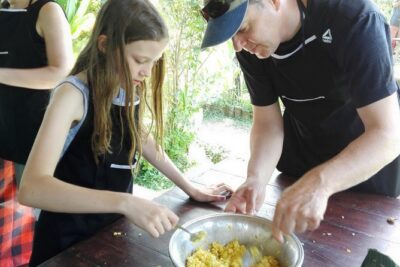
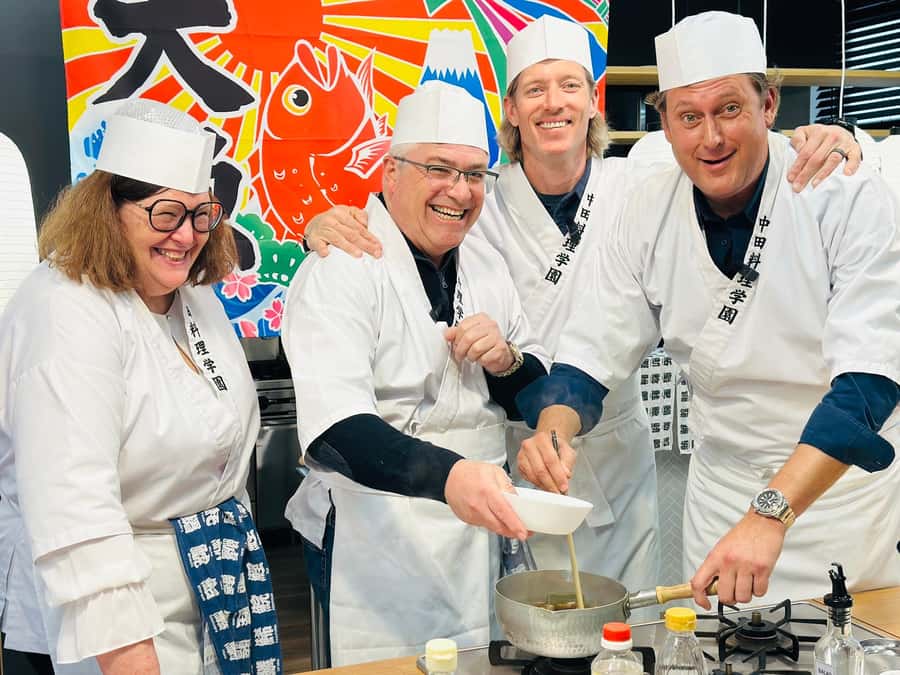
One extra perk: you can dress up in a custom-made sushi chef costume. It’s not required for learning, but it turns the class into something memorable. The photos that come out of it are a big part of why people rate this so highly.
If you’re worried you’ll mess up, don’t. The class is small—up to 6 people—so guidance is close when your hands are moving fast.
A Note on Ingredients and Substitutions
This isn’t a vegetarian or vegan class because traditional Japanese dashi uses bonito (fish flakes). That dashi cannot be replaced. You can make minor swaps for some items with prior request:
- Sashimi can be replaced with vegetables or egg for the sushi
- Chicken in jibuni can be replaced with tofu or vegetables
If you have allergies or strict dietary rules, tell them when booking. They also note you can’t make same-day changes, so plan ahead.
Jibuni Stew: A Kanazawa-Only Dish With Samurai-Era Roots
Then you move from sushi precision to stew comfort. Jibuni is a Kanazawa-only dish—traditional and local in a way you’ll struggle to find outside the region. The class explains the background: it originates from samurai-era culinary customs, which is why it feels both old-school and practical.
You’ll make a gently simmered, dashi-based stew with savory depth. Typical ingredients include duck or chicken, seasonal vegetables, and fu (wheat gluten cake). Fu is one of those ingredients that changes the whole texture of the stew. It soaks up flavor and gives you that satisfying bite that’s not just soft vegetables floating in broth.
If you’re vegetarian or need a non-meat version, you can request substitutions for the chicken portion (tofu or vegetables). But again, the dashi base is still made with bonito. It’s worth checking your comfort level here if you avoid all animal-based broths.
Jibuni is also a good mental reset after sushi. Sushi asks for focus; stew asks for patience and simmering awareness. You’ll feel the difference in how Japanese cooking values both.
The Michelin-Level Aim: Dashi Omelet (Tamagoyaki)
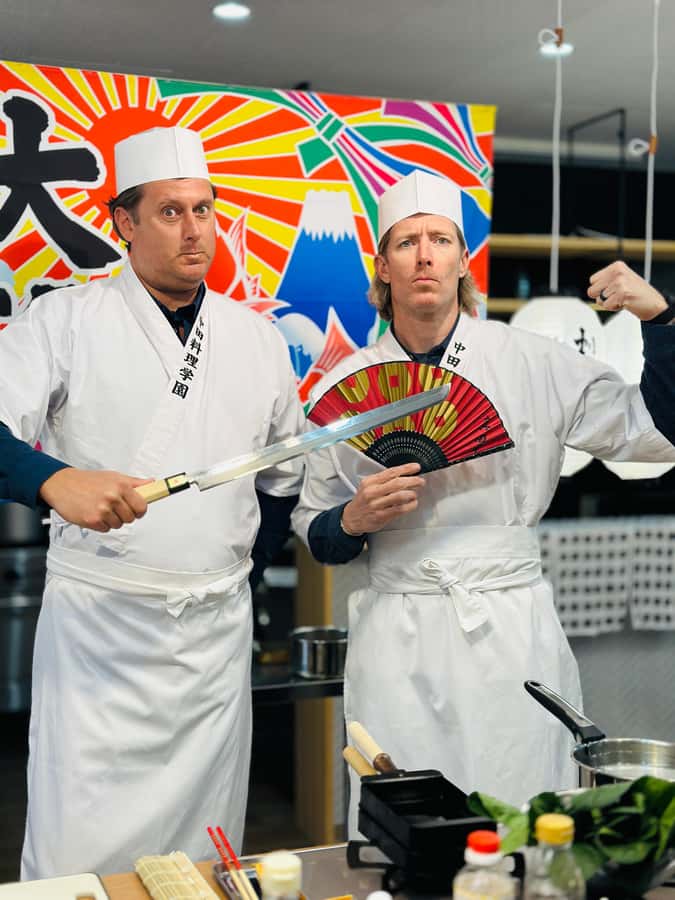
The third major dish is dashi omelet, described as Michelin-inspired for a reason: tamagoyaki is deceptively hard. It looks simple, but getting that delicate texture depends on temperature control, pour timing, and folding technique.
You’ll work through the method for a rolled omelet that’s light but still fully flavored with umami from dashi. The class frames this as a skill you can actually reuse later—how to build flavor gradually rather than dumping everything at once.
Even if you’ve never rolled anything in your life, this is where having clear instructions matters. With Seiji’s step-by-step approach and the translation screen, you’re less likely to guess. You’ll understand what you’re aiming for as you go.
And when it’s done, you’ll notice the difference right away. A good tamagoyaki doesn’t taste like plain egg; it tastes like savory Japan.
Sides, Miso Soup, and the Full Meal Experience
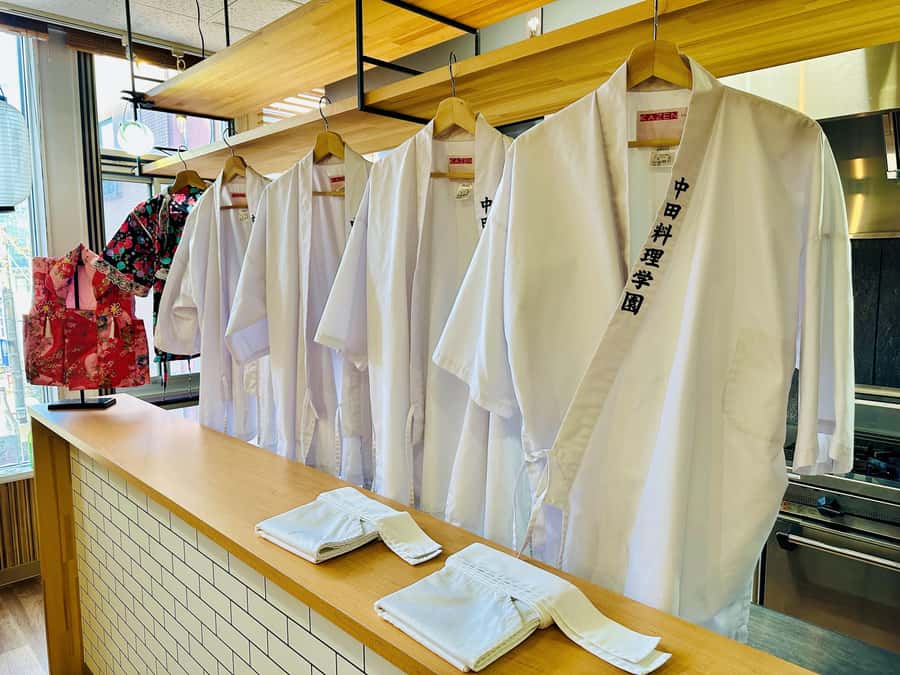
You don’t just eat one highlight. The experience includes 5 kinds of Japanese food and desserts overall, plus seasonal side dishes and miso soup.
The sides matter because they teach balance. Japanese meals often work as a set: one main, one savory counterpoint, and supporting flavors that don’t compete. Miso soup also shows you how dashi-based flavor continues beyond the dishes.
And because this is hands-on, you leave feeling like you built the whole table—more than just the sushi.
Photos, Recipes, and the Stuff You’ll Use Again
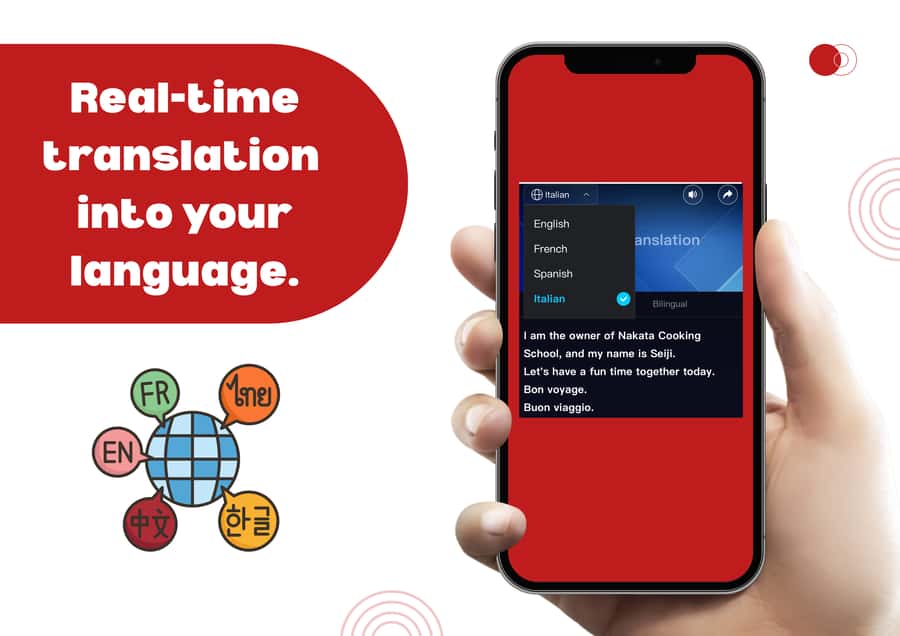
This class tries to do two things: make your day fun and help you cook later.
During the experience, staff will share high-quality souvenir photos from the class. That’s a real value-add because costume shots and cooking actions don’t always come out well when you rely only on your phone.
You also get detailed recipes emailed the day before. That matters for beginners. When you’re back home, you can recreate what you learned without trying to remember every step and ratio.
Plus, they provide Japanese tea, so the meal ends with a small, calm pause after the work.
Knife Shopping for Duty-Free Prices (A Useful Bonus)
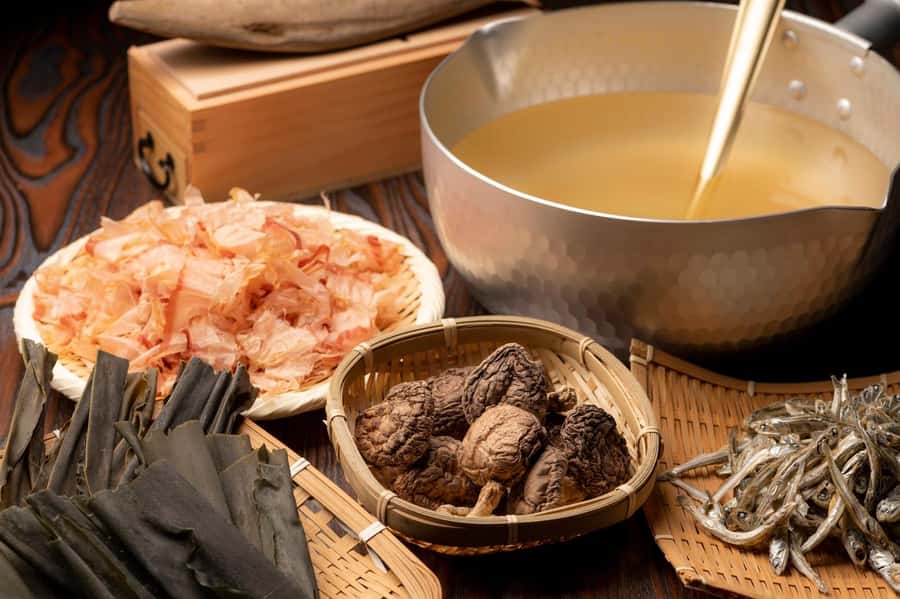
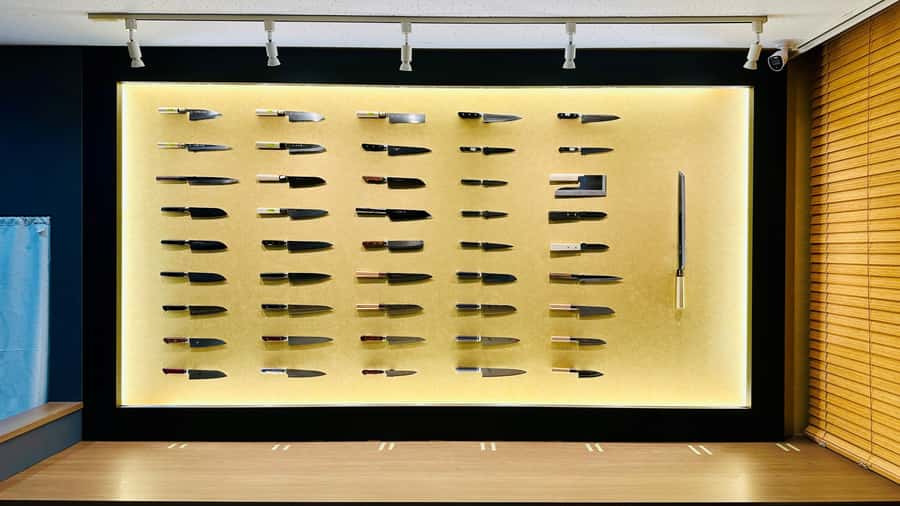
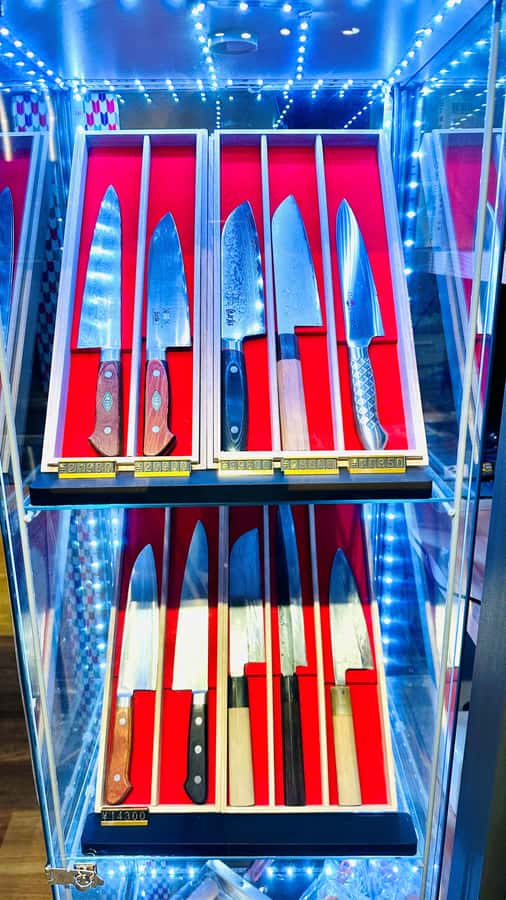
One of the unusual perks is that the oldest Japanese brand kitchen knives are available at duty-free prices. Even if you don’t plan to buy, browsing is worth it.
Why? Because sushi and omelet work often makes people realize they like cooking tools. If you’ve ever struggled with uneven cuts or fish handling, a good knife changes everything. Just keep your budget in mind and check policies for bringing items home.
Cost and Value: Is $91 Worth It?
At $91 per person for about 2.5 hours, this sits in the “worth it if you’ll actually use what you learn” category.
Here’s why the price can make sense:
- You’re cooking multiple dishes (not a two-dish demo) and eating a full meal
- Ingredients are positioned as high-quality, especially the Omicho Market fish for the sushi
- You get AI translation hardware, which reduces friction and boosts learning time
- You receive professional souvenir photos and recipe sheets by email
- The group size is small (max 6), so your attention doesn’t vanish into a crowd
What would make it less worth it is if you only want to eat and not learn technique. If that’s your goal, a restaurant might be simpler. But if you want “I can do this at home” skills, the structure here supports that.
Who This Class Is Best For
This experience is a strong match if you:
- Want a practical intro to Japanese cooking techniques, not just a meal tasting
- Care about local food culture, especially Kanazawa specialties like jibuni
- Need help with language, and you’d rather not rely on guesswork
- Enjoy fun extras like dressing up and getting real photos
It’s not a good fit if you:
- Need wheelchair accessibility (second floor, no lift)
- Are traveling with children under 12
- Have pregnancy-related constraints (listed as not suitable)
- Need a fully animal-free broth (because dashi uses bonito)
Should You Book This Kanazawa Cooking and Sushi Lesson?
If you want one activity that combines hands-on cooking, Kanazawa-specific dishes, and a translation setup that helps you follow real steps, I’d book it. The small-group size, the focus on technique, and the meal you create are the ingredients that make it a standout use of time.
Book it with a little planning: if you have dietary needs, communicate them before you go, especially anything involving dashi. And if stairs are a concern, consider other options near the ground floor.
If you’re chasing an authentic Kanazawa food experience you can taste and repeat later, this is the kind of class that pays you back after the trip.