REVIEW · APULIA
Lecce: Market and Private Cooking Class at a Local’s Home
Book on GetYourGuide →Operated by Cesarine · Bookable on GetYourGuide
A trip to Lecce becomes personal fast. This private cooking class starts in the local market, where you shop with an expert home cook, then shifts to a family kitchen for hands-on regional cooking and a full meal. I really love the way you get to taste what you cook at one long table, not just watch from the sidelines. I also like how the market part is practical: you learn what to buy and how to judge it on the spot. One possible drawback: since it’s held in a family home and the address is shared after booking, you’ll want to plan for a little extra coordination and arrive ready to follow instructions.
Here’s the payoff: you leave with recipes that feel like they come from a real kitchen, not a demo studio. Expect an instructor who can guide in English and Italian, plus a meal built around the three recipes you make, with water, wine, and coffee included. If you have dietary needs, it’s doable, but you’ll need to confirm details directly with the local partner after booking.
In This Review
- Key things you’ll enjoy in Lecce
- Why this Lecce market-and-cooking combo really works
- Timing in 5 hours: morning or late afternoon
- Shopping for real Apulian ingredients in Lecce’s market
- Cooking in a local home: private, family-style, and hands-on
- The recipes: three local dishes, built around family know-how
- Tasting everything you cook, plus wine and coffee
- Price and value: is $214.11 per person fair?
- Who this fits best (and who might want a different plan)
- Practical tips before you go
- Should you book this Lecce cooking class?
- FAQ
- Where does the experience start and end?
- How long is the tour?
- Is this a private group?
- What languages are used by the instructor?
- What’s included in the tasting?
- Can dietary requirements be accommodated?
- What do I need to bring?
Key things you’ll enjoy in Lecce
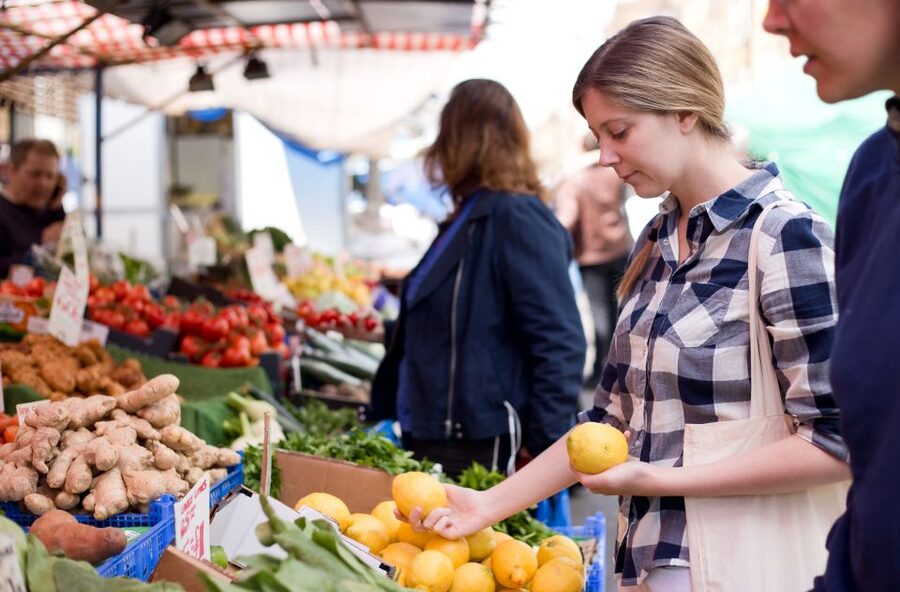
- Market shopping with a home cook guide who helps you pick produce you can actually use at home
- A private class in a local family home, with an English/Italian instructor
- Hands-on cooking guided by family-style know-how passed down through generations
- Taste everything you make across three local recipes, then enjoy local wine with the meal
- Real connection to Apulia through a host’s stories, cooking habits, and day-to-day life
Why this Lecce market-and-cooking combo really works
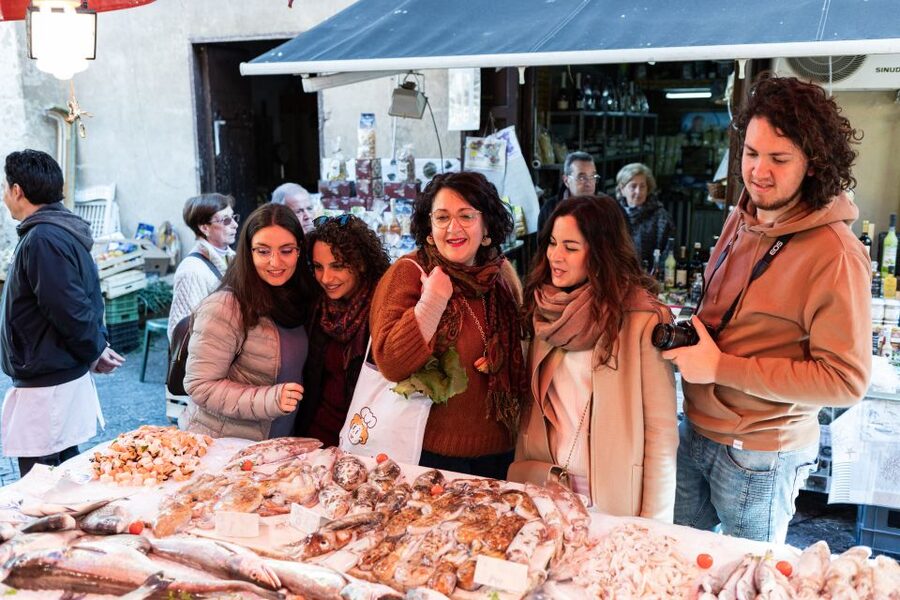
Most cooking classes give you one thing: the food. This one adds the ingredient hunt, which changes how you taste. You’ll walk through the Lecce market with your guide and learn how to choose what’s best that day, not what looks best in a brochure.
Then the kitchen part makes sense because you already understand your ingredients. You’re not just measuring and hoping. You’re learning how regional cooking starts with smart buying and simple technique, and that’s the lesson that lasts long after the meal.
You also get a more human experience than a standard tour. The cooking is in a local home, and the goal is to teach you the rhythm of family meals—how people talk while cooking, how sauces build flavor, and how dessert or bread often matters as much as the main dish.
Timing in 5 hours: morning or late afternoon
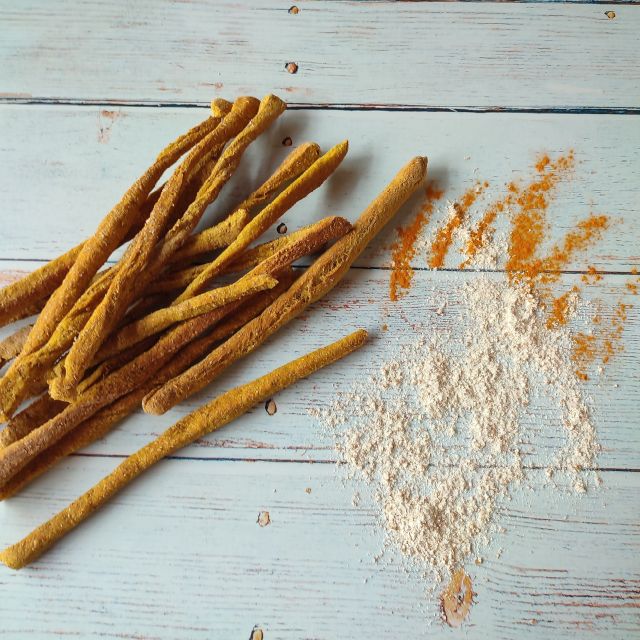
The class runs about 5 hours, and the market visit usually starts at 9:00 AM or 4:00 PM. That timing is handy because you can pair it with other Lecce sights without feeling trapped all day.
If you do the morning session, you’ll get a big chunk of your food plan handled early, with the rest of the day open for strolling and more local meals. If you do the late afternoon session, it works like a built-in dinner plan: you finish cooking and then sit down to eat, so you’re not scrambling for food after sightseeing.
Small practical note: because it’s private and starts with a market visit, you’ll be walking a bit around the area before you cook. Comfortable shoes help.
Shopping for real Apulian ingredients in Lecce’s market
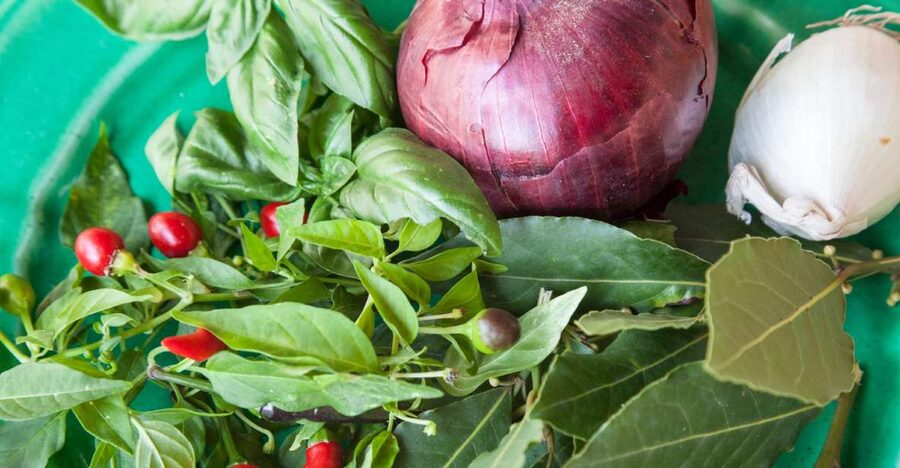
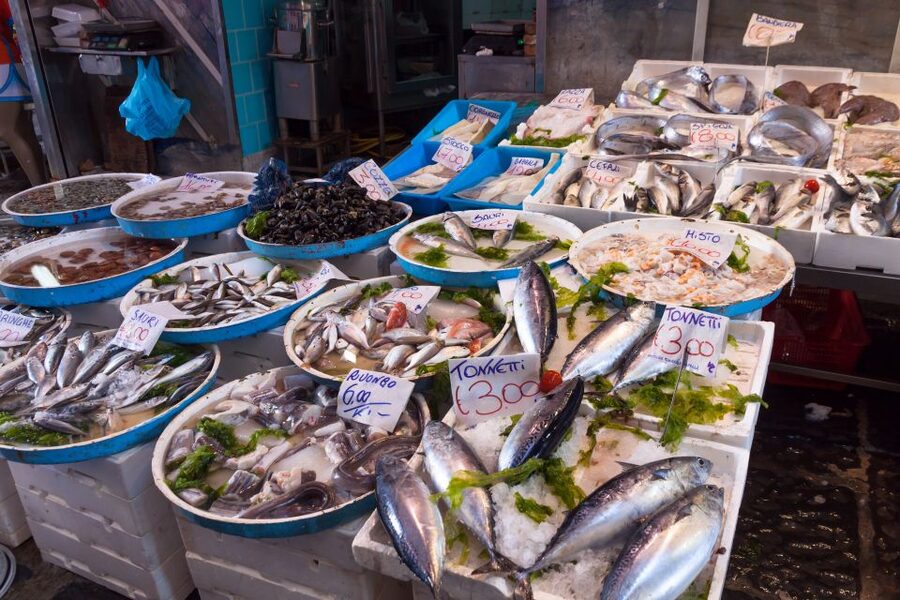
The market stop is more than a photo opportunity. Your guide shows you how to select ingredients and how to think like a home cook. You’ll focus on fresh produce and likely other market staples needed for your recipes.
This is where you learn the useful stuff:
- how to spot better produce when everything looks tempting
- how to ask the right questions at stalls (your guide can handle much of the back-and-forth)
- how to think about flavors that match the season in Apulia
Even better, your guide ties it back to the cooking class. You’ll be buying with a plan in your head, which makes the kitchen phase faster and more satisfying. By the time you return to the home kitchen, the ingredients don’t feel random. They feel like choices.
Also, this isn’t just about produce. You may add other items for the meal—your guide will steer you based on what’s available and what fits the recipes you’re making. One of the joys of this style of class is that it adapts to the day.
Cooking in a local home: private, family-style, and hands-on
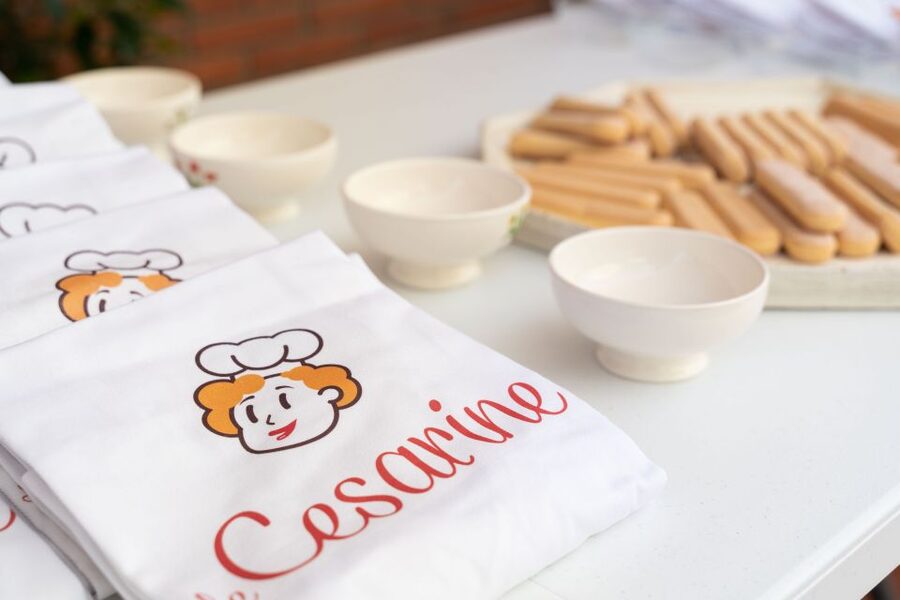
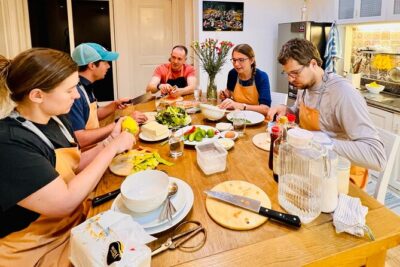
The cooking happens at a local family’s home, and for privacy reasons you get the full address only after booking. Once you’re booked, the local partner contacts you with meeting instructions.
In practice, that means two things for you:
1) you’ll likely get a more relaxed, personal setup than a restaurant kitchen
2) you should treat the experience like you’re stepping into someone’s space—clean shoes, a friendly attitude, and curiosity
The class is private, so you’re not sharing a small prep station with strangers. You can ask questions, and your guide can adjust what you’re doing in real time. Your instructor speaks English and Italian, so you’re covered even if you’re not comfortable with Italian.
From what’s worked well for hosts, the teaching style is friendly and practical. In one Lecce home experience, hosts like Carlos and Giusy made the day feel warm and lived-in, and the same goes for other couples such as Antonietta and Gianni, who shared not only techniques but also what to look for in market products and how to put together vegetable-driven dishes and pasta from scratch.
You might not have the exact same household setup, but the tone tends to be consistent: you learn because the hosts genuinely enjoy teaching.
The recipes: three local dishes, built around family know-how
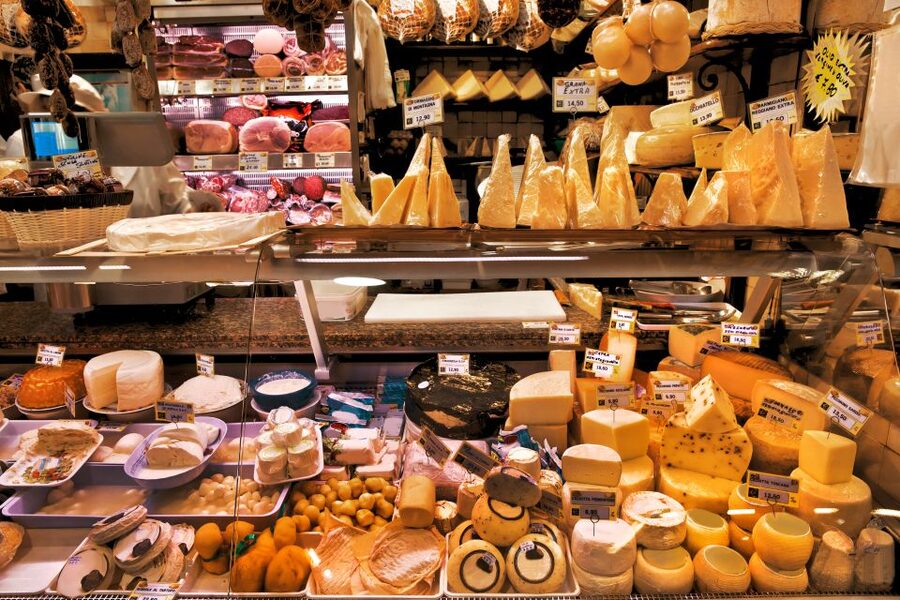
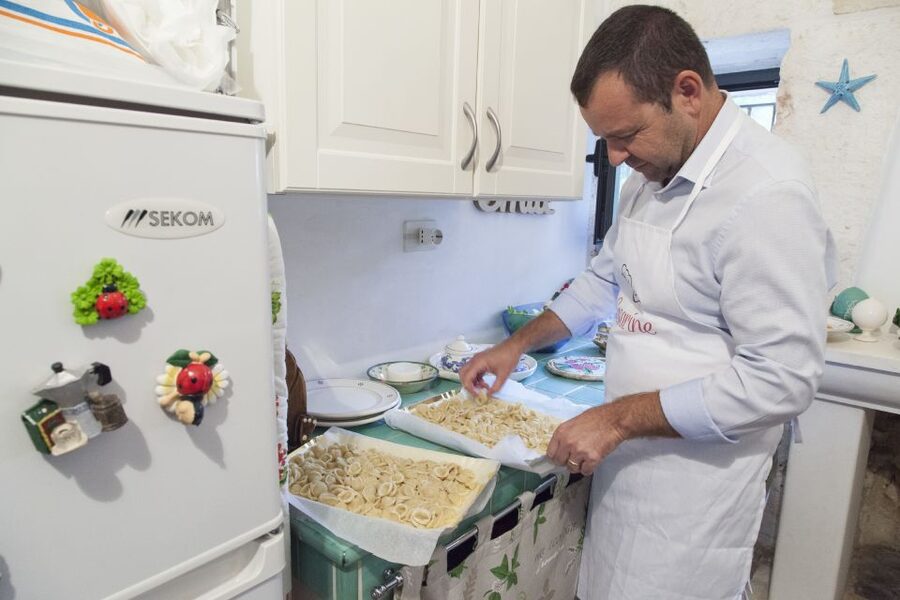
Your tasting includes three local recipes, which matters because it keeps the meal varied. You’re not stuck with one dish done three ways. You’ll learn multiple approaches—typically a mix of pasta and vegetable flavors—so you can recreate more than one meal back home.
The description emphasizes traditional family recipe secrets passed down through generations. That’s not just marketing language. It usually shows up in the small decisions:
- how a sauce gets built in stages
- how vegetables are handled so they still taste like themselves
- what matters for timing so the meal hits the table together
One home baker host, Antonietta, is known for treating dough work with serious care—kneading, rolling, and shaping with real passion. Even if you’re not making bread in every class, you’ll learn that technique is part of flavor, not extra work.
Don’t expect a rigid classroom experience. This is cooking as it’s done in families: you’ll work, taste as you go, and adjust with your guide’s help.
Tasting everything you cook, plus wine and coffee
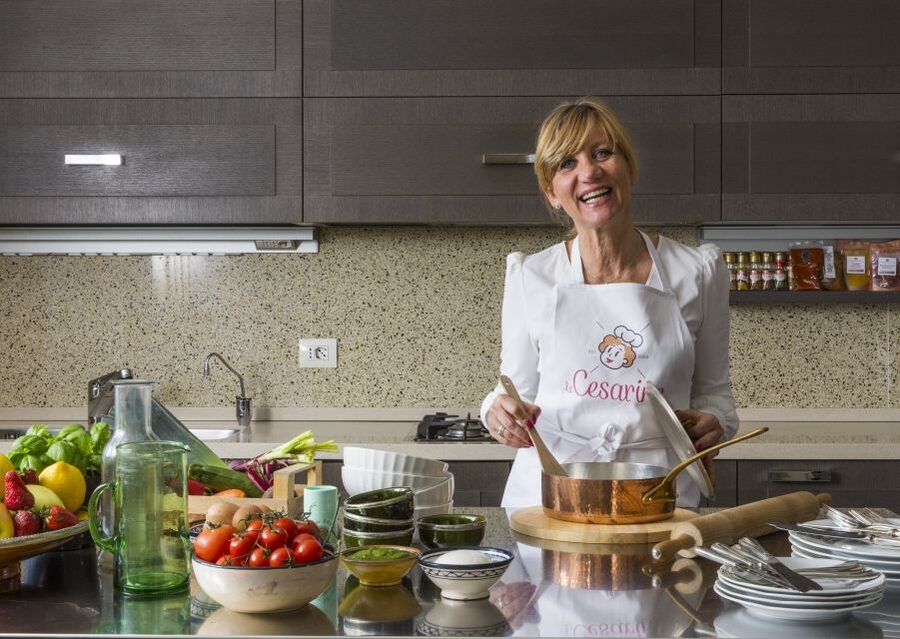
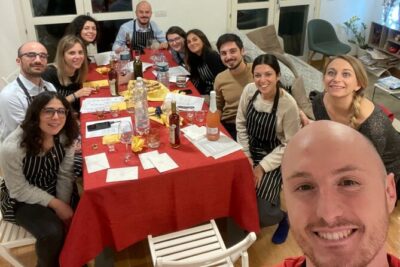
After you finish cooking, you sit down and taste everything you prepared. That’s a big deal because it turns your effort into a real meal right away. Instead of leaving with only instructions and photos, you get instant feedback on whether your seasoning, textures, and timing worked.
You’ll also have beverages included: water, wine, and coffee. That pairing makes the meal feel complete, the way a typical Apulian evening does—food first, conversation next, and wine that supports rather than distracts.
One practical tip: pace yourself while you cook. If you push too hard early, you’ll be exhausted by the time the tasting starts. The tasting portion is where you learn what your choices meant, so try to stay present.
Price and value: is $214.11 per person fair?
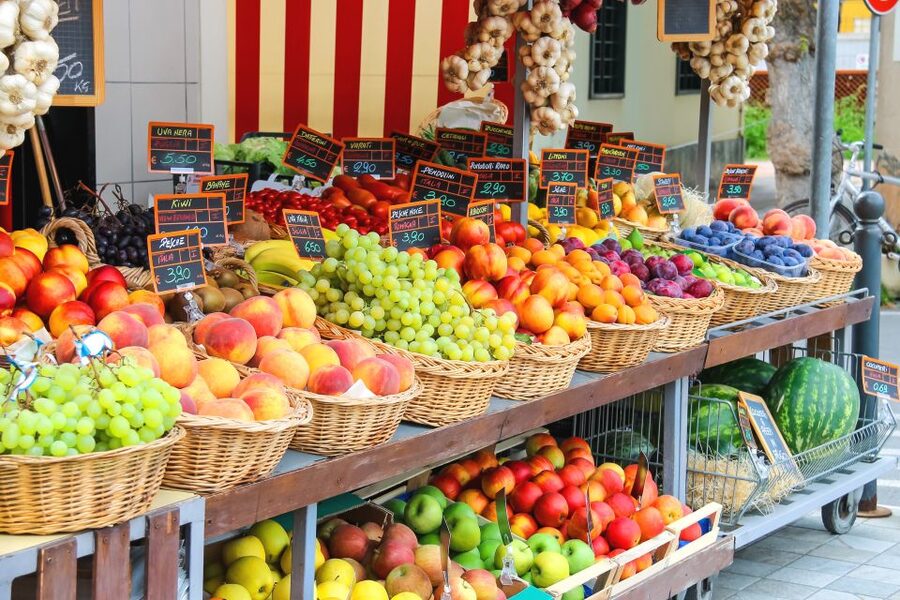
At about $214.11 per person, you’re paying for a lot more than a cooking demo. You’re buying:
- a private market visit with an expert home cook
- a private class in a family home
- instruction and hands-on cooking support
- tasting for three recipes
- water, wine, and coffee
If you’ve taken group classes in the past, you’ll notice the difference immediately: private means the guide can focus on your questions and your pace. Market shopping also costs time and labor, but it’s what makes the recipes feel anchored to the region.
Would a cheaper class exist? Sure. But you’d likely lose one or more of the key value pieces: private attention, market ingredient guidance, and a full sit-down tasting of multiple dishes.
For me, this price becomes easier to justify if you’re the type of traveler who wants to learn how to cook regional food in a way you can repeat. If you only care about eating, a cheaper meal might be enough. If you want skills plus a story plus a proper Apulian table experience, the value stacks up.
Who this fits best (and who might want a different plan)
This is a strong fit if you:
- love food travel that includes how ingredients are chosen
- want a private experience rather than a shared group class
- enjoy learning from real home kitchens and family-style recipes
- like taking something home you can actually cook later
It may be less ideal if you’re:
- short on time and need a quick, drop-in activity (this runs around 5 hours)
- expecting a large-city, sightseeing-heavy day schedule
- not comfortable with the idea that the address is provided after booking and you’ll meet the host at home
Dietary needs can be catered to, but you must confirm them directly with the local partner after booking. That makes it important to communicate early so the host can plan ingredients correctly.
Practical tips before you go
Here are the things I’d do to make the day smooth:
- Plan to arrive on time for the market portion; once you’re in a market flow, it doesn’t wait
- Wear comfortable shoes for market walking and kitchen prep
- Have your dietary needs ready to message after booking
- Bring a curious attitude. The best questions often come from watching the host’s small habits
Language-wise, you’re covered with an instructor who can work in English and Italian. Still, knowing a few simple food phrases helps if you want to chat with stall owners during the market shopping.
Finally, treat the home setting with respect. This isn’t a show kitchen where you can wander around freely. You’ll get more from the experience if you act like you belong at the table.
Should you book this Lecce cooking class?
If you want a Lecce experience that feels like meeting Apulia through food, I’d book it. The market ingredient guidance plus a private home kitchen plus a sit-down tasting of three local recipes is a combo that tends to deliver more than the sum of its parts.
I’d especially consider it if you’re a foodie who likes learning techniques you can repeat. The day’s structure—buy, cook, taste—makes it easier to remember what worked and why.
On the flip side, if you’re the kind of traveler who prefers big monuments and minimal planning, you might feel this is too focused on food logistics. But if you’re coming to Apulia for the flavors, this format is one of the most satisfying ways to spend your time in Lecce.
FAQ
Where does the experience start and end?
It starts and ends back at the meeting point. The cooking class takes place in a local family’s home, and you receive the full address after booking.
How long is the tour?
The experience runs for about 5 hours. The exact start time depends on availability, with the market visit usually starting around 9:00 AM or 4:00 PM.
Is this a private group?
Yes. It’s a private group experience.
What languages are used by the instructor?
The instructor works in English and Italian.
What’s included in the tasting?
You’ll taste three local recipes, along with beverages including water, wine, and coffee.
Can dietary requirements be accommodated?
Dietary requirements can be catered to, but you should confirm your needs directly with the local partner after booking.
What do I need to bring?
The data doesn’t list specific items, but you should be ready for market walking and kitchen participation, and follow your host’s instructions after booking.